- USD 9.99
- View more offers at FS Addon Compare
- Added: July 21, 2026
- Updated: July 22, 2026
Adventure on the Yangtze River
Asia’s Longest River
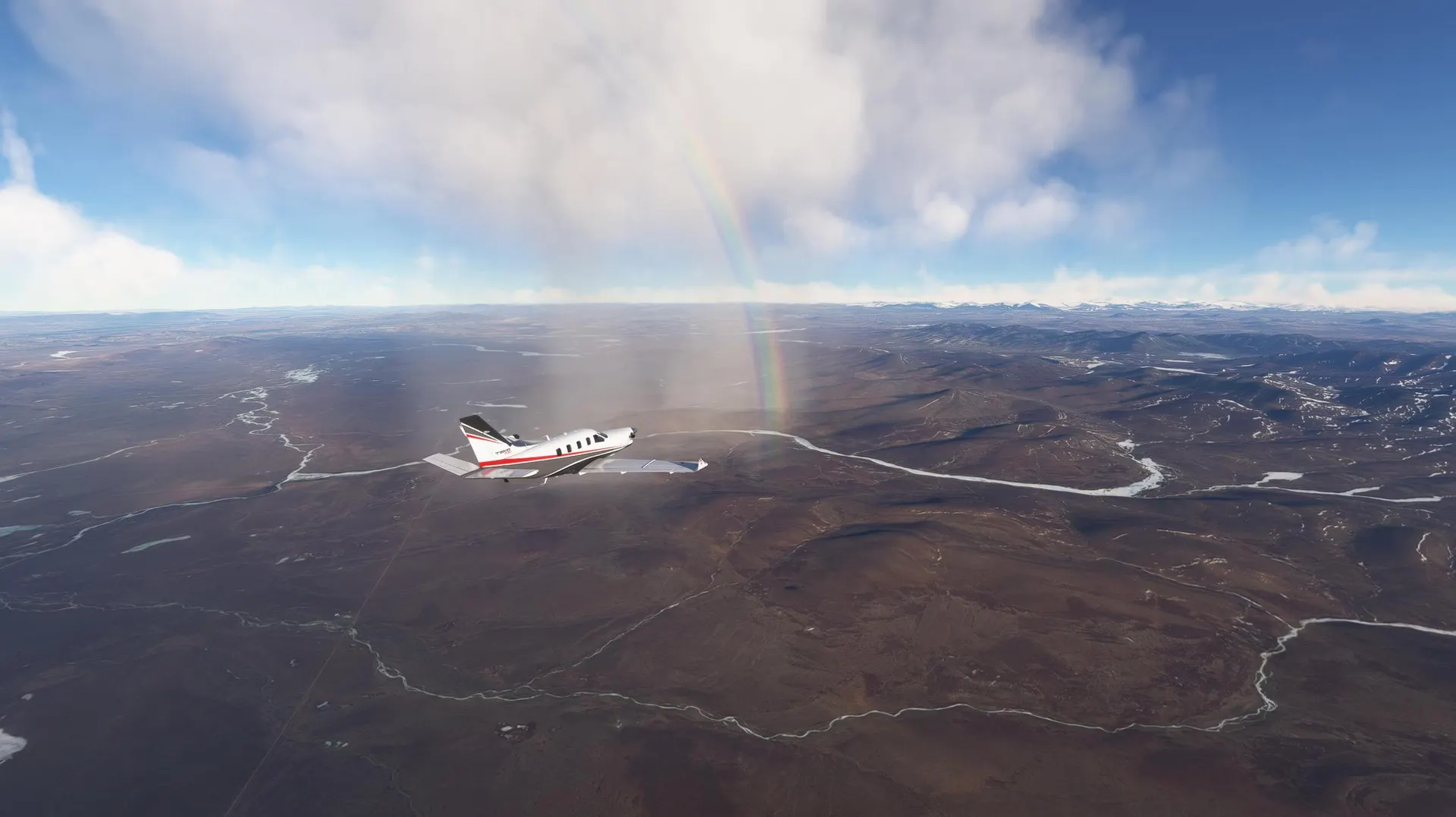
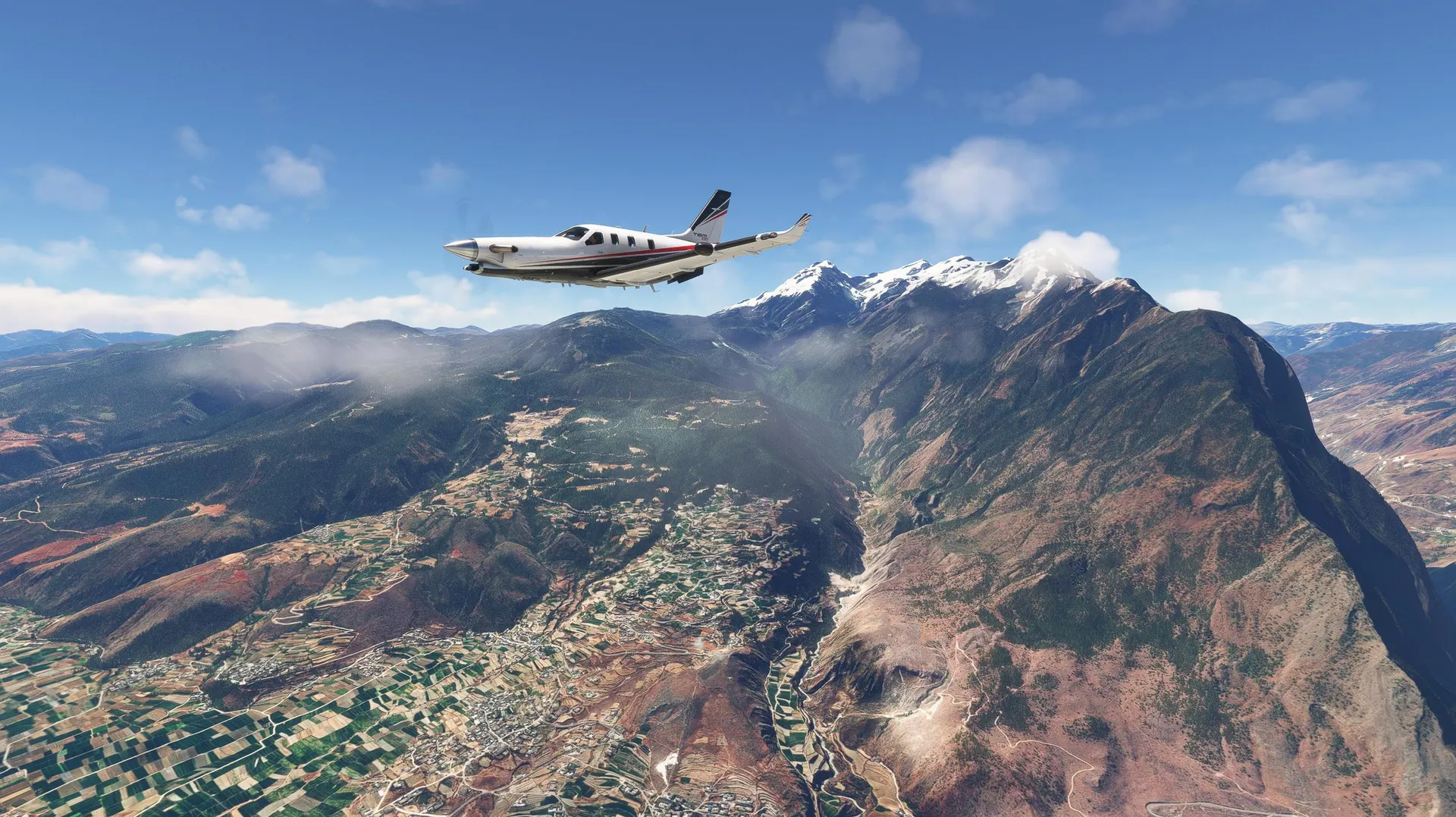
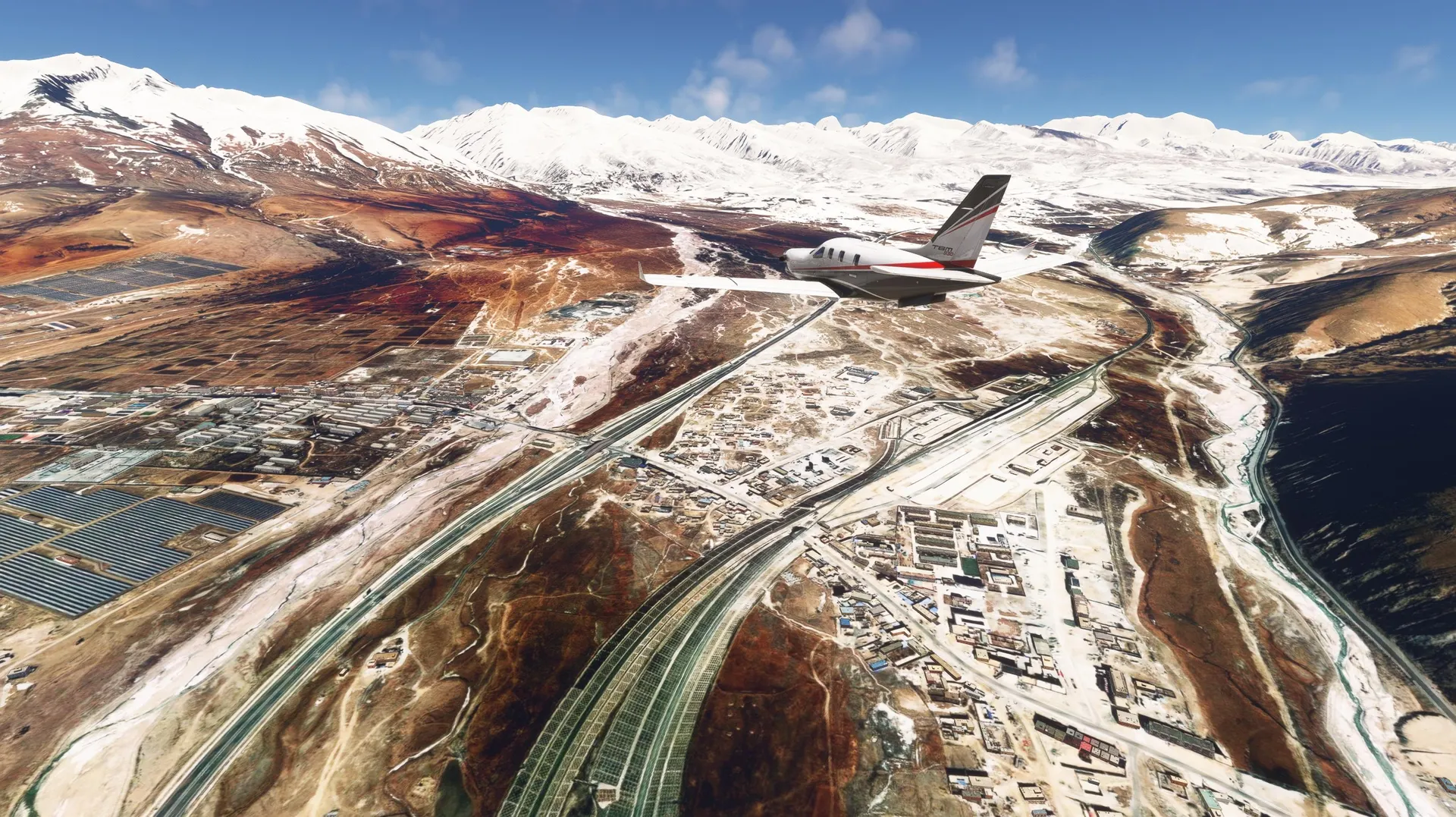
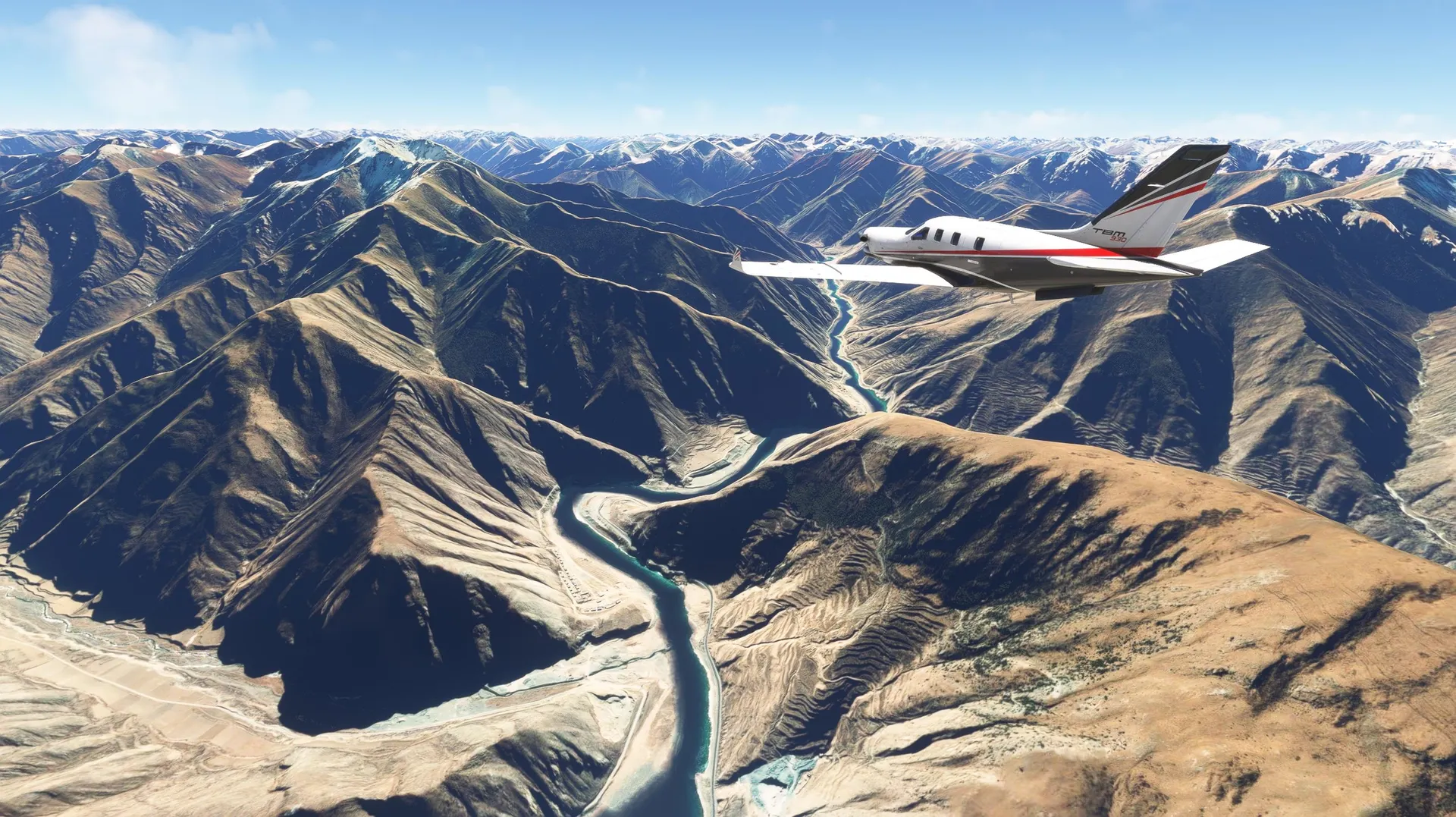
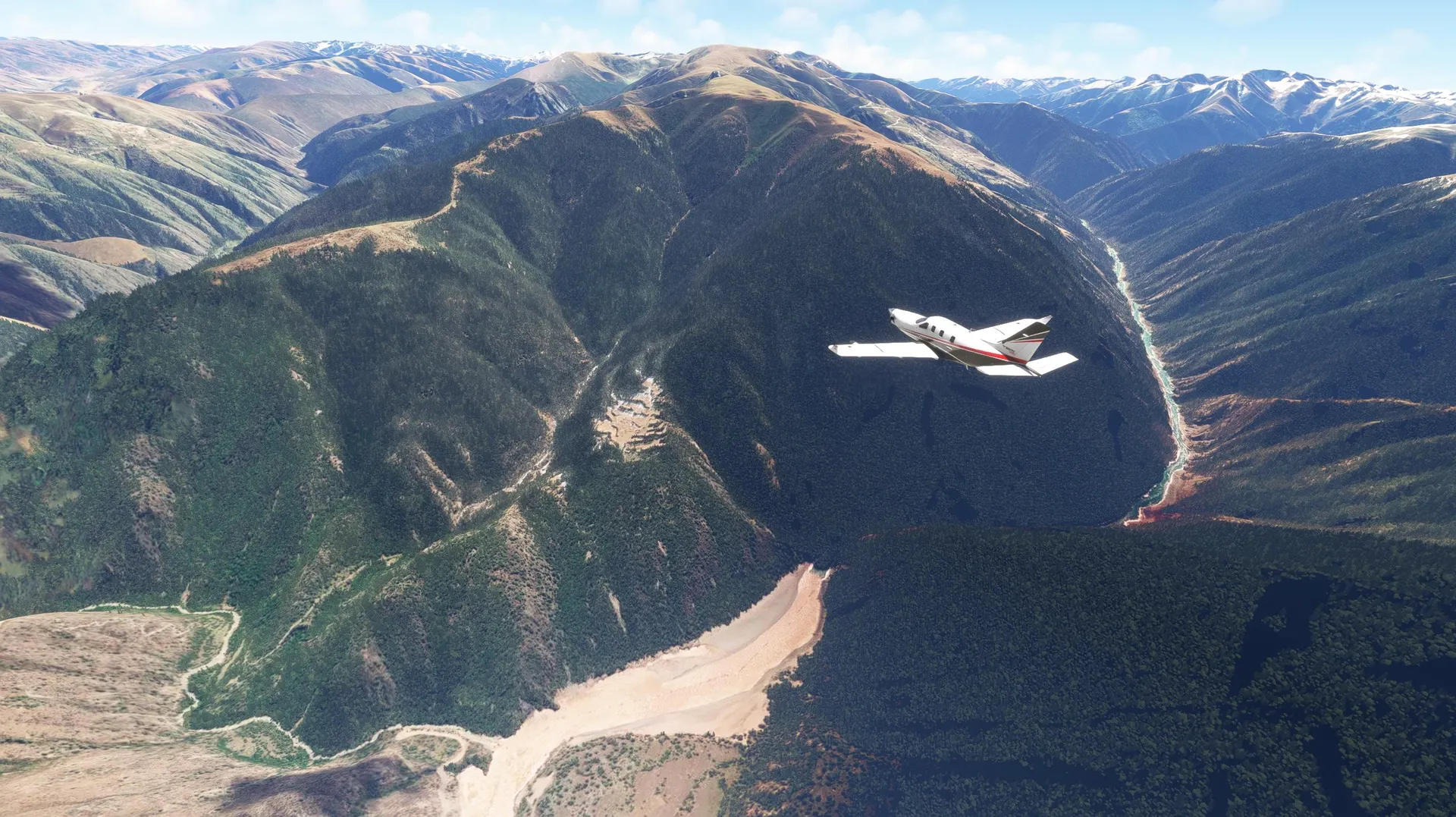
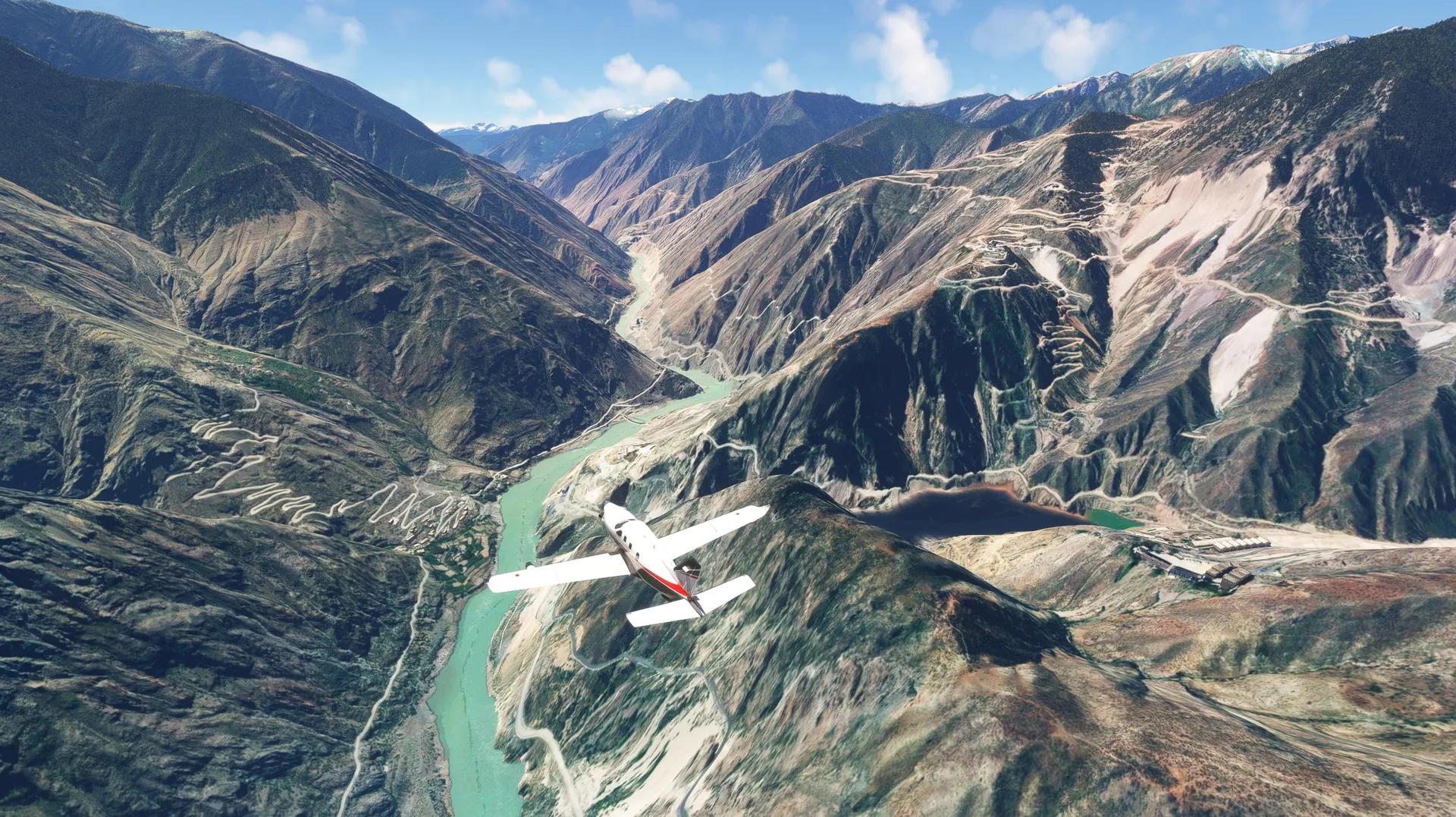
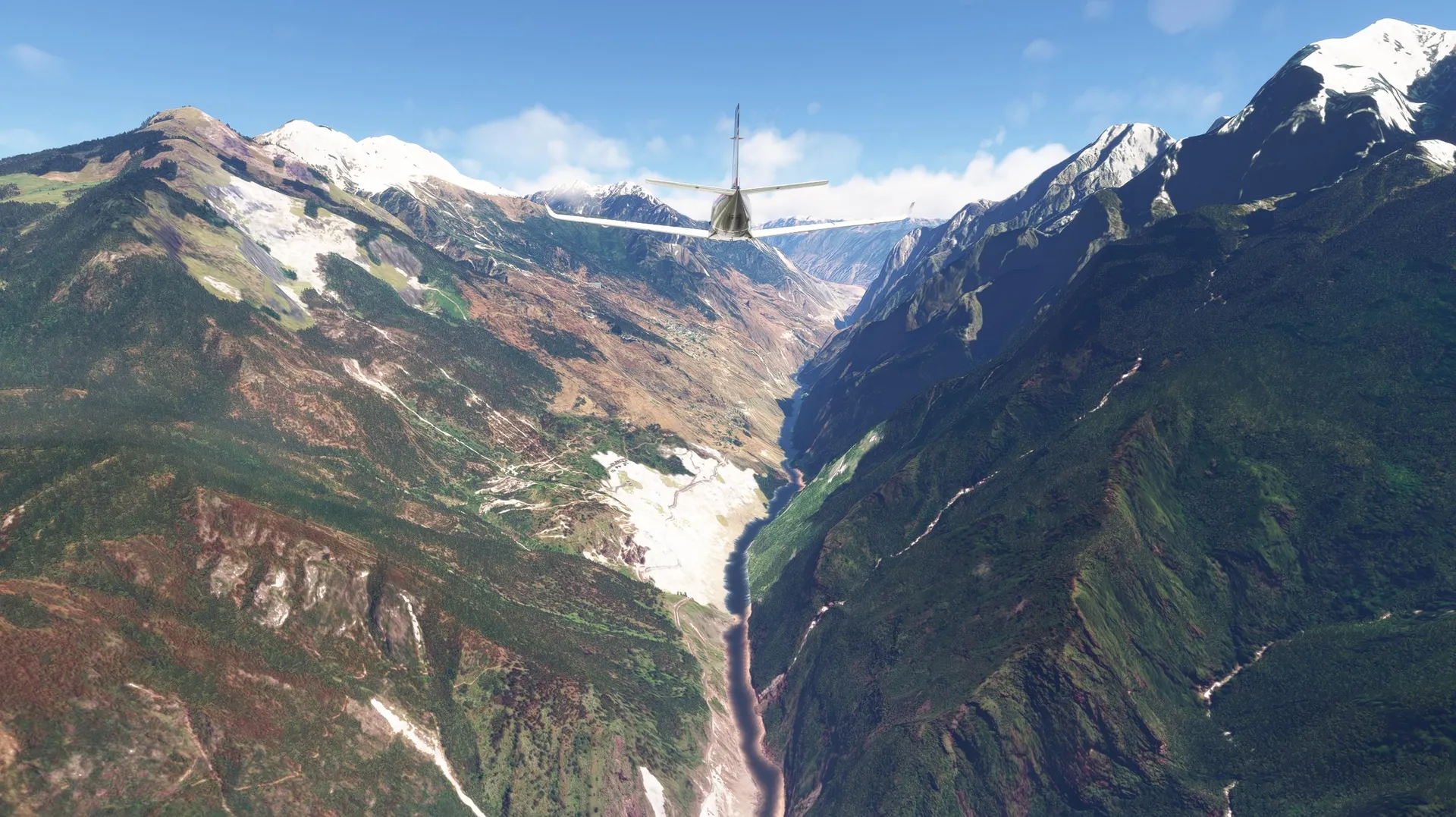
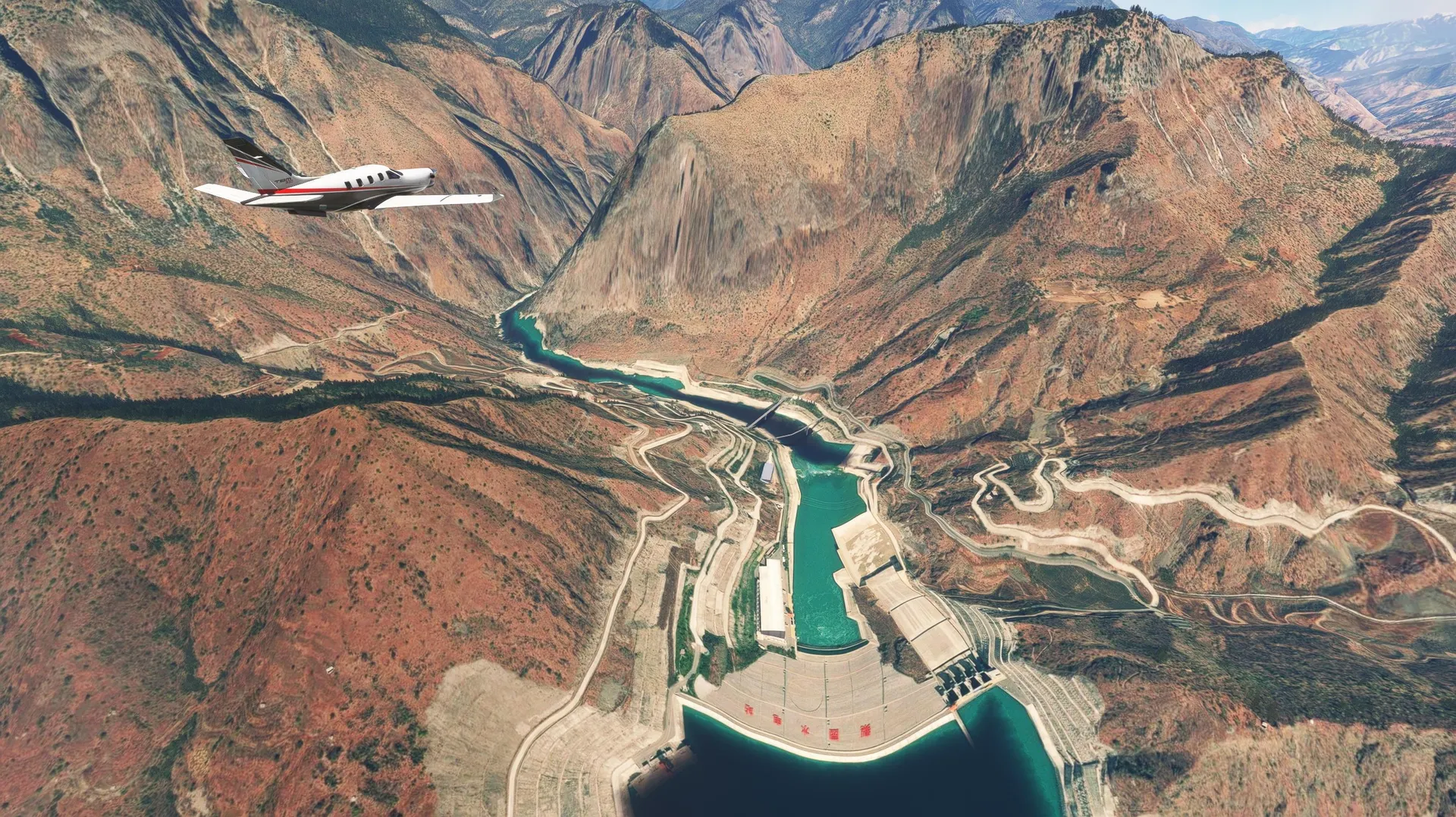
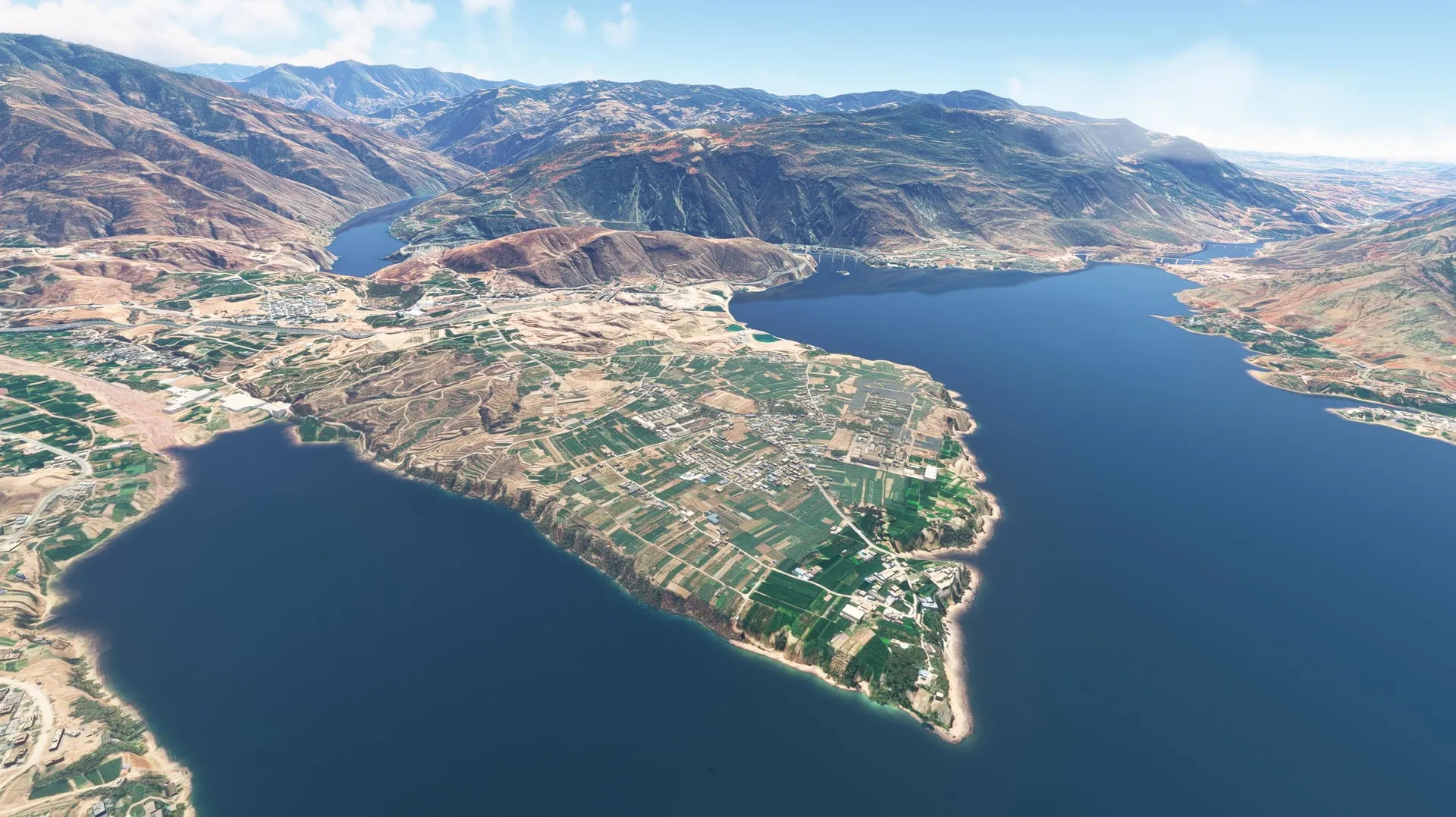
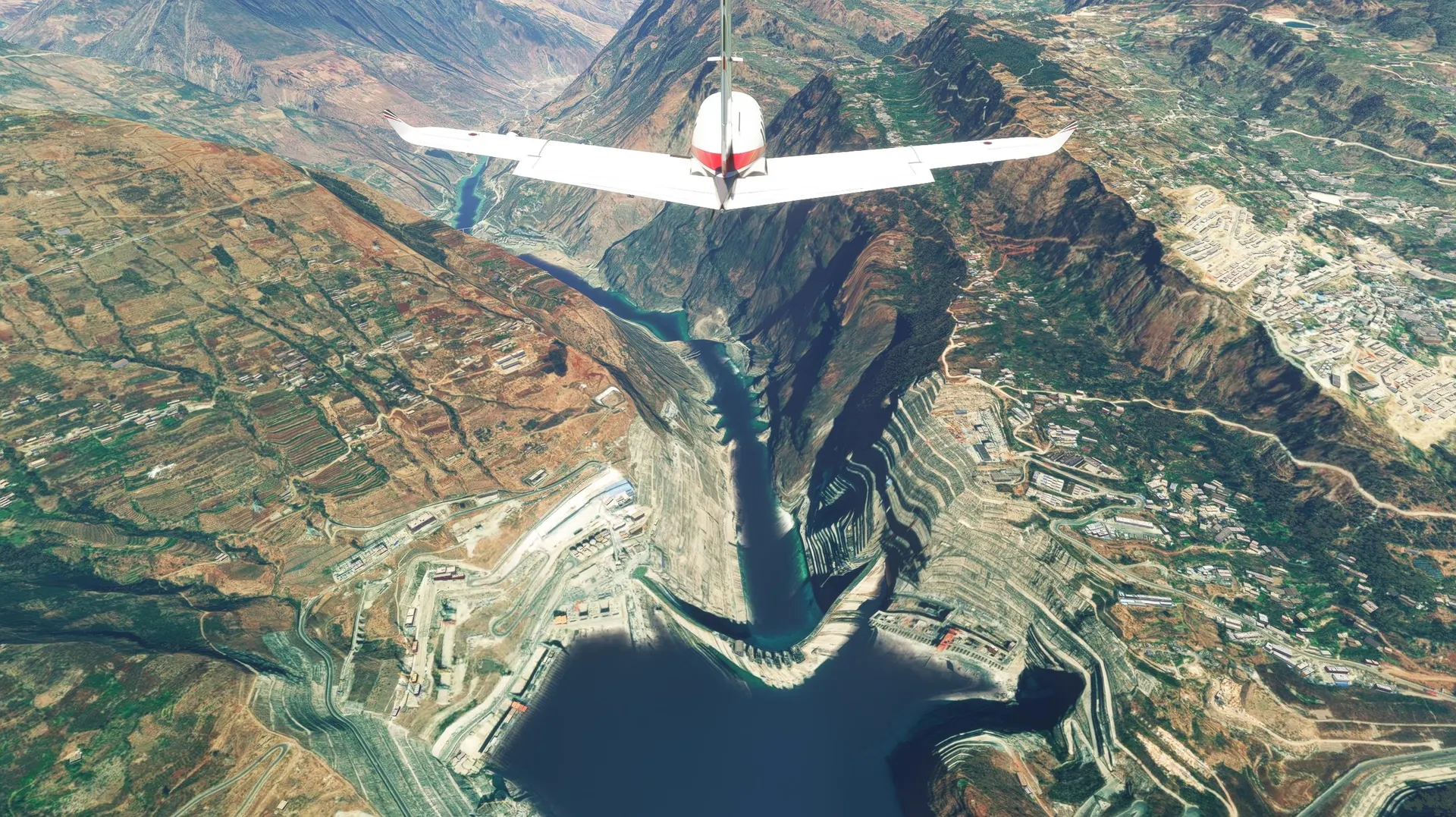
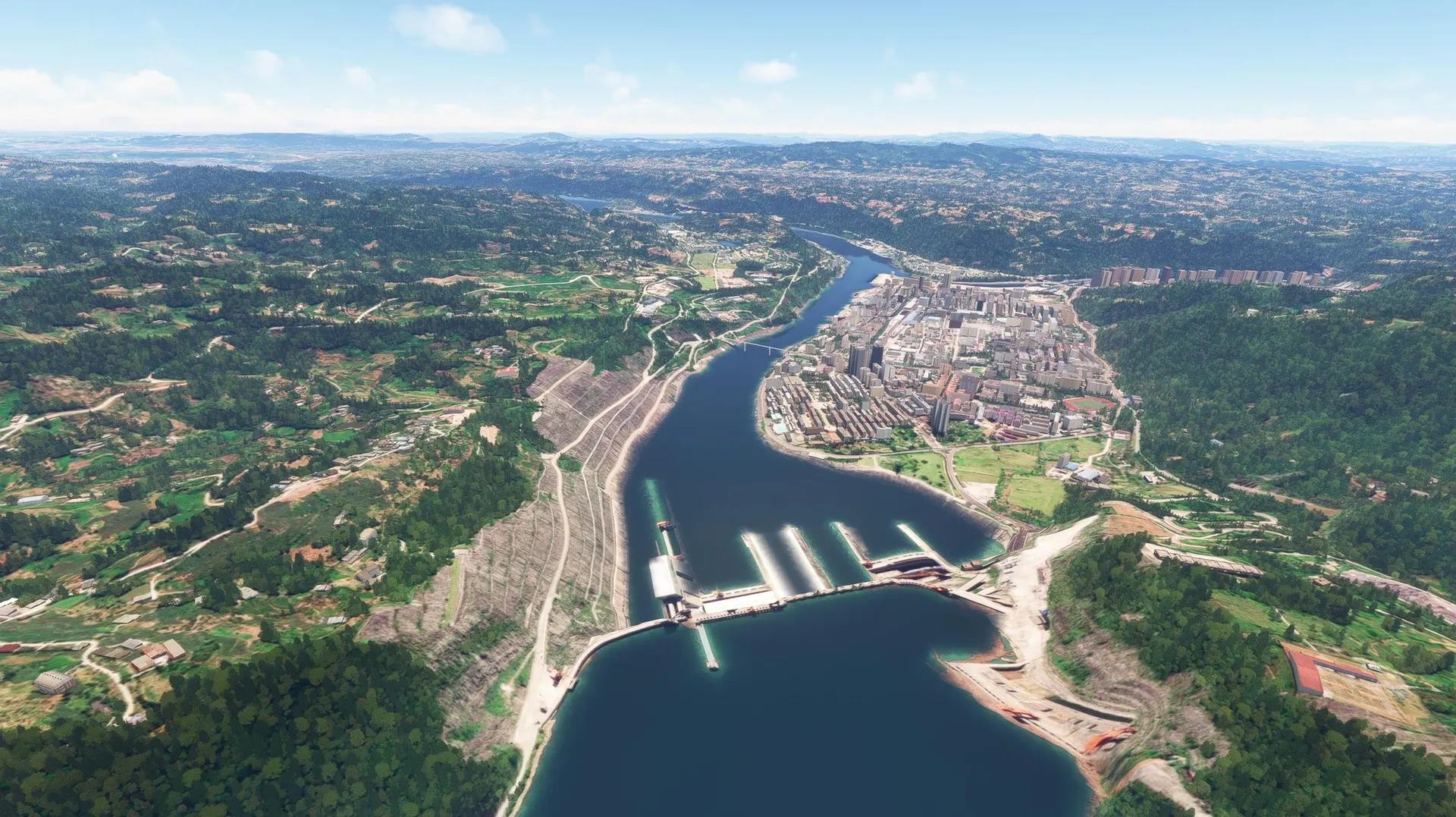
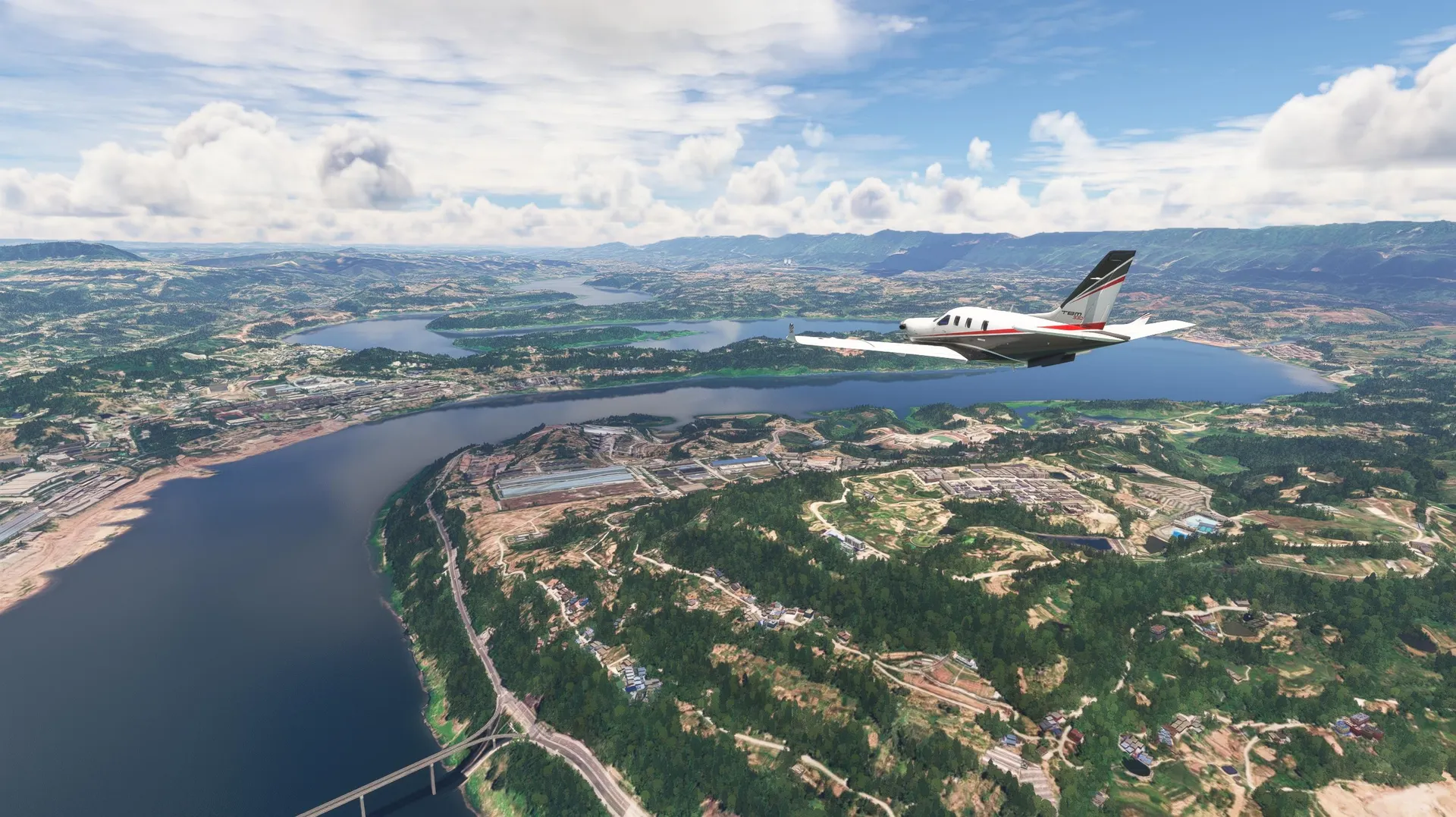
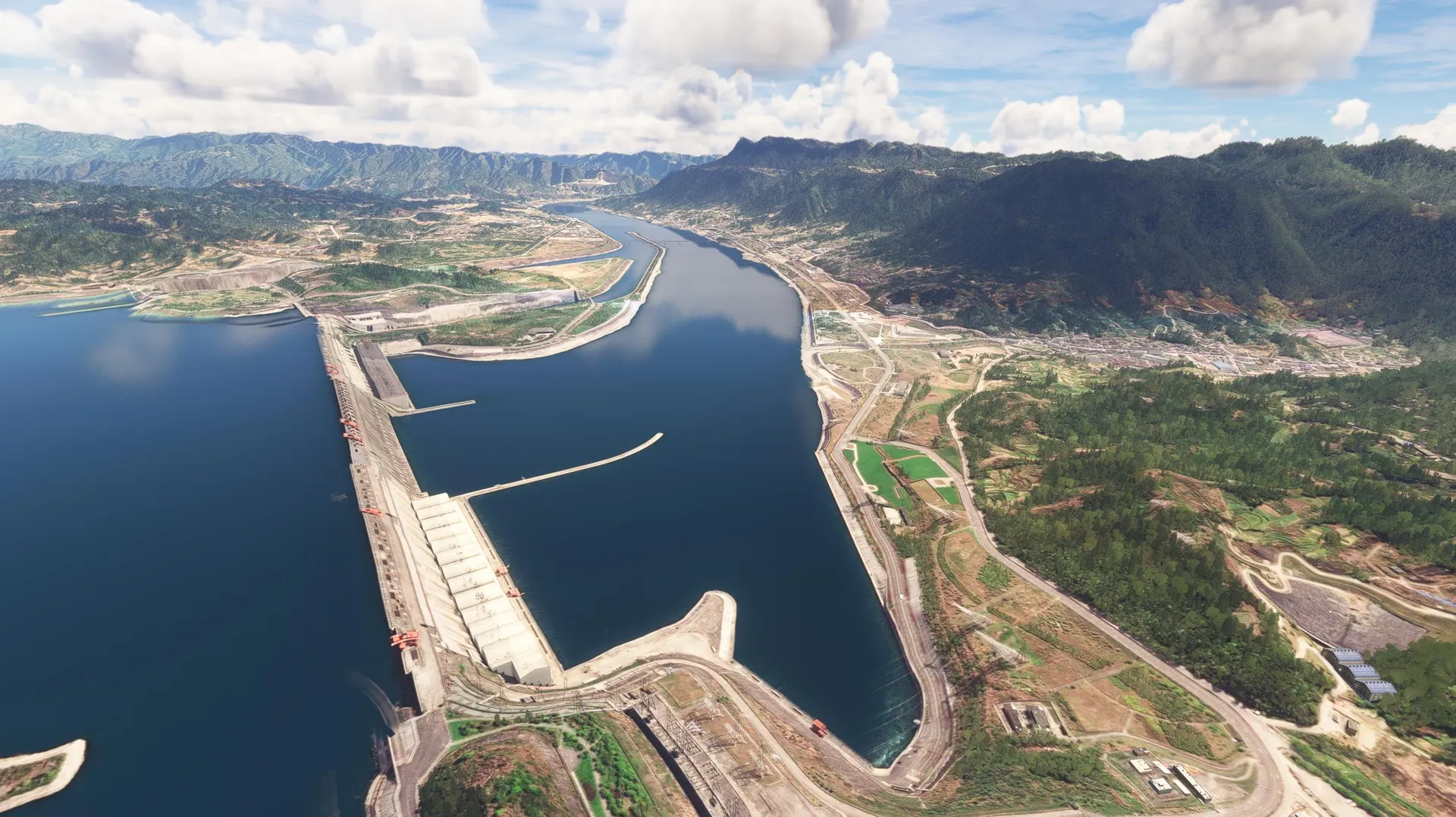
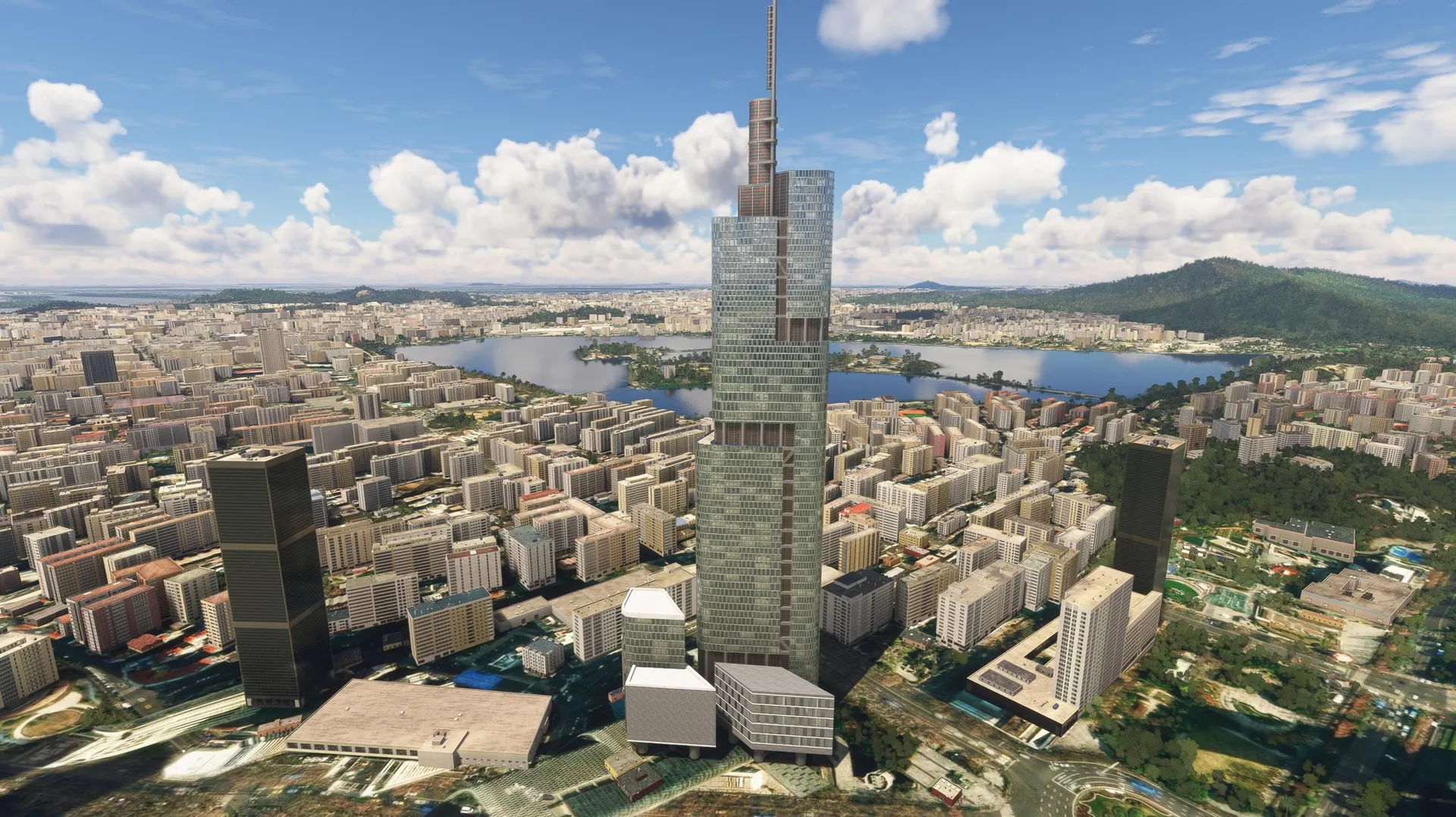
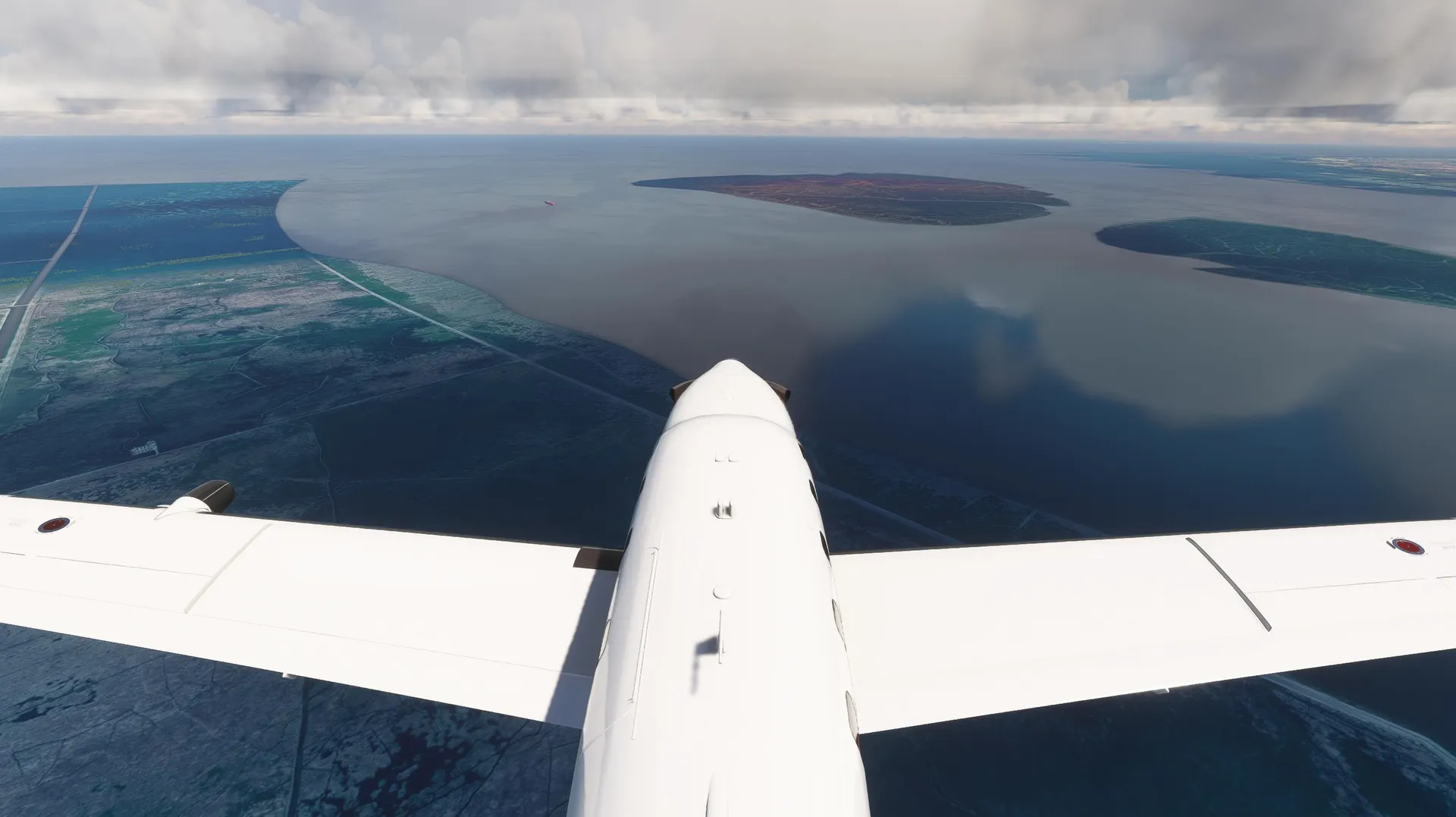
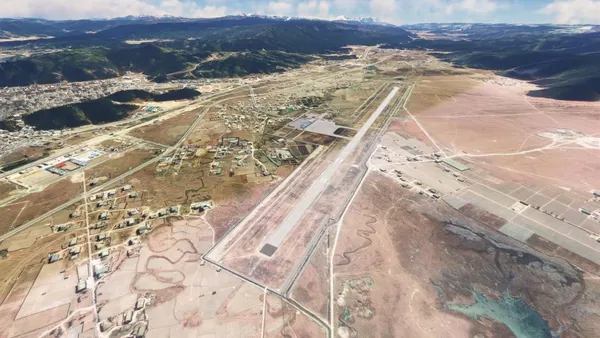
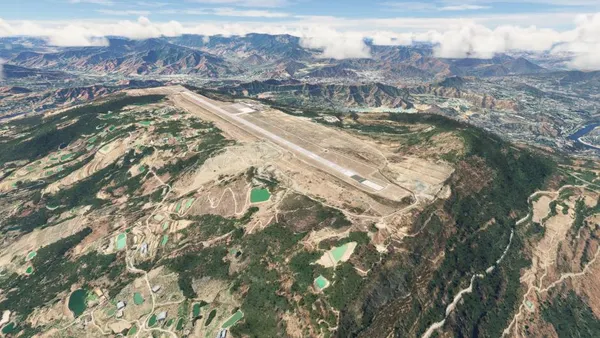
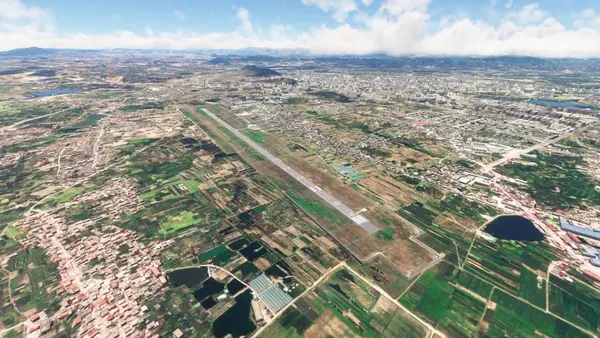
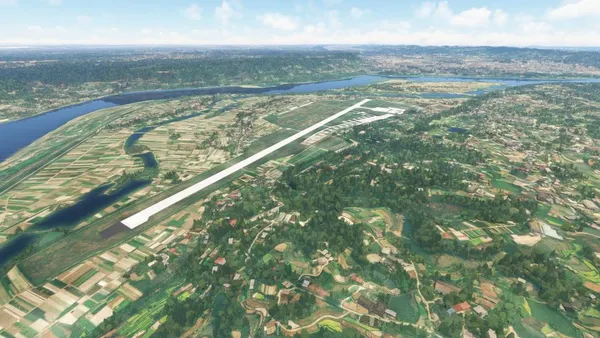
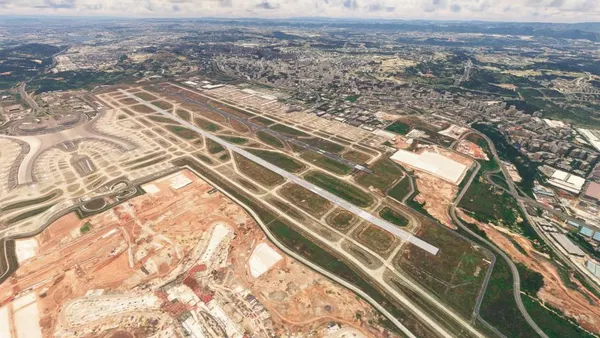
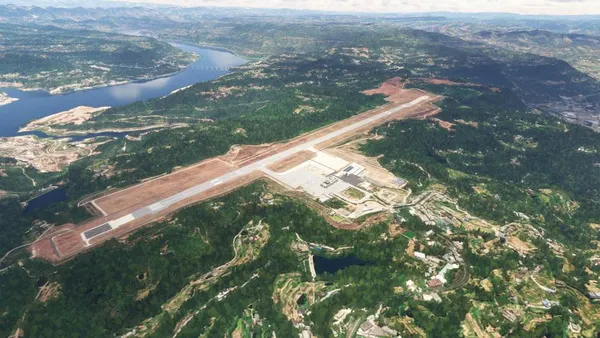
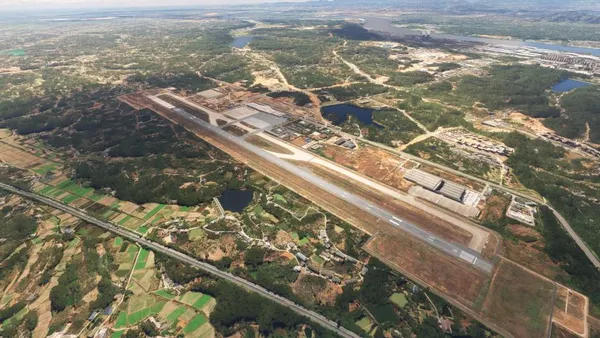
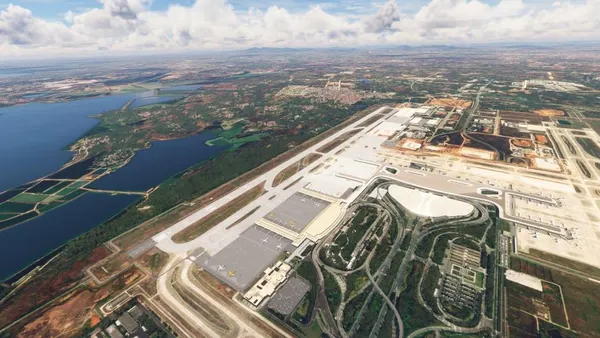
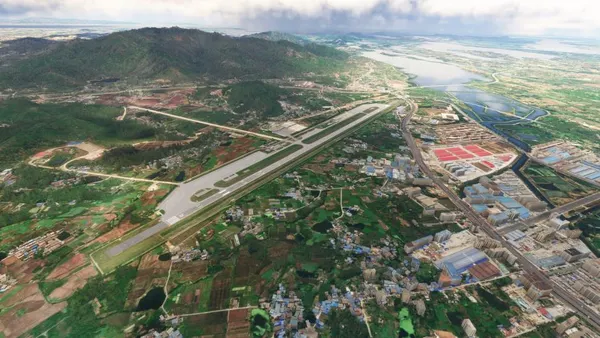
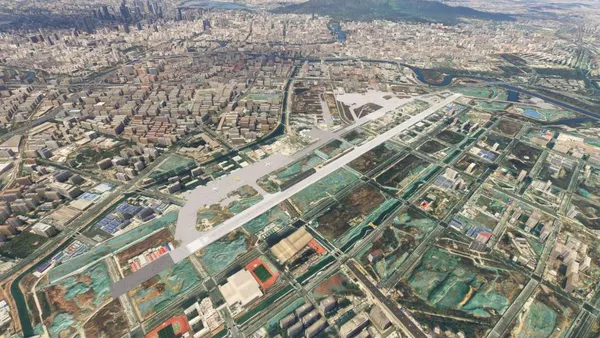
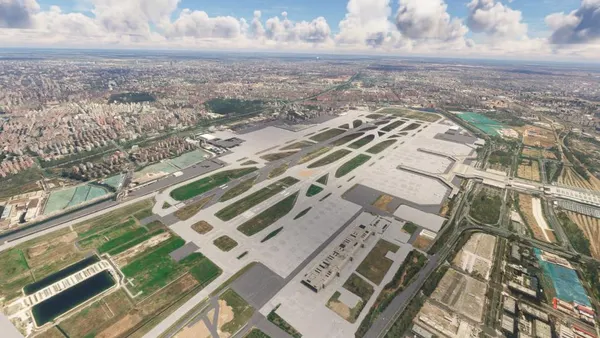
Welcome to the 10th installment of the “World Rivers” series, which was started by Nordheim Missions and is now being continued. This adventure journey begins in the Tibetan highlands, in a world of rock, ice, and thin air. Up there, the earth still seems young, rugged, and untamed. The start feels like taking off from another time: glacier tongues, sharply carved valleys, and a sky so close it’s almost within reach. Even in the first few minutes, you sense that this flight isn’t just a journey, but a descent through the great geological and cultural layers of Asia. The further east you fly, the more the landscape opens up. The rugged mountains of Tibet give way to the deeply carved gorges of Yunnan and Sichuan, where the young Yangtze carves its way through massive rock formations. From the air, you can see how the river grows, how it gathers strength, and how it shapes the landscape. This section is an experience for every pilot: dramatic valleys, wisps of fog, terraced fields, and cities clinging to the slopes. It is the moment when you realize just how mighty the river you are following truly is. Then you reach the middle course—a world of reservoirs, vast plains, and historic cities. Here, the Yangtze begins to reveal its cultural significance. Wuhan, Yichang, the great bridges, the ancient trade routes: from the air, you can see the axis that has shaped China for millennia. The flight becomes calmer, more expansive, more orderly. The landscape opens up, and the river becomes a broad, serene ribbon connecting the cities. The closer you get to the east, the more you feel the power of the delta. The banks become flatter, the fields more geometric, the cities denser. Nanjing appears like a historic fan nestled between hills and the river; Zhenjiang like a hub of hills, temples, and waterways; Jiangyin like an industrial barrier along the river. And finally, the landscape opens up to the coastal plain—a transition from the inland to the maritime world. The final stretch takes you across Chongming Island, a green, flat river island of almost surreal expanse, before the Shanghai skyline rises on the horizon. The approach to Hongqiao is not a spectacular coastal approach—it is something better: an arrival in the heart of a cosmopolitan city, nestled among parks, canals, and the tranquil expanse of the delta. It is a quiet, elegant conclusion to a journey that began in the highest mountains on Earth. This route offers just about everything the simulator has to offer: extreme topography, large-scale geological features, historic cultural landscapes, urban areas, river systems, coastal plains, and finally, one of the world’s largest metropolises. It is a journey through space and time, through nature and culture, through the history of one of the world’s largest countries—and from the cockpit, it unfolds like a single, vast panorama.Specifications:
- The weather, date, and times are freely selectable.
- A GPS course is available and can be obtained. Here is a guide: https://www.koschis-web.de/en-us/help-support#gps
- ATC as well as many other functions are enabled to allow you to customize your flight experience.
- The mission is machine-translated into all available languages in MSFS. As a result, translation errors may occur. If you have a better translation, feel free to send it to me.
- The mission is multiplayer-compatible and can be flown together with friends.
- You fly a TBM 930. PC users can swap out the aircraft with a little manual work. Instructions for this are available here: https://www.koschis-web.de/en-us/help-support#change