MSFS 2024 Status:
Investigating Marketplace
Support the site - donate!

Aerostar 600

A2A Simulations Inc.

TWIN ENGINEPISTONA2A SIMULATIONSACCUSIMAEROSTAR 600

0/5 (0)


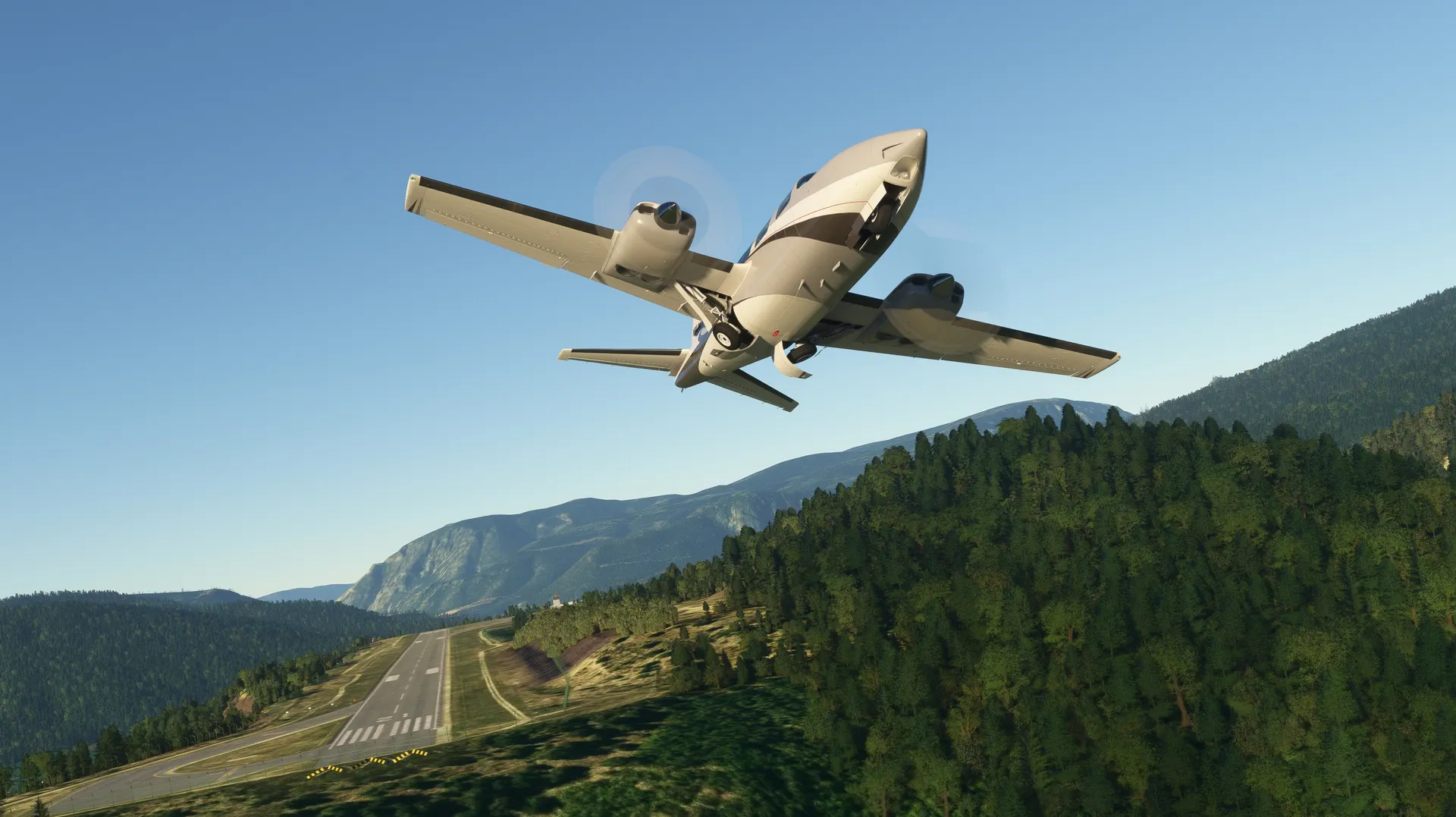
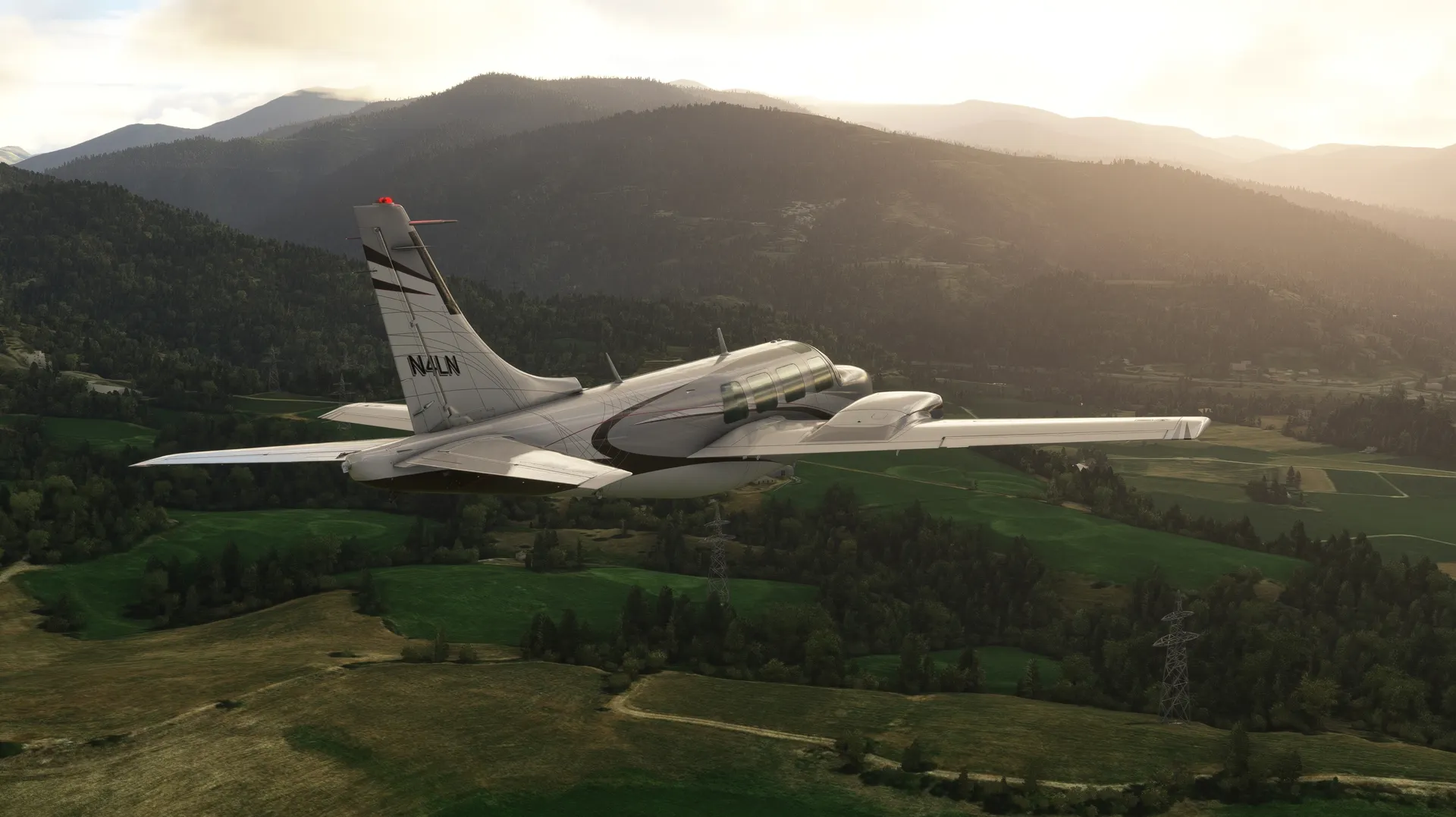
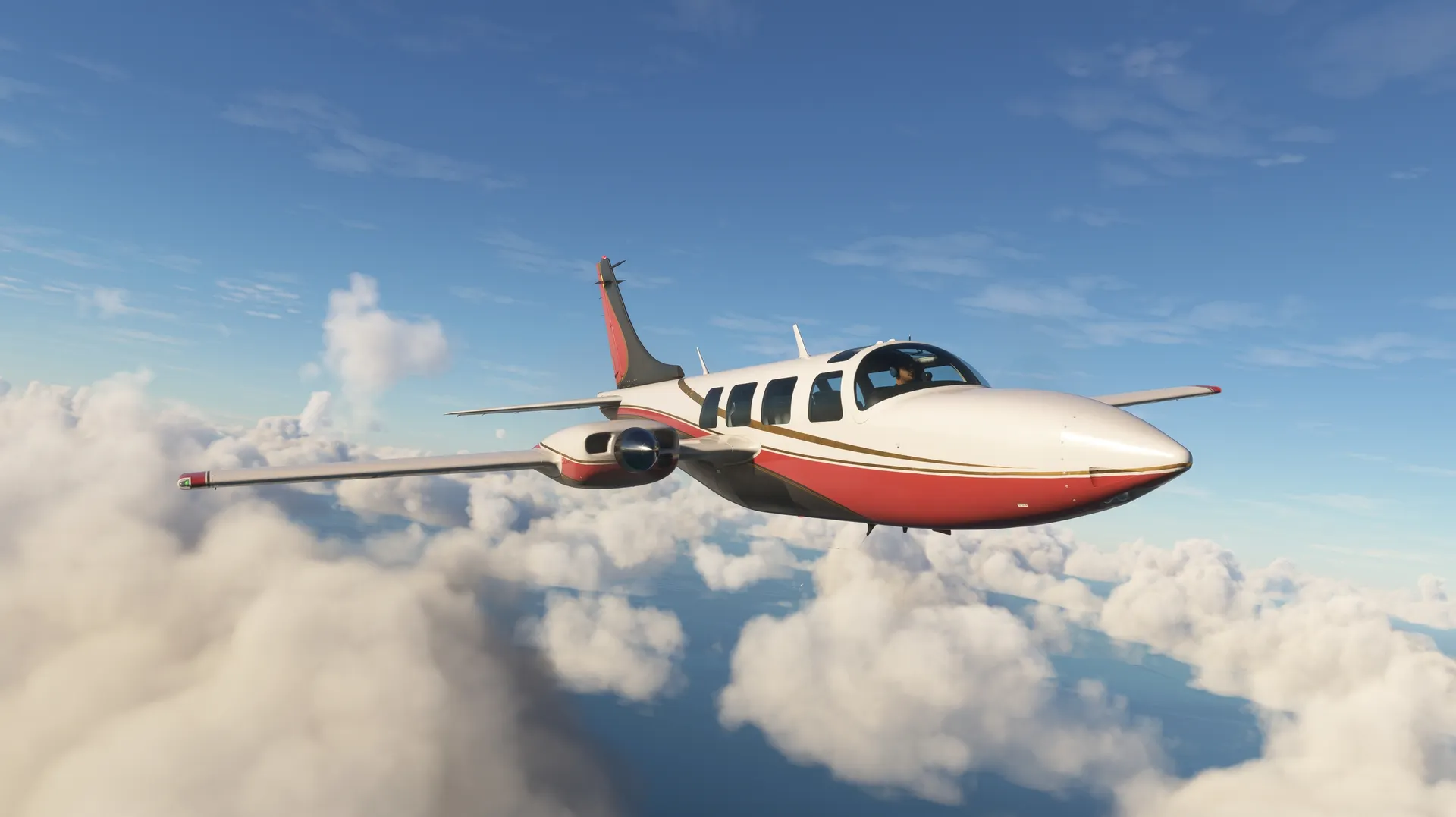
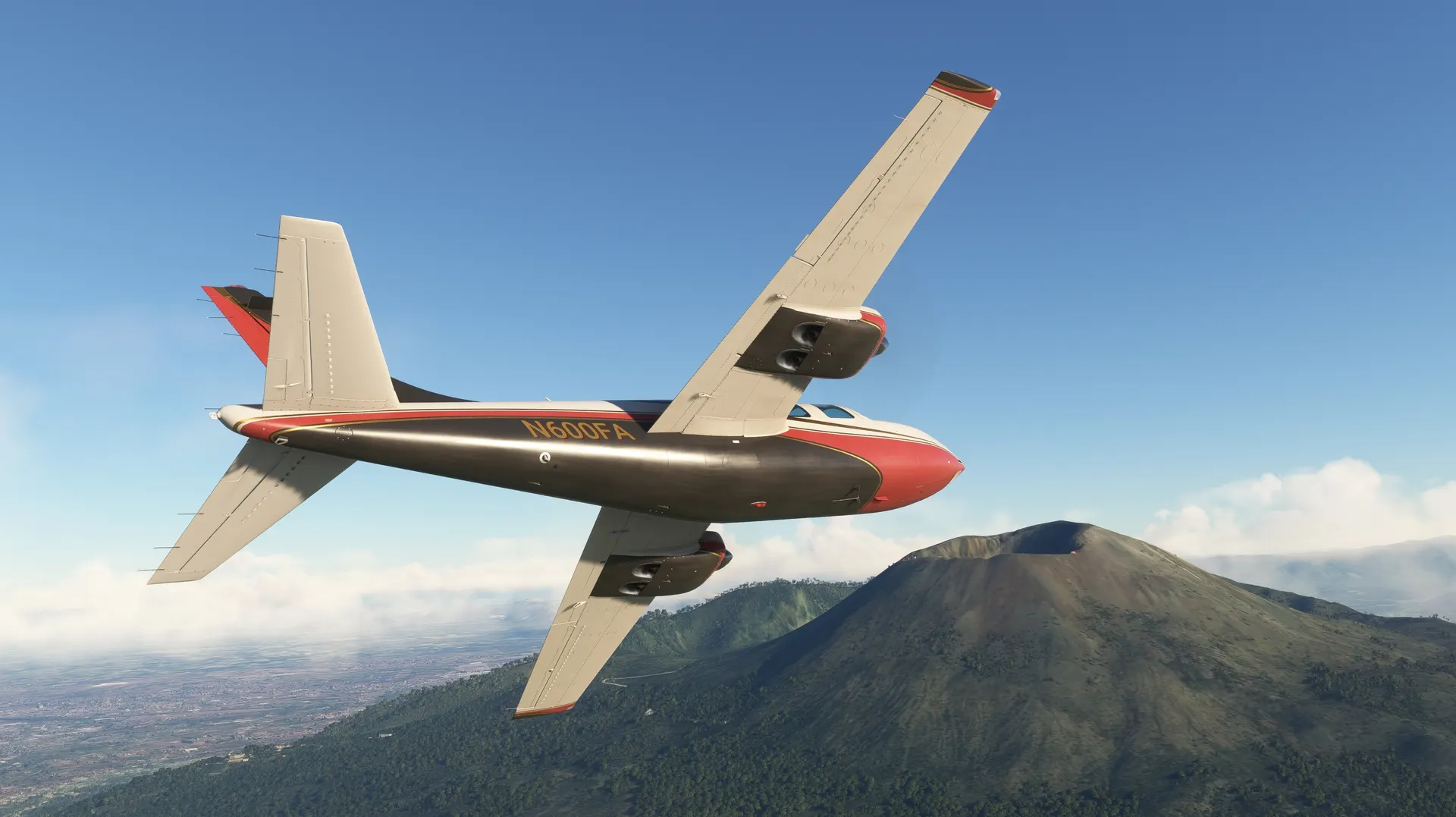
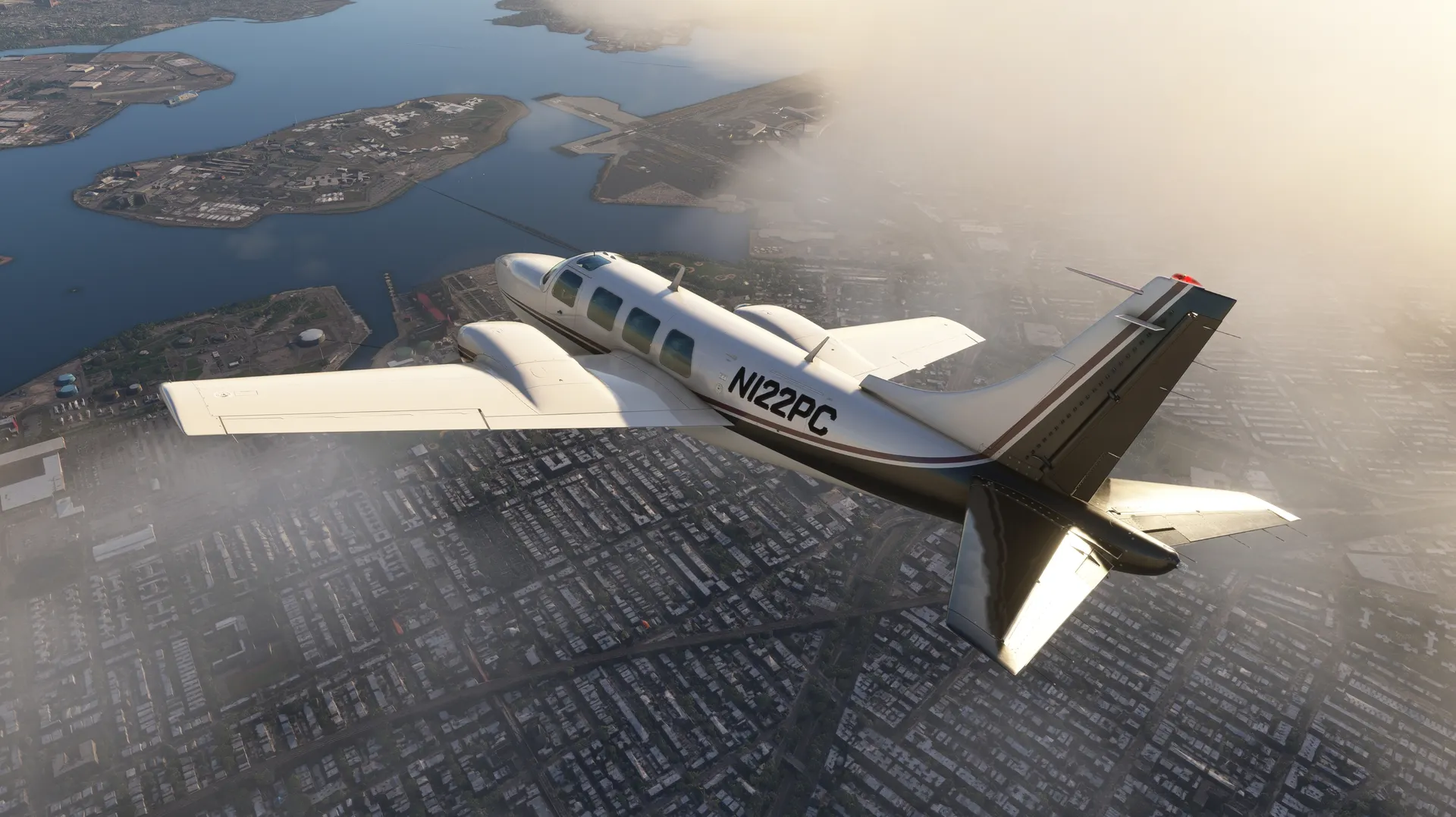
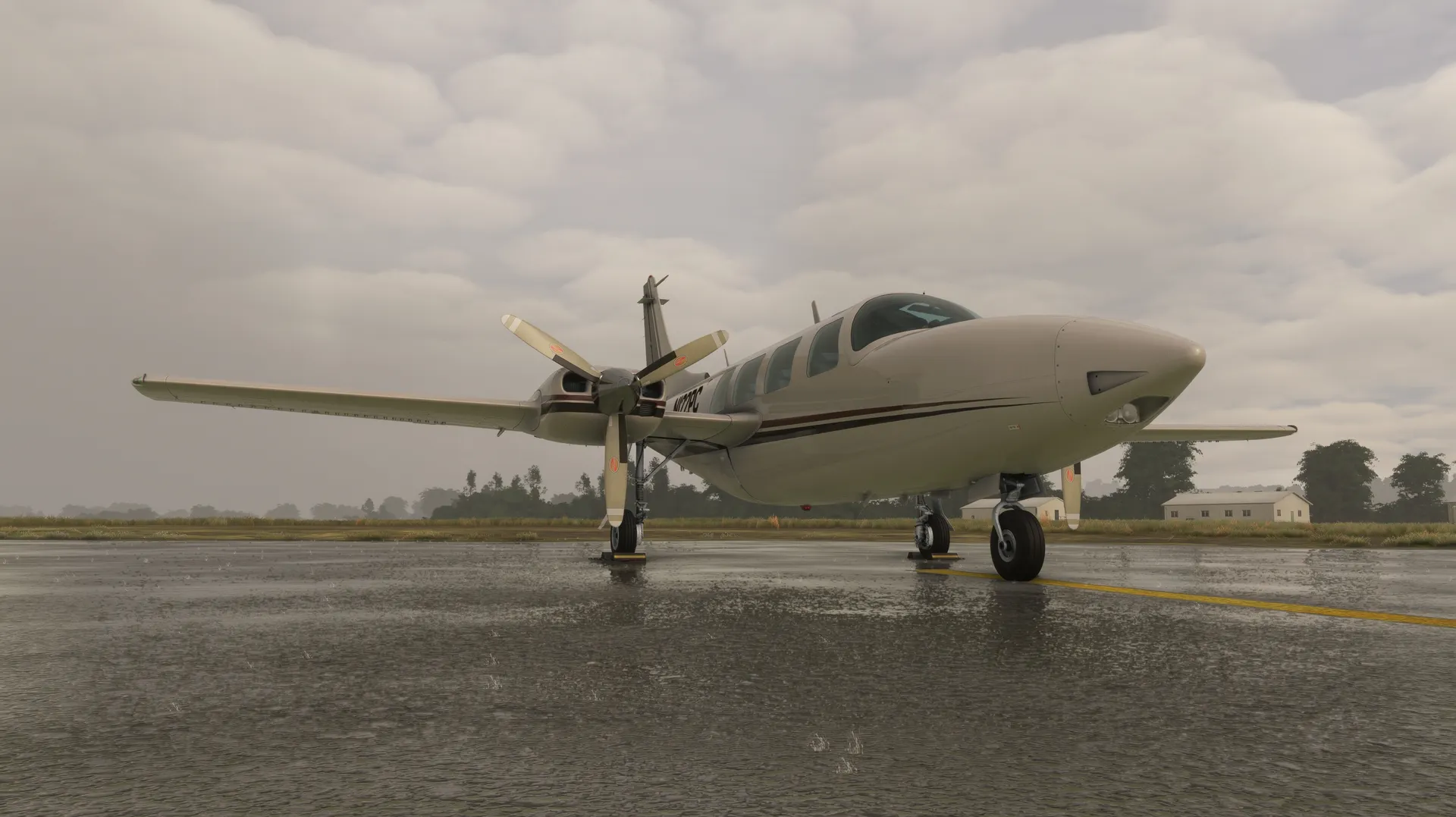
Introduction After years of refining Accu-Sim technology, A2A Simulations proudly presents the Aerostar 600, powered by our all-new Accu-Sim 2.0. Built from the ground up, this technology redefines flight simulation with a physics-based approach to aerodynamics, engine modeling, and aircraft systems. The Aerostar 600, a high performance twin-engine aircraft, was chosen as our flagship for Accu-Sim 2.0 due to its unique blend of speed, reliability, and handling, making it an ideal platform to showcase our advancements.

Development involved extensive research and testing, leveraging real-world Aerostar data to ensure authenticity. From the Lycoming IO-540-G1B5 engines to the dynamic hydraulic and electrical systems, every aspect is simulated with unprecedented fidelity. Our new aerodynamics engine captures the Aerostar’s responsive flight characteristics, while the pilot’s tablet offers intuitive control over loading, maintenance, and system monitoring.

Scott Gentile President, A2A Simulations Inc

Features

  • Accu-Sim 2.0 Aerodynamics: Physics-based external aerodynamics engine for realistic flight dynamics, validated against real-world Aerostar performance.
  • Per-Cylinder Engine Simulation: Complete physics-based model of twin Lycoming IO-540-G1B5 engines, simulating fuel injection, ignition, and wear.
  • Dynamic Ground Physics: True weight-on-wheels simulation, tire side loading, and surface-specific responses (e.g., pavement, grass).
  • Advanced Turbulence and Wing Flex: Subtle wing flex and turbulence effects responsive to weather, ground conditions, and fuel load.
  • Sophisticated Vibration Physics: Realistic ground roll and engine vibration effects, unique to the Aerostar's twin-engine configuration.
  • Authentic Fuel System: Simulates fuel lines, crossfeed, boost pumps, and contamination risks, with 174.5 gallons usable capacity.
  • Custom Oil System: Dynamic viscosity and contaminants that degrade oil, affecting engine performance.
  • Advanced Starter Simulation: Physically turns engines through compression cycles, with realistic starting challenges.
  • Physics-Driven Sound Environment: Over 1,000 dynamic sound effects, including engine rumble, hydraulic pumps, and cockpit interactions.
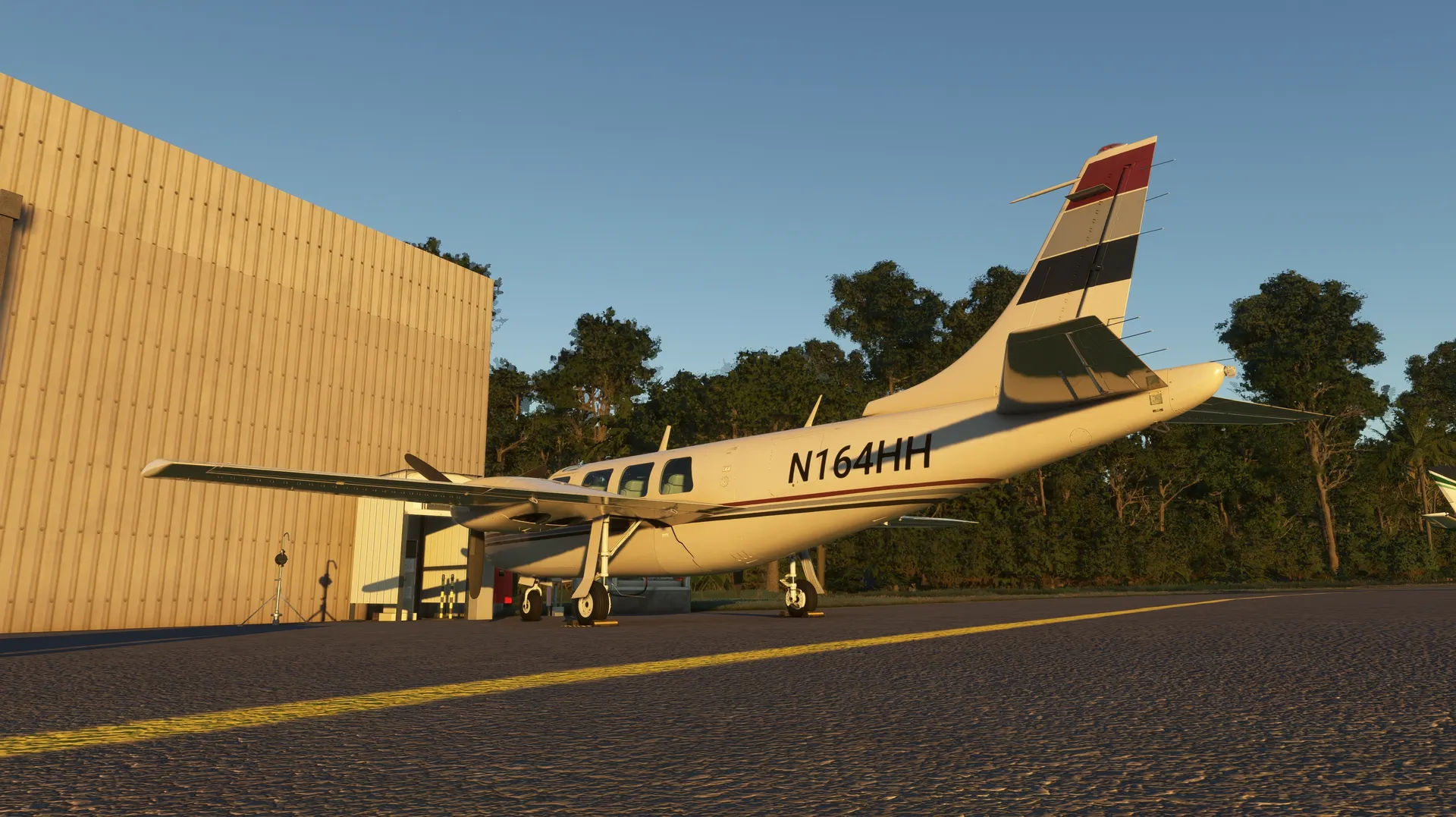
  • Detailed Modeling: High-fidelity external and internal textures with wear effects, dynamic registration decals, and animations.
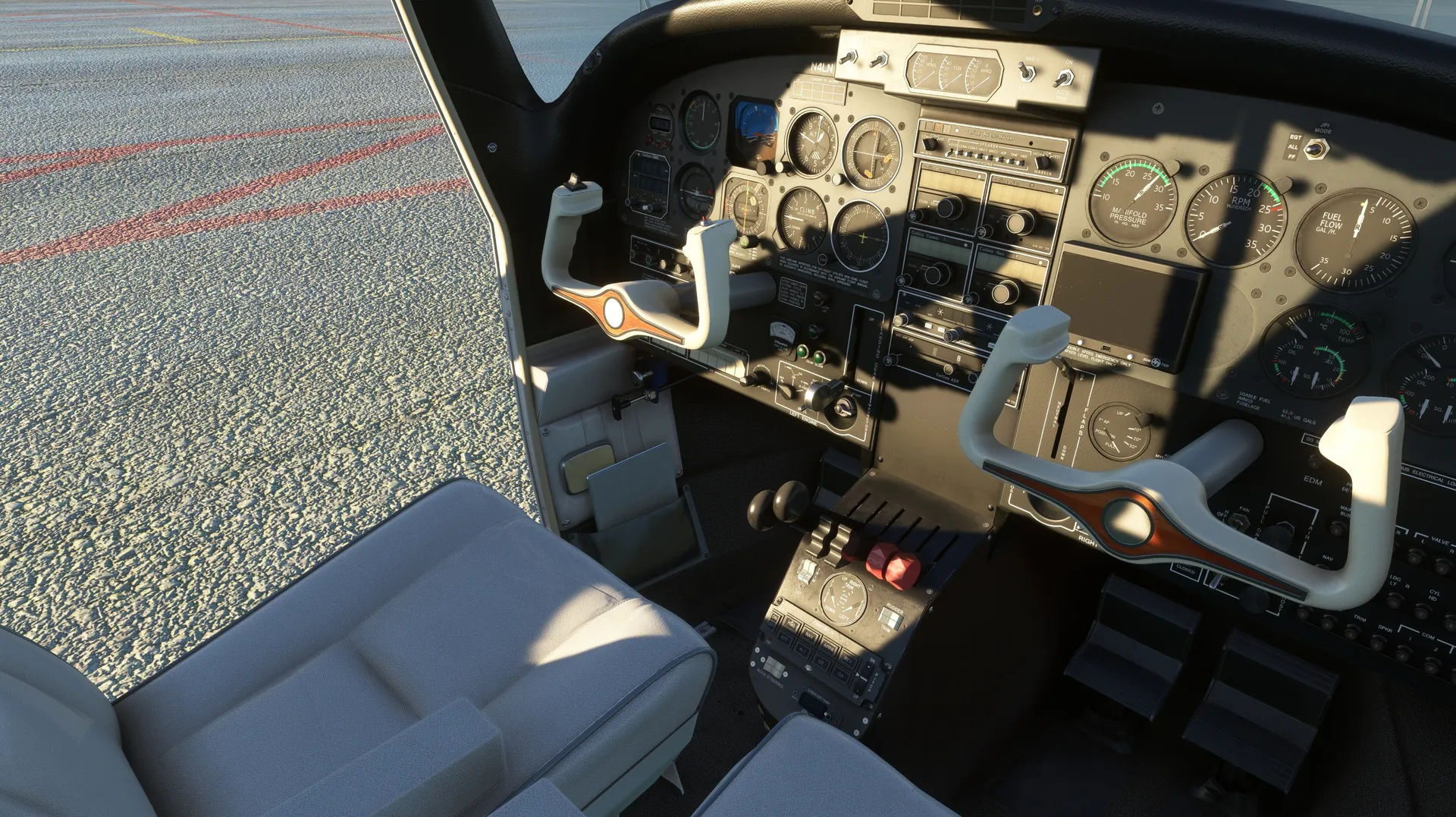
  • Custom Avionics Stack: Collins Microline avionics with AMR-350 audio panel, VHF-251 COM radios, VIR-351 nav receivers, IND 451 DME, ANS-351 RNAV, ADF-650 and TDR-950 transponder.
  • GPS Integration: Supports MSFS default GNS 430W/530W, PMS GTN 750/650, TDS GTN 750Xi/650Xi and freeware KLN-90B (if installed).
  • Century NSD-360A HSI: Custom needle-smoothing physics for realistic navigation.
  • Century IV Autopilot: Fully custom two-axis autopilot simulation interfacing with modern GPS units through GPSS adapter.
  • Digital Engine Monitors: panel option for either JPI EDM 790 or EDM 760, with authentic displays and leaning procedures. Both Rich of Peak and Lean of Peak modes are available.
  • Native MSFS2024 Pilot's 2D/3D Tablet: Intuitive interface for fuel, payload, maintenance, and engine analysis, with environmental data display and more. Compatible with other MSFS EFB apps like flightplanner, simbrief, navigraph charts, etc.
  • Interactive Walkaround: Inspect moving parts (e.g., control surfaces, gear) with failure and wear simulation.
  • Graphical Engine Analyzer: Detailed insight into engine operation, including cylinder pressures and temperatures.
  • Real-Time Load Manager: Dynamic weight and balance with graphical CG indicator.
  • Electrical System Analyzer: Functional circuit breakers and system monitoring.
  • Optimized Performance: Fully Native MSFS2024 model with all the LOD and performance features that comes with a native model. Fluid in-sim performance comparable to default MSFS2024 aircra

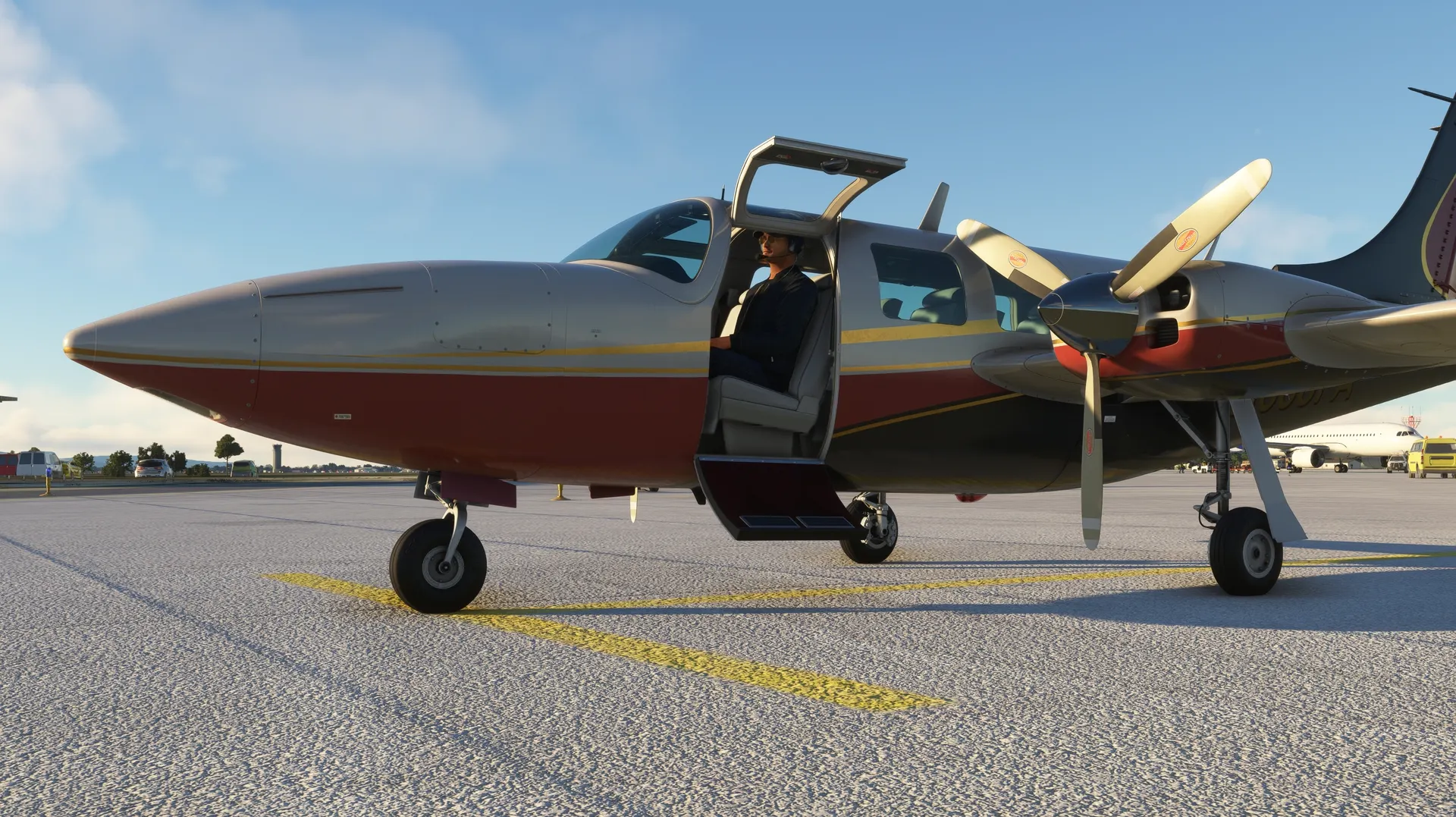
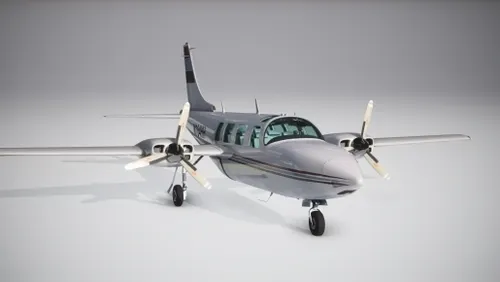
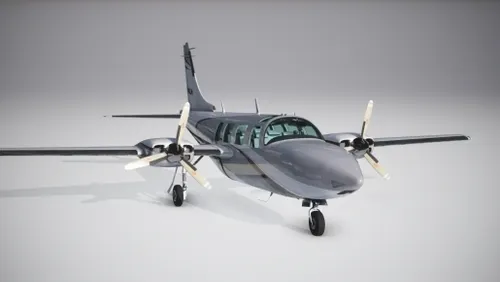
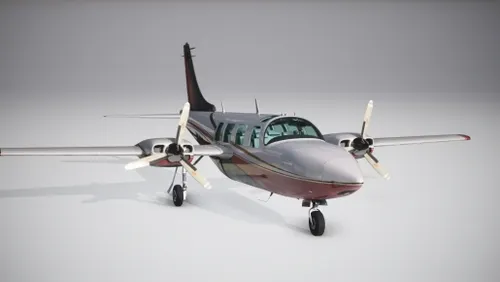
The Aerostar 600 is a twin-engine, mid-wing, six-seat aircraft designed to serve business and light transport needs. Created by aircraft designer Ted R. Smith and initially produced by his firm, the Ted Smith Aircraft Company, the Aerostar 600 first flew in October of 1967 and was ultimately acquired by Piper Aircraft Corporation in 1978.

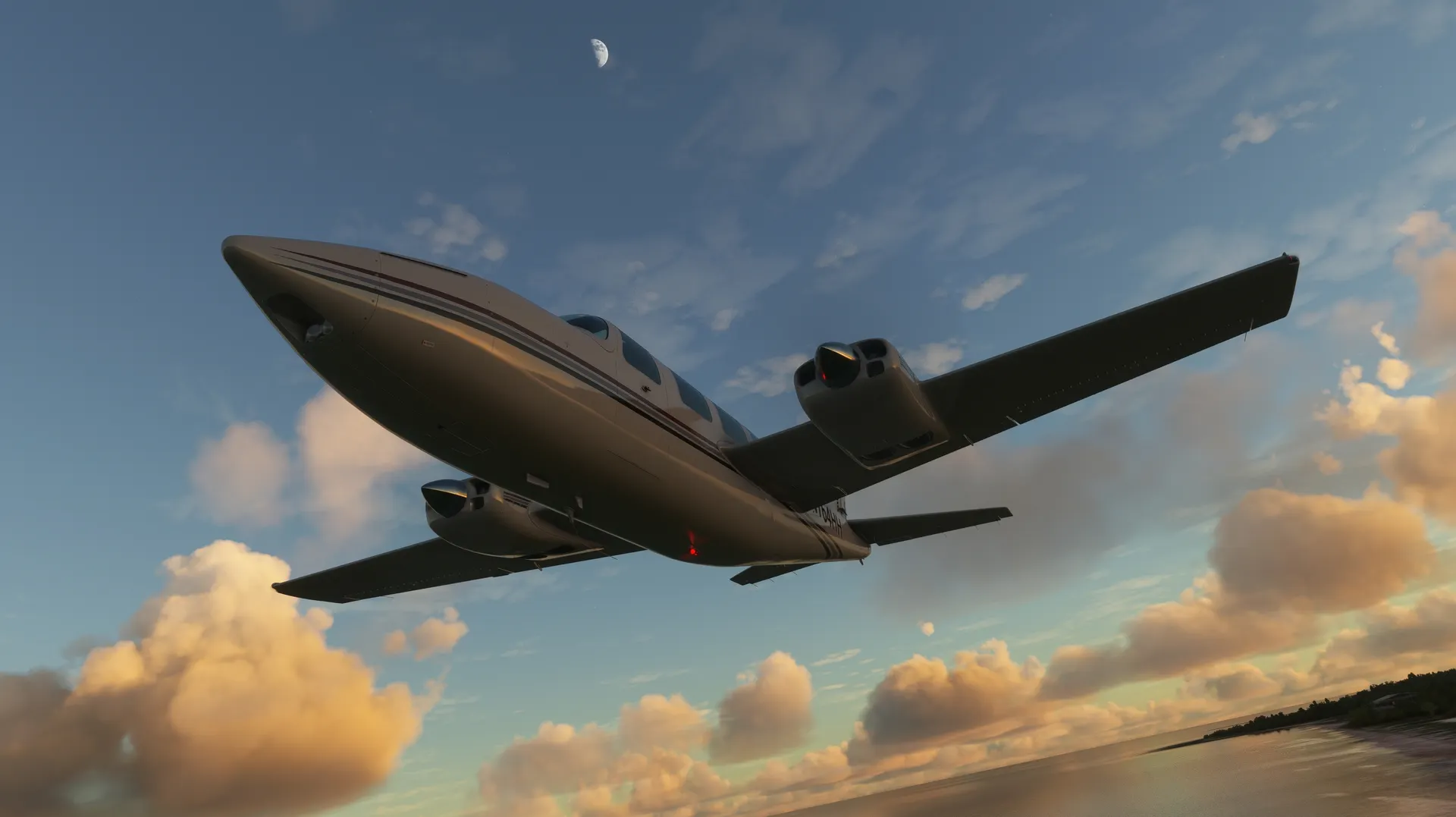
Upon its release, the Aerostar 600 immediately drew the attention of the aviation world as it outperformed all others in its class in speed, climb rate, and handling. The aircraft features a high-performance wing utilizing an airfoil design used by early Learjets and is powered by two Lycoming IO-540 six-cylinder engines that each deliver 290 horsepower to a Hartzell three-blade, constant-speed propeller. Retractable gear and a steeply swept-back horizontal and vertical stabilizer add to the Aerostar 600’s vigor. The stock aircraft has cruising speed of 250 miles per hour and a top speed of 278 mph, can climb at a rate of 1,850 feet per minute, and has a service ceiling of 22,000 feet. Even while flying on just one engine, the airplane can climb at an impressive rate of 450 feet per minute.

The bold, stark form of the Piper Aerostar 600 projects an image of thrilling, high-intensity flying, and it delivers on its impression. Built for speed, those intimate with the aircraft attest that it handles more like a jet or a turboprop than a piston twin. Inside the cockpit, aviators immediately feel an innate bond with the Aerostar, with its utilitarian layout that grants the highest degree of control, and canopy that affords a wide-field view. This performance requires intense focus, however, as this deft machine has an unforgiving demeanor, necessitating that pilots “stay in front of it” in terms of control, from launch to landing.