- USD 18.99
- View more offers at FS Addon Compare
- Added: January 27, 2025
- Updated: March 30, 2026
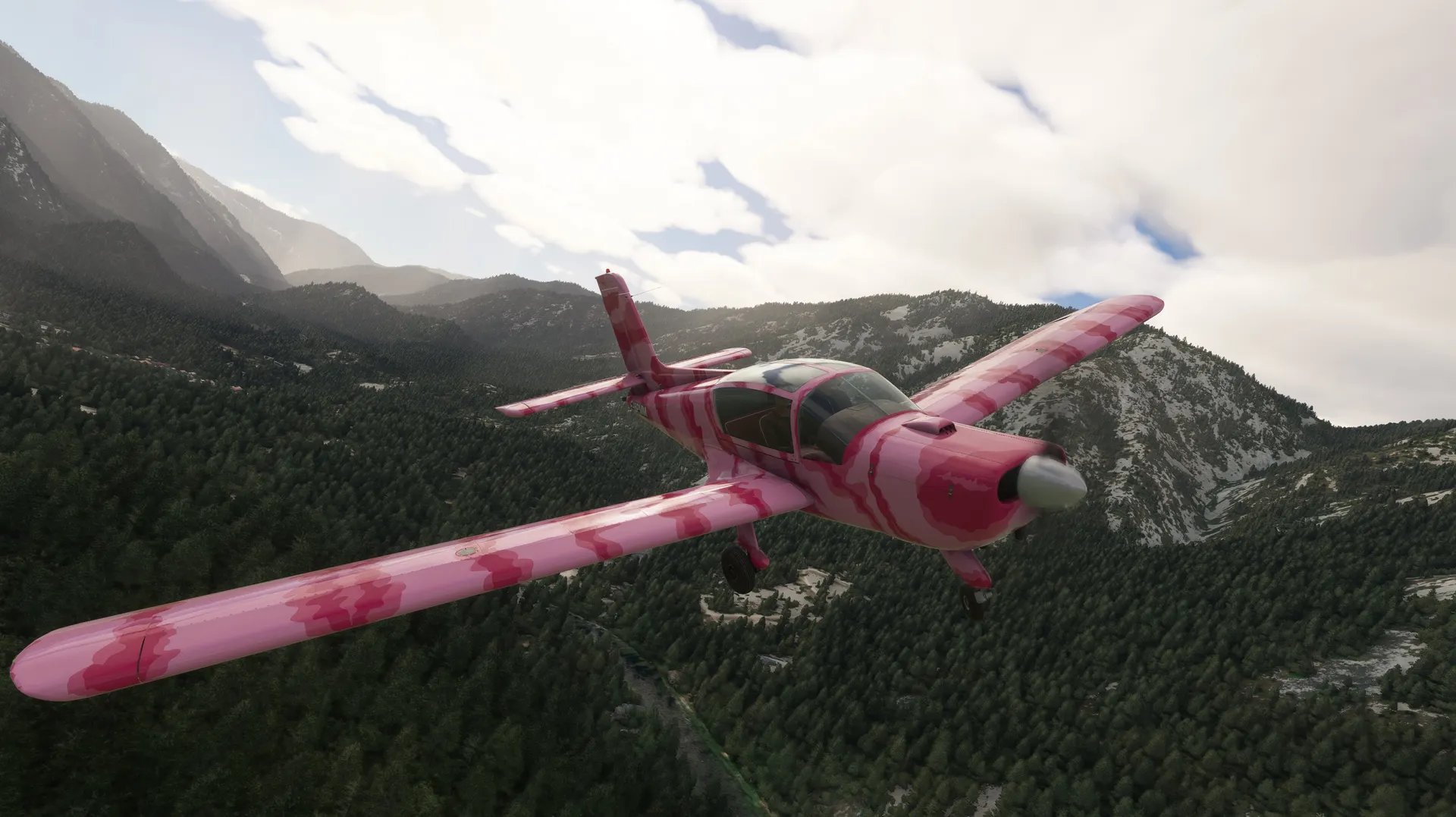
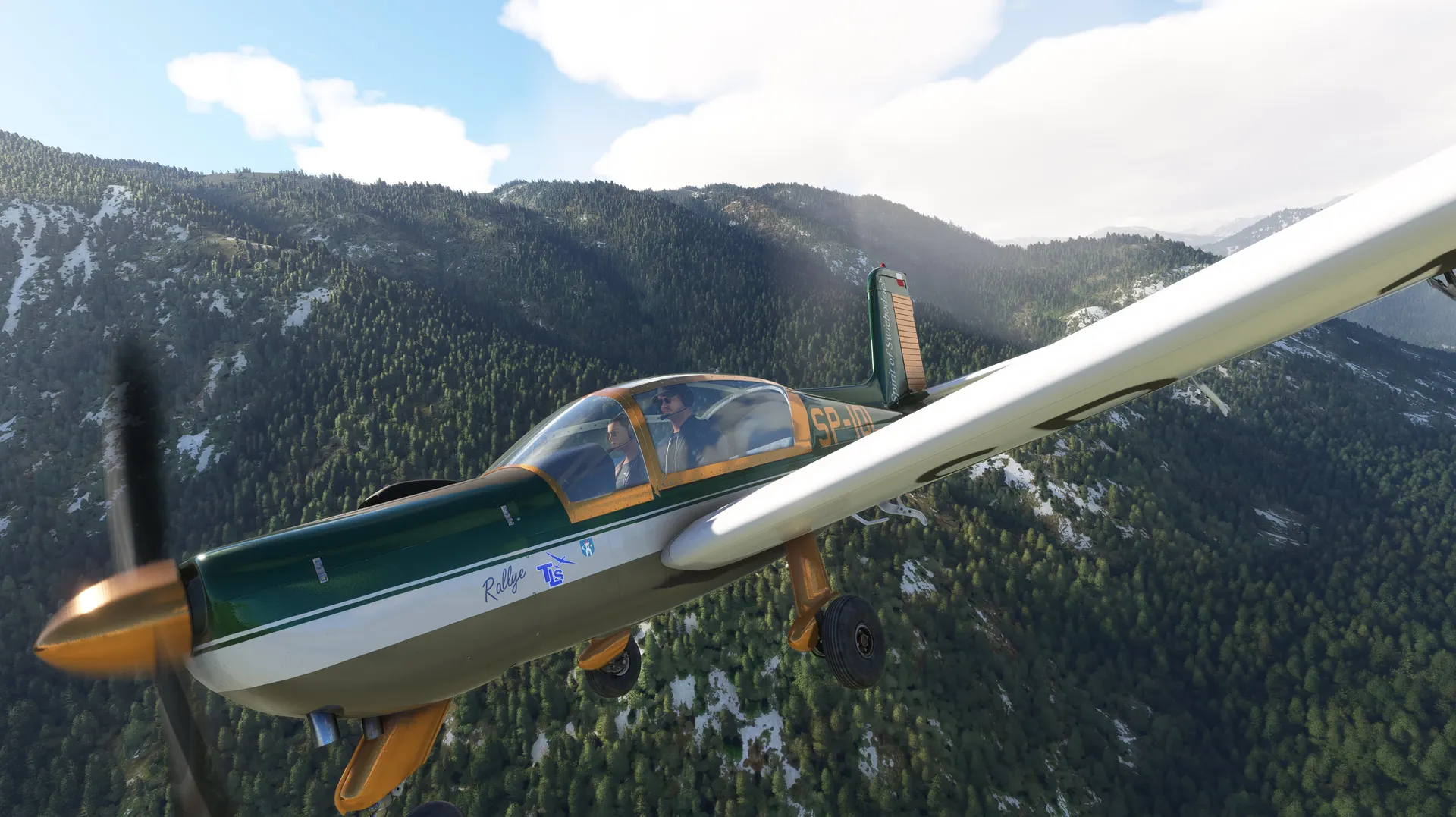
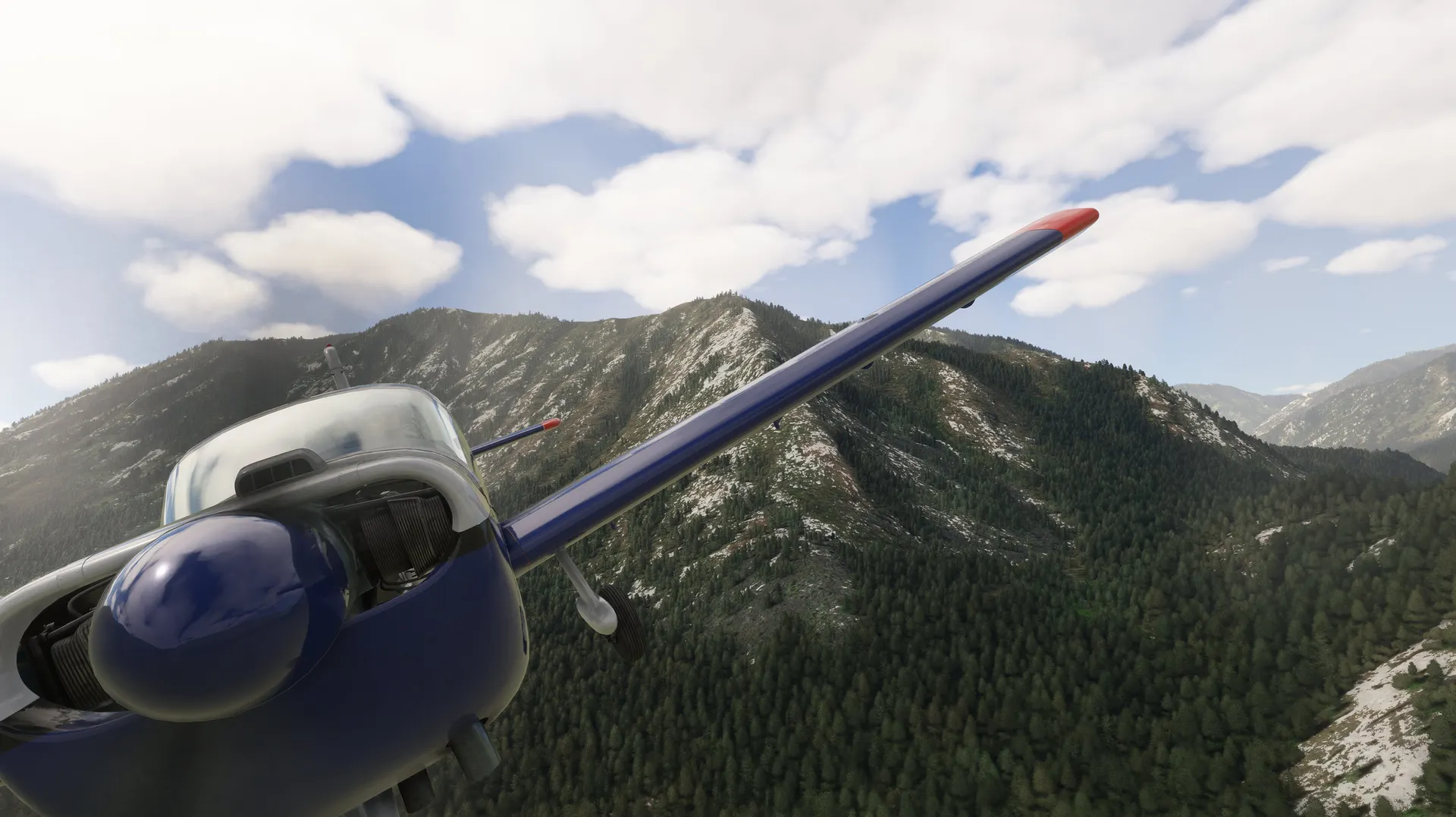
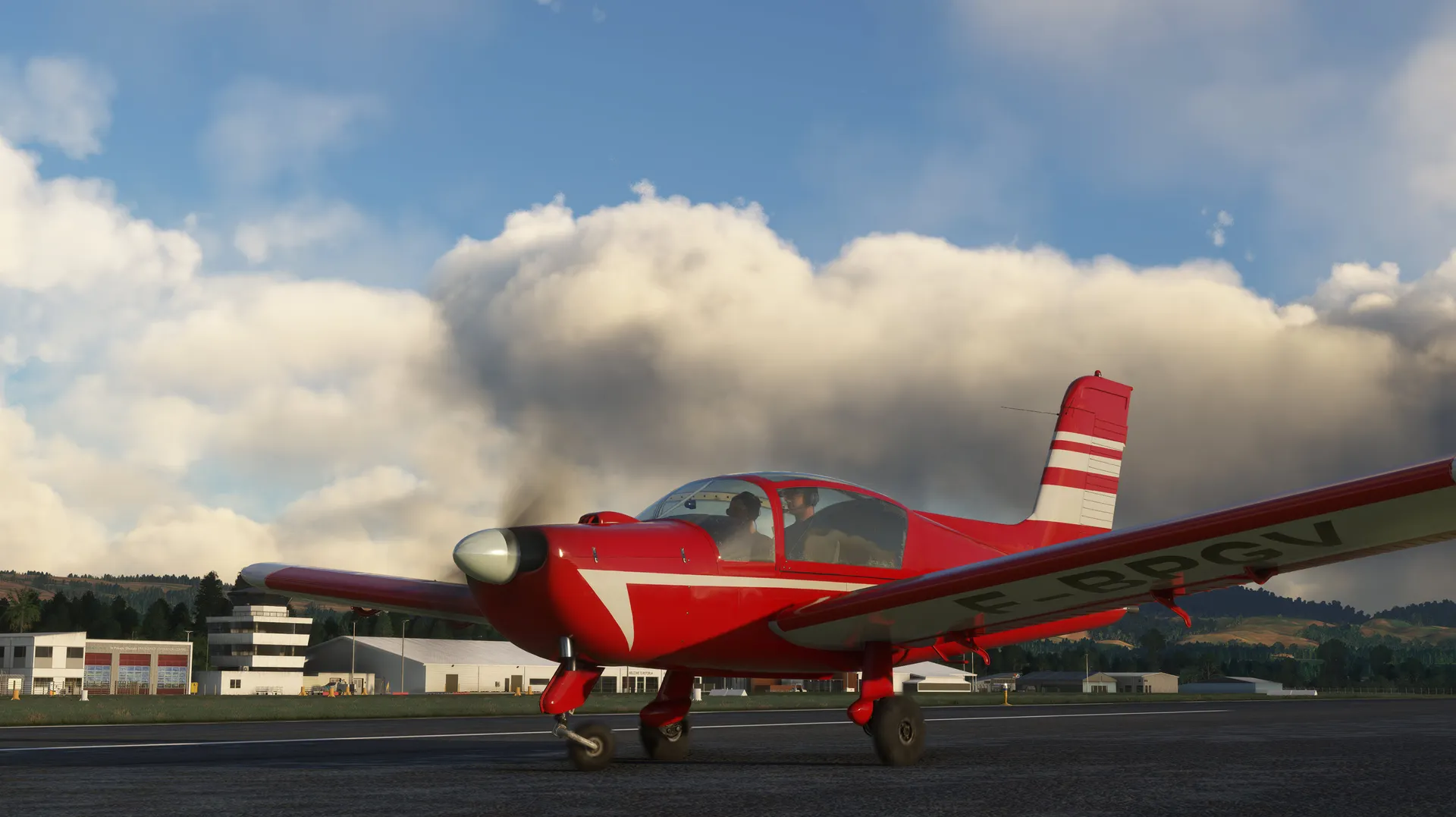
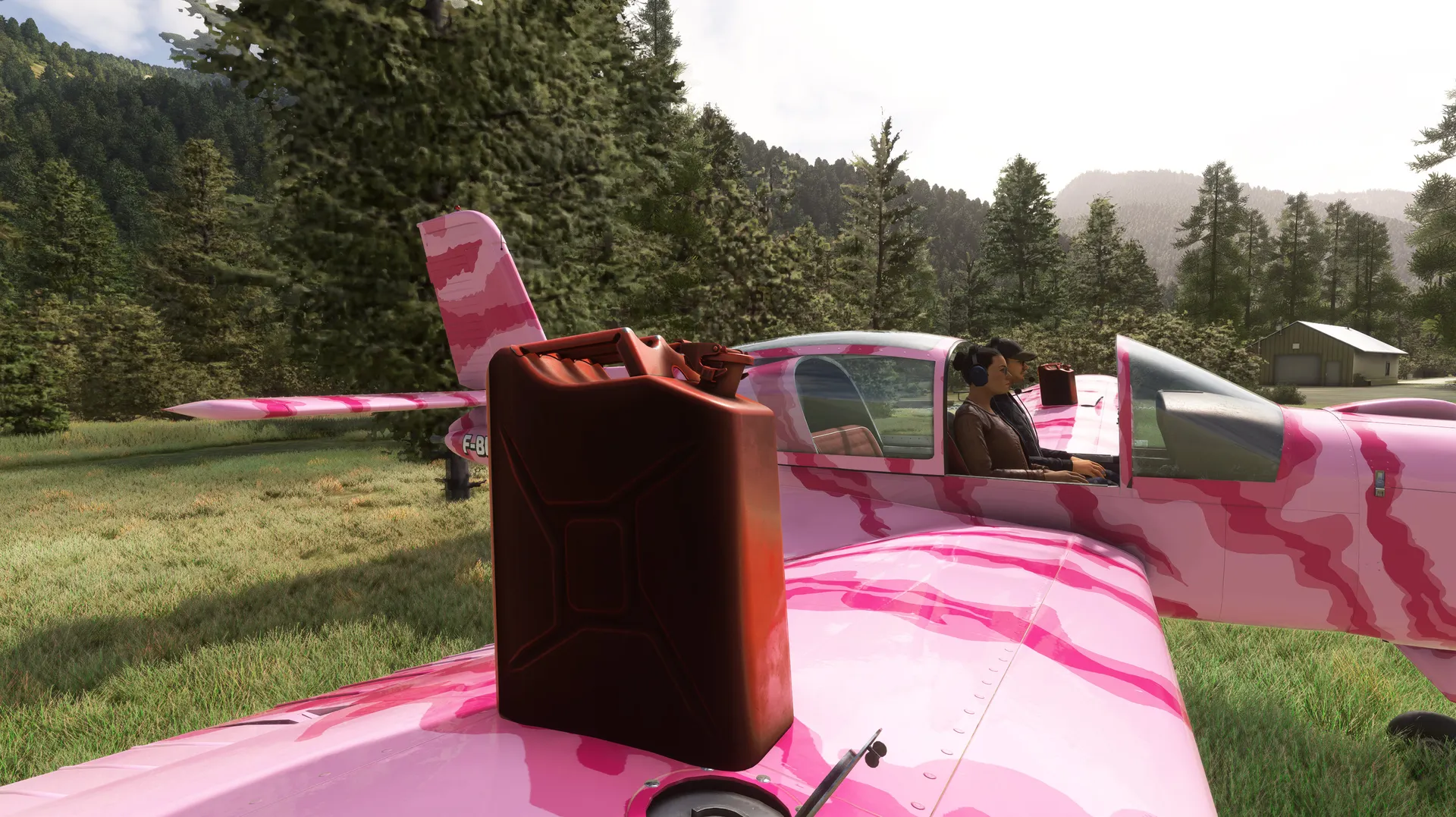
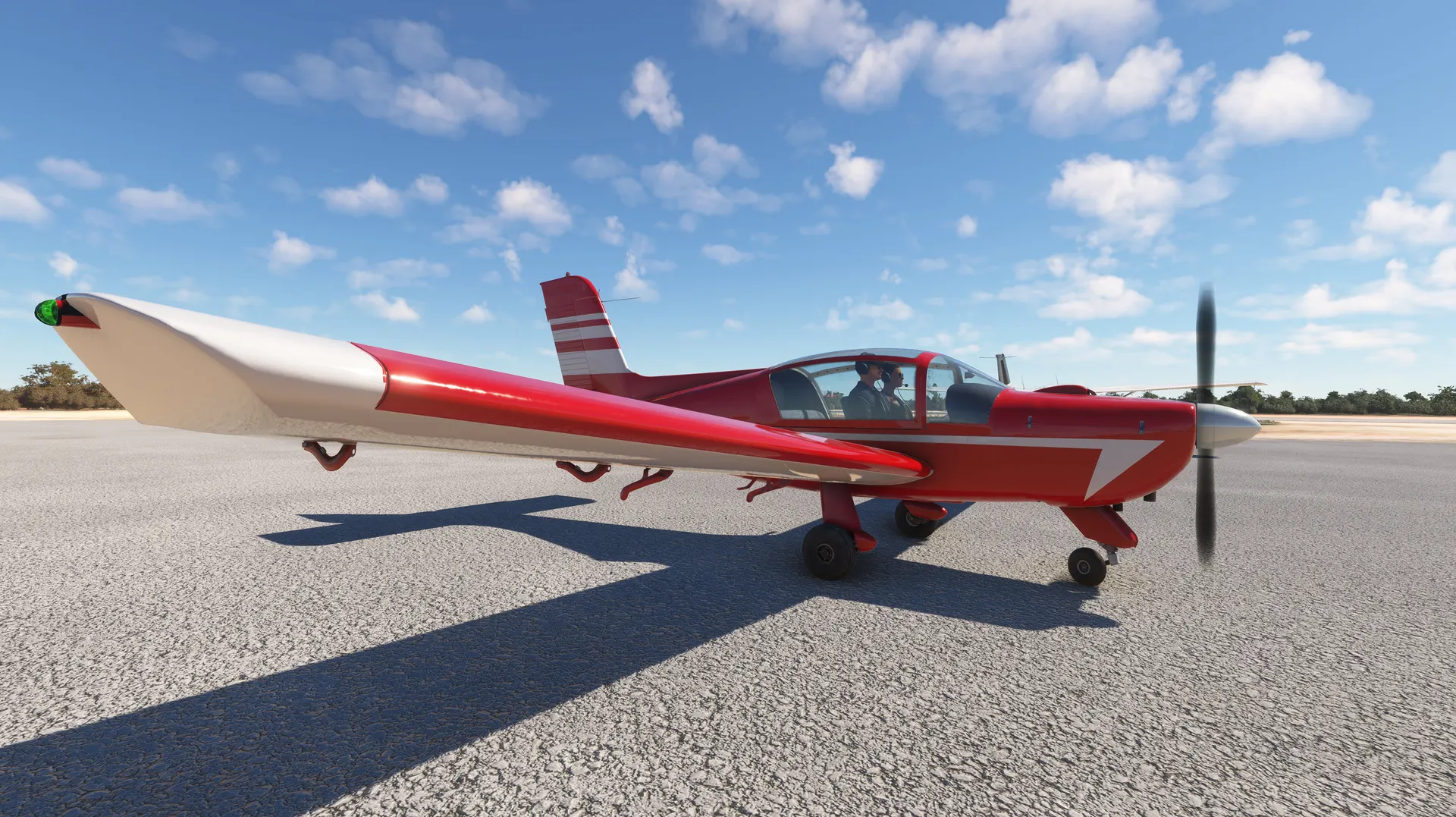
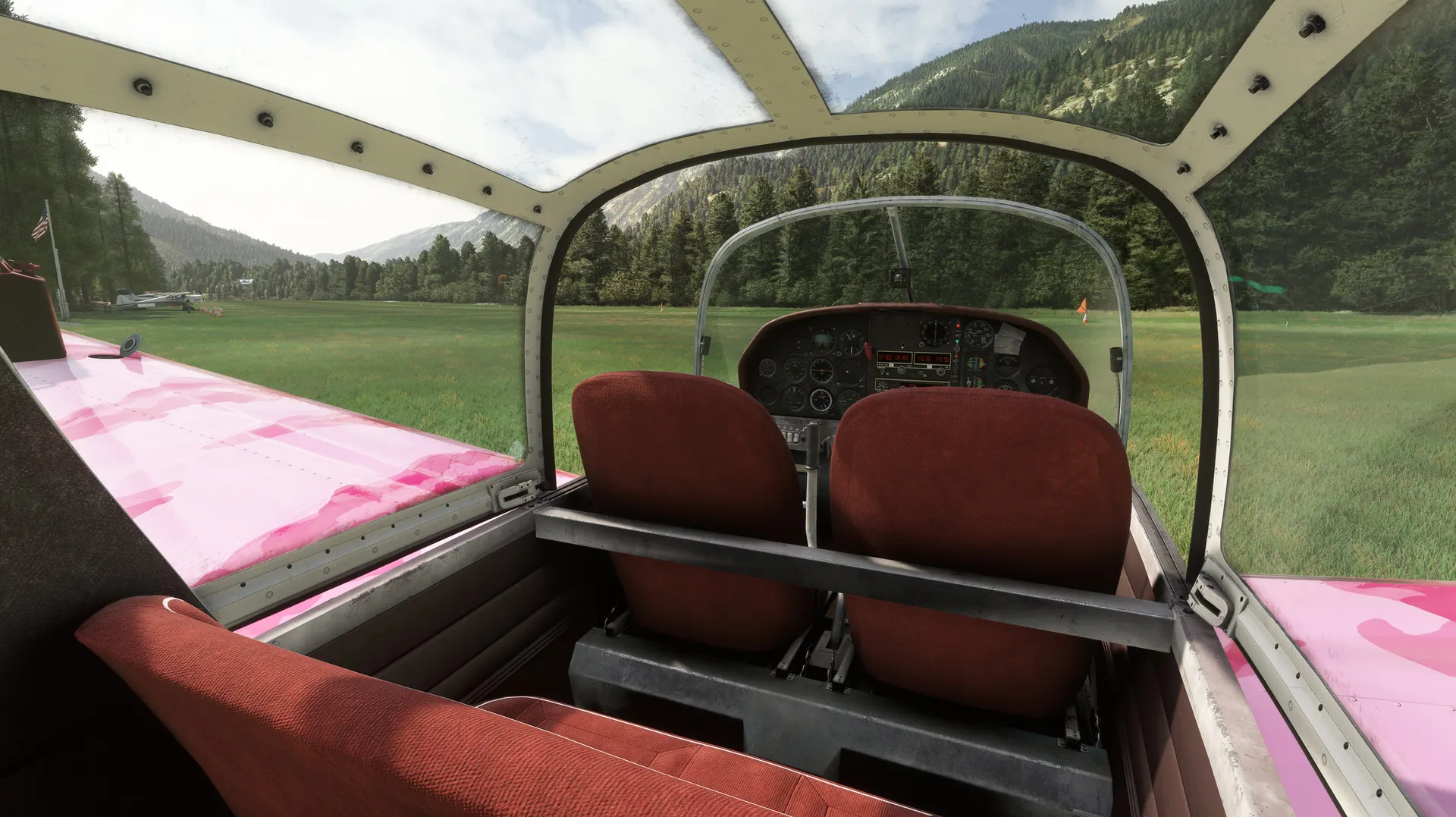
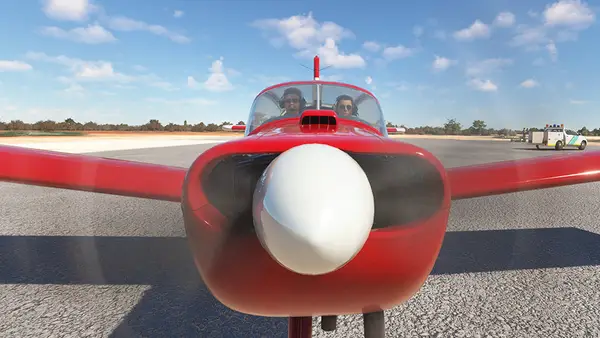
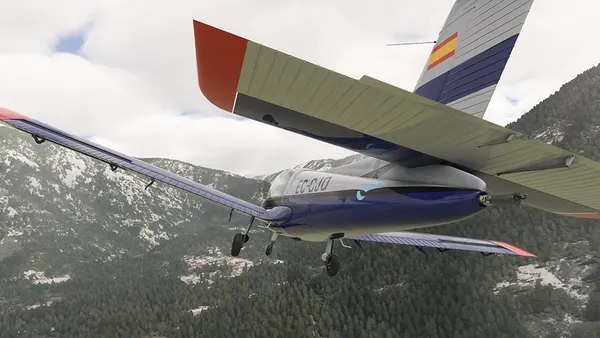
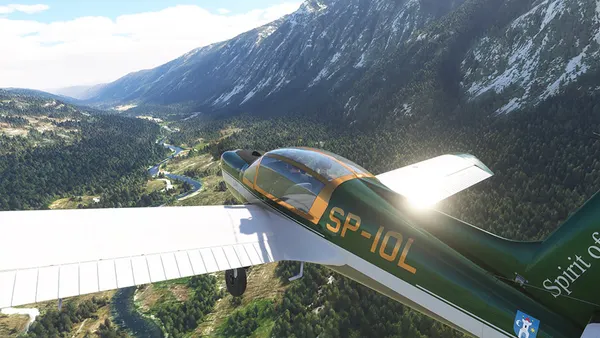
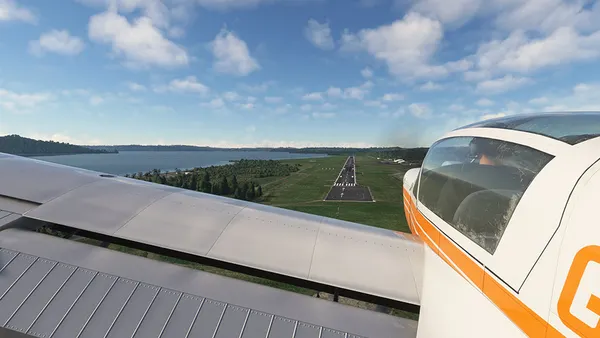
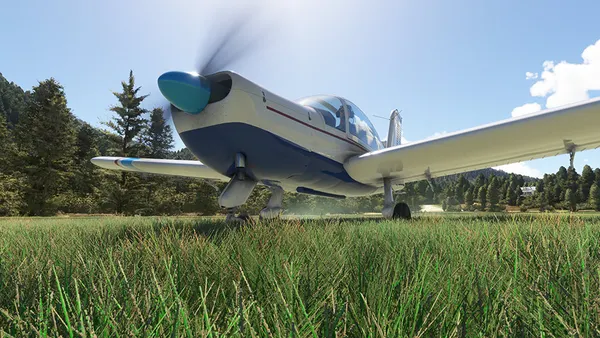
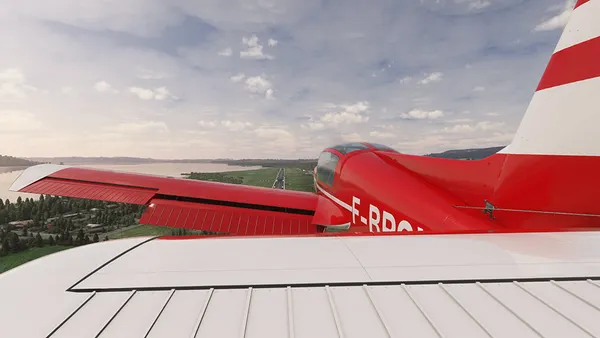
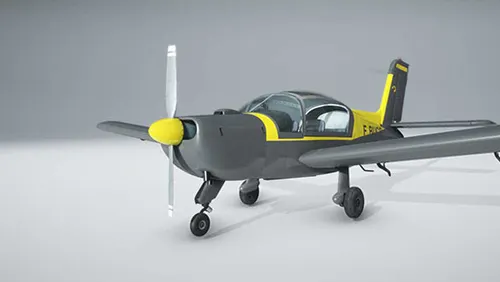
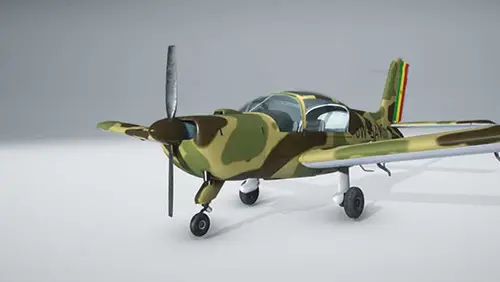
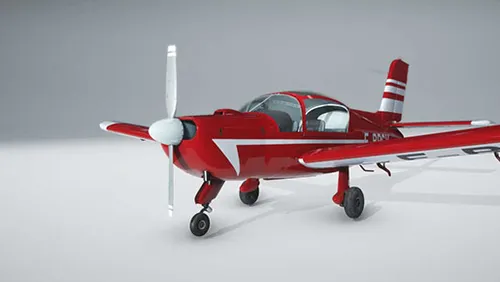
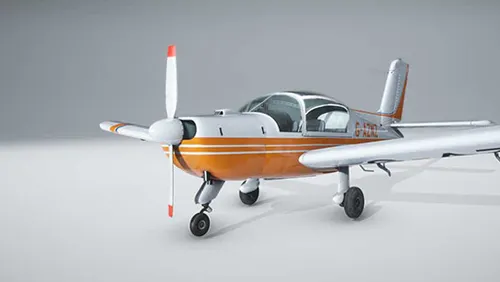
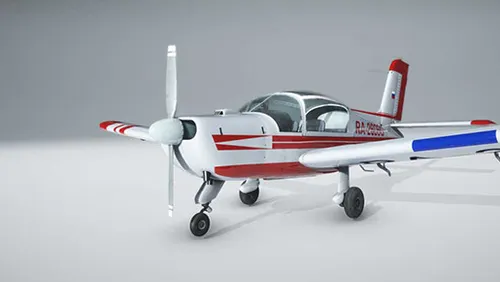
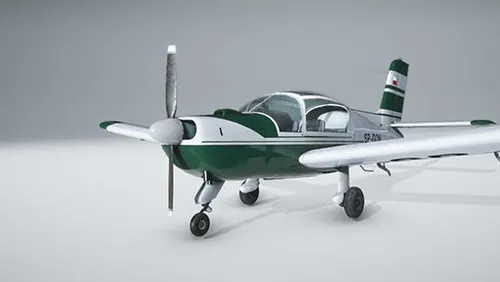
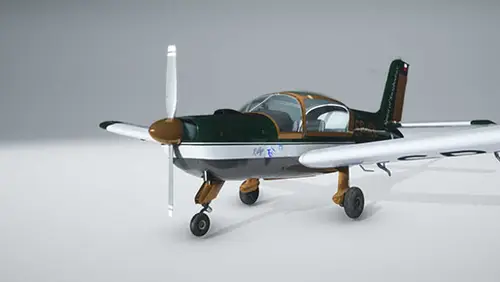
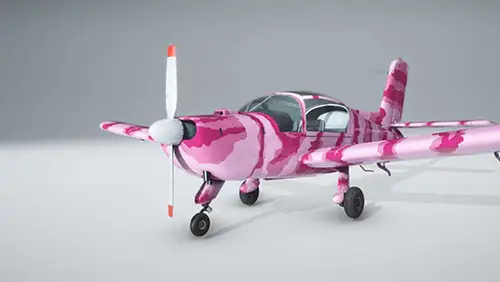
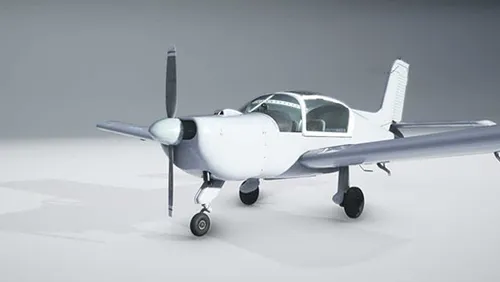
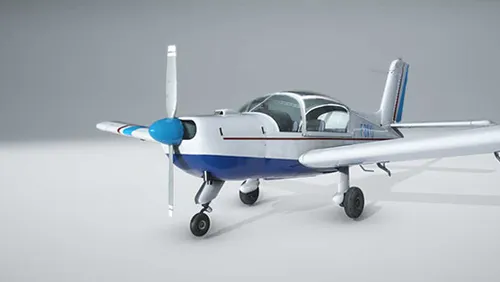
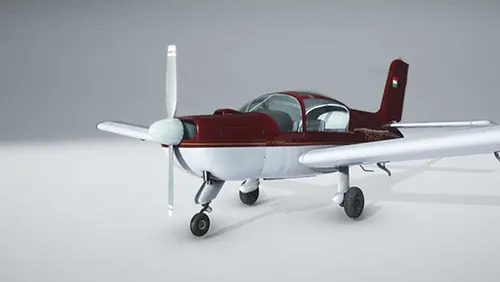
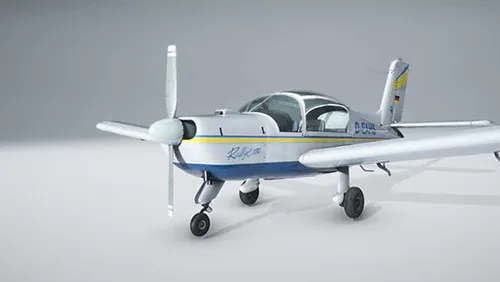
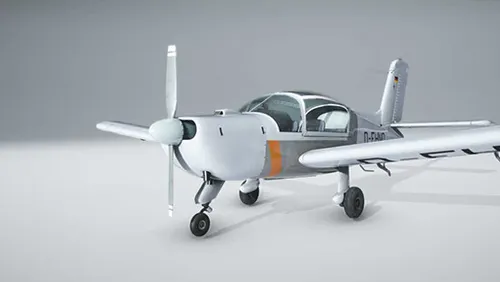
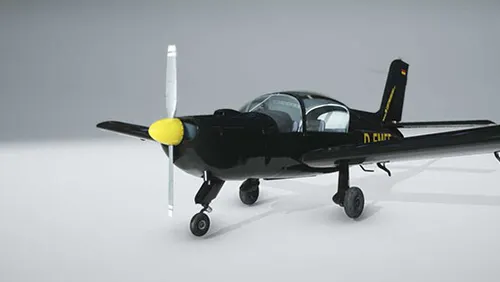
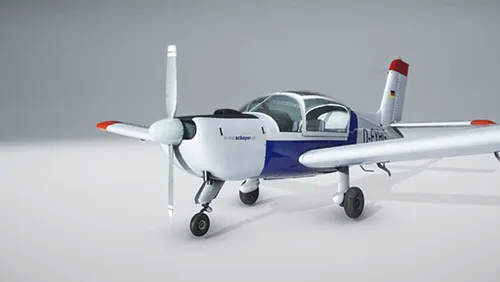
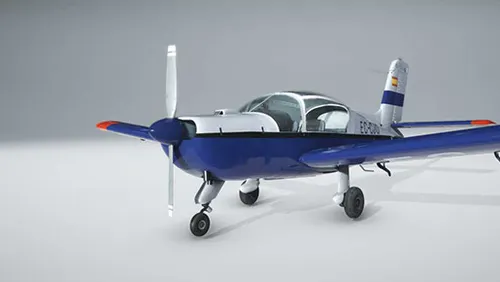
The Rallye MS.893 is a single-engine, 4-seat light utility aircraft developed by SOCATA of France. The airplane is a member of SOCATA’s “Rallye” line of aircraft, of which the MS.880 was the first member. The MS.893 was developed from the 880 to be a more robust iteration of the design capable of a variety of mission types.The Rallye MS.893 traces its development to a late-1950s French government request for a multi-use light utility airplane that was domestically produced. The company Morane-Saulnier initiated work on a project called the MS.880 Rallye Club, an all-metal, low-wing cantilever monoplane. The first of what would become the Rallye family took its maiden flight on November 21, 1961. A series of production iterations followed, each more refined and more powerful. In the mid-1960s, SOCATA (Société de Construction d'Avions de Tourisme et d'Affaires - ""Tourist and Business Aircraft Construction Company”) took over development of the Rallye line and would produce the Rallye MS.893.The Rallye MS.893 features seating for four (including pilot), a fixed tricycle undercarriage, and a bulbous canopy that grants a wide field of view. The aircraft proved successful throughout the world for a wide variety of mission types, including agriculture, military liaison, glider towing, banner towing, and general utility. The powerful airplane has great short take-off and landing (STOL) performance, is rugged and reliable, is capable of operations out of dirt and unimproved airfields, and is forgiving throughout a wide range of speeds and conditions.The SOCATA Rallye MS.893 measures 23 feet, 9 inches in length, stands 9 feet, 2 inches tall, and has a wingspan of 31 feet, 6 inches. It is powered by a 4-cylinder Lycoming O-360-A2A that generates up to 210 horsepower. It has a range of 650 miles, a service ceiling of 12,000 feet above sea level, and a top speed of 150 miles per hour.
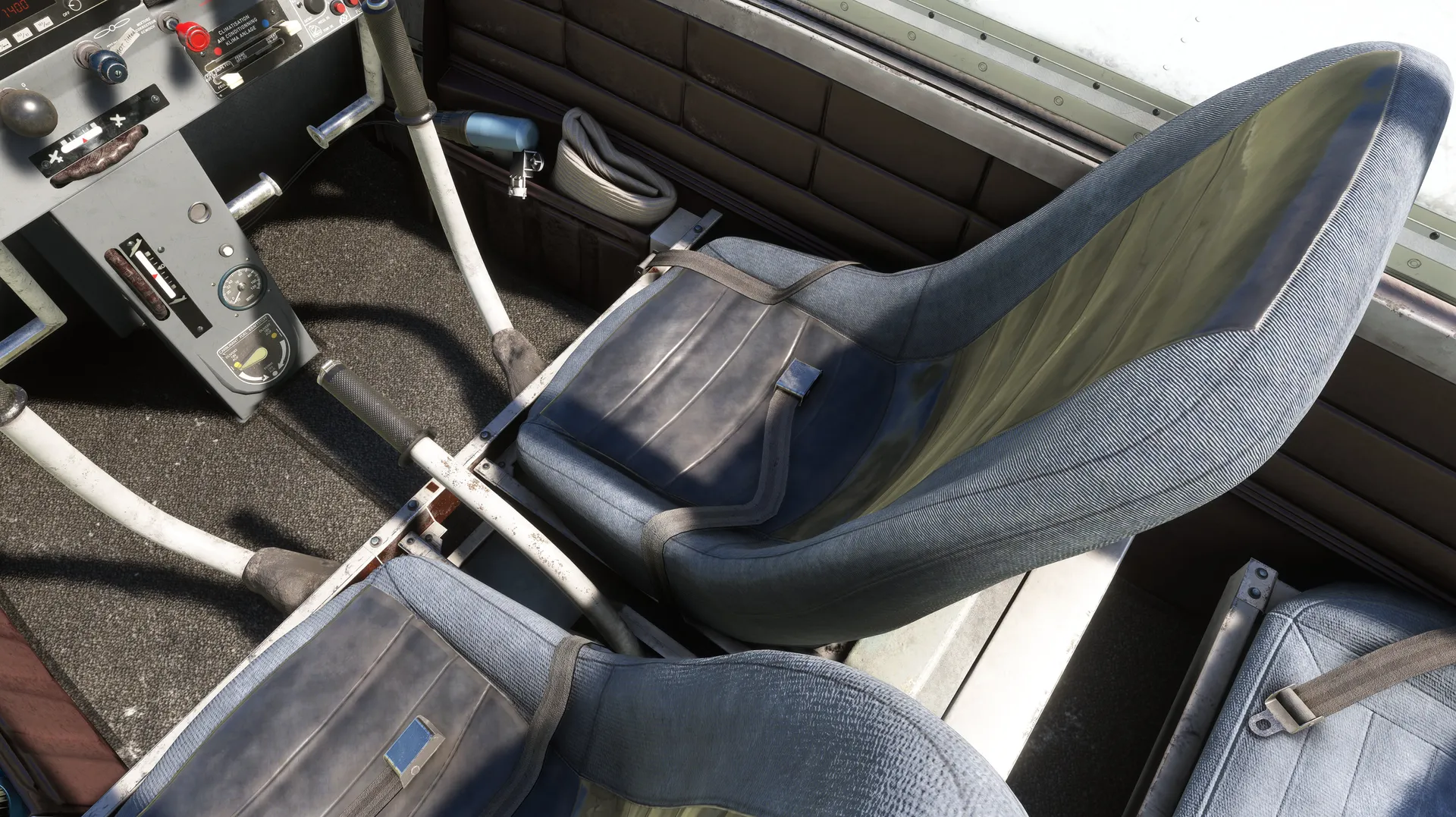
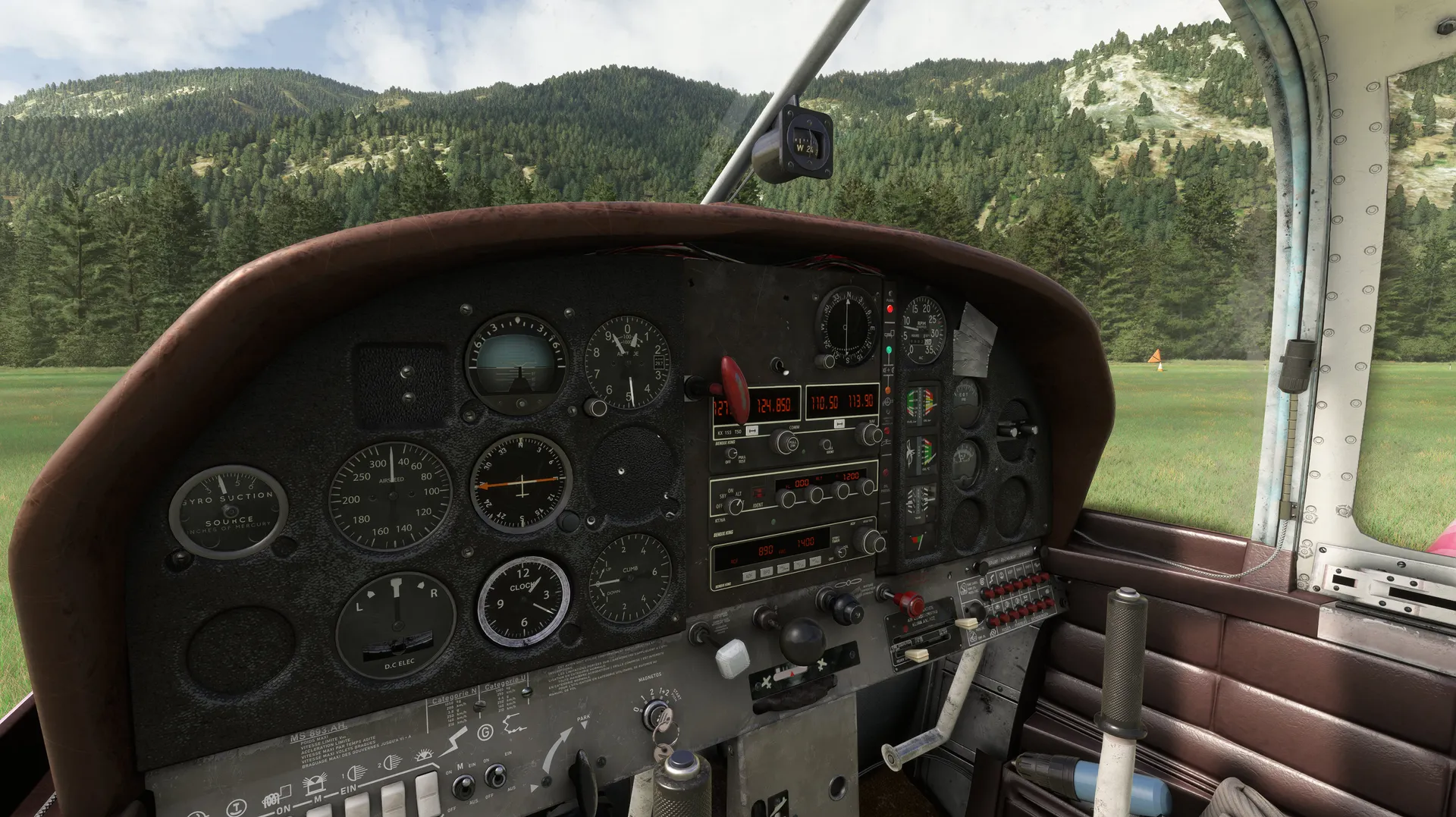
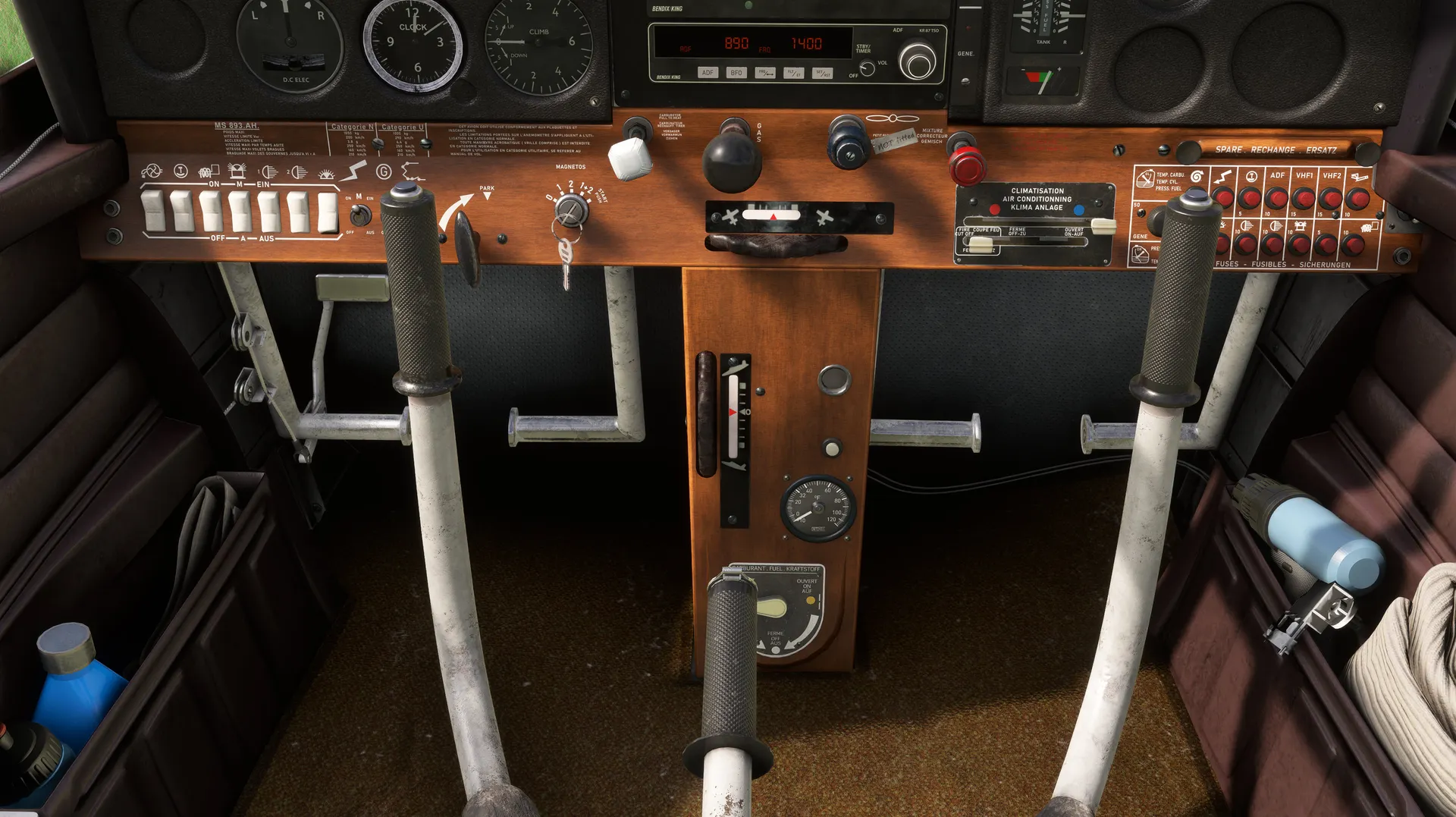
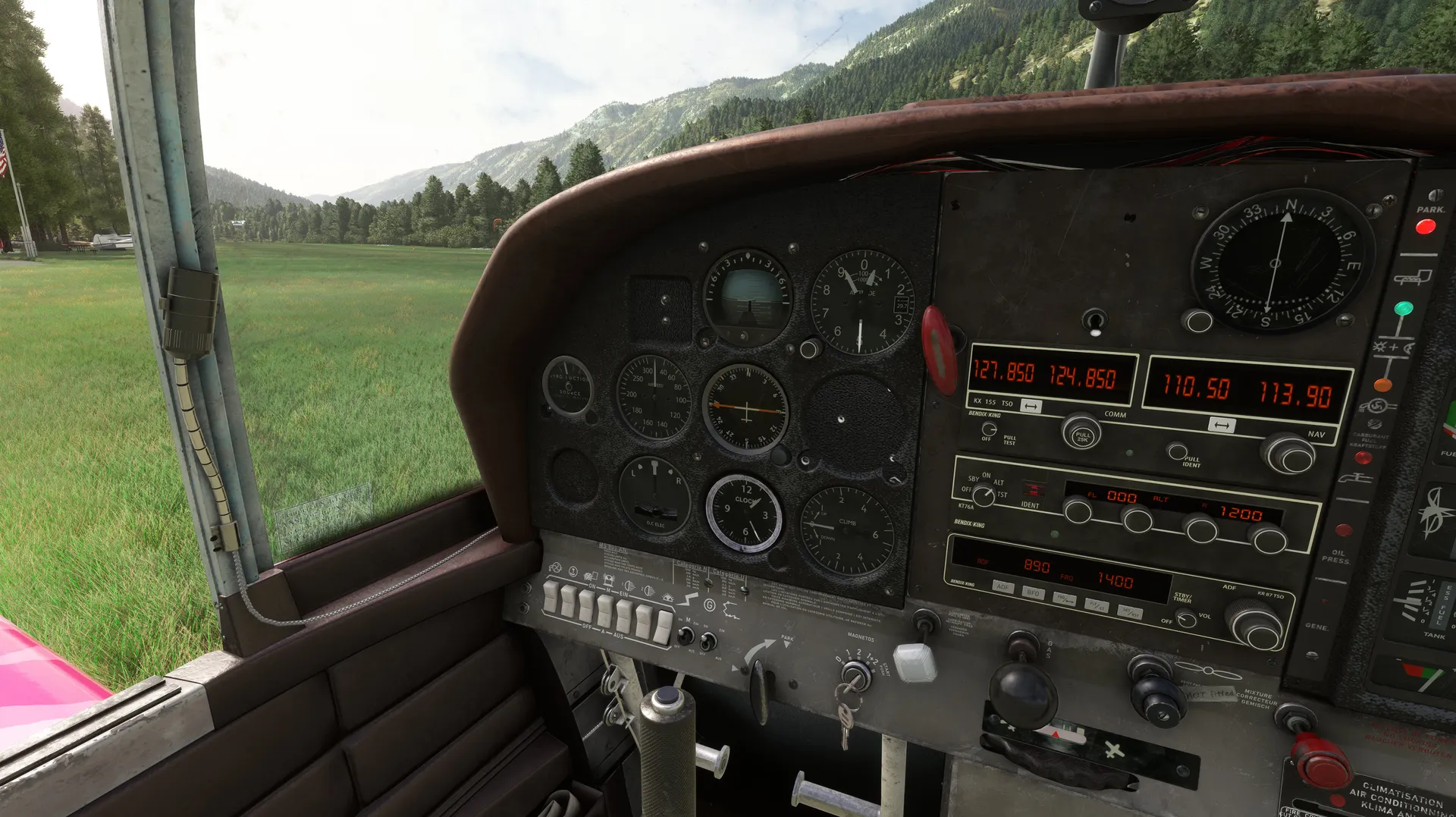
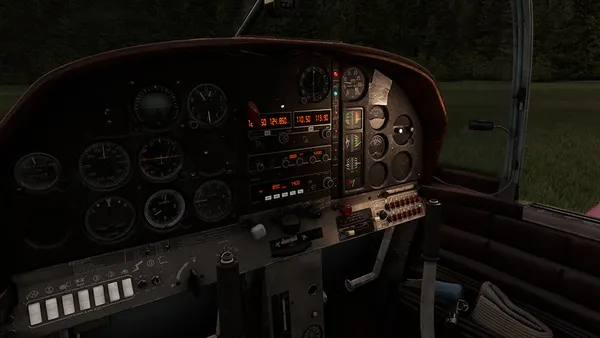
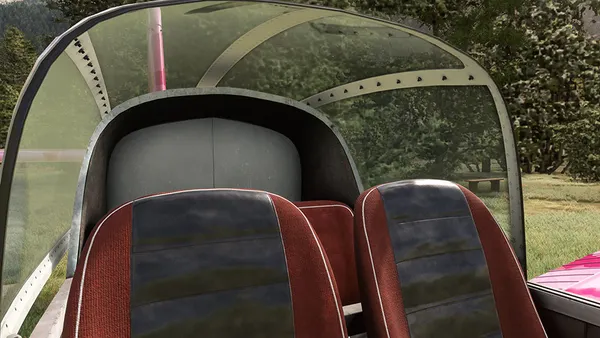
Most RallyE customers would specify a lighter aircraft by keeping the interior loadout to a minimum resulting in even better take-off and landing capability. We have tried to keep the sparsity and approachability of this fun, simple, yet highly functional workhorse in the simulator.