- USD 32.99
- View more offers at FS Addon Compare
- Added: March 5, 2026
- Updated: May 19, 2026
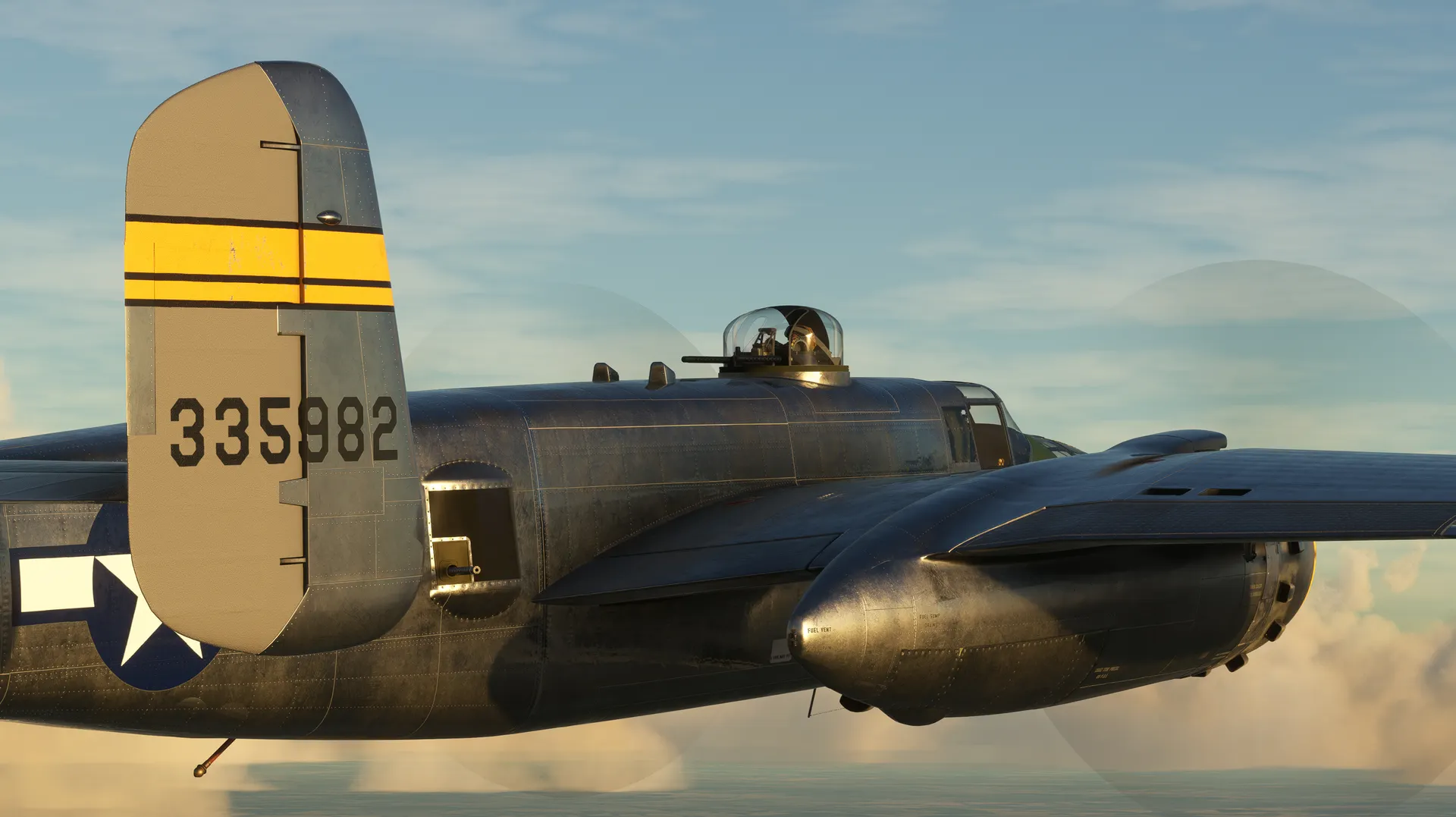
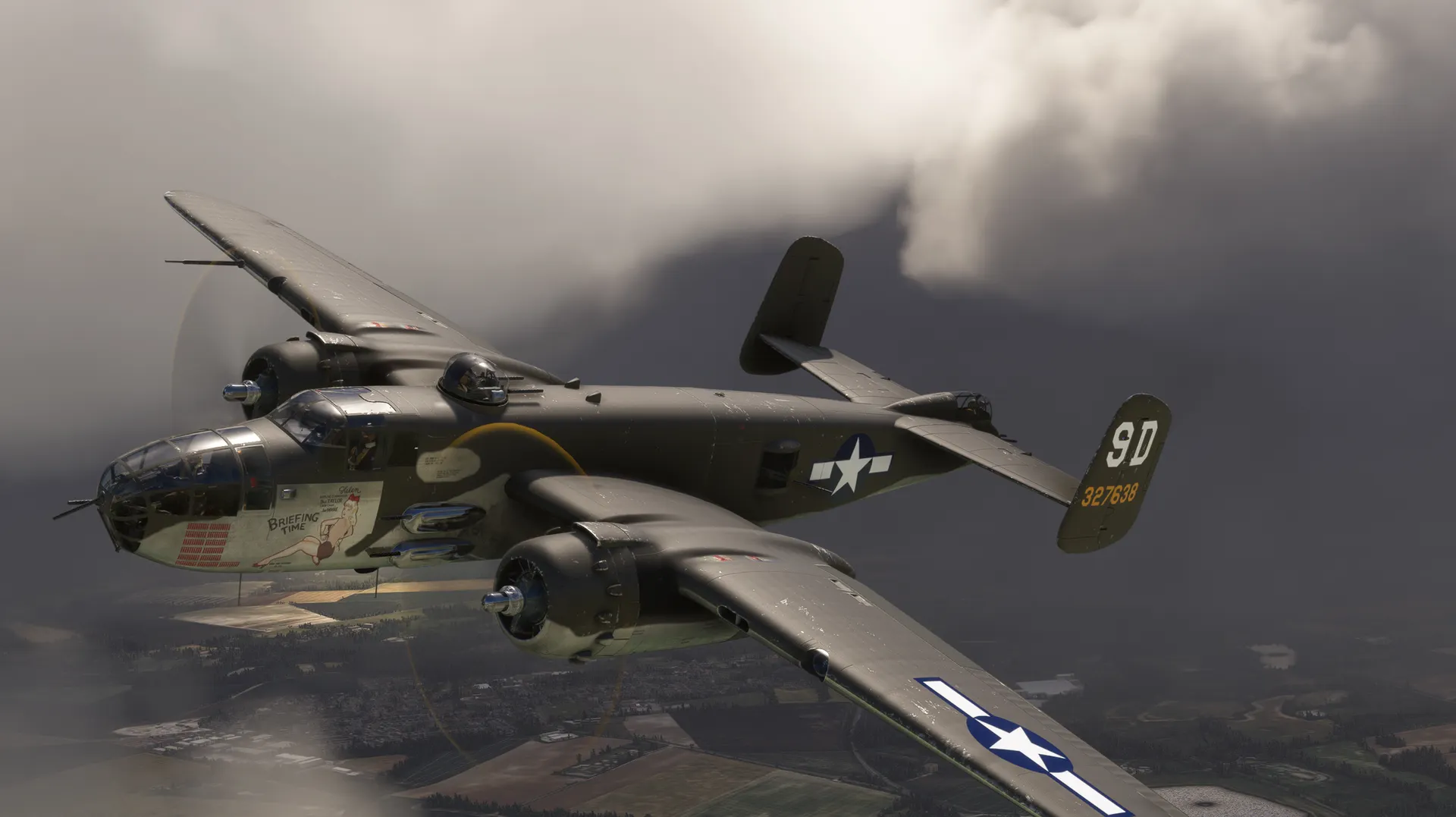
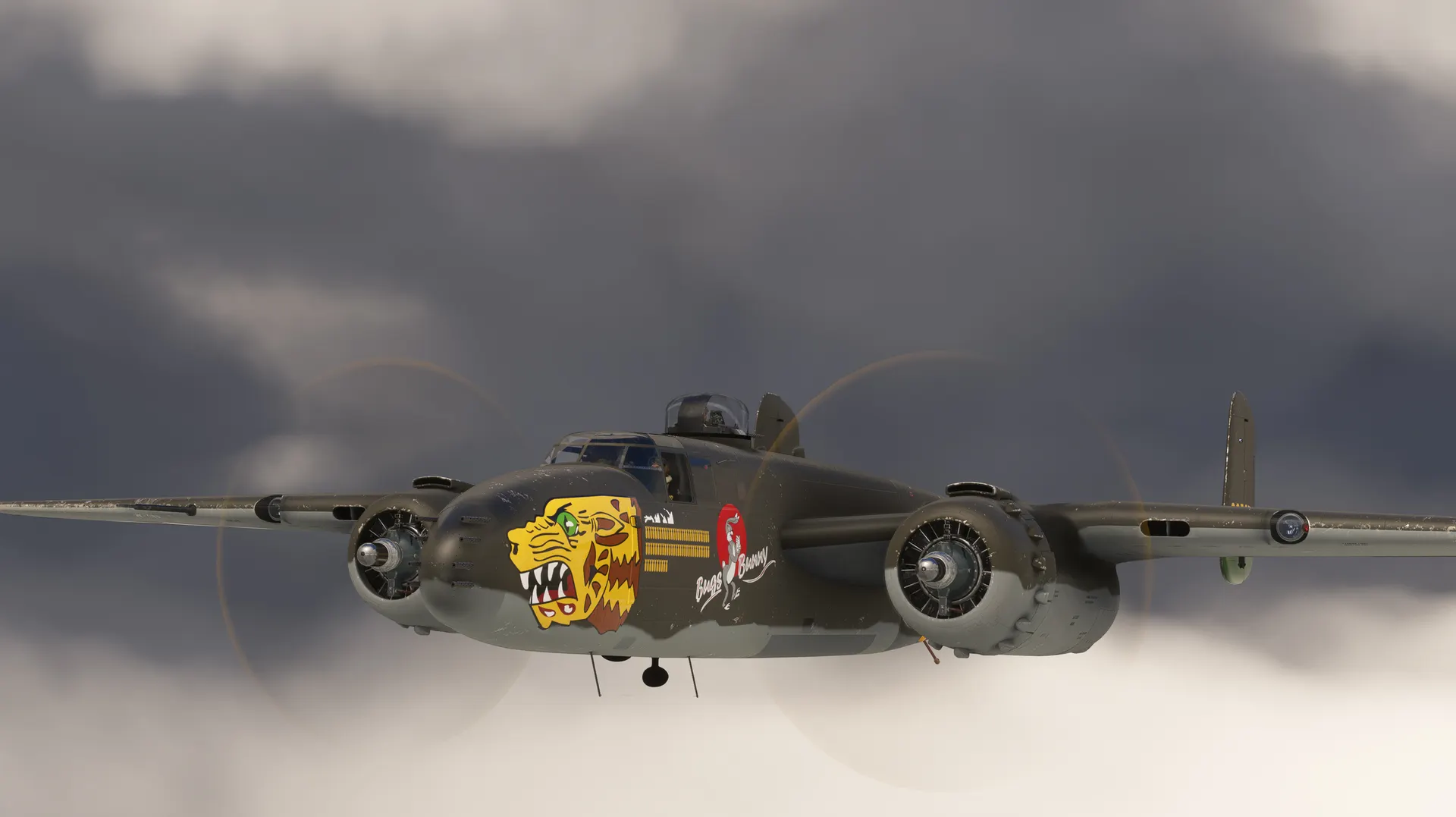
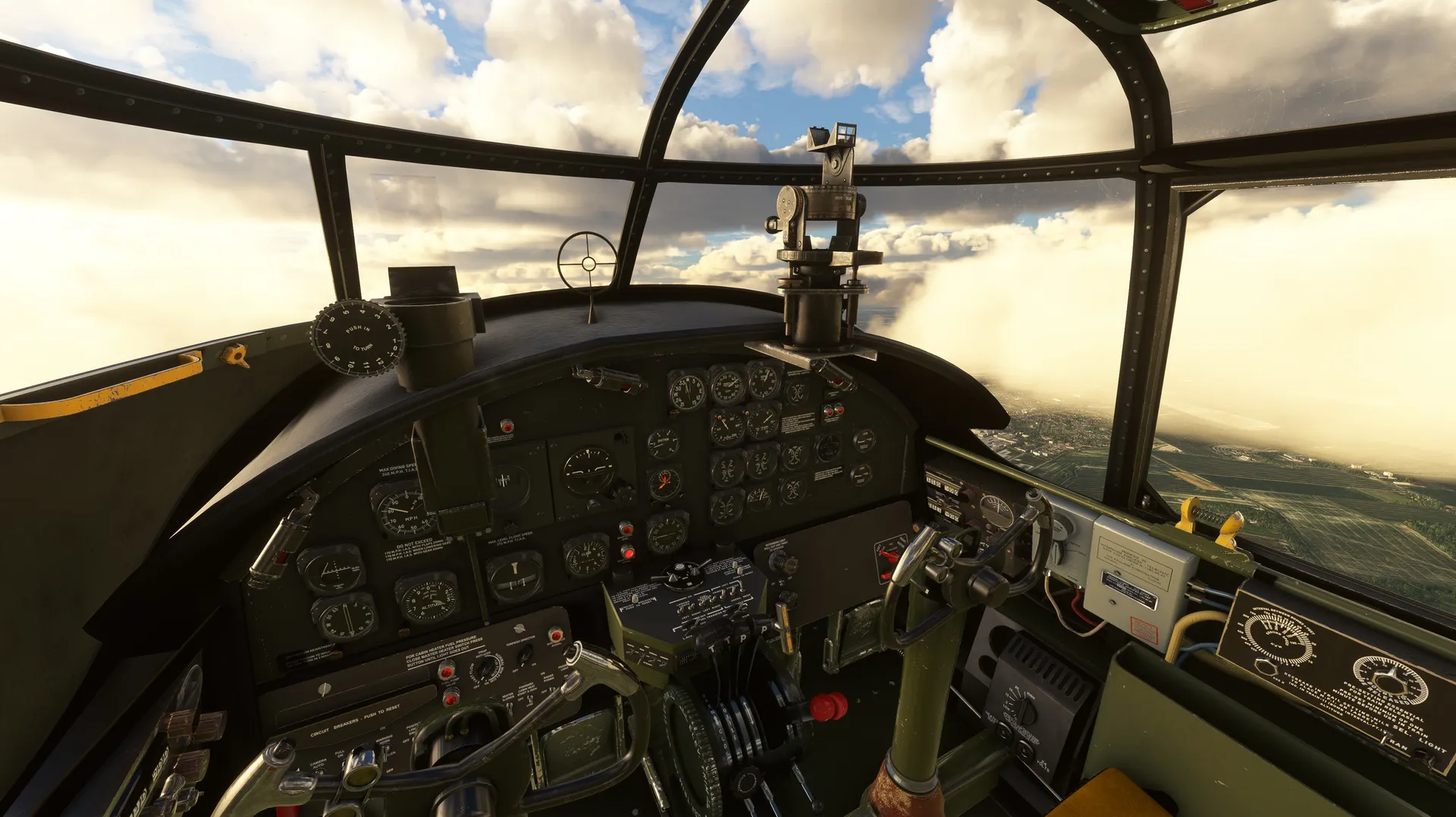
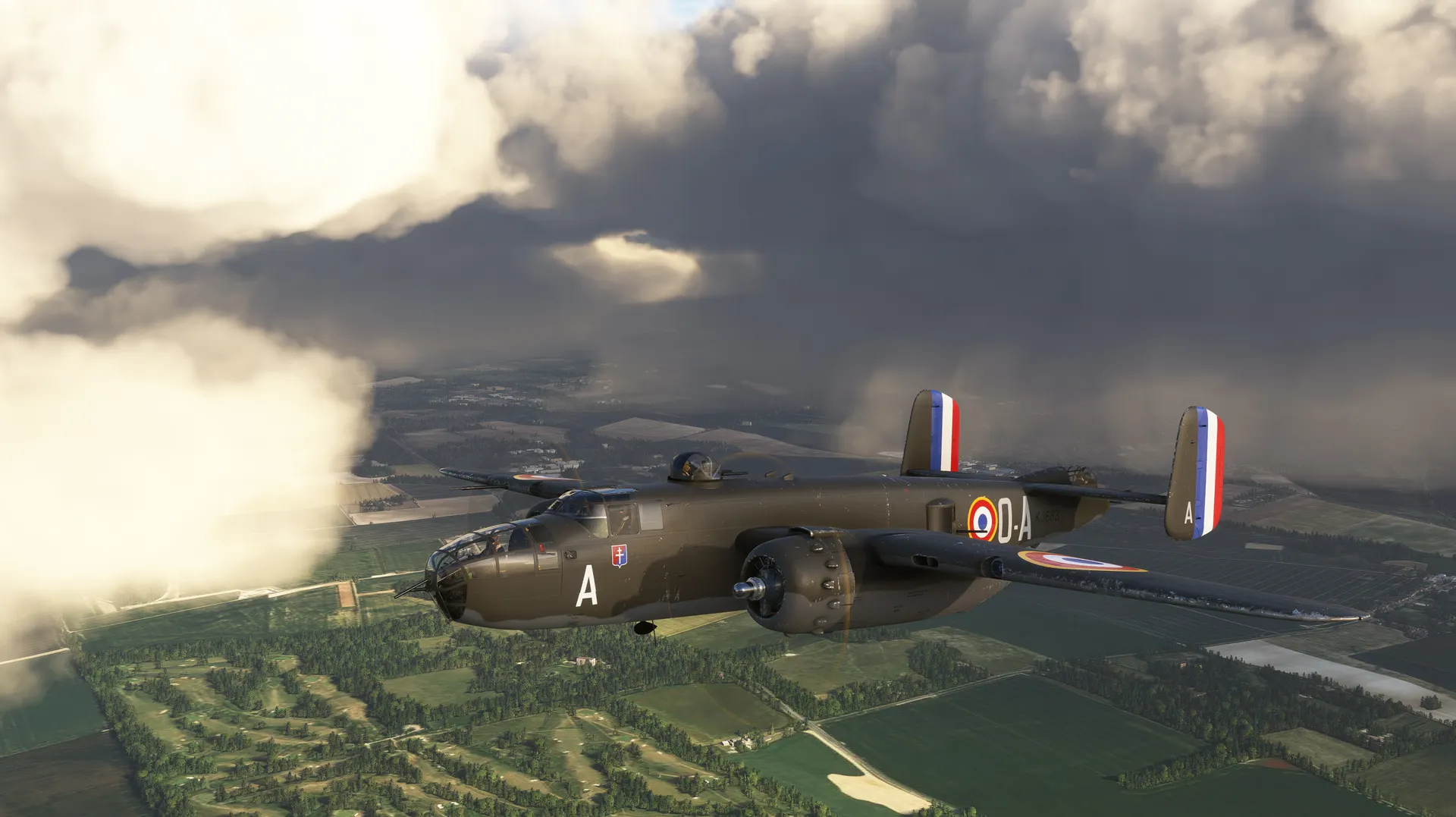
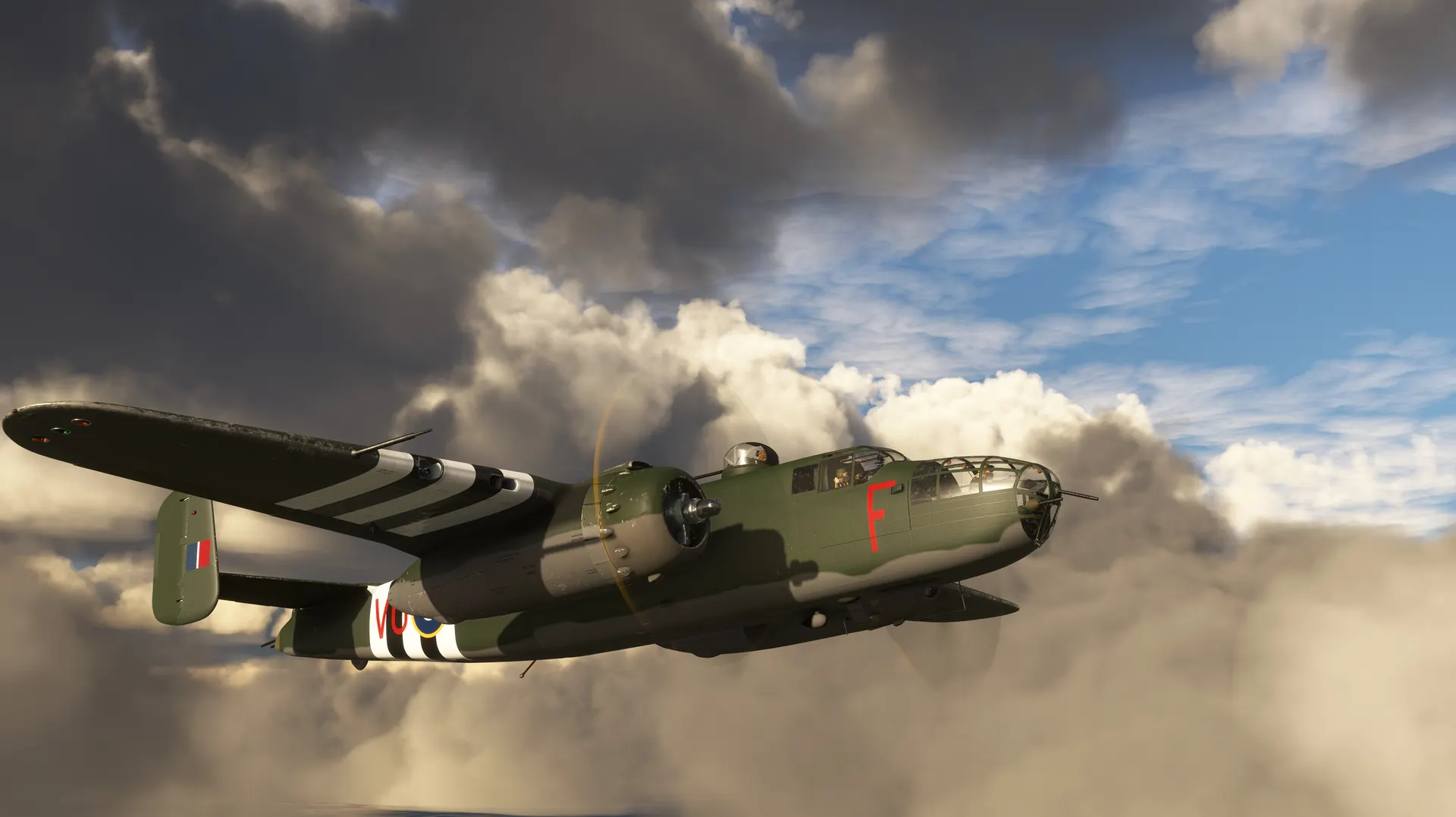
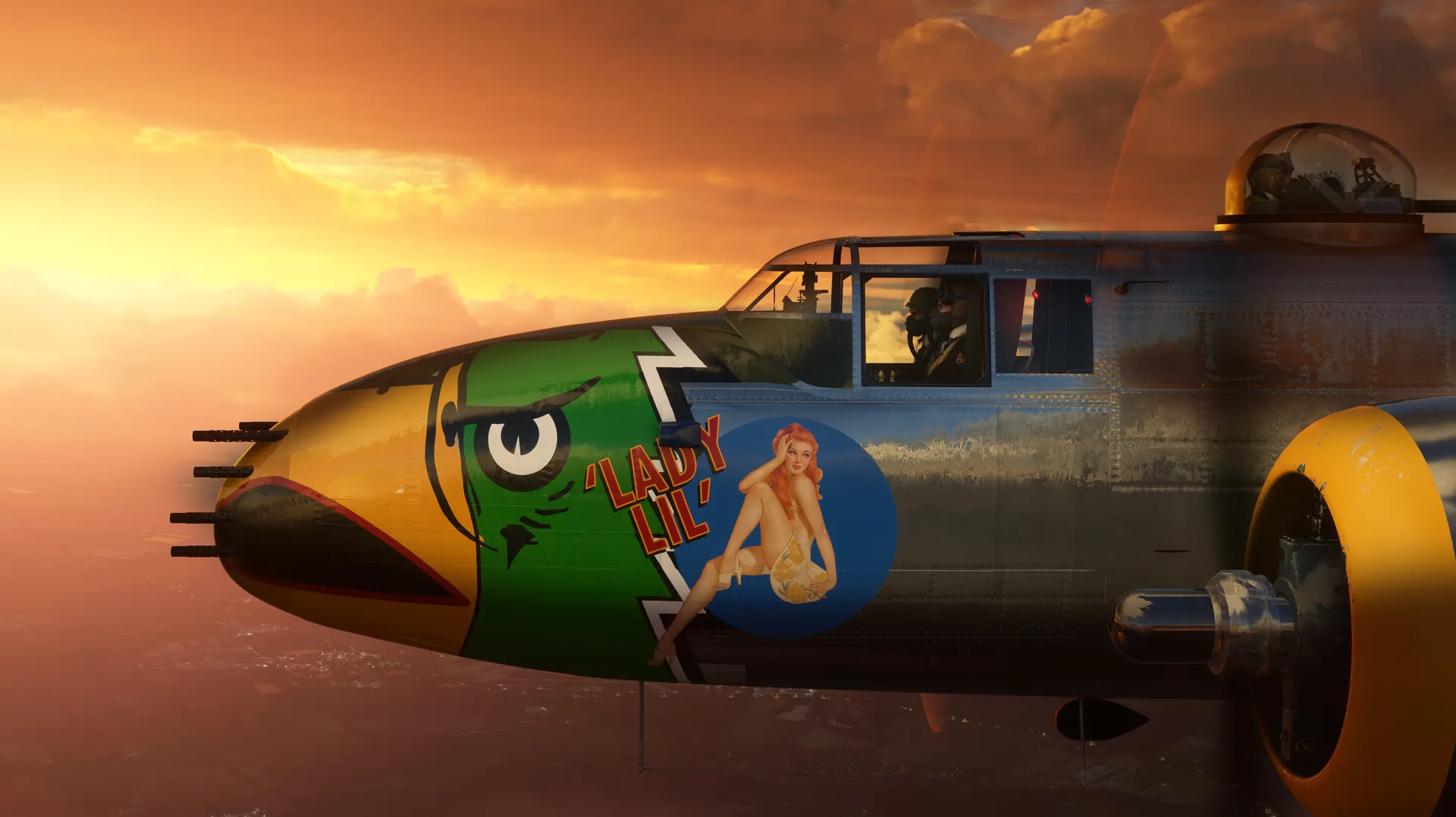
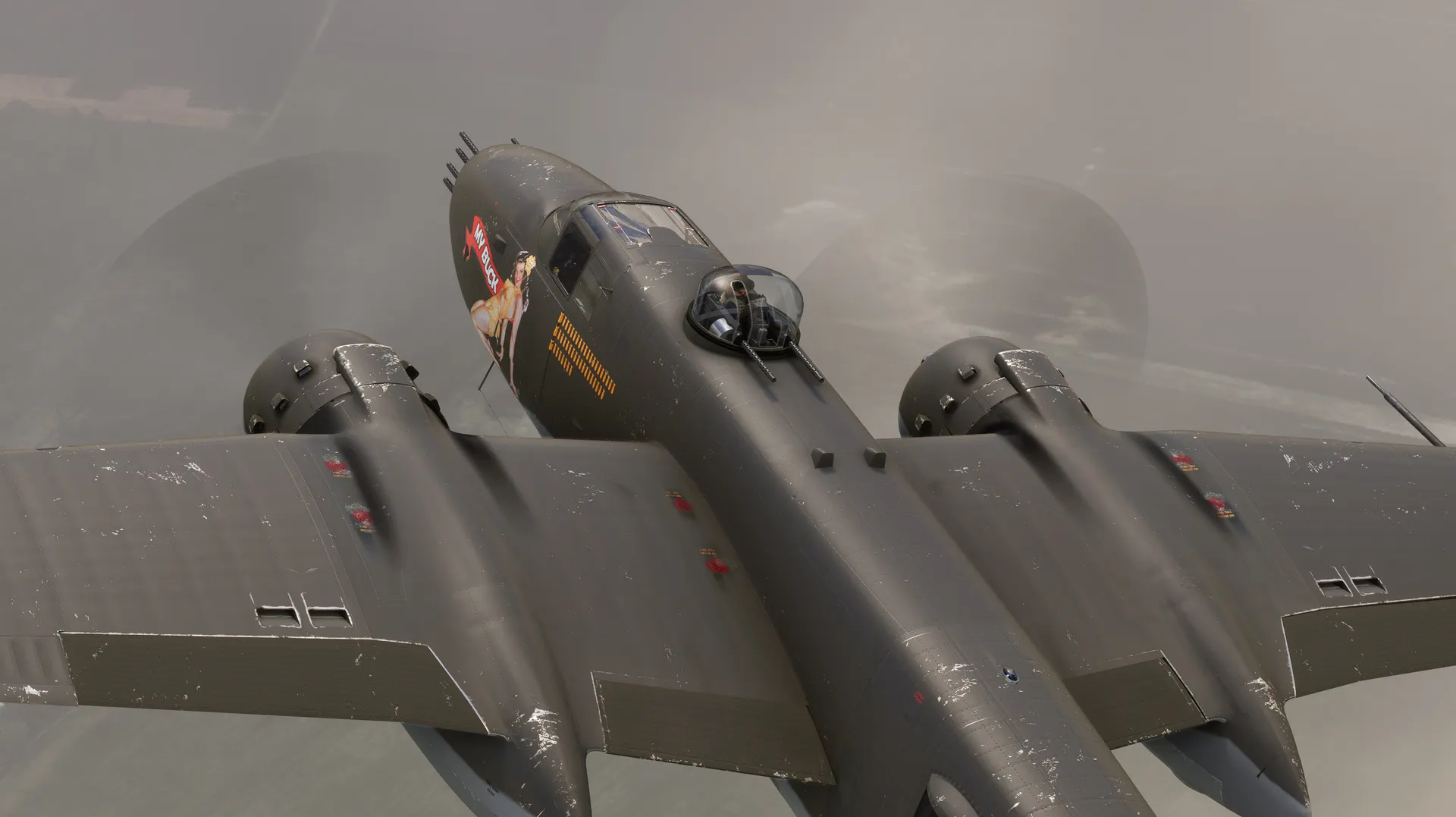
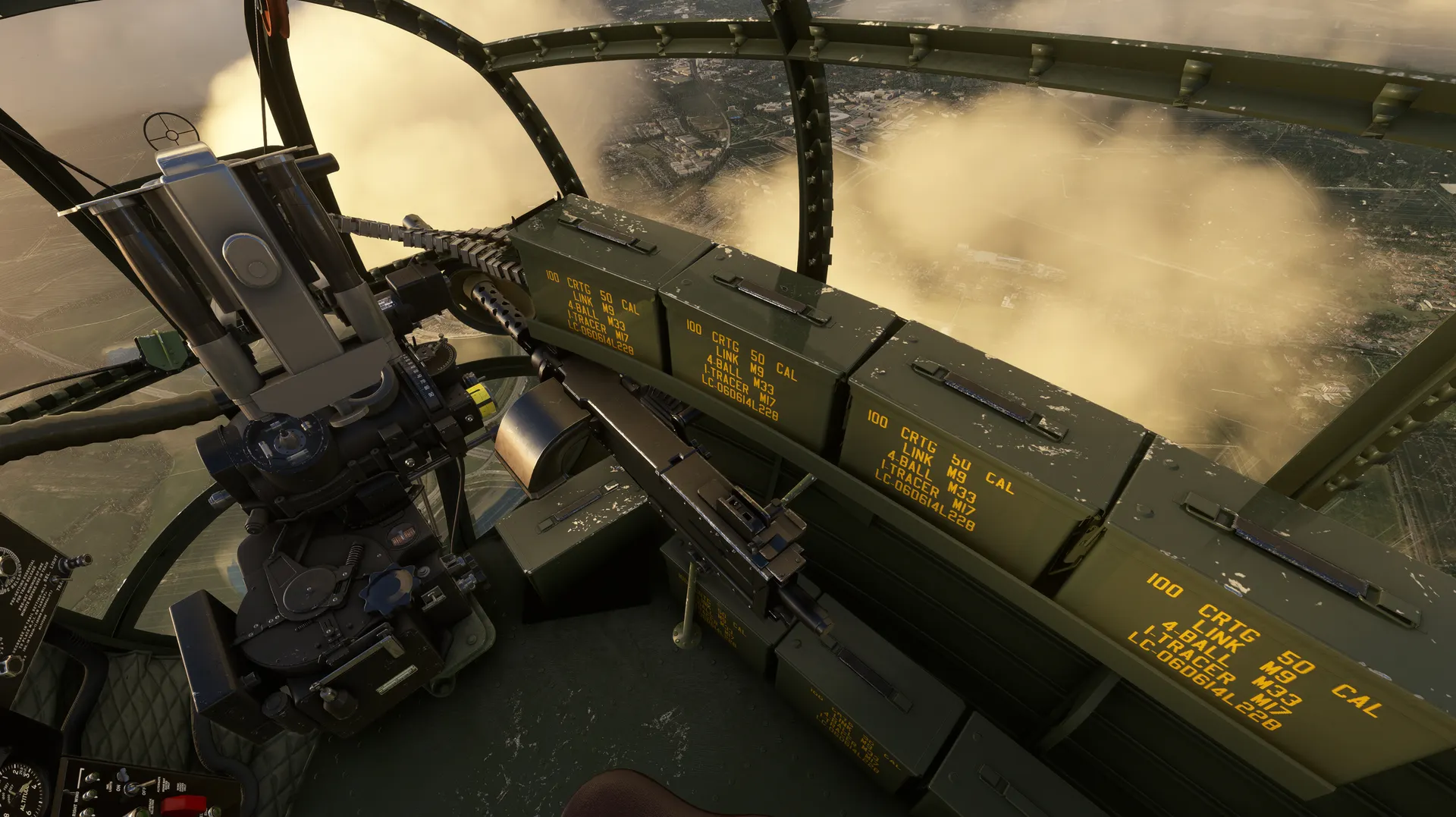
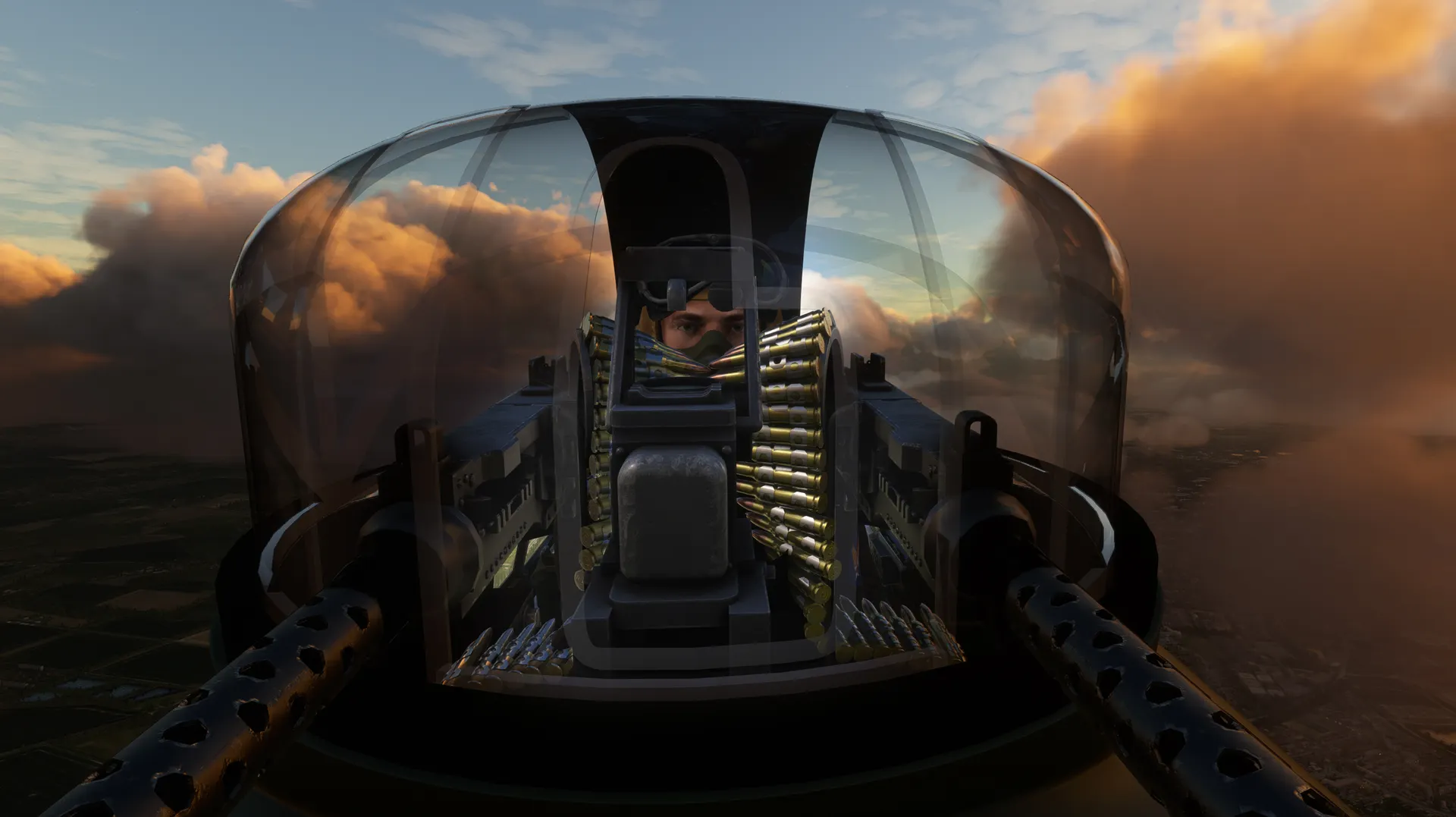
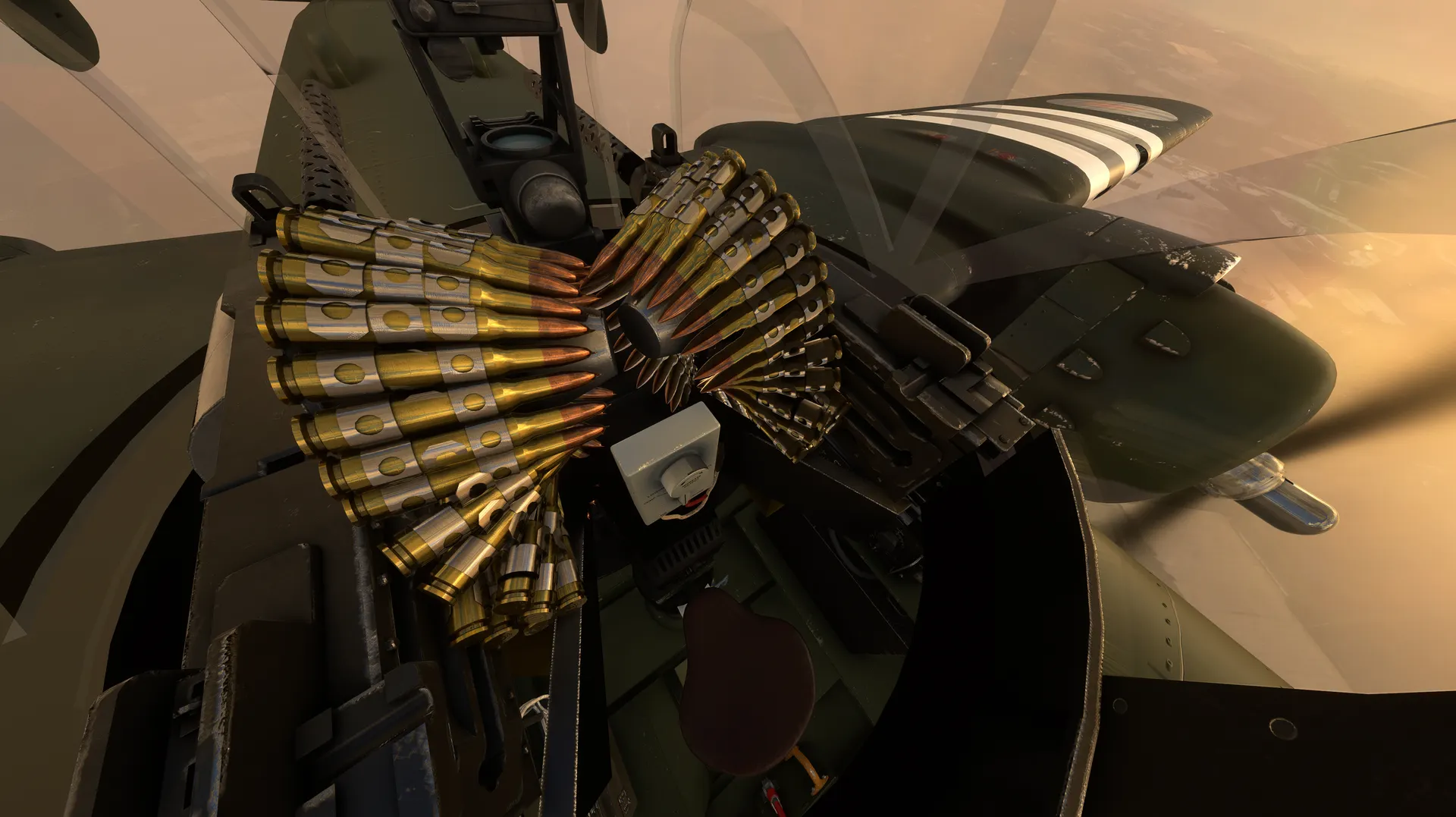
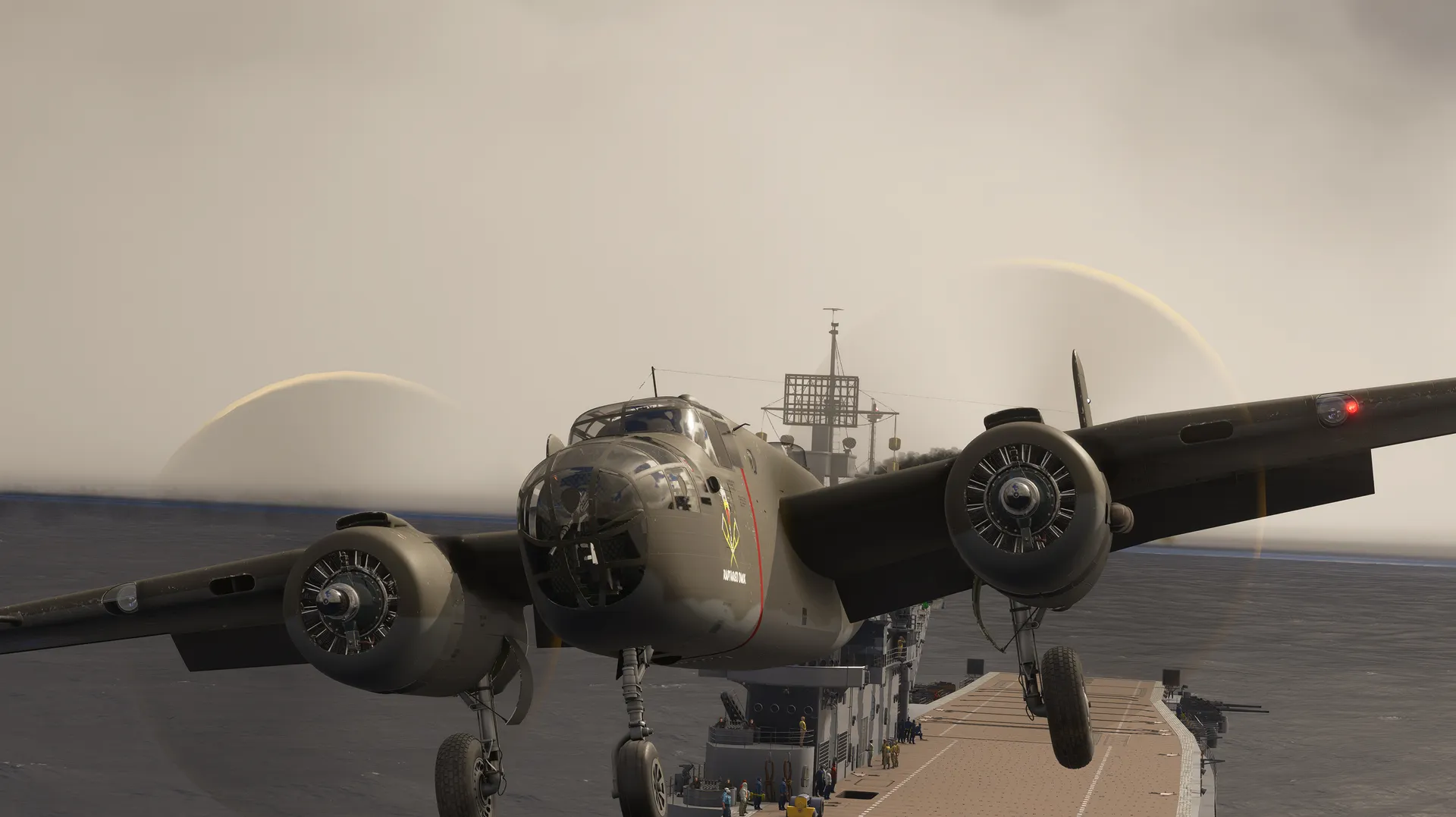
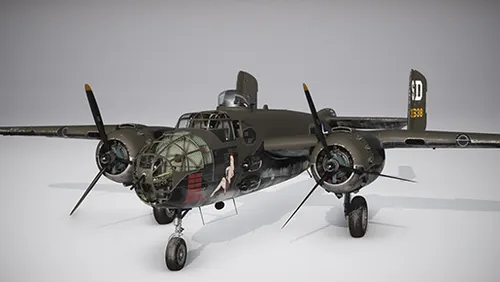
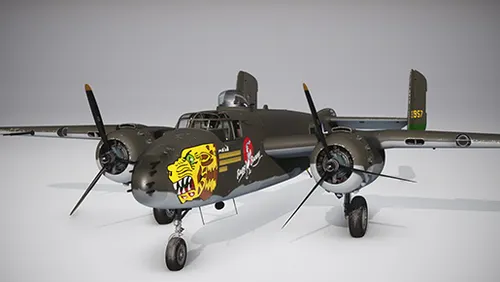
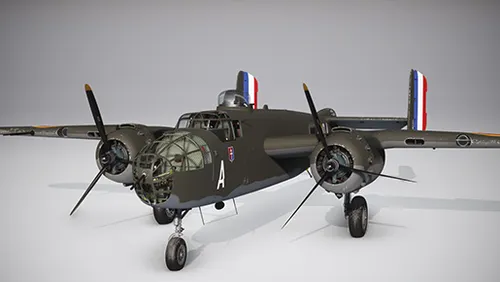
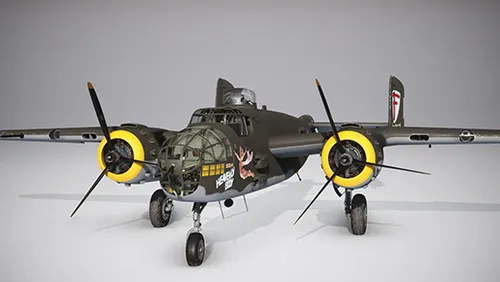
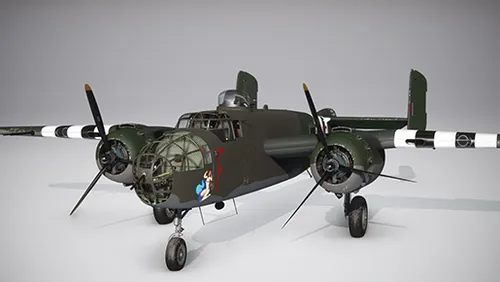
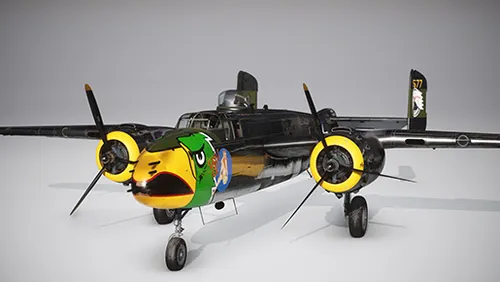
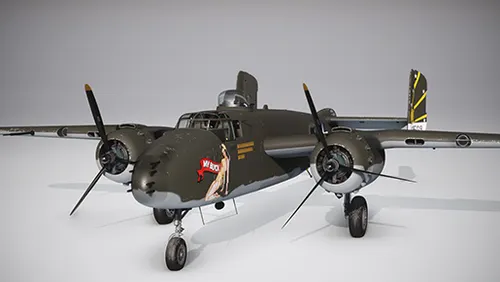
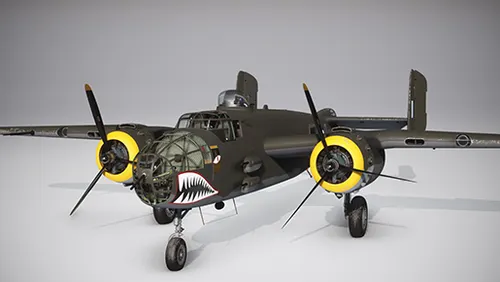
Named in honour of aviation pioneer, Brigadier General William “Billy” Mitchell, the B-25 series of medium bombers was amongst the most successful of WW2. Serving with distinction in every theatre of World War II, the B-25 was produced in a bewildering variety of versions, nearly 10,000 airframes were built. The design first flew in August of 1941 but test flights recorded major aerodynamic issues, not the least of which was an alarming “Dutch roll”. By introducing the “gull-wing” configuration for the inner wing panels, the problem was cured and the new design displayed optimum flight characteristics under test conditions. The “gull-wing” also gave the B-25 it’s distinctive appearance when viewed head-on. By the time of the attack on Pearl Harbour, 130 airframes had been delivered and the B-25 was ready for war. Perhaps the most famous B-25 mission was actually its first. In retaliation for the Pearl Harbour attacks, it was decided by the “top brass” to strike back at Japan in an immediate and convincing way. So a squadron of B-25B Mitchells were specially adapted (lightened by removing armament) to enable them to be launched off the aircraft carrier “USS Hornet” and flown to bomb Tokyo. The raid was led by Lt.Col. James Doolittle who planned the attack. Very few military targets were damaged but the phsycological effect was very important and of course, morale in back in the United States. All but one machine were destroyed in crashes but 14 of the 16 crews made it safely back home. The subject of our package is the B-25J. This was the most used version and over 4,000 were built. The version was available with either a fully-glazed nose which housed the bombardier/navigator (also acting as the nose-gunner) or a solid “Strafer” nose which housed 8 50cal. machine guns and together with the other gun packs could put up a phenomenal fire-power when attacking ground targets. The design incorporated stations for side gunners, much like the Boeing B-17, an upper turret (again a very similar turret to the B-17 and a sting in the tail with twin 50 cals operated by a tail-gunner. Four remotely operated, detachable “cheek-pods” carried a 50 cal machine gun each which brought the total of offensive/defensive armament to at least 12 machine guns! A wide variety of bomb-loads could be carried in the large bomb bay and some B-25s were adapted by the Navy to carry and deliver torpedos which they did very effectively. Later Strafer models even incorporated a massive 75mm cannon, the largest ever carried by an American bomber. Many B-25Js are still flying or being restored - such is the reliability and robustness of the airframe. We will continue to see examples of this incredible aeroplane well into the future.