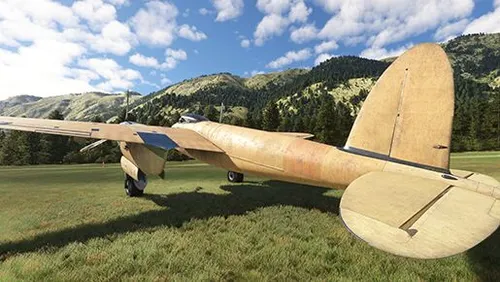
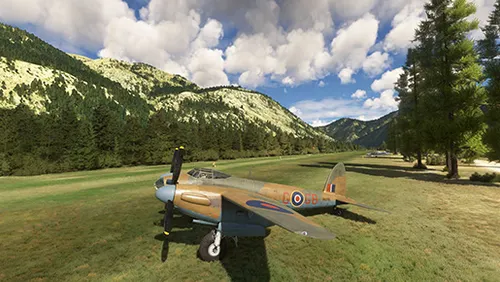
MSFS 2024 Status:
Investigating Marketplace
Support the site - donate!

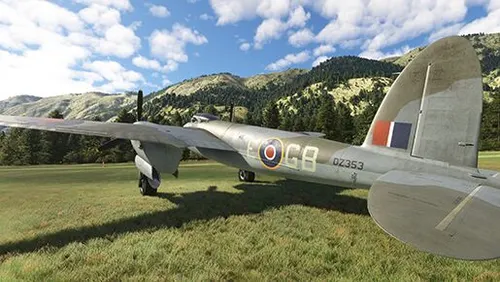
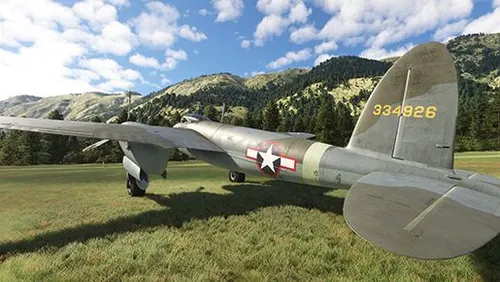
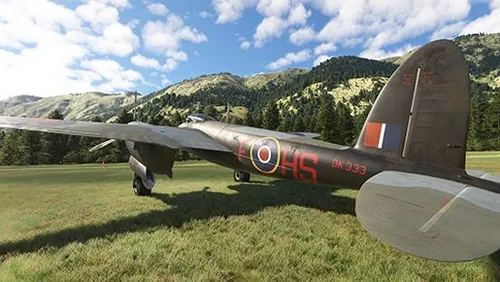
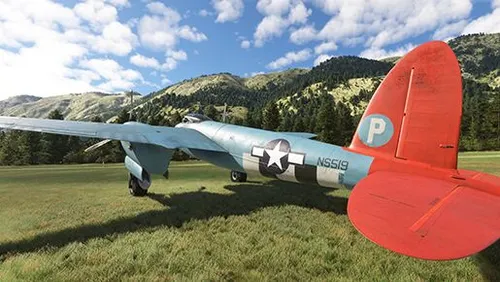
deHavilland DH-98 Mosquito

Aeroplane Heaven

AIRCRAFTTWIN PROPVINTAGEWW2RAF

0/5 (0)


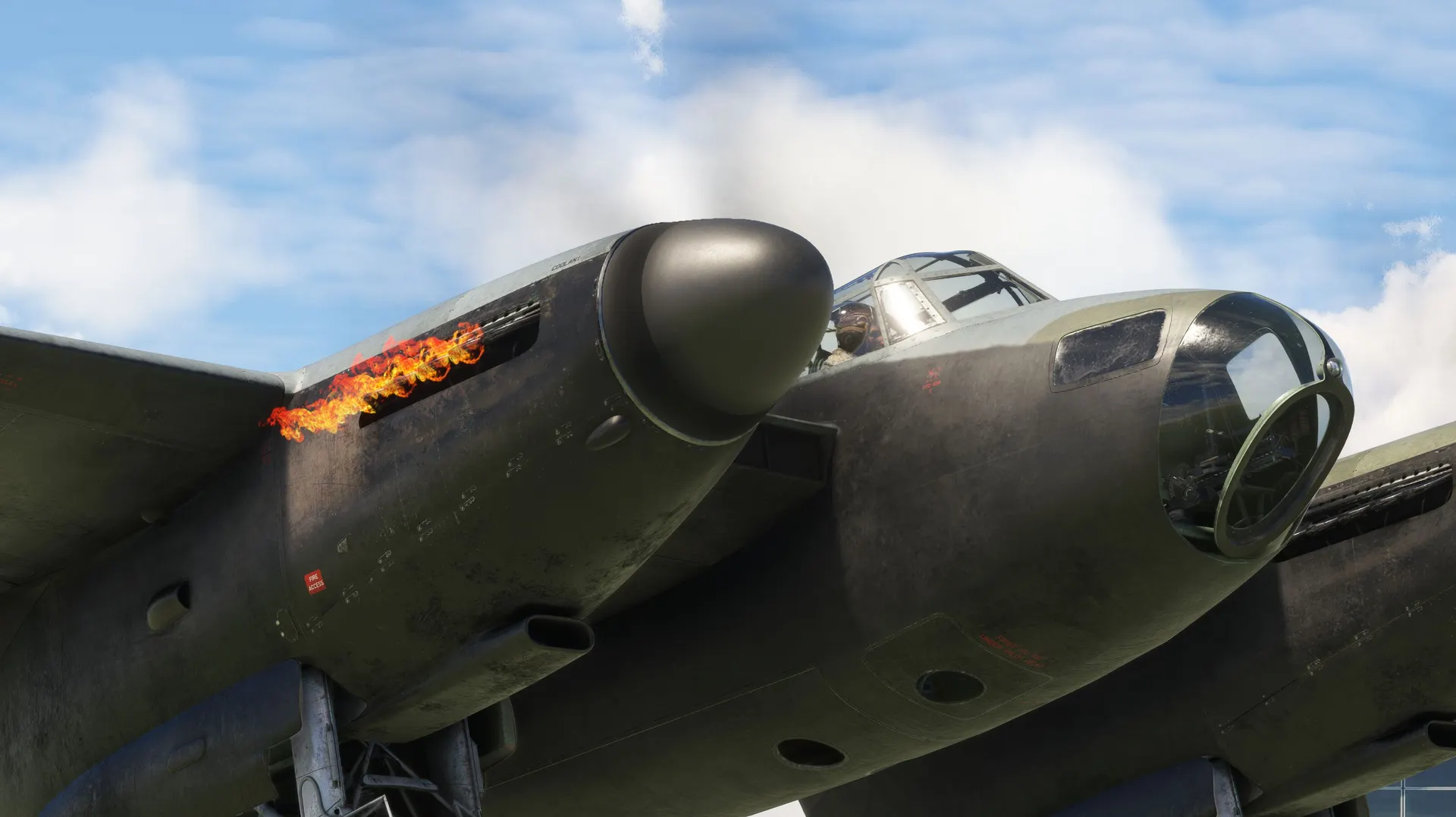
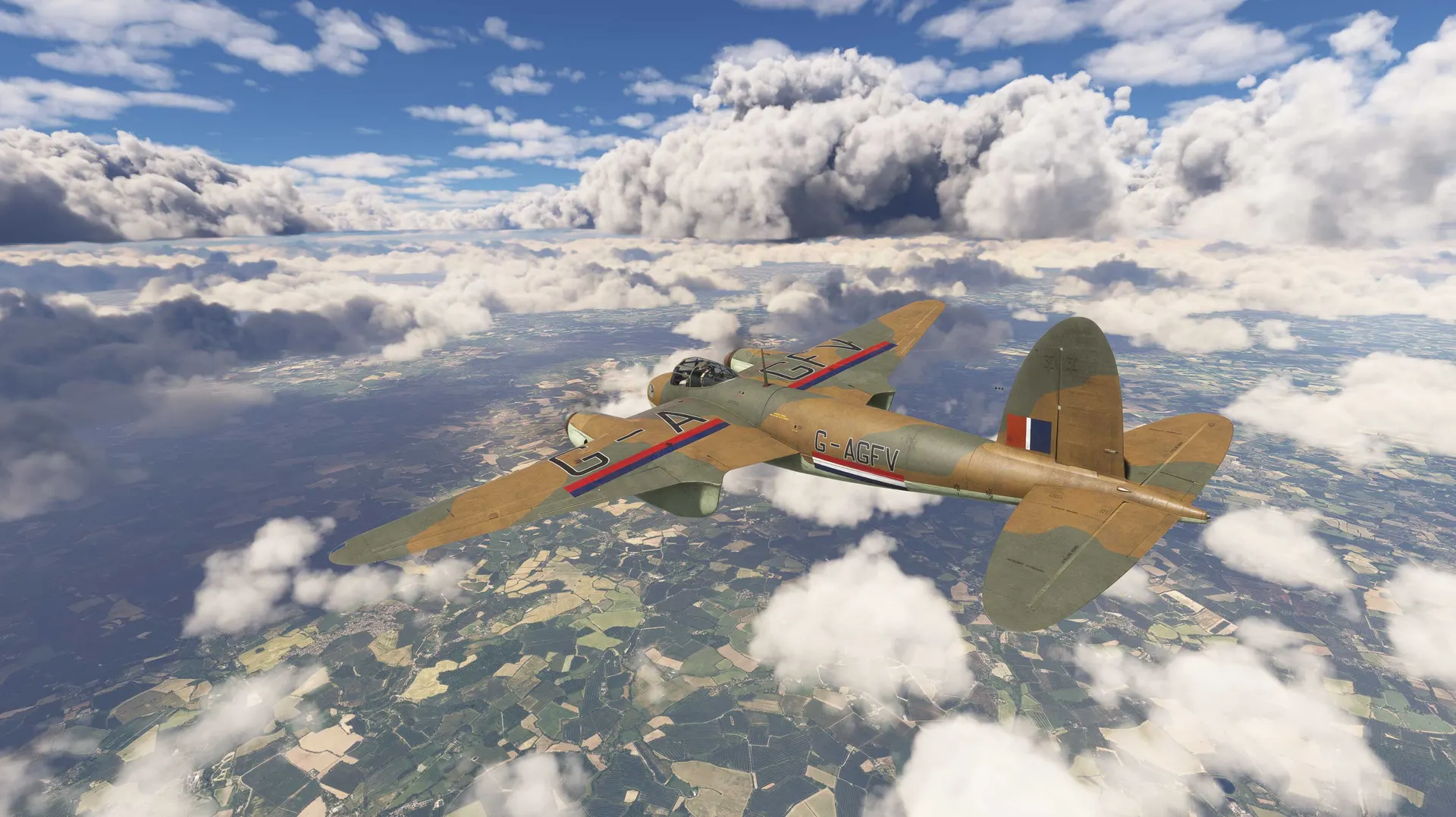
The deHavilland Mosquito was born out of wartime necessity, when Britain’s metal resources were under extreme pressure. Designers took an unconventional approach by building much of the aircraft from multi-layered plywood, making use of the underutilised furniture industry and readily available raw materials. This innovative thinking allowed production to continue despite shortages and led to a highly efficient manufacturing process.

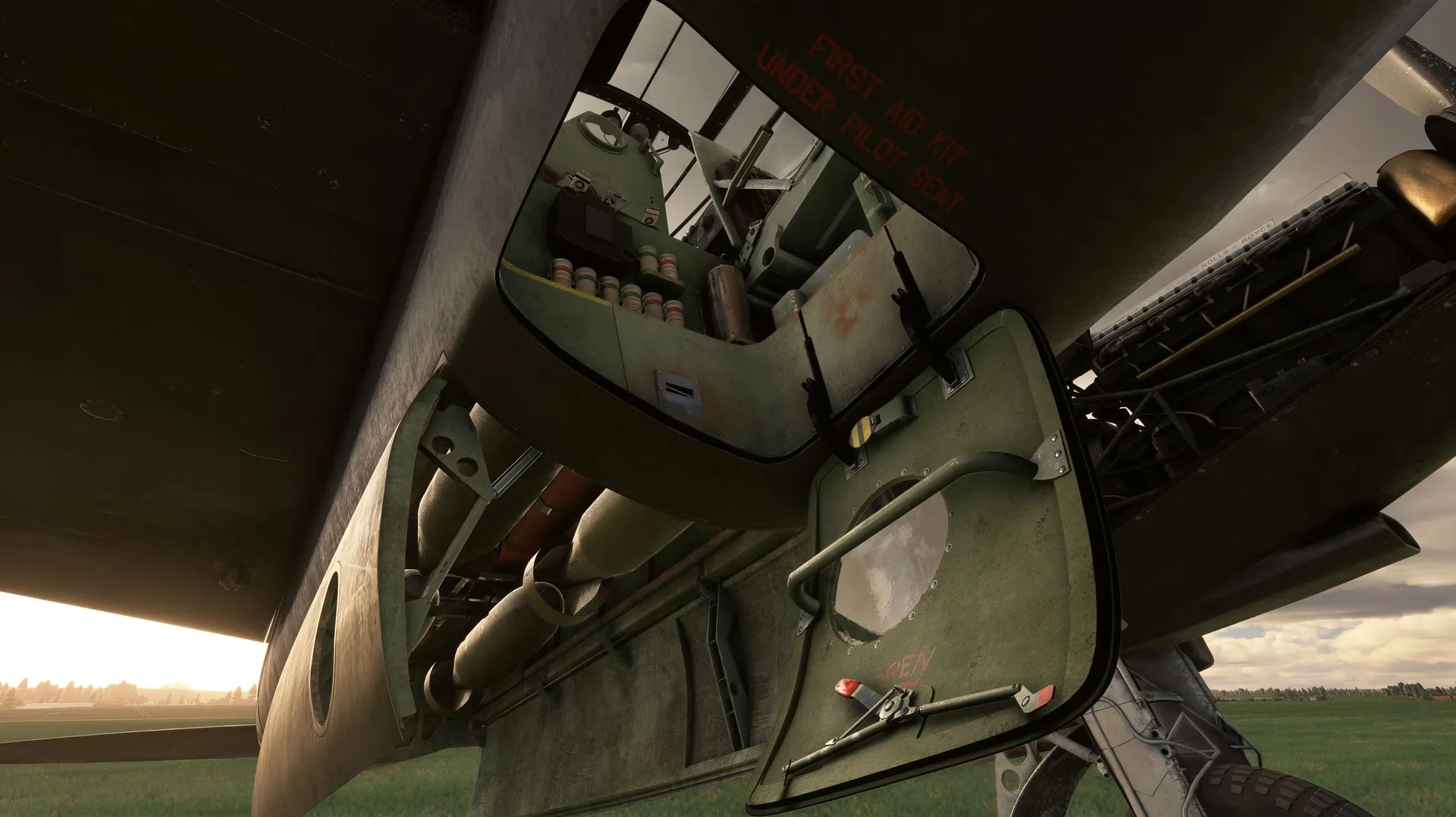
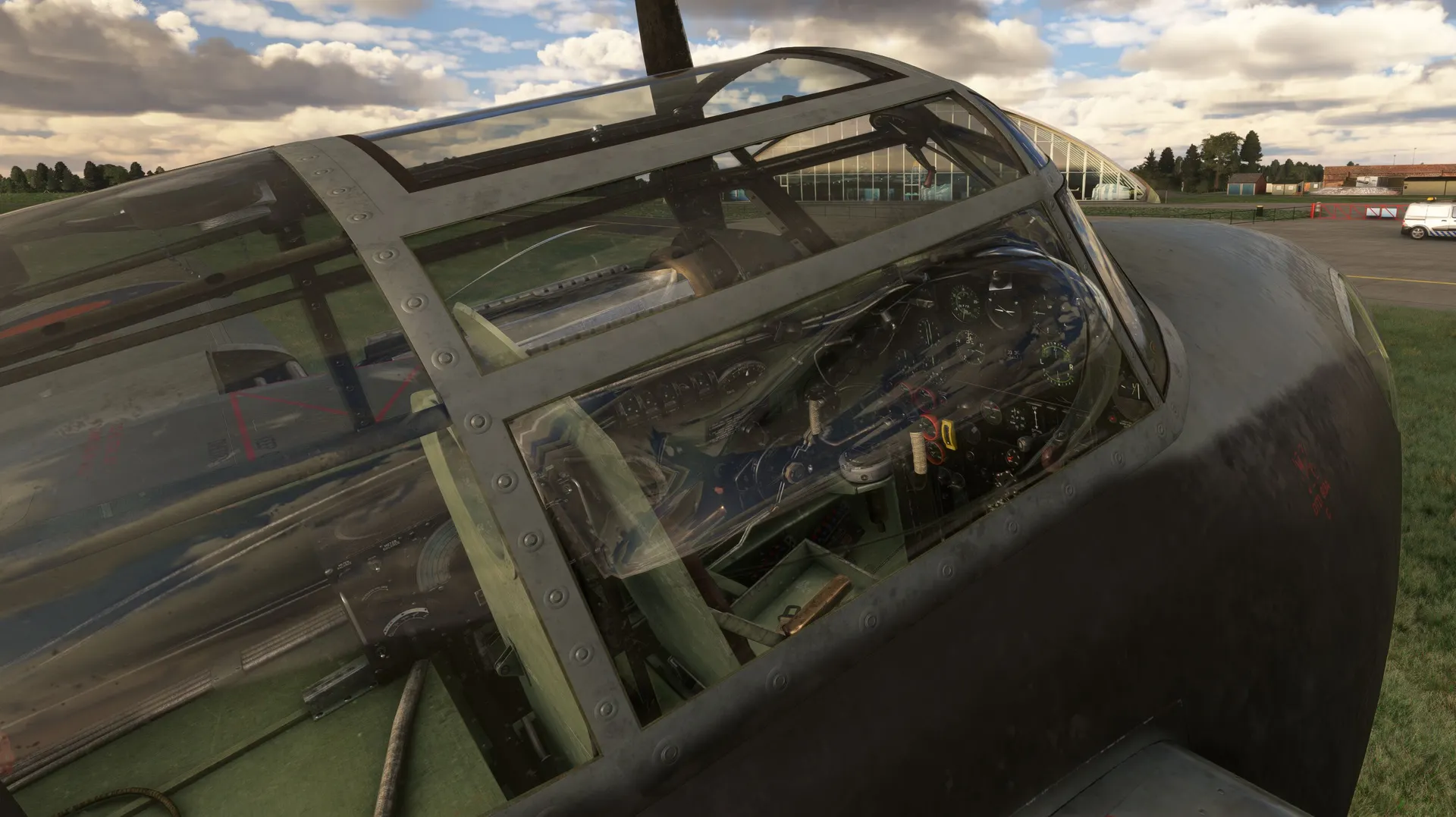
The Mosquito’s fuselage was made from cold-molded plywood formed in concrete molds, allowing wiring and equipment to be installed before final assembly, speeding up construction. Most of the aircraft, including its one-piece wings, used laminated plywood and hardwood, with metal reserved only for critical structural components. This method resulted in a strong but lightweight airframe.

The reduced weight, combined with two Rolls-Royce Merlin engines, gave the Mosquito exceptional speed and performance. It was produced in 43 variants, with the Mk VI Fighter Bomber being the most common. Specialised versions served with the Royal Navy and the RAF, including night fighters and Pathfinder aircraft that relied on speed and low-level flying to mark targets ahead of bomber formations.

Because of its speed and versatility, the Mosquito was used in many daring and covert missions, including famous raids such as Operation Jericho and attacks on Gestapo headquarters. It served with around 20 air forces and remained in action until the 1950s. Several are under restoration and the aircraft remains admired for its beauty, innovation, and remarkable wartime legacy.
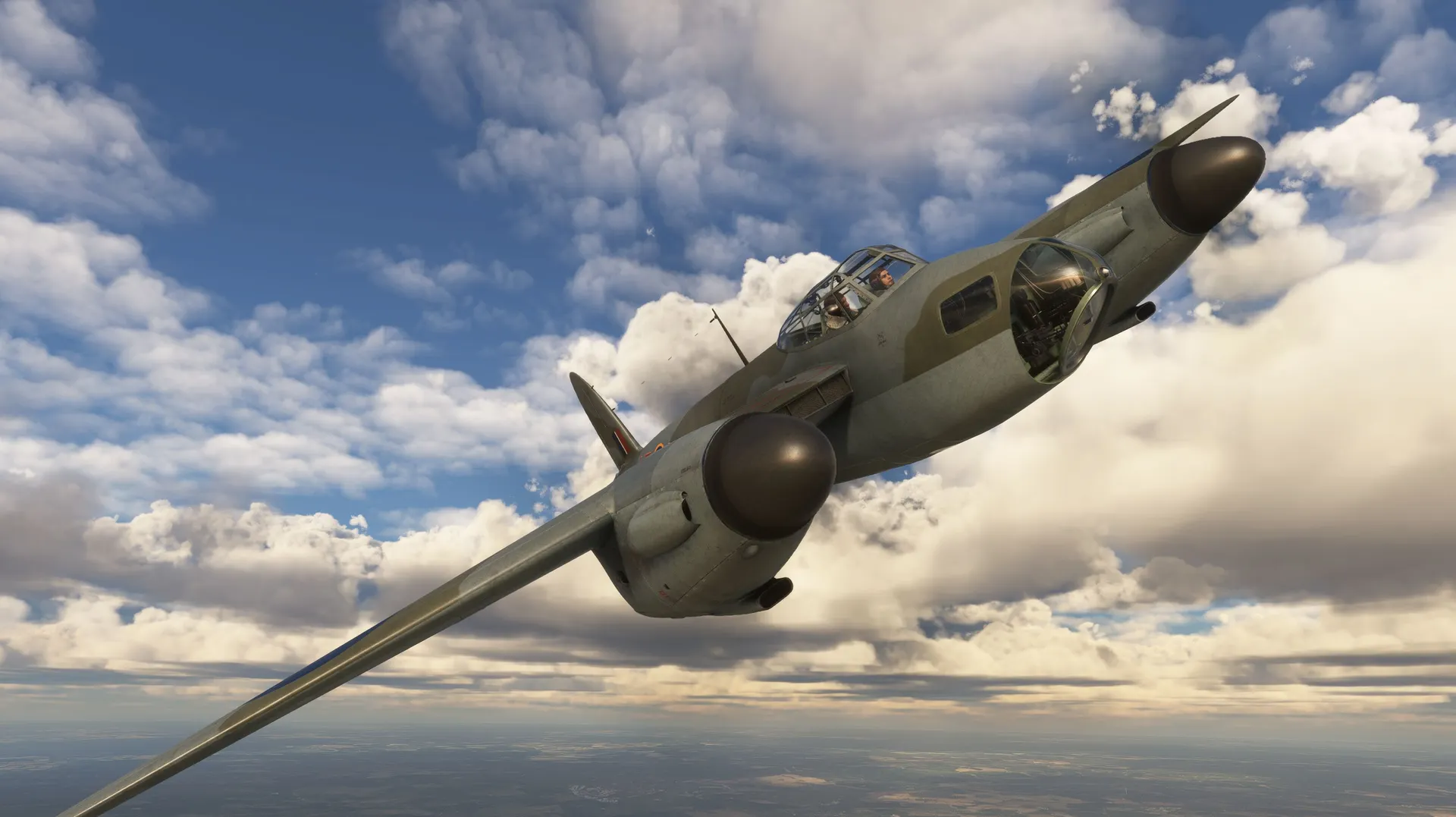
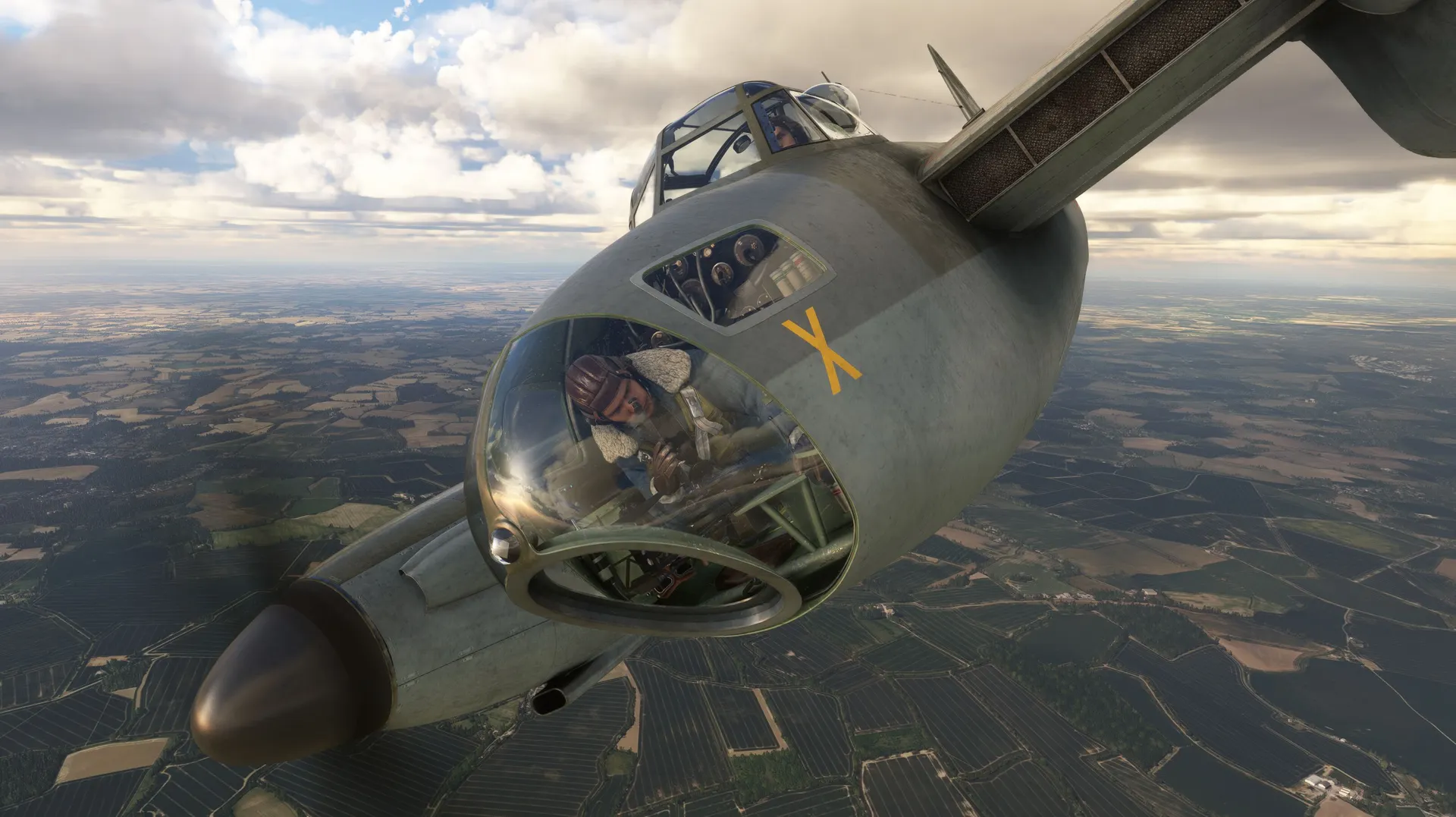
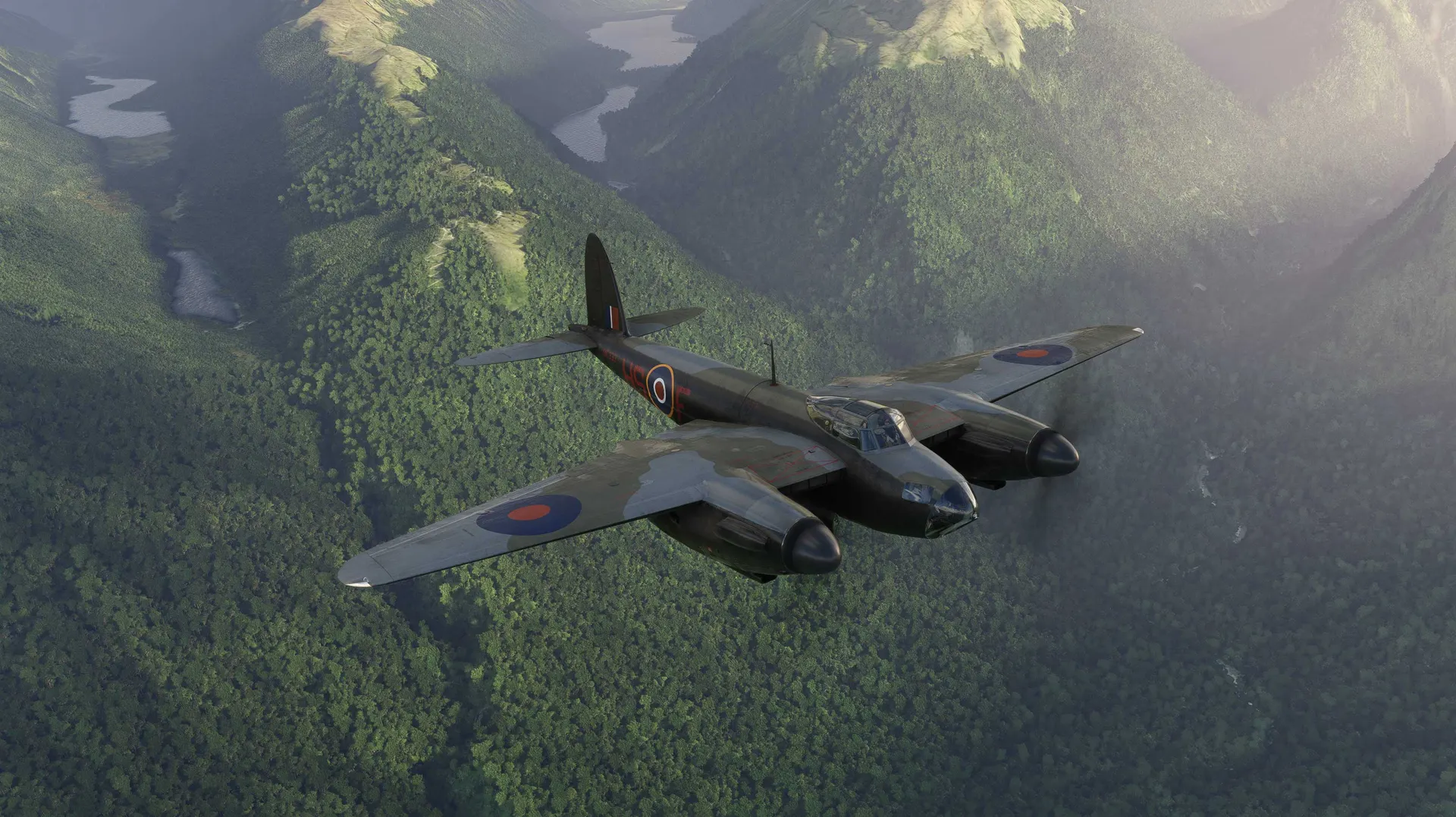
The DH.98 Mosquito Mk IV is a British World War II-era twin-engine multi-role military combat aircraft developed and manufactured by aviation company de Havilland. The prototype of the Mosquito took its maiden flight in 1940, and production models entered service on November 17, 1941. The Mosquito became renowned for its speed, operational versatility, and operational success. 7,781 Mosquitos were built between 1940 and 1950 across 43 variants, and a small handful remain flying. Several are under restoration and the aircraft remains admired for its beauty, innovation, and remarkable wartime legacy.
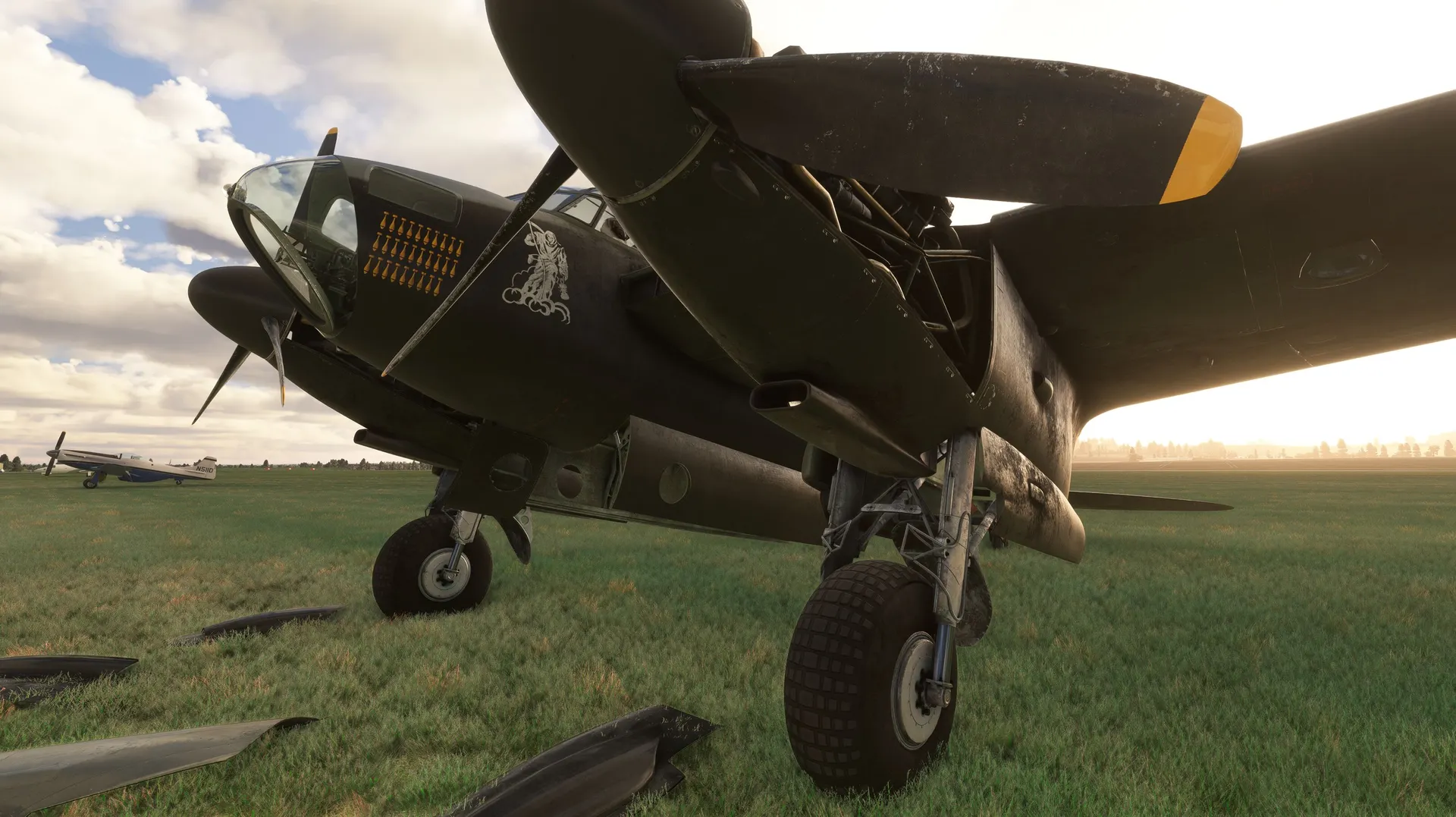
Development of the Mosquito began with a 1936 British Air Ministry request for a twin-engine, high-speed bomber. Over the course of several years, de Havilland drafted several designs, with the legendary Mosquito taking its maiden flight on November 25, 1940. The company built the Mosquito primarily using plywood from the domestic furniture industry and readily available raw materials. Due to wartime shortages, metal was used sparingly in the design. De Havilland used several processes to maximize manufacturing efficiencies, including using cold-molded plywood formed in concrete molds that allowed wiring and equipment to be installed before final assembly. This innovative process allowed production to continue despite shortages and led to a streamlined manufacturing process.

Operationally, the Mosquito proved a great success due to its multi-mission capability and performance. It was used for several mission sets, including light bomber, attack, close air support, maritime strike, night fighter, and photoreconnaissance, among others. The Mosquito was also used for a number of special operations, including striking strategic targets in Germany in small raids like Operation Jericho and attacks on Gestapo headquarters. Specialized versions served with the Royal Navy and the Royal Air Force, including night fighters and pathfinder aircraft that relied on speed and low-level flying to mark targets ahead of bomber formations. The aircraft served 20 air forces, including the Royal Air Force, the Royal Australian Air Force, the Royal Canadian Air Force, and the United States Army Air Forces. After World War II, the aircraft saw limited use in the Chinese Civil War.

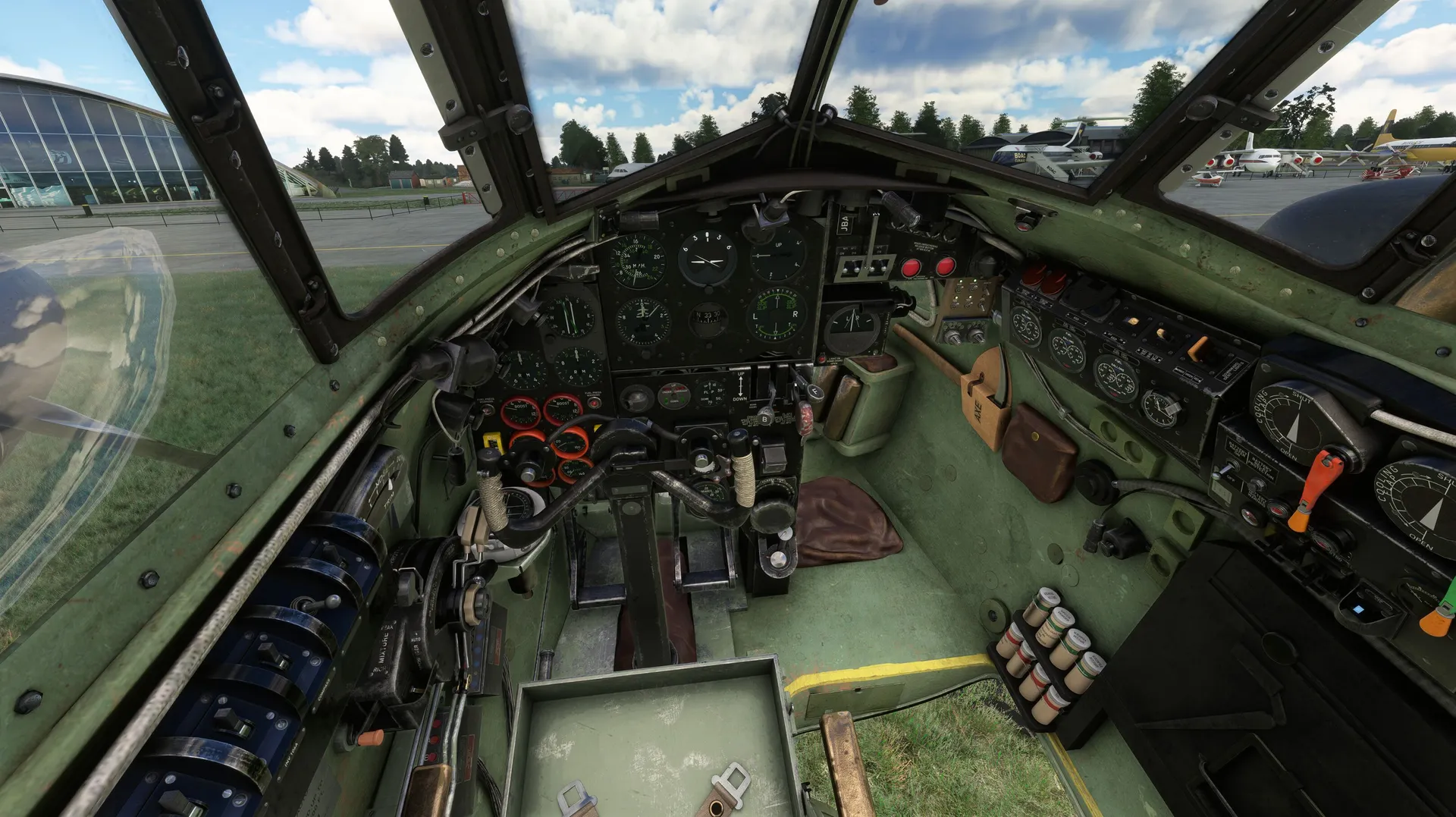
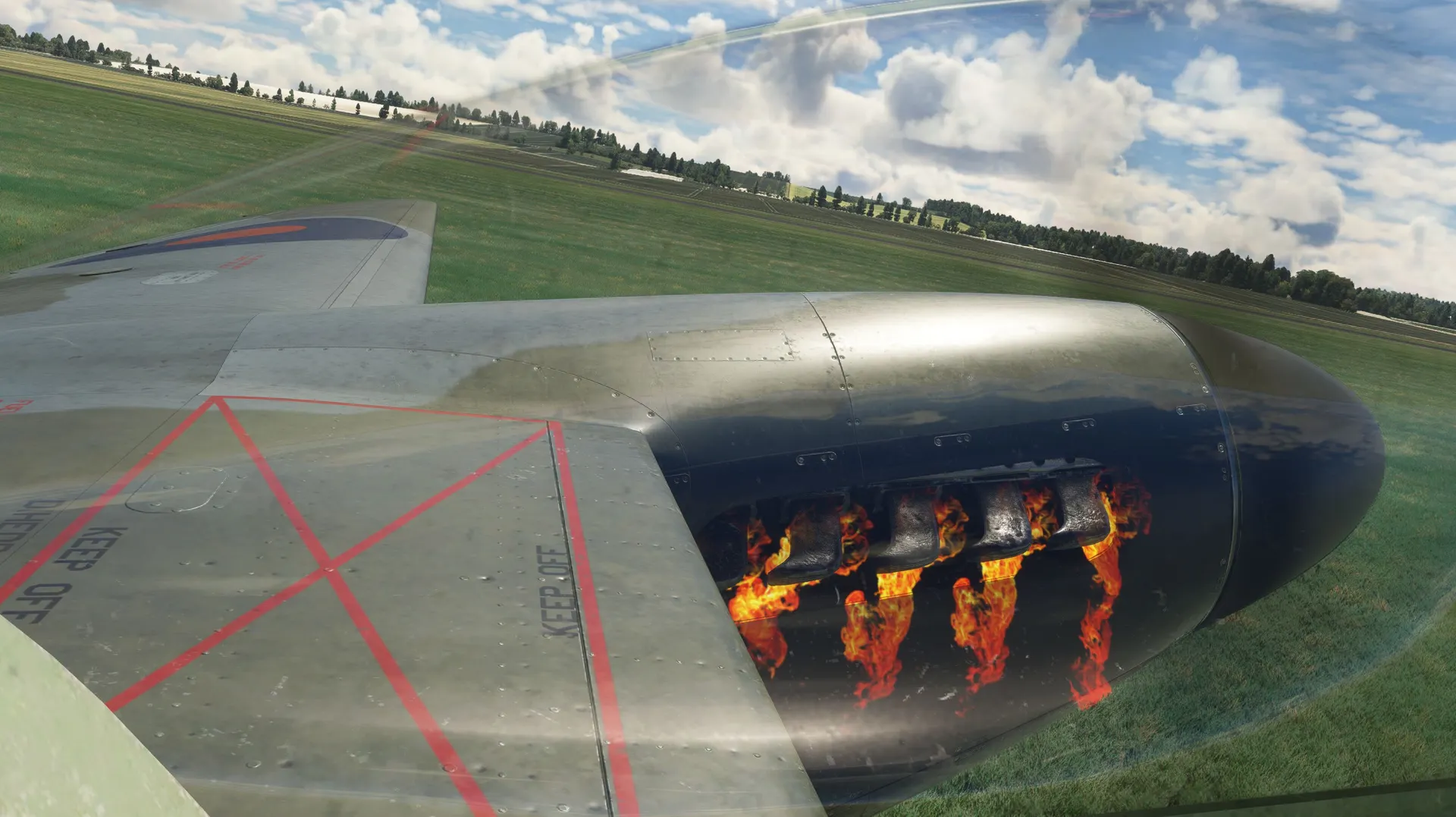
The DH.98 Mosquito Mk IV measures 44 feet, 6 inches in length, stands 17 feet, 5 inches tall, and has a wingspan of 54 feet, 2 inches. It features a traditional retractable undercarriage and a standard tail unit. It is powered by two Rolls-Royce Merlin V-12 liquid-cooled piston engines. Each generates 1,430 horsepower and turns a 3-blade constant speed propeller. When operational, the aircraft had a top speed of 380 miles per hour at 14,000 feet above sea level and had a service ceiling of 37,000 feet.

Specifications


SPEED380 MPH ( @ 14,000ft )
CEILING37,000 ft ( 11,000 mi )
LENGTH44 ft 6 in
WINGSPAN54 ft 2 in
HEIGHT17 ft 5 in
MAX WEIGHT18,100 lb
EMPTY WEIGHT14,300 lb
ENGINE2 × Rolls-Royce Merlin V-12 liquid-cooled piston engine, 1,430 hp
COCKPIT CREW2