MSFS 2024 Status:
Investigating Marketplace
Support the site - donate!

Dornier Do27 / CASA C127

Aviacion española

AIRCRAFTVINTAGEBUSHGERMANYSPAIN

4.7/5 (10)


Dornier Do27 Rugged utility and true STOL capability

Experience an aviation classic built for the toughest missions. The Dornier Do27 brings authentic short-field performance to Microsoft Flight Simulator delivering the rugged handling and reliability that made it faomous around the world

As the first German aircraft produced in series after World War II, the Do27 became a symbol of industrial recovery-modern, dependable, and capable of operating where few others could. Its service with the Bundeswehr showcased its versatility in observation, training, and demanding off-field operations

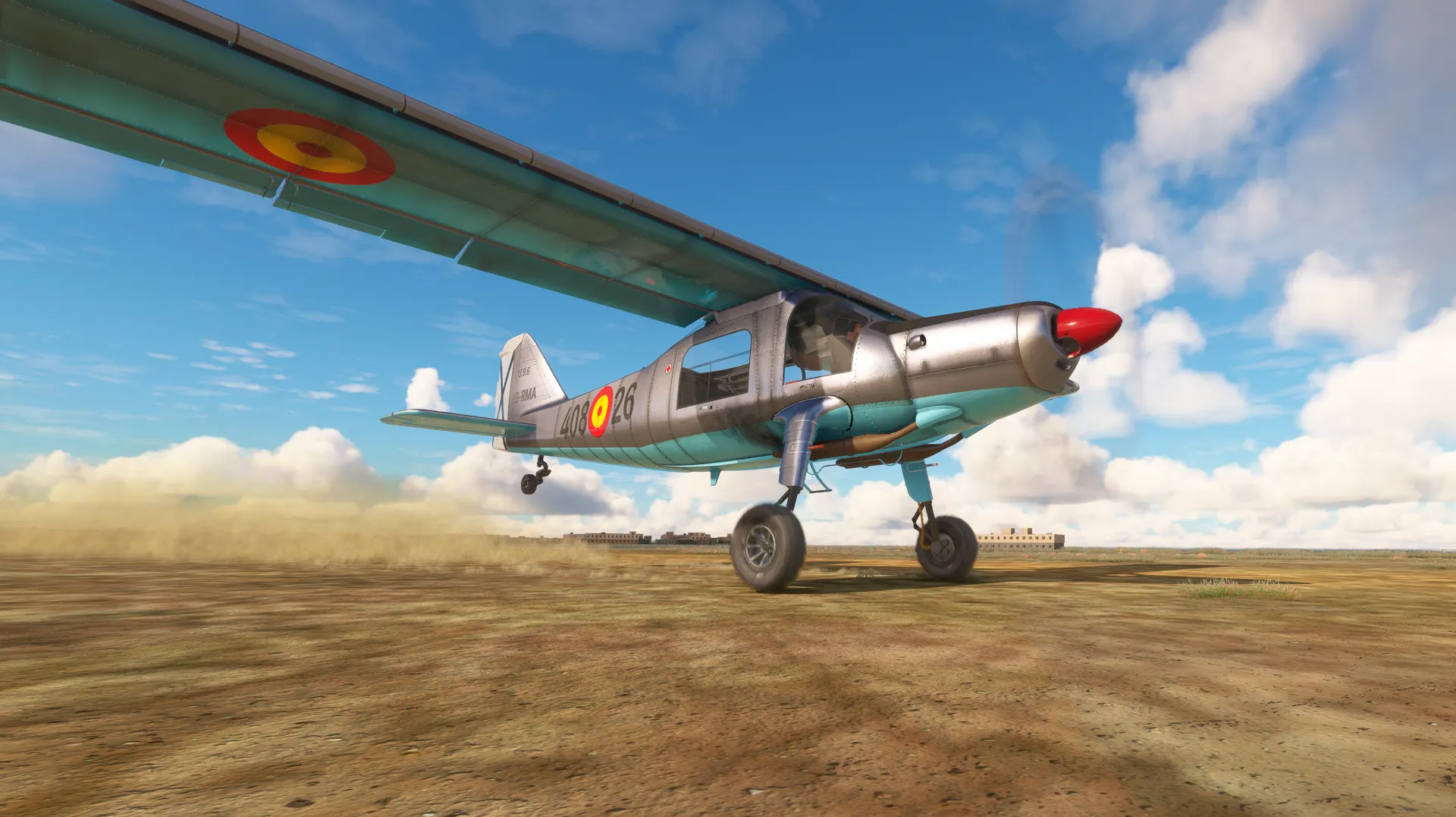
The aircraft's story also belongs to Spain. Through its collaboration with Claude Dornier, CASA manufactured and evolved the Do27 to meet Spanish military needs, recomending widening the landing gear to Dornier to meet Spanish military requirements featured in the Do27 A5 variant included in this package.

Features included:

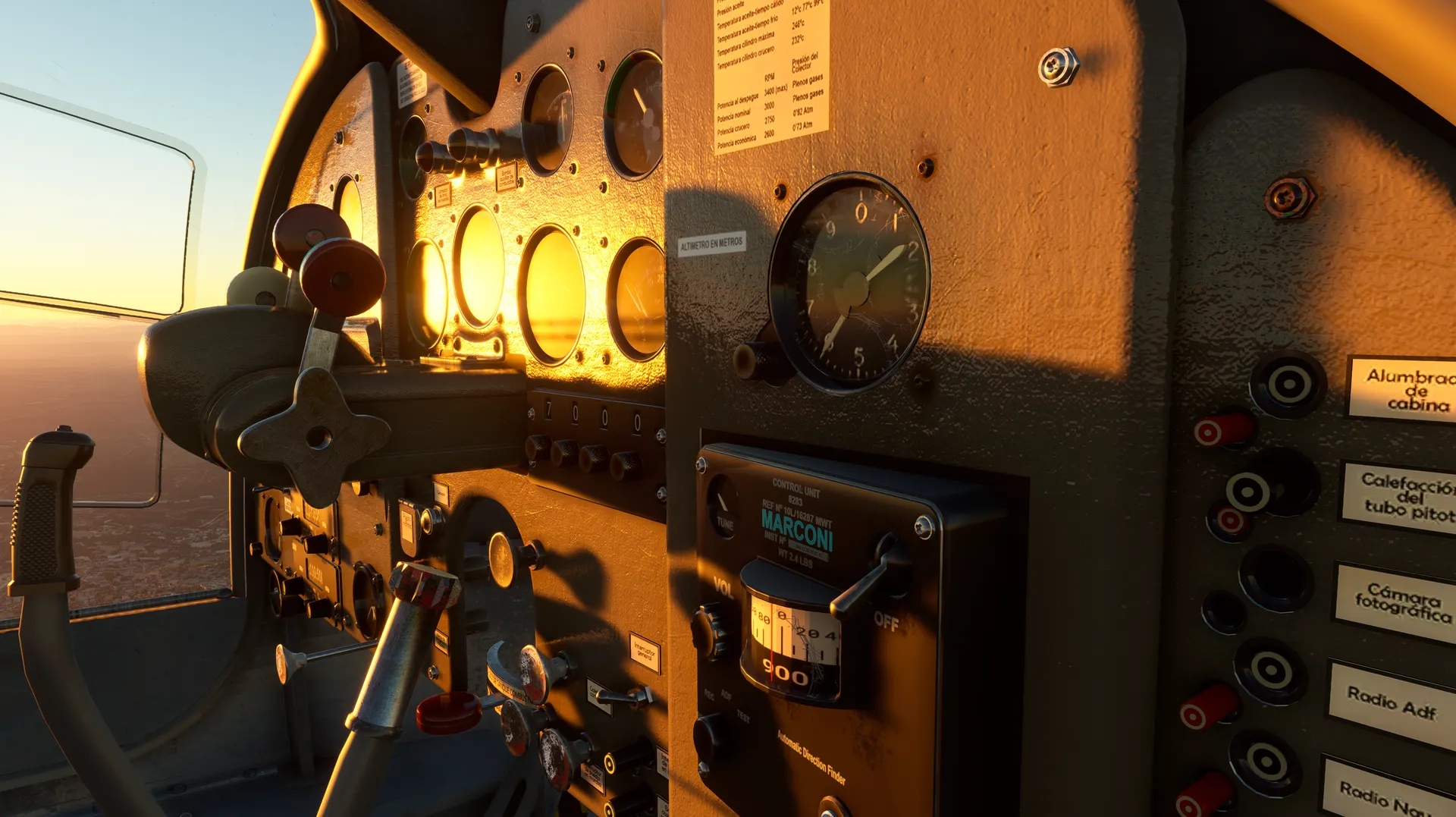
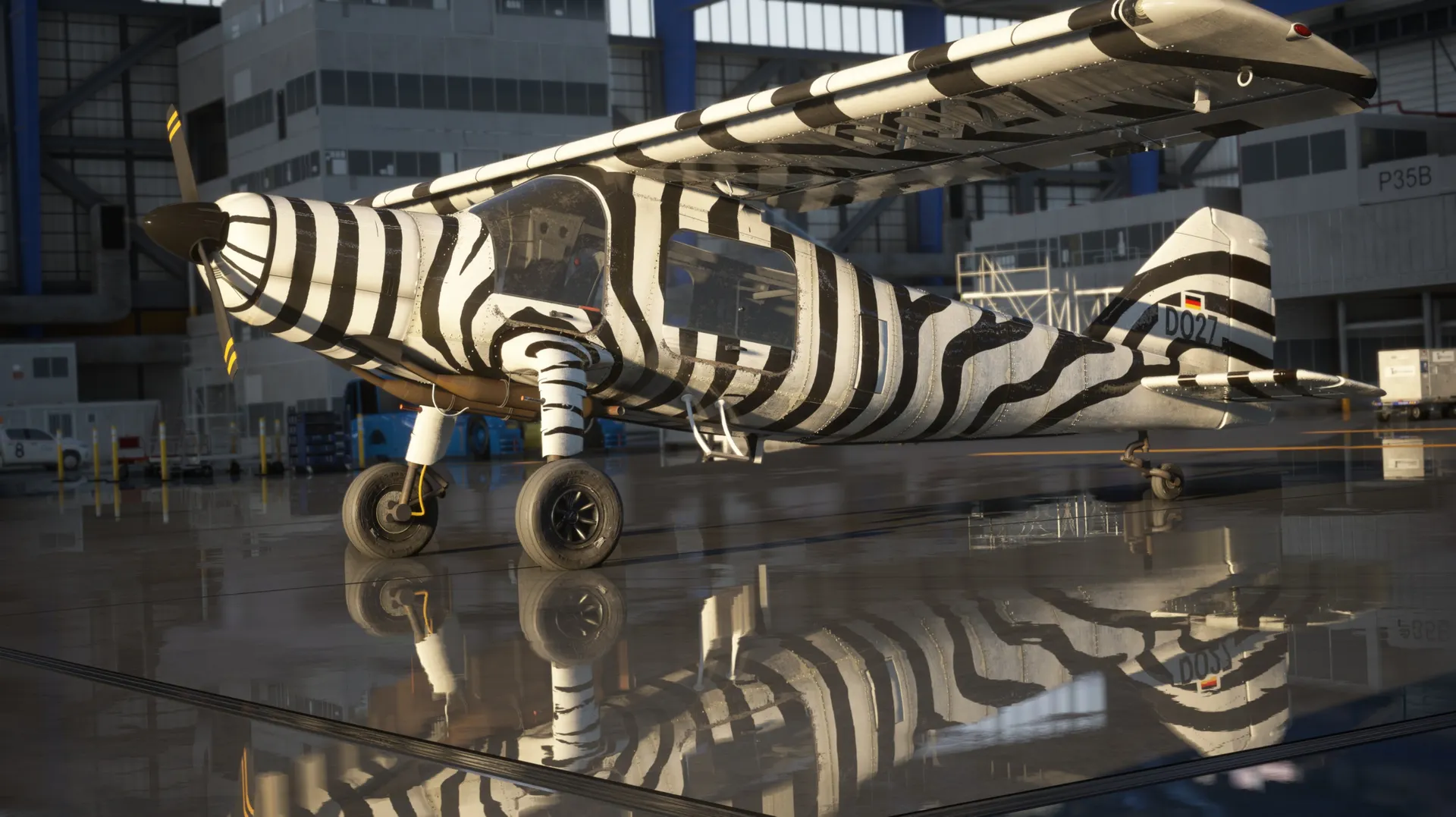
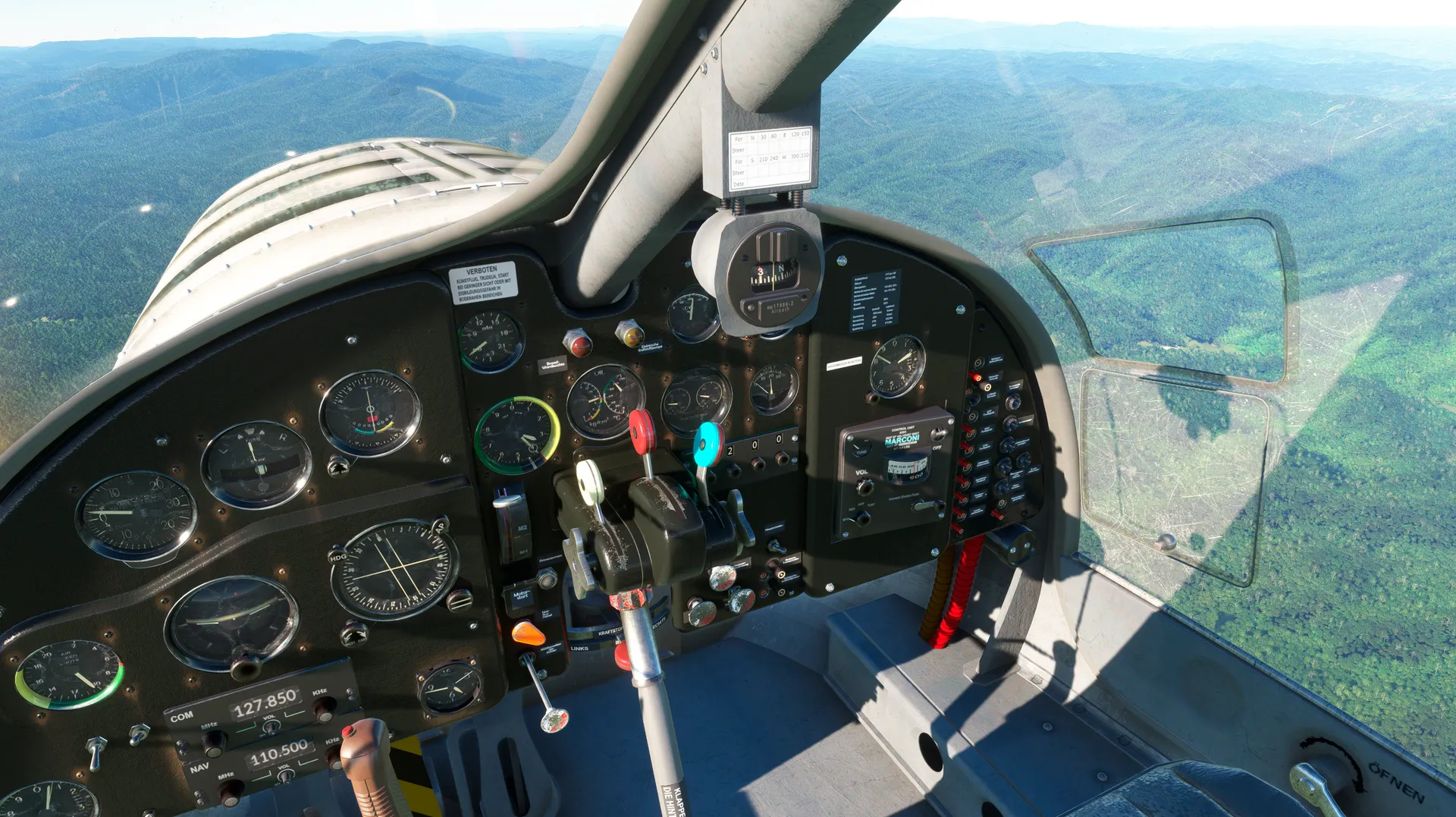
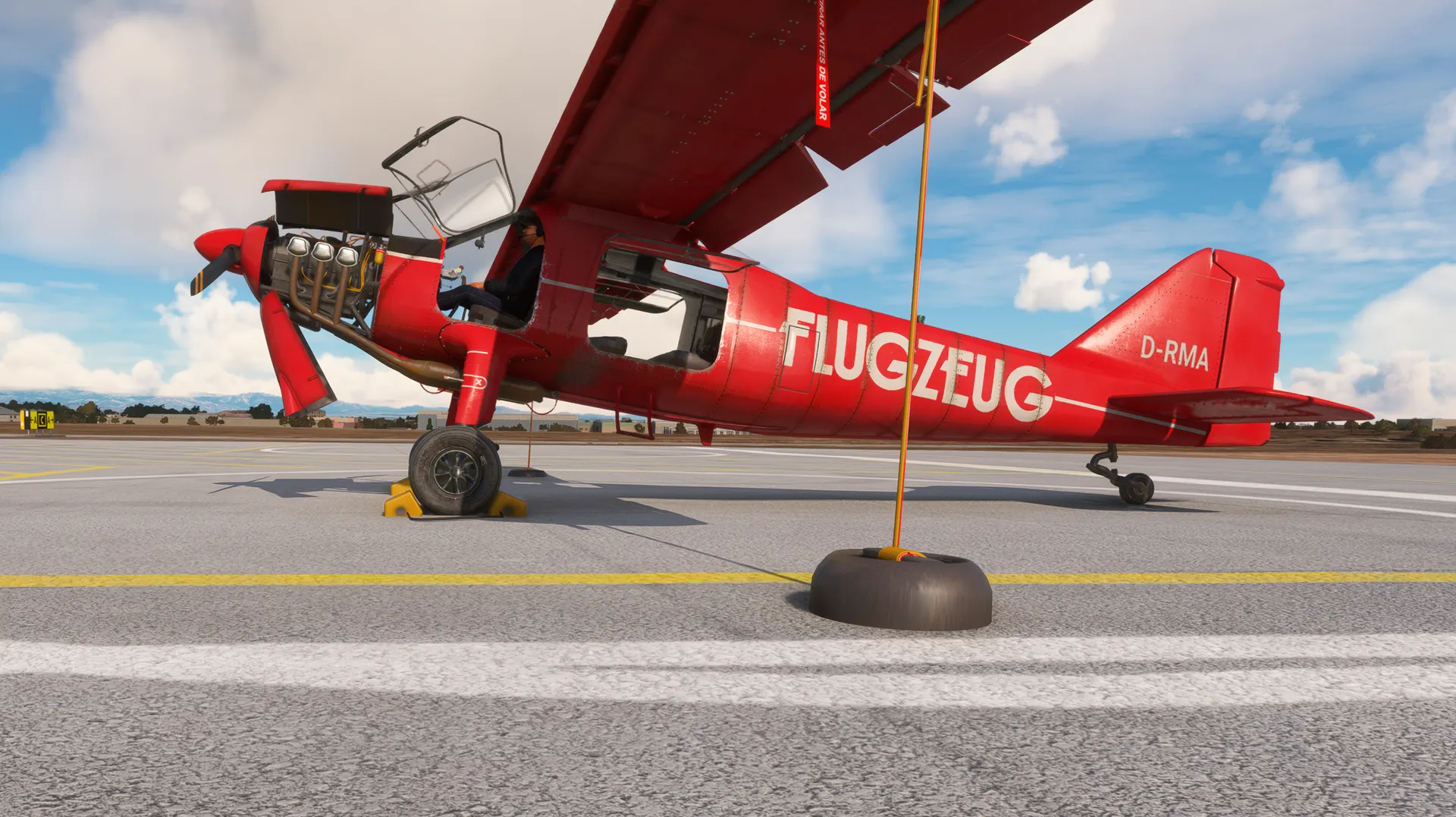
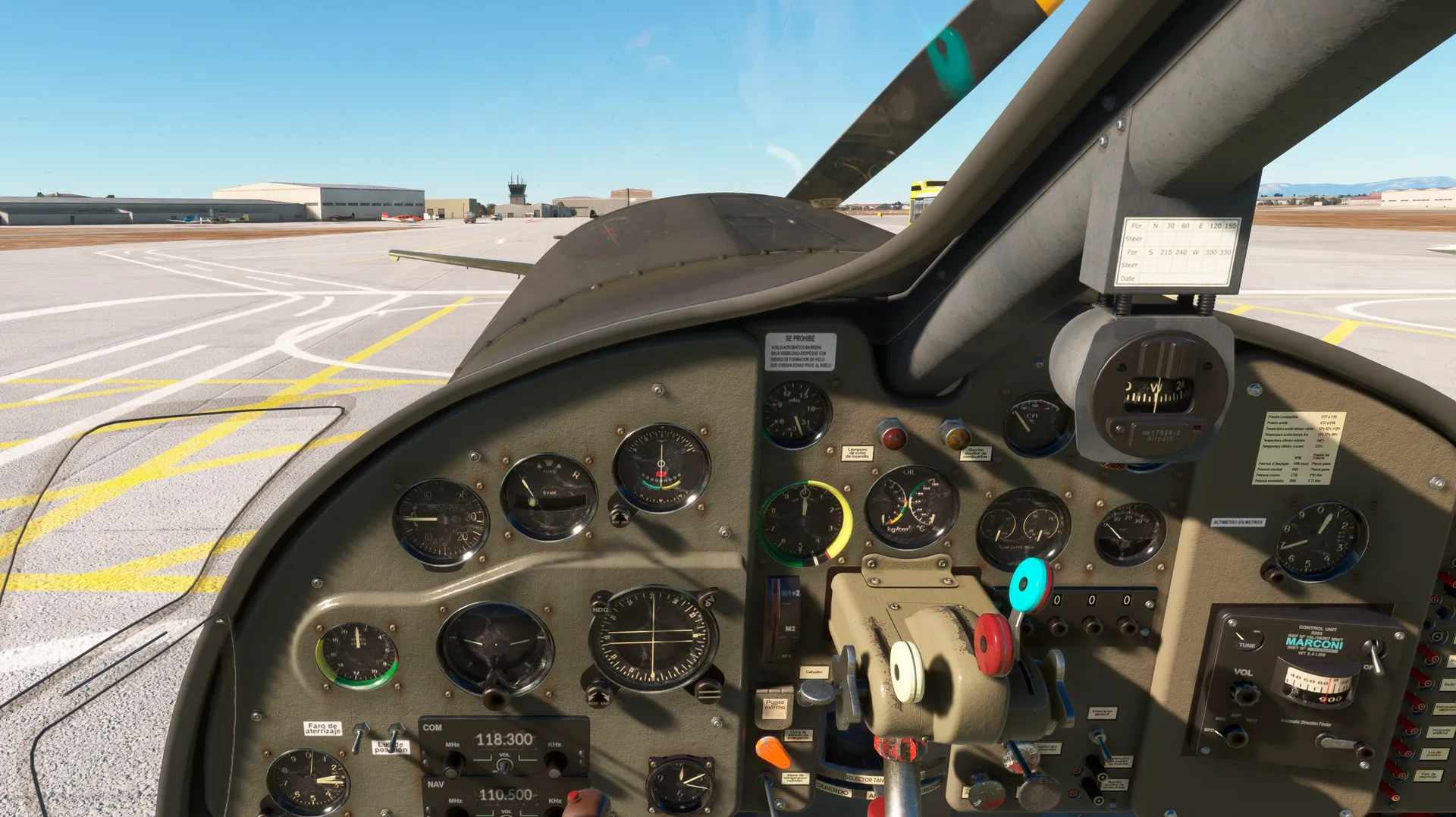
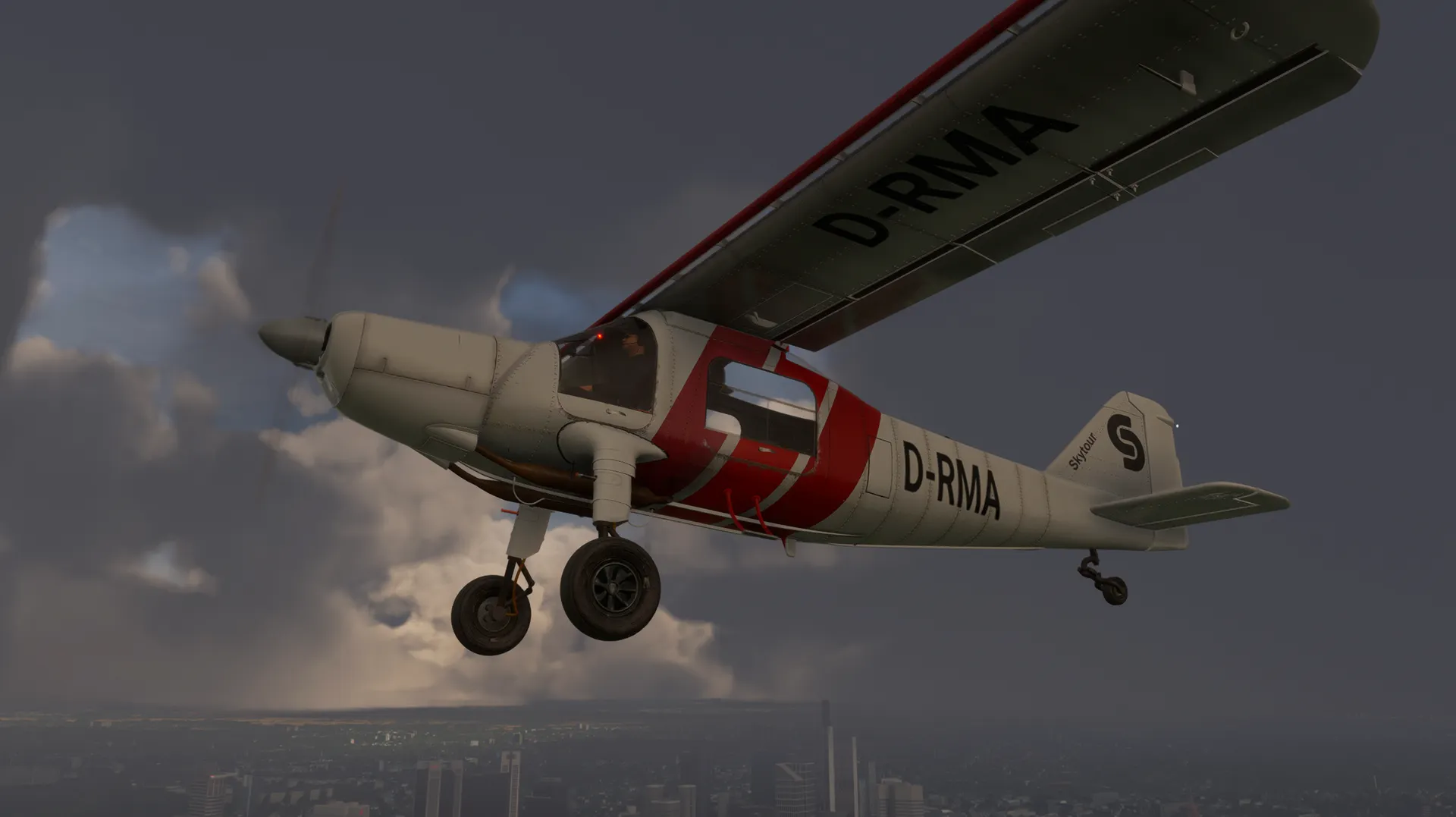
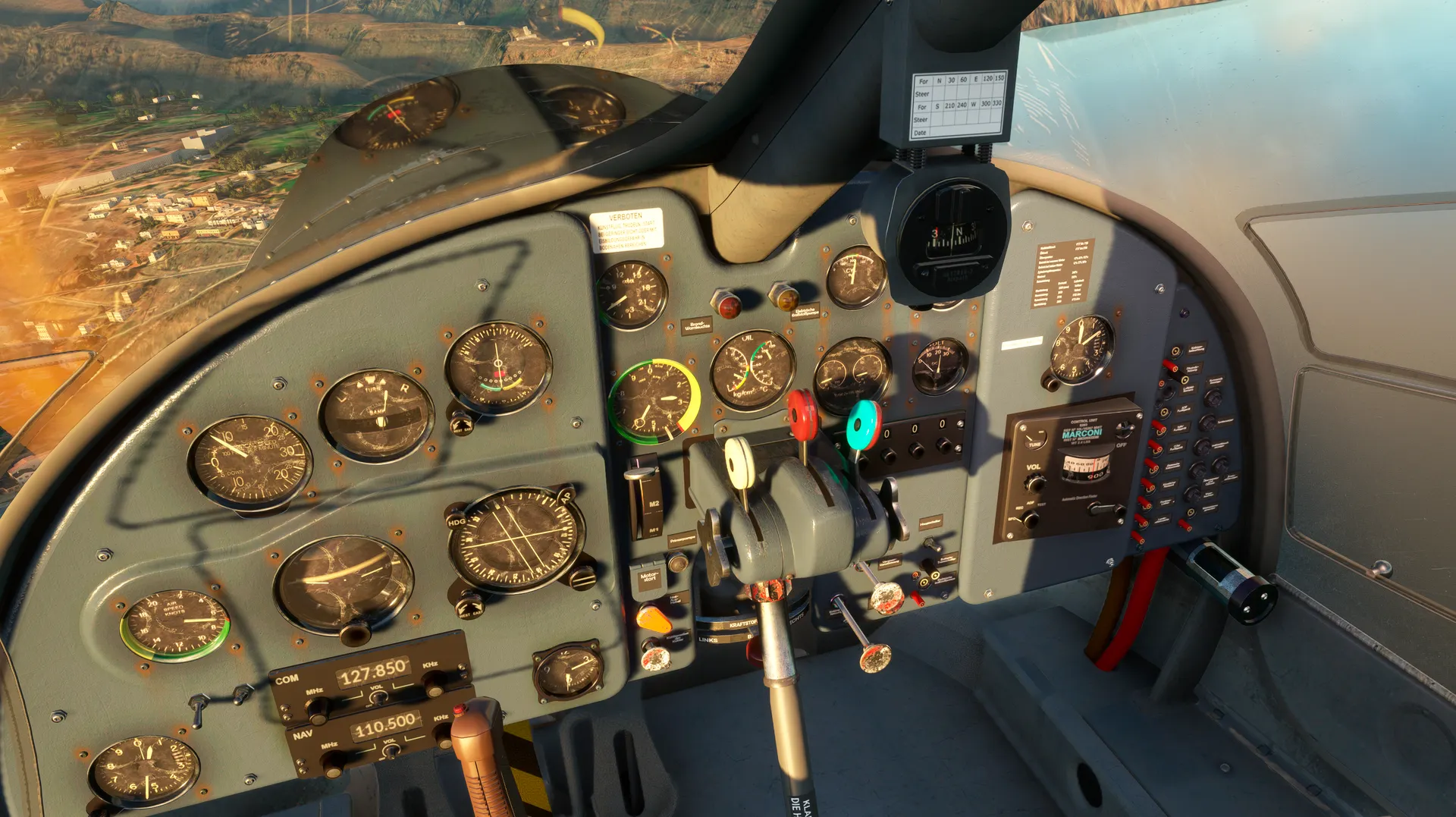
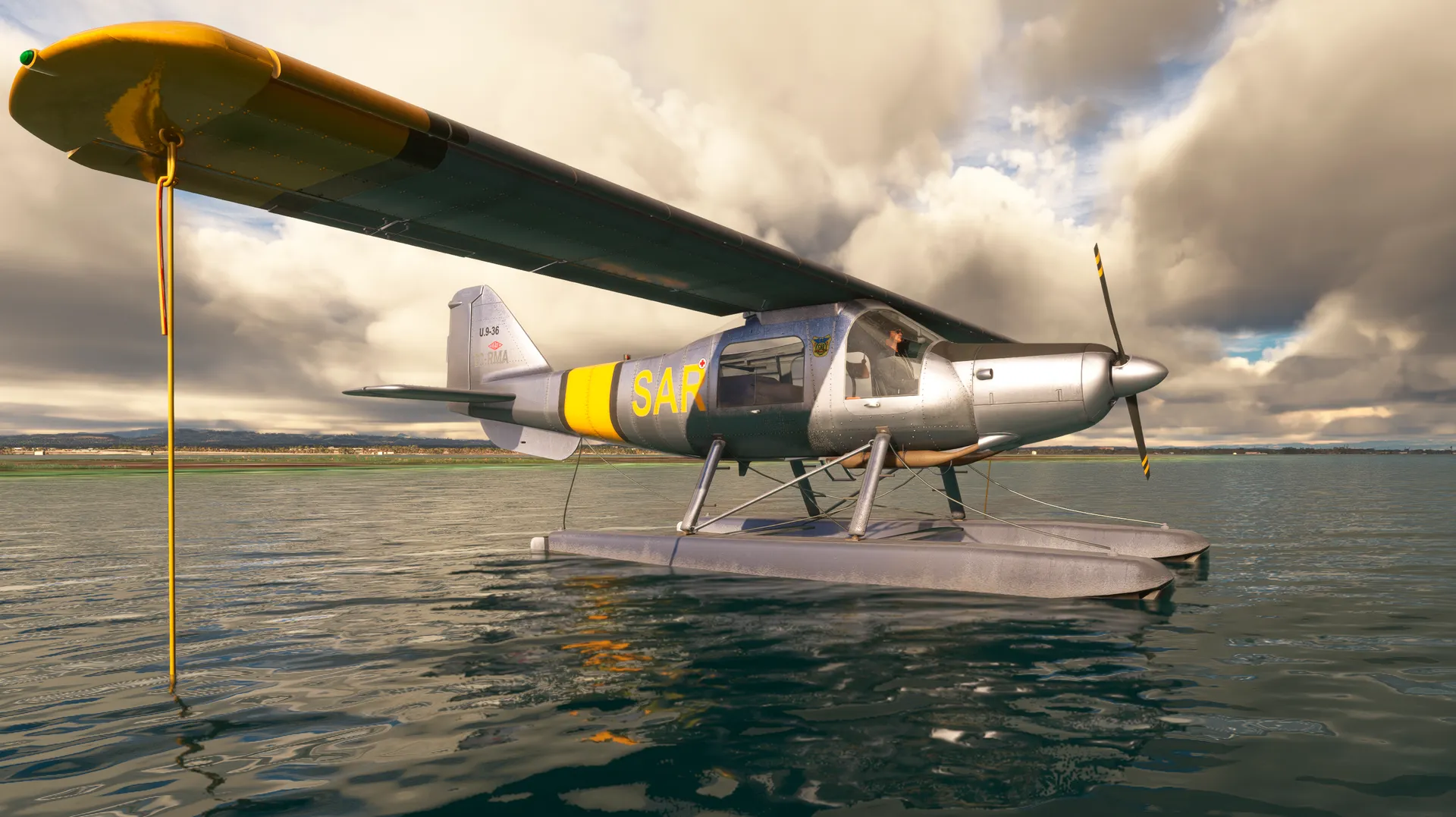
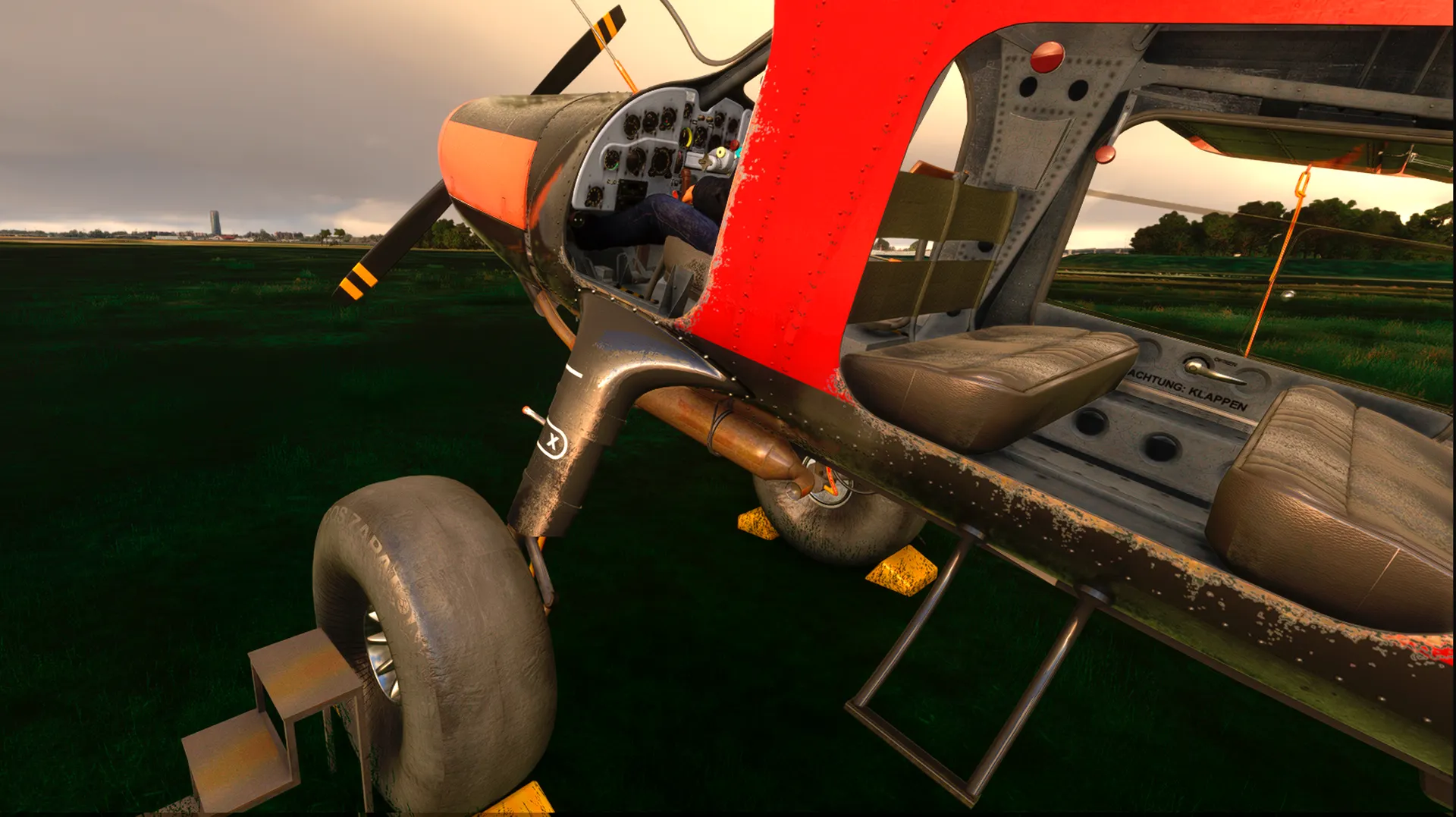
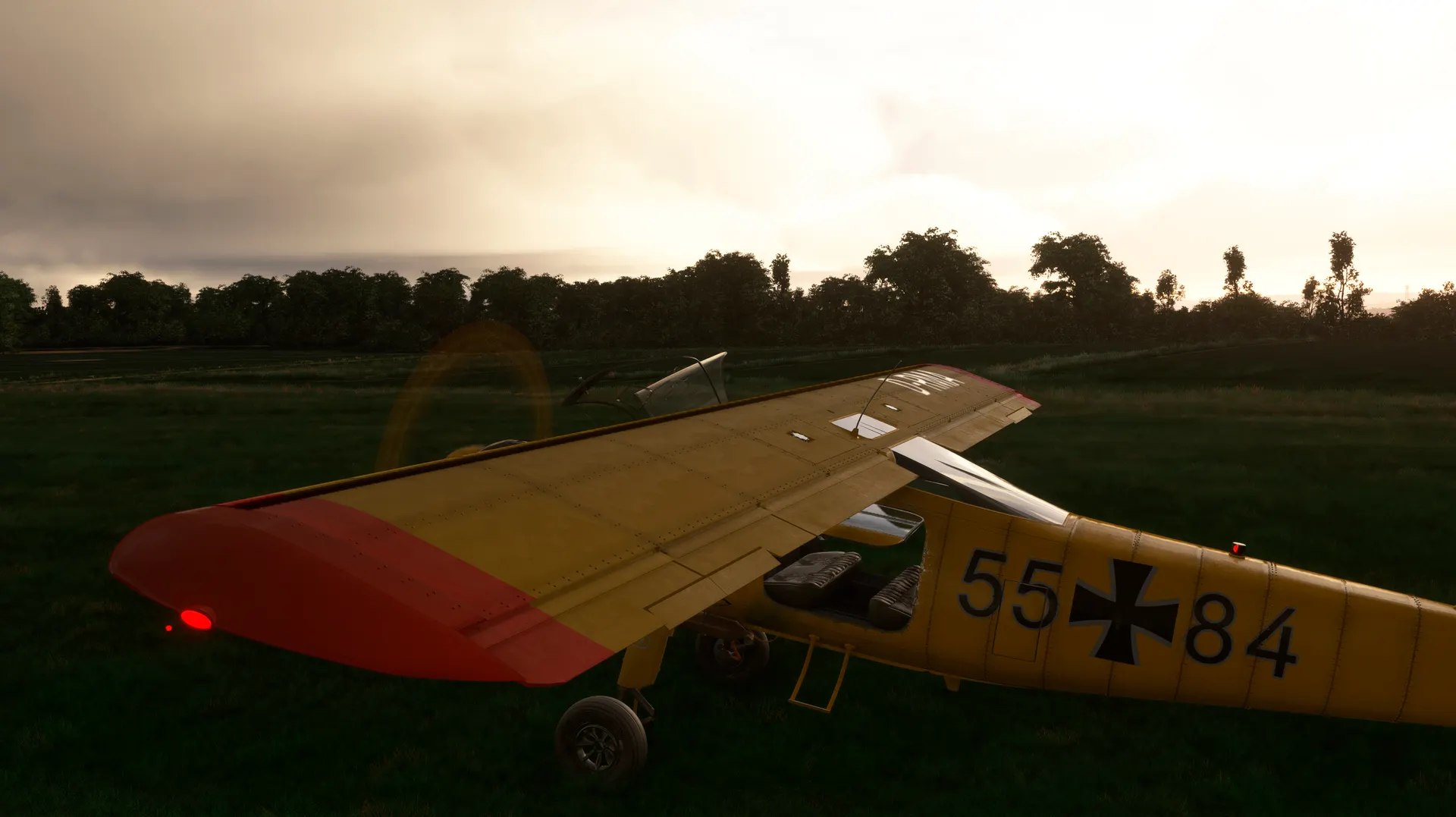
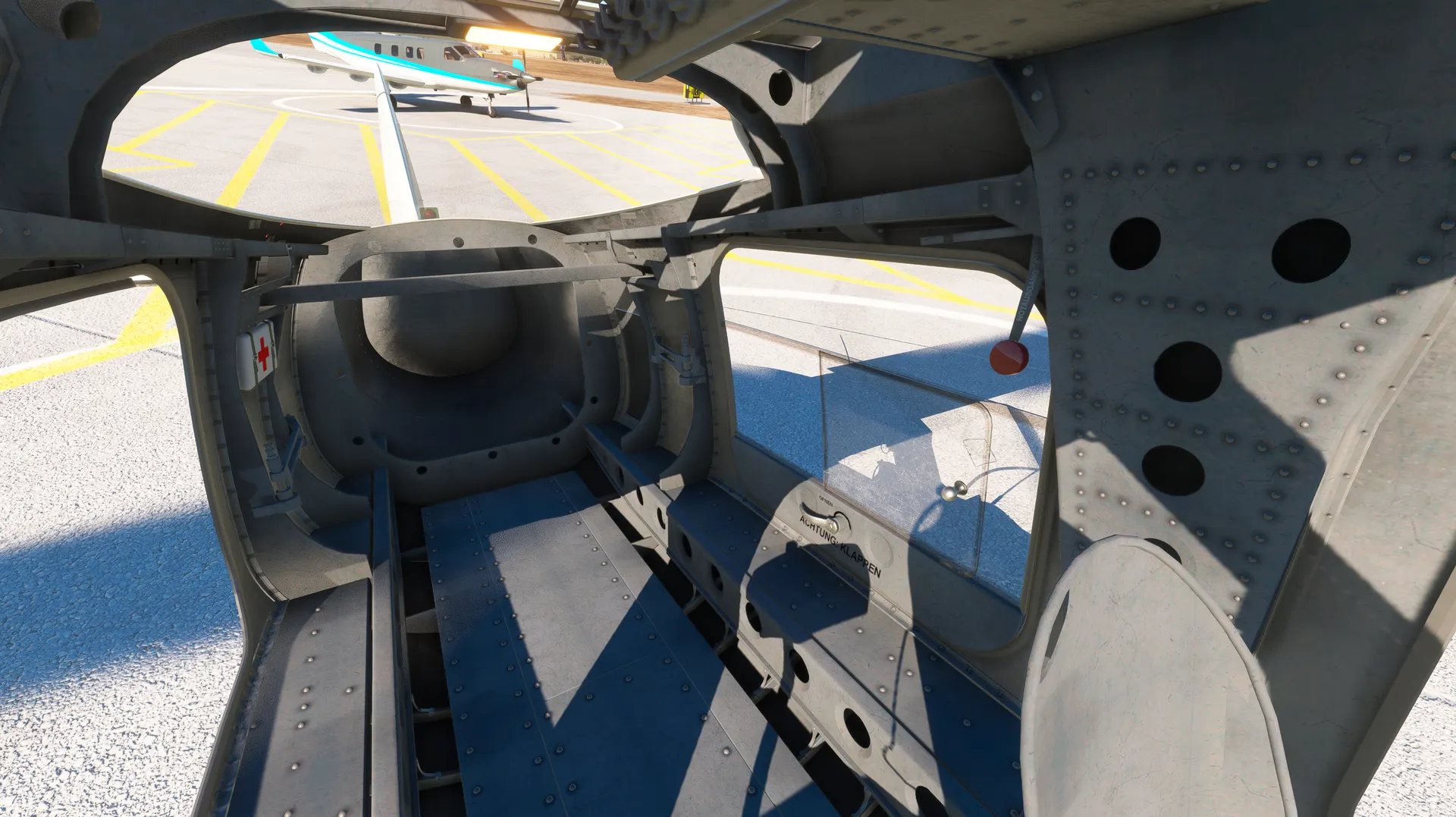
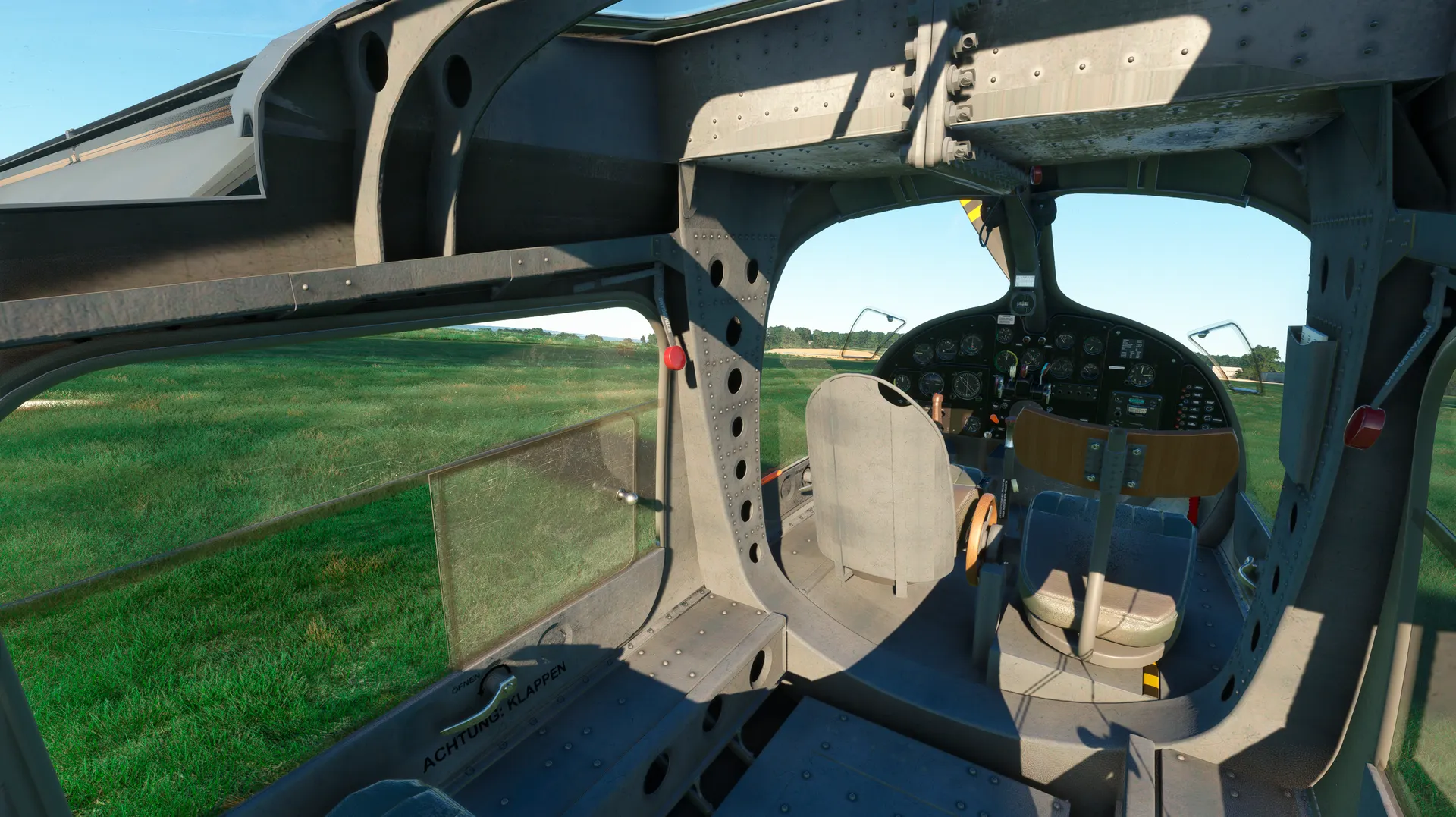
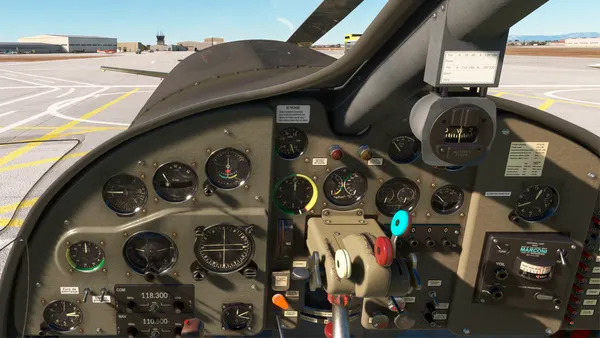
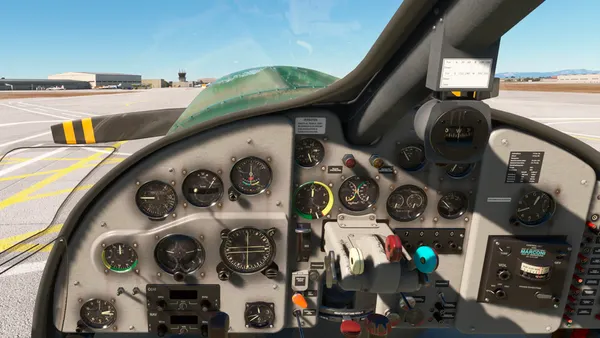
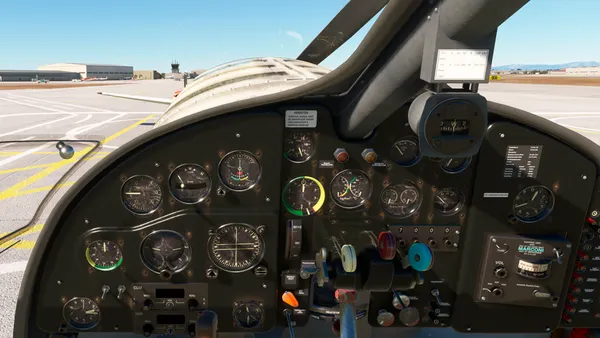
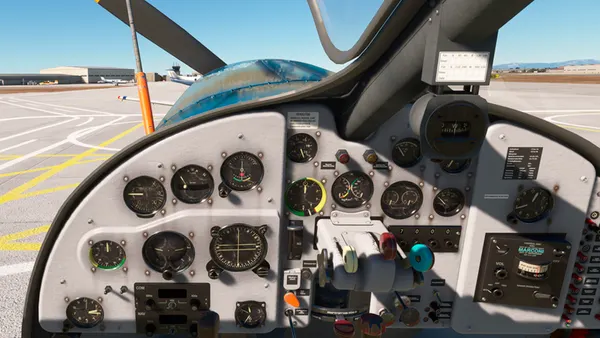
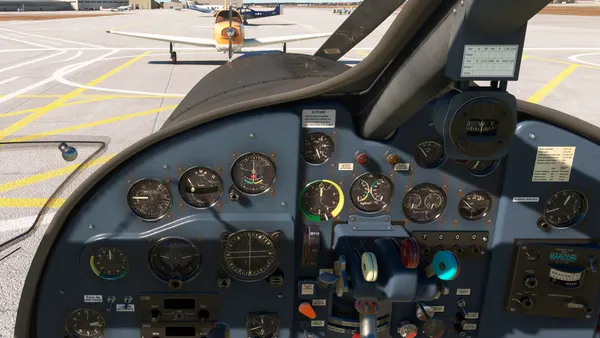
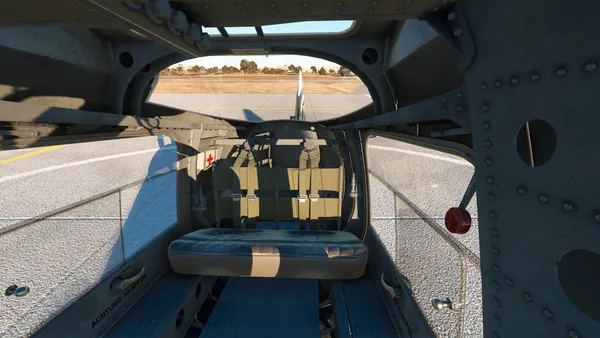
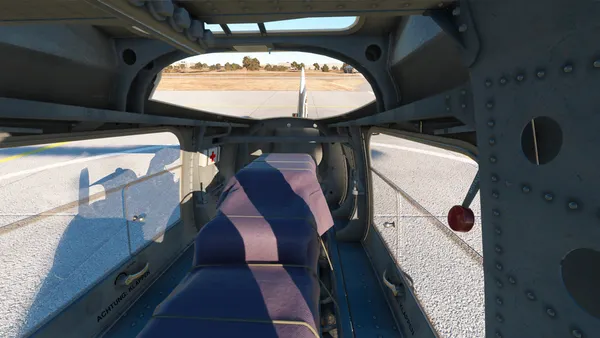
Dornier DO 27 A5 / CASA C-127 A5 Bush variant, Floatplane variant, Ski-equipped variant High fidelity 3D model Fully functional cockpit 26 historical civil and military liveries featuring the iconic D-ENTE among them Realistic electrical, fuel and engine systems, with a custom flight model tailored to each variant Custom soundset created for this aircraft Included documentation featureing a basic operation guide Pilot's Manual included, allowing you to configure the aircraft both internally and externally
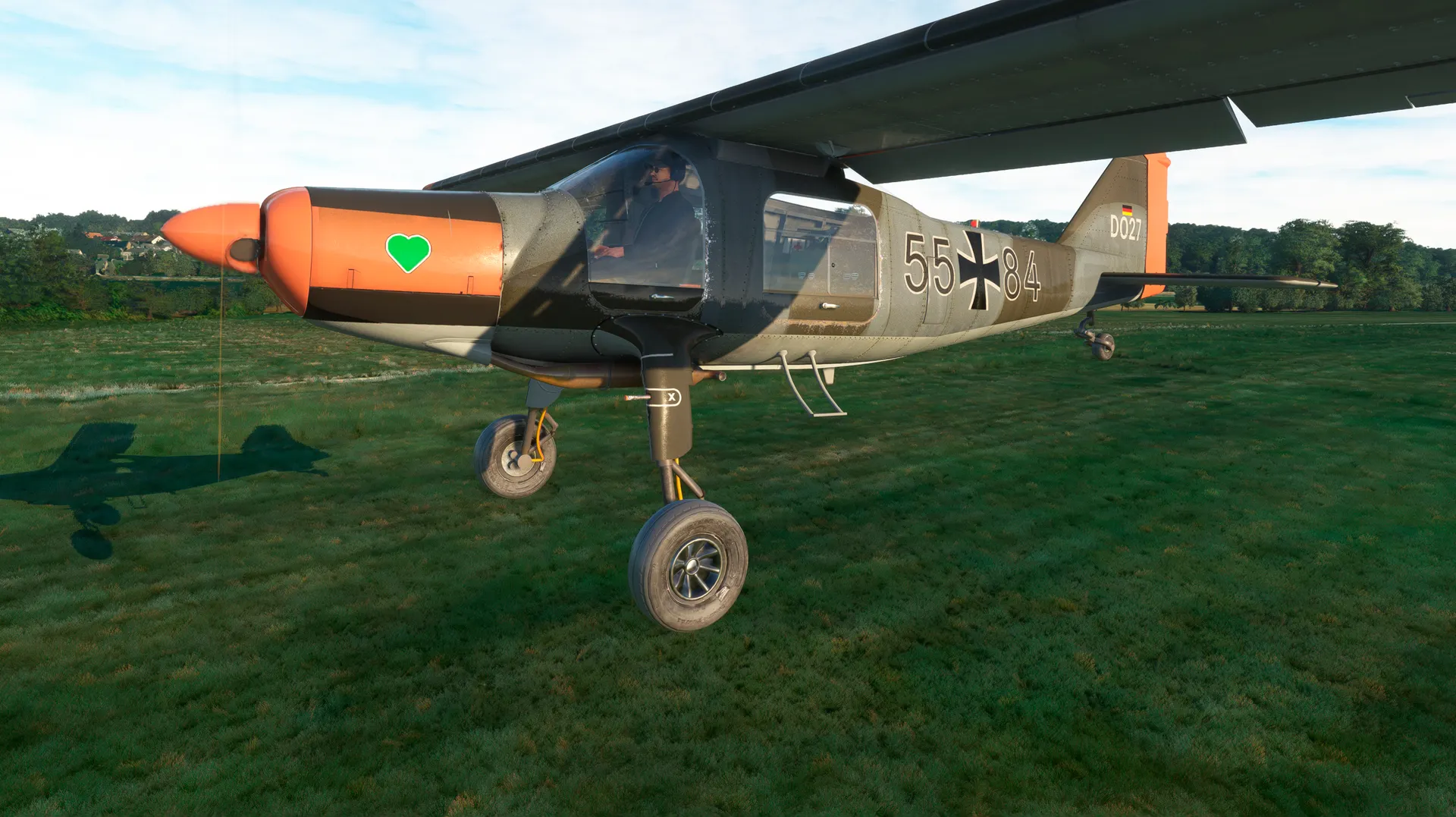
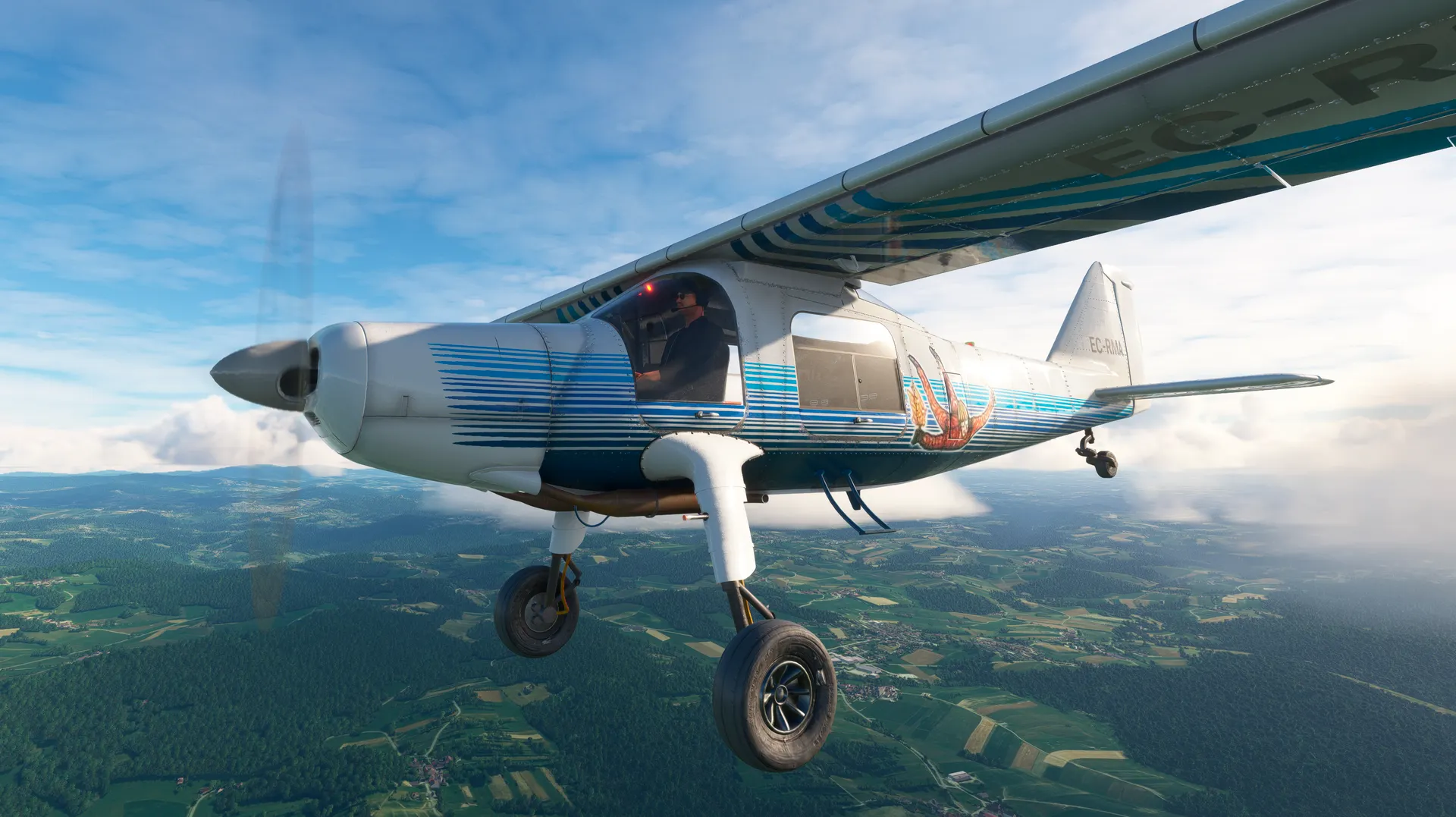
The Do 27 is a single-engine, piston-powered, 6-seat STOL (short take-off and landing) light utility aircraft developed by Dornier Flugzeugwerke (Dornier Aircraft Works) of West Germany. The Do 27 took its maiden flight in 1955 and Dornier manufactured the model from 1955 to 1965. It is renowned for its ruggedness, reliability, and exceptional short-field performance. The militaries of several countries adopted the Do 27, including West Germany, Israel, South Africa, Portugal, Spain, and Switzerland. Several private owners continue to fly versions of the aircraft today. The Do 27 holds the distinction of being the first mass-produced aircraft in Germany after World War II, and the first to land at the airport of the Caribbean island of Saba, the shortest commercial runway in the world.

The story of the Do 27 began in Spain, where Claude Dornier Jr. developed the Do 25 STOL aircraft for the Spanish military. The Spanish had sought a light utility STOL aircraft with a focus on liaison and light observation roles. The prototype of the Do 25 took its maiden flight on June 25, 1954, but the Spanish ultimately passed on adopting the model due to its under-powered engine. Dornier refined the design, using a more powerful engine, and designated it the Do 27. The prototype of the Do 27 took its maiden flight in Spain on June 27, 1955, to great success. The first 40 aircraft were manufactured by Construcciones Aeronáuticas SA, or CASA, and designated the CASA 127. Production then shifted to Oberpfaffenhofen Airport near Munich, West Germany, the following year. The first German-built version, formally called the Do 27, took its maiden flight on October 17, 1956. Dornier manufactured several hundred Do 27 airframes across more than a dozen variants during its 10-year production run.

The rugged aircraft features all-metal construction, a high-mounted cantilever main wing, a standard empennage, and a fixed traditional undercarriage. The main wing has straight leading and trailing edges and has full-span automatic leading-edge slats, slotted flaps, and oversized control surfaces. The design optimizes STOL performance, notably stall speed and slow-speed control. Most models have a left-side center-stick control, with some variants featuring a second set of controls on the right-side position of the cockpit.

The Do 27 measures 33 feet, 1 inch in length, stands 13 feet, 9 inches tall, and has a wingspan of 39 feet, 4 inches. It is powered by a naturally aspirating, 6-cylinder Lycoming GO-480-B1A6 aircraft engine that generates up to 270 horsepower and turns a 3-blade, constant-speed propeller. It has a maximum range of 600 miles, a service ceiling of 18,000 feet above sea level, and a cruising speed of 127 miles per hour. It has a stall speed of 36 miles per hour and a top speed of 160 mph. It has a take-off roll of 560 feet and requires 520 feet of runway to land.

VERSION 1.5.0 RELEASED JANUARY 1, 0

Corrected labels Corrected MP data