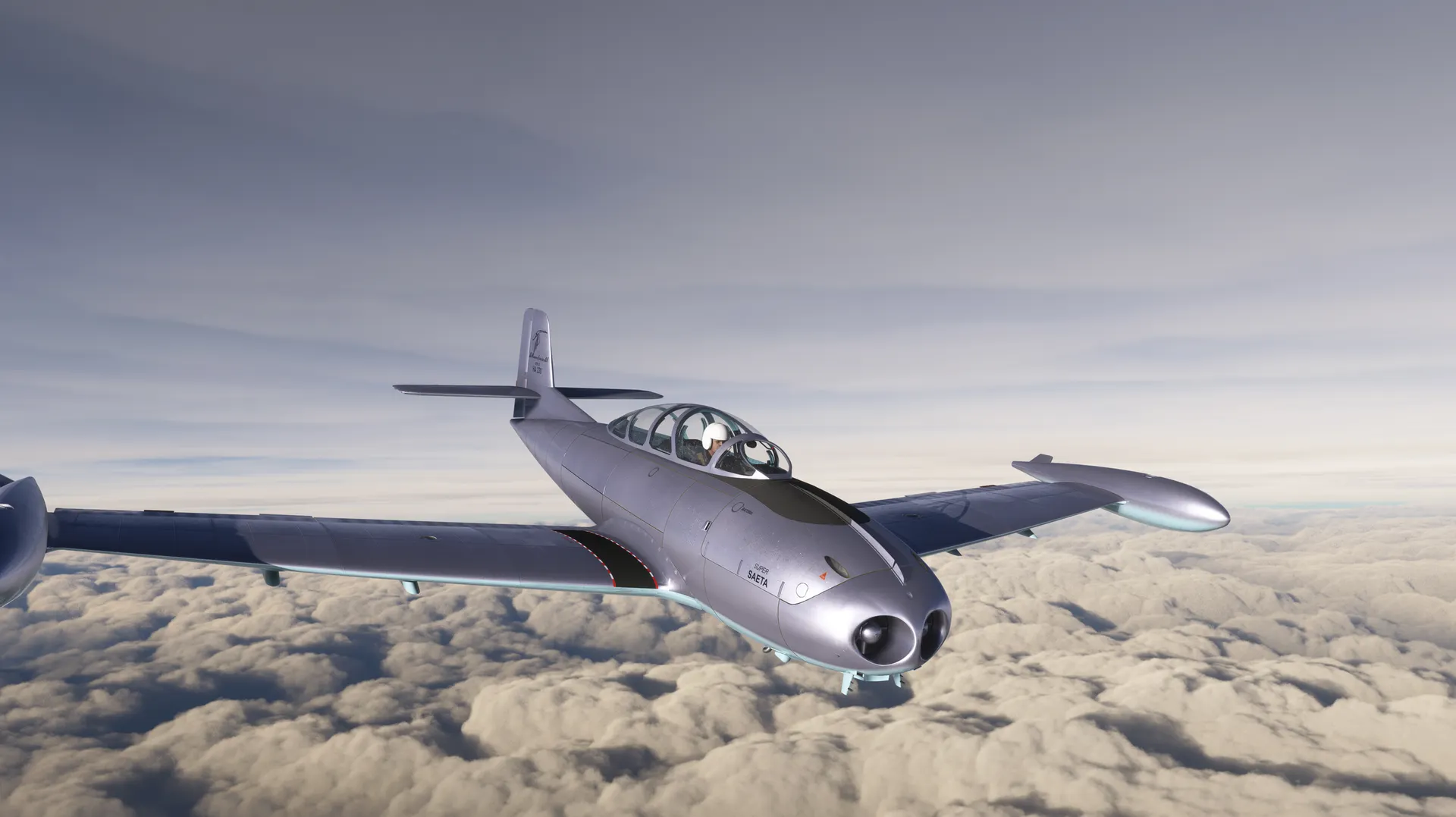
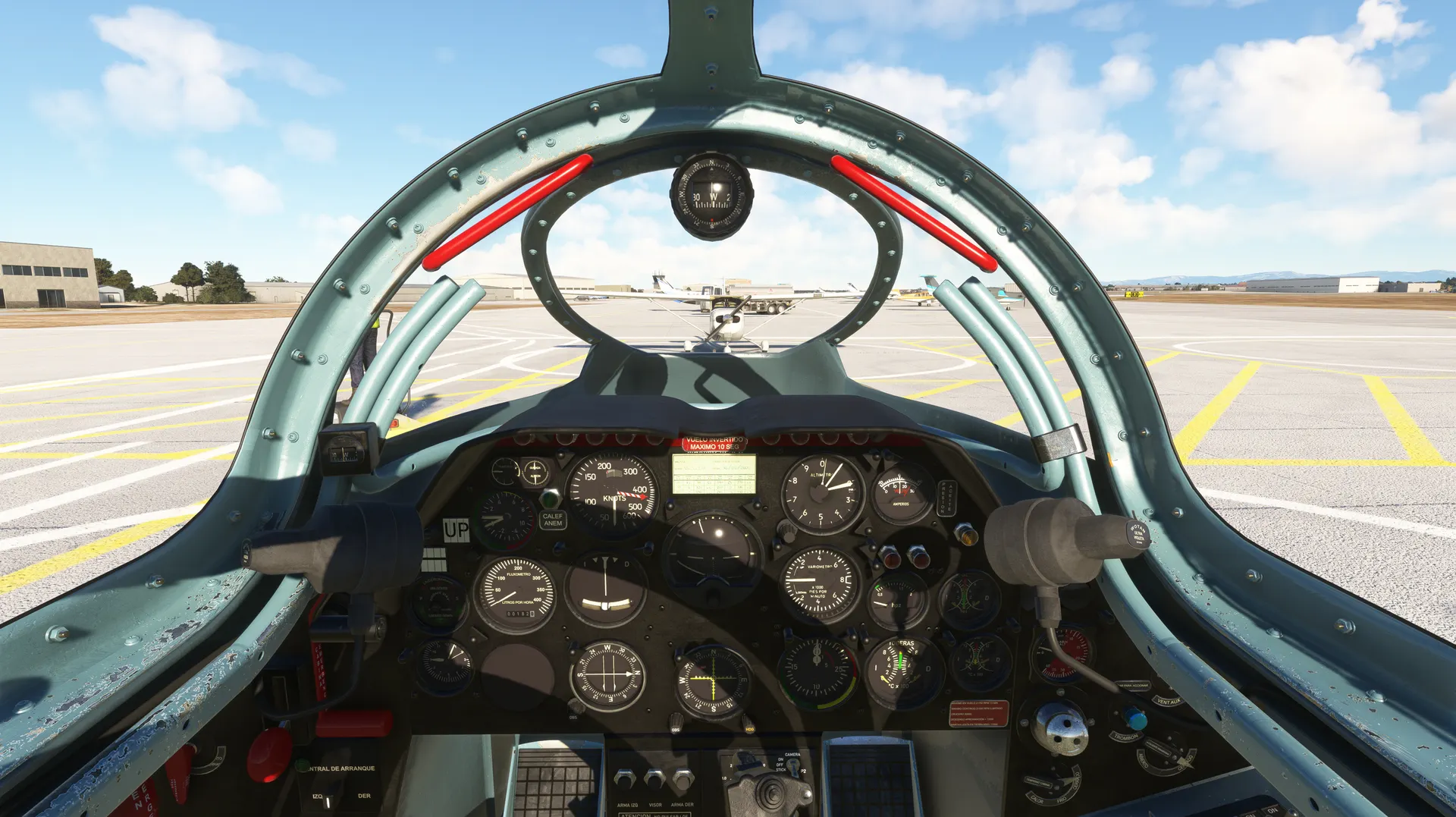
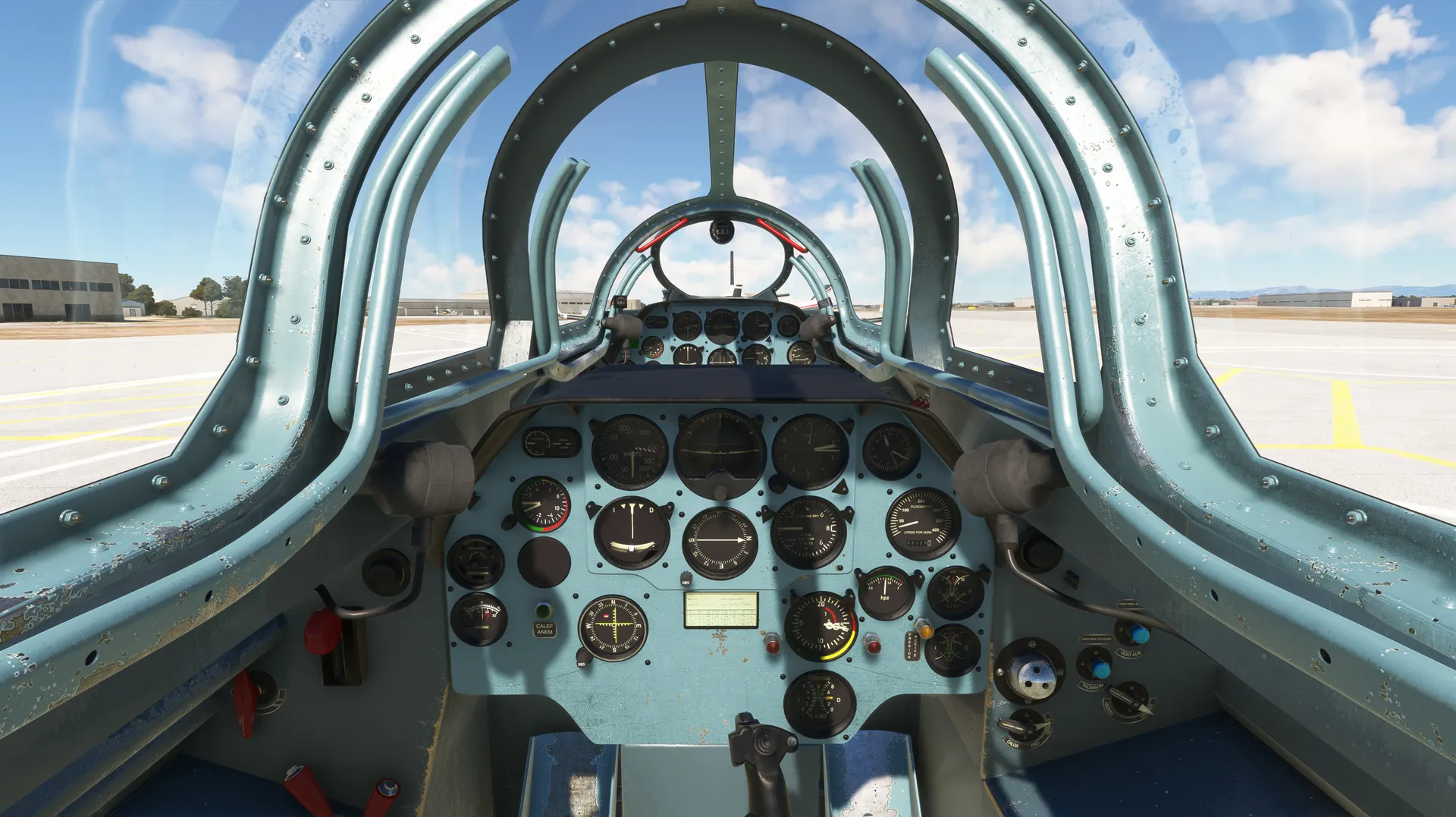
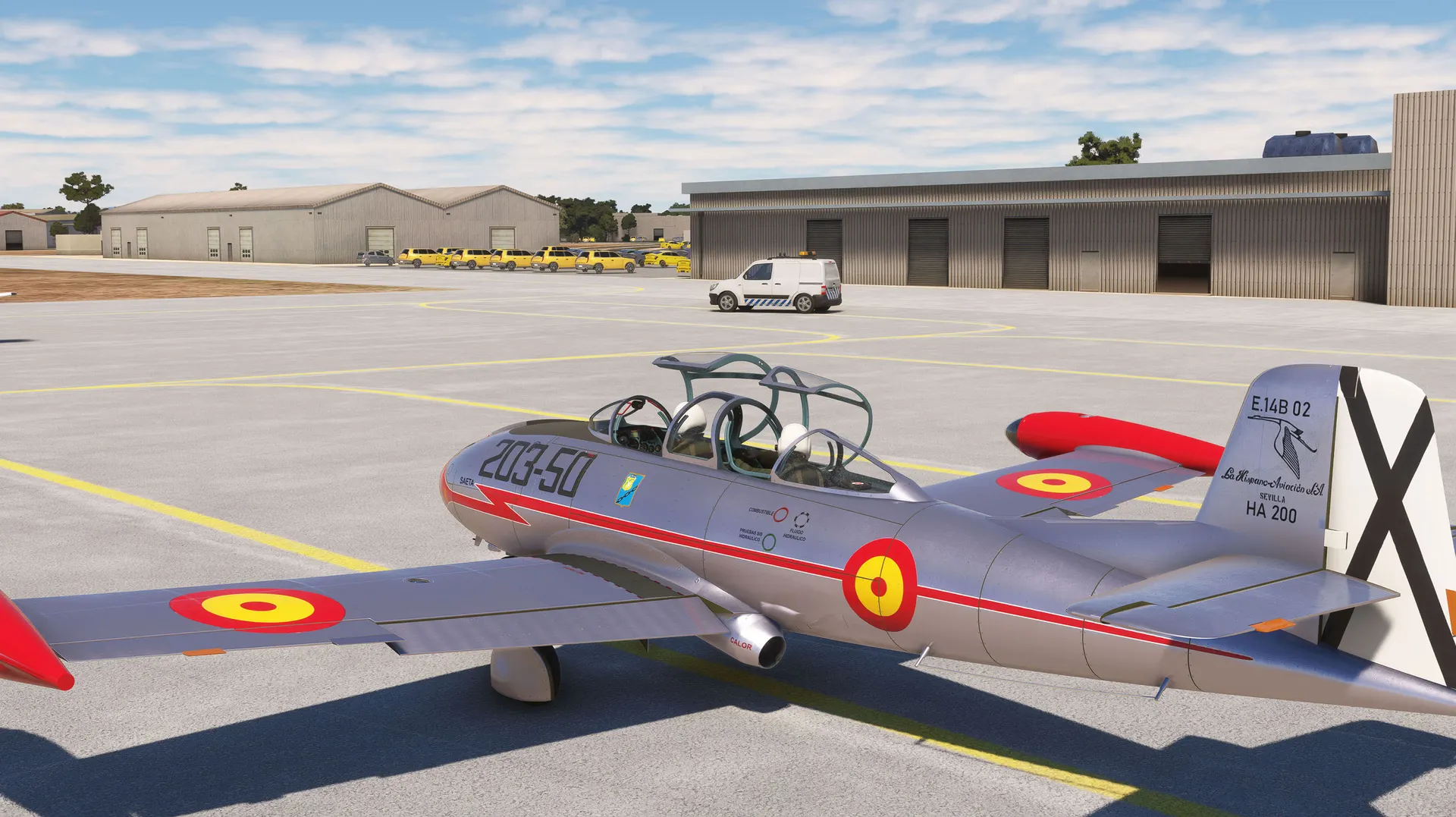
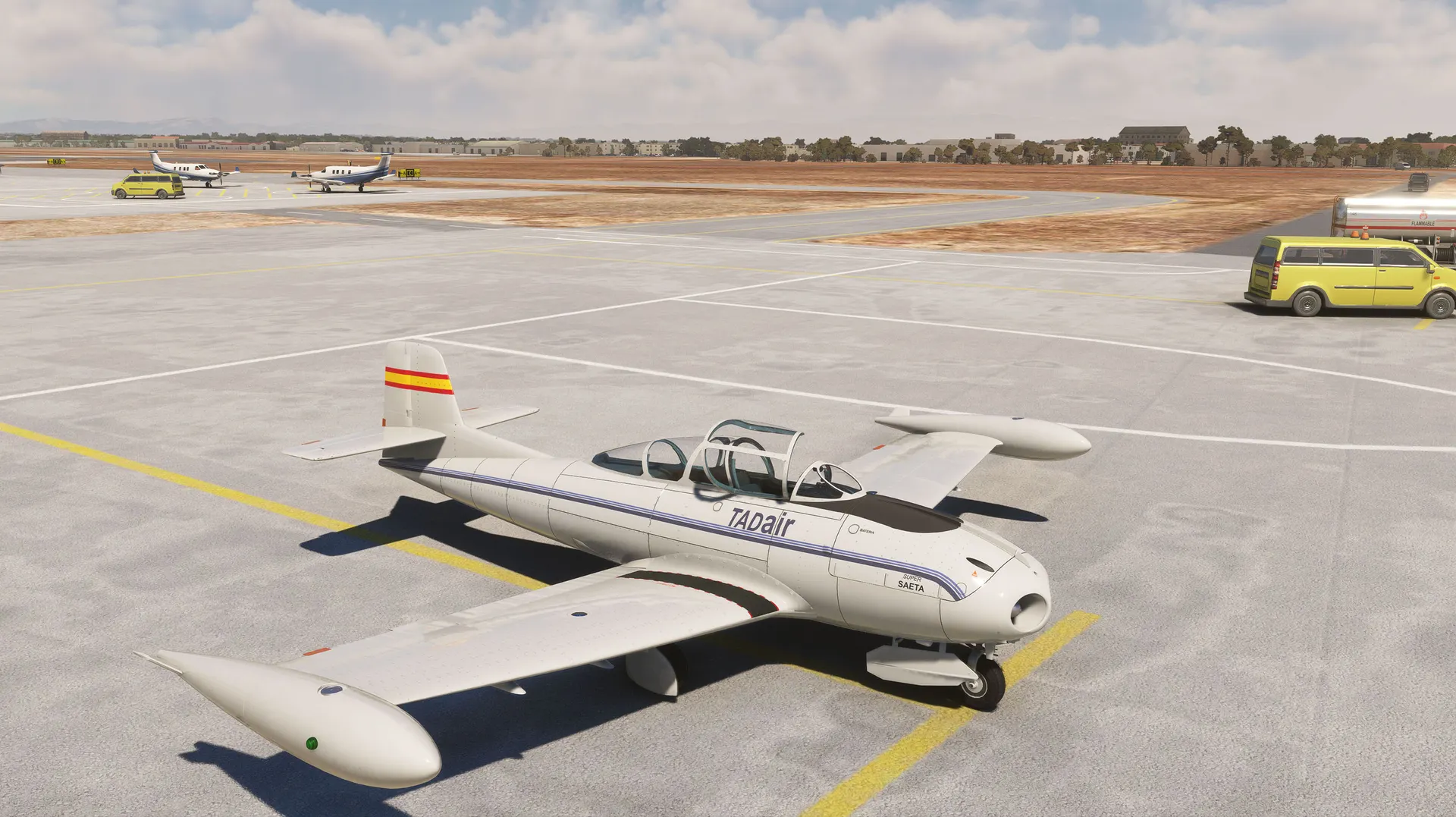
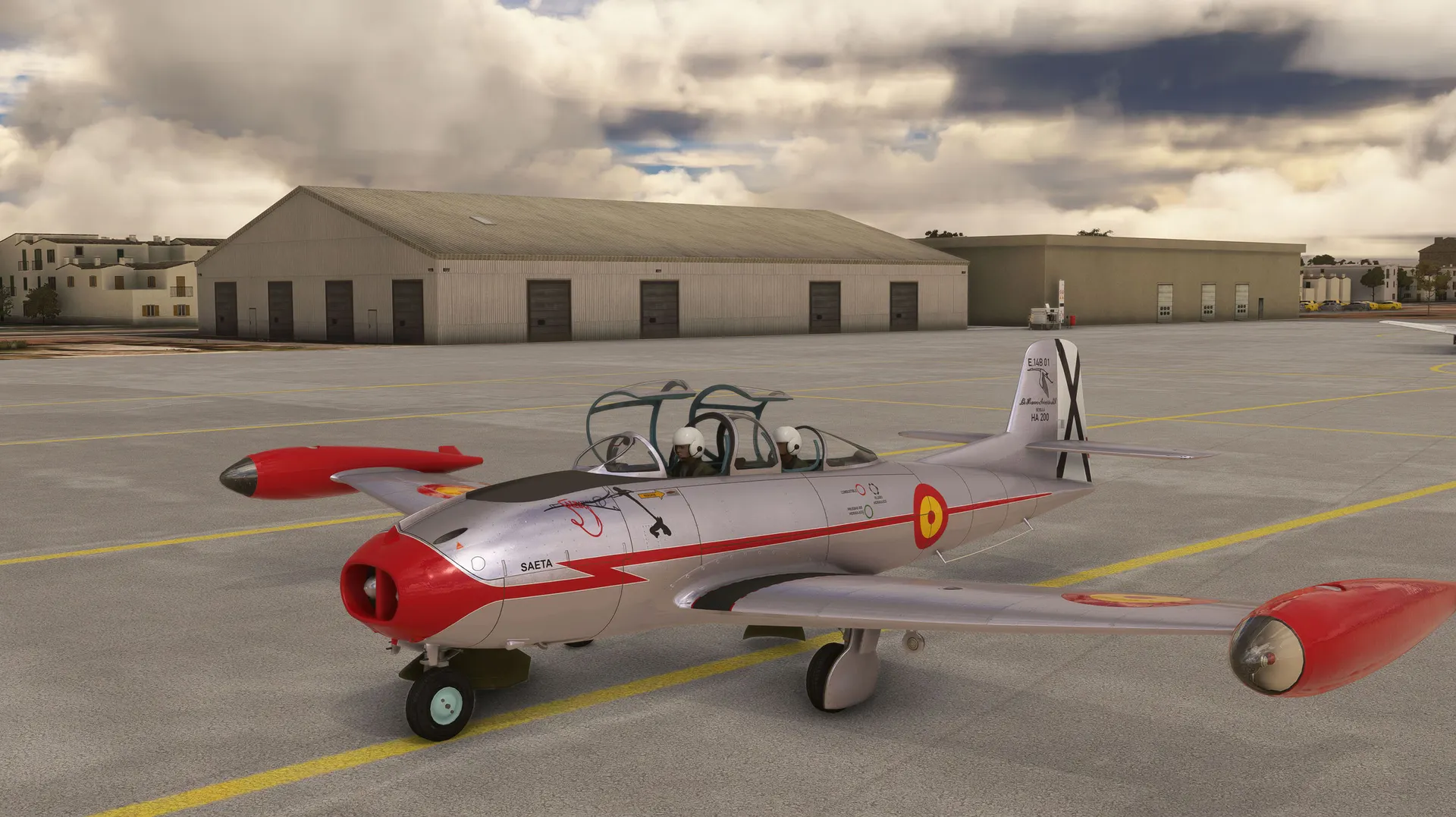
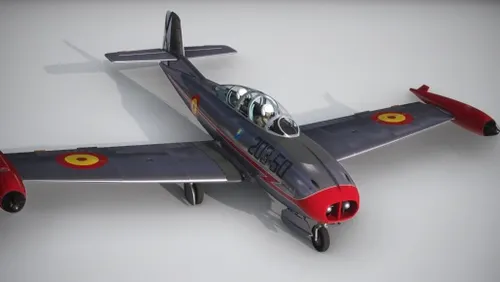
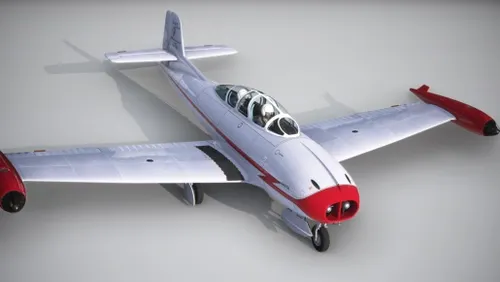
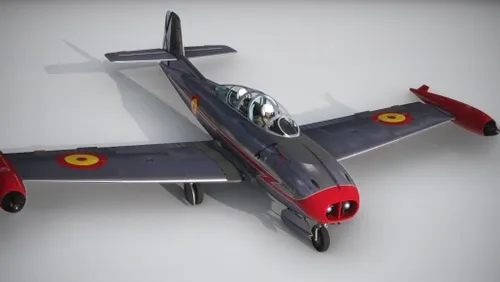
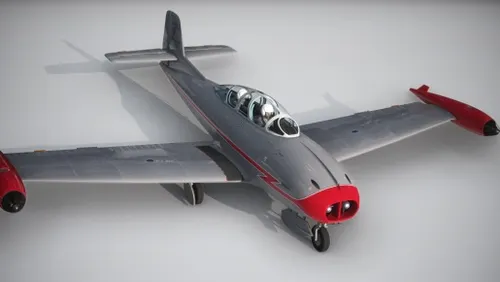
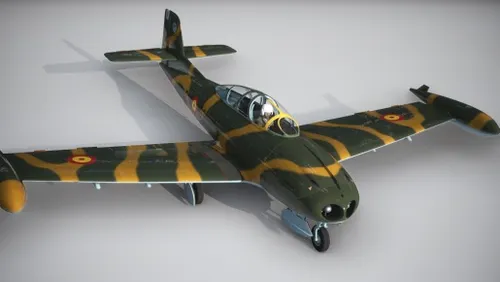
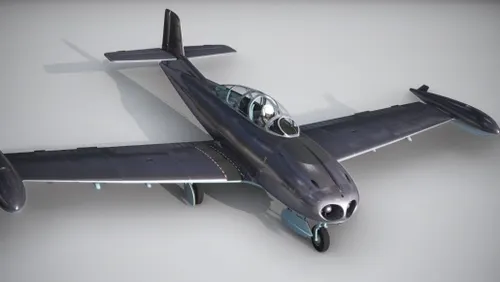
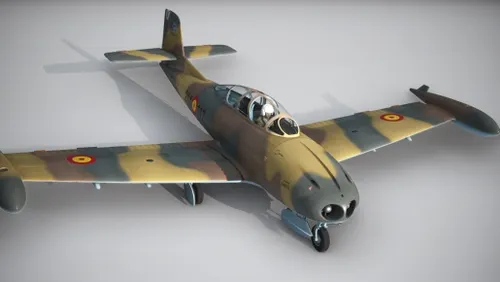
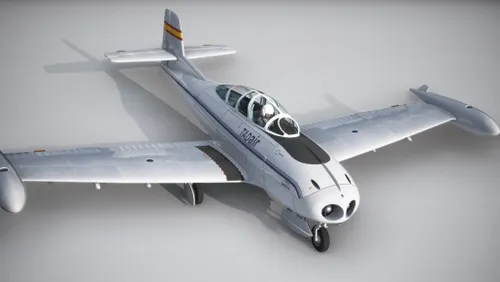
The HA-200 Saeta is a retired two-seat, twin-engine airplane manufactured by Spanish aerospace company Hispano Aviación. Spain’s first jet-powered aircraft, the all-metal HA-200 Saeta (Arrow) took its maiden flight on August 12, 1955. Production began in 1962, with Hispano manufacturing more than 200 airframes across several variants. The Spanish Air Force was the primary user of the HA-200, which operated it as a trainer until the 1980s. Several retired airframes remain in flyable condition.
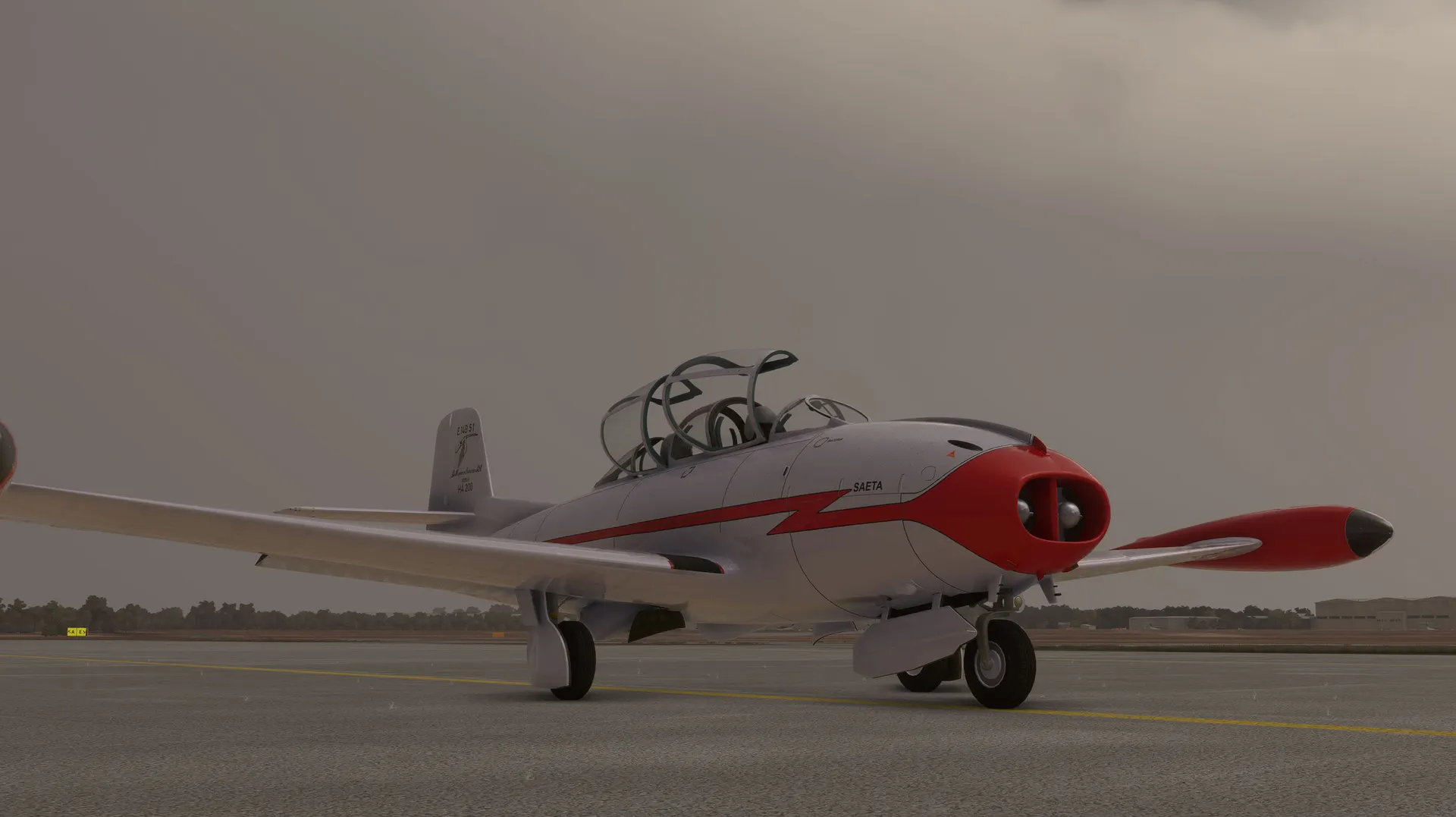
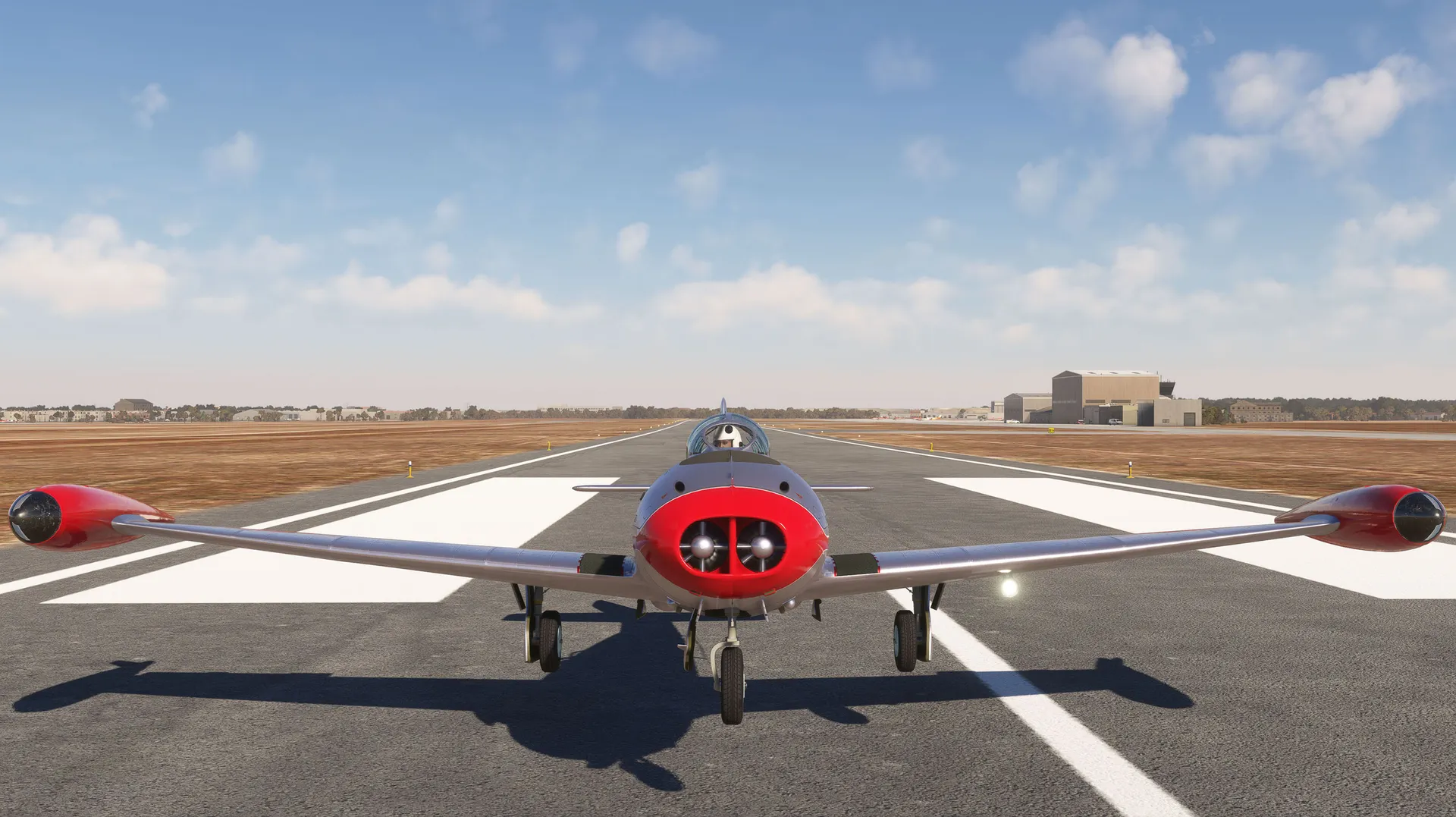
Engineers at Hispano Aviación based the design of the HA-200 on the company’s piston-powered HA-100 Triana, which was developed by famed German aircraft pioneer Willy Messerschmitt after World War II. The HA-200 features a low-wing monoplane design, a framed bubble canopy, a traditional empennage, and a retractable tricycle undercarriage. The main wing has a trapezoidal planform with a slightly swept leading edge. The wing incorporates tip tanks for extended range. The cockpit has tandem seating, with the rear seat intended for the instructor and the forward position for the student.
The aircraft is powered by twin Turbomeca Marboré II F3 turbojet engines, each of which develops up to 1,057 pounds of thrust. The nose of the aircraft accommodates twin intakes for the powerplants. The HA-200 Saeta measures 29 feet, 5 inches in length, stands 9 feet, 4 inches in height, and has a wingspan of 34 feet, 2 inches. It has a maximum range of 932 miles, a service ceiling of 42,651 feet above sea level, and a maximum climb rate of 3,345 feet per minute. It cruises at 370 miles per hour and has a top speed of 429 miles per hour.
The HA-220 Super Saeta is a retired single-seat, twin-engine, military attack airplane manufactured by Spanish aerospace company Hispano Aviación. Engineers at Hispano developed the Super Saeta from their two-seat, all-metal HA-200 Saeta, Spain’s first jet-powered aircraft. The HA-200 took its maiden flight on August 12, 1955, and production began in 1962. The Spanish Air Force was the primary user of the HA-200, using it as a trainer. The company created the HA-220 Super Saeta from the HA-200 in the mid-1960s.
Engineers at Hispano Aviación based the design of the HA-200 on the company’s piston-powered HA-100 Triana, which was developed by famed German aircraft pioneer Willy Messerschmitt after World War II. The HA-200 features a low-wing monoplane design, a framed bubble canopy, a traditional empennage, and a retractable tricycle undercarriage. The main wing has a trapezoidal planform with a slightly swept leading edge. The wing incorporates tip tanks for extended range.
Hispano created the HA-220 by eliminating one of the cockpit seats and adding weapon stations and support systems to the aircraft. It could carry bombs, rockets, and guns. The HA-220 could conduct several types of air-to-surface missions, including close air support, armed reconnaissance, light bombing, and light attack.
When operational, the HA-220 was powered by twin Turbomeca Marboré II F3 turbojet engines, each of which developed up to 1,057 pounds of thrust. The HA-200 Saeta measures 29 feet, 5 inches in length, stands 9 feet, 4 inches in height, and has a wingspan of 34 feet, 2 inches. When operational, it had a maximum range of 932 miles, a service ceiling of 42,651 feet above sea level, and a maximum climb rate of 3,345 feet per minute. It cruised at 370 miles per hour and had a top speed of 429 miles per hour.