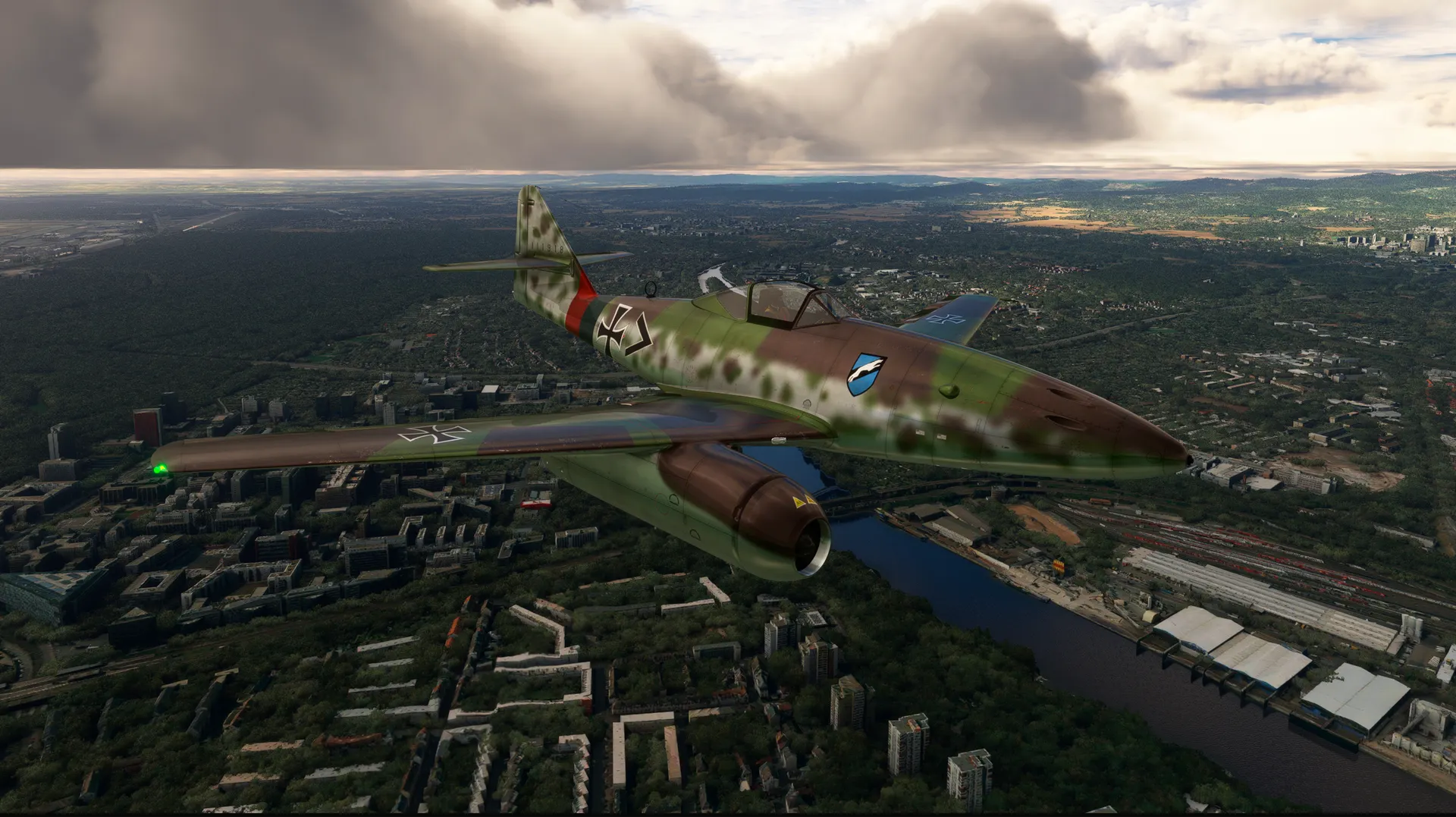
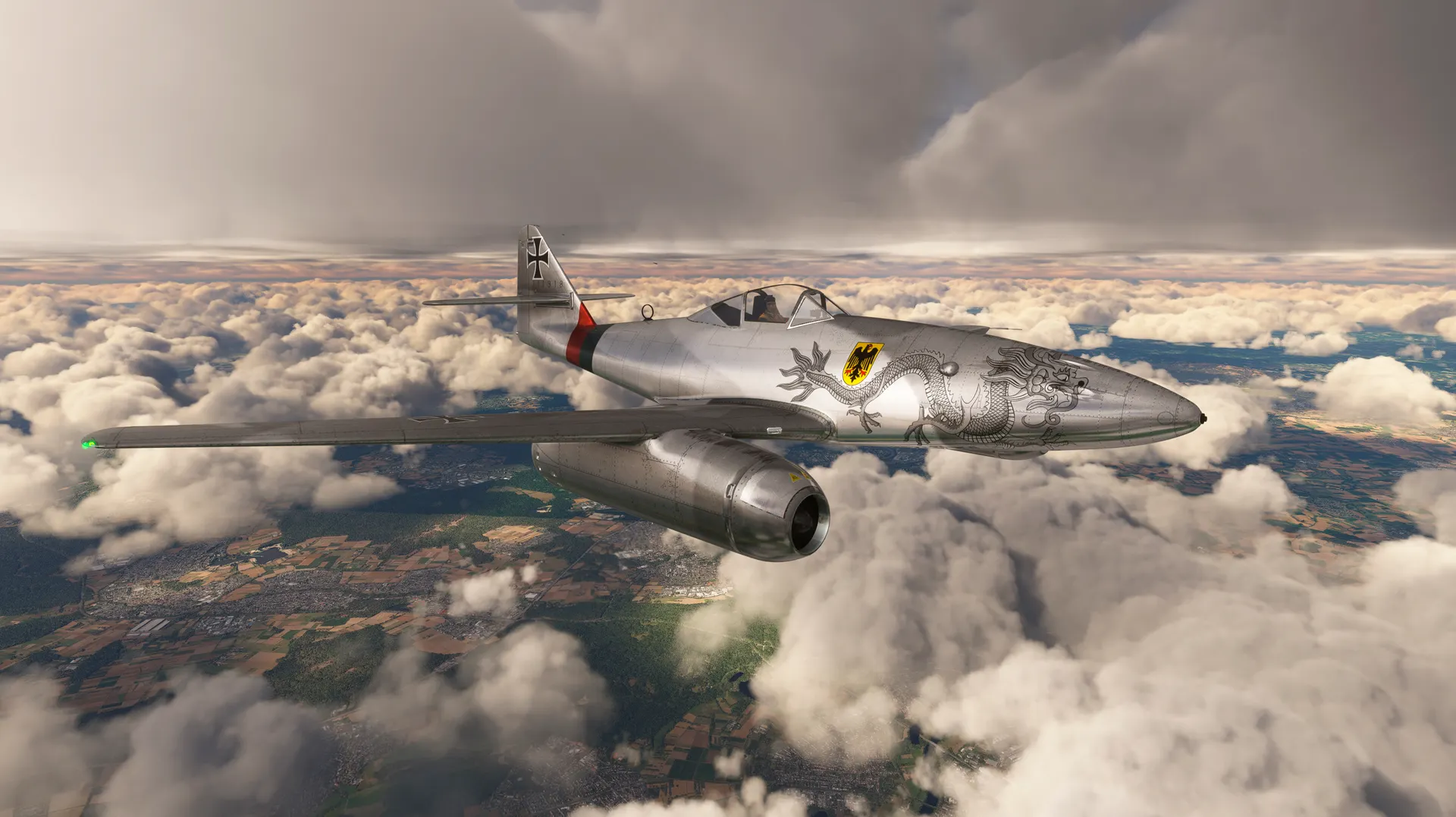
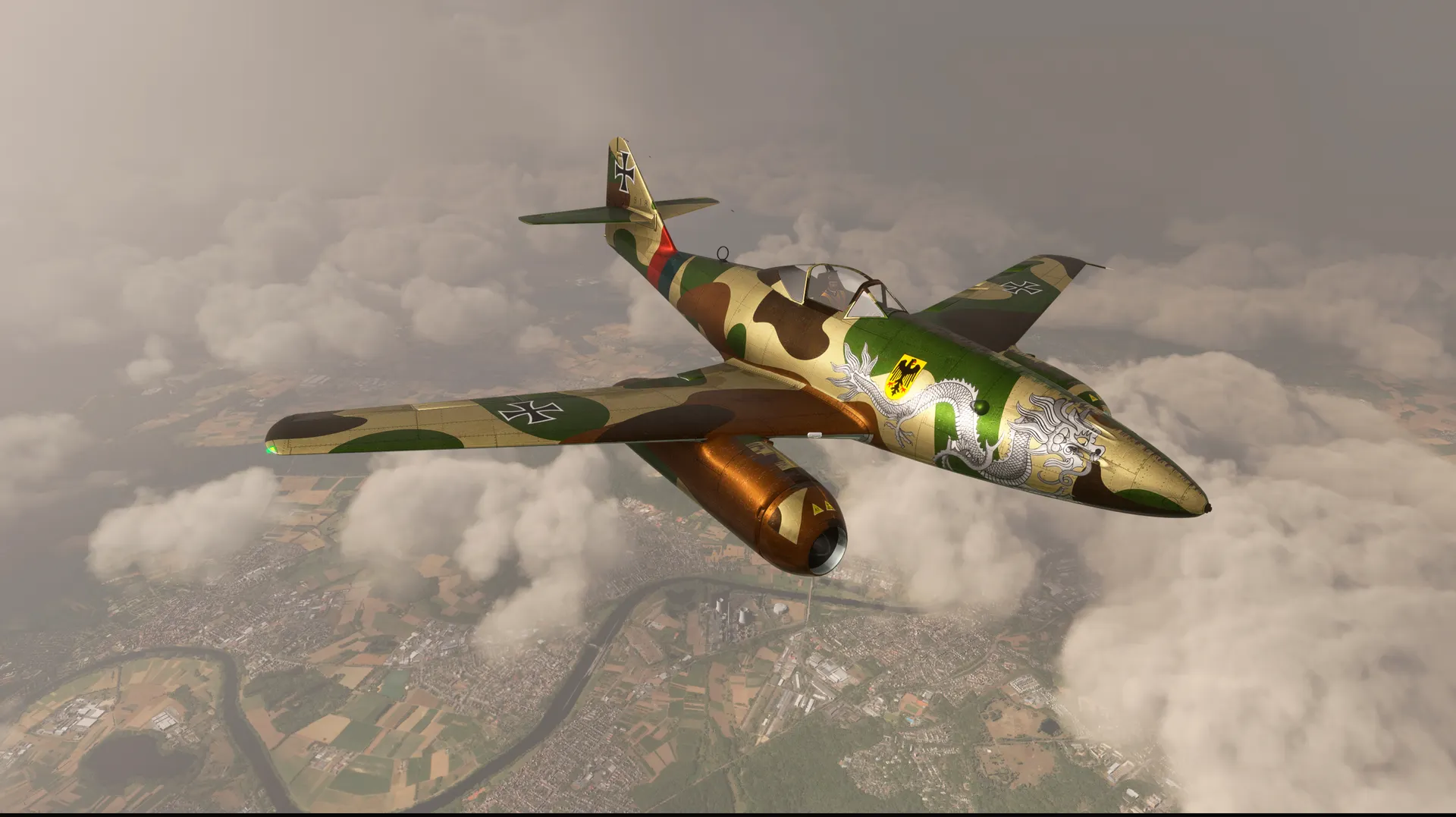
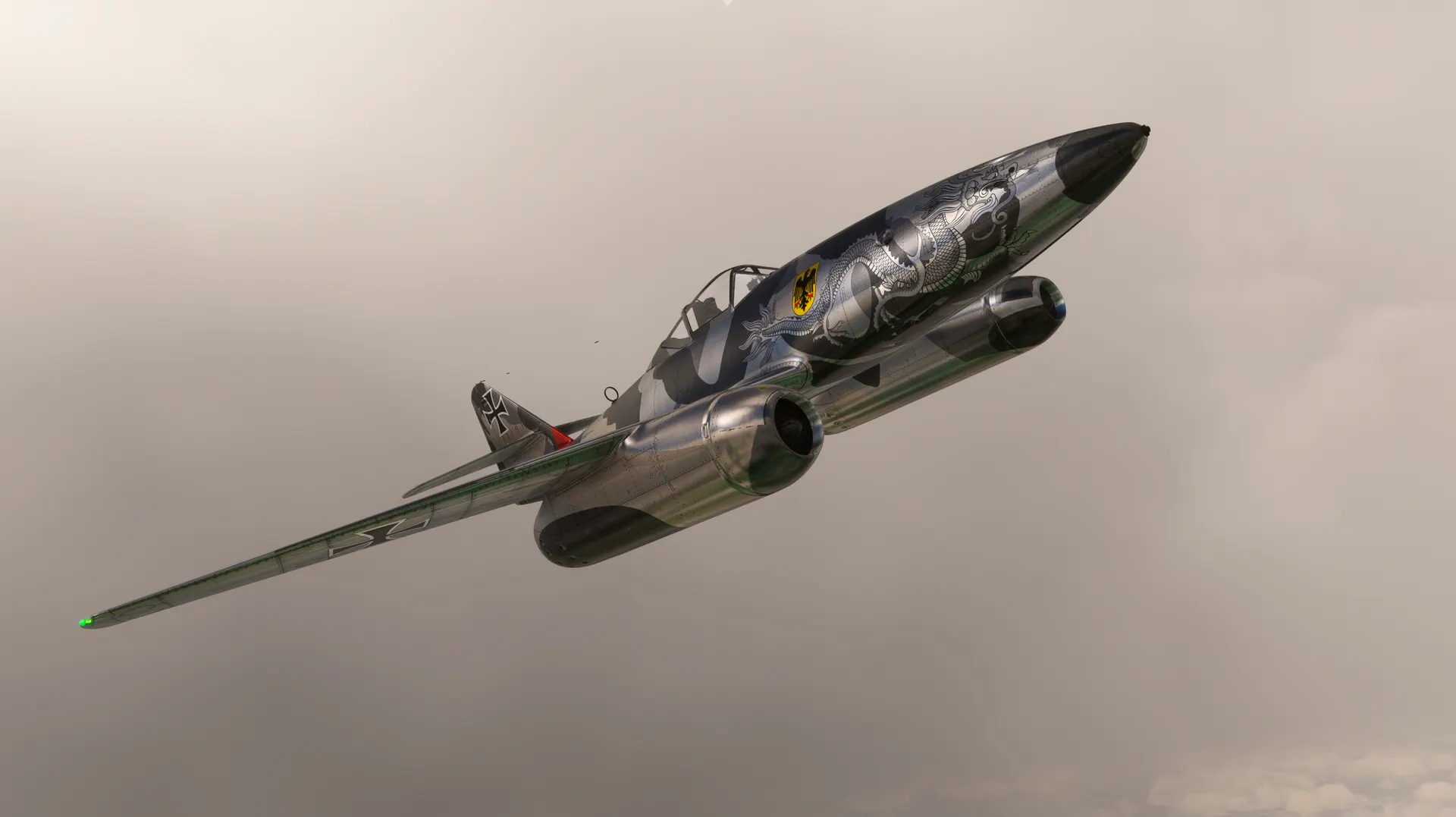
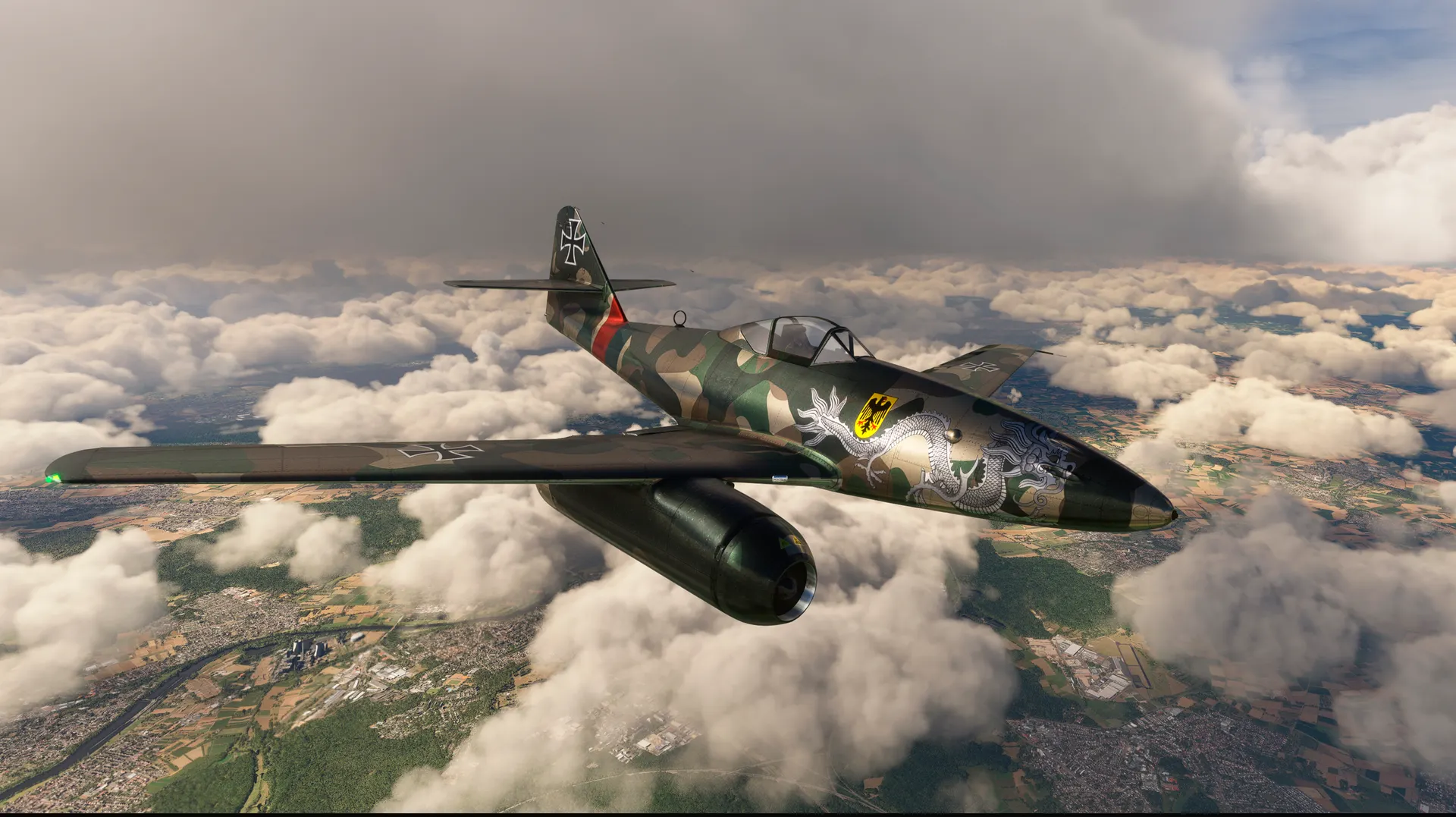
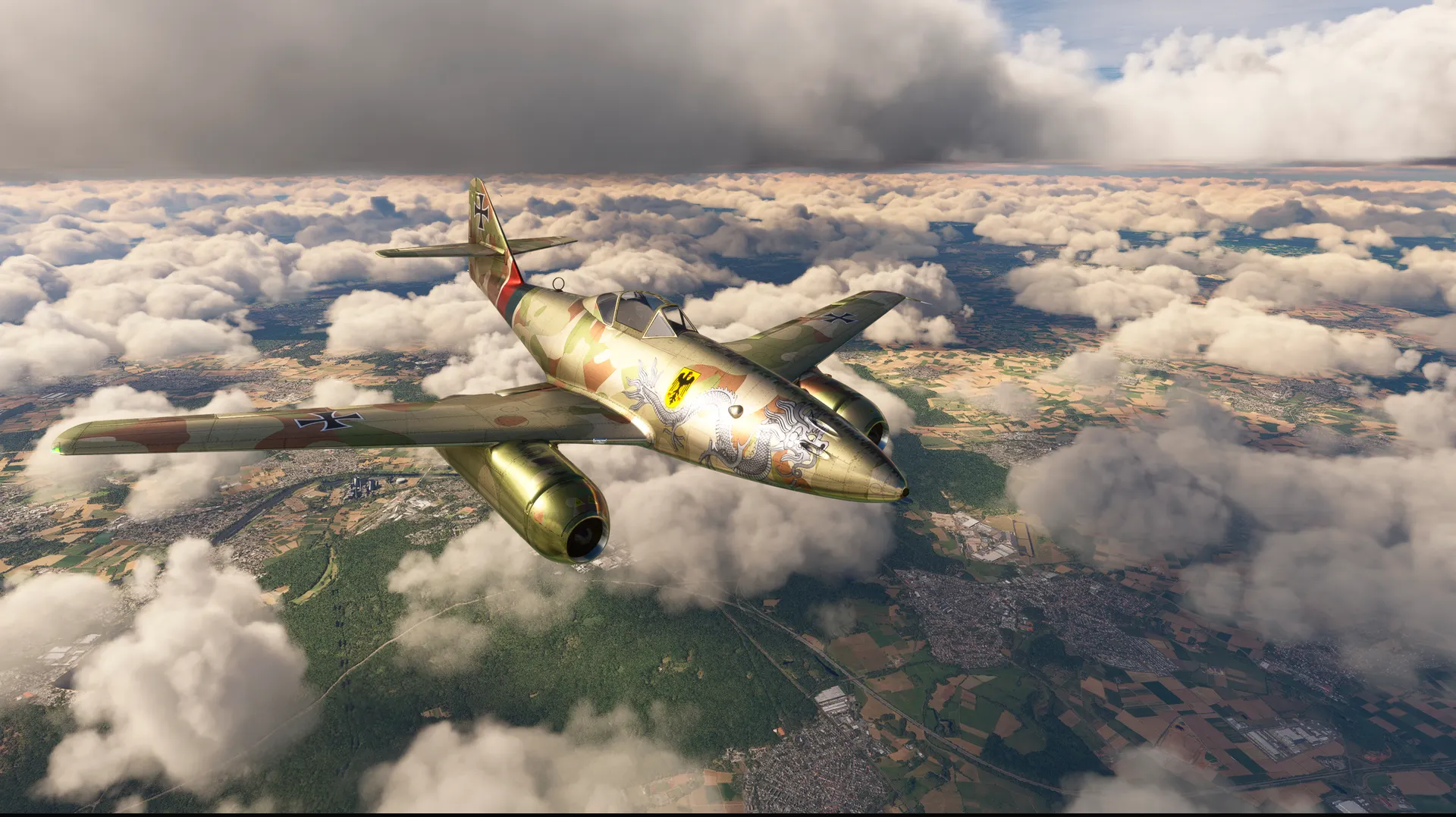
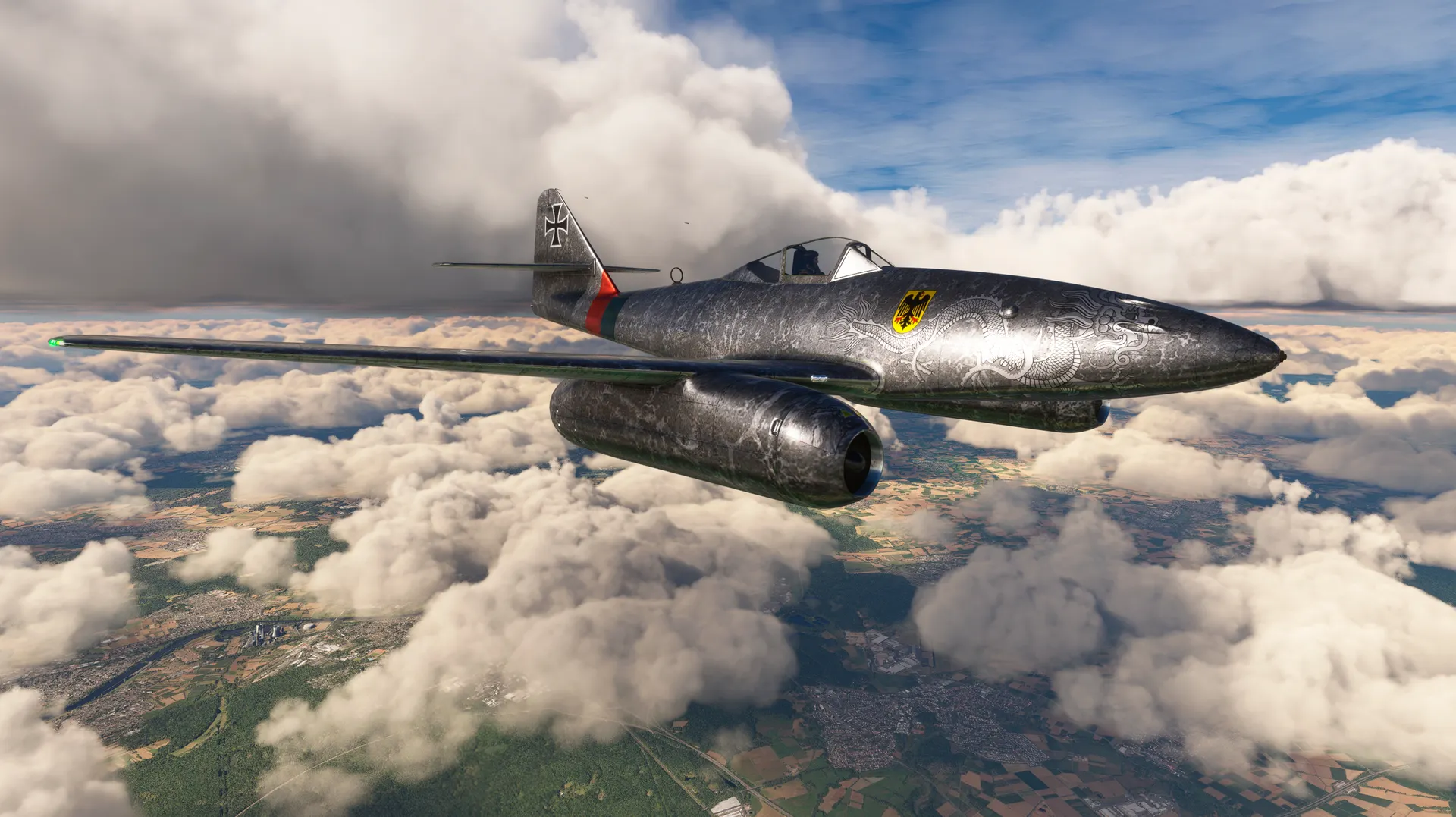
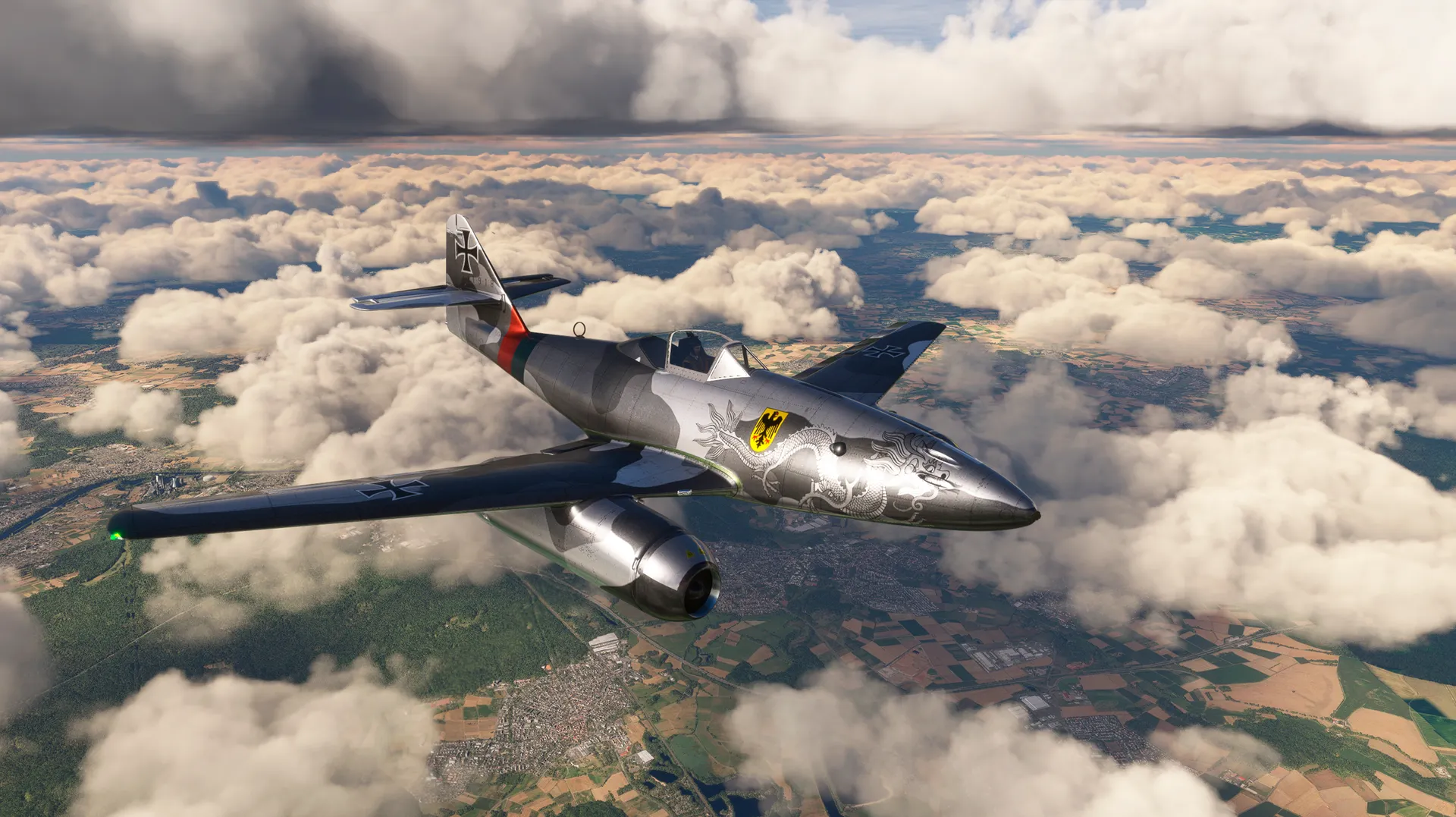
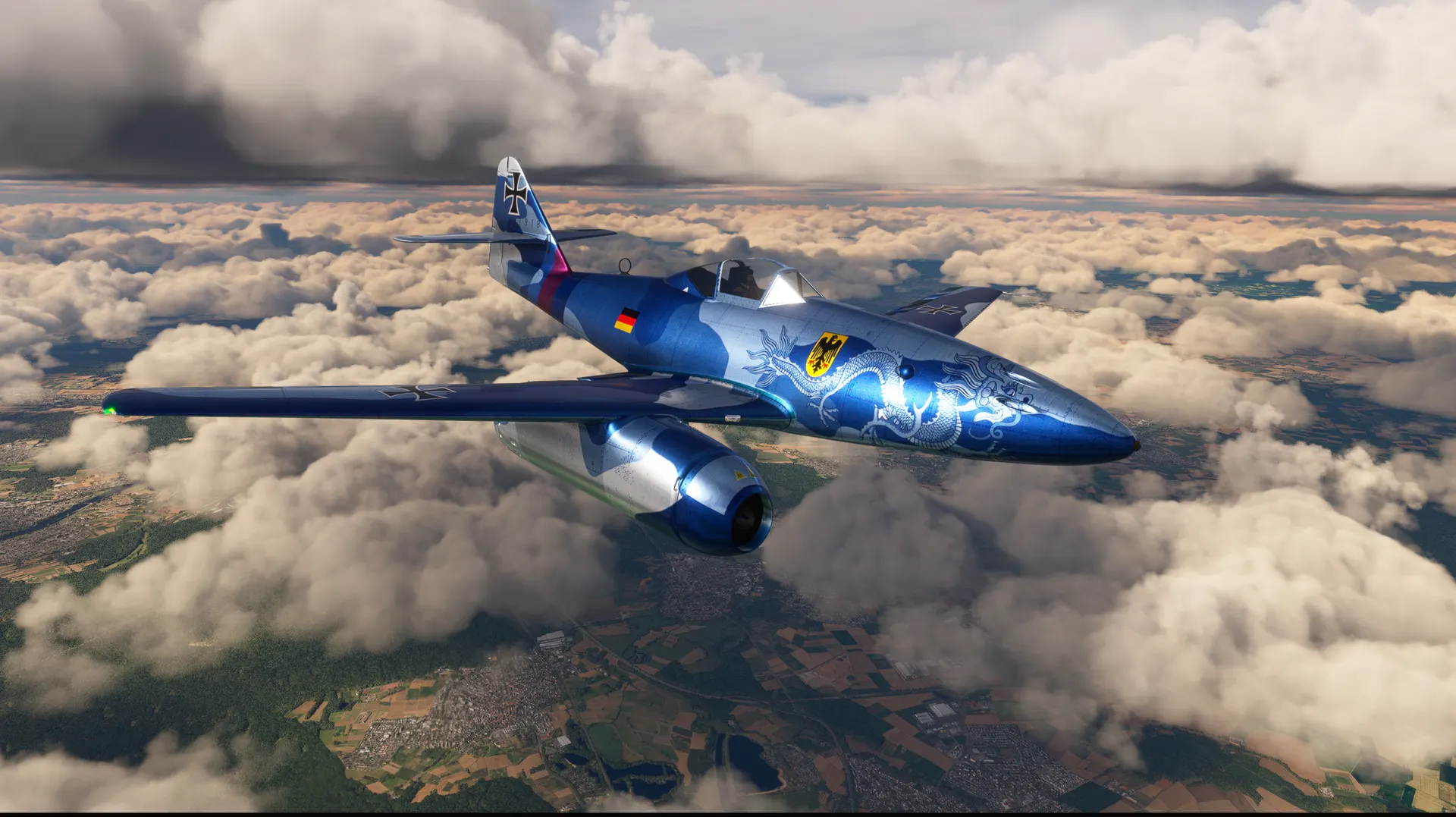
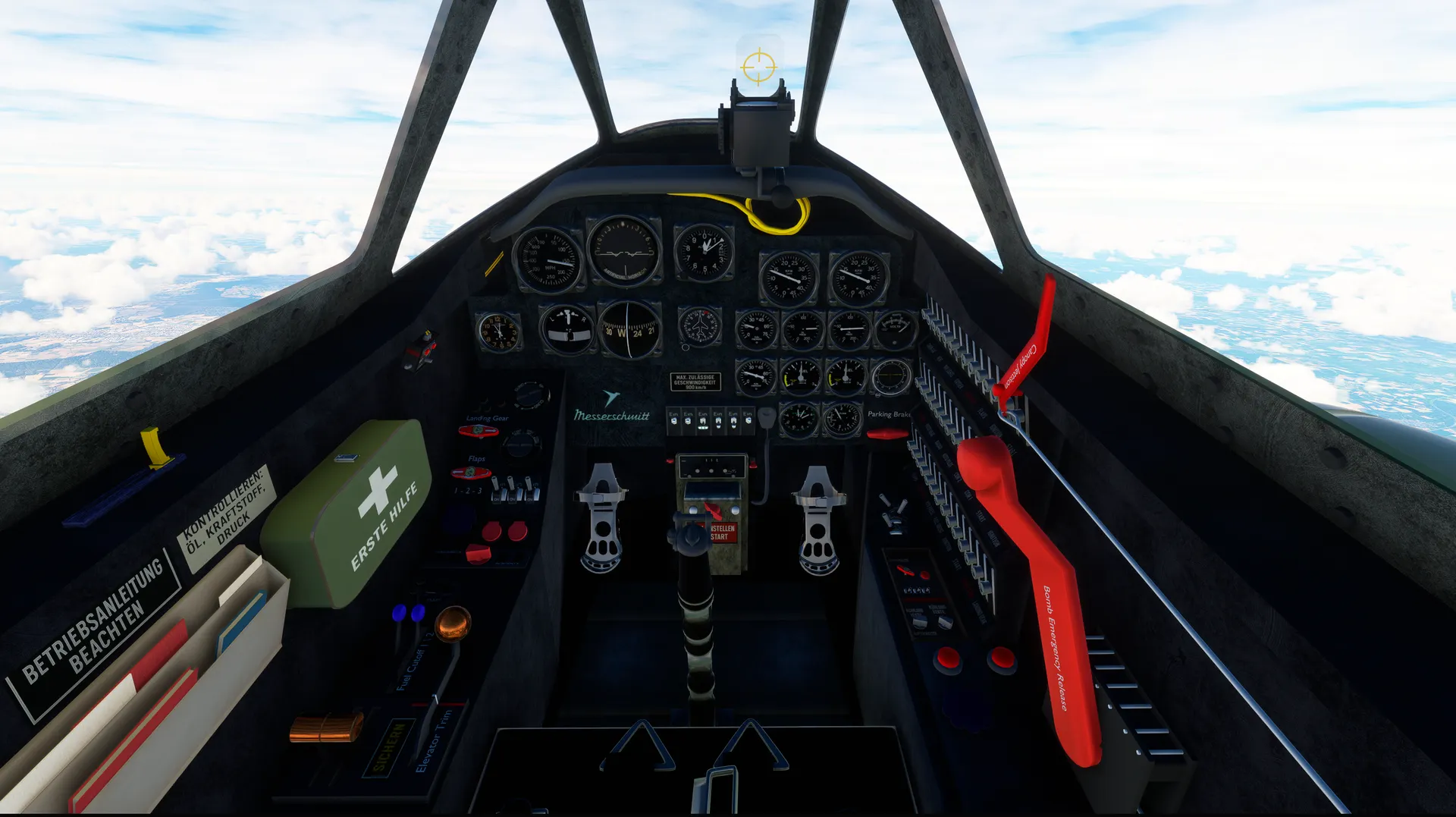
The Me 262 is a German twin-engine, jet-powered, pioneering military combat aircraft. The proof-of-concept airframe took its maiden flight, using piston-powered engines, on April 18, 1941, and the jet-powered prototype took its maiden flight on July 18, 1942. The Me 262, called the “Schwalbe,” meaning “Swallow,” was the world’s first jet-powered aircraft used in a combat role. It performed several mission sets, including interdiction, air superiority, light bombing, attack, and ISR (intelligence, surveillance, and reconnaissance) data collections. More than 1,400 Me 262 fighters were manufactured during a production run that spanned from April of 1944 until August of 1945. A small number of the aircraft remain in museums, but none are airworthy.
The Me 262 program began in the late 1930s based on German interest in the prospects for jet-powered aircraft. Although the earliest jet engines were plagued with reliability issues, the model developed that would be used by the Me 262, a turbojet, showed promise. Designers developed the airframe of the Me 262 to optimize the power of a turbojet, both aerodynamically for speed and agility, and structurally to withstand the stresses of the high-performance powerplants. Me 262 developers tested the airframe’s design with piston engines in 1941 while engineers finalized the turbojet engine.
The Me 262, armed with powerful 30mm cannons and able to carry rockets and bombs, proved formidable. It was fast, agile, had a good combat range, and accelerated and climbed quickly. It entered service in April of 1944 and saw combat for the first time in late July of that year. While flying over the southern German city of Munich, a pilot of an Me 262 identified a British reconnaissance aircraft and fired on it but was unsuccessful in downing it. In subsequent months, German pilots honed their skills in the Me 262 and downed more than 500 Allied aircraft. The operation of the Me 262 in the final months of World War II was historically important as it proved the viability of jet-powered aircraft.
The Me 262 features all-metal construction, a low-mounted swept main wing, a cruciform empennage, a bubble canopy, and a retractable tricycle undercarriage. It measures 34 feet, 9 inches in length, stands 11 feet, 6 inches tall, and has a wingspan of 41 feet, 4 inches. It is powered by two wing-mounted turbojet engines, each of which generates up to 1,980 pounds of thrust. It has a maximum range of 650 miles, a service ceiling of 38,000 feet above sea level, a maximum climb rate of 3,900 feet per minute, a cruising speed of 460 miles per hour, and a top speed of 540 mph.