MSFS 2024 Status:
Investigating Marketplace
Support the site - donate!

DH89 Dragon Rapide

Flight Replicas

DE HAVILLANDDRAGON RAPIDEAIRLINERDH89VINTAGE

0/5 (0)


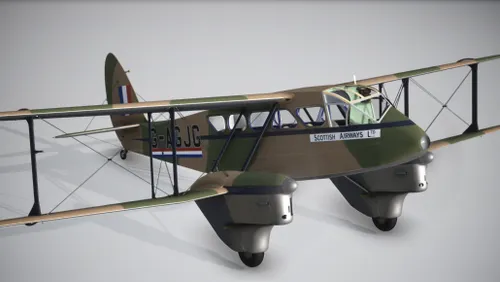
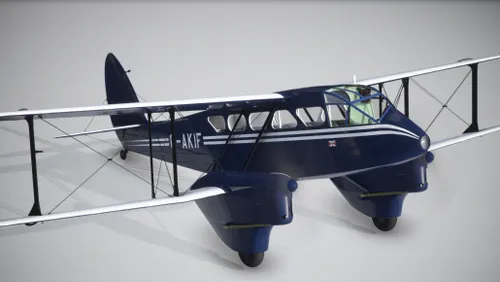
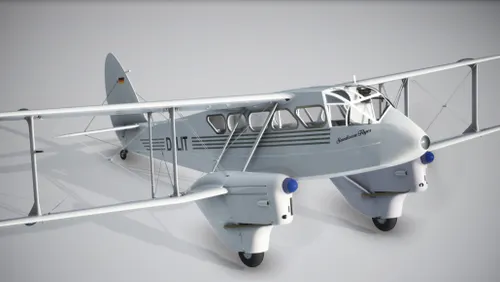
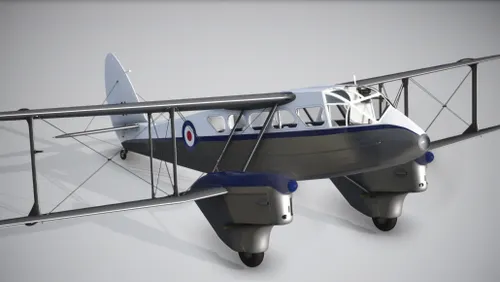
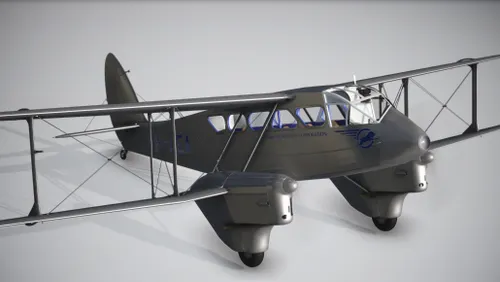
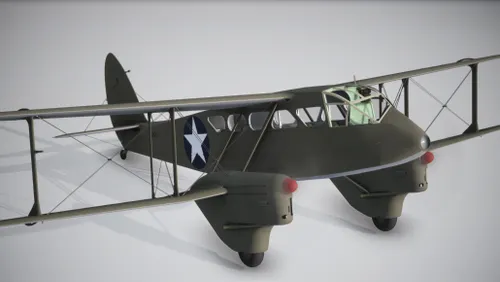
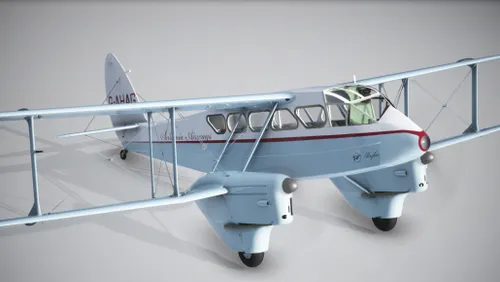
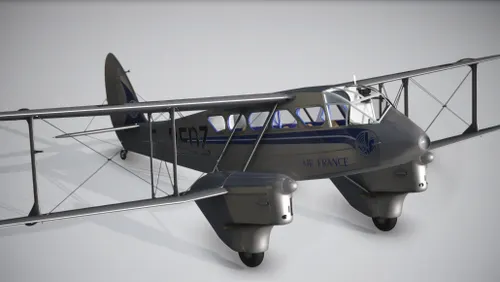
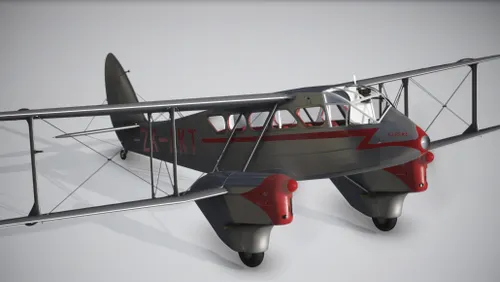
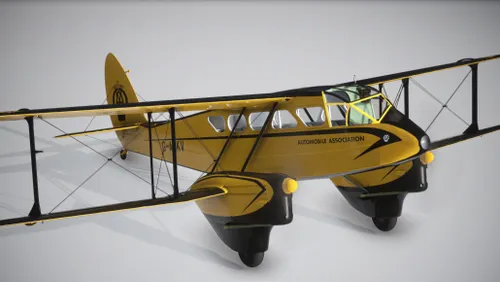
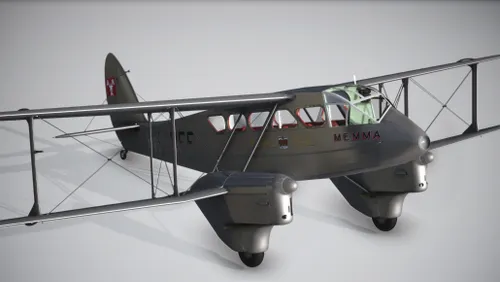
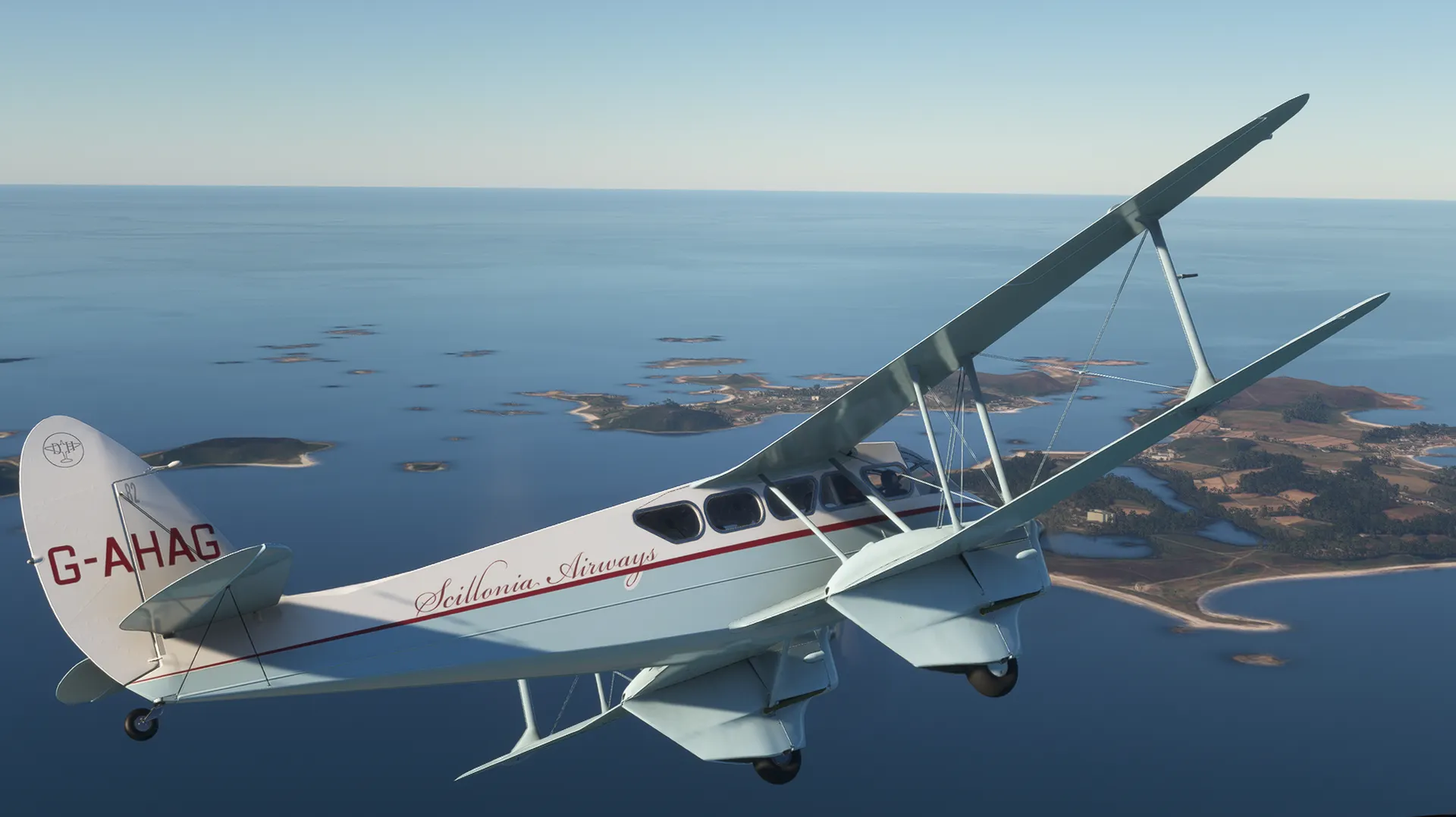
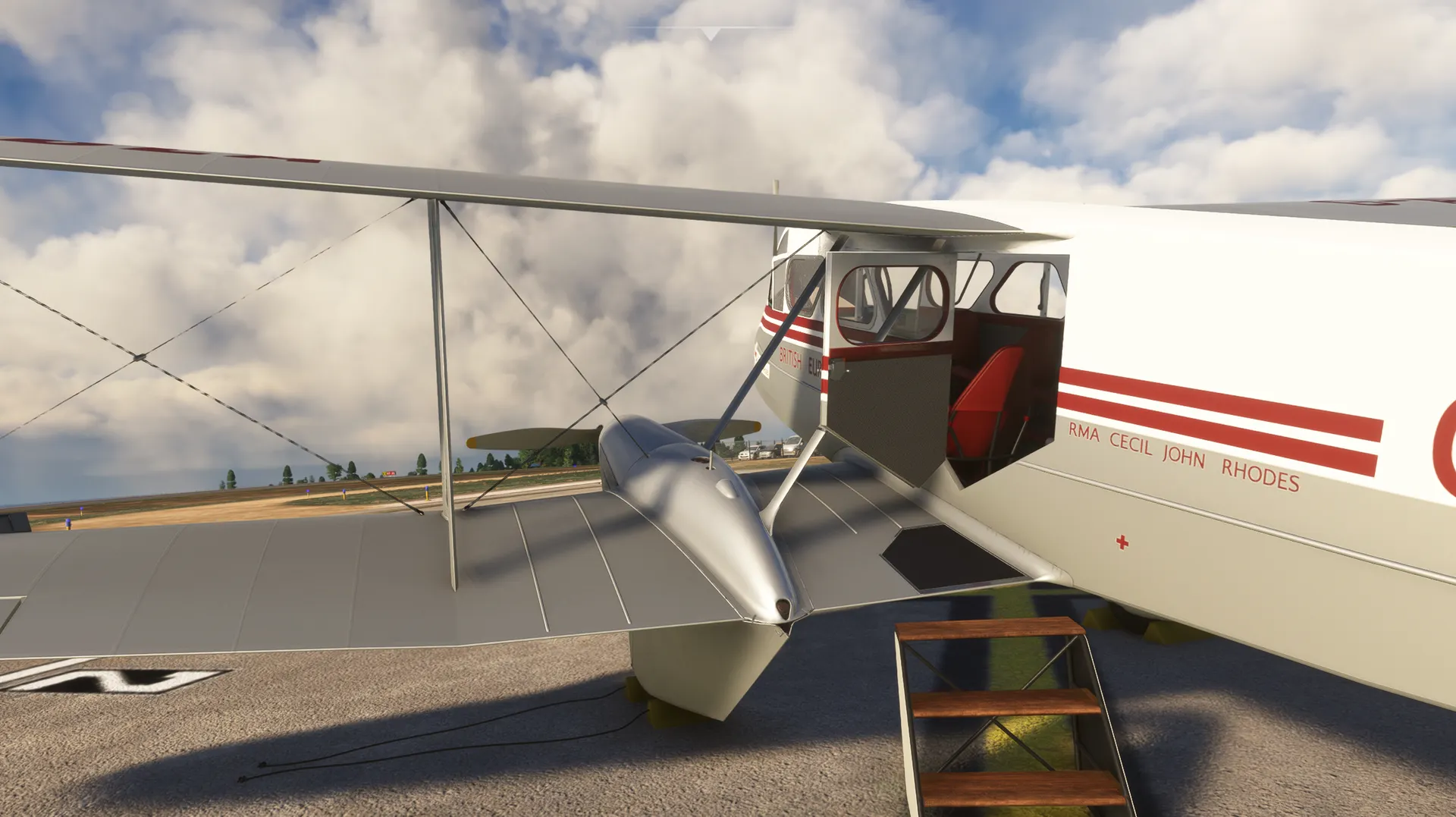
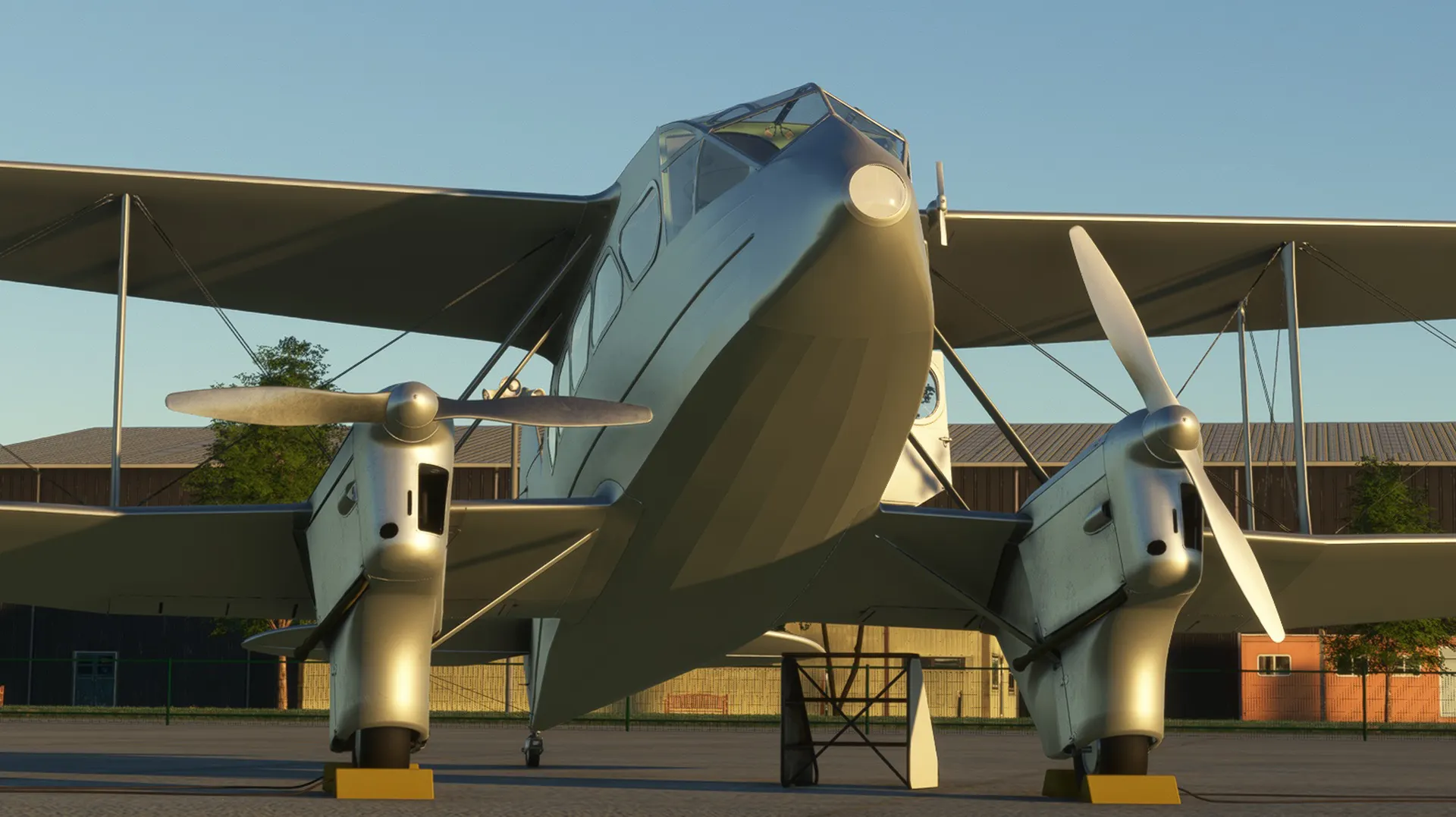
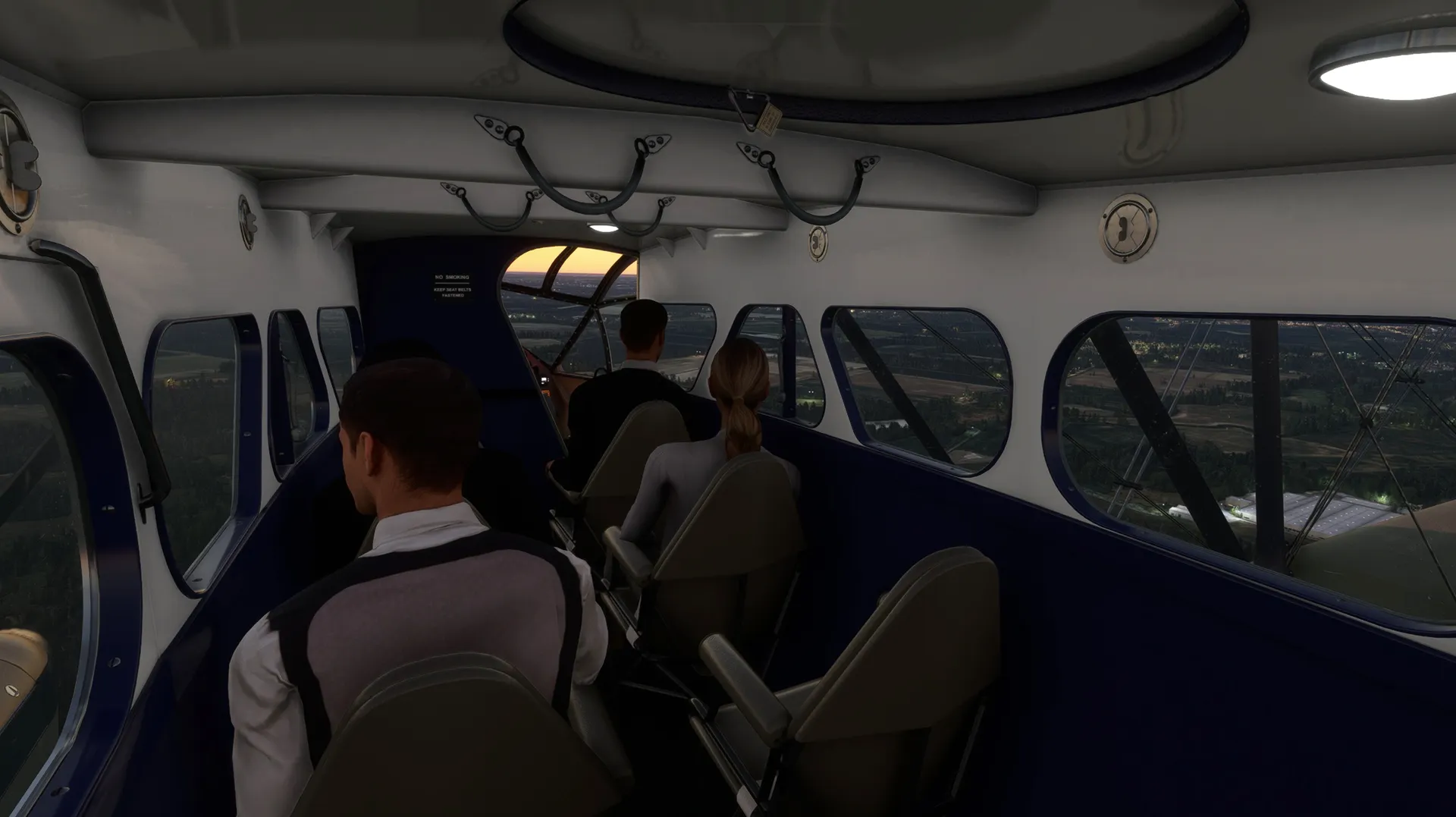
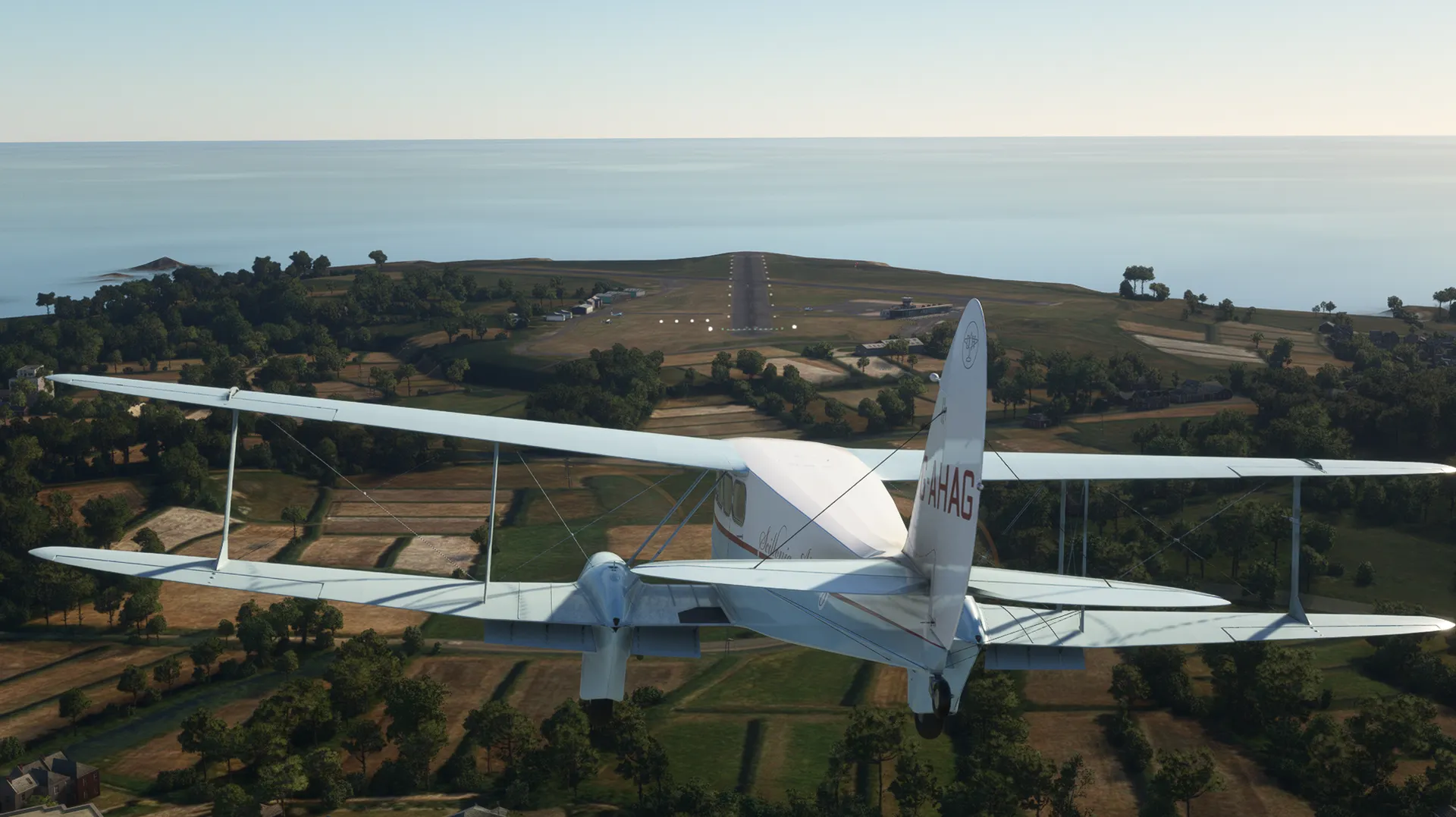
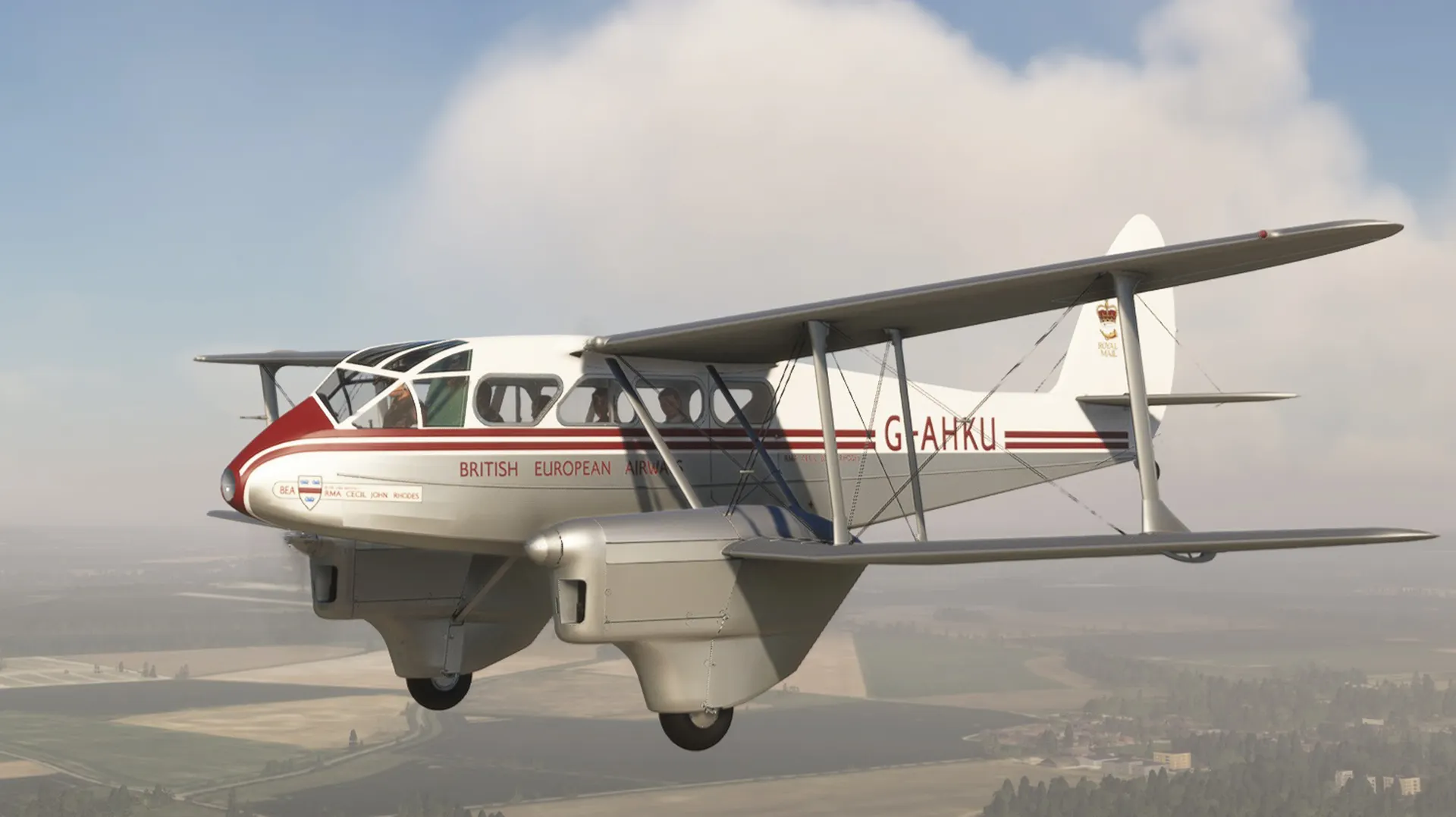
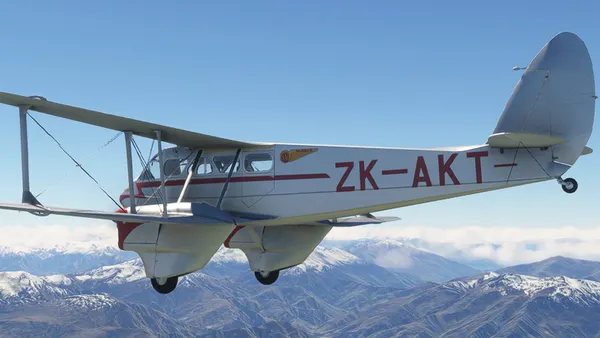
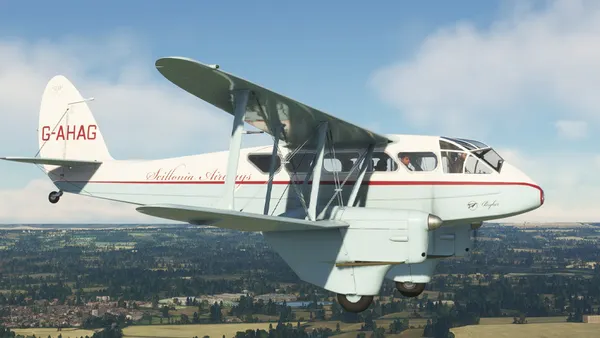
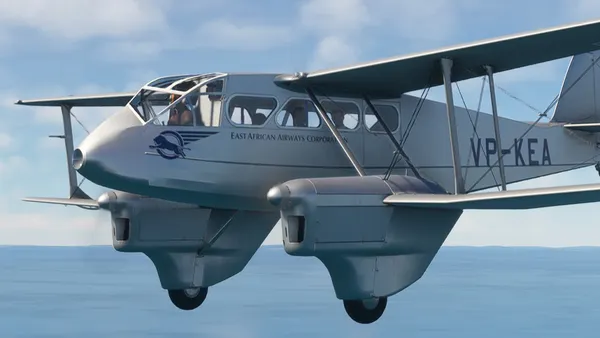
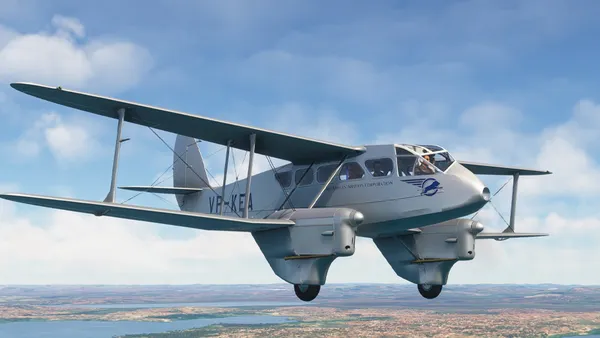
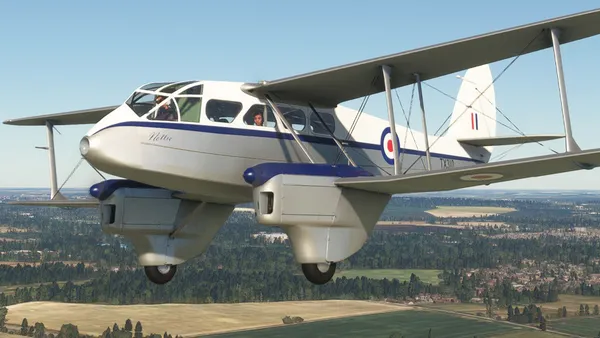
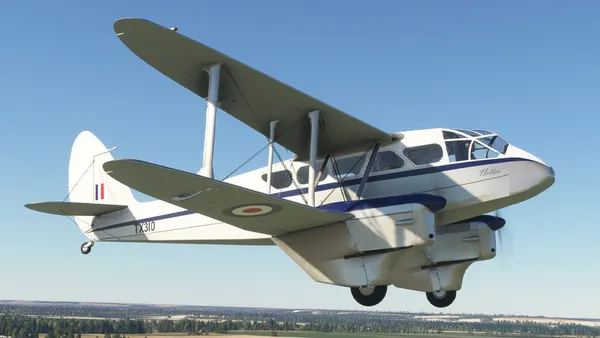
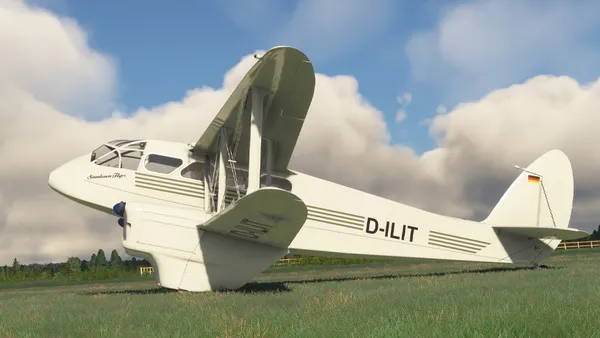
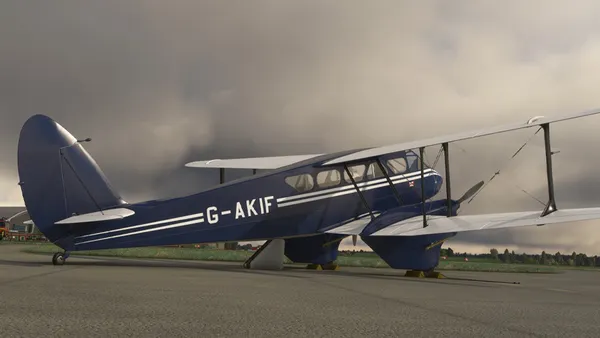
The de Havilland DH.89 Dragon Rapide was a twin-engine short-haul biplane transport introduced in 1934, designed as an elegant evolution of the earlier DH.84 Dragon. Built primarily of wood with a plywood fuselage, fabric-covered wings, and fixed tailwheel undercarriage, the Rapide combined light weight with remarkable durability. It was powered by two 200-hp de Havilland Gipsy Six inline engines, giving a cruising speed around 130 mph (210 km/h), a range of about 570 miles (915 km), and seating for six to eight passengers plus a pilot. The wings featured spruce spars and plywood ribs, with the upper and lower panels joined by interplane struts and bracing wires, while the tail surfaces were cantilever wooden structures.

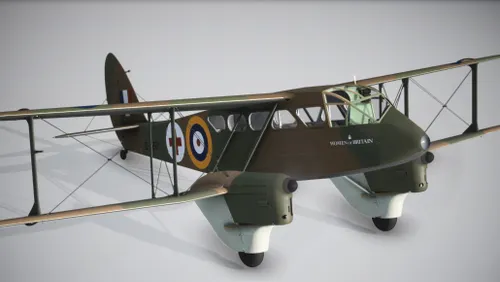
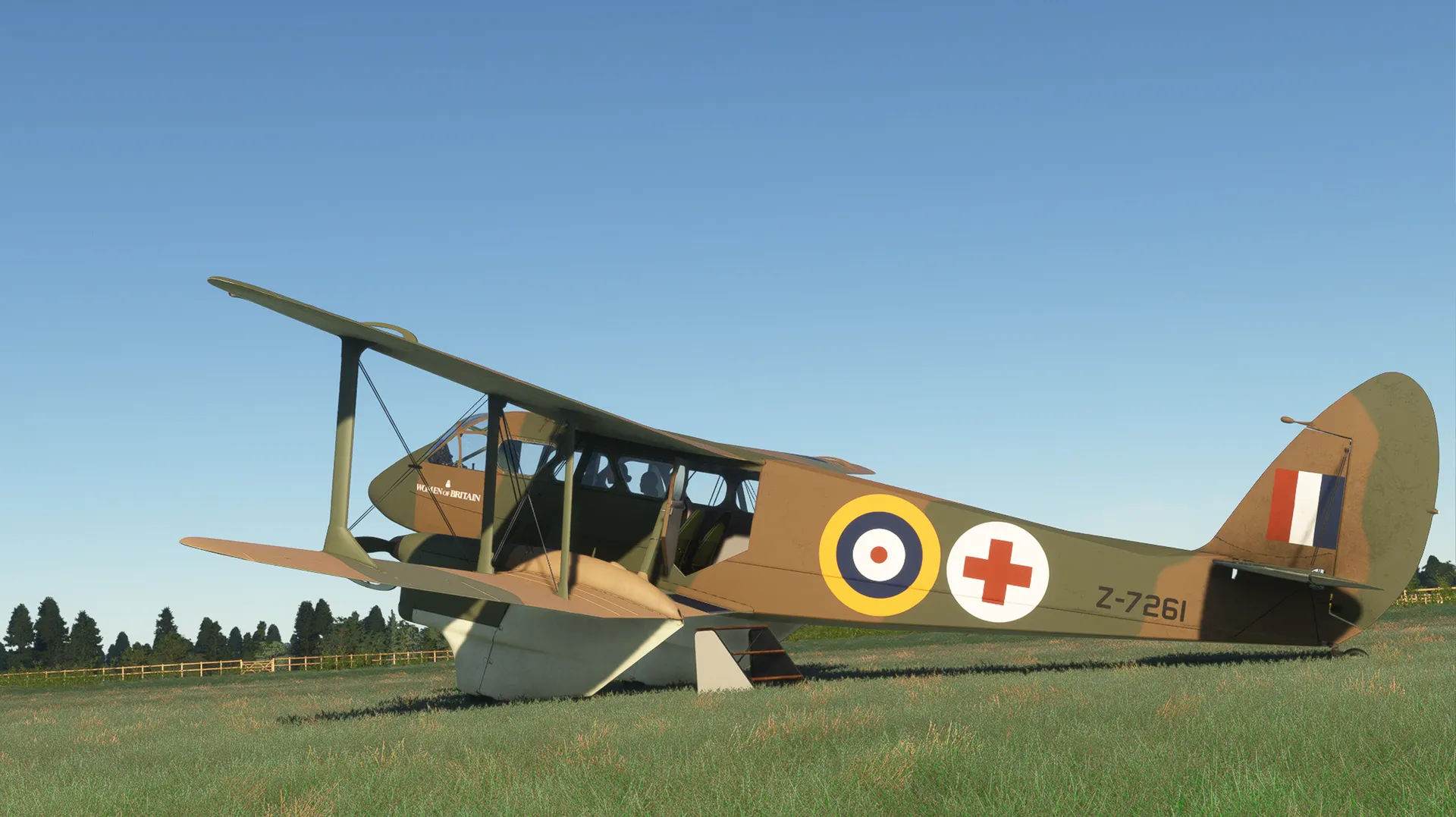
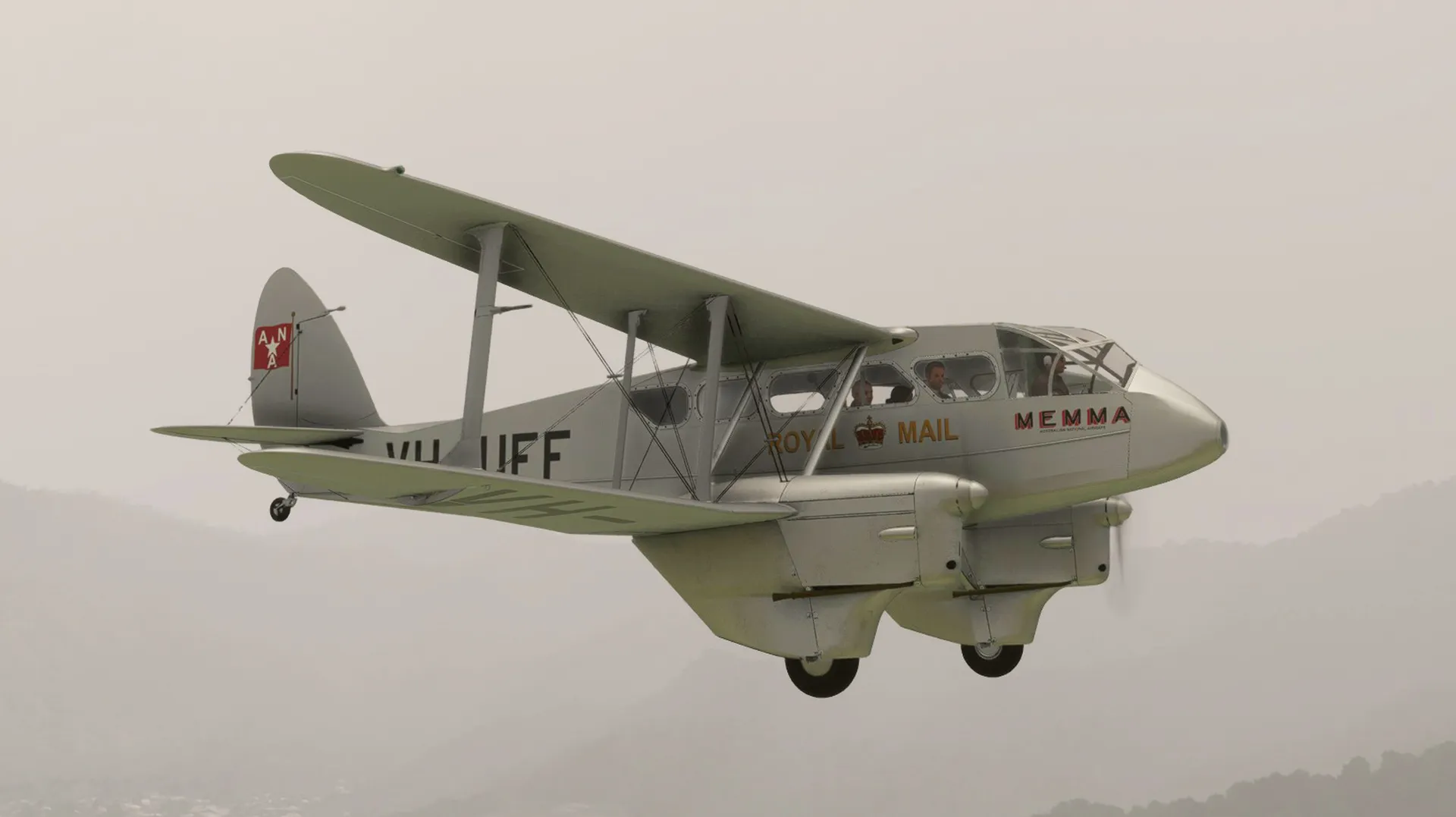
The Dragon Rapides graceful lines and reliable handling made it the most successful British short-haul airliner of the 1930s. Civil operators across Europe and the Commonwealth employed it for regional routes, air mail, and charter work. During the Second World War, over 500 were built as the Dominie for RAF communications, navigation training, and light transport duties. Post-war, many returned to civilian service, flying with small airlines and private owners well into the 1950s. A number survive today, often restored and airworthy, serving as iconic reminders of pre-war aviation elegance and craftsmanship.
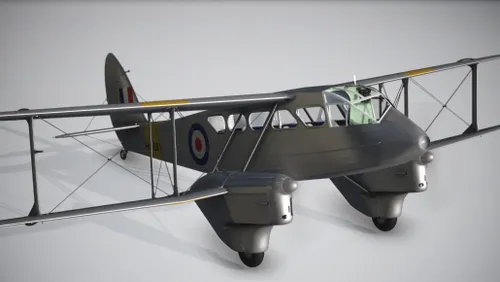
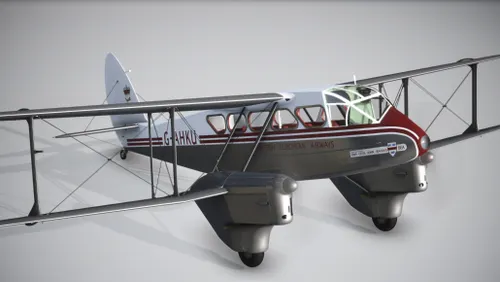
The DH.89 Dragon Rapide is a British twin-engine biplane used as an early airliner. Piloted by one, it could seat up to eight passengers. It took its maiden flight on April 17, 1934 and entered commercial service a few months later in the summer. A total of 727 airframes were manufactured during a production run that spanned from 1934 to 1946. The DH.89 served several civil roles, including passenger transport, freight, and private aviation. It also served several military applications during World War II, including troop transport, cargo hauling, radio and navigation training, and air ambulance.
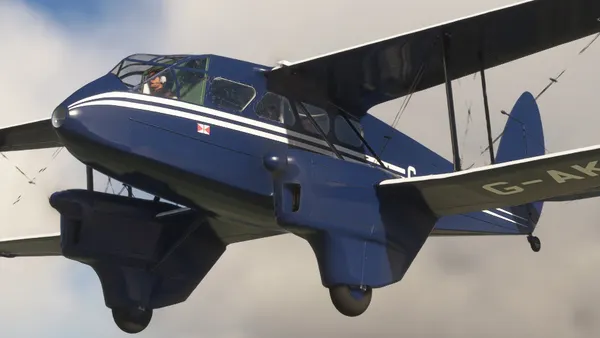
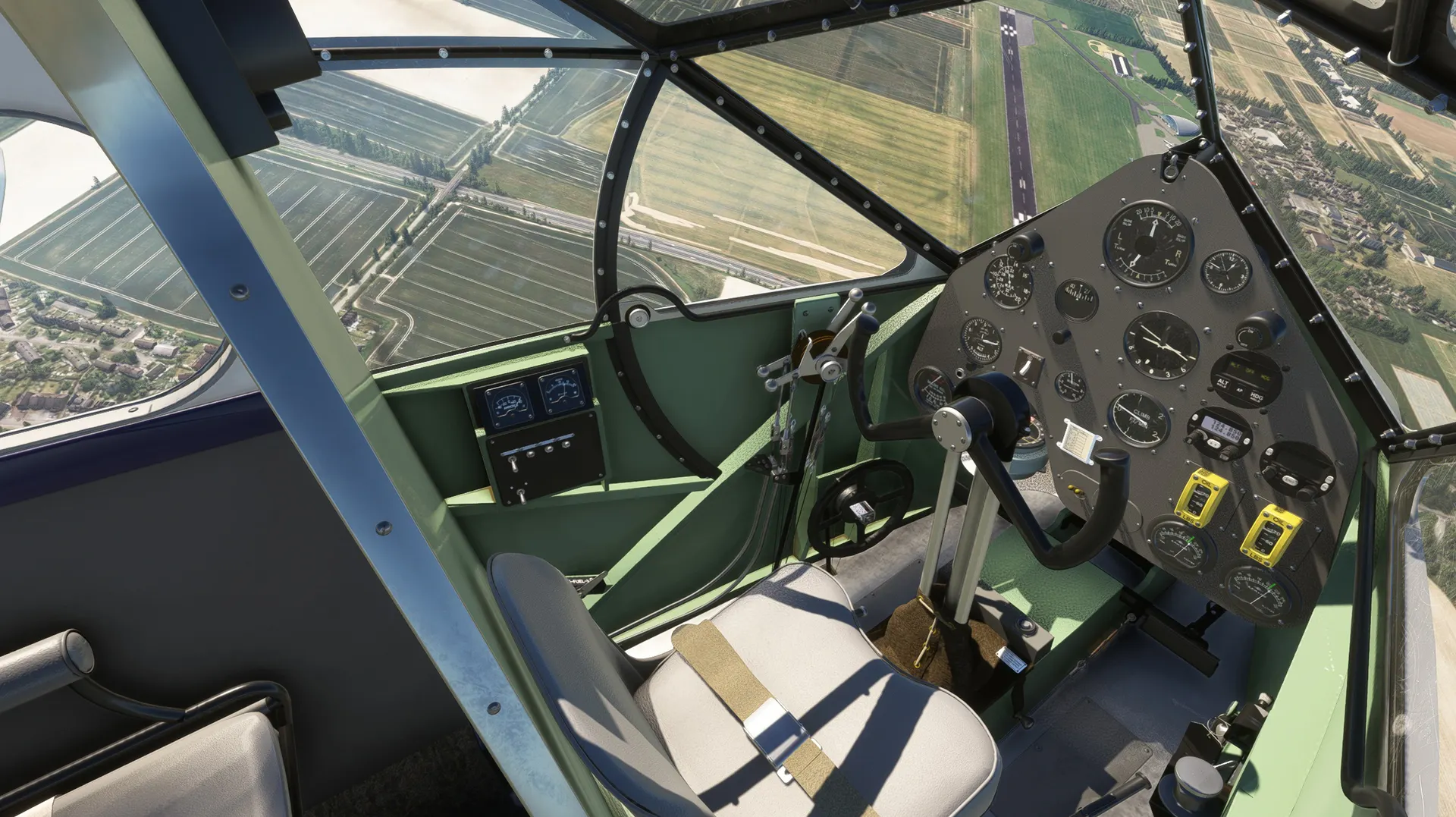
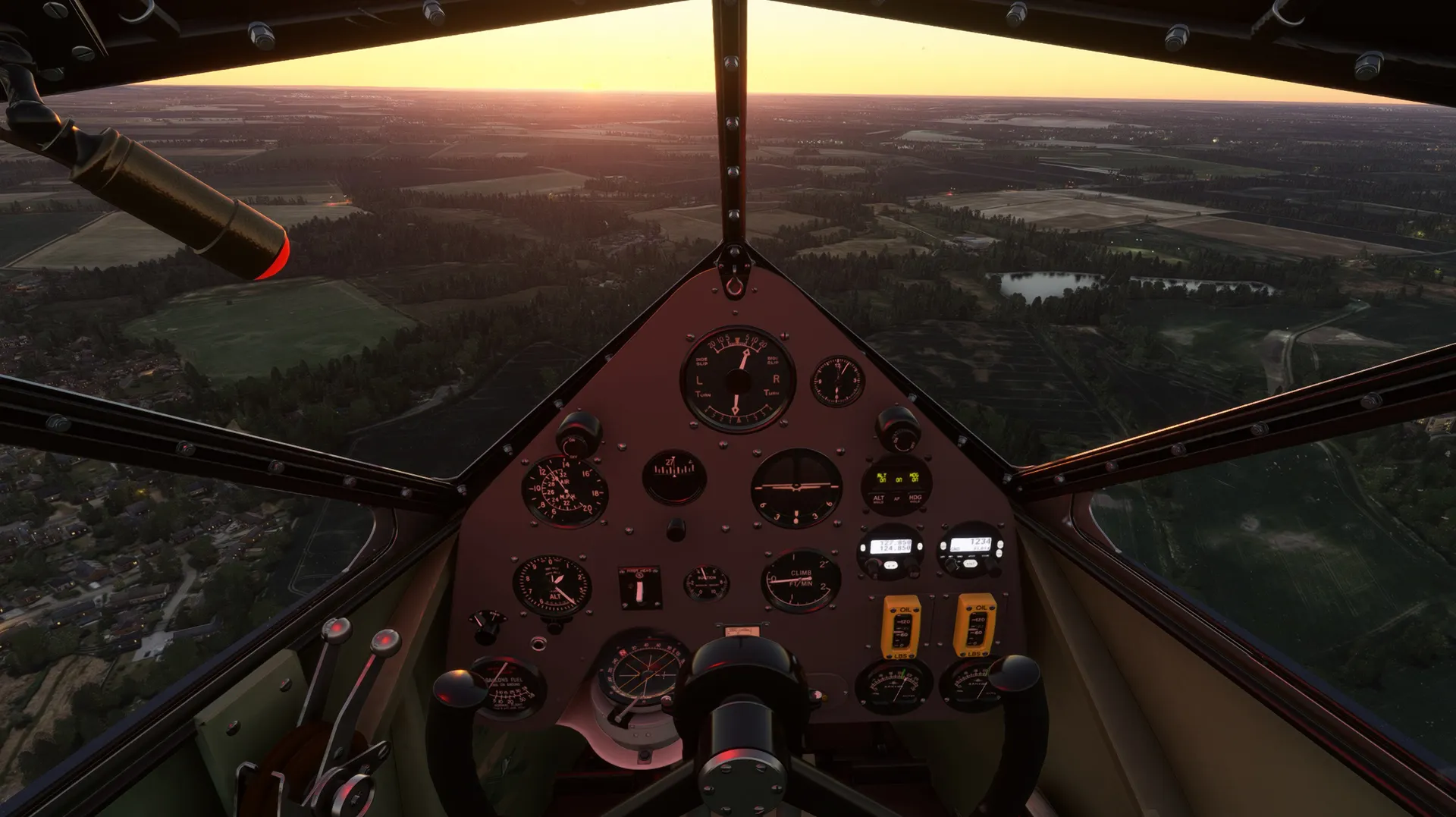
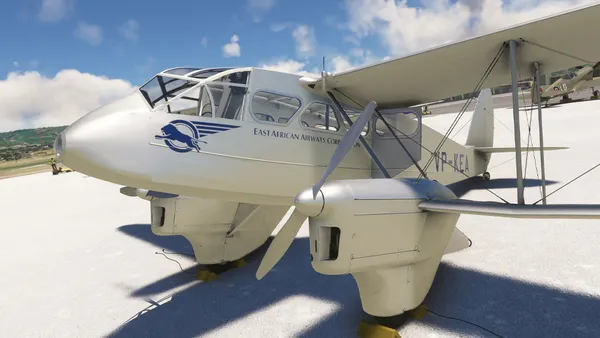
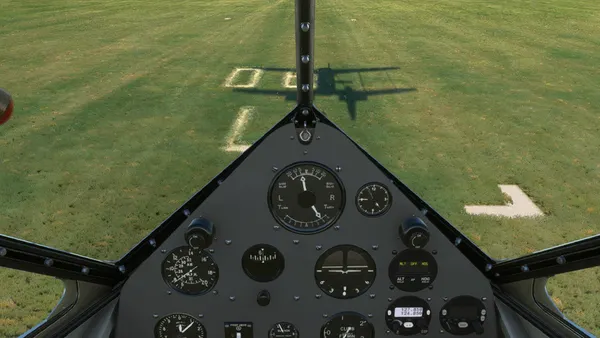
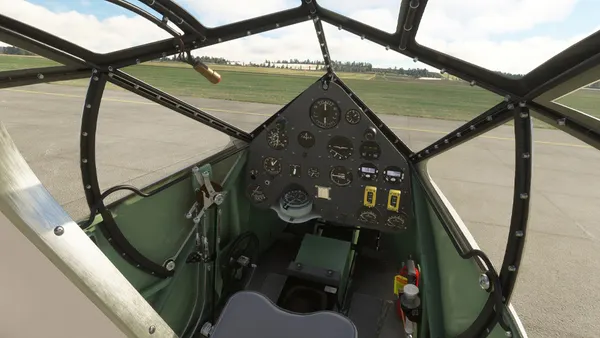
Development of the DH.89 Dragon Rapide began in 1933 to create a durable, reliable, and economical transport aircraft. Built using plywood paneling and fabric, the DH.89 comprises a high-visibility cockpit and passenger compartment, a standard empennage, and a fixed traditional undercarriage. It is powered by two 6-cylinder, inline piston engines, each of which generates up to 200 horsepower and turns a 2-blade, fixed-pitch propeller. The engines are mounted on the lower wing, with each engine housing supporting a main landing gear wheel assembly.

The Aircraft has a range of 560 miles, a service ceiling of 16,700 feet above sea level, and a maximum climb rate of 868 feet per minute. It cruises at 132 miles per hour and has a top speed of 157 mph.

Specifications


CRUISE SPEED132 mph (212 km/h, 115 kn)
RANGE556 mi (895 km, 483 nmi)
MAX ALTITUDE16,700 ft (5,100 m)
WINGSPAN48 ft 0 in (14.63 m)
EMPTY WEIGHT3,230 lb (1,465 kg)
MAX WEIGHT5,500 lb (2,495 kg)
FUEL CAPACITY76 imp gal (91 US gal; 346 L)
LENGTH34 ft 6 in (10.52 m)
ENGINEde Havilland Gipsy Six