MSFS 2024 Status:
Investigating Marketplace
Support the site - donate!

Fokker D.VII

Captain Sim

VINTAGEFOKKERBIPLANEWW1HISTORIC

0/5 (0)


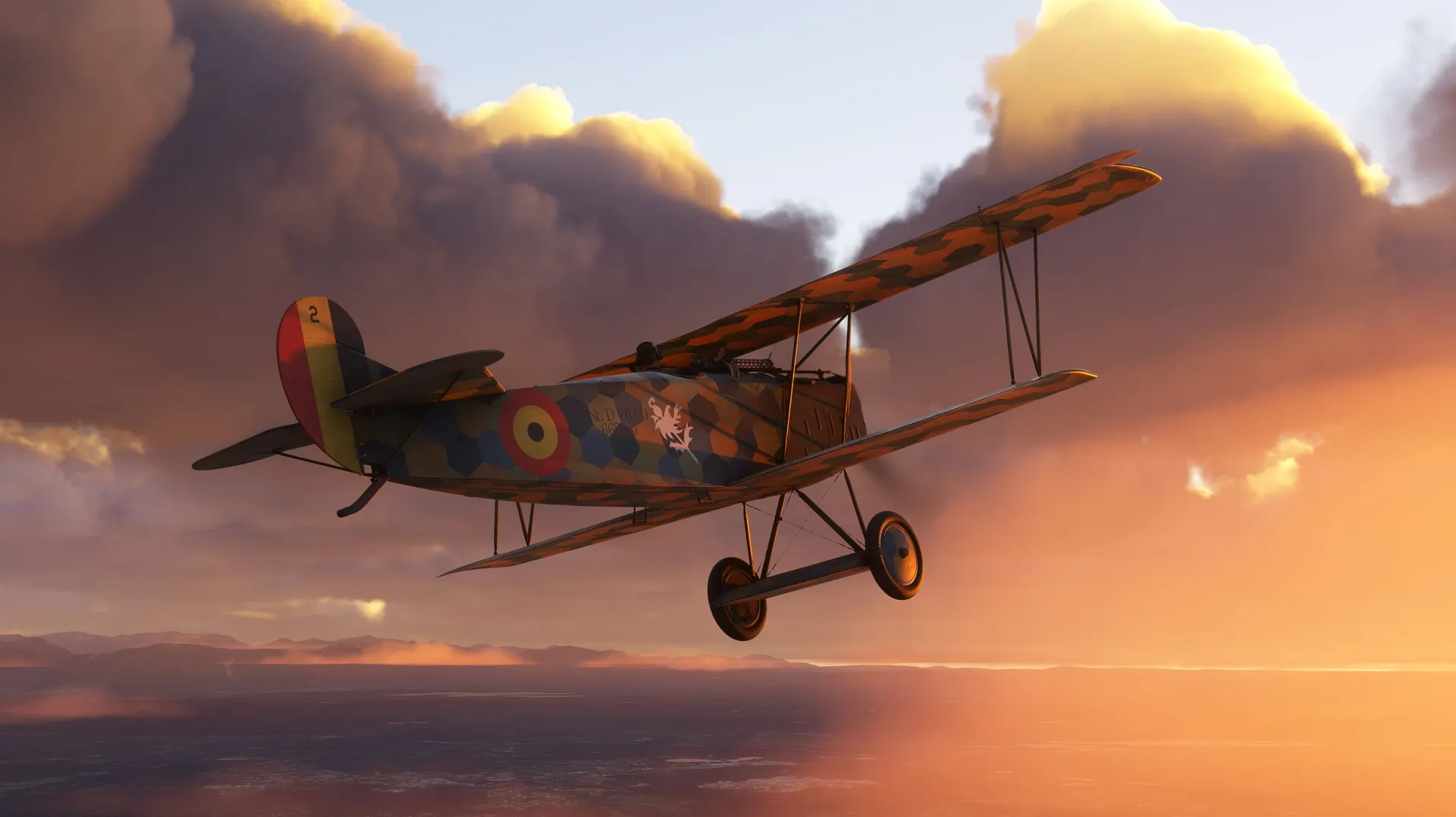
The third installment of the WWI Collection is a digital replica of the Fokker D.VII biplane fighter.

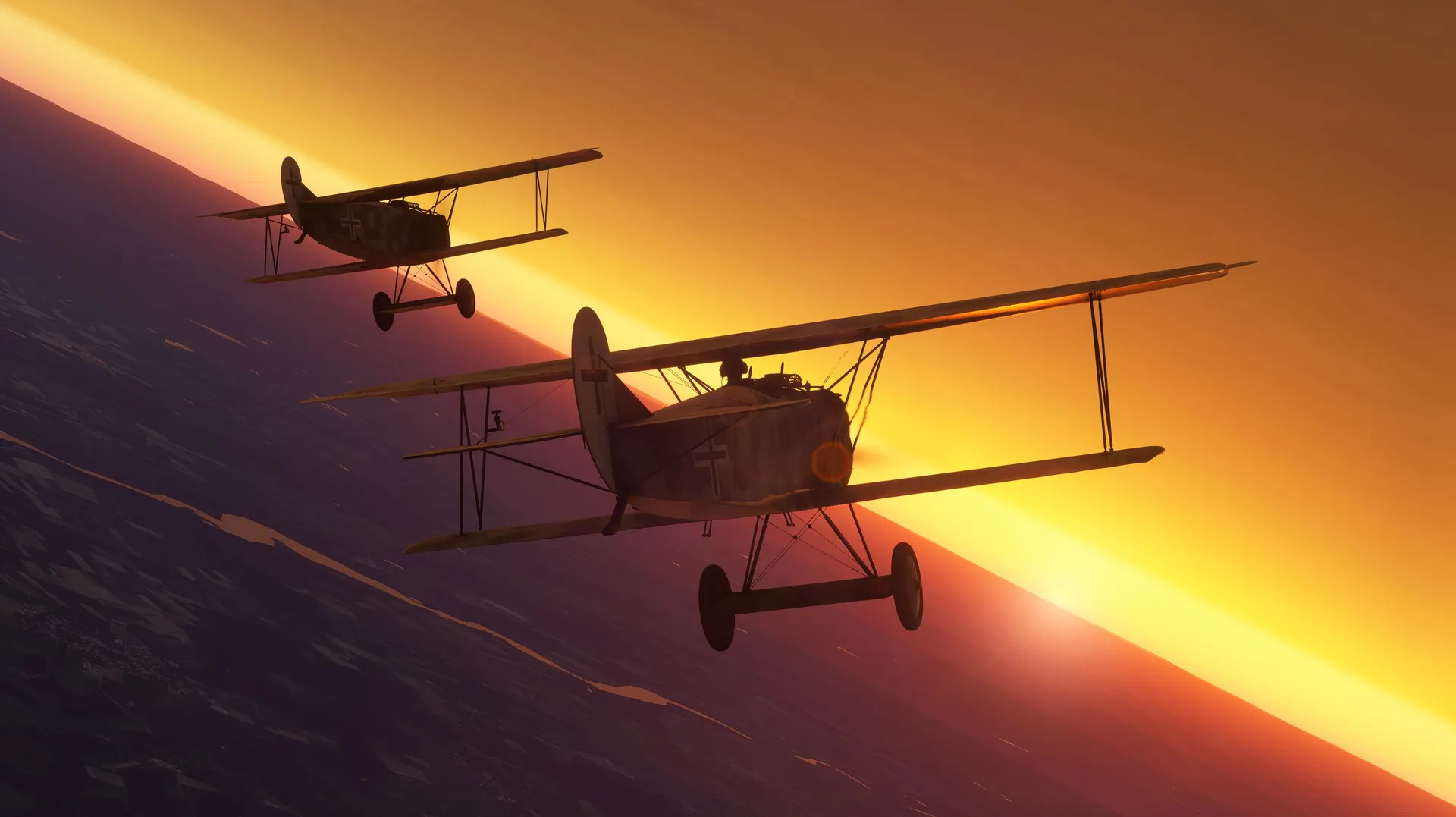
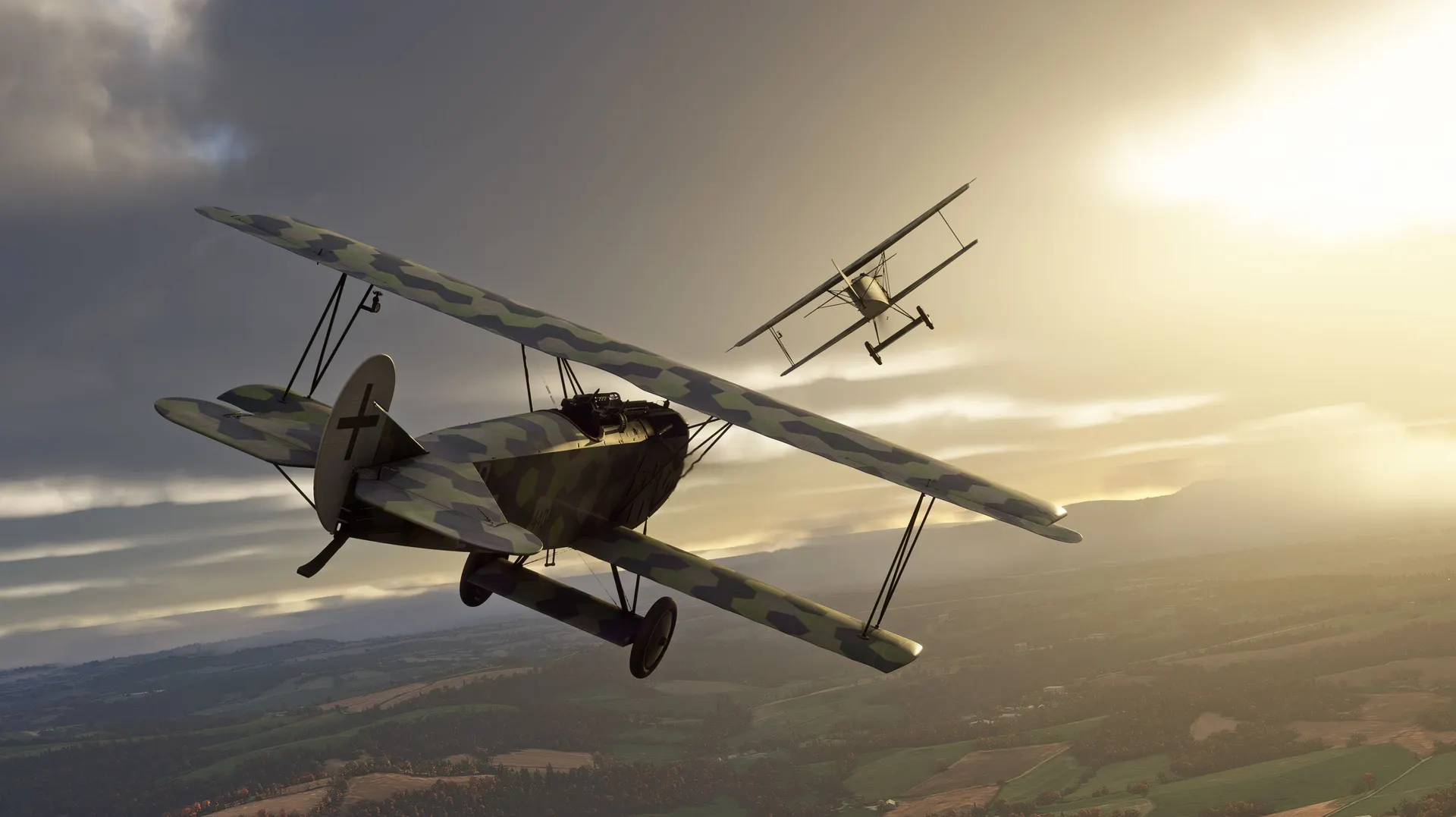
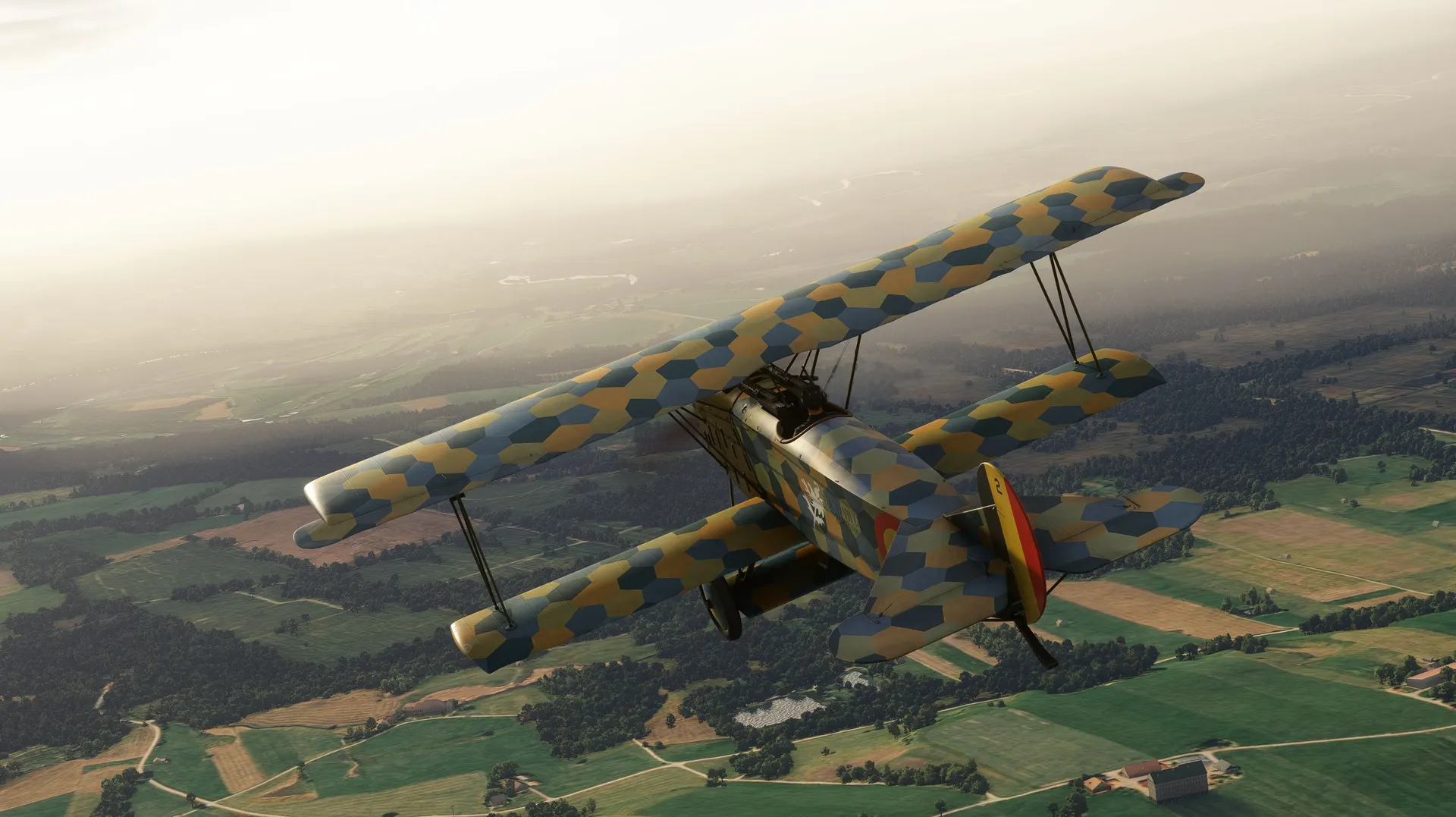
The Fokker D.VII dominated the skies in WWI due to its revolutionary thick-wing design, which provided excellent lift and handling compared to Allied rivals.

EXTERIOR

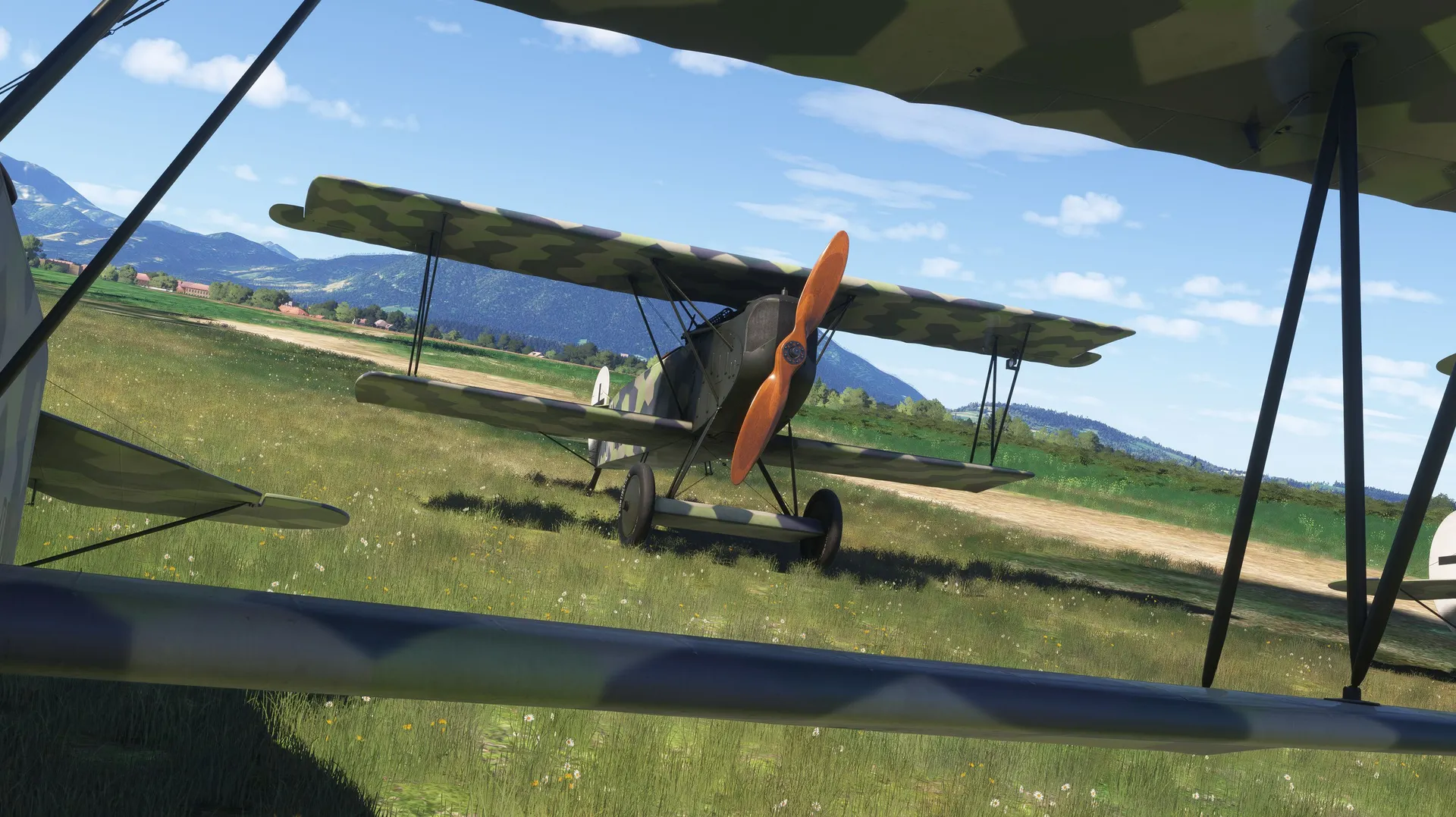
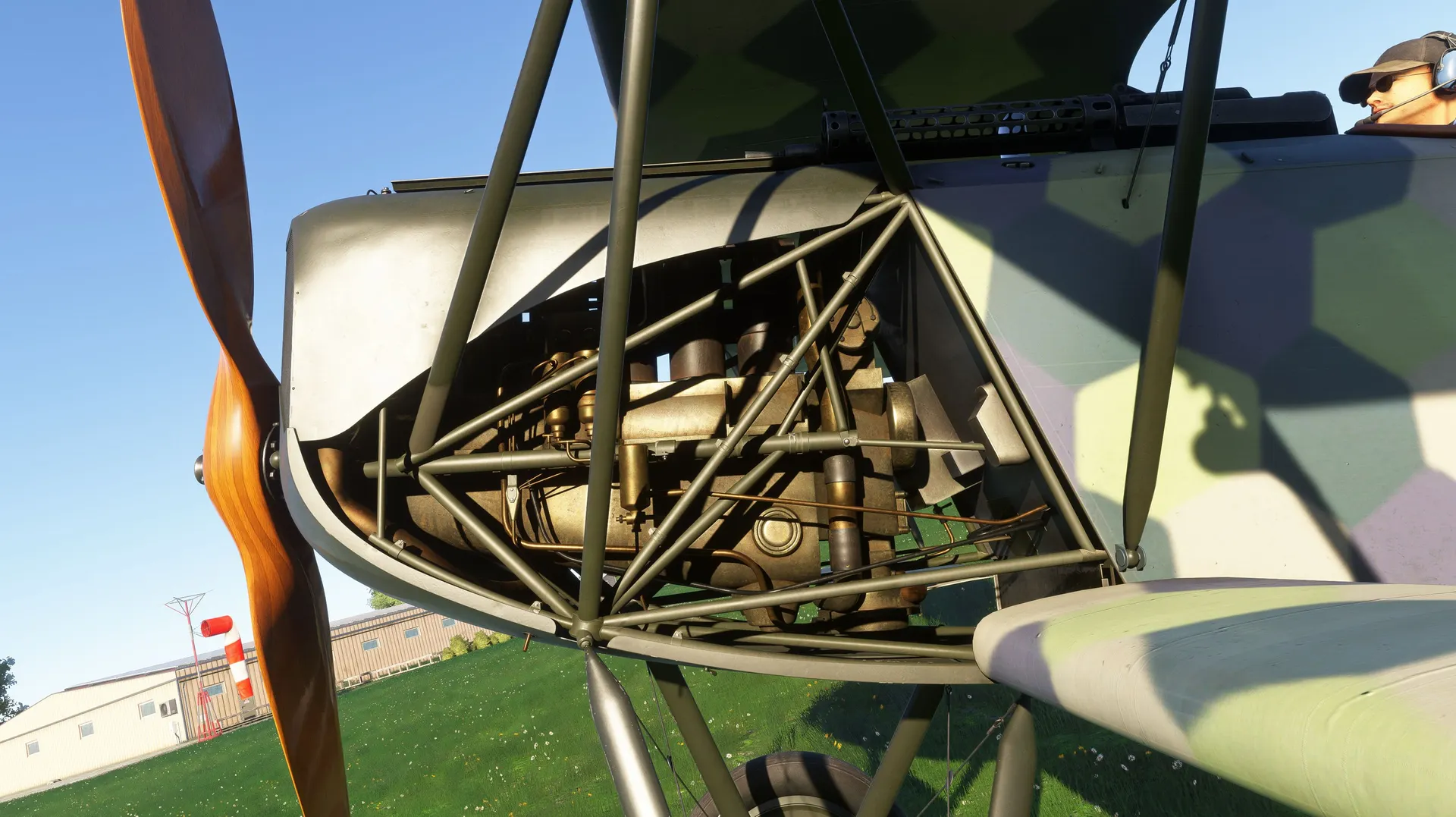
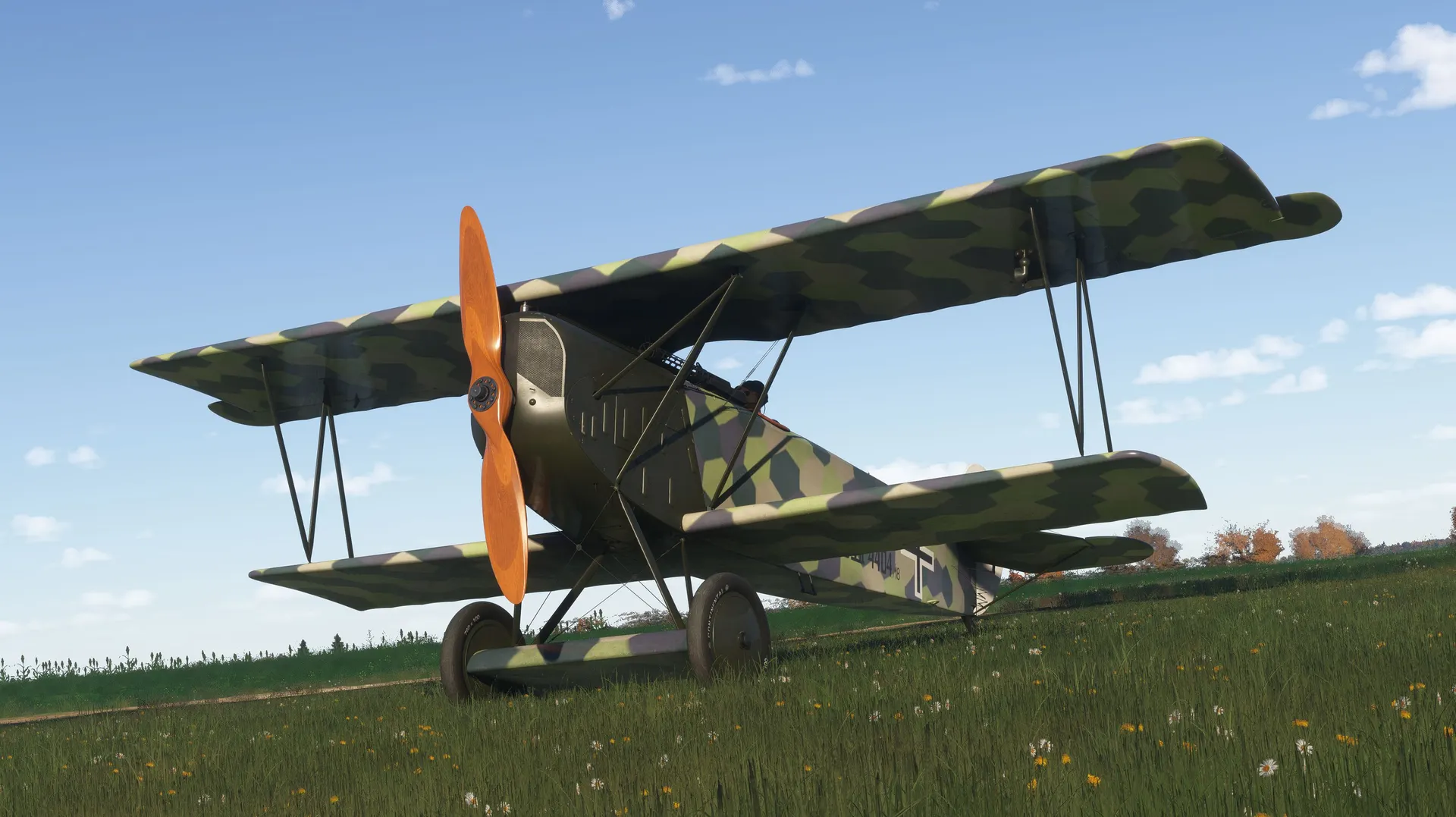
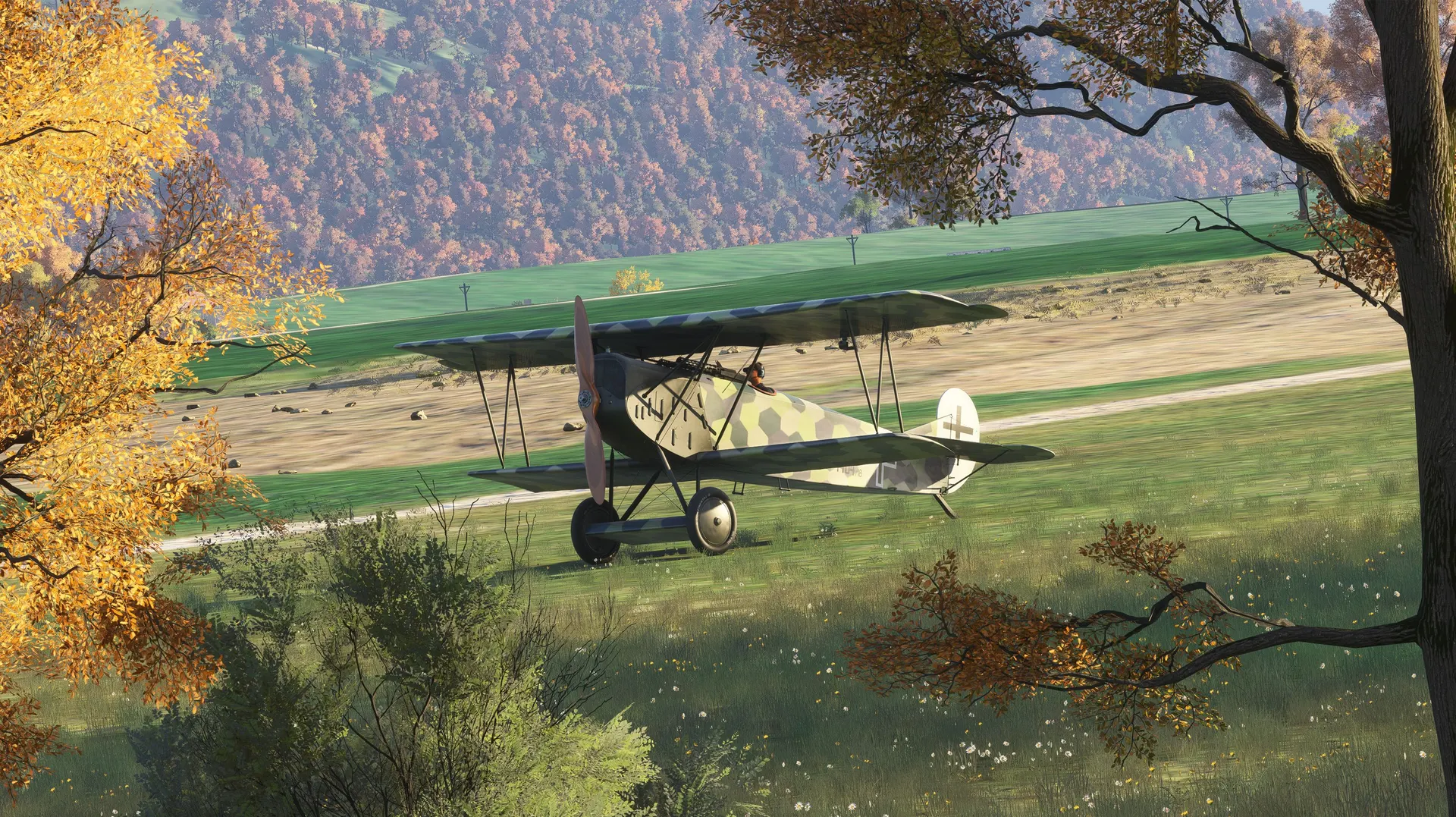
  • Highly detailed and accurate model of the D.VII
  • High resolution 8K textures
  • Animated control surfaces, cables, propellers, and more

8K LIVERIES

  • Luftstreitkrafte D.4404/18 (1918)
  • US Air Army Service A.S.2113 (1920)
  • US Air Army Service S323 (1920)
  • Erich Loewenhardt Jasta 10 (1918)
  • Franz Büchner Jasta 13 (1917)
  • Ernst Udet 4253/18 (1918)
  • Hermann Göring 5125/18 (1918)
  • Belgium Air Force 6693 (1919)
  • Polish Air Force 503 (1918)
  • Netherlands PH-LVA (2018)

COCKPIT

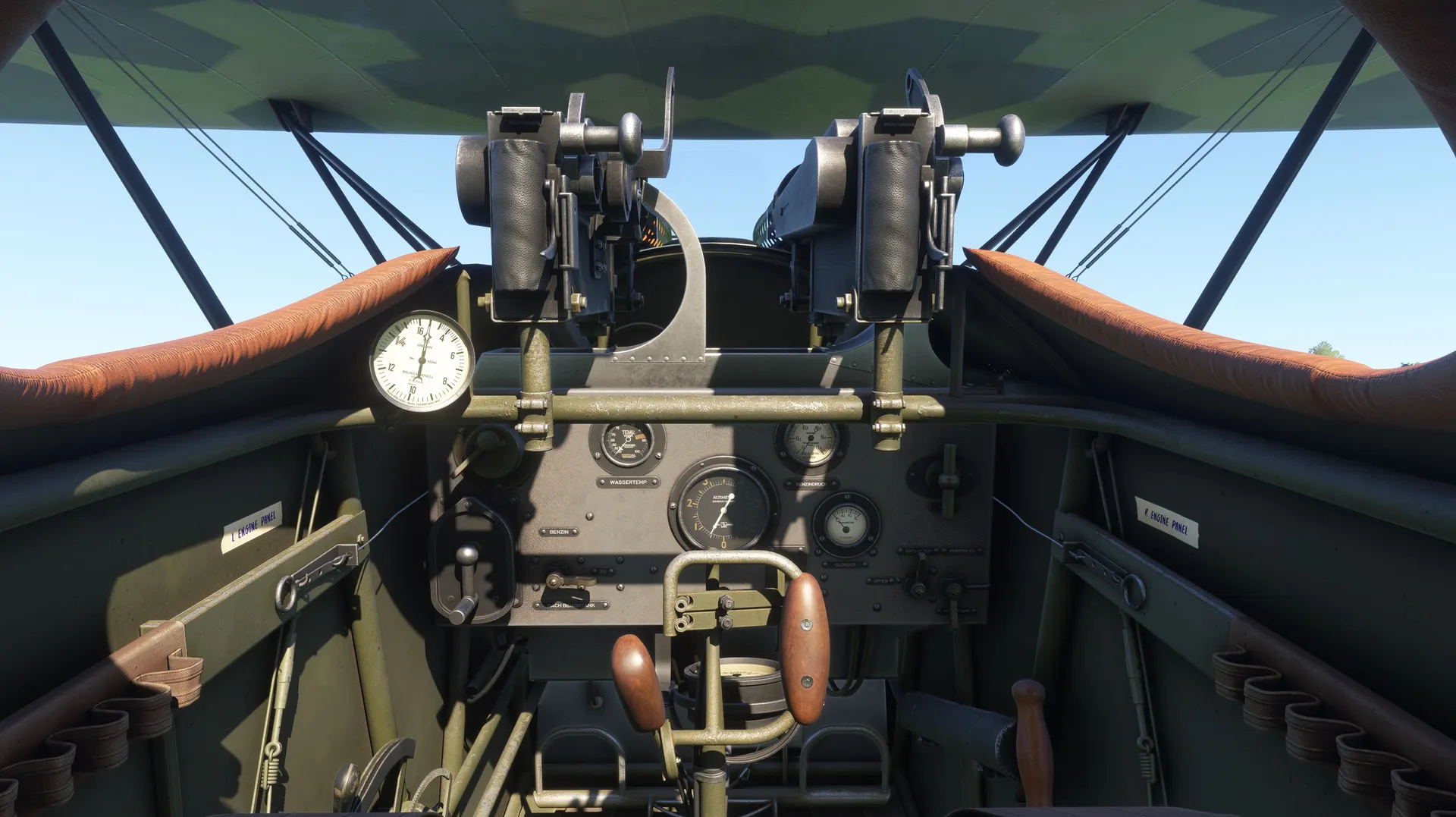
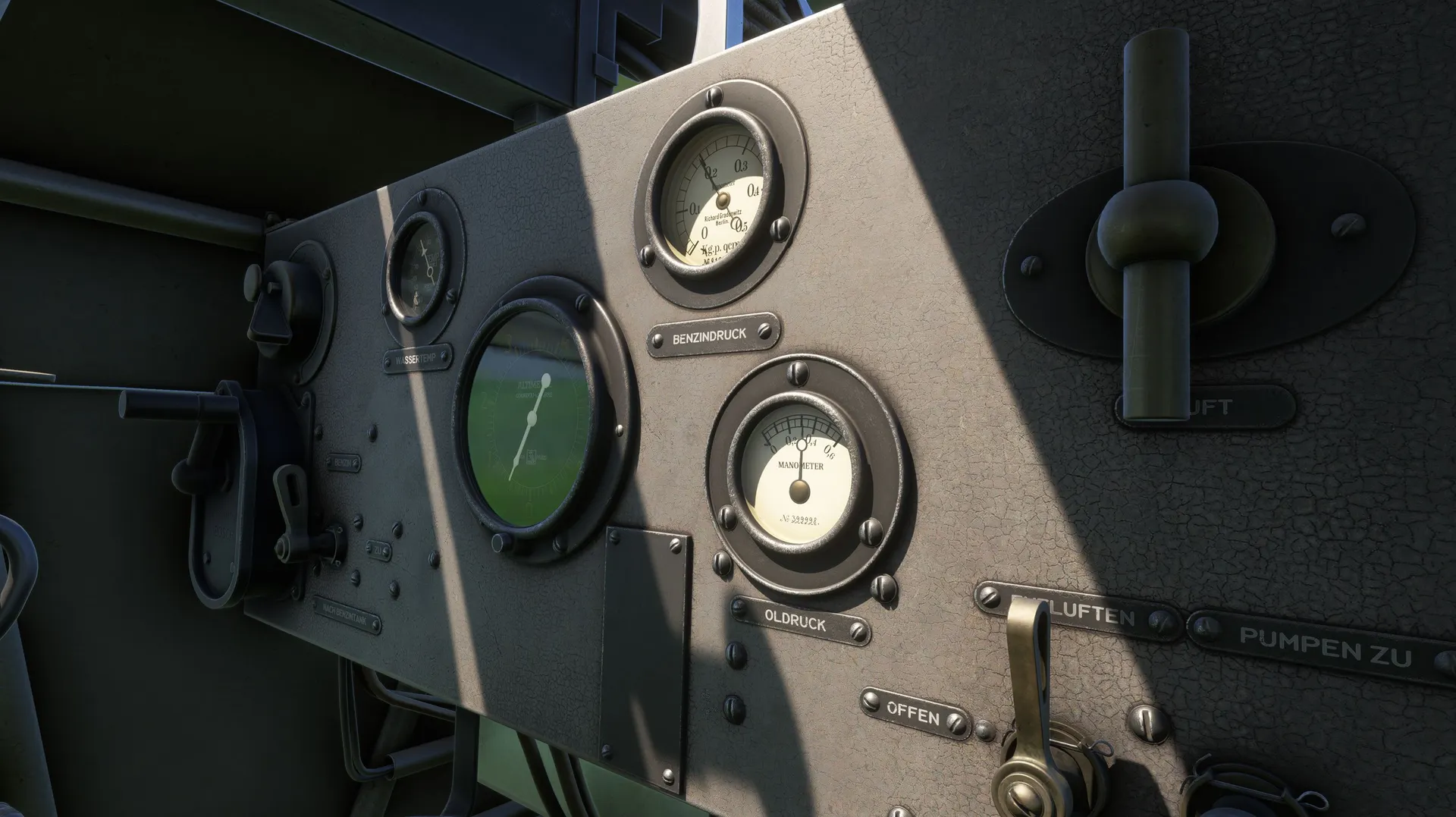
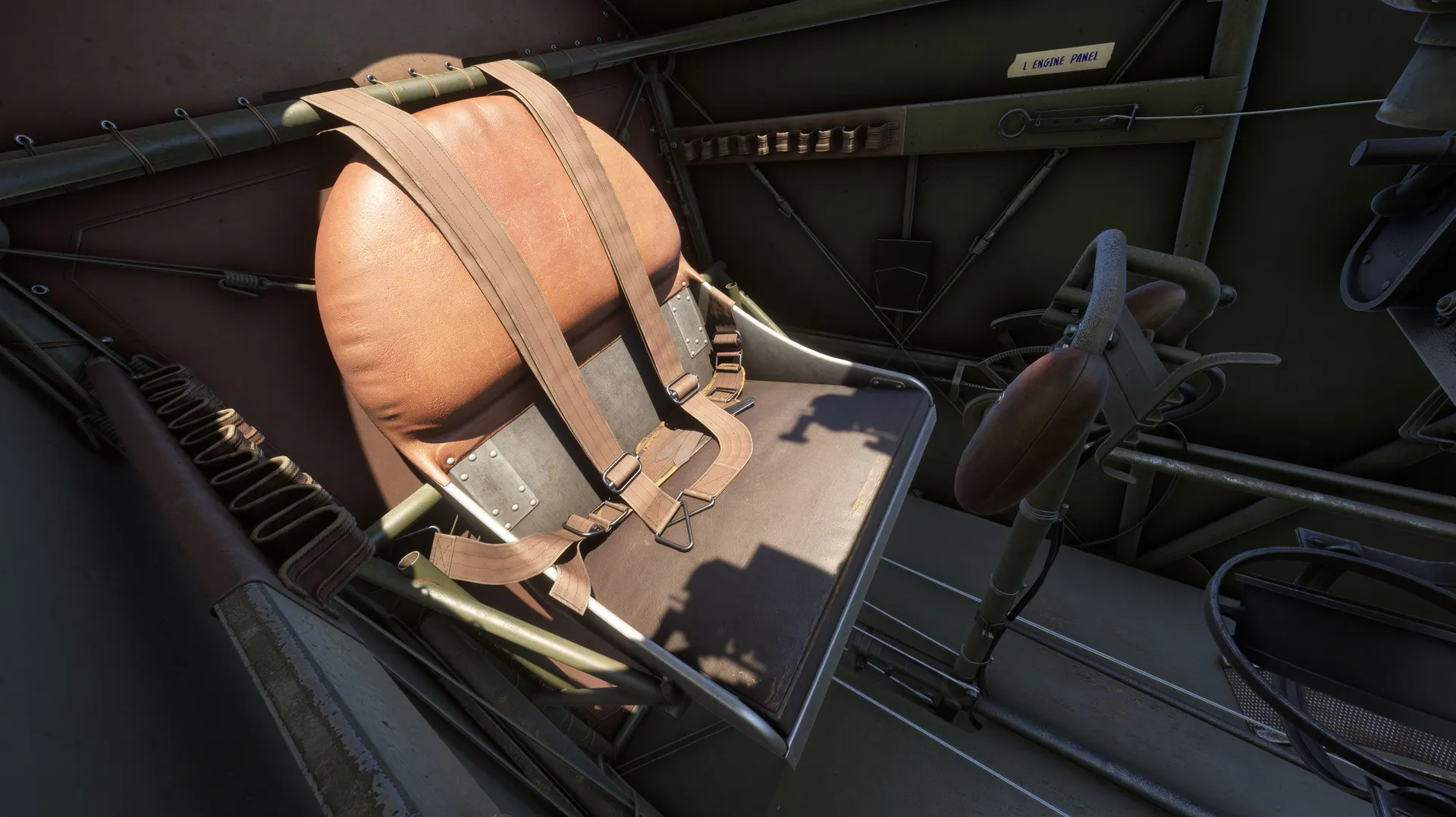
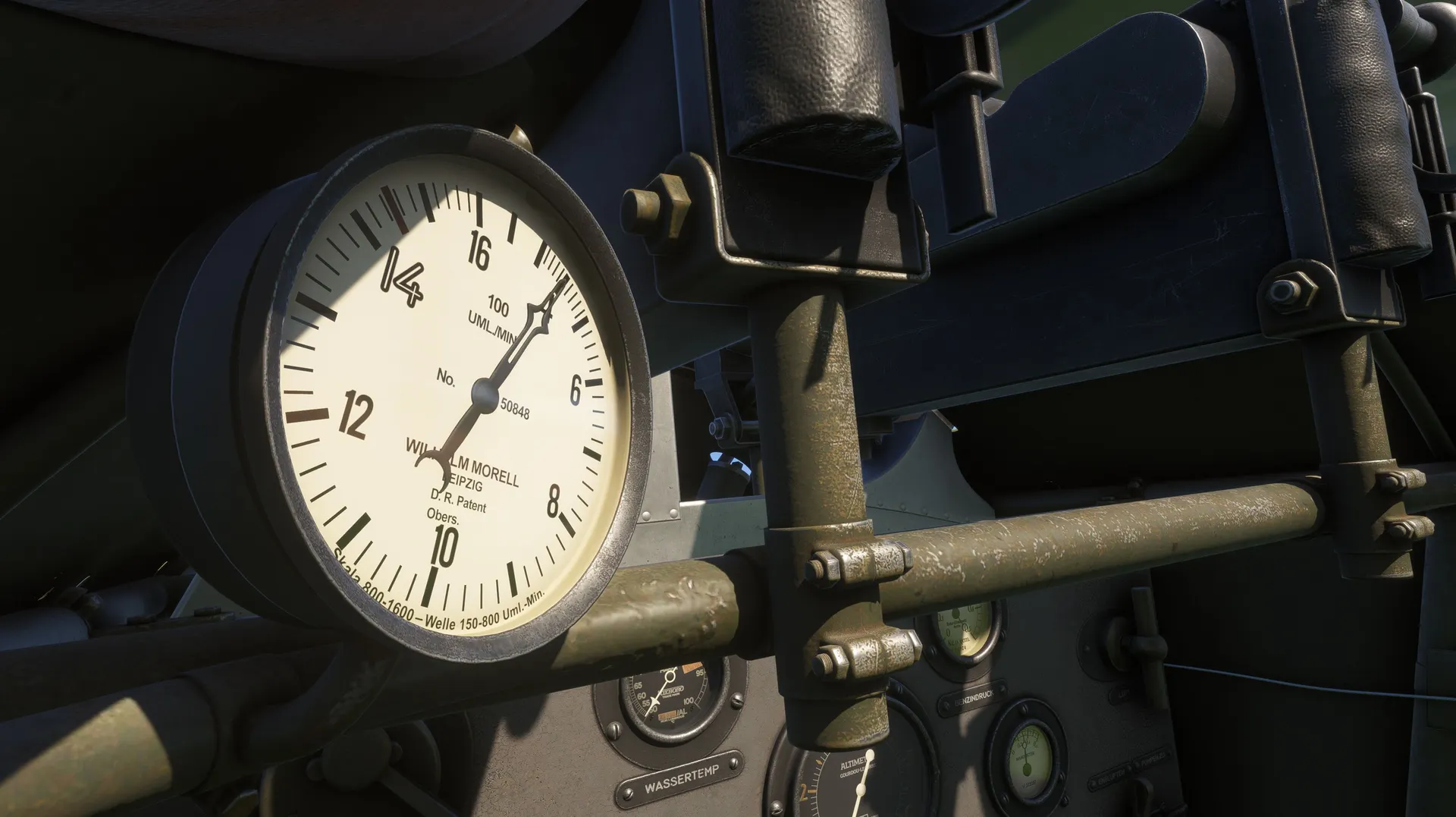
  • Authentic cockpit and instrument layout
  • Functional gauges and controls
  • High resolution textures
  • Custom views

MISC FEATURES

  • Fitting flight model
  • User Manual
  • Repaint kit
  • Supports most features of MSFS (rain&icing effects and more)
  • Sim Ops

Compatible with MSFS 2024.
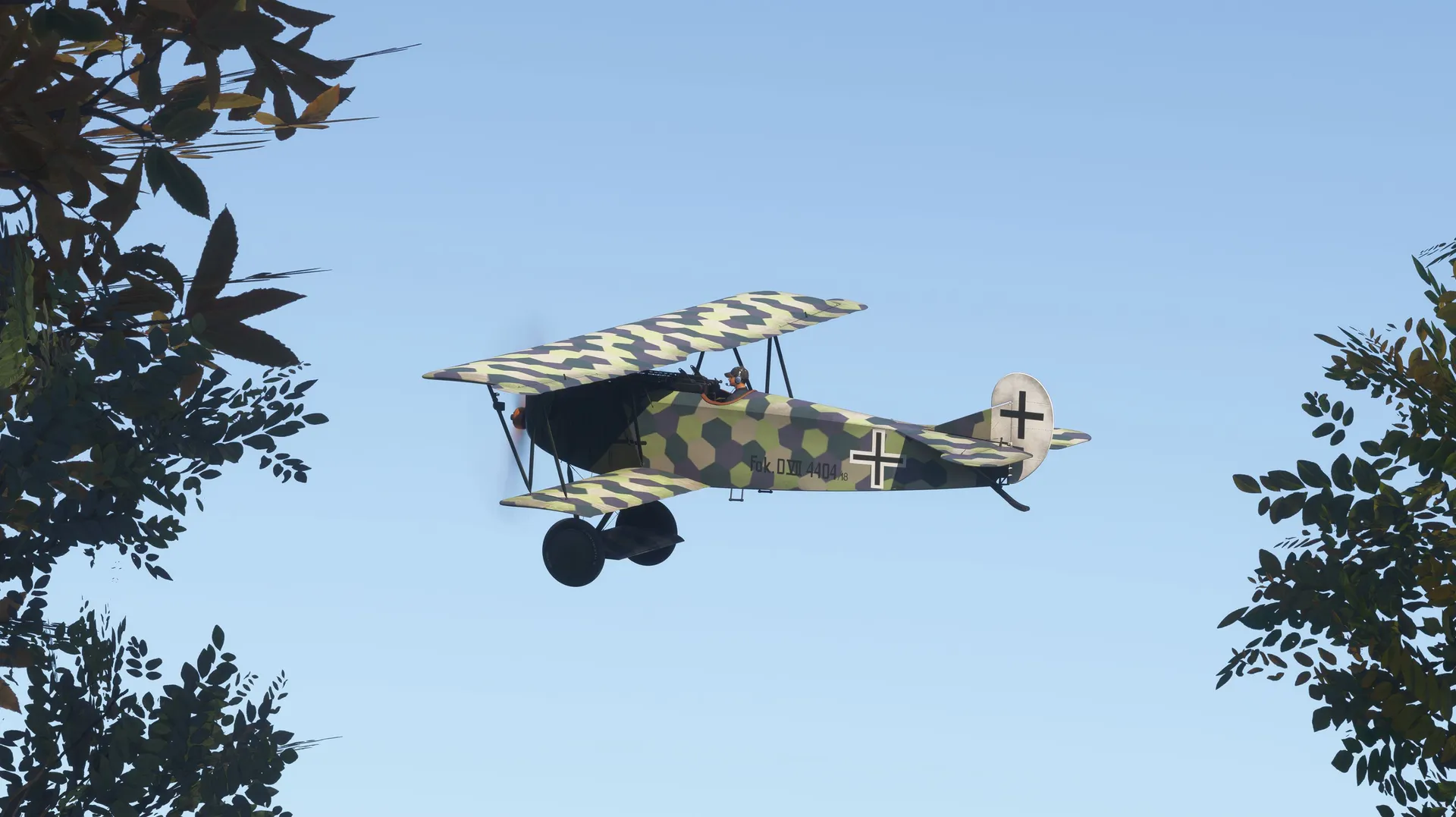
The D.VII is a German single-engine, single-seat, World War I-era military biplane developed and manufactured by pioneering aviation company Fokker. It took its maiden flight in January of 1918 and entered service just a few months later, in May. It immediately earned a reputation as a formidable tactical aircraft due to its outstanding performance and pilot success in air-to-air engagements. Approximately 3,300 were manufactured, and several original models remain in museums.

The D.VII emerged in early 1918 during a fighter aircraft competition sponsored by the German government. Renowned German fighter ace, Manfred von Richthofen (known as the “Red Baron”), strongly endorsed a prototype of the D.VII, and Germany quickly adopted it. The D.VII entered service in early May of 1918 and by the height of that summer, German pilots had downed more than 500 Allied aircraft with nimble biplane. The D.VII could climb faster, fly higher, and was more maneuverable than most Allied airplanes at the time. After the Armistice, several Allied countries took possession of large numbers of the biplane, including the United States, Great Britain, and France.

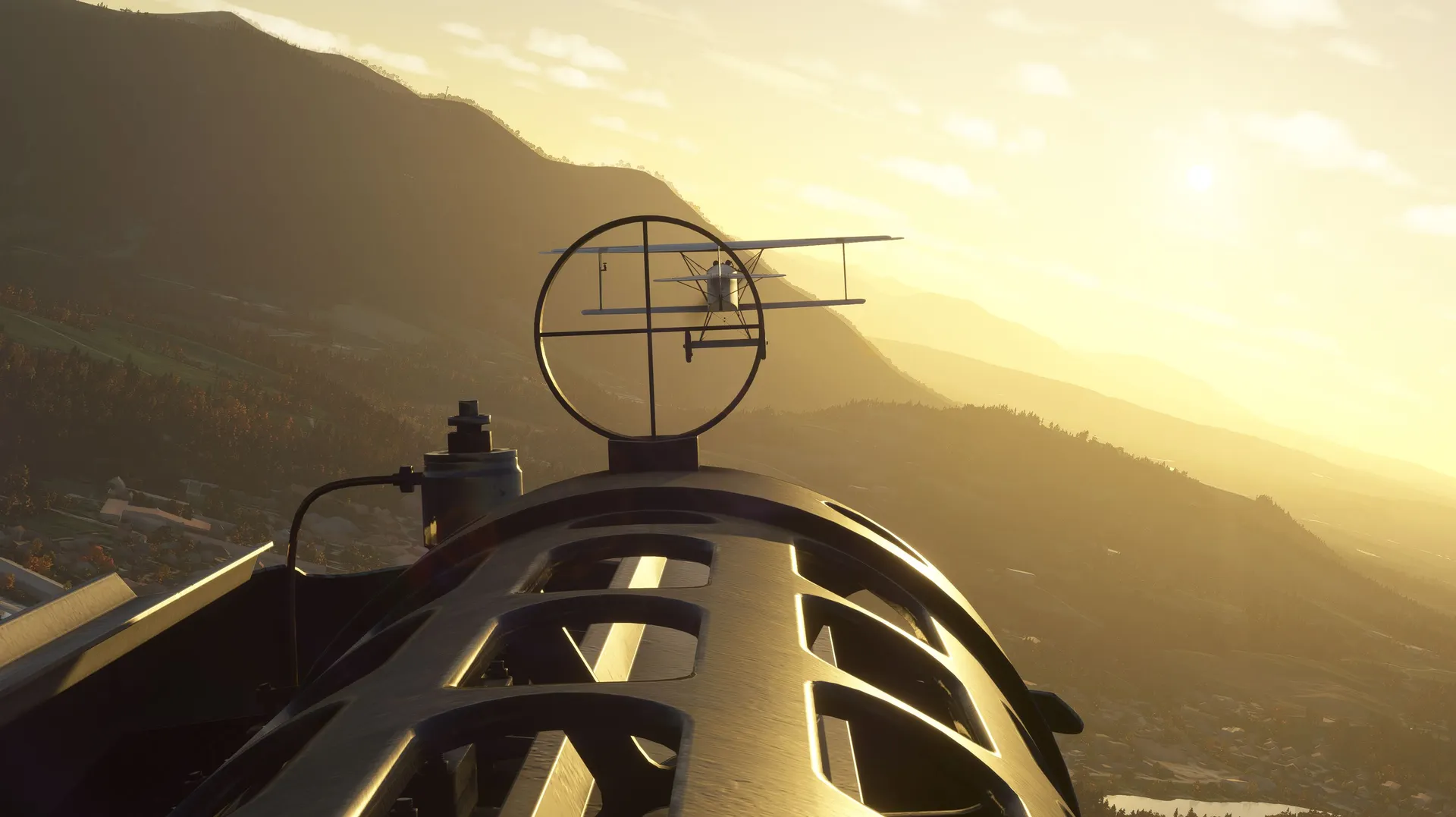
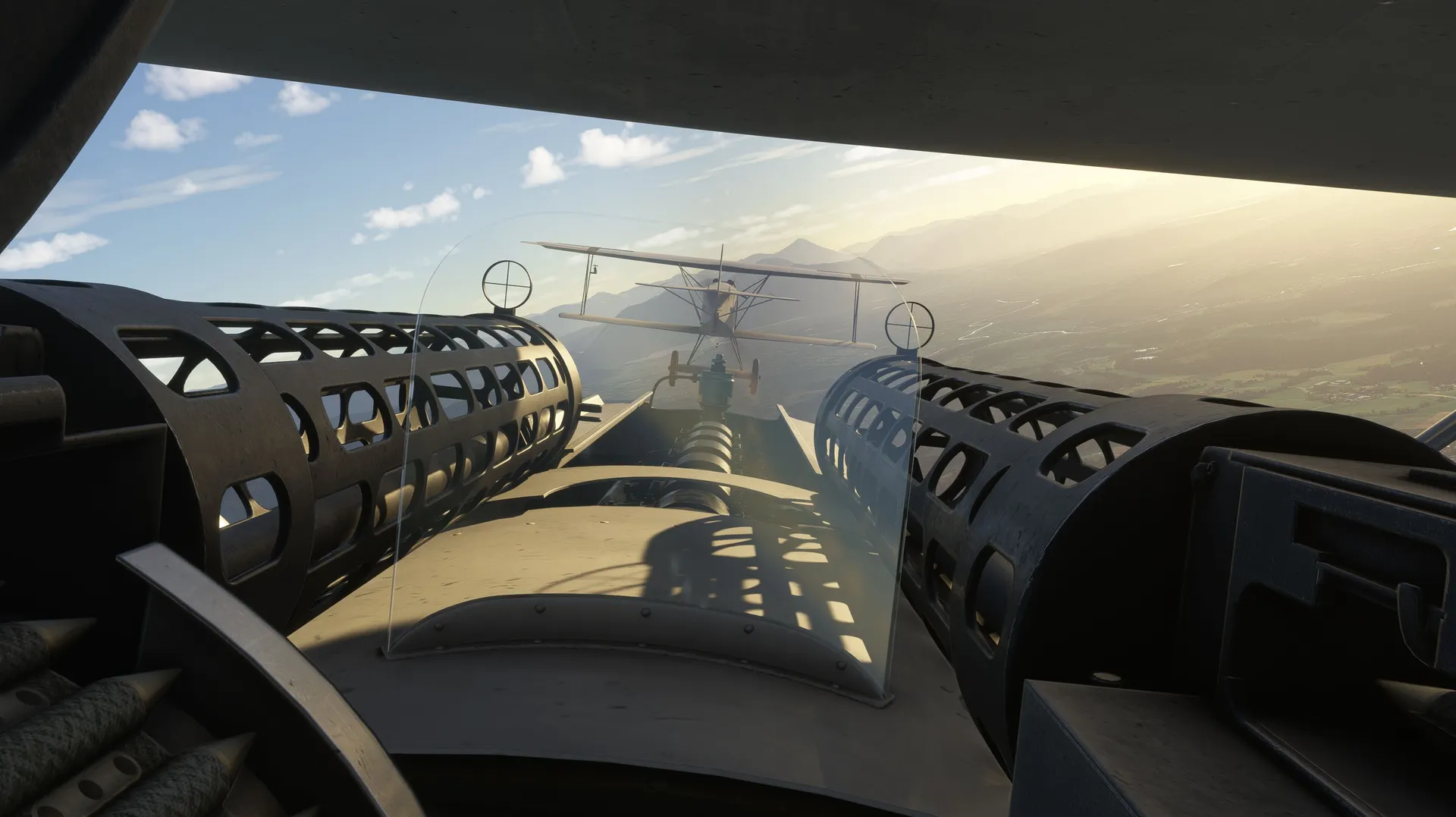
The D.VII is constructed with wood framing and fabric covering. It features an open cockpit design, a standard empennage, and a fixed standard undercarriage. During its operational tenure, it was armed with two fuselage-mounted Spandau 7.92mm machine guns synchronized to fire through the aircraft’s propeller arc.

The D.VII measures 22 feet, 10 inches in length, stands 9 feet tall, and has a wingspan of 29 feet, 2 inches. It is powered by a single Mercedes D.IIIa 6-cylinder piston engine that delivers up to 170 horsepower that turns a 2-blade, fixed-pitch propeller.

When operational, the Fokker D.VII had a range of 165 miles, a service ceiling of 20,000 feet above sea level, a climb rate of 772 feet per minute, and a top speed of 117 miles per hour.

Specifications


CRUISE SPEED100 mph (165 km/h)
ENGINEMercedes D.IIIa
MAX ALTITUDE20,000 ft (6000 m)
RANGE165 miles (265 km)
MAX WEIGHT1,985 lb (900 kg)
FUEL CAPACITY26 Gal (100 L)

VERSION 1.0.0 RELEASED JUNE 10, 2026