- USD 39.49
- View more offers at FS Addon Compare
- Added: June 23, 2026
- Updated: June 24, 2026
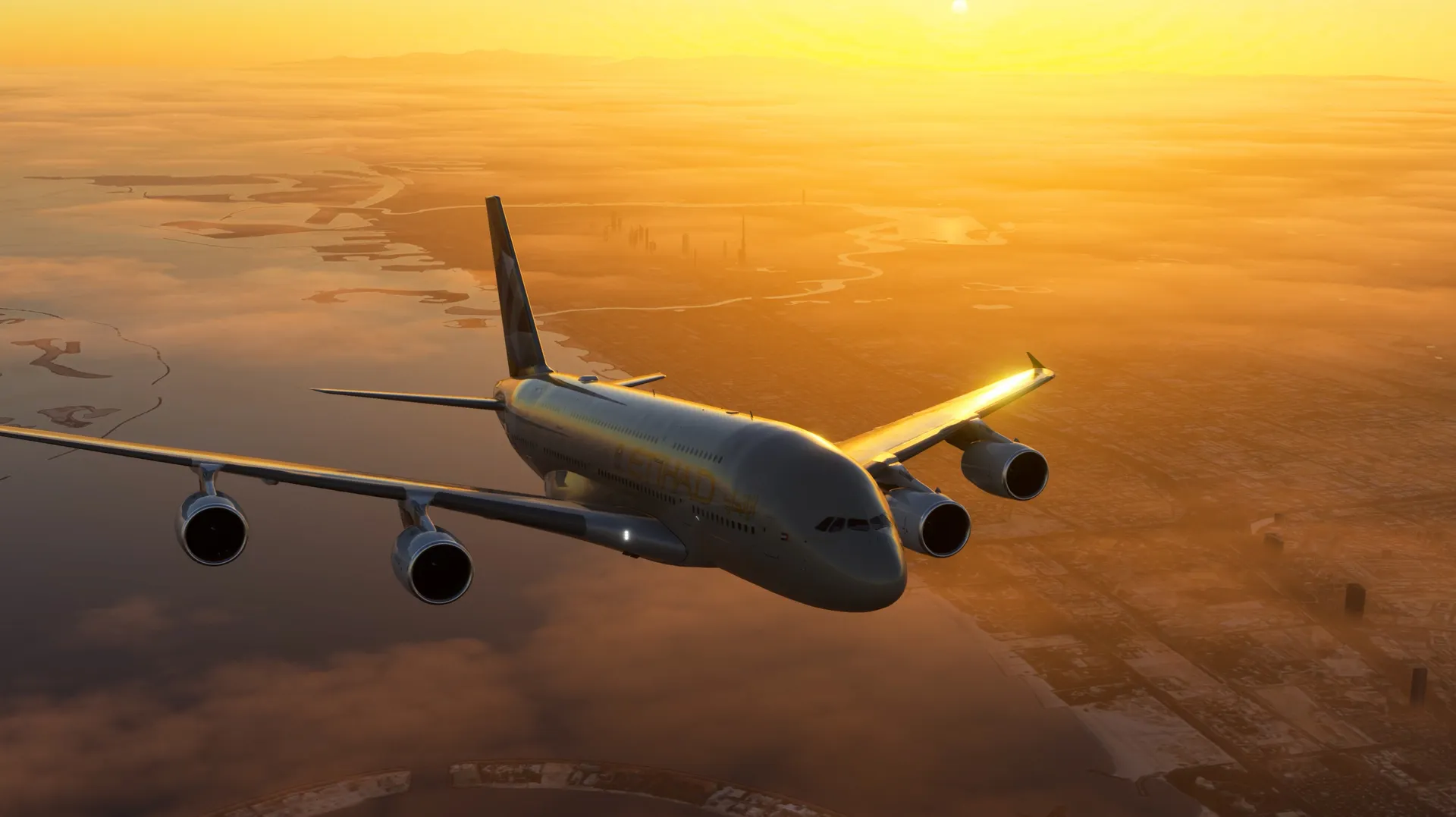
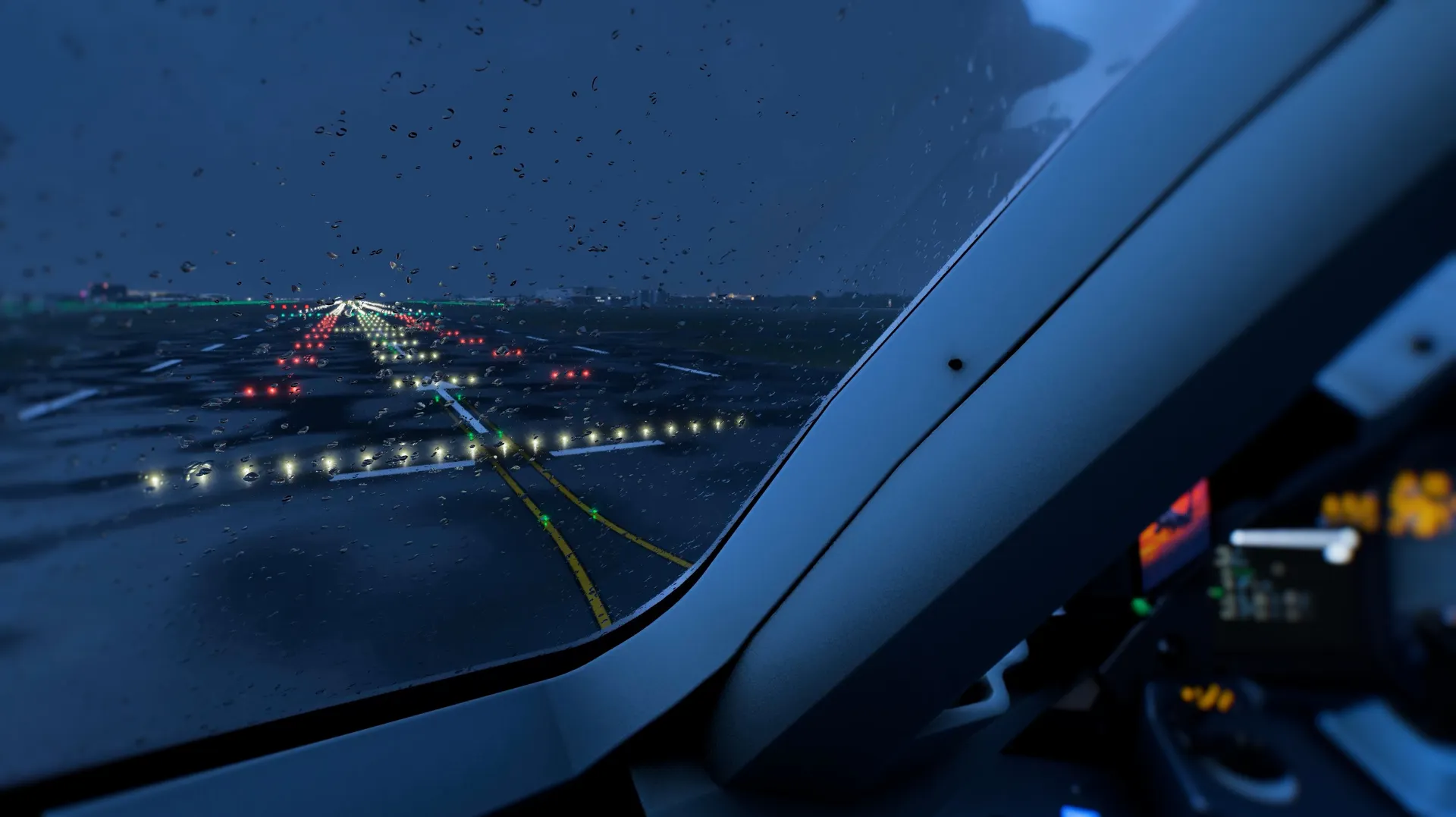
The Superjumbo, Fully Realised The Airbus A380 is unlike anything else in the sky. With its sweeping double-deck fuselage, four turbofan engines and a cabin that carries over 500 passengers across the longest routes on earth, it commands attention wherever it goes. LVFR's A380-800 brings this icon to Microsoft Flight Simulator 2020 and FS2024. If you buy the Fs2020 copy you will get the Fs2024 verion free.
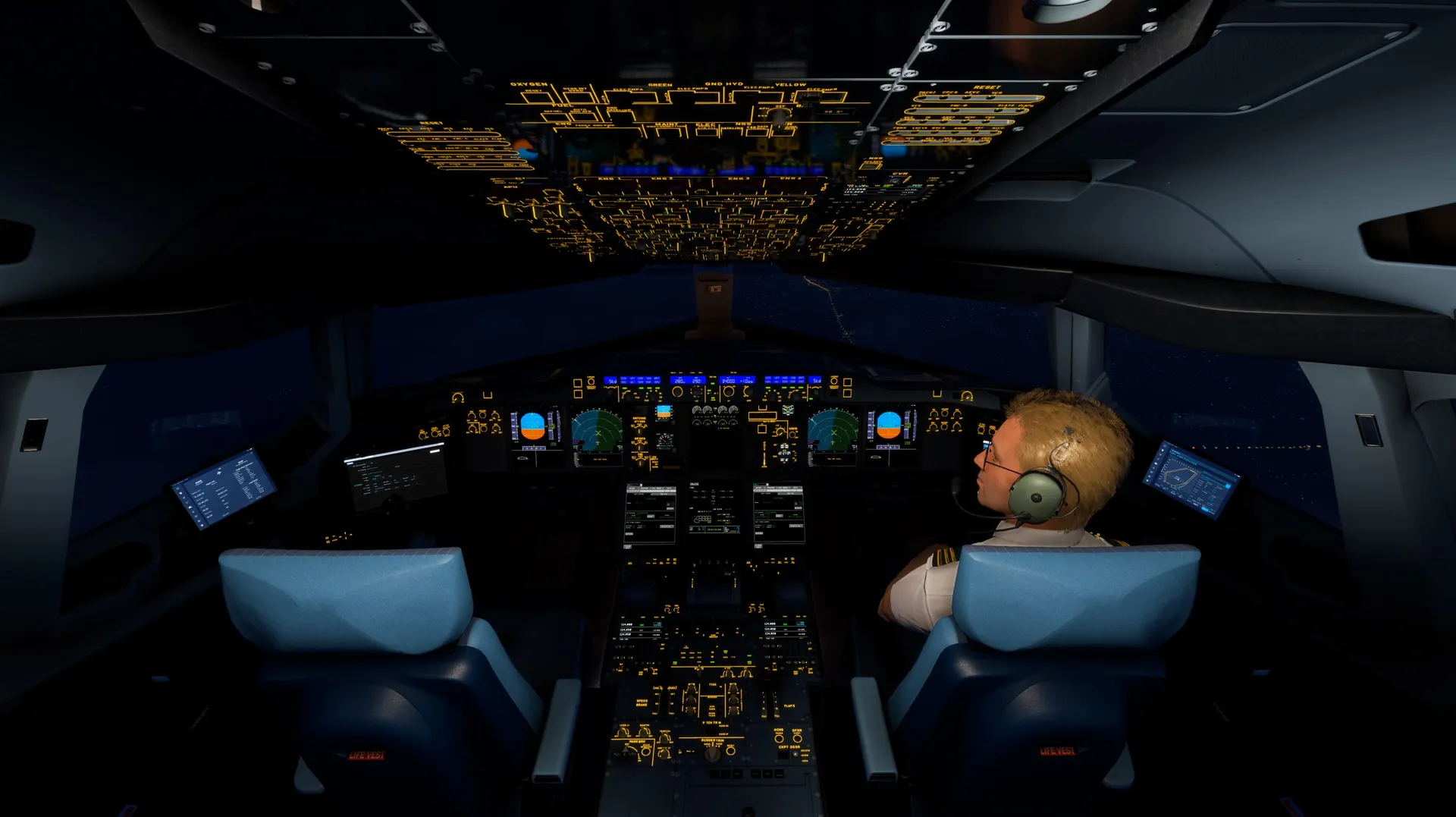
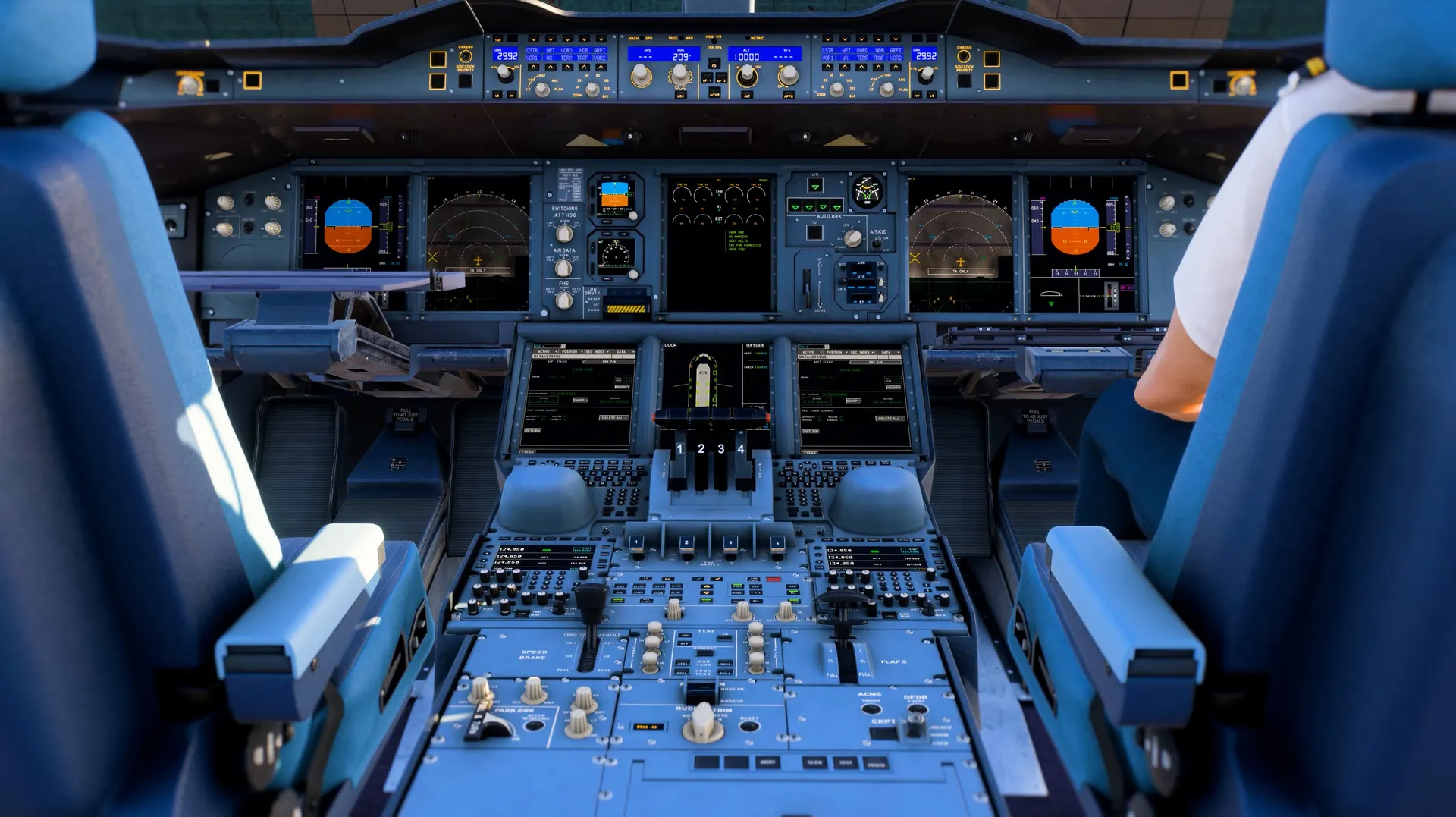
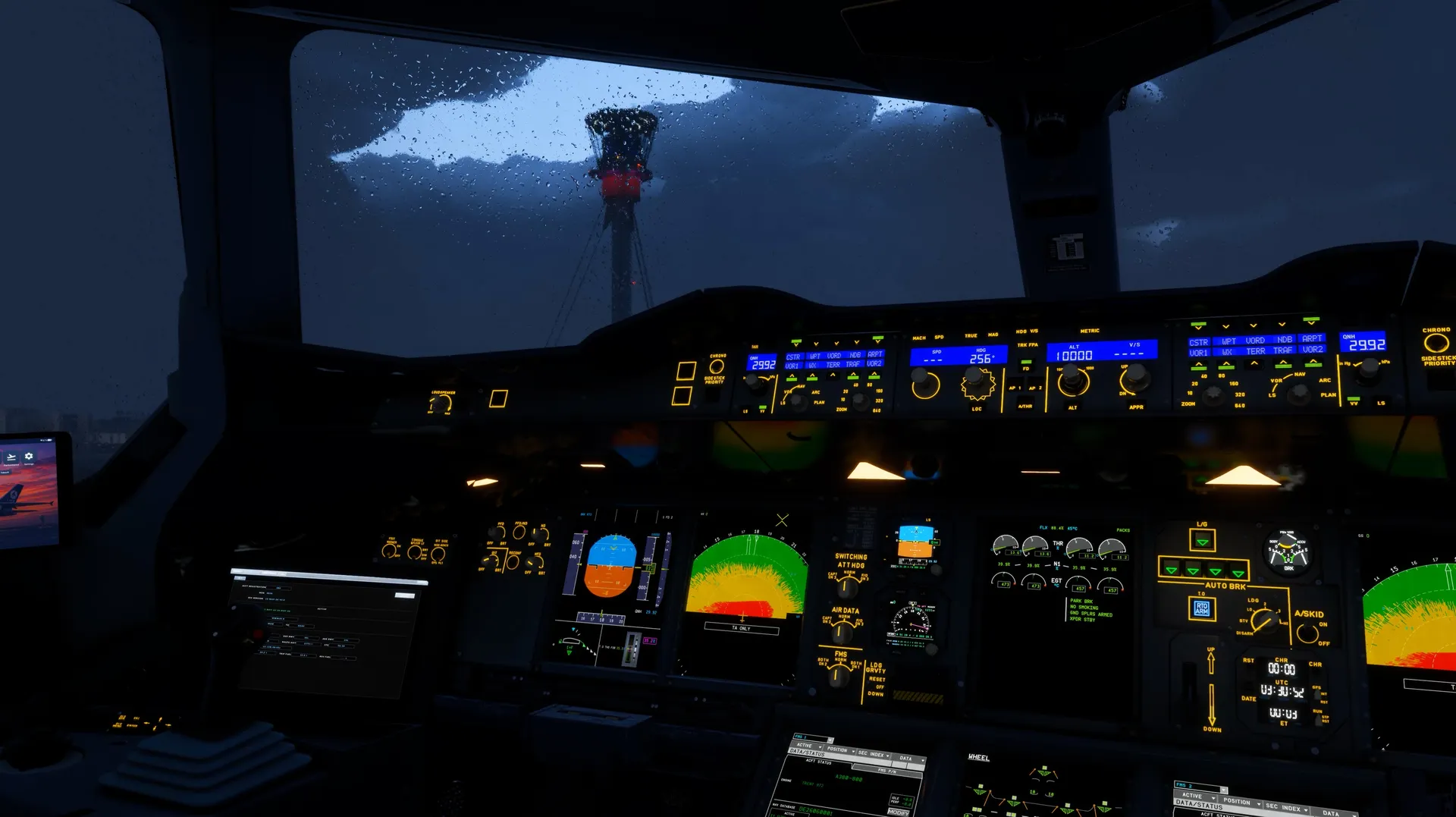
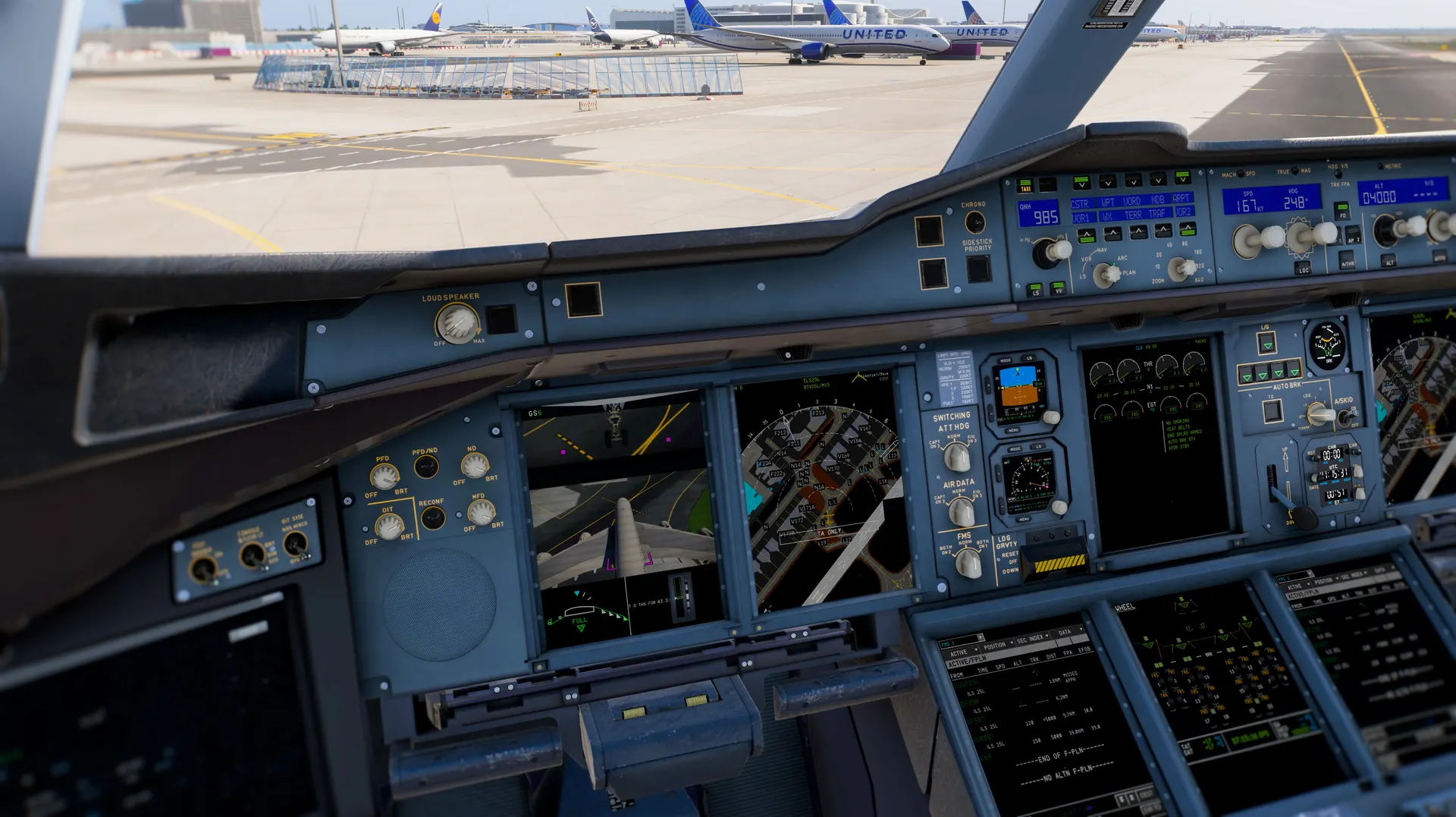
Full advanced FMS Complete flight planning from departure to arrival with SIDs, STARs, approaches, holds, DIR TO, step climbs, secondary F-PLNs, and advanced tools including ETP, FIX INFO, OFFSET and TIME MARKER -- all operationally wired. Airbus-accurate autopilot and autothrust Every managed and selected mode fully implemented: CLB, DES, ALT, V/S, FPA, NAV, LOC, G/S, GP, SRS, FLARE and ROLLOUT. CAT3 dual autoland, RNAV and FLS approaches, and a managed step-climb system that autonomously climbs the aircraft at the correct step fix. Live ECAM warning system Around 80 wired EWD messages covering warnings, cautions and memos, each with inline procedures, flight-phase inhibition, master WARNING/CAUTION aurals, CLR/RCL, T/O CONFIG test and automatic SD page calls -- driven by real aircraft signals throughout. Fully interactive Navigation and Primary Flight Displays ND with all modes and ranges, TCAS traffic, Airbus 4-band weather radar, terrain, pseudo-waypoints (T/C, T/D, DECEL, energy circle, intercept arrow), constraint circles, and OANS airport moving map for ground navigation. PFD with correct FMA sequencing, ILS/FLS diamonds, CAT3 annunciation and autoland overlay. Deep systems simulation Live hydraulics (G/Y/B), full electrical bus map (AC/DC/BAT), multi-tank FQMS with automatic transfers and cold-fuel detection, fuel jettison with visual effects, Brake-to-Vacate (BTV) with full runway exit targeting when Navigraph data is present, synthesized brake temperature, ETACS tail taxi camera, envelope protection (pitch/bank/yaw), and IRS alignment with a realistic 11-minute countdown. Polished cockpit integration Every FCU and EFIS knob and pushbutton wired with correct momentary behaviour and emissive states. Three functional RMPs, VOR/ADF needles, ND chronometer, OIT on both captain and first officer sides, EFB with SimBrief integration, GPWS callouts, and a cold-and-dark safety test overlay -- all verified in-simulator.
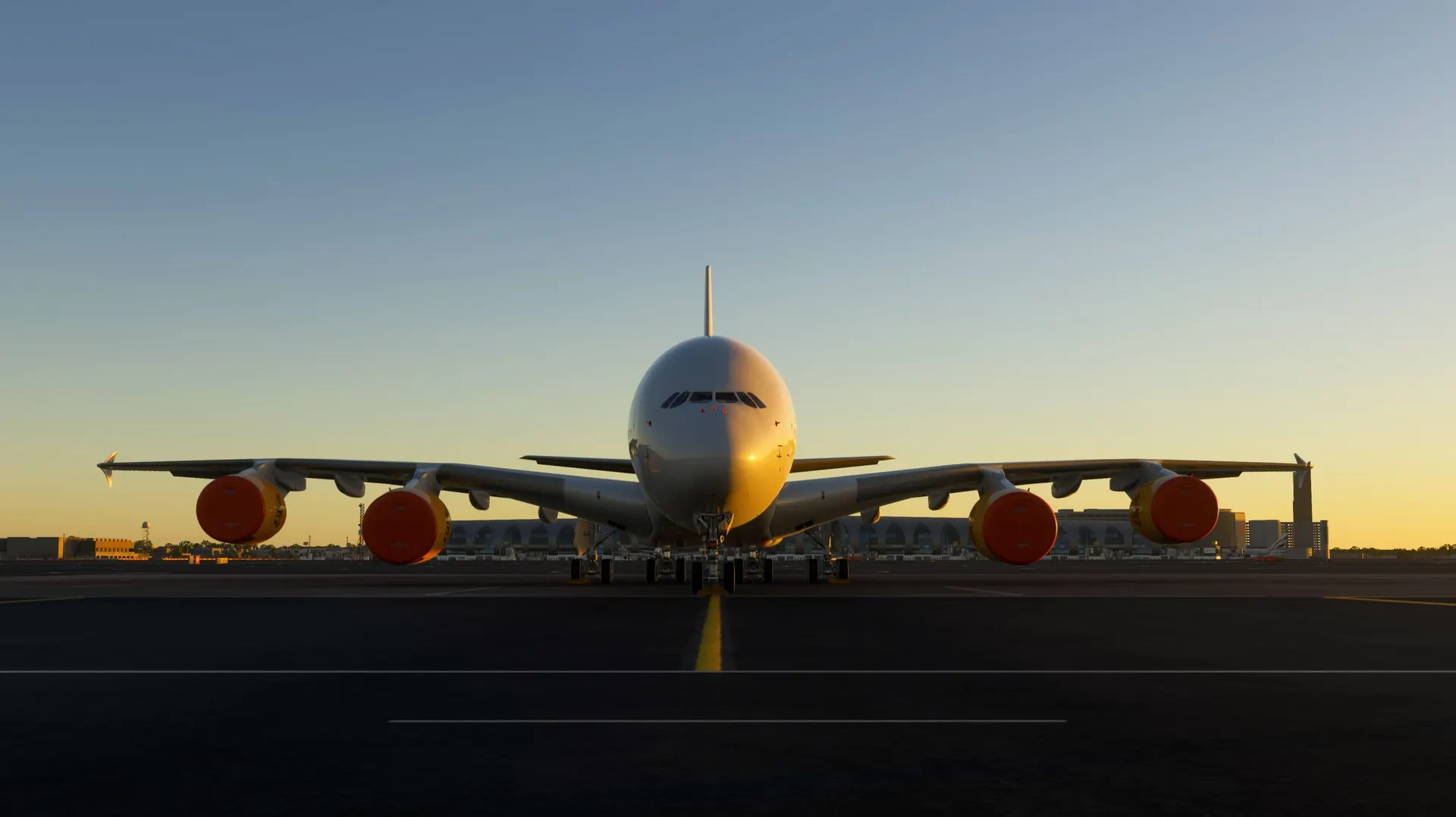
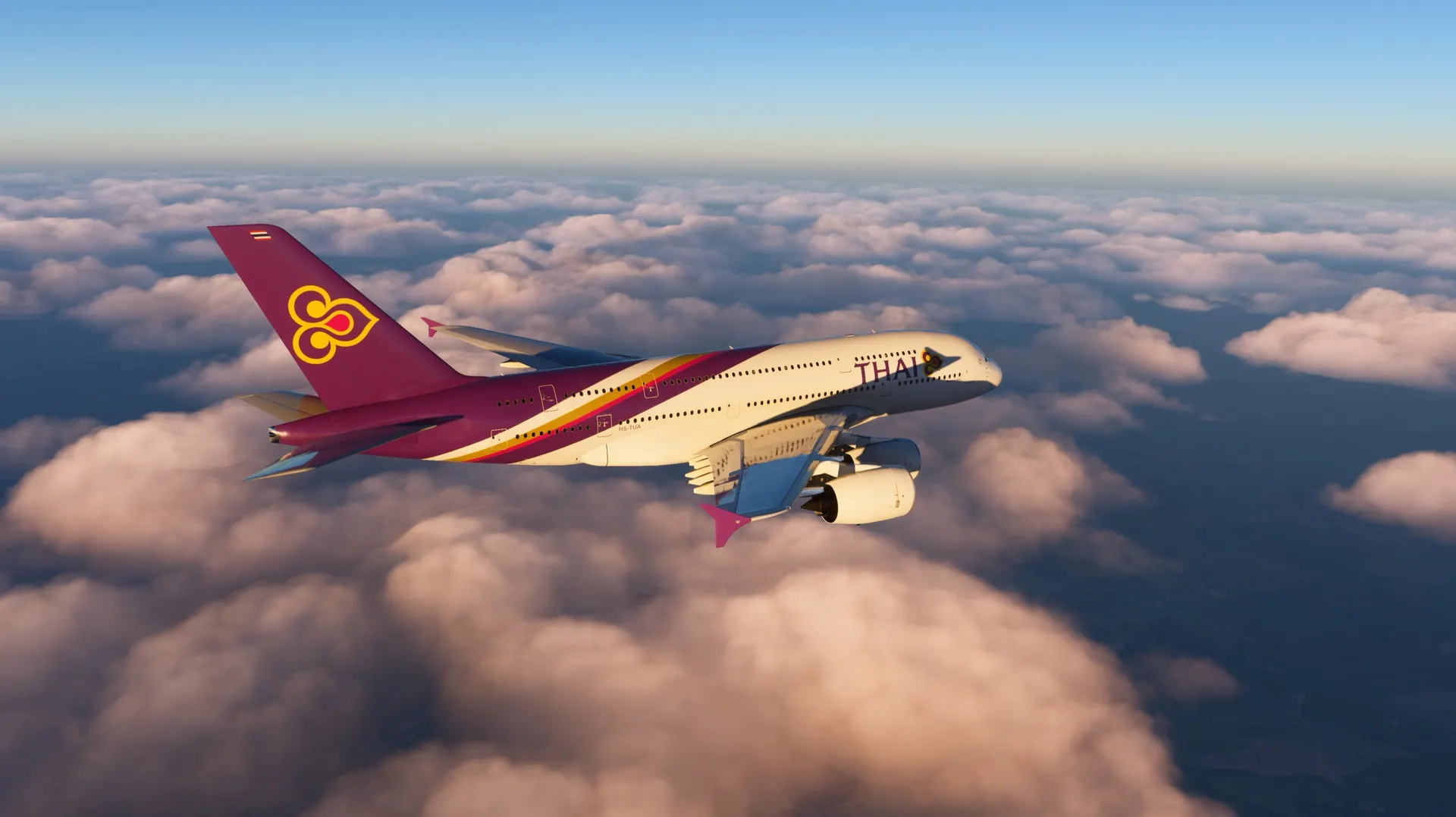
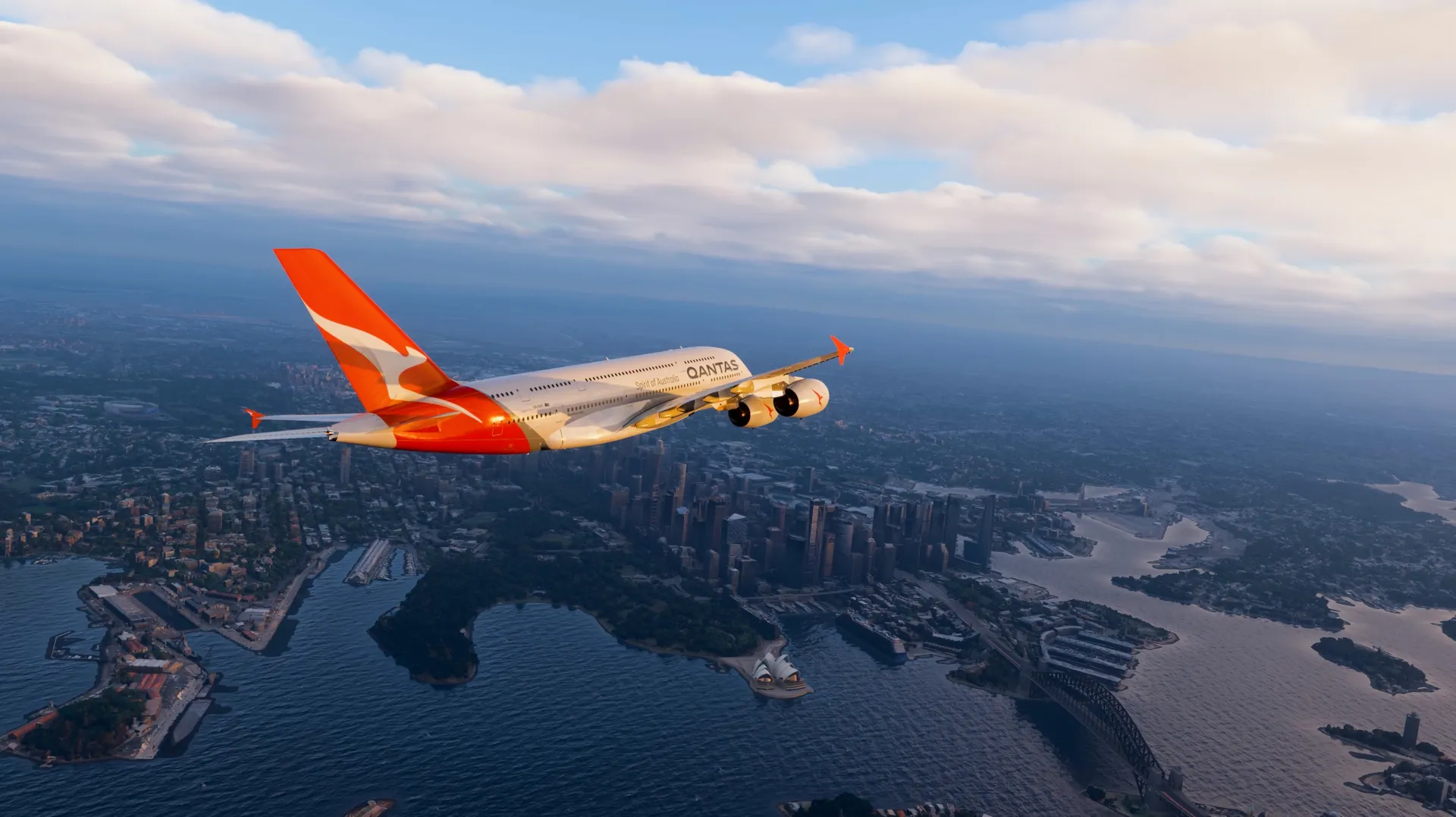
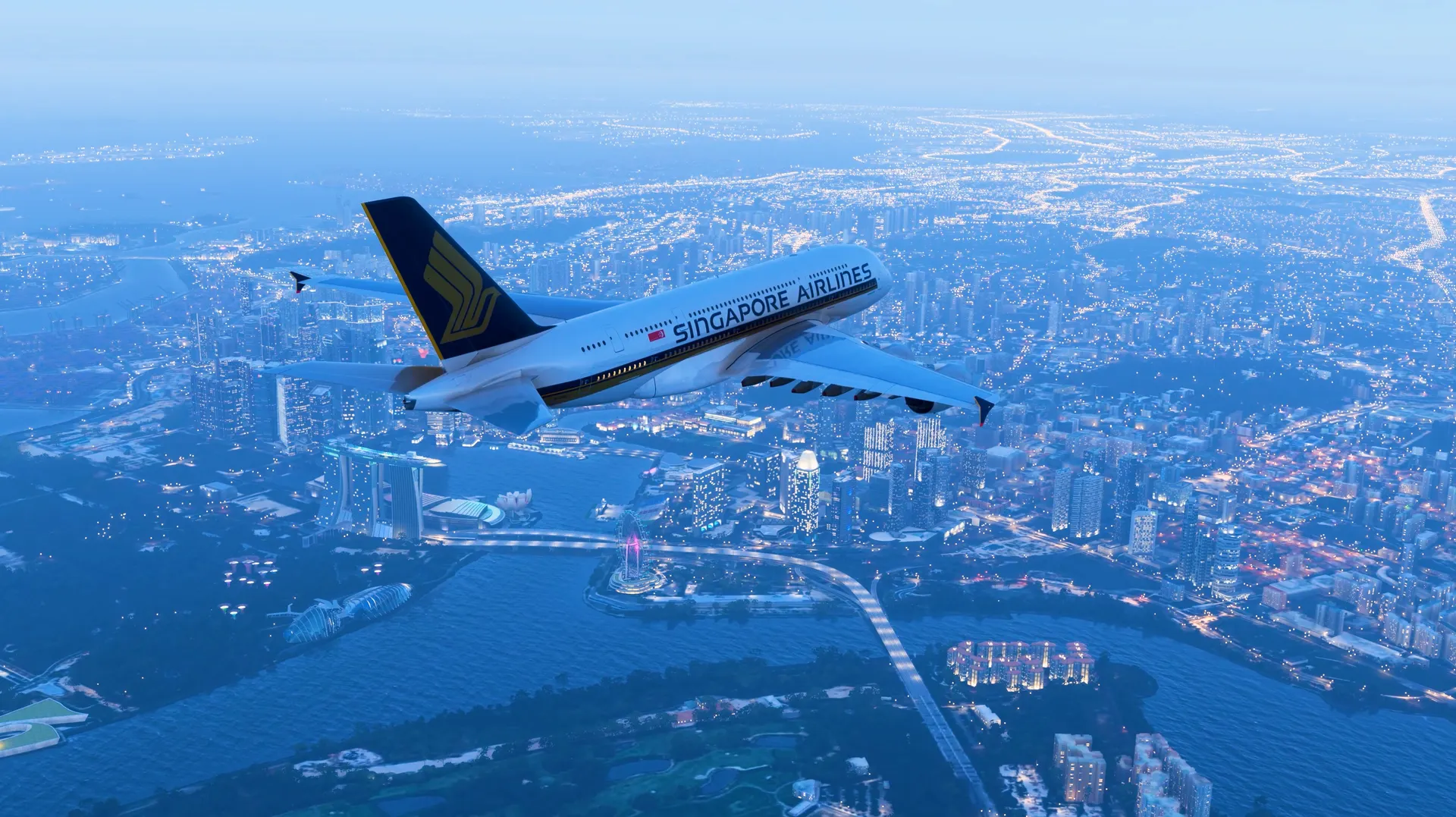
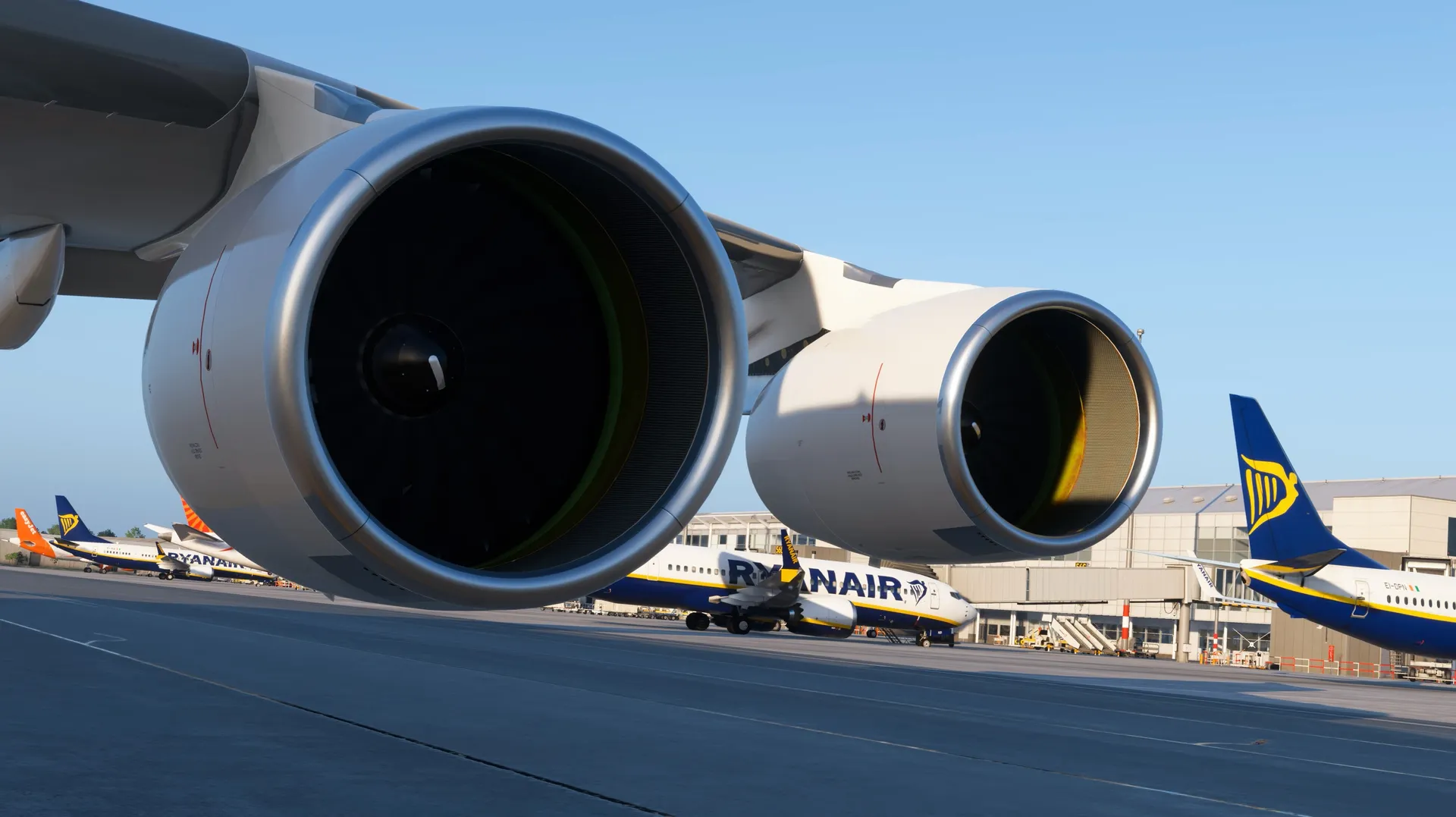
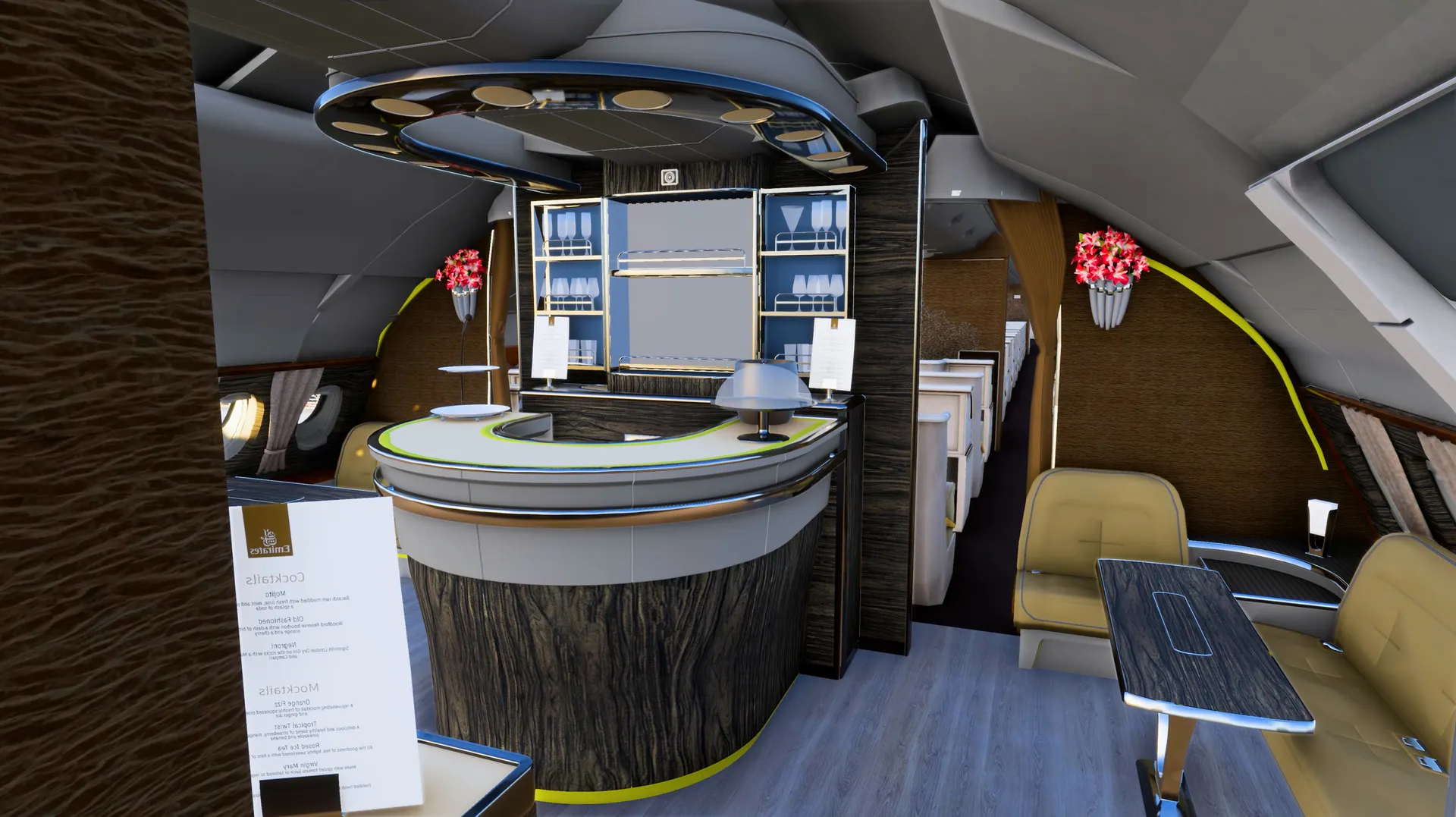
Two Engine Variants Rolls-Royce Trent 970 and Engine Alliance GP7200 -- both modelled as fully independent aircraft configurations with their own performance tables, thrust characteristics and FADEC logic. Engine management covers all four thrust detent positions (CLB/MCT/TOGA with correct thresholds), autothrust authority, N1/N2/EGT and fuel flow © LVFR Page 3 live on the ECAM ENGINE page, per-engine fire detection and agent discharge, bleed-off monitoring, windmill restart capability and engine-fail/N1-over-limit warnings -- giving each variant a distinct and authentic power delivery from takeoff through cruise. Liveries & Interiors 20 airline liveries across both RR and GP variants. Two cabin configurations -- a standard cabin and a premium Emirates interior -- each accurately matched to their real-world operators with highly detailed seat, trim and overhead modelling throughout. Sounds Dedicated soundsets for each engine variant, with authentic aural warnings, GPWS callouts, cockpit ambience and environmental sounds -- all mixed to give each variant its own character on the ground and in the air.
And both version FS2020 and Fs2024 sold together.