MSFS 2024 Status:
Investigating Marketplace
Support the site - donate!

FB-22 Strike Raptor

Rodrigo Moraes

SKUNK WORKSFB22 STRIKE RAPTORLOCKHEED MARTINSTEALTH FIGHTER BOMBER

3/5 (1)


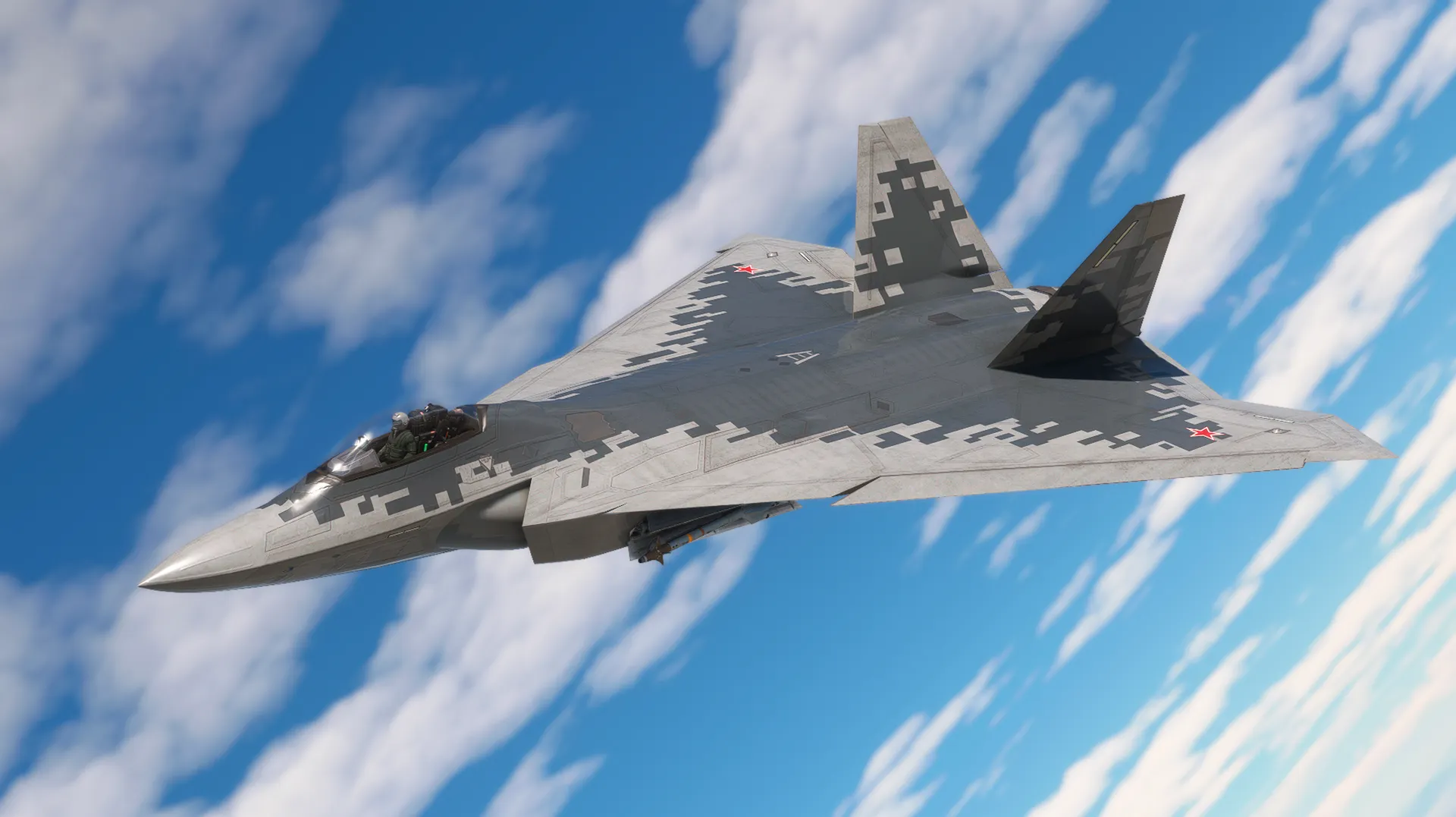
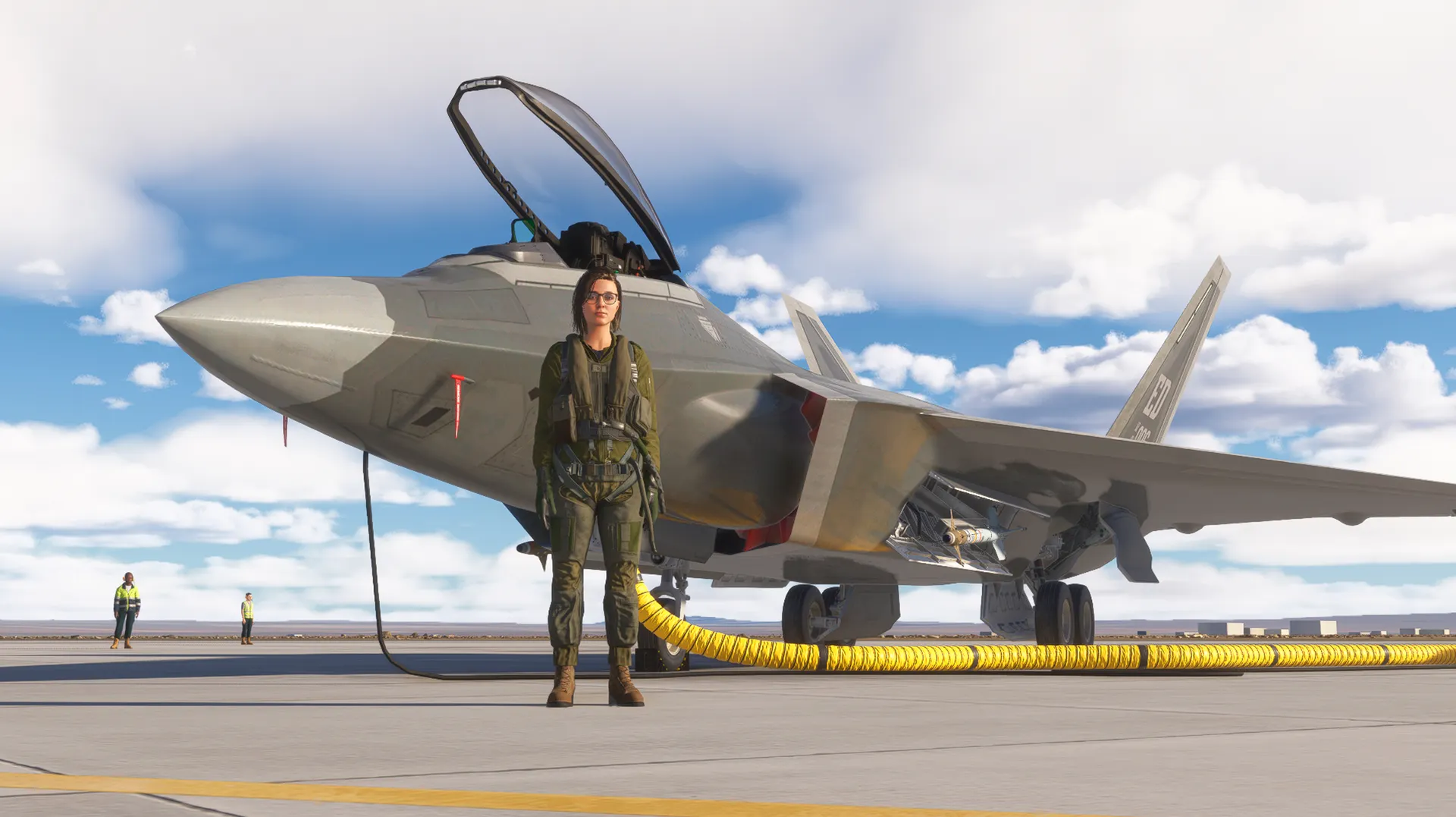
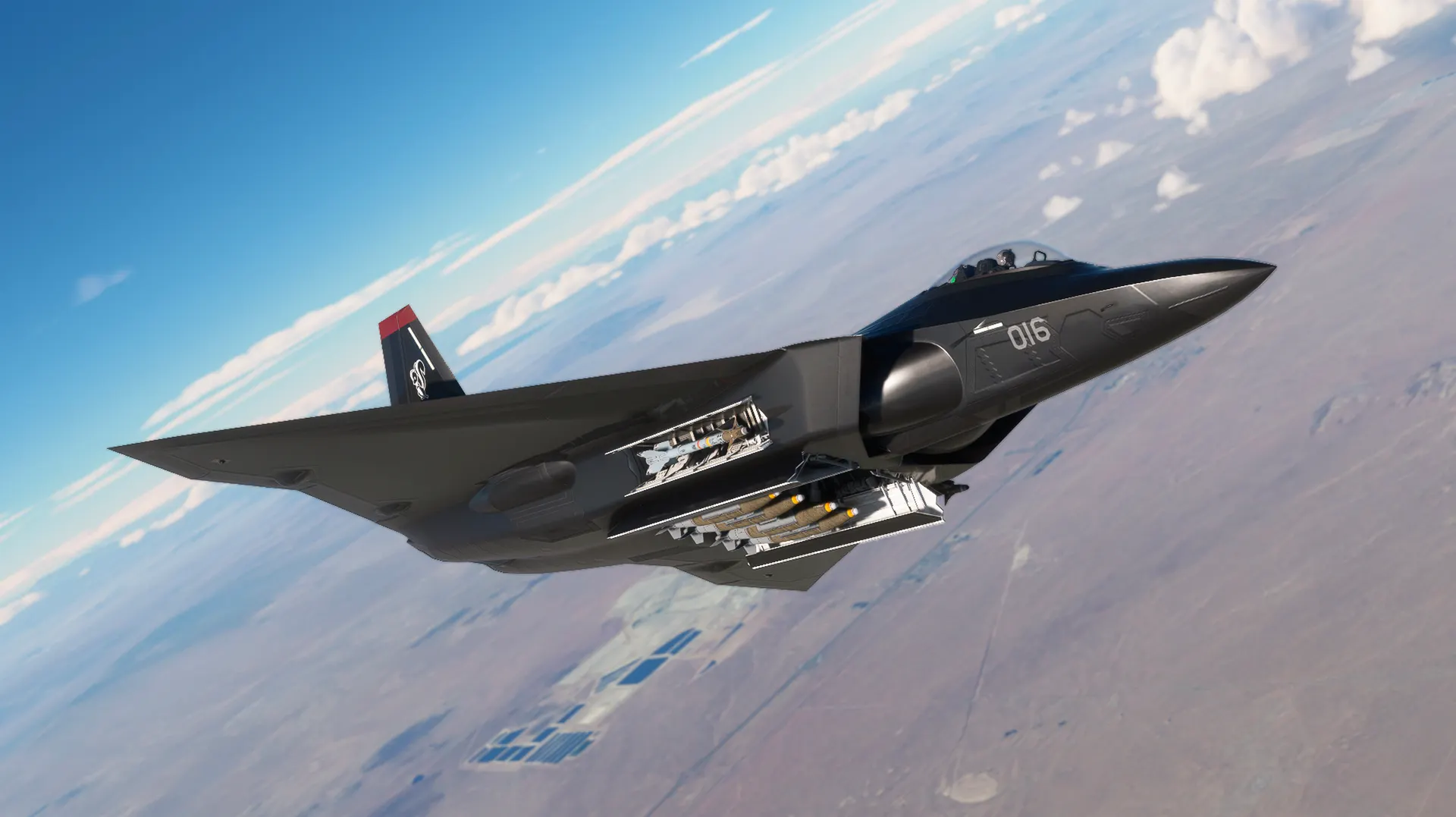
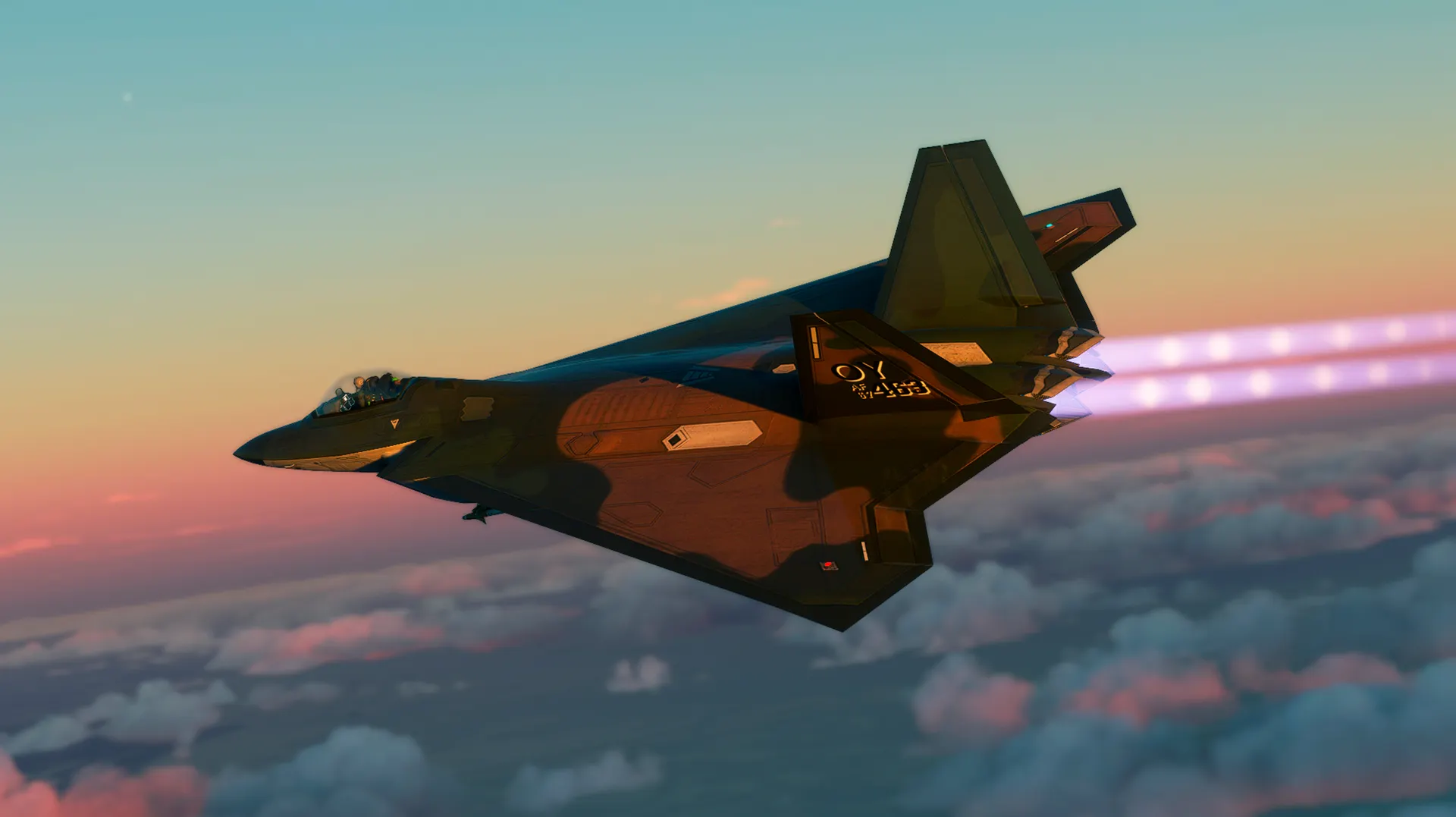
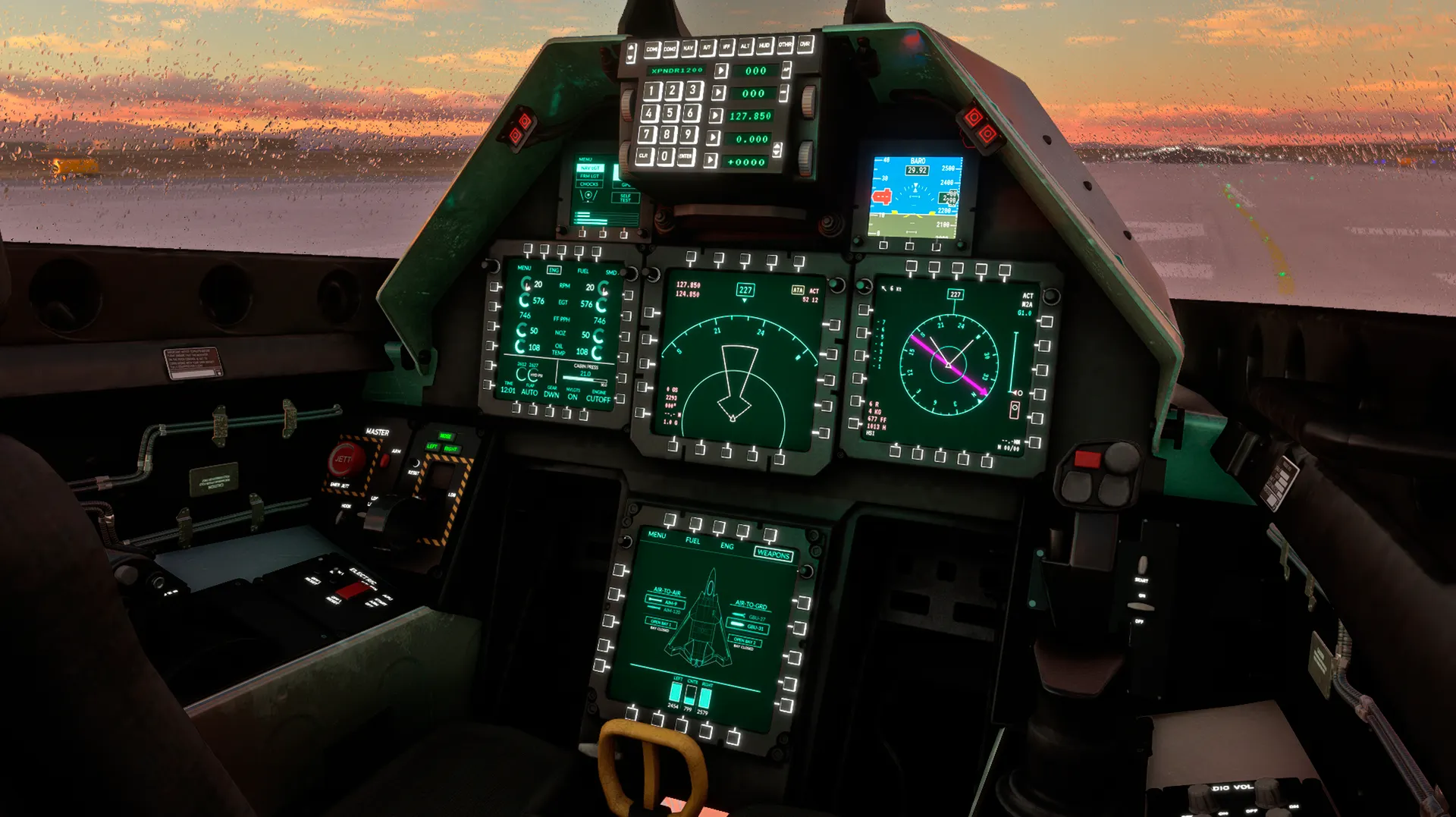
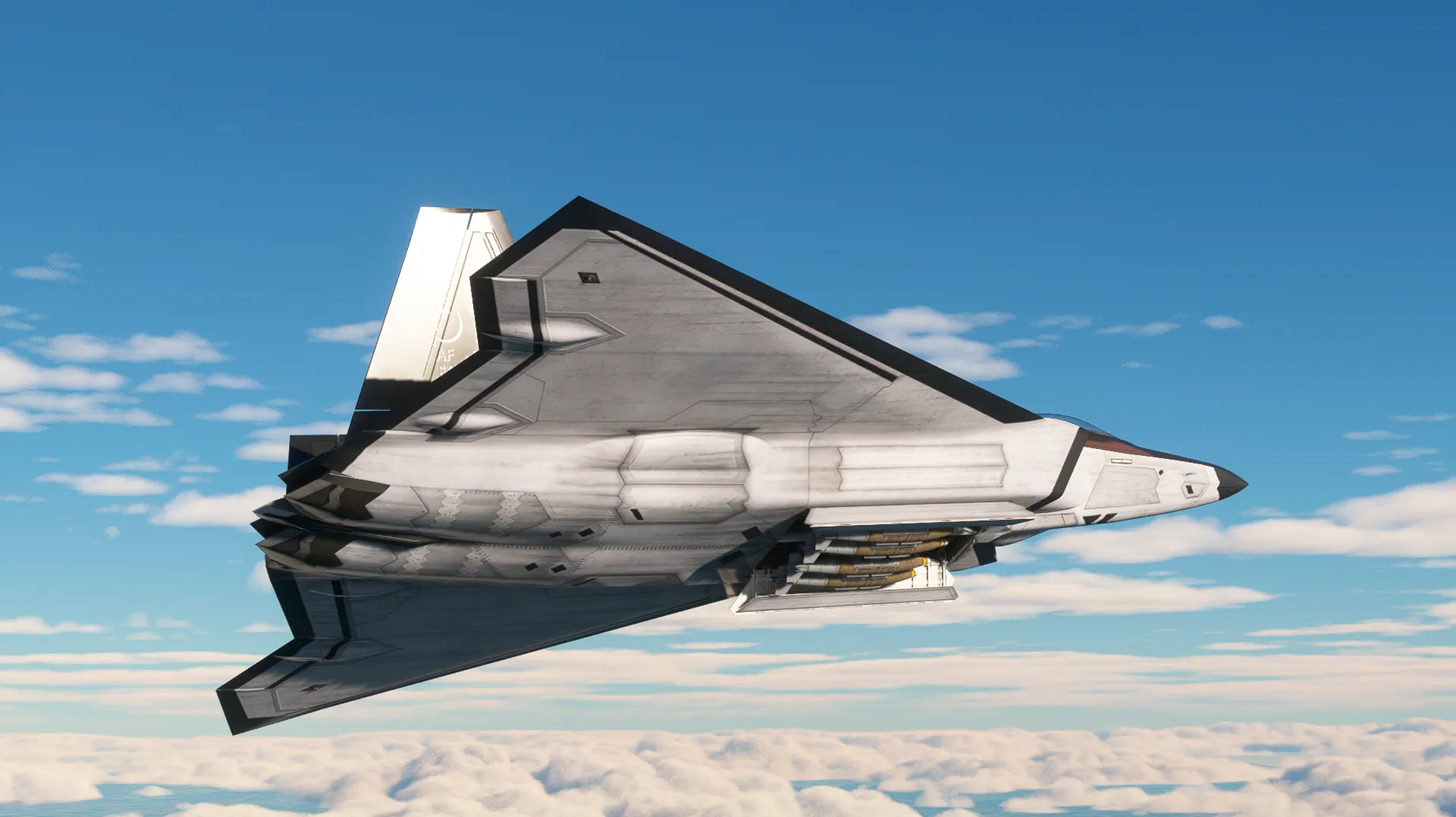
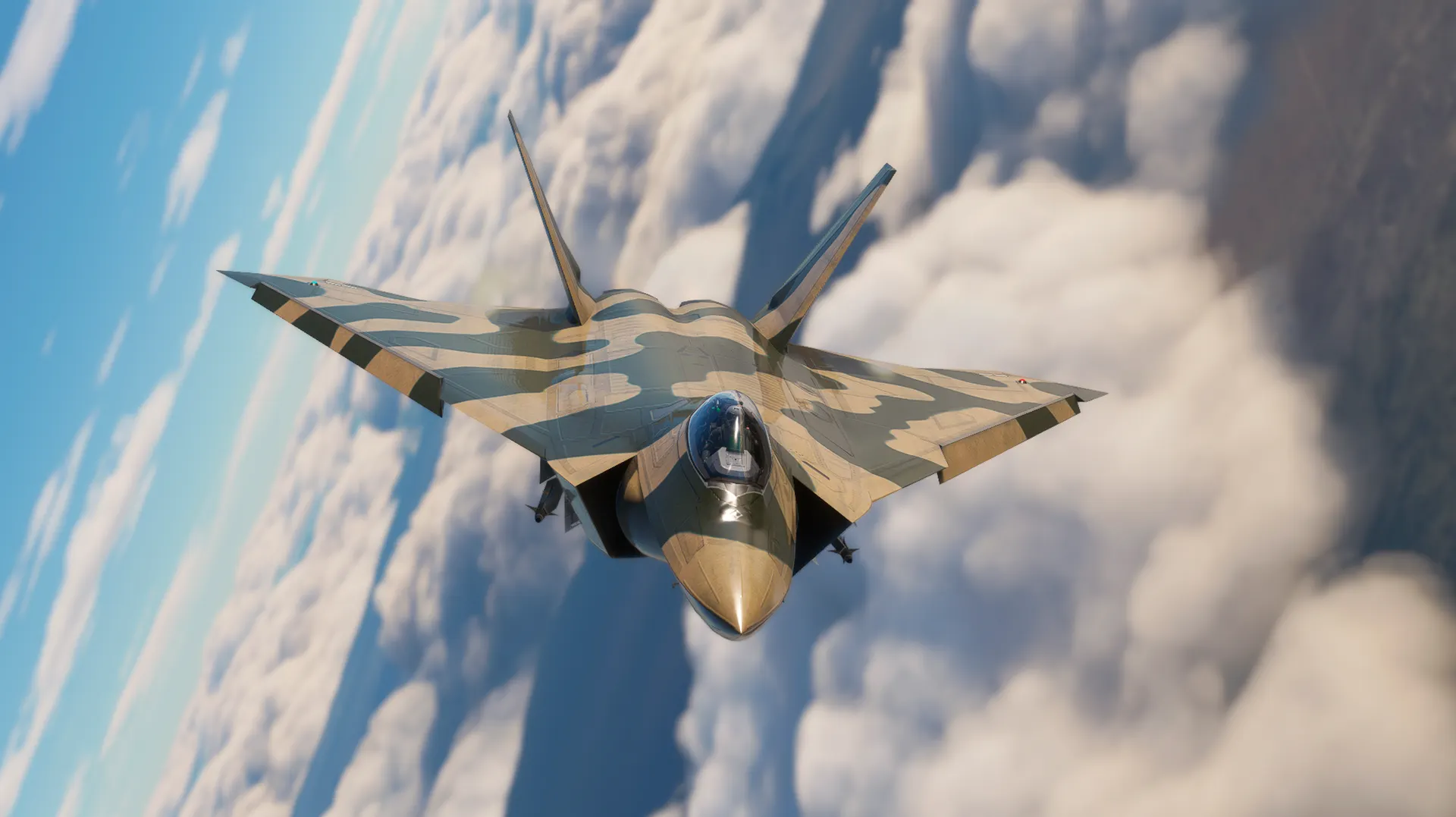
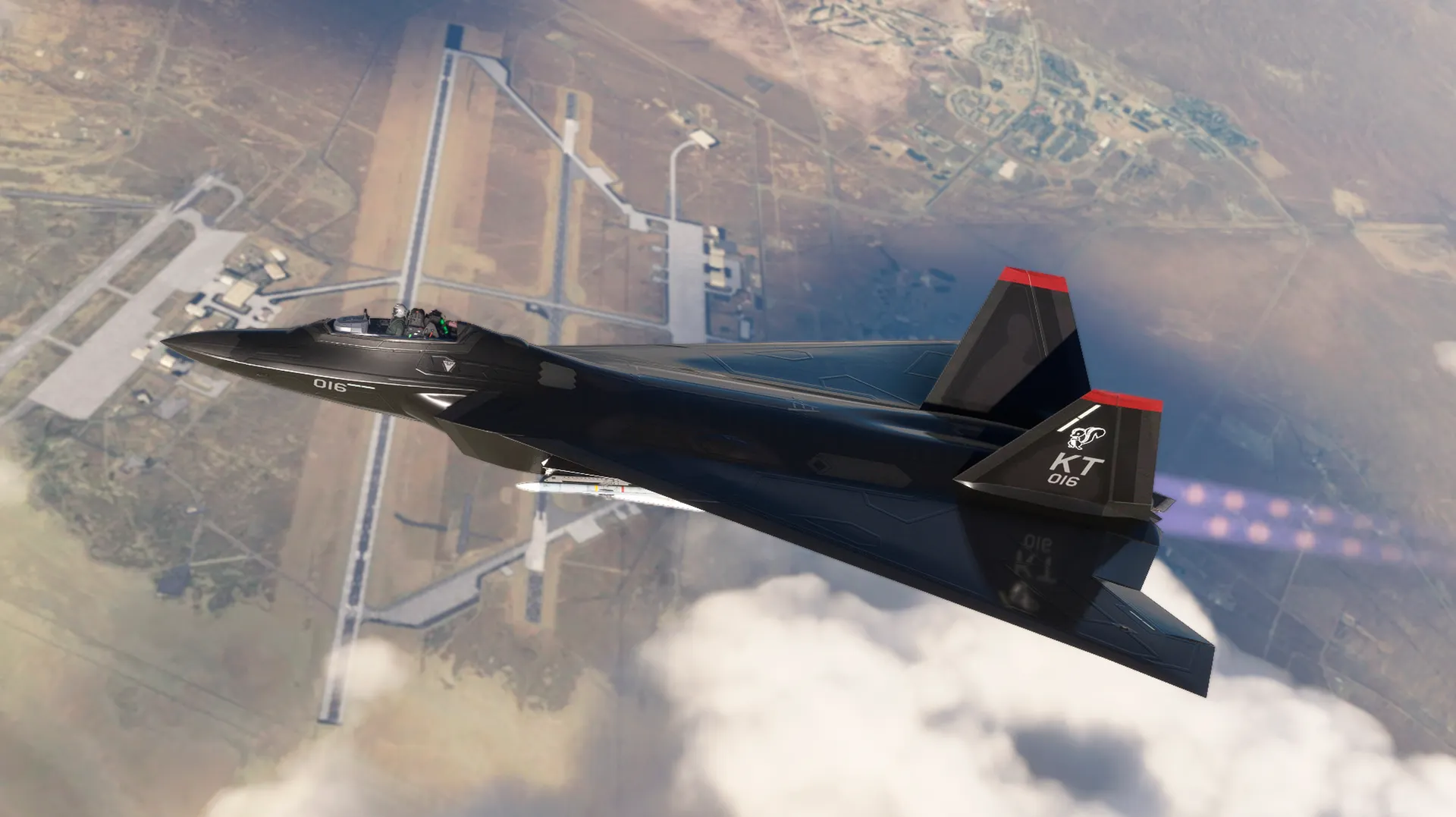
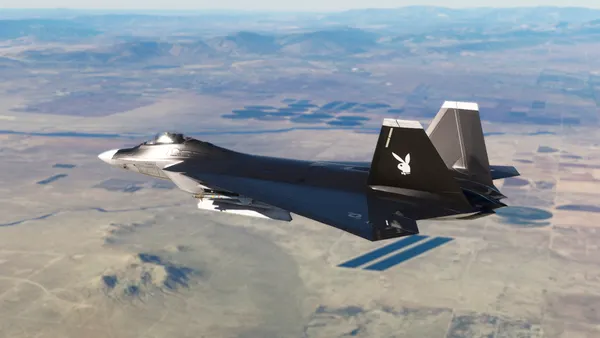
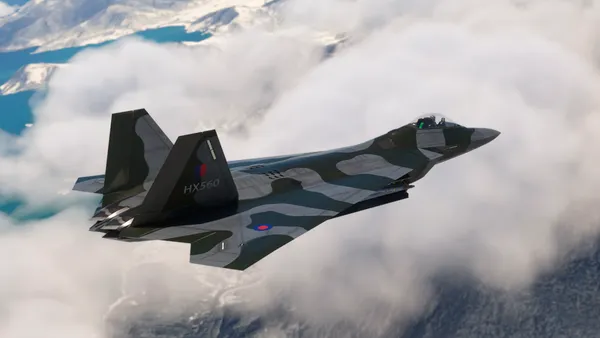
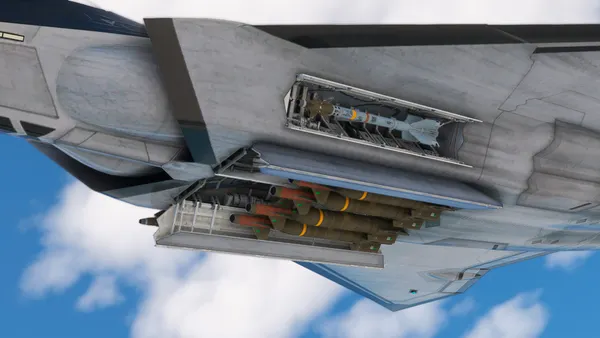
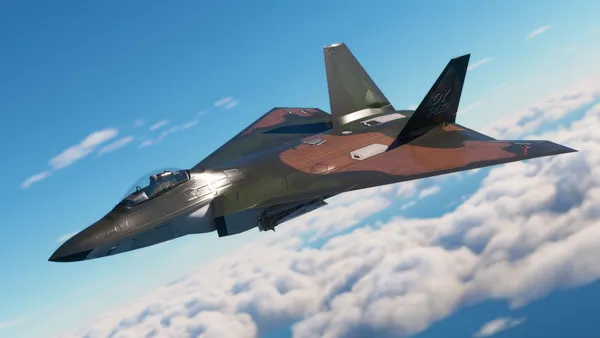
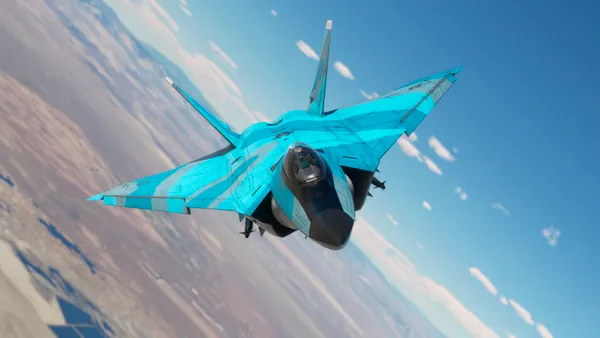
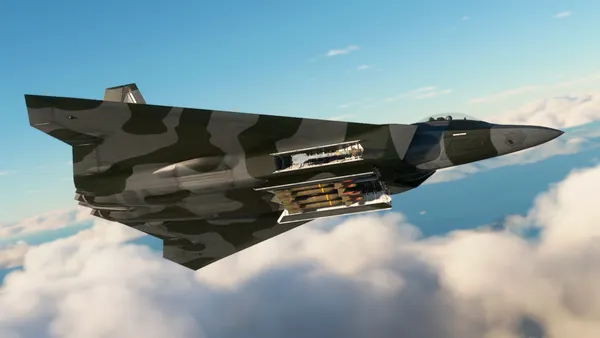
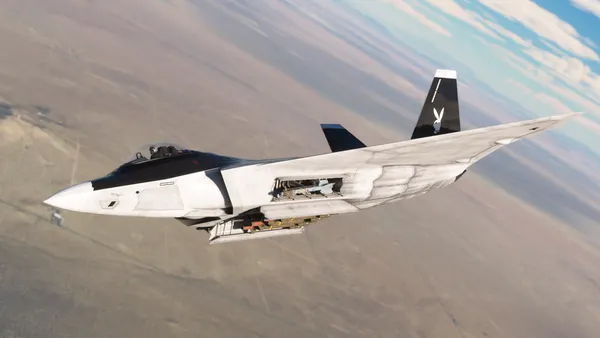
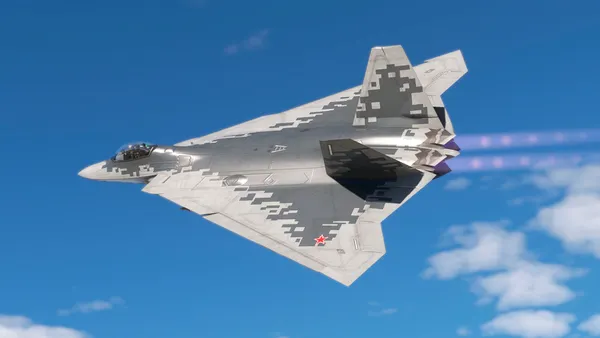
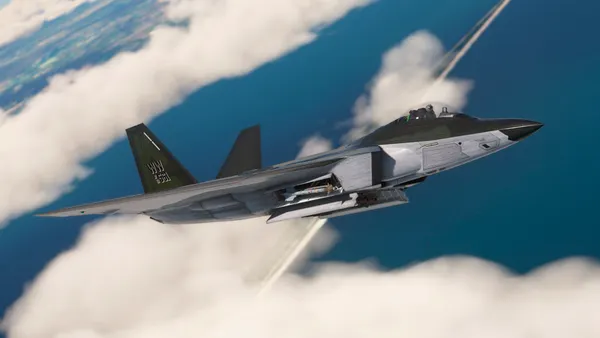
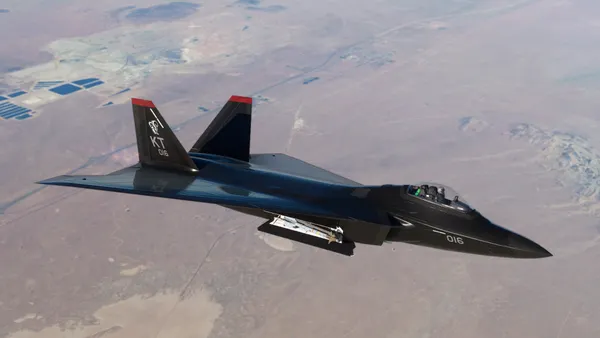
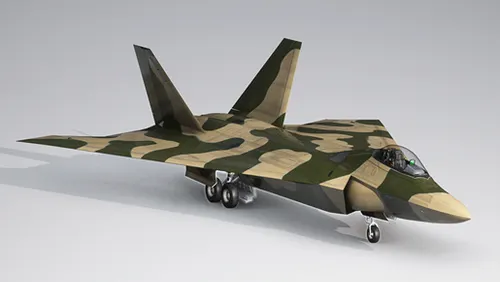
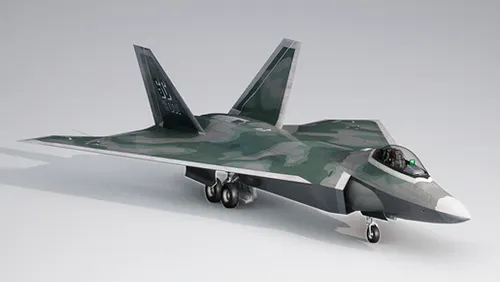
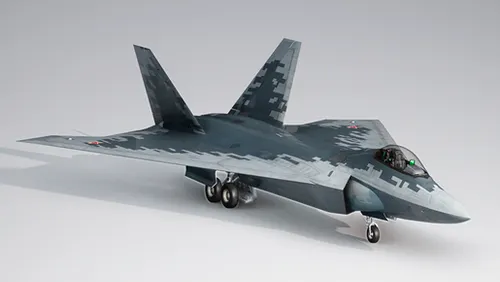
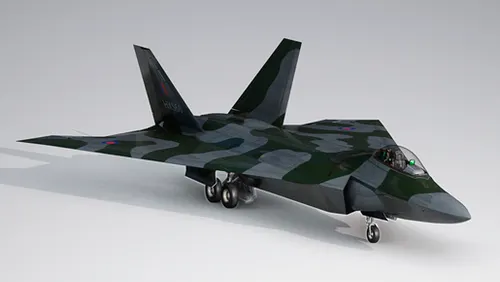
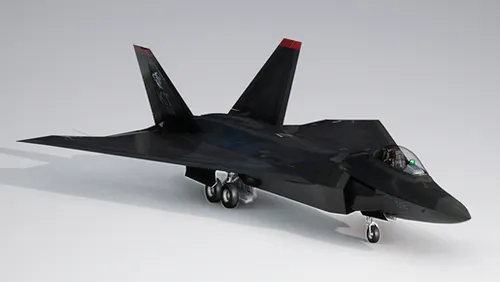
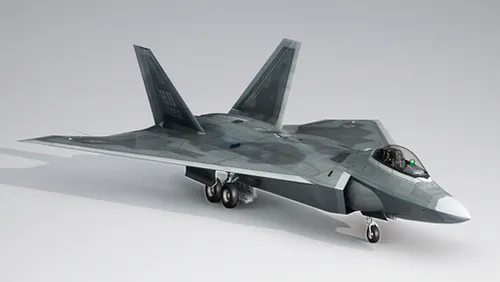
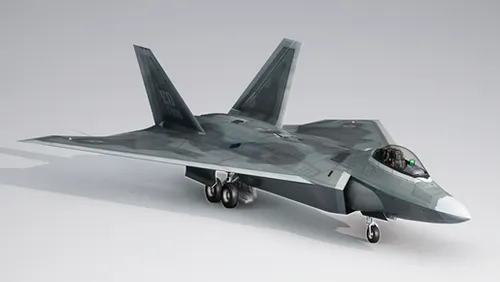
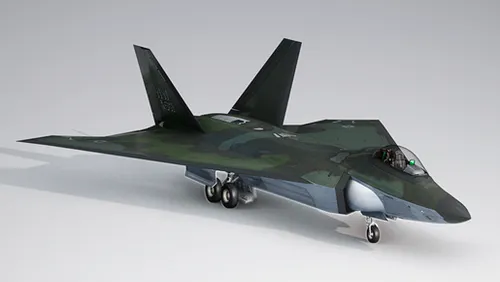
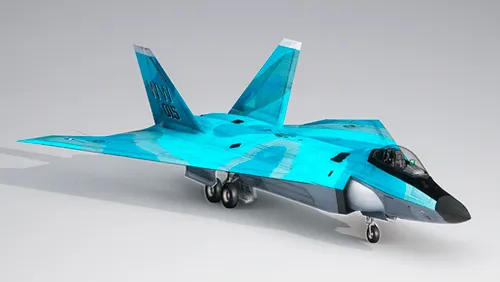
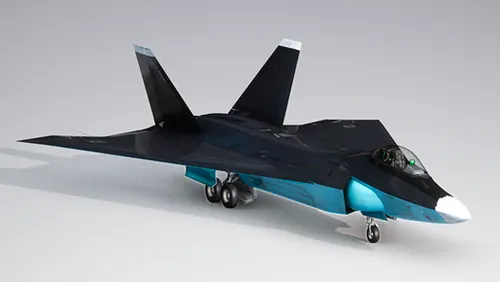
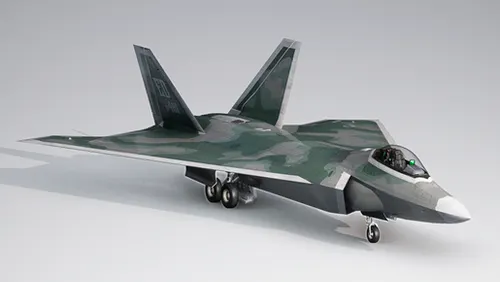
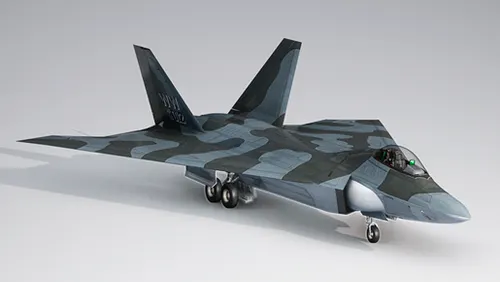
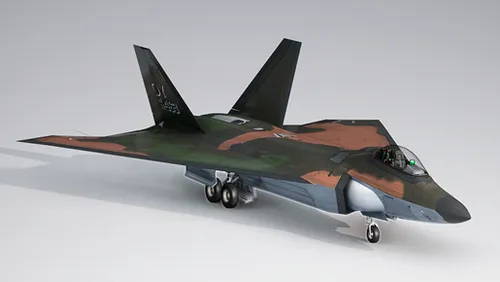
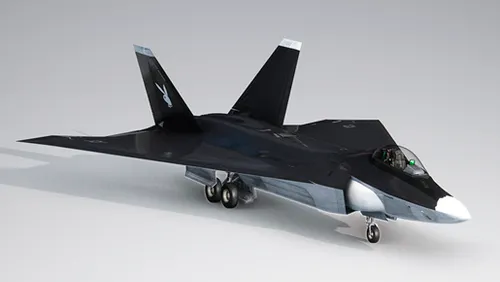
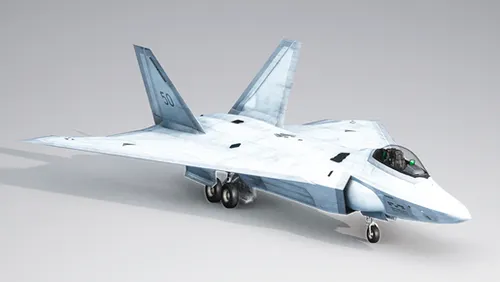
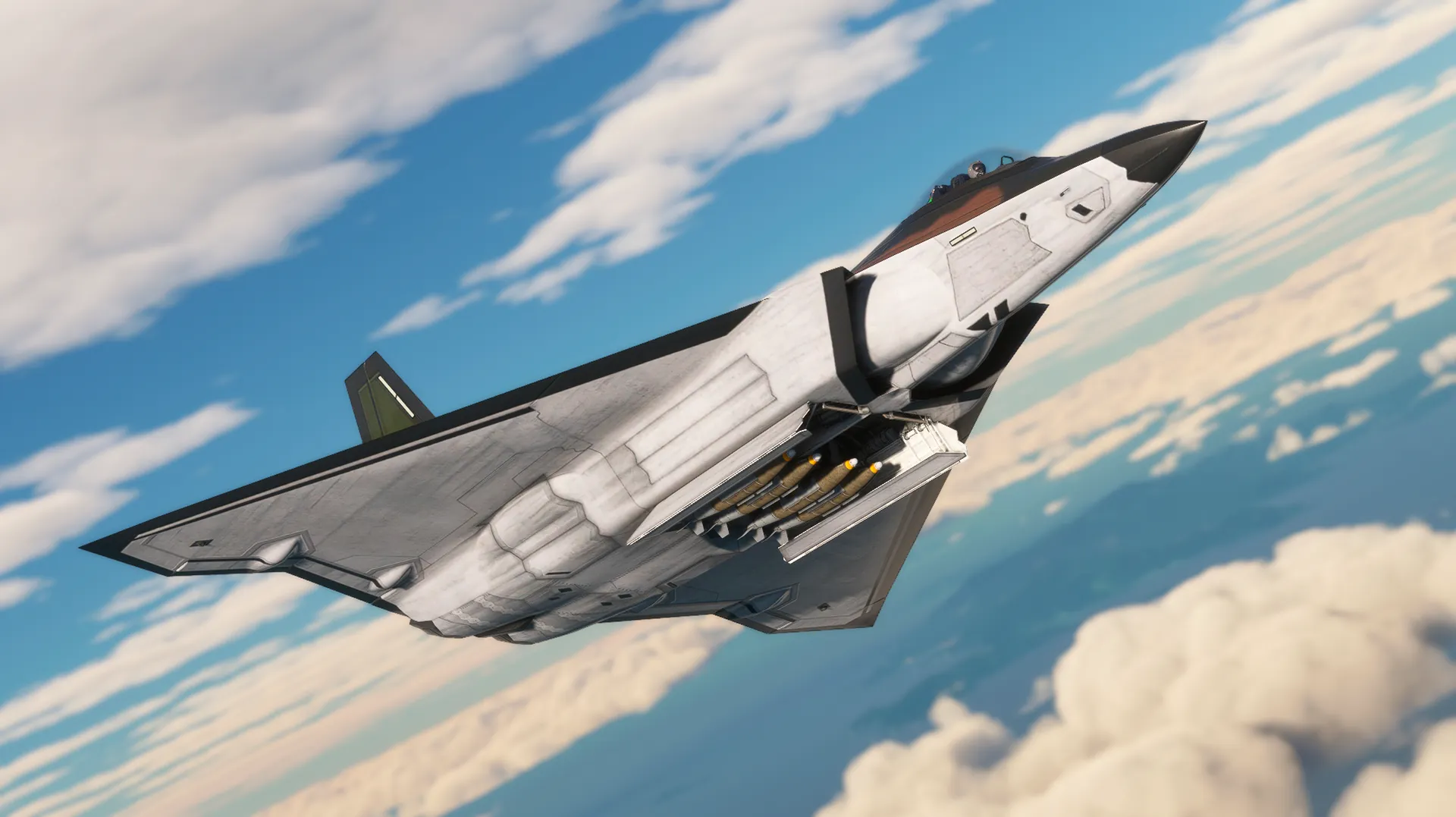
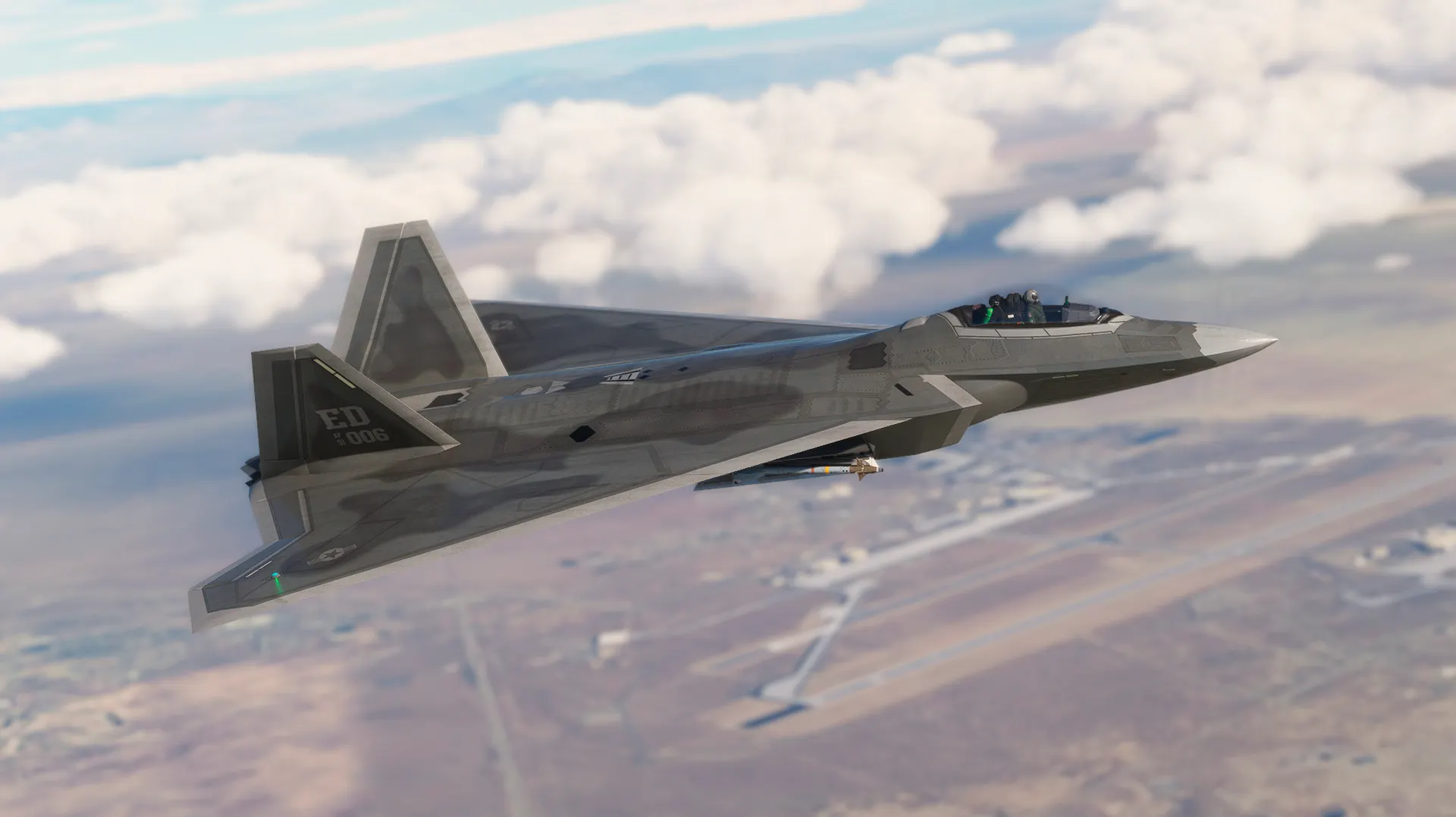
It's time to fly the FB-22 Strike Raptor in Microsoft Flight Simulator! Discover what could have been an iconic stealth fighter-bomber operated by the United States of America, which could have entered service in the 2010s. The aircraft is based on a study model, and its real-life version never went beyond the design phase. The aircraft you will fly is based on the FB-22-2 variant, with a delta wing and a single-pilot seat. There are 15 liveries available, including the celebrated VX-4 Evaluators, as well as SEA camouflage versions and the 66th Aggressor Squadron's multicolor livery. The flight model is intuitive and easy to use, and the cockpit is highly detailed, with its own customized flight systems allowing GPU interaction, Cold & Dark start, and bomb bay opening. You will have AIM-9 and AIM-120 missiles, as well as two types of JDAMs, all aesthetically pleasing, to carry during your flights. Enjoy!

Upon starting on the runway, your aircraft will be ready for flight. When starting from the apron with the engine Cold & Dark, consider pressing the ENGINE START button on the left MFD screen in front of you. Wait 1 minute for both engines to fully start and monitor the EICAS on the MFD itself as engine RPM and temperature increase to the ideal level. Meanwhile, you can experiment with the chocks or the GPU display. The takeoff run should be smooth, and the aircraft will take off without difficulty using the electronic flight management system.

Using the autopilot is simple, but requires prior guidance: you must click on the desired function before you start typing. Use the ENT buttons to confirm what you have typed or CLR to delete and type again. It is always necessary to click on the desired function before typing. Consider starting to configure the autopilot by selecting the altitude; therefore, first press the ALT button and then enter the desired value. Press ENT if the final value has fewer than 4 digits. Above 5 digits, the value is automatically applied by the autopilot. Next, set the desired speed or heading, or even the GPS navigation mode. If you want to remove speed control, click the A/T button. Consider using the VS+ and VS- buttons to interact with the climb mode.

IMPORTANT: Avoid using Mach control during climbs to prevent constant acceleration and deceleration. During the climb phase, if you wish to use automatic airspeed control (A/T), use normal airspeed control in knots, and after stabilizing your altitude, switch to Mach control if desired.

The flight model anticipates that above 300 knots the air brake will be automatically activated if the throttle is at zero, to facilitate speed reduction at critical moments. The air brake will also be automatically activated during landing if the parking brake is engaged at touchdown. It is still possible to manually engage it at any stage of flight, but in any of the above conditions, its activation and retraction will be automatic.
FAQ: https://www.roprodaudiovisual.com/fb-22

The FB-22 Strike Raptor was a proposed low-observable multi-role combat aircraft by American aerospace and defense company Lockheed Martin. Never developed beyond the concept and basic design phases, the initiative was conceived as a variant of the company’s F-22 Raptor to serve primarily as a theater bomber with several secondary roles. Lockheed Martin unveiled the concept in 2002 and suspended the program in 2006 after creating several designs.

The concept for the FB-22 emerged from Lockheed Martin’s F-22 Raptor initiative. The company began developing the F-22 as part of the U.S. Air Force’s Advanced Tactical Fighter program unveiled in 1981 to replace the F-16 and the F-15, both fourth-generation fighters. The F-22 Raptor, a single-seat, twin-engine, multi-role combat jet aircraft took its maiden flight on September 7, 1997, and entered service on December 15, 2005. It is the world’s first fifth-generation fighter, meaning that it combines low observability (stealth), supercruise (the ability to fly at supersonic speeds without the use of afterburners), high levels of agility, and high-precision situational awareness (battlespace knowledge, including exact locations of friendly forces and enemy forces).

Operated exclusively by the United States, the F-22 primarily serves as an air superiority fighter, and can perform several other mission sets including close air support, electronic warfare, ISR (intelligence, surveillance, and reconnaissance) collections, and light bombing / strike. It has a maximum range of 1,800 miles and a climb rate of 60,000+ feet per minute. It has a top speed of 1,220 miles per hour (Mach 1.82) in supercruise and 1,500 miles per hour (Mach 2.25) under full afterburner.

Lockheed Martin, foreseeing potential gaps in the U.S. Air Force’s bomber capabilities extending into the first decades of the 21st century, pursued creating a variant of the F-22 as a more robust strike and bombing platform, the FB-22 Strike Raptor. The goal was to create a fifth-generation “regional bomber,” a stealth platform that could move quickly throughout a battlespace, loiter for extended periods of time, was versatile in its ability to update targeting information, and remain cloaked to enemy radars and other detection systems. The company planned to expand the size of the airframe to accommodate robust bomb loads while leveraging its key characteristics, including its low observability, speed, and situational awareness capabilities.

Engineers at Lockheed Martin extended the length and width of the F-22’s fuselage and enlarged and redesigned its main wing, keeping the majority of the Raptor’s flight systems. The company created four iterations, the FB-22-1, the FB-22-2, the FB-22-3, and the FB-22-4, with all but the FB-22-1 comprising large delta main wings. To accommodate the bombing / strike mission sets, engineers crated novel mechanisms for carrying maximum ordnance loads while maintaining the aircraft’s stealthy characteristics. These included bulged internal weapons bays and modular wing bays. In developing the FB-22 concepts and designs, engineers maintained the versatility inherent to the F-22, envisioning the aircraft to be able to undertake several missions beyond bombing and strike, including electronic warfare and ISR collections. The program was ultimately cancelled in 2006 due to expanding costs and prioritization of other specialized bombing and strike platforms.

The proposed FB-22-4, the most likely candidate had the initiative progressed to prototype and serial production, would have been crewed by two, a pilot and a weapon systems officer. It would have featured a tandem cockpit, a delta wing, and a tail similar to the F-22, which comprises two outwardly canted vertical stabilizers. It would have been powered by two Pratt & Whitney F119 afterburning turbofan engines and would have comprised three internal weapons bays and four wing hardpoints. It would have measured 64 feet, 4 inches in length and had a wingspan of 73 feet, 8 inches. It would have had a maximum range of 4,100 miles and a top speed of Mach 1.5.

Specifications


SPEEDMach 1.98
CEILING62.500 ft
TYPICAL RANGE3.600 nmi
LENGTH20.1 m
WINGSPAN18.9 m
HEIGHT5.2 m
TAKEOFF1.800 ft
MAX WEIGHT49.9 t
FUEL CAPACITY35.000 lbs
ENGINE2x Pratt & Whitney F119