MSFS 2024 Status:
Investigating Marketplace
Support the site - donate!

RMS Titanic

Rodrigo Moraes

TITANICOLYMPIC CLASSWHITE STAR LINECRUISE LINER

5/5 (7)


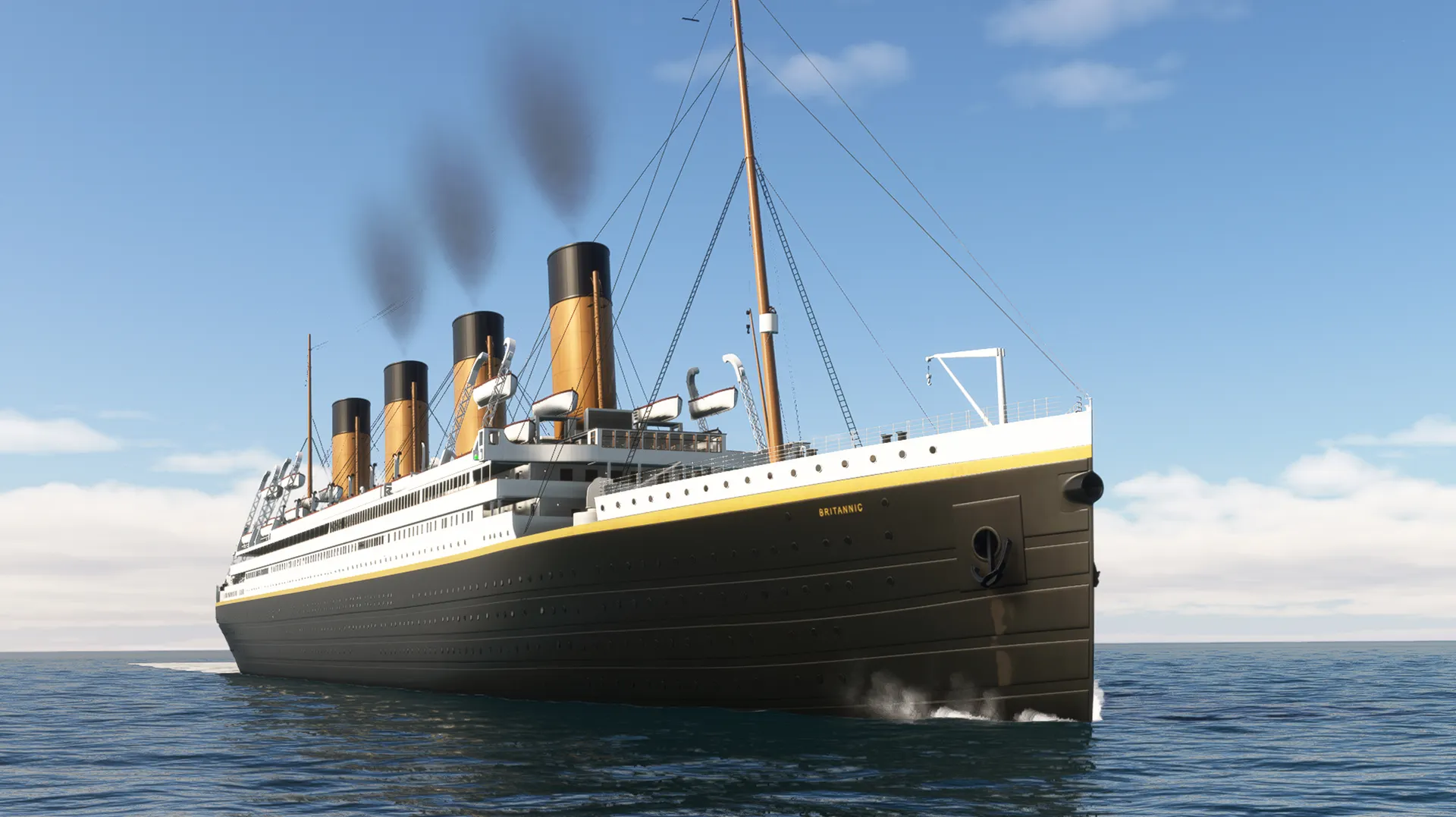
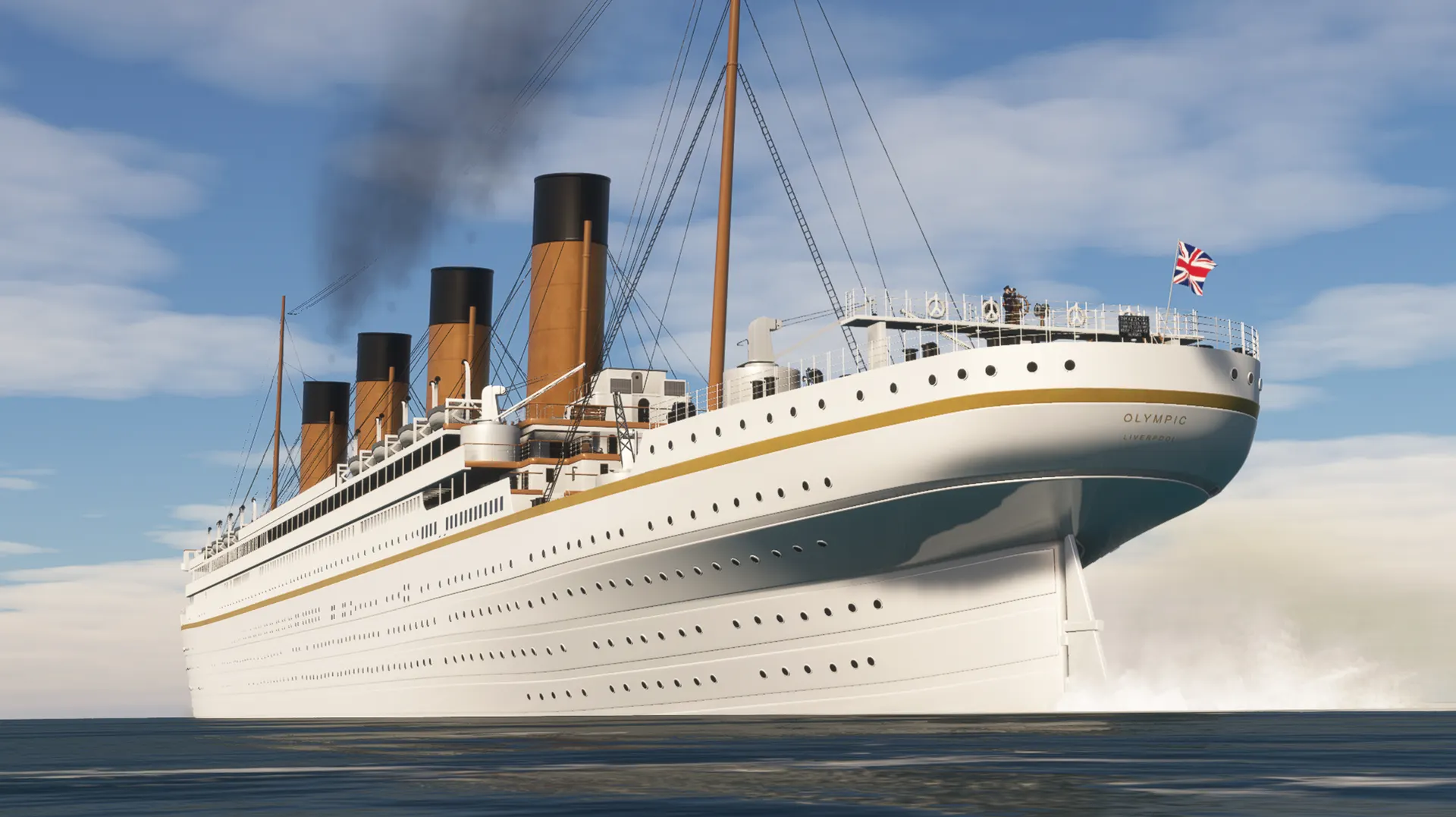
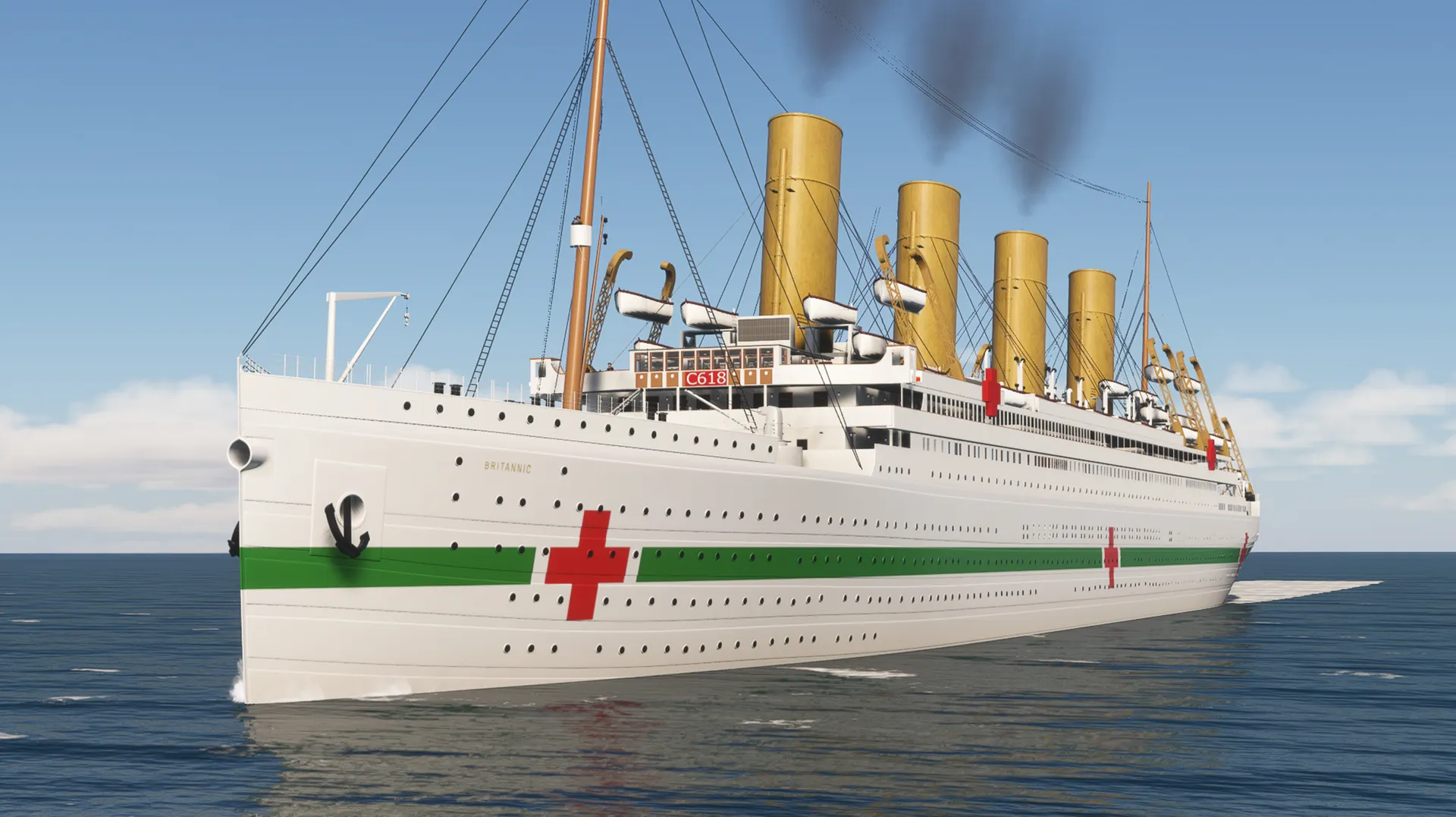
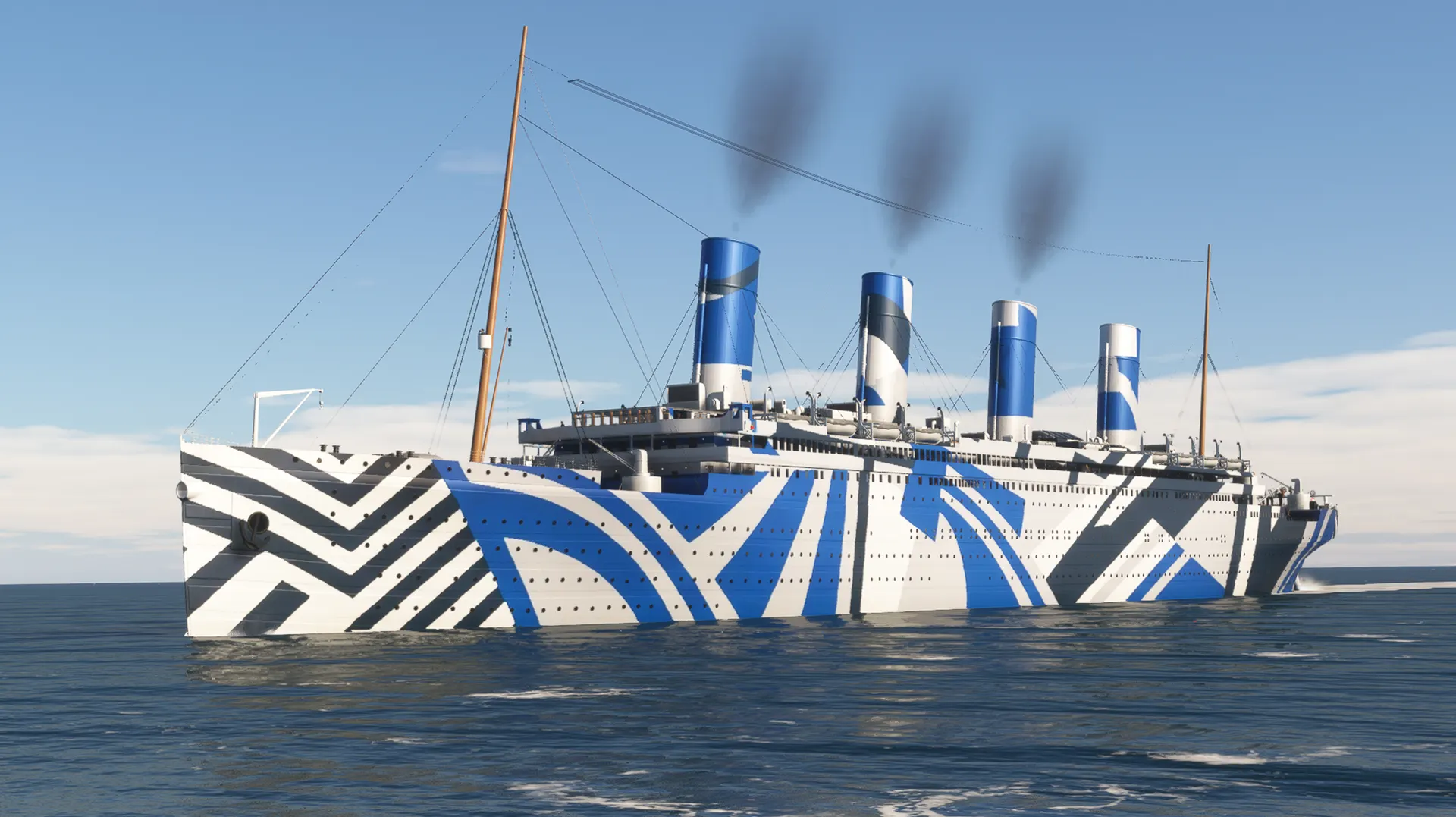
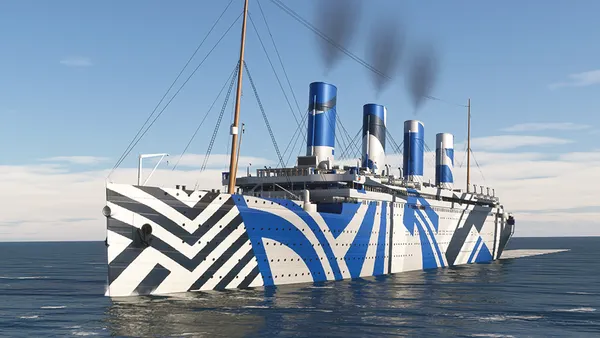
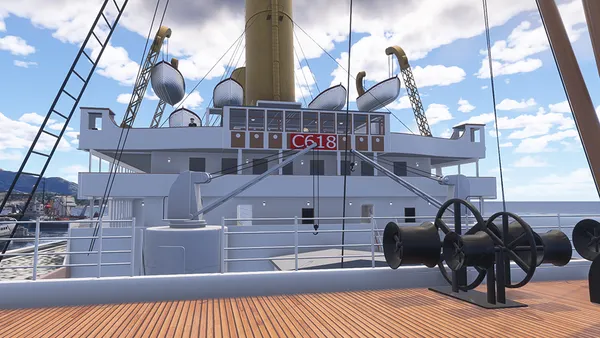
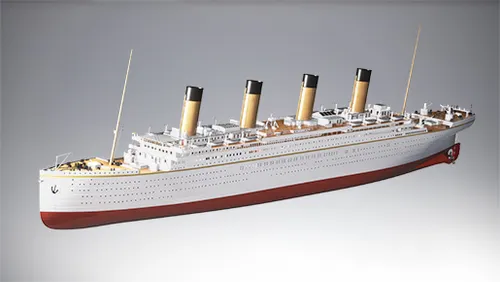
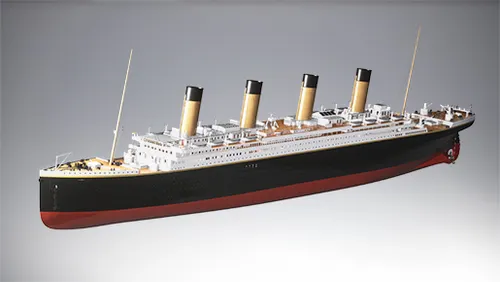
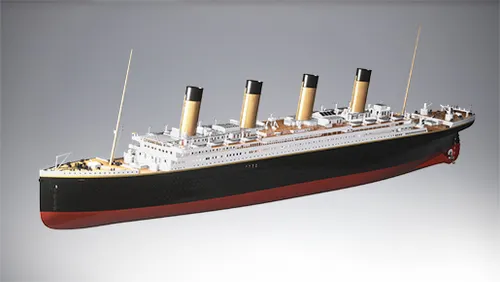
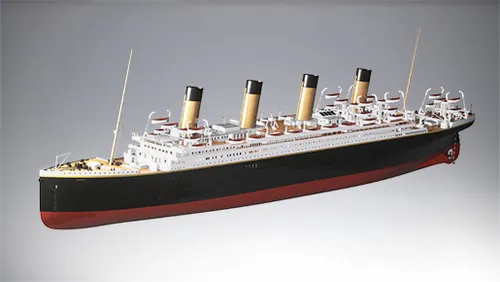
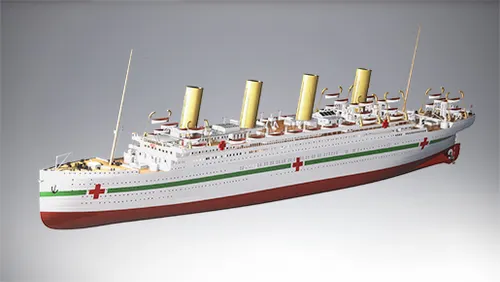
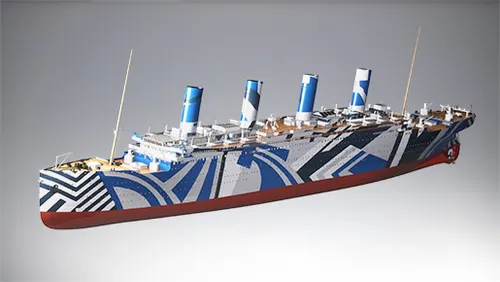
The Olympic-class ships have arrived in the MSFS universe! There are 6 ships: RMS Olympic in its original white 1910s livery and its 1911 commercial livery, RMS Titanic and RMS Britannic in their never-operated commercial line livery and their classic HMHS livery. There is also a classic version of the RMS Olympic in its brave wartime days as an Old Reliable.

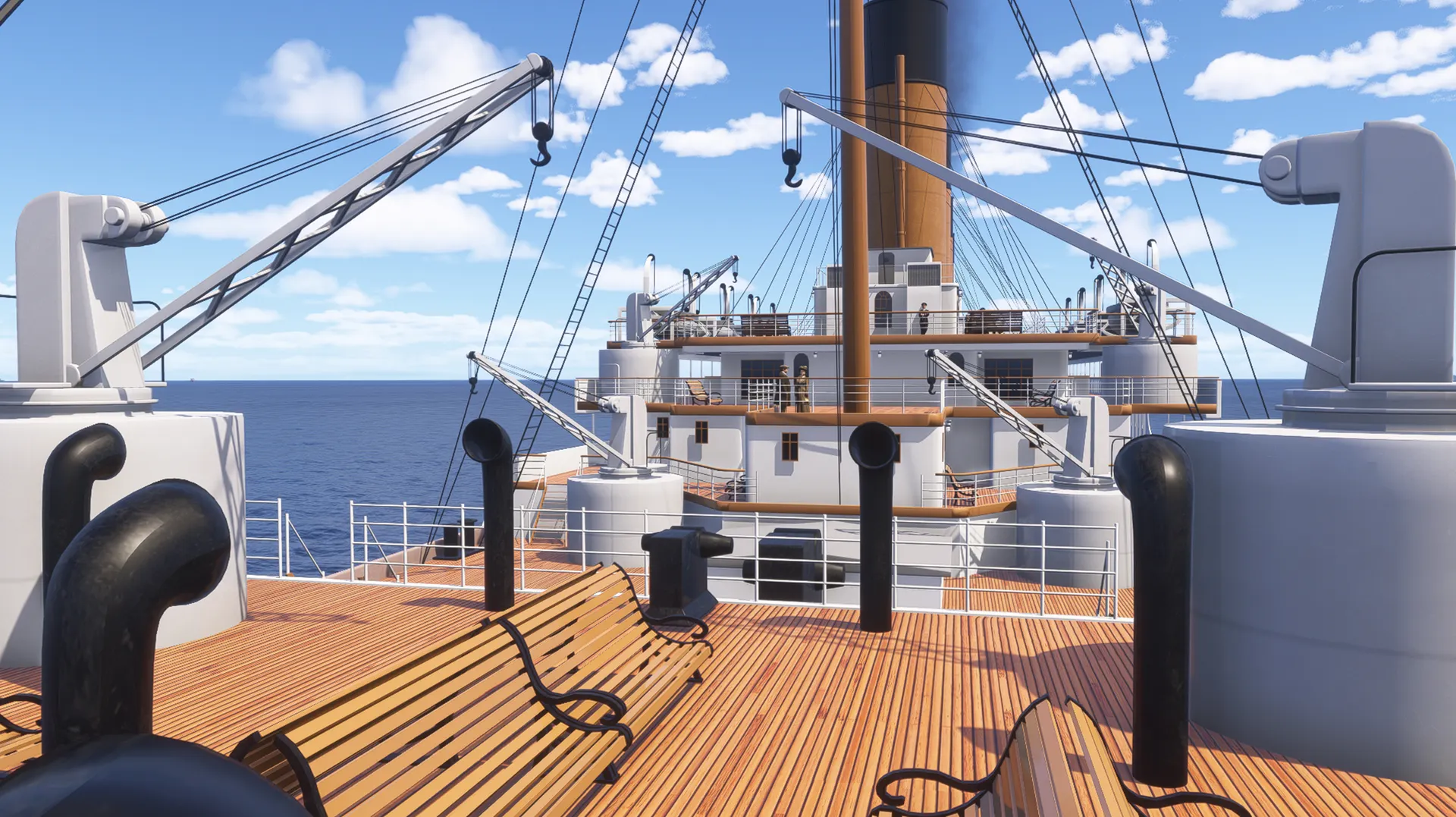
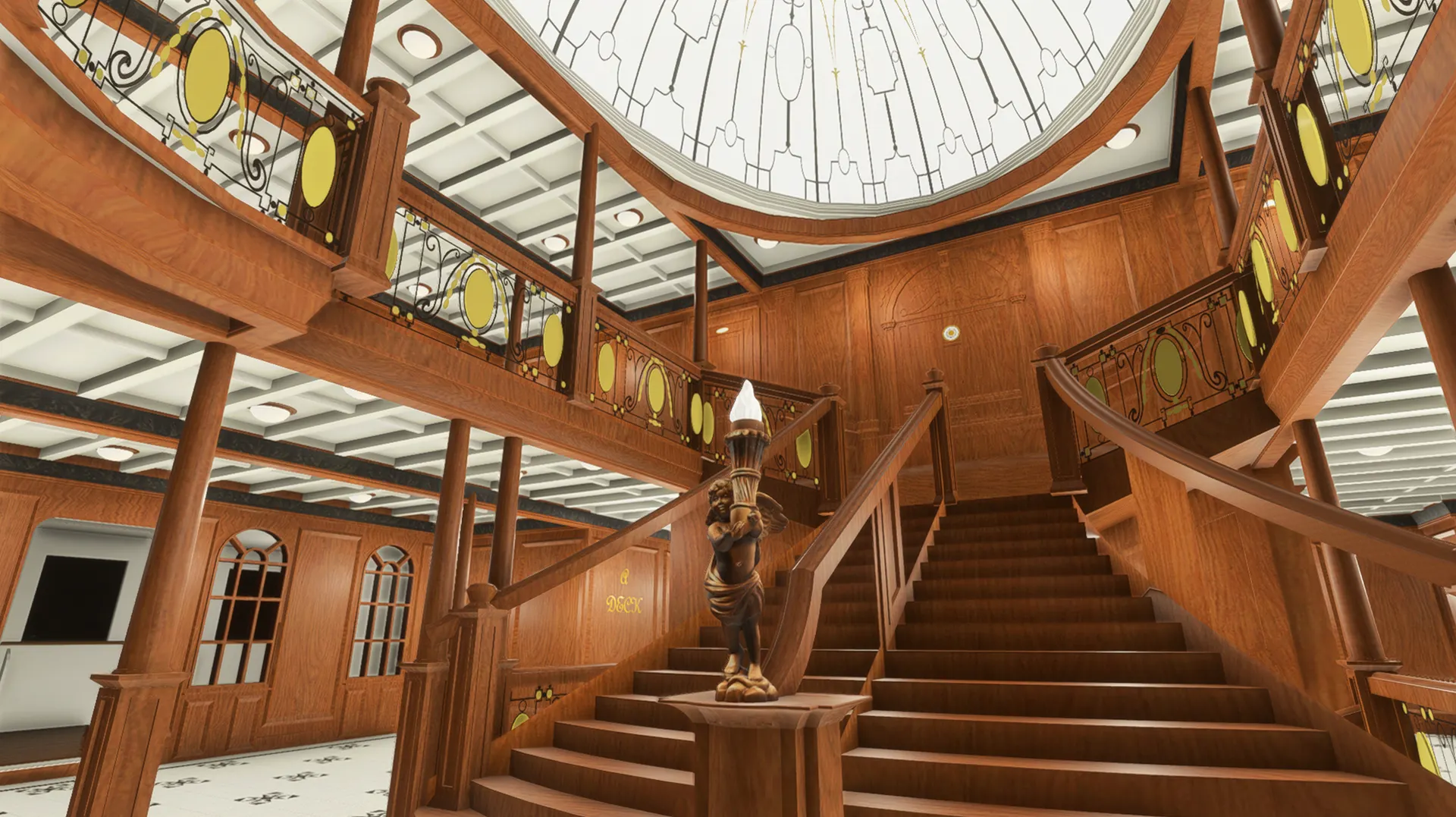
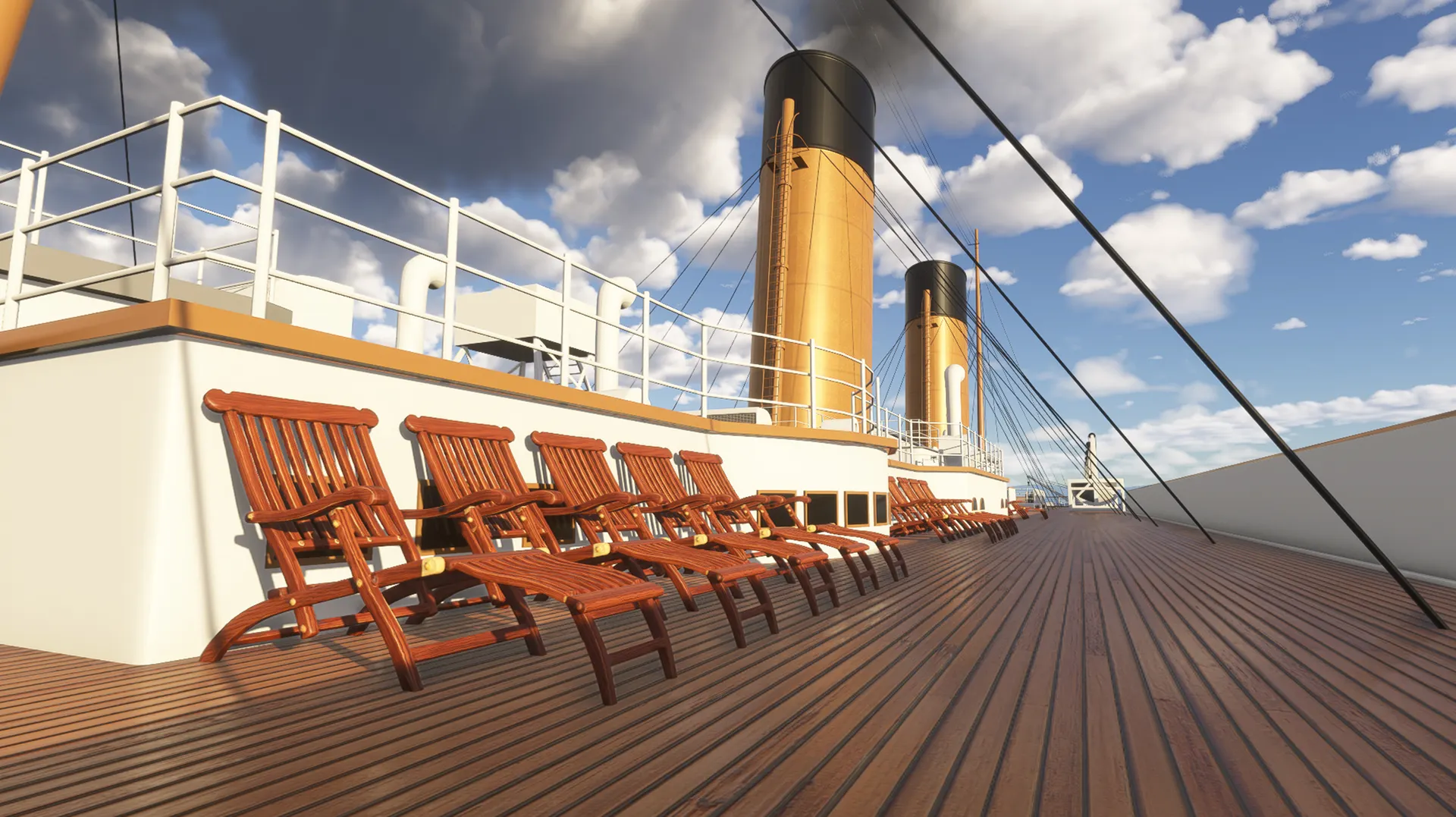
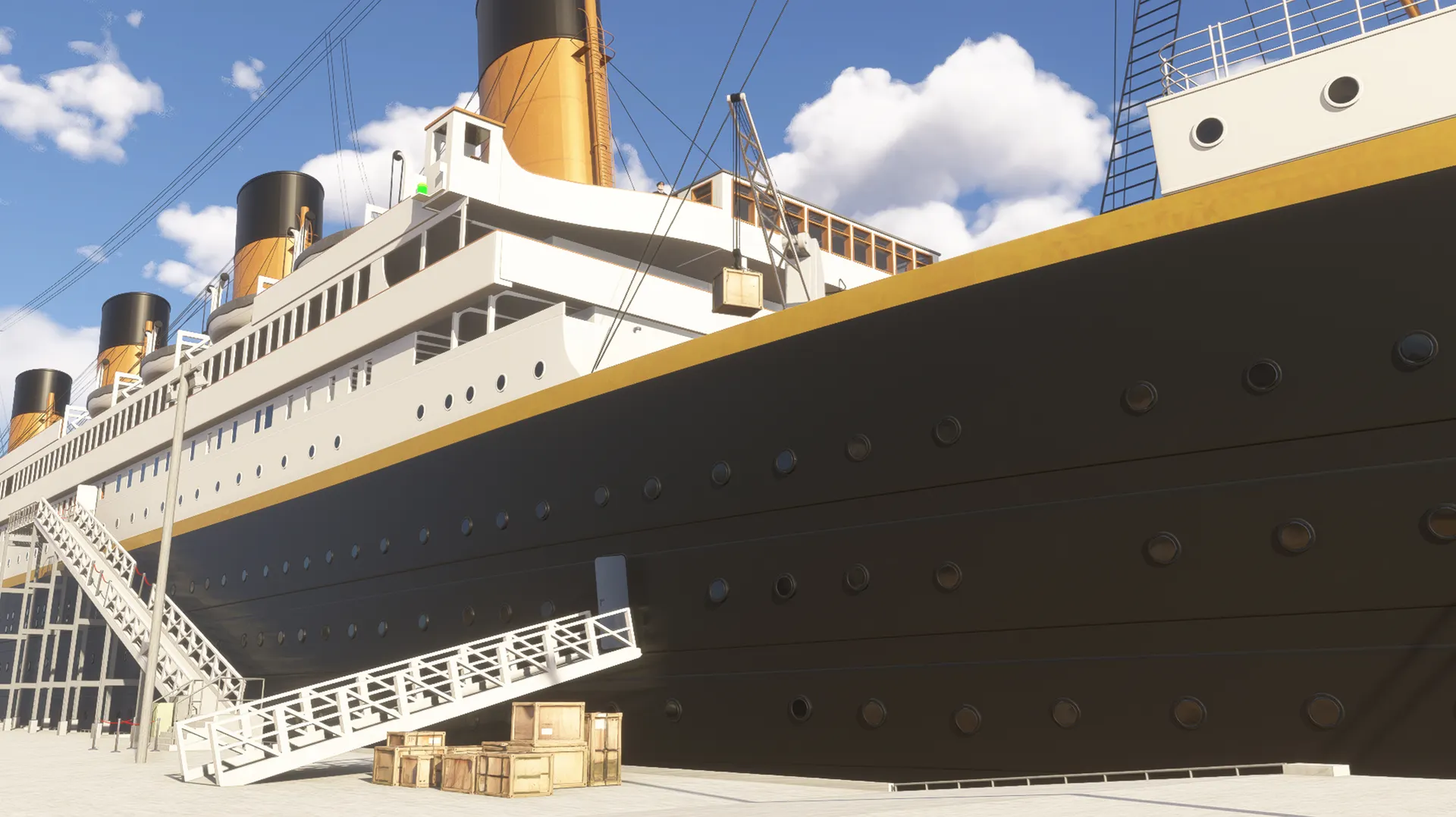
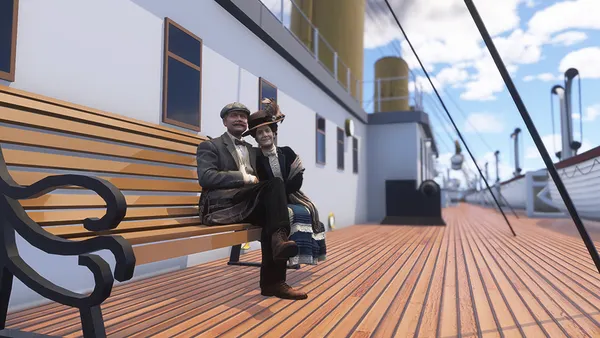
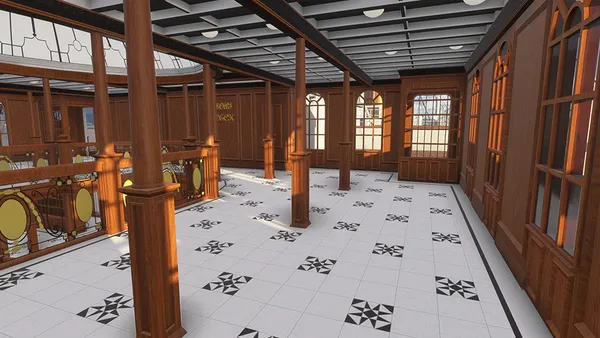
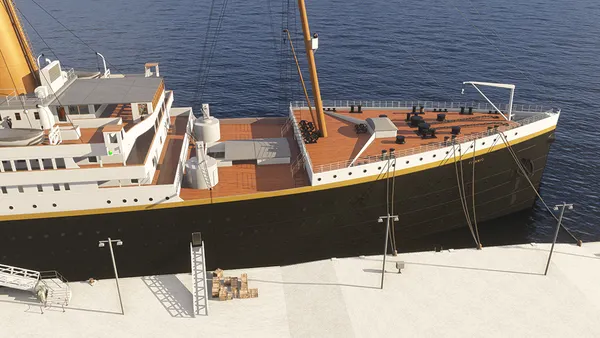
Experience ships with detailed interiors, a functional walk-through elevator, decks A to E and Boat Deck accessible via the famous Grand Staircase and two boarding ramps, for 1st and 3rd class, plus a cargo hold. Watch the animation of cargo being hoisted by the crane from the ship's interior to the pier!

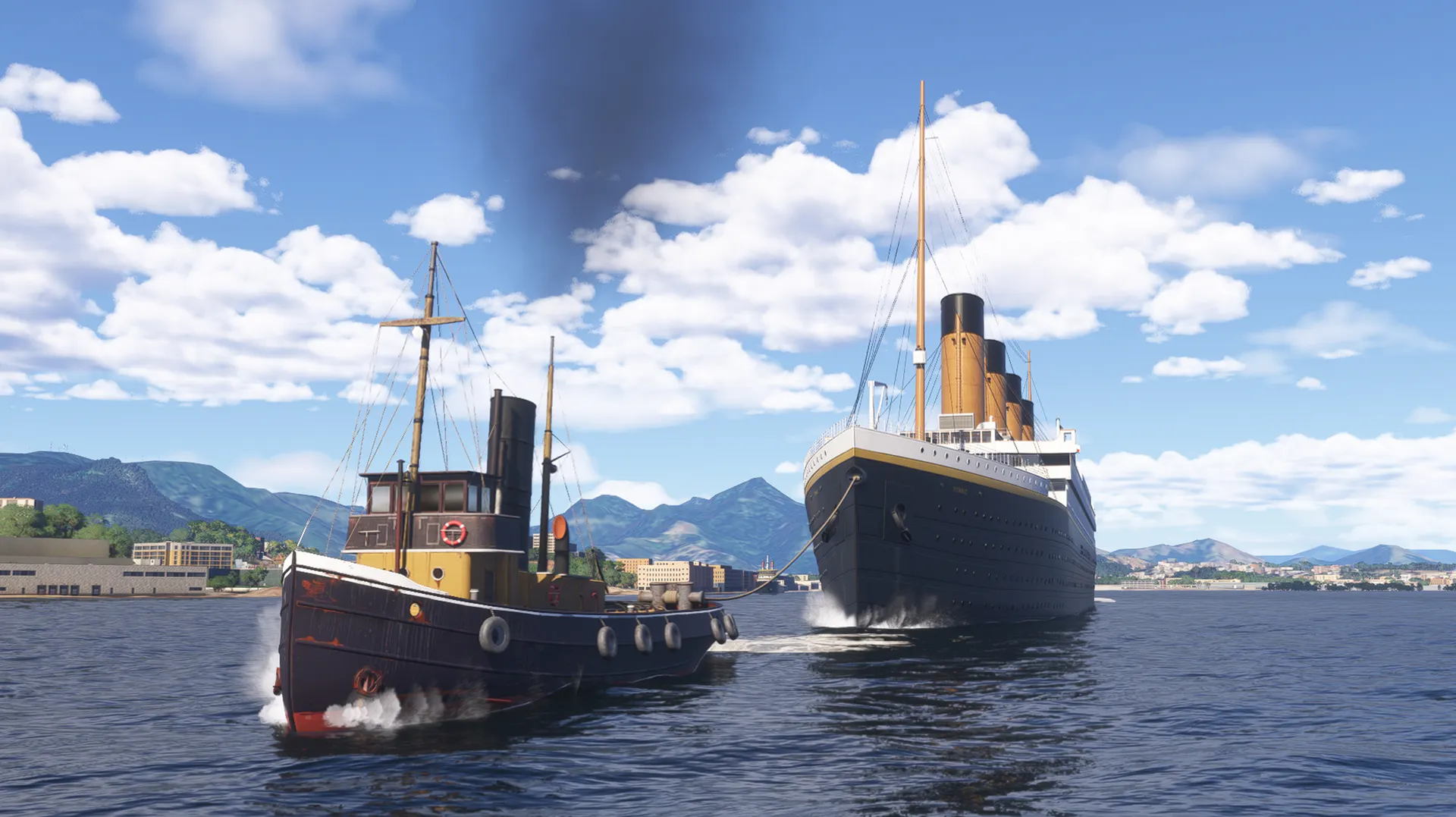
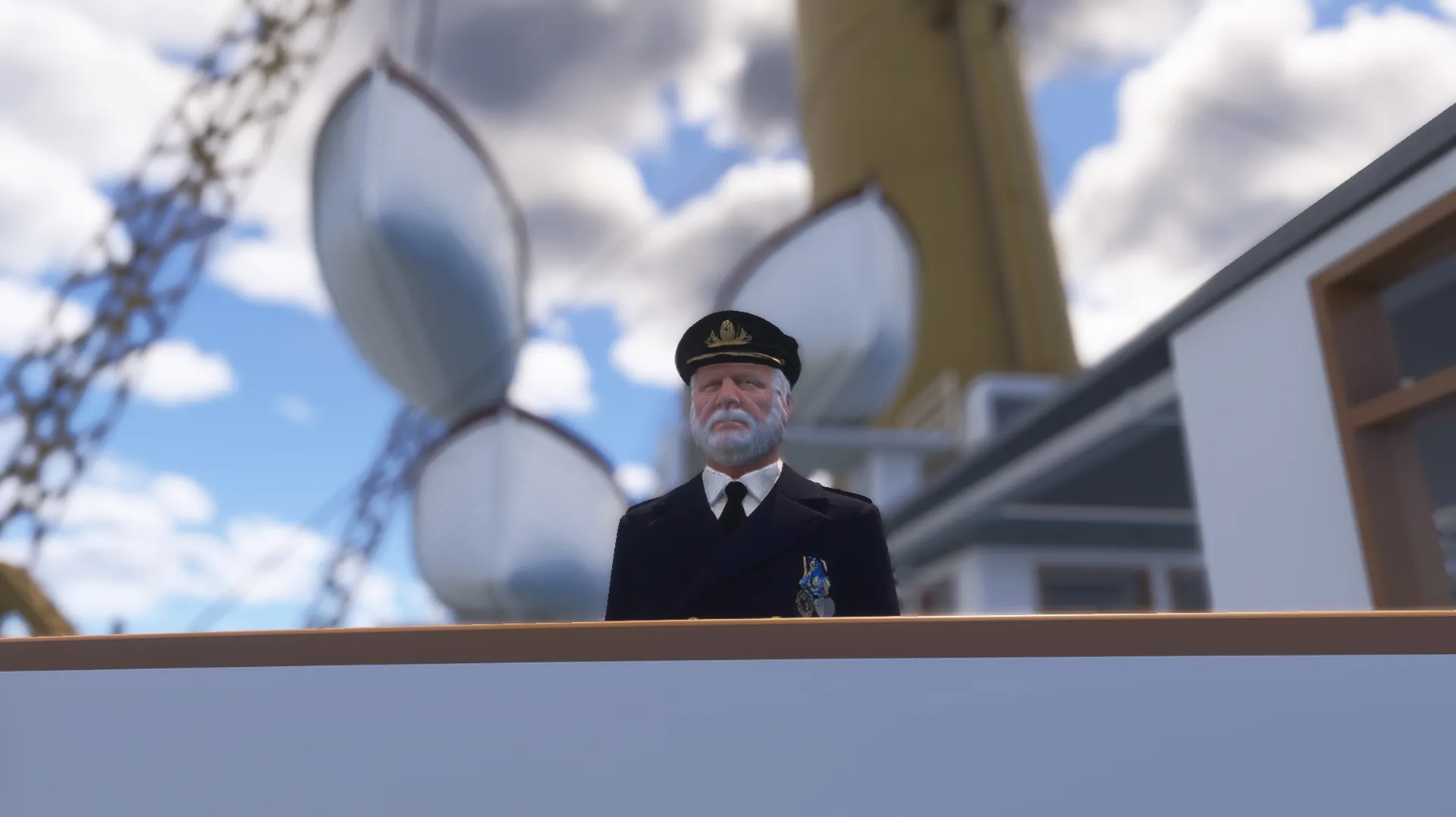
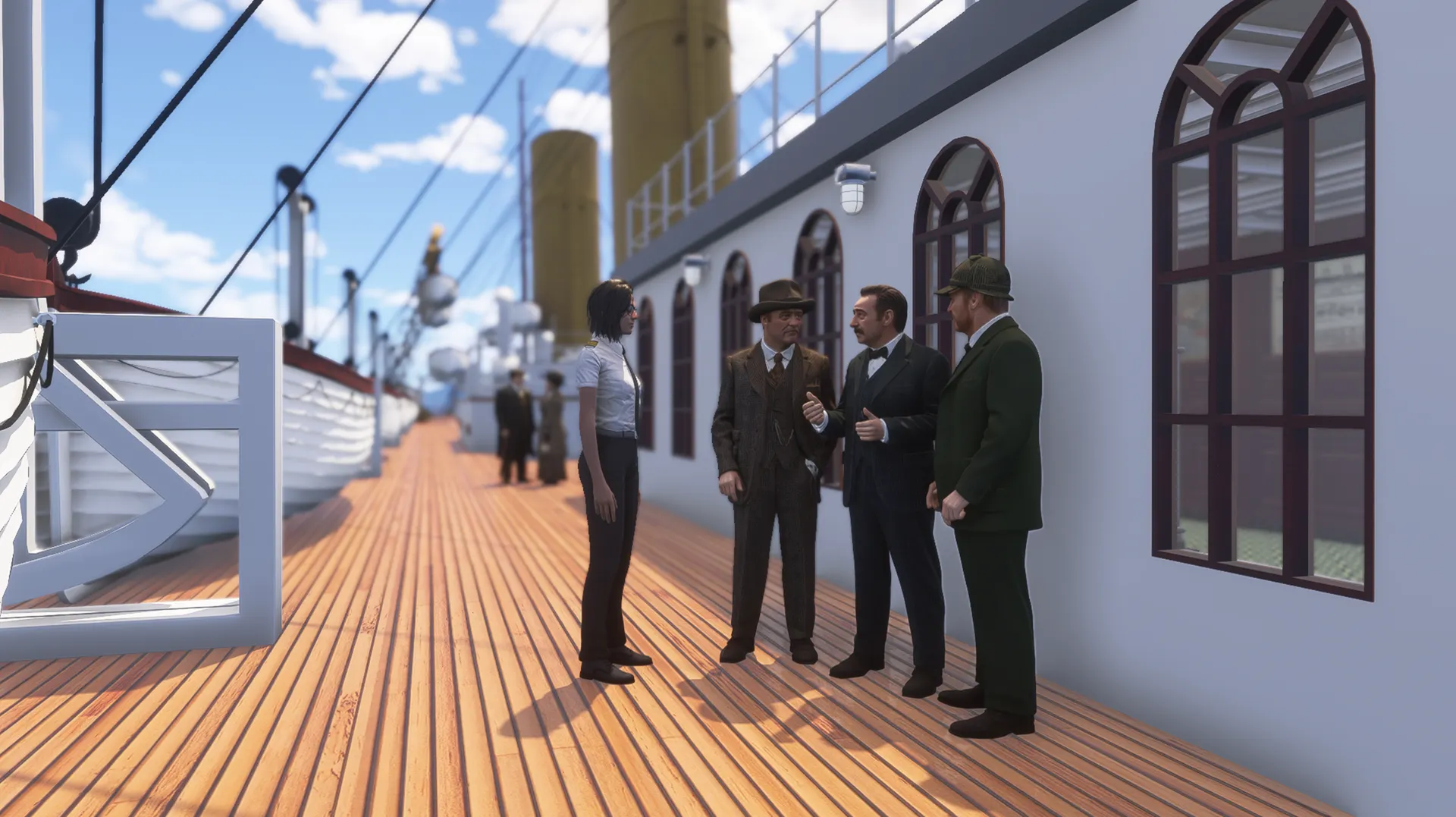
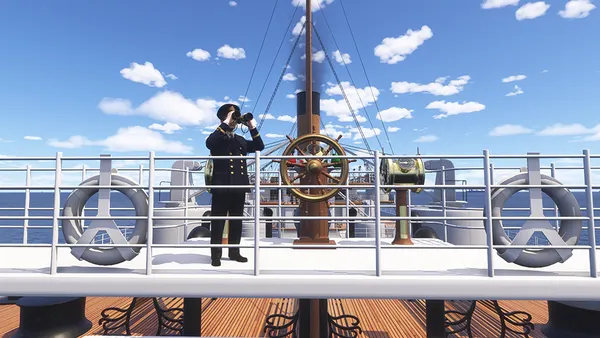
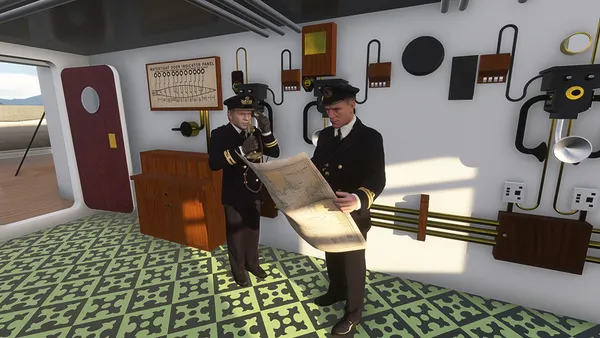
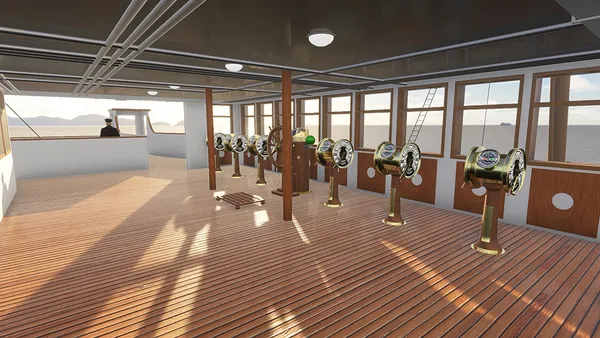
You will have at your disposal an animated and functional Tug Boat for port operations and there are two laptops in the cabin for modern operations with nautical autopilot and GPS systems. Travel with Captain Edward Smith and his crew, taking passengers to various locations on the ship and discover the structural differences between the Olympic/Titanic and Britannic versions.

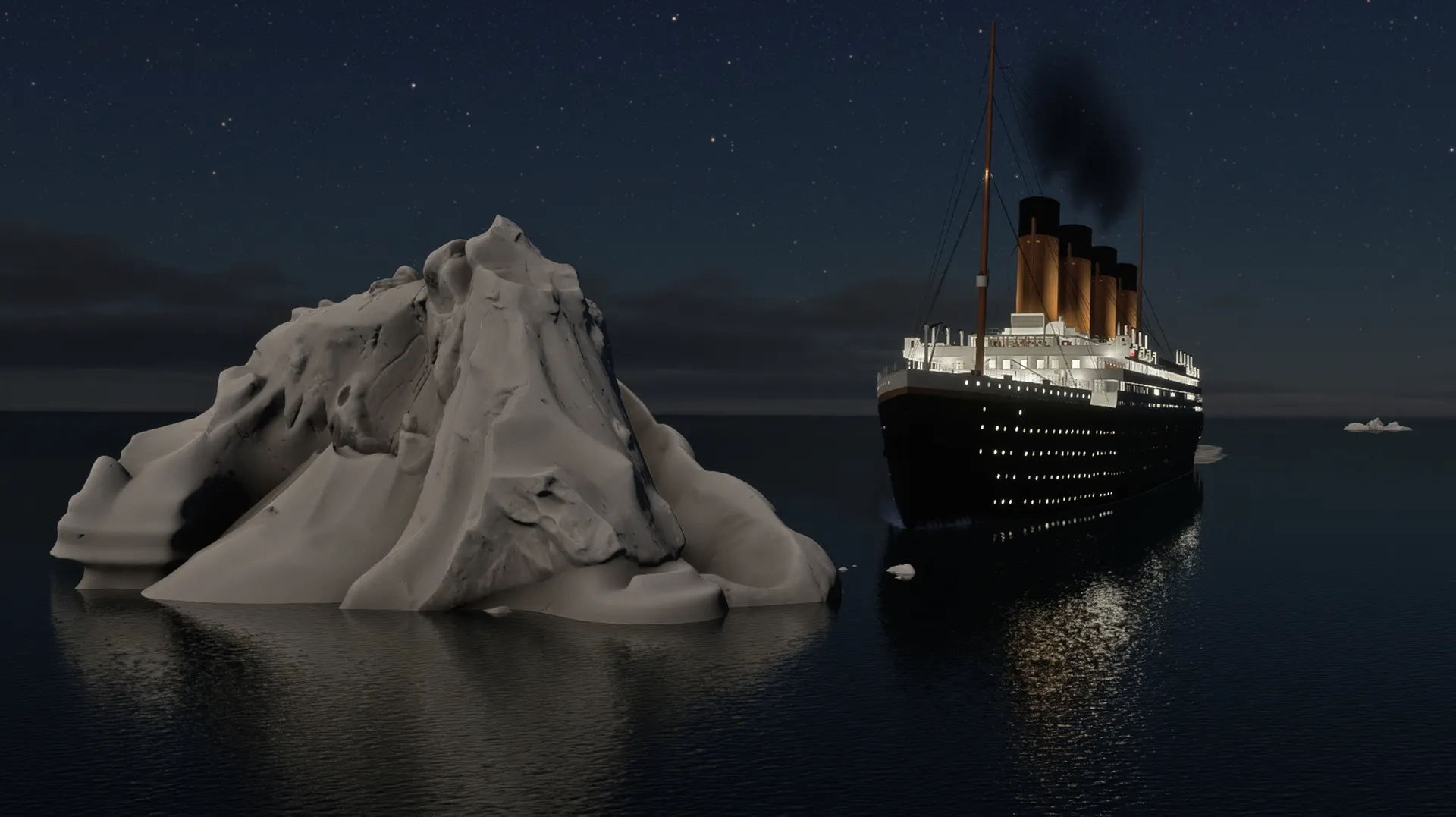
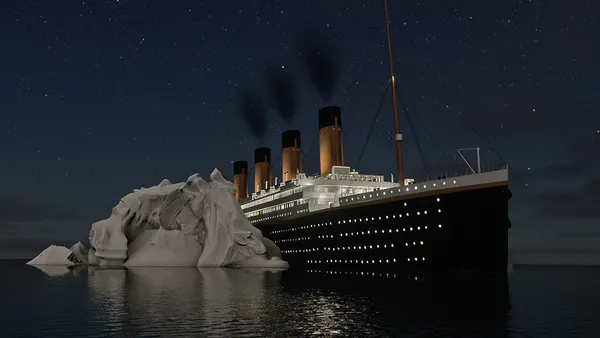
This package includes historical reenactments showing the exact locations of the RMS Titanic and HMHS Britannic shipwrecks. There are icebergs surrounding the Titanic wreckage. Be careful when planning your route there!

HOW TO PLAY:

Start the game anywhere in the world on the water or seaplane track, don't forget to check the START ON GROUND option in the flight selection menu before the game starts; Put the engine at 100% and wait a few seconds for the ship to start moving. Water trails start with the slowest speed you are on. The ship has a reverse engine. Use the autopilot feature on the cockpit laptop to avoid unintentional deviations caused by water drift. Use the rudder controls to make the vessel slide laterally left/right.

IMPORTANT: JUST AS YOU WOULD NOT DO IN REAL LIFE, DO NOT GO OUT IN THE SEA WITH WAVES HIGHER THAN 30 KNOTS (55 KM/H) AT THE RISK OF CAPSIZING THE BOAT AS IT WOULD HAPPEN IN REAL LIFE. DURING THE SIMULATION, THE SINKING OF THE BOAT IS NOT DRAMATIC AND UNEXPECTED EFFECTS MAY OCCUR CAUSED BY THE SIMULATION ENVIRONMENT ITSELF AND NOT BY A PRODUCT DEFECT.

MSFS 2020/2024 does not have a realistic drift in the water, so navigation is still imprecise in several aspects. Do not expect extreme realism - the focus of this add-on is to provide a visual and enjoyable experience for those looking for alternatives to flying. Each instrument on the boat, livery and modeling was made with great care, affection and attention to detail to meet the highest commercial standards that MSFS and other markets demand, but for several other reasons that go beyond the developer, sailing with boats in MSFS is a challenge that is not always pleasant. Always keep in mind that everything was done to ensure that you have the best possible experience despite the limitations.

Support and documentation: https://www.roprodaudiovisual.com/titanic
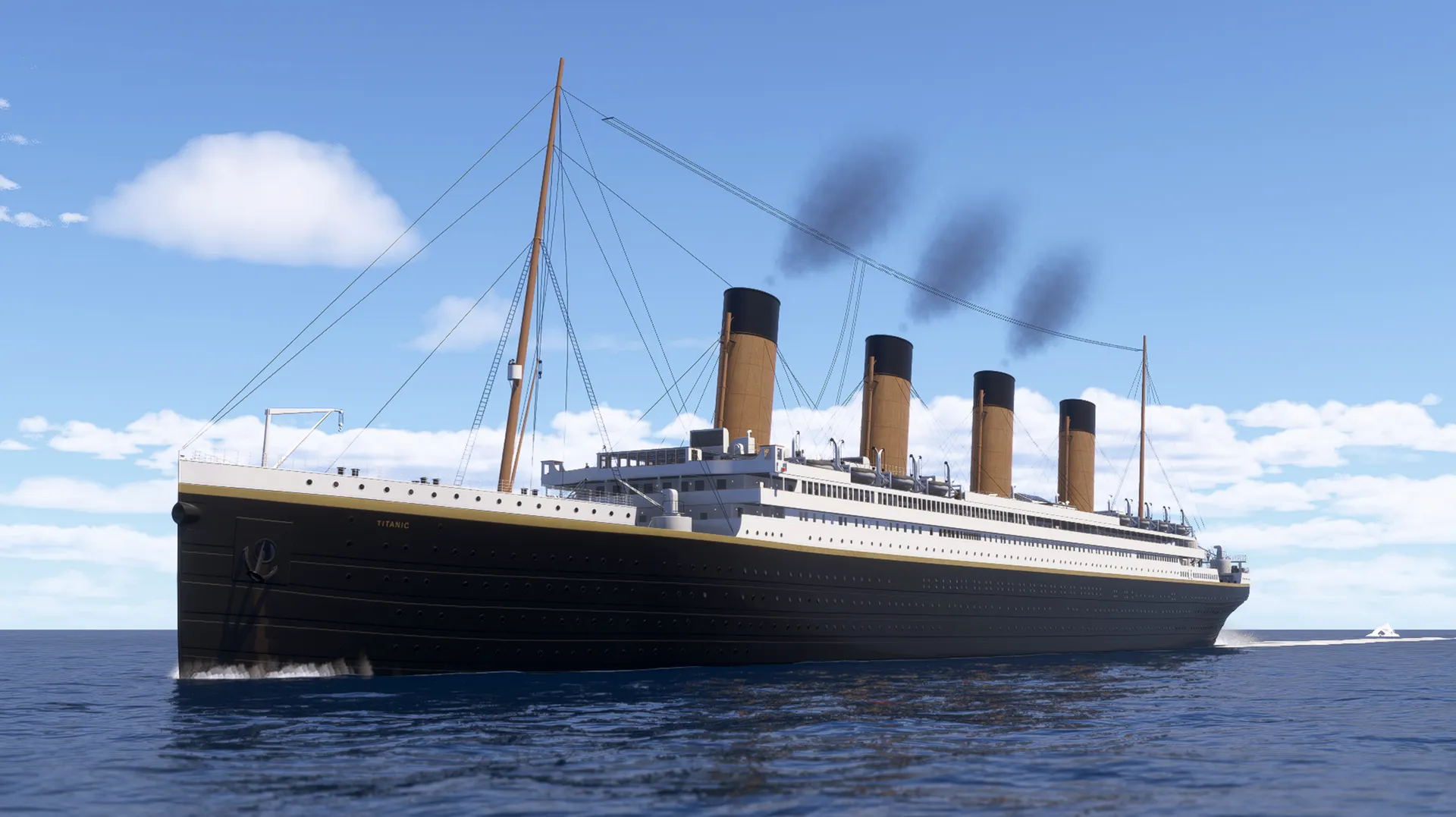
RMS (Royal Mail Ship) Titanic was a British ocean liner built by Harland and Wolff shipbuilding company in Belfast, Ireland, and operated by White Star Line of England. It famously sank in the North Atlantic Ocean after striking an iceberg in the early morning of April 15, 1912, resulting in the loss of an estimated 1,500 lives. Titanic, and the ship’s tragic demise, has captivated the public throughout the world for over a century.

RMS Titanic was the second of three ships of the White Star Line’s Olympic class, comprising the largest ships in the world upon their debut. Completed in 1912, Titanic was preceded by the first of the series, Olympic, in 1911. White Star Line commissioned the ships to compete with RMS Lusitania and RMS Mauretania, owned by competing shipping company Cunard Line. Titanic and Olympic were identical in dimensions, although modifications would make Titanic slightly heavier than Olympic and hence technically the largest ship in history when it set sail. HMHS (His Majesty’s Hospital Ship) Britannic, completed in 1915 as the third and final Olympic class ship, was slightly larger than Titanic.

Harland and Wolff began work on Titanic in March of 1909 by laying the initial keel plates for the vessel at a site next to its sister ship, Olympic, which was three months further along in construction. Thousands of workers constructed Titanic over the following 26 months, during which eight died and 246 were injured in the dangerous process. The workers erected a box girder steel frame based on the 52-inch-wide keel and then assembled the hull from 2,000 rolled steel plates, each of which was .5 to 1.5 inches thick, depending on placement. Specialists framed the ship and bound the plates together using over three million iron and steel rivets and sealed the plates together for water tightness using a process called mechanical caulking, shaping the metal using hammers, chisels, and pneumatic tools. The vessel was launched on May 31, 1911, ready for the 10-month “fitting out” process, which included installation of engines, propellers, machinery, controls, storage facilities, and all interior accommodations for passengers and crew.

Titanic measured 882 feet, 9 inches in length, had a beam (maximum width) of 92 feet, 6 inches, and stood 175 feet in height (from keel to the top of the vessel’s exhaust stacks). According to a White Star brochure about Titanic and Olympic, the ships were “…designed to be unsinkable.” The unsinkable claim was based on the internal structure used. 15 transverse bulkhead partitions separated the hull into 16 compartments, each built to watertight specifications.

Titanic was powered by two coal-fired, 4-cylinder, triple-expansion reciprocating steam engines, each of which generated up to 15,000 horsepower. One engine was located on the port side of Titanic, and one on the starboard side, with a low-pressure turbine system located between the two that was powered by steam from the two engines. Each of the three power units turned a 3-blade, manganese bronze wing propeller. Titanic used 29 boilers, burning up to 35 tons of coal per hour, approximately 6,000 tons of which was stored in bunker compartments in the ship’s lower hold. Titanic had four smokestacks, three of which were connected to the boiler furnaces and the fourth for ventilation.

Once fitted out, Titanic had 10 decks and 840 passenger state rooms. It also boasted multiple lounges, several public gathering rooms, a gym, a library, and a swimming pool. The navigating bridge and enclosed wheelhouse comprised state-of-the-art controls including a telemotor console connected to the steering wheels. This system provided precise control of steering engines at the stern to actuate the ship’s single main 100-ton, 78-foot-tall rudder.

The ship, when complete, weighed over 52,000 tons (loaded), had a crew of 874, and could accommodate 2,453 passengers. It had a range of 3,000 nautical miles, a service speed of 21 knots (24 miles per hour) and a top speed of 24 knots (28 miles per hour). Titanic tragically sank during its maiden voyage from Southampton, England to New York City, USA, after it struck an iceberg on April 14, 1912 at 11:40 ship’s time, 460 miles from Newfoundland, Canada. It sank hours later at 2:20 in the morning of April 15, 1912.

Specifications


SPEEDCruise: 21 knots, Max.: 24 knots
TYPICAL RANGE3.000 nmi, 5.556 km
LENGTH269.1 m
BEAM28.2 m
HEIGHT52.3 m
MAX WEIGHT52.310 t
FUEL CAPACITY7.500 t of coal
ENGINE TYPE2 triple-expansion steam engines + 1 low-pressure steam turbine
TOTAL ENGINE POWER46.000 HP
CREW874
PASSENGERS2.453