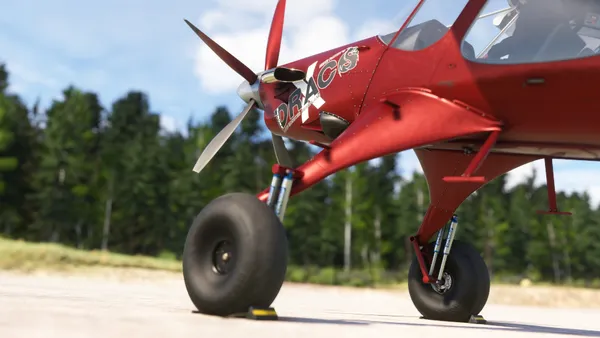
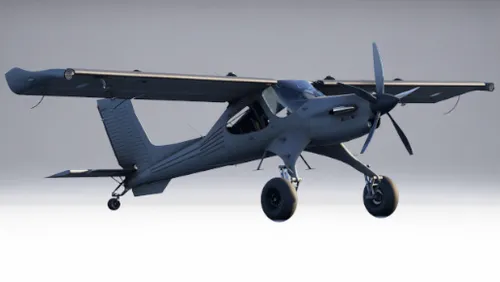
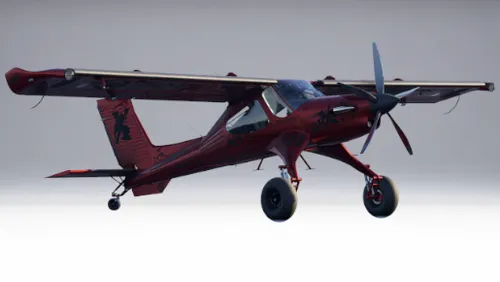
The Draco X is a four-seat, single-engine, turbine-powered short takeoff and landing (STOL) airplane conceived by American engineer, pilot, and aircraft builder Mike Patey. Designed as a successor to his original Draco, the Draco X advances the concept of a high-powered bush plane with a larger cabin, purpose-developed airframe, and aerodynamic features intended for operation from exceptionally short and challenging landing areas. The Draco X presented in Microsoft Flight Simulator represents a proposed design rather than an established production aircraft.
The origins of Draco X lie in Mike Patey's original Draco project, a radically modified PZL-104 Wilga 2000. That aircraft replaced the Wilga's piston-engine installation with a Pratt & Whitney Canada PT6A turboprop and incorporated extensive structural, mechanical, and aerodynamic changes. Draco became widely recognized for its dramatic climb performance, distinctive appearance, and ability to operate from short, rough airstrips. Its combination of power and specialized backcountry equipment demonstrated how far the capabilities of a conventional utility airplane could be extended.
The original Draco was destroyed in a takeoff accident at Reno, Nevada, in September 2019. Patey subsequently explored an even more ambitious successor concept: Draco X. Rather than simply modifying another existing aircraft, Draco X was envisioned with four seats and a design specifically shaped around powerful turbine propulsion and demanding off-airport use. The concept also reflects experience gained through Patey's other experimental aircraft projects, in which aerodynamic refinement, structural engineering, and ambitious performance goals are recurring themes.
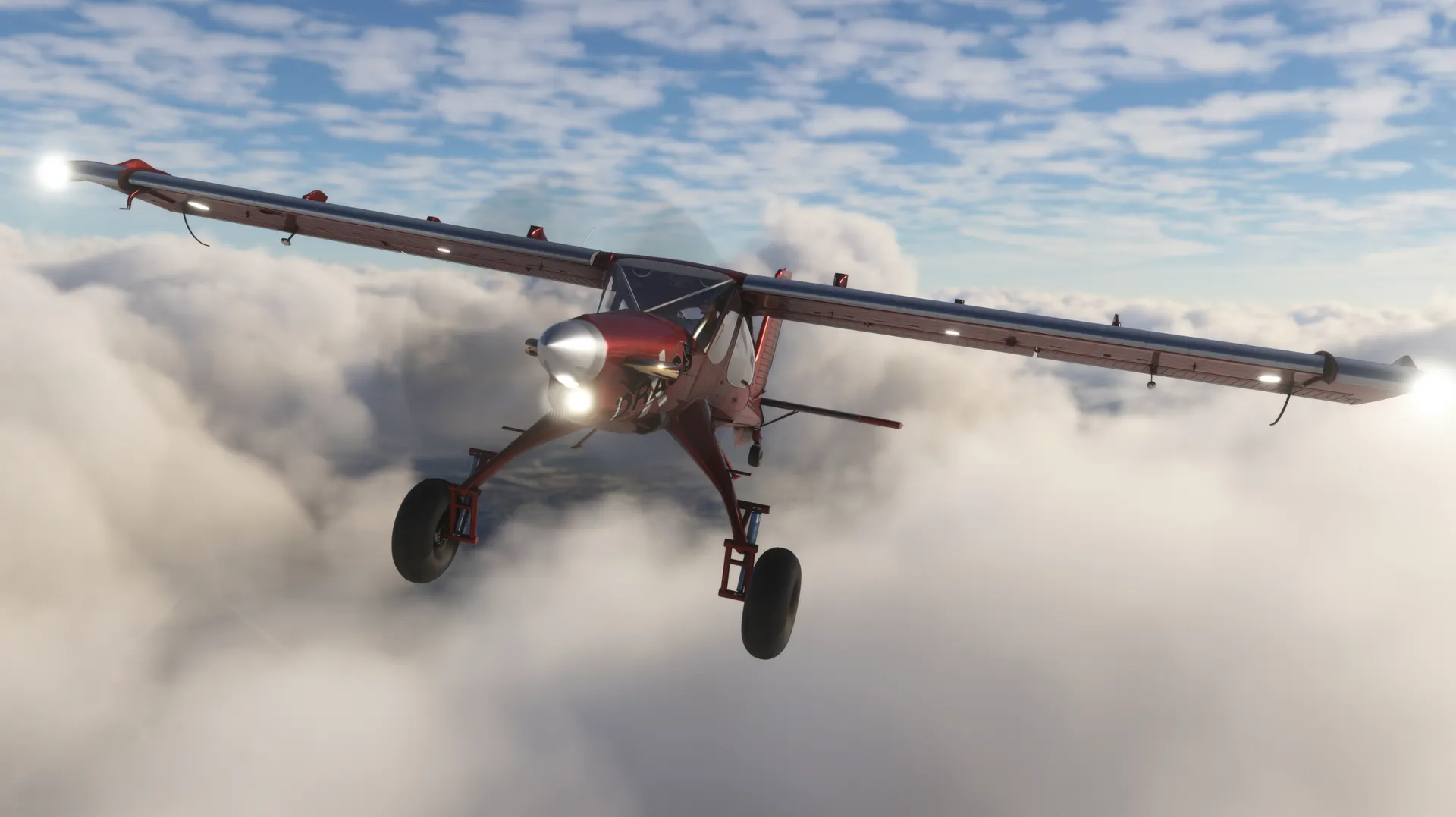
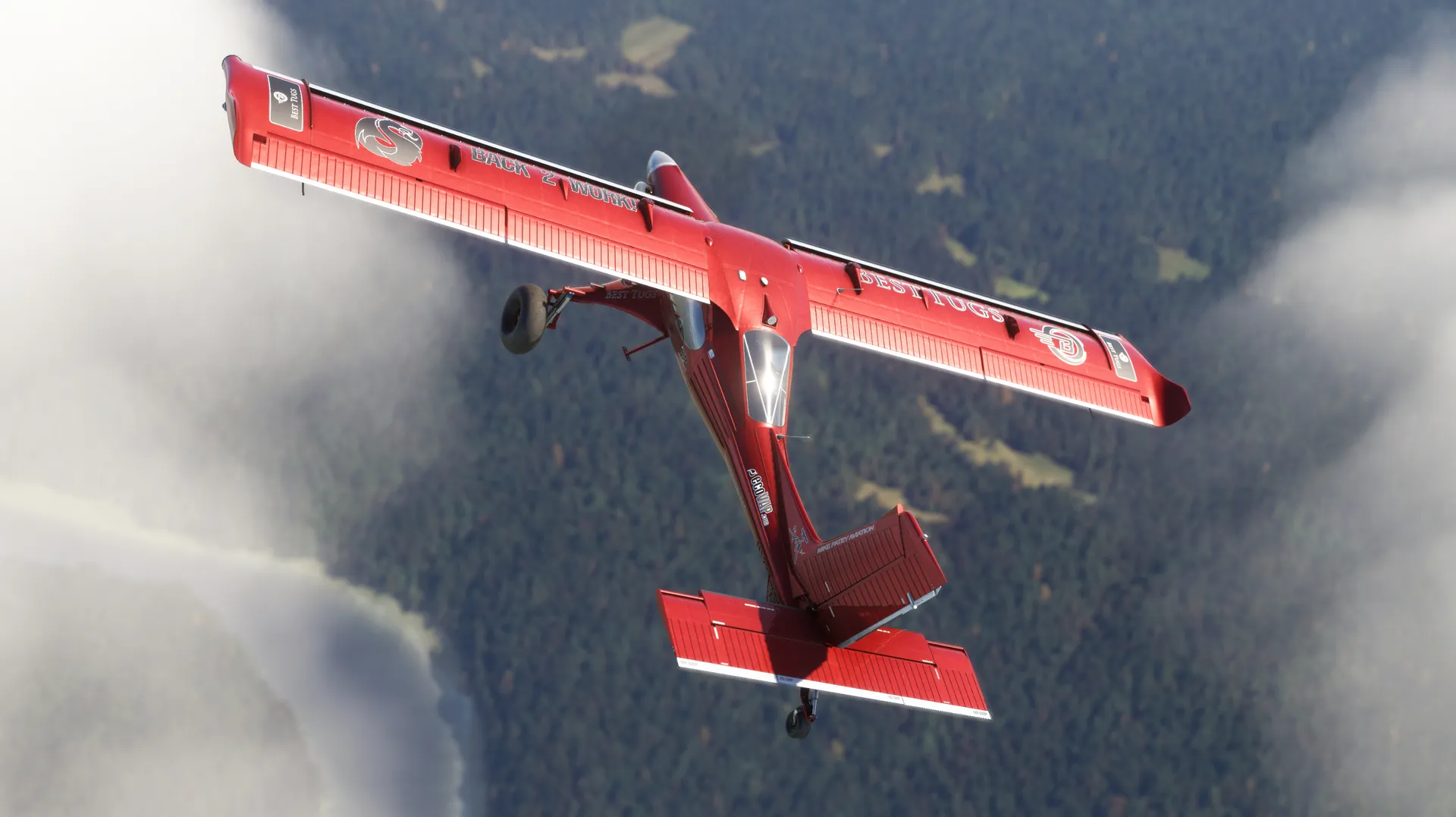
Draco X uses a high-wing configuration and an advanced high-lift concept featuring leading-edge devices and large flaps for increased lift at low airspeeds. Its conventional landing gear is designed for substantial ground clearance and the use of large tires. The design emphasizes steep approach capability, quick acceleration, strong climb performance, and a rugged structure intended to tolerate the stresses associated with rough-surface operations.
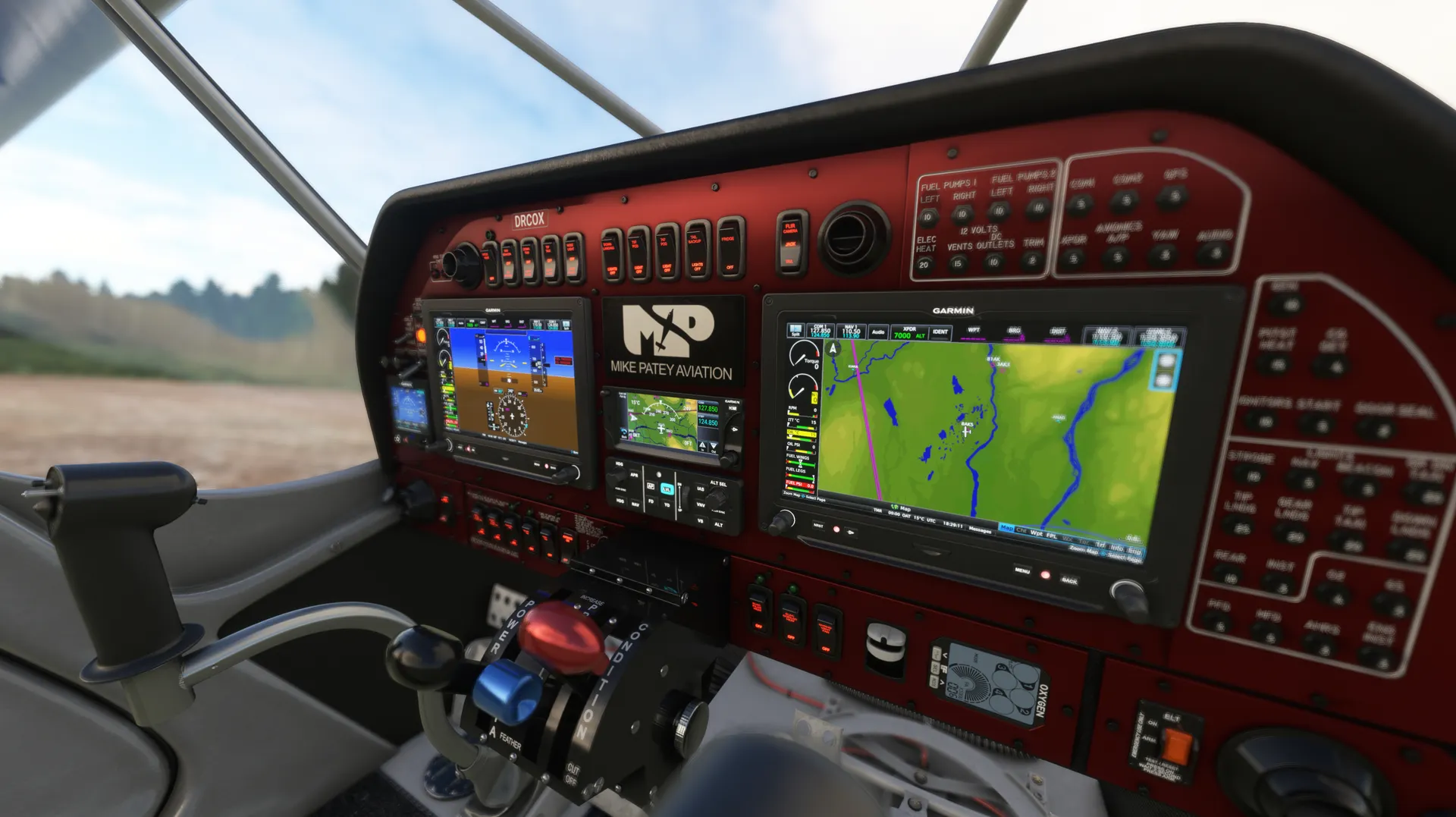
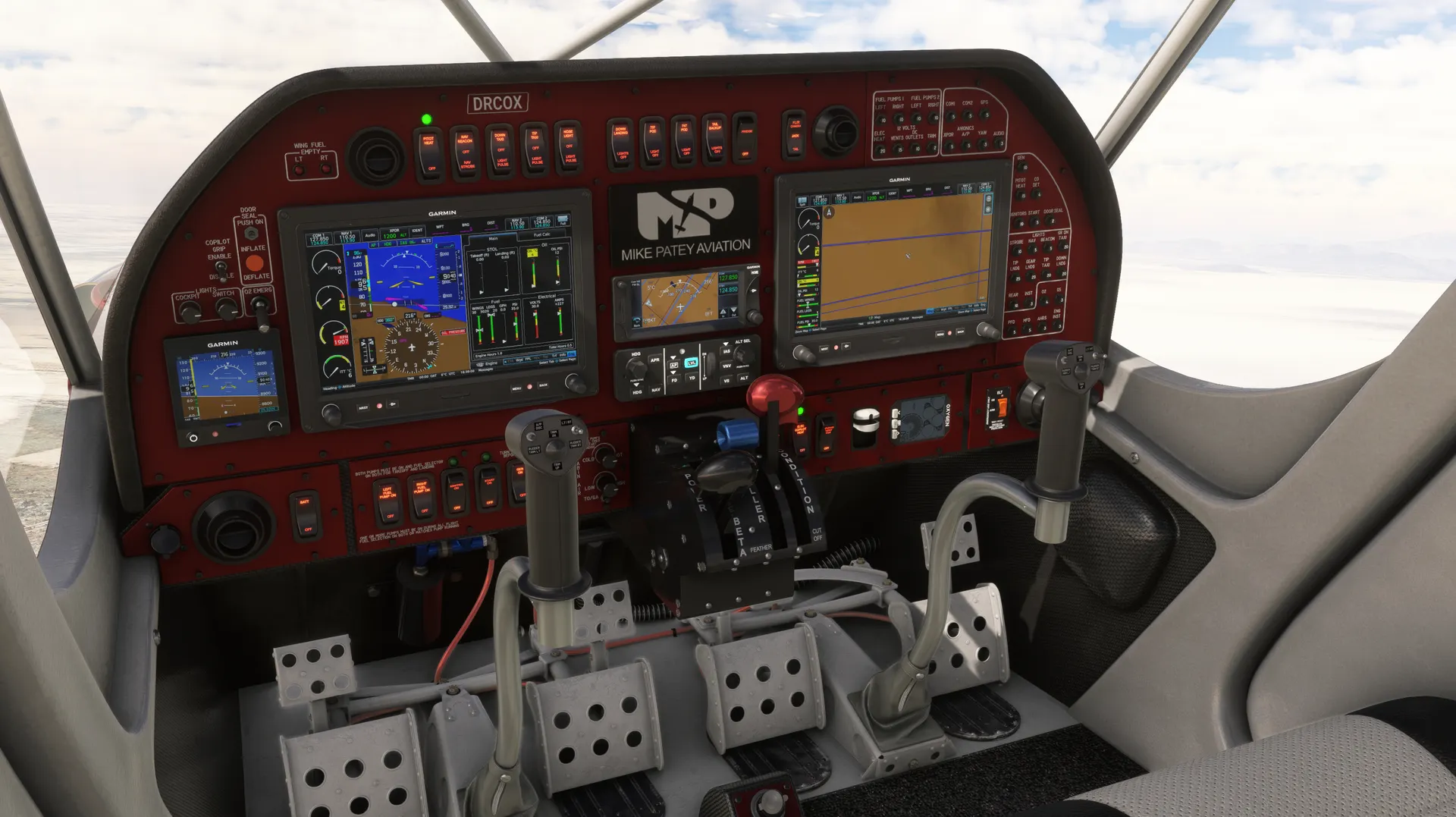
The airplane's four-place cockpit is intended to accommodate a pilot and three passengers, expanding the utility of the Draco concept beyond the original aircraft. Modern digital avionics and engine instrumentation provide flight, navigation, and powerplant information. The cockpit and cabin are designed to support adventurous cross-country flying, remote transportation, and backcountry exploration while preserving the direct handling qualities valued by STOL pilots.
Draco X is associated with the Pratt & Whitney Canada PT6A-140 turboprop engine, a powerplant capable of producing substantially more power than conventional piston engines typically installed in light bush aircraft. The proposed installation drives a large five-blade propeller and is intended to deliver unusually strong acceleration and climb performance. As with other conceptual aircraft, final operating capabilities would depend on the completed airframe and its testing program.
The Microsoft Flight Simulator Draco X was developed by Got Friends with participation from Microsoft and collaboration with Mike Patey. Its simulator configuration offers pilots an opportunity to experience the intended flight characteristics and appearance of the aircraft before those characteristics can be confirmed through an actual Draco X flight-test campaign.
The simulator's published design figures include a maximum gross weight of approximately 4,000 pounds, a turbine powerplant based on the Pratt & Whitney Canada PT6A-140, and a five-blade constant-speed propeller. Projected performance includes a cruise speed near 160 knots, climb performance approaching 3,500 feet per minute, a service ceiling near 31,000 feet, and range in the vicinity of 550 nautical miles. These values describe the simulated design and its performance targets; they should not be interpreted as certified specifications or measured results from a completed Draco X aircraft.