- USD 14.99
- View more offers at FS Addon Compare
- This item is discounted for MSFS Deluxe or Premium owners
- Added: August 27, 2026
- Updated: September 18, 2026
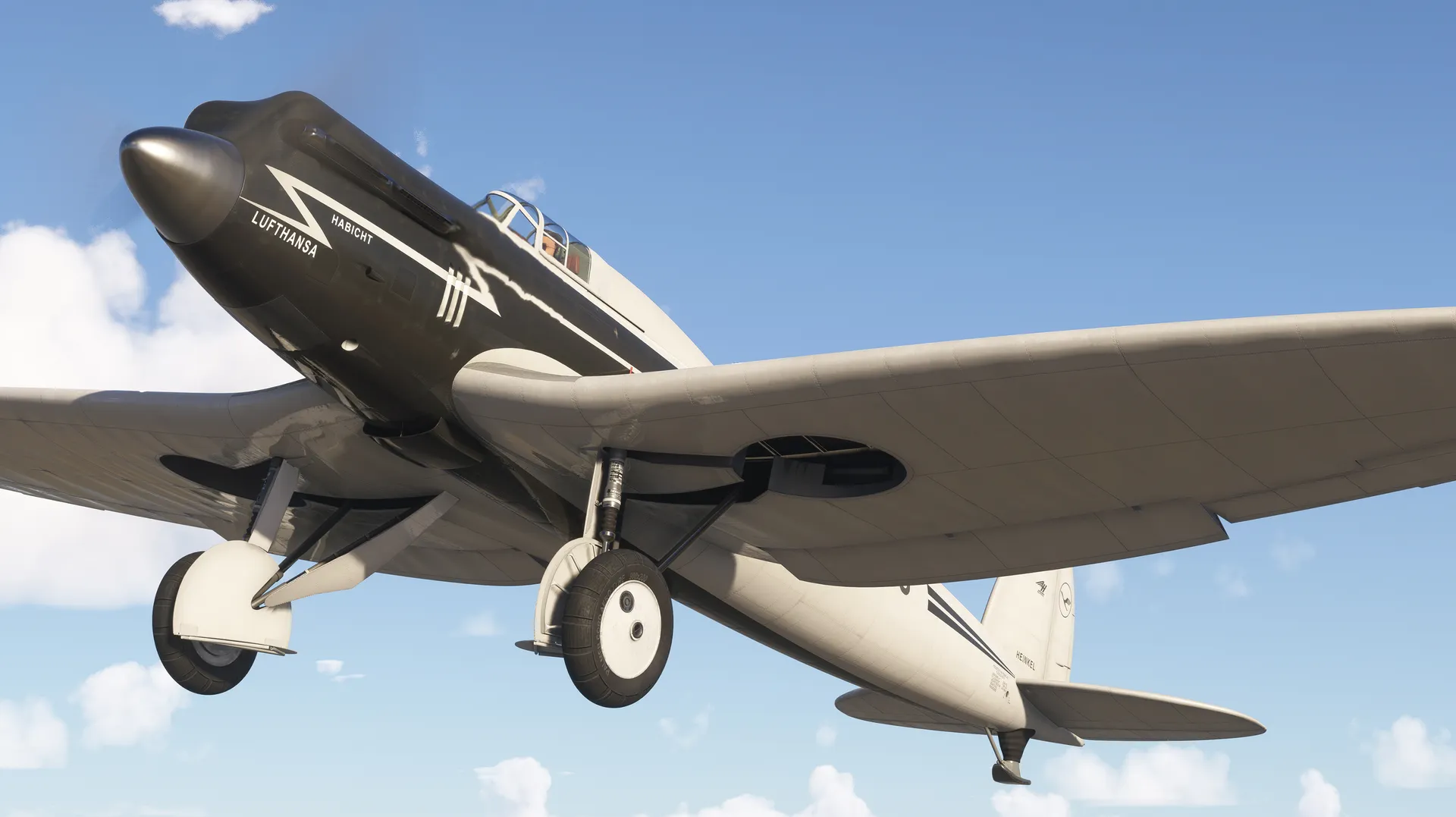
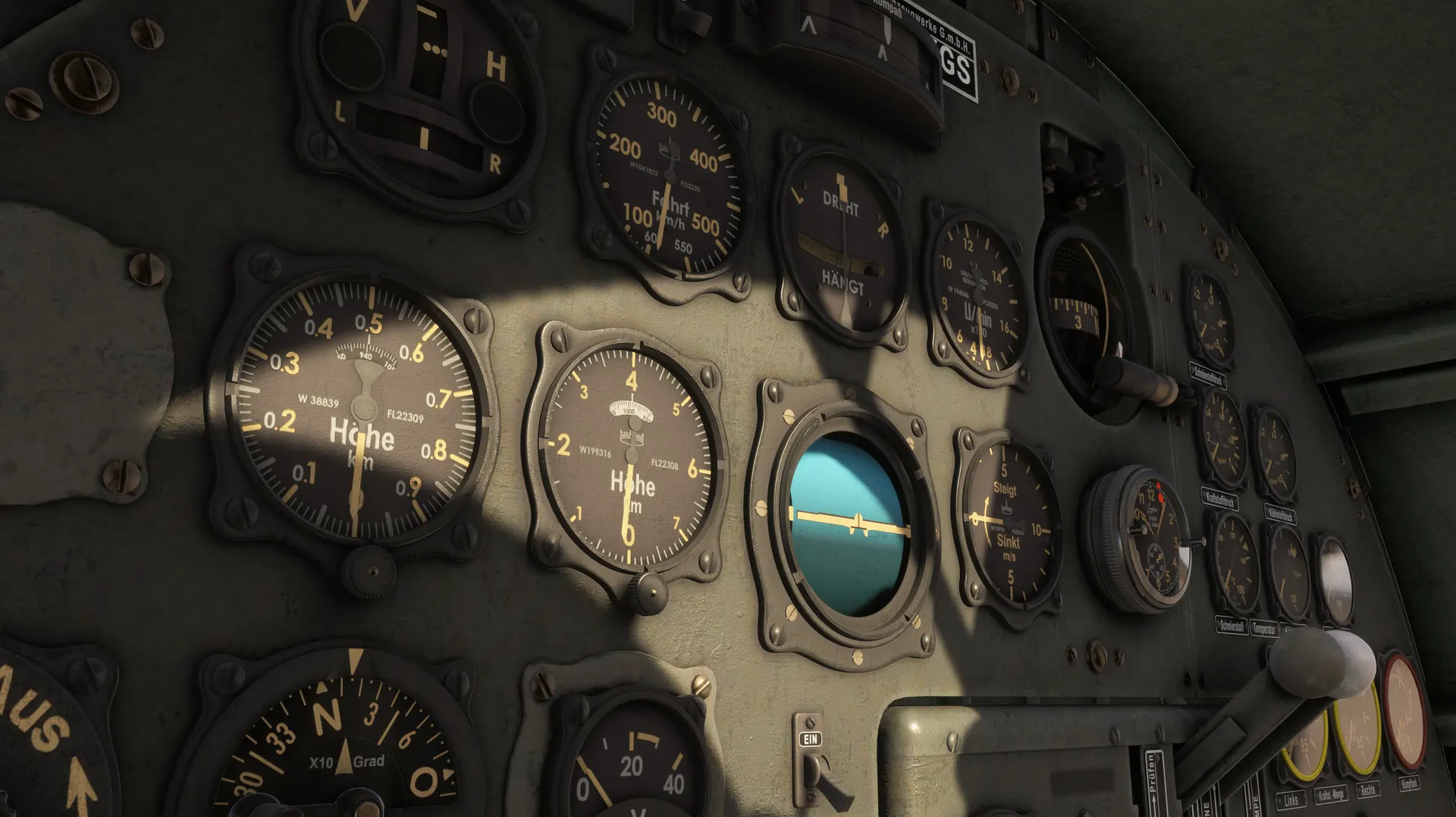
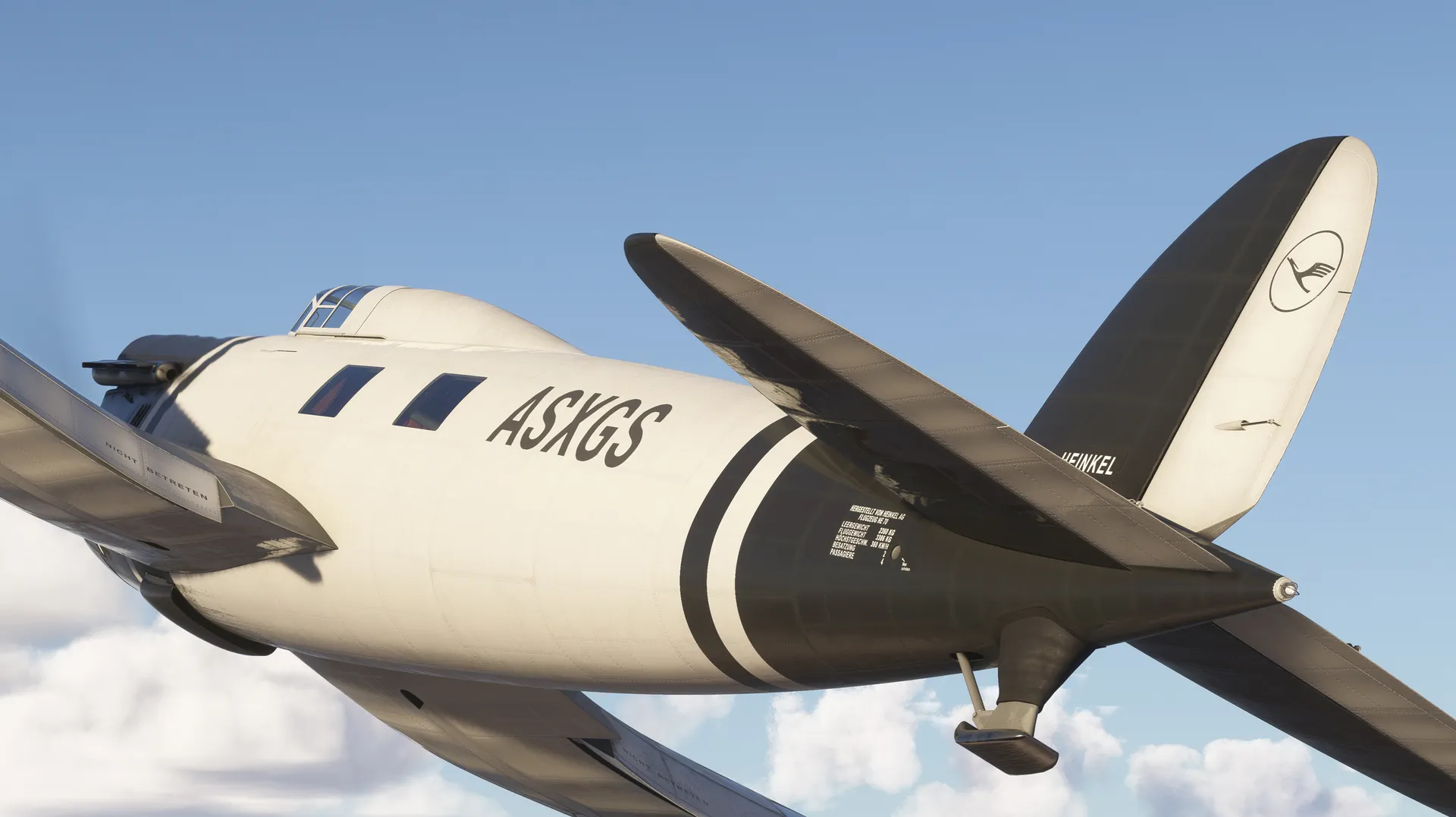
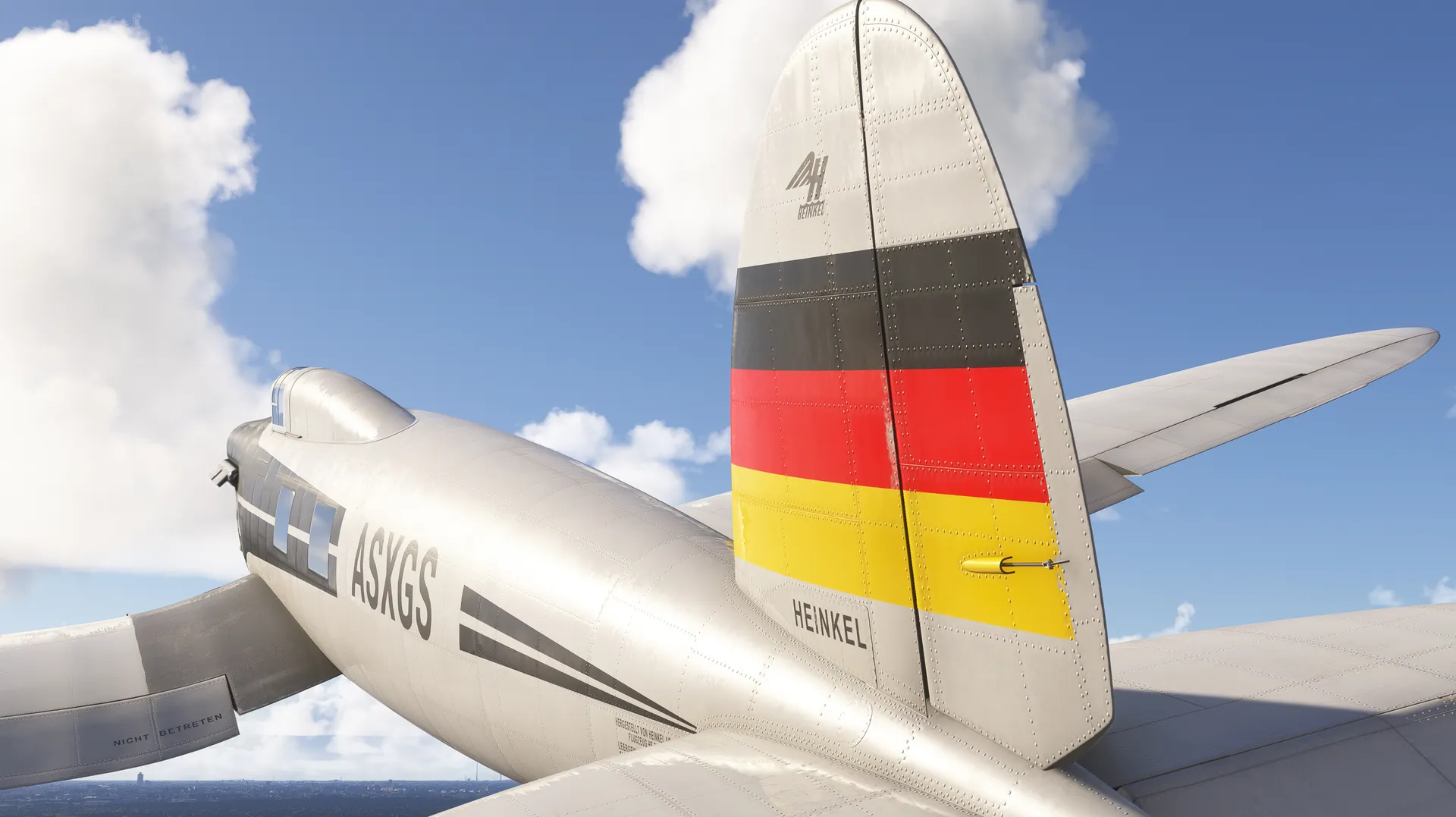
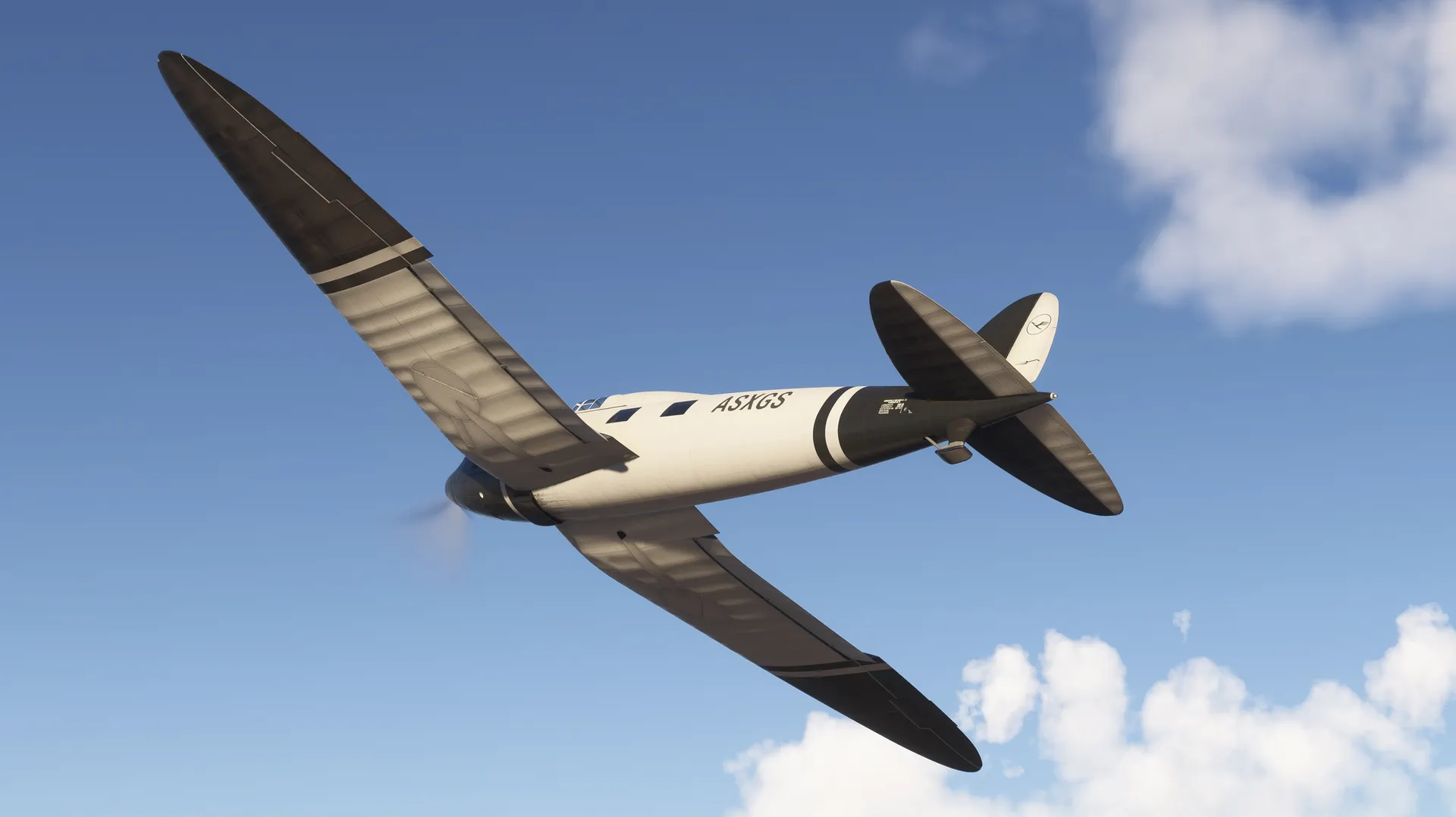
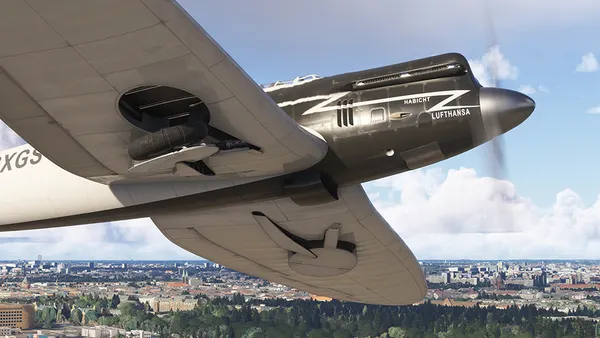
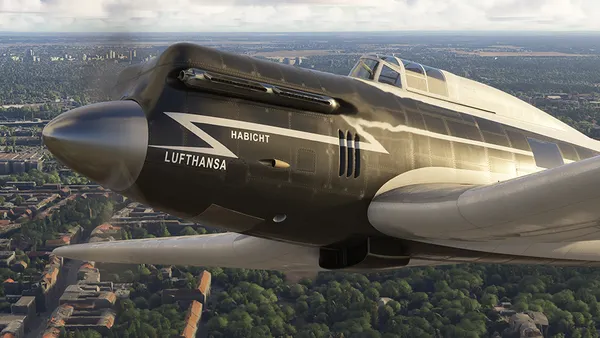
The He 70 Blitz was a single-engine, multi-use airplane developed and manufactured by Heinkel Flugzeugwerke (Heinkel Aircraft Works) of Germany. The He 70 took its maiden flight on December 1, 1932 and Heinkel introduced it in 1933. The aircraft, renowned for its speed, versatility, and beautiful design, served as the base for the larger Heinkel He 111, introduced in 1935. Developed into several variants that served civil and military users, the He 70 operated for more than two decades.
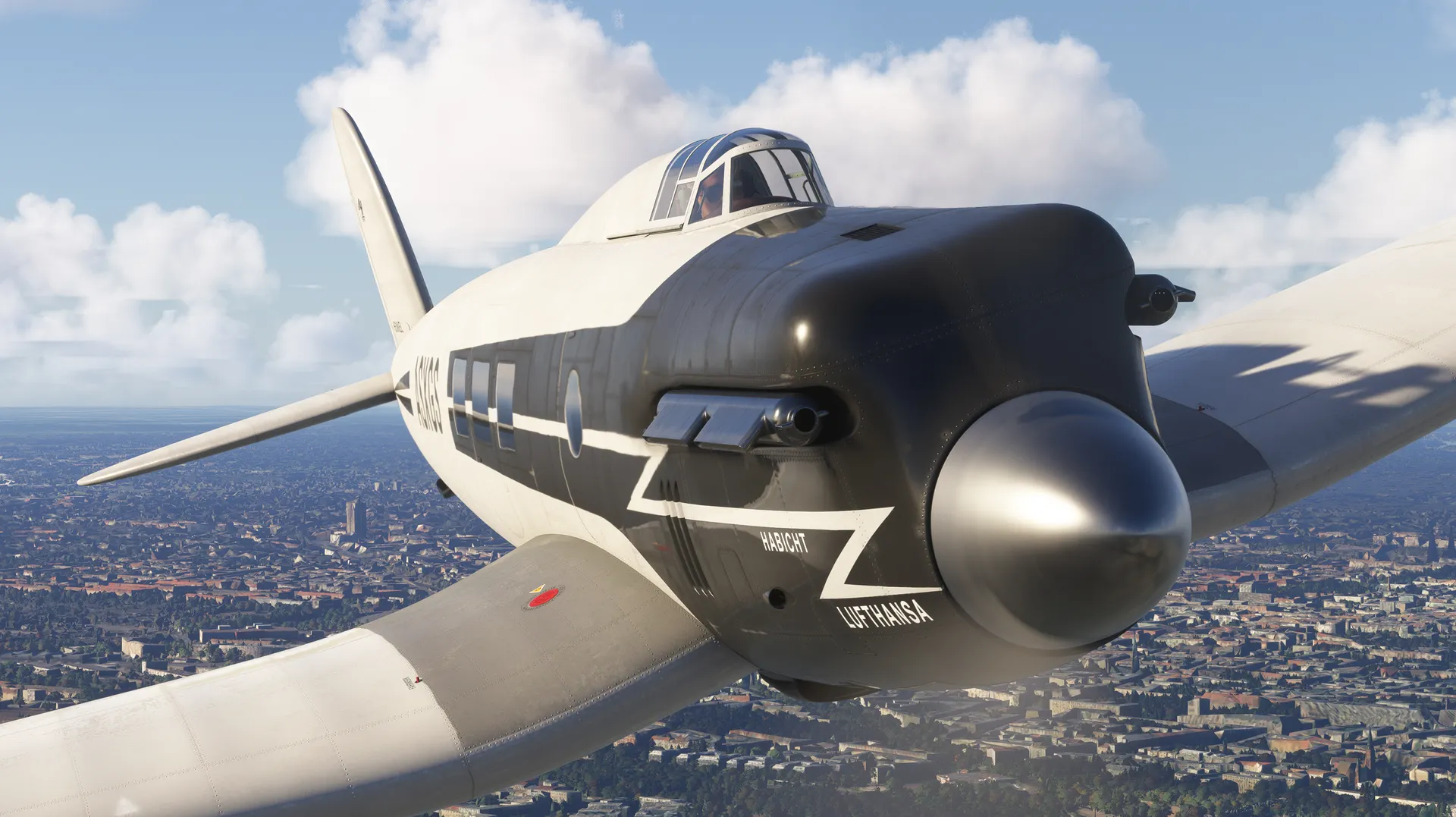
Heinkel initiated the project in early 1931 based on a request by German flag airline Deutsche Luft Hansa for a new mail and passenger airplane to serve short routes. Swissair was using the Lockheed Model 9, and Luft Hansa (the company began stylizing its name Deutsche Lufthansa beginning in 1933) sought a faster, more capable aircraft. Initially designated the He 65 in February of 1932, the project evolved in the following months into a faster design, and Heinkel updated the name to He 70.
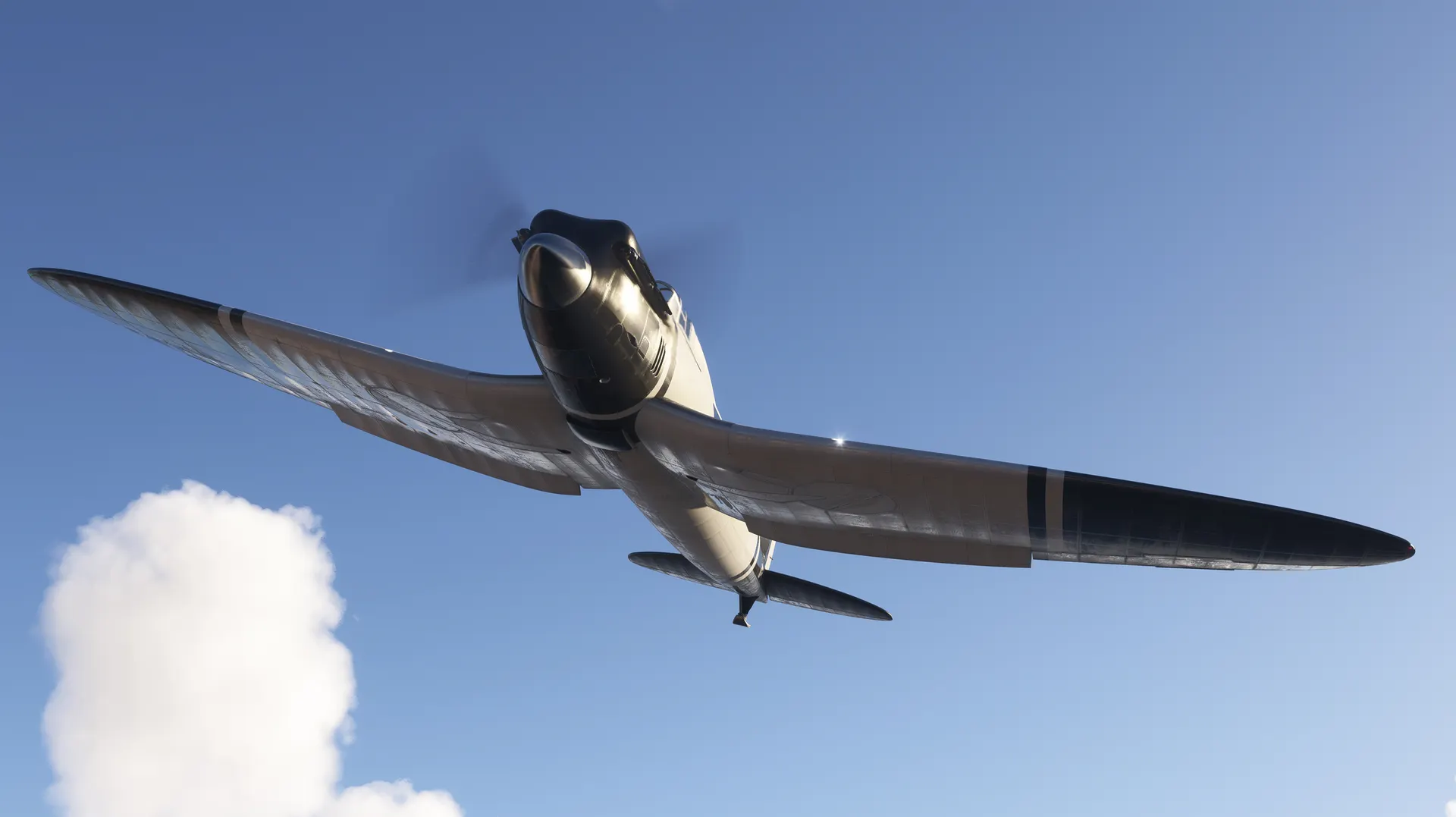
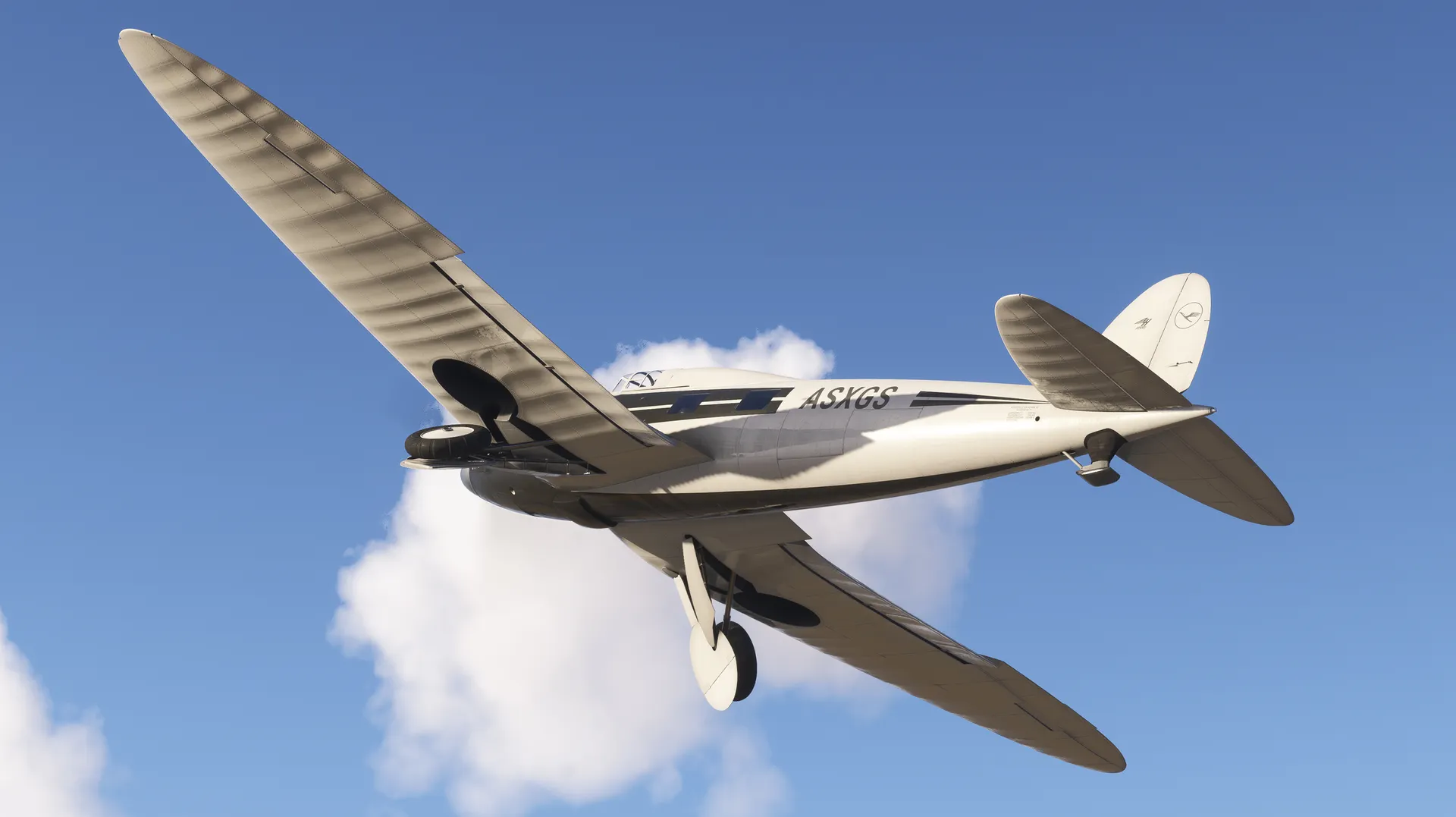
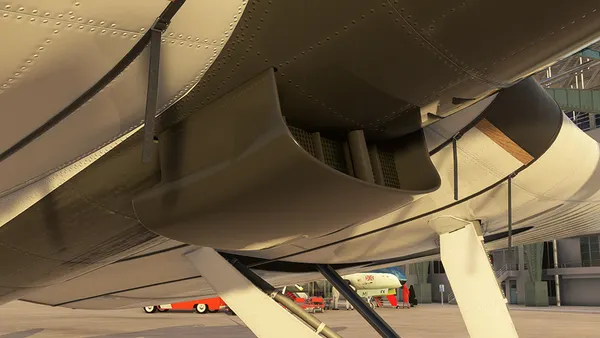
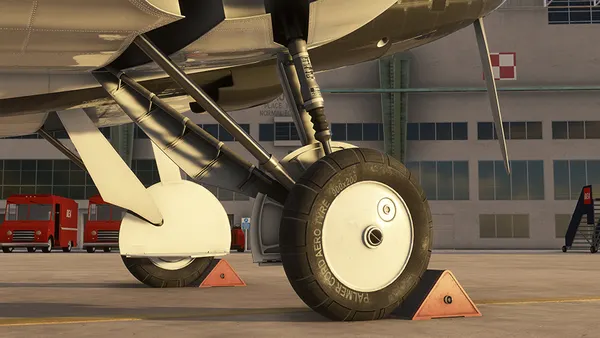
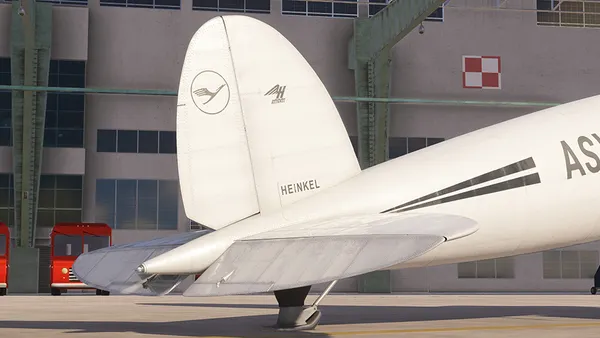
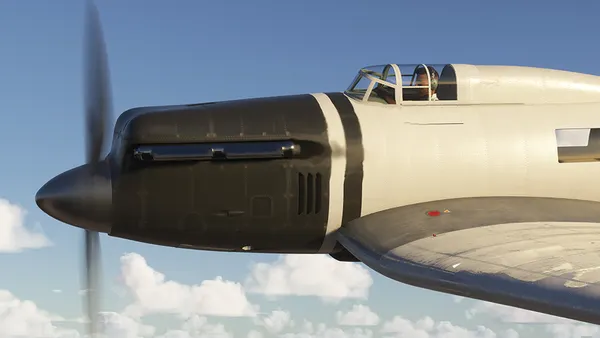
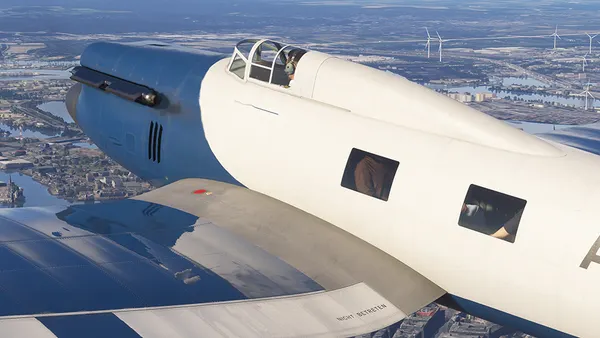
Heinkel created a low-wing cantilever (unbraced) monoplane design with an elliptical wing with trailing-edge flaps for optimized aerodynamic efficiency. Engineers created a monocoque fuselage built of duralumin and steel, and used stressed metal skin with countersunk rivets to minimize drag. It had a retractable standard undercarriage (a first for German commercial aviation) and a standard tail unit. Crewed by one or two, the aircraft could accommodate a total of six, including pilot(s). The design incorporated a powerful V-12 engine cooled by a retractable radiator using ethylene glycol, a more efficient coolant than water.
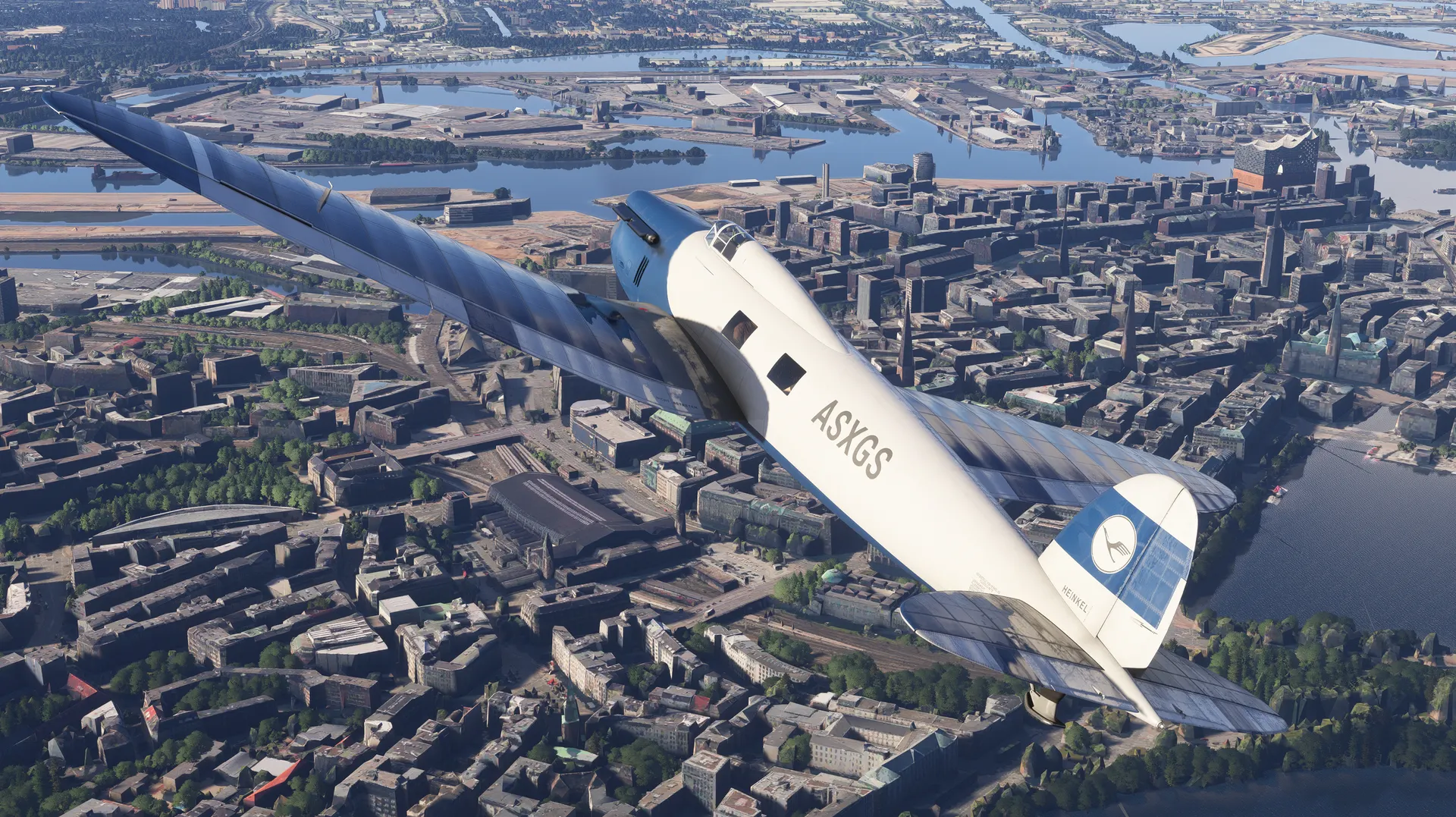
The He 70a V1 prototype proved an exceptional performer during its initial flight tests, clocking an incredible 234 miles per hour. Together with the second prototype, the He 70a V2, the design set eight world speed records, earning the aircraft the name “Blitz” (Lightning). Deutsche Lufthansa began using the He 70 on several domestic routes beginning in 1933, connecting Berlin with Frankfurt, Hamburg, and Cologne. The airline also used it for their Stuttgart to Seville, Spain international route.
Germany’s Luftwaffe used the He 70 beginning in 1935, militarily developing it primarily for aerial intelligence, surveillance, and reconnaissance (ISR) collections, and also for light bombing. Germany sent several militarized variants to Spain, where they served in the Spanish Civil War, operated primarily as ISR platforms.
Heinkel built a total of 324 airframes spanning more than a dozen variants; none remain in existence.
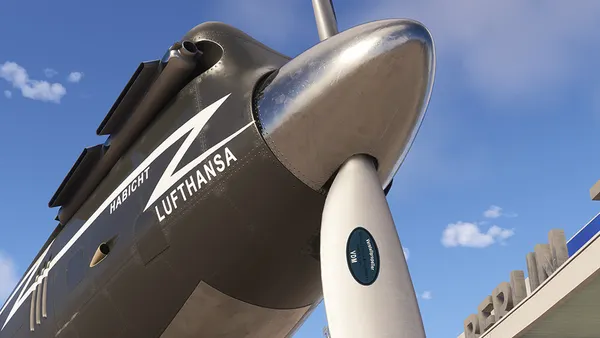
The He 70 measured 38 feet, 5 inches in length, stood 10 feet, 2 inches tall, and had a wingspan of 48 feet, 7 inches. It was powered by a single BMW VI V-12 piston engine that generated up to 740 horsepower and turned a 2-blade metal propeller. The aircraft had a range of 1,130 miles, a service ceiling of 20,000 feet above sea level, and a maximum climb rate of 1,320 feet per minute. It cruised at 183 miles per hour and had a top speed of 220 mph.