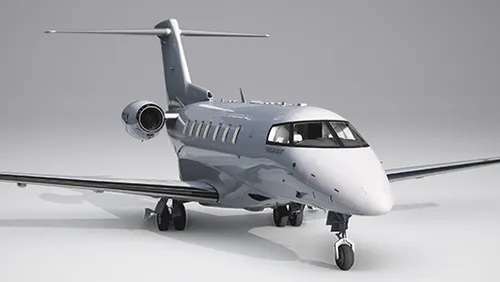
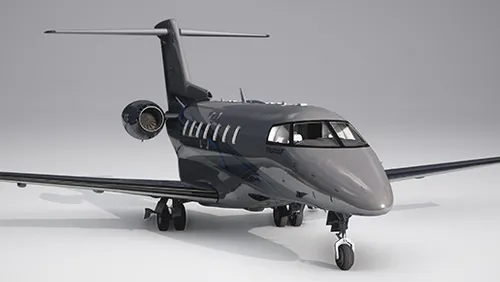
- USD 19.99
- View more offers at FS Addon Compare
- This item is discounted for MSFS Deluxe or Premium owners
- Added: December 9, 2025
- Updated: October 21, 2026
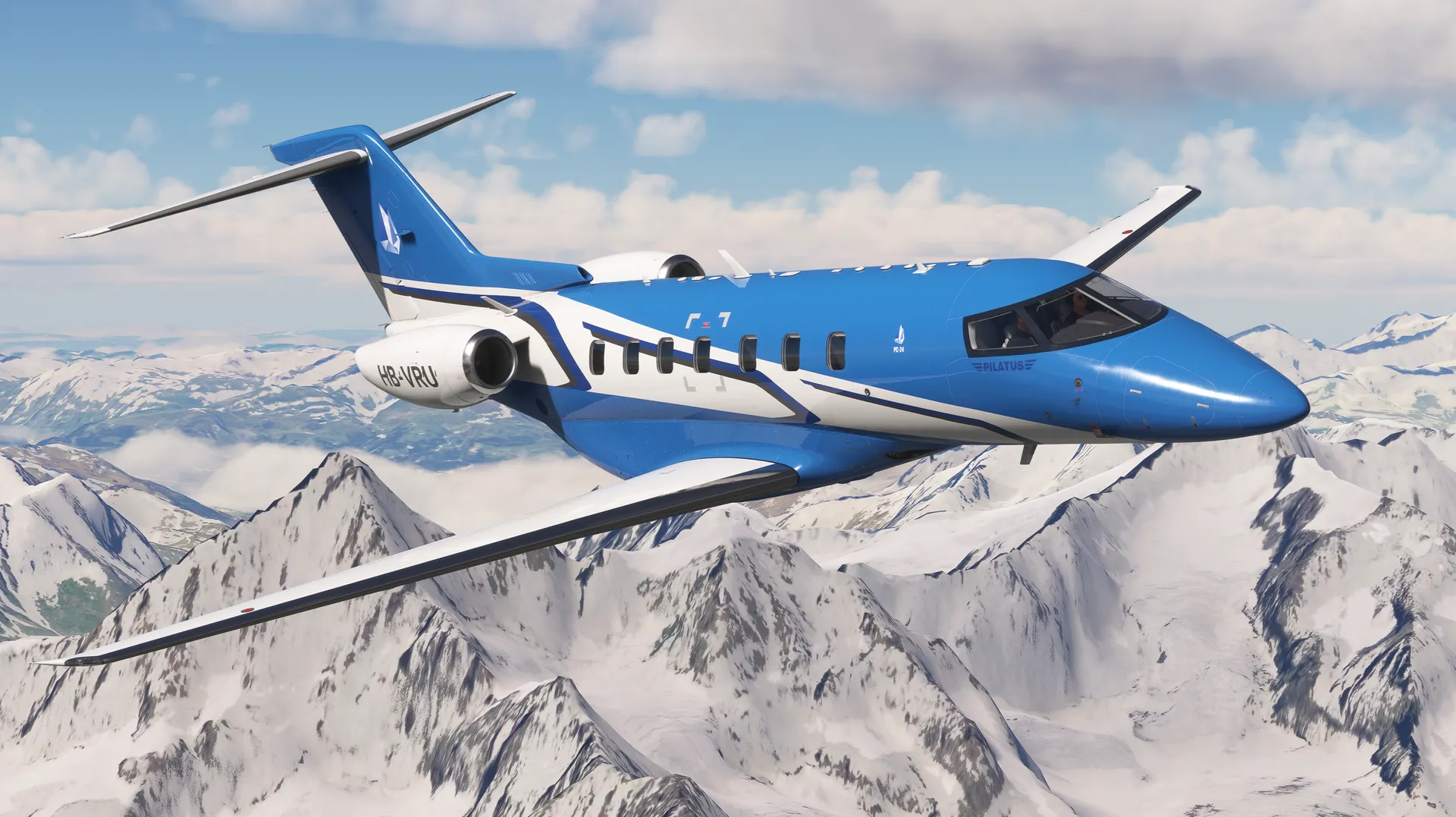
The PC-24 is a twin-engine, multi-mission light jet developed and manufactured by Pilatus Aircraft of Switzerland. It is piloted by one or two and can accommodate up to a total of ten, including pilot(s), 3,100 pounds of payload, or some combination. The jet took its maiden flight on May 11, 2015, and was introduced into service on April 1, 2018.
The PC-24 was designed for versatility, drawing on the company’s lineage of rugged, multi-role offerings beginning with the PC-6 Porter STOL (short take-off and landing) aircraft, which took its maiden flight in 1959. Pilatus debuted its PC-12, a single-engine turboprop, in 1994, a unique standout that quickly garnered acclaim by airlines, militaries, and businesses throughout the world.
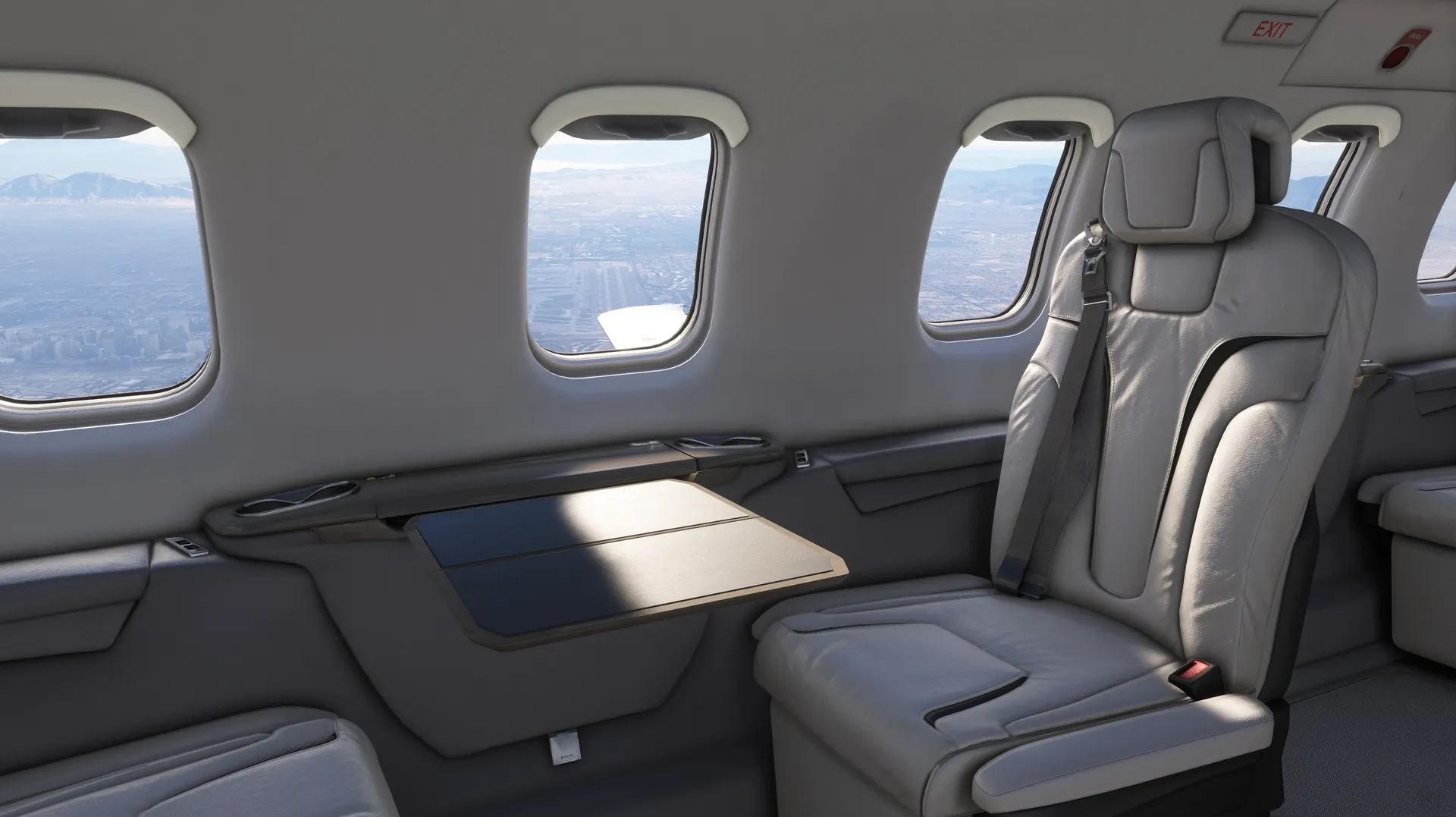
Years of feedback from PC-12 users led to the development of the PC-24, the first jet in the company’s history. The PC-24 evolved from the basic outlook of creating an aircraft operationally identical to a PC-12 but 100 knots faster. Pilatus designated the PC-24 the “Super Versatile Jet” and introduced it to the world on May 21, 2013. The PC-24 fuses the speed and performance of a light jet, the cabin size of a medium light jet, and the multi-mission operational versatility of a turboprop. Like the PC-12, it is built for all types of airfields, including austere airstrips.
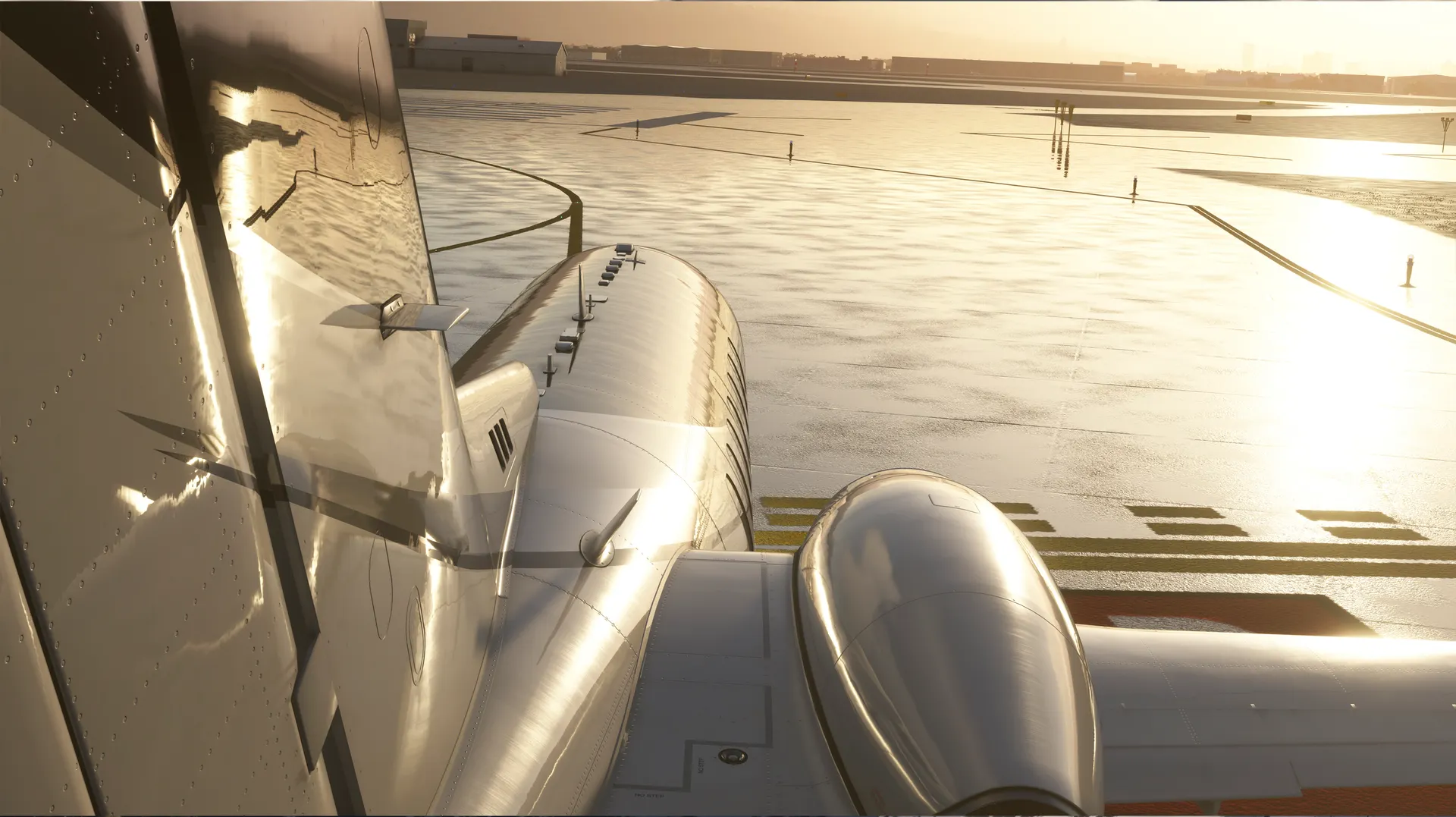
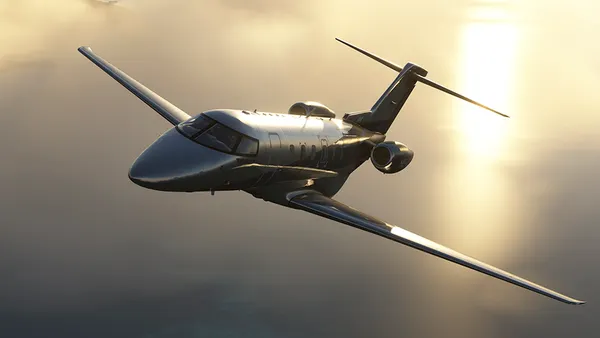
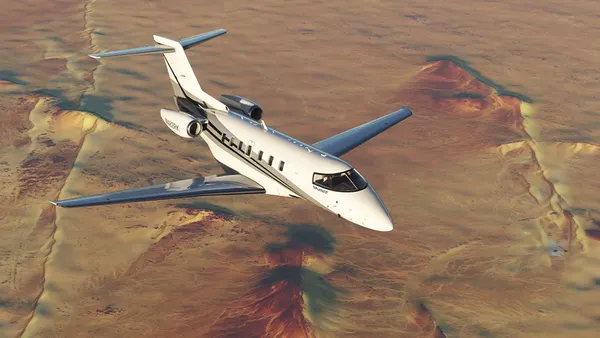
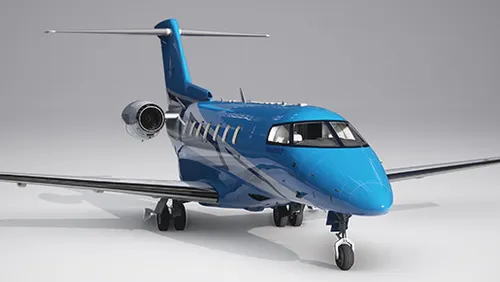
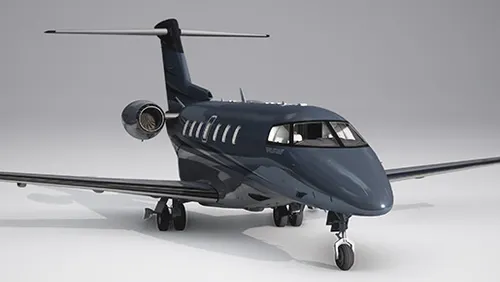
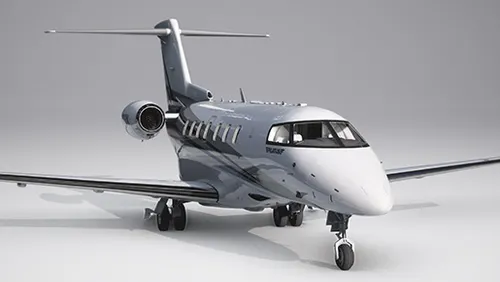
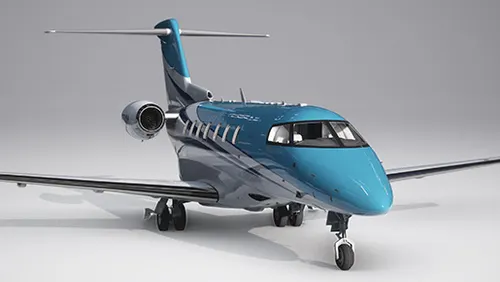
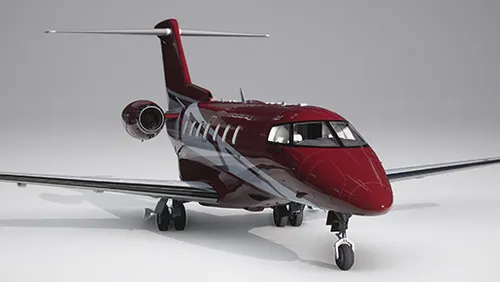
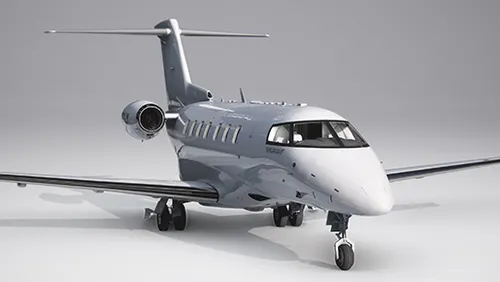
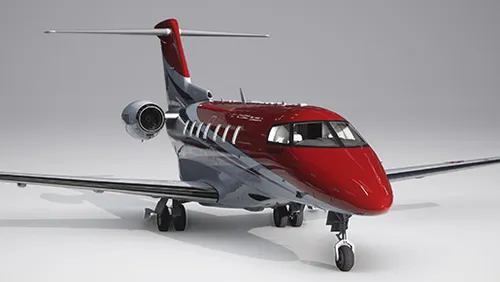
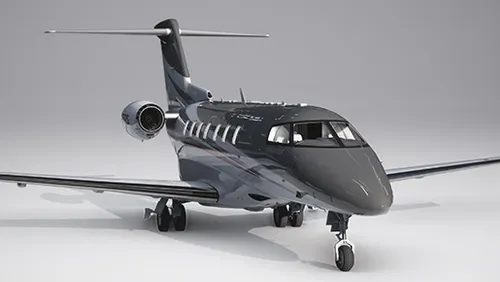
The PC-24 features a low-mounted swept main wing, a T-tail empennage, and twin engines mounted on drag-reducing aft pods. The engines are mounted high above the ground to mitigate FOD (foreign object debris) ingestion while operating on gravel or dirt strips. The engines also incorporate a passive thrust vectoring capability for take-off achieved through the shape of the jet’s engine nozzles. Called “Exact nozzles,” this innovation leverages the Coanda effect (where airflow follows the contour of a convex surface).
The PC-24’s wing incorporates five distinct airfoil profiles to maximize flight efficiency throughout the craft’s full range of speeds. It has double-slotted flaps with replaceable surfaces in the event of debris damage. Its retractable tricycle landing gear uses low-pressure tires for dirt and gravel strips. Its front tire has a chine profile on its peripheries to deflect water and snow laterally, and each main gear uses two wheels and anti-skid steel brakes.
The PC-24’s cockpit, while able to accommodate two pilots, is optimized for one. Pilatus created a state-of-the-art avionics suite for the PC-24 called the Advanced Cockpit Environment (ACE). Based on the Honeywell Primus Epic 2.0 system, the ACE comprises 12-inch high-resolution color primary flight displays and multifunction displays. The ACE also includes a synthetic vision system, a graphical flight planning system, an advanced traffic collision avoidance system, and automatic throttle control, among other features.
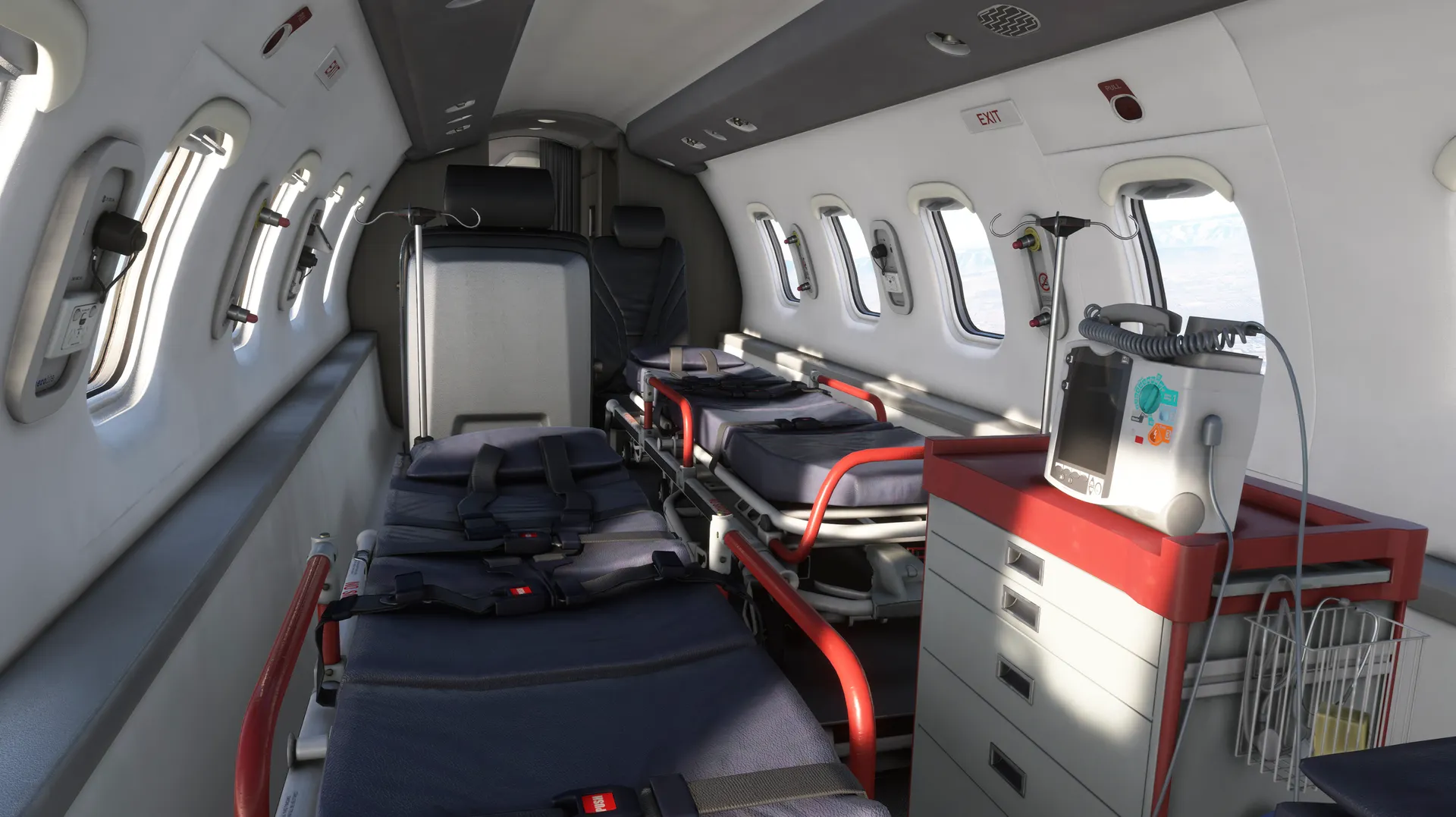
Customers embraced the PC-24 shortly after its release for its wide-ranging versatility. The jet is rated to take-off and land on gravel, snow, dry sand, wet earth, and grass. It can be configured for a wide range of missions, and it can accommodate a variety of cargo and specialized payloads due to its cargo door. Since its 2018 commercial debut, the PC-24 has served air charter customers, business customers, and military customers.
The Pilatus PC-24 measures 55 feet, 2 inches in length, stands 17 feet, 4 inches in height, and has a wingspan of 55 feet, 9 inches. It is powered by two Williams FJ44-4A-QPM turbofan engines that each produce up to 3,420 pounds of thrust. The jet has a range of 2,348 miles, a service ceiling of 45,000 feet above sea level, and a climb rate of 3,960 feet per minute. It has a maximum cruise speed of 506 miles per hour and a stall speed of 96 miles per hour. An exceptional short field performer, the PC-24 has a take-off distance of 3,090 feet and a landing distance of 2,410 feet.