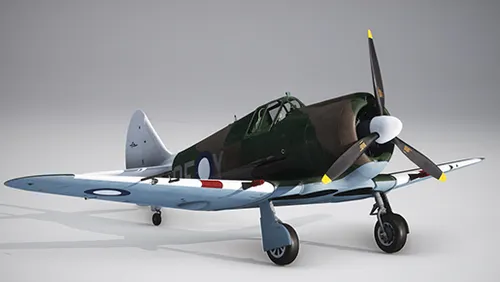
- USD 14.99
- View more offers at FS Addon Compare
- This item is discounted for MSFS Deluxe or Premium owners
- Added: May 5, 2026
- Updated: October 23, 2026
In the early years of World War 2, Britain was not able, any longer, to supply Australia with military aircraft and supplies, due to the demand placed on its resources on the home front.
The Australian Department of Air was in desperate need of new aircraft to provide an effective defence for its territories and dominions against the advancing Japanese threat.
The call went out for a totally new design of fighter to be designed and built wholly in Australia.
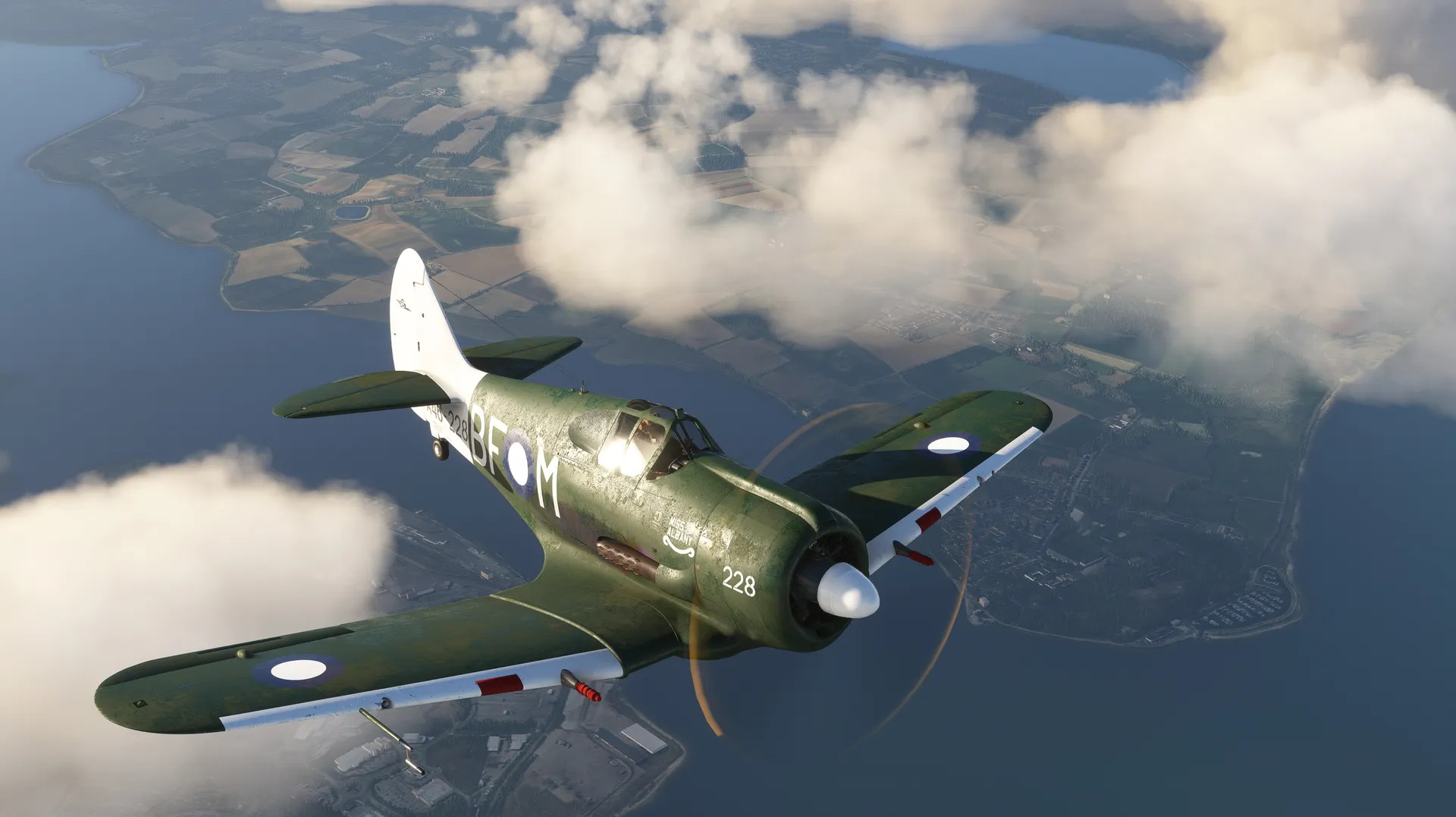
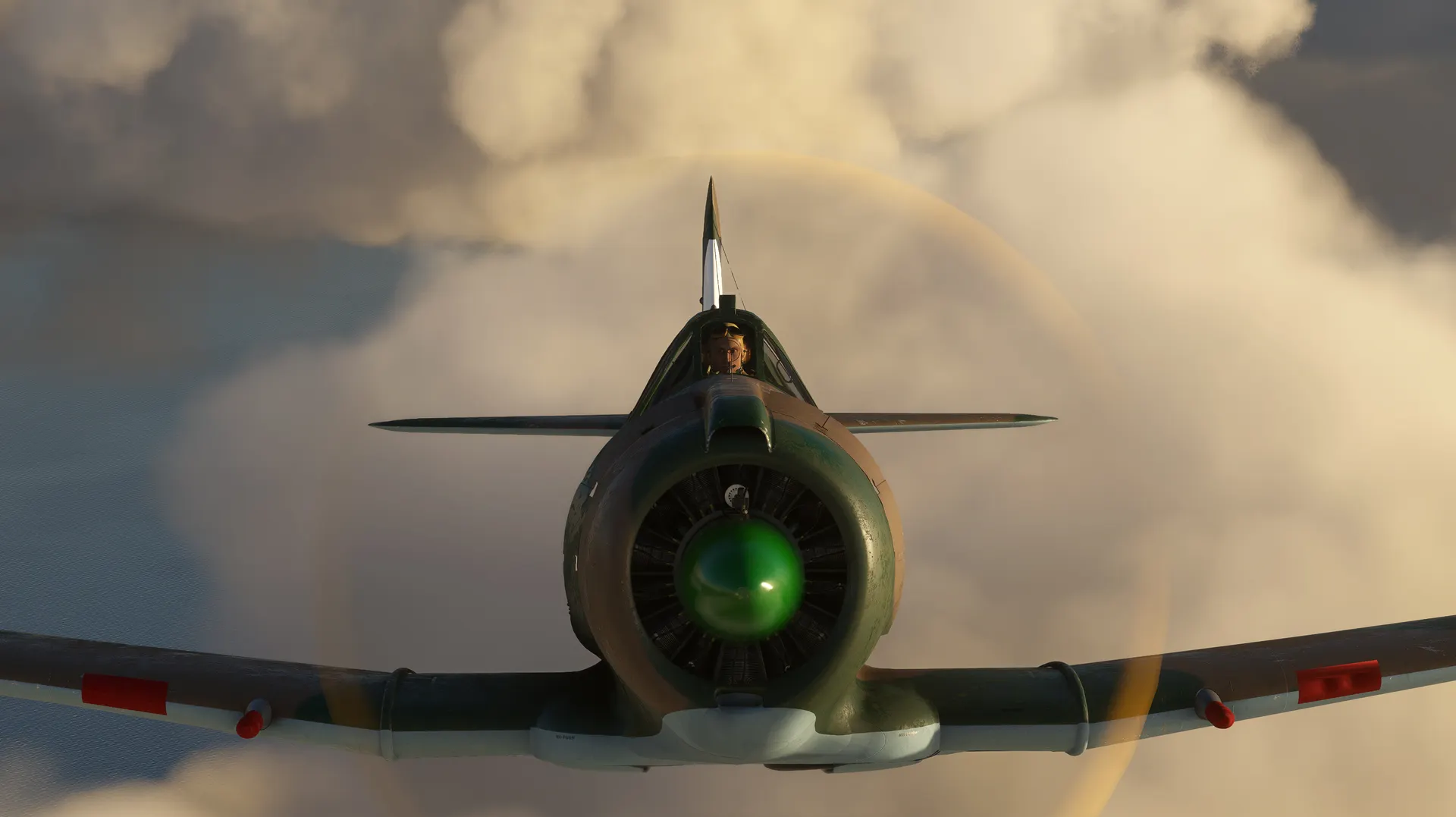
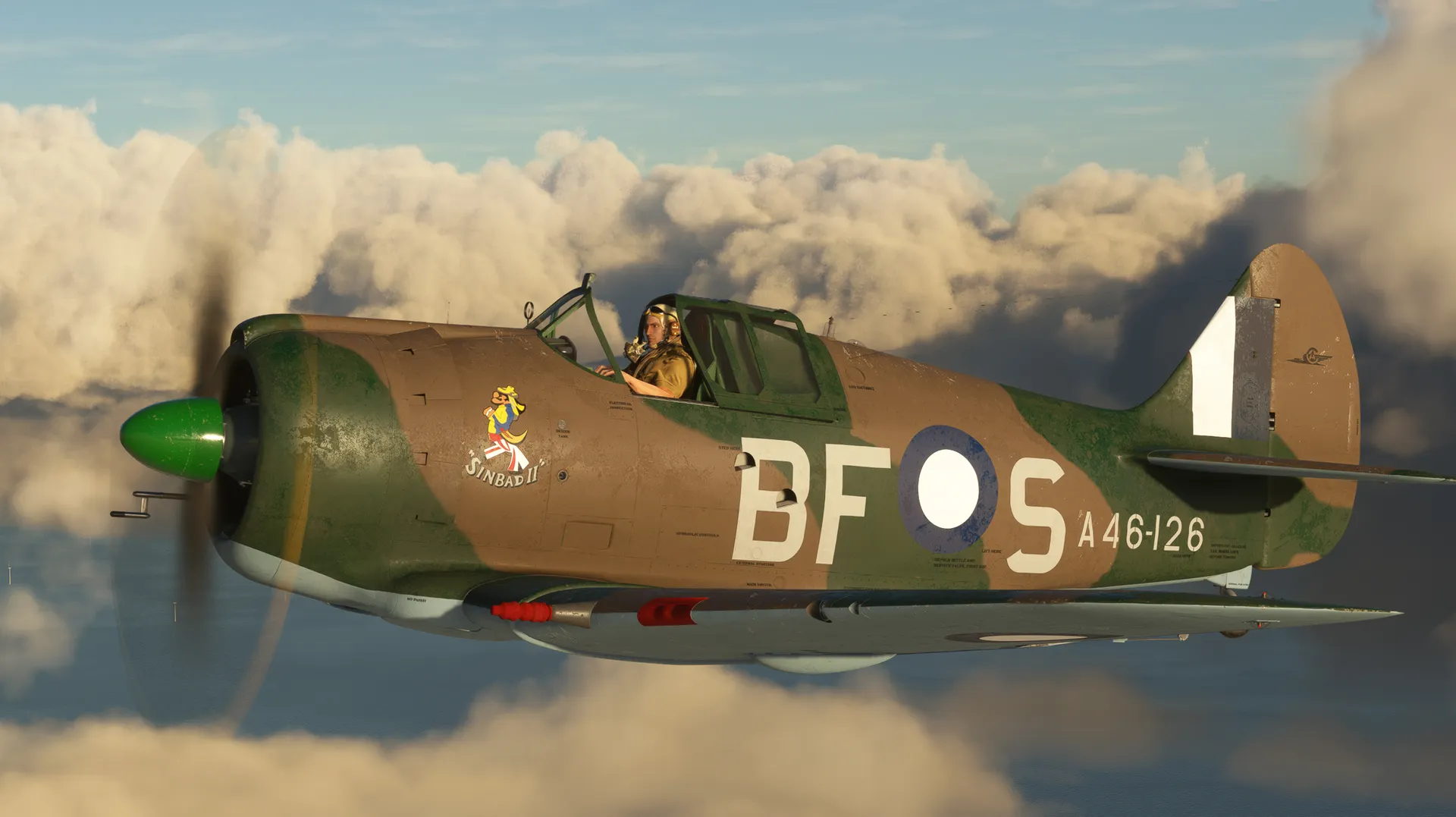
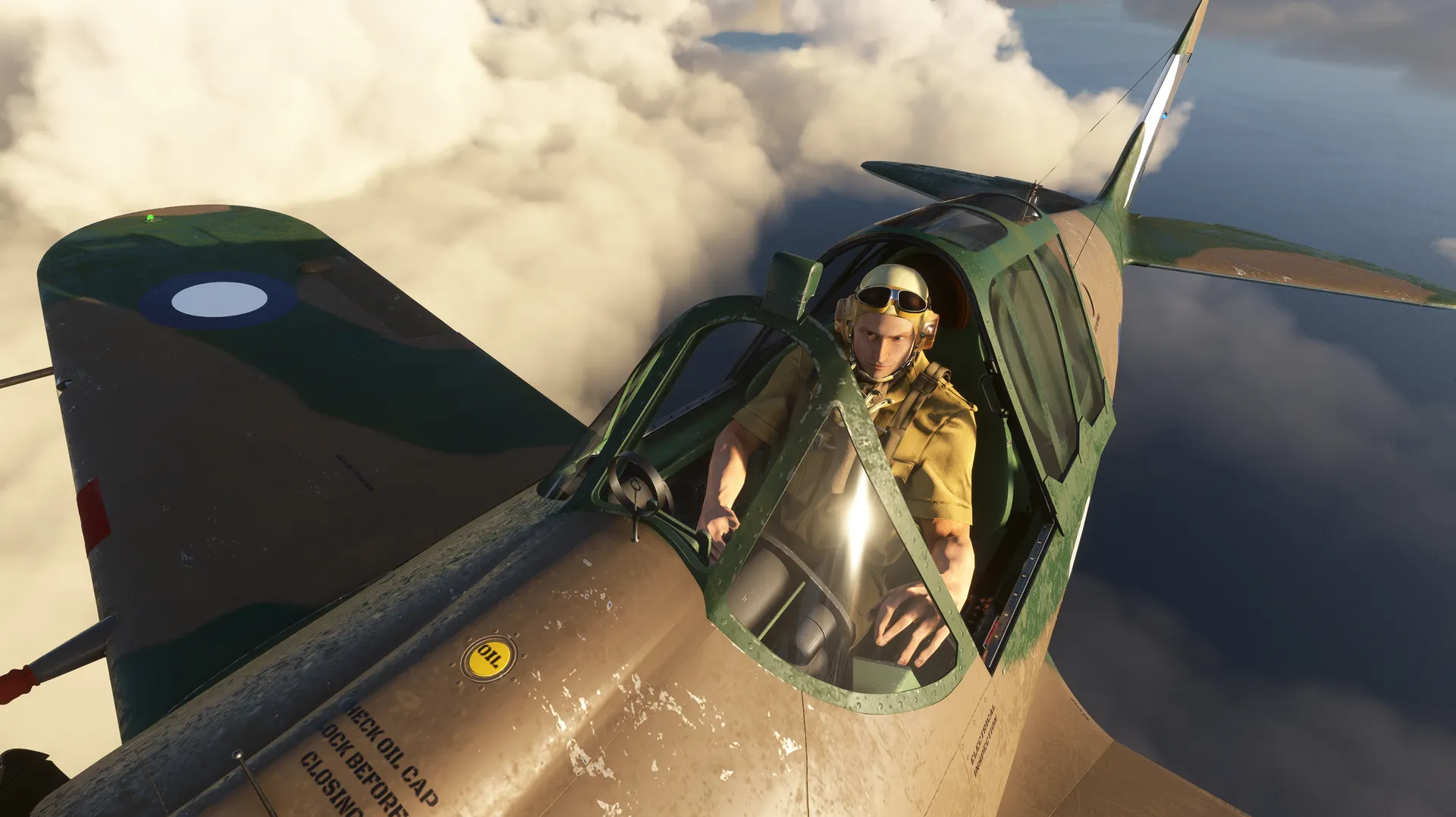
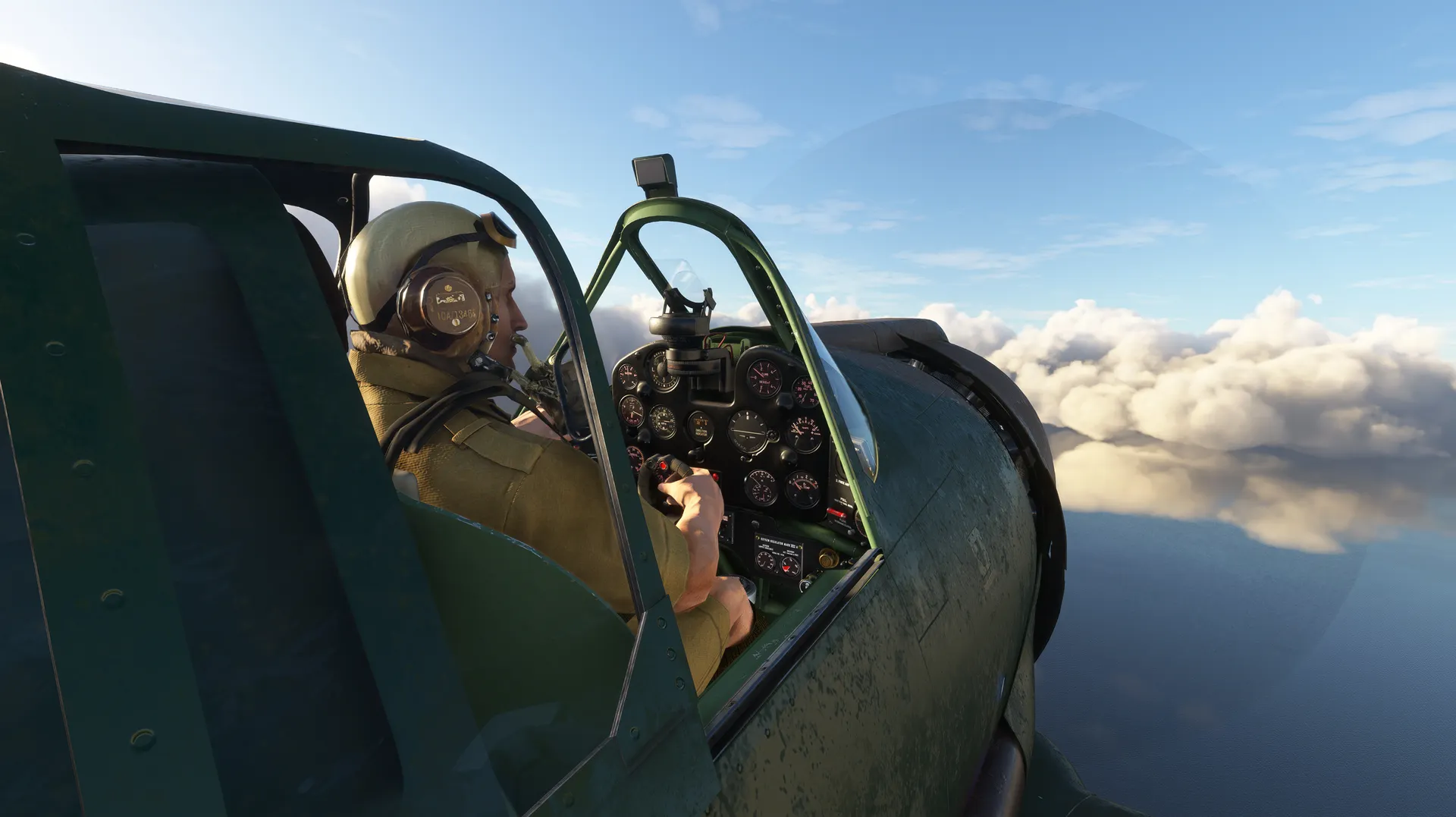
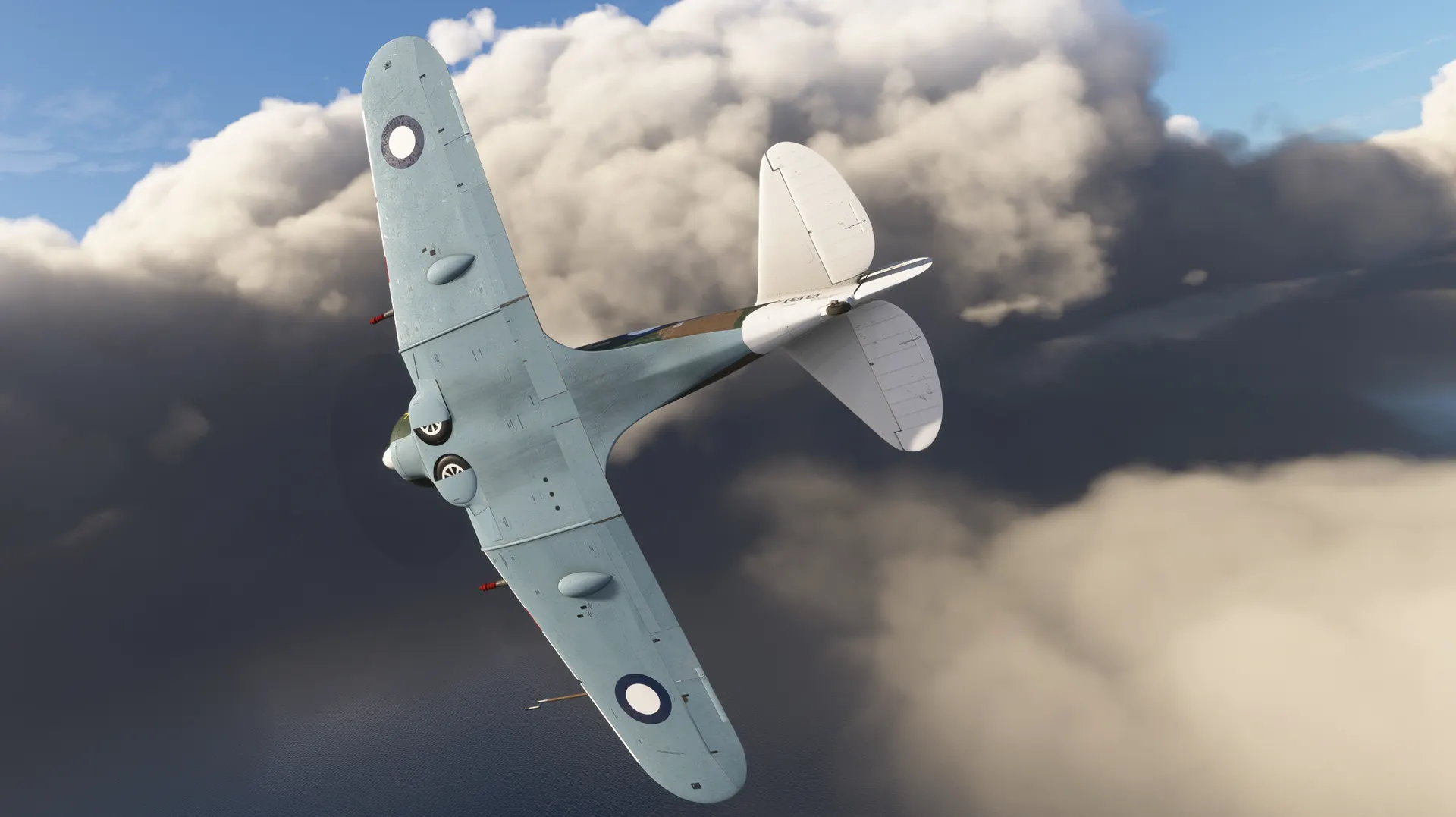
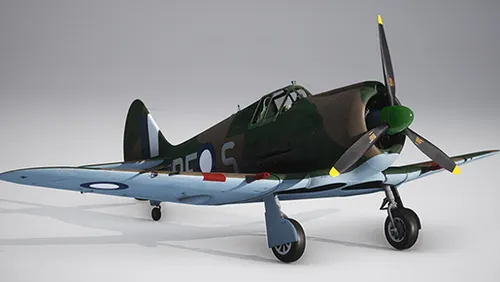
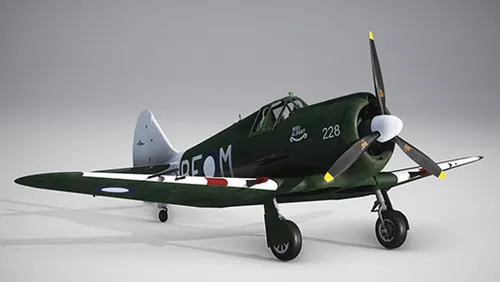
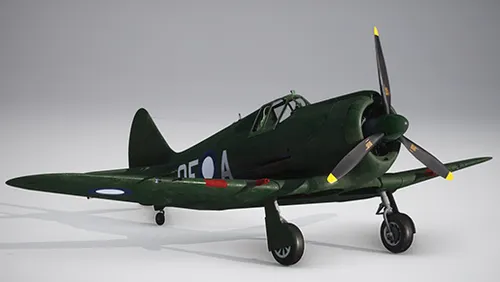
The Commonwealth Aircraft Corporation (CAC) answered that call with a fighter design based loosely on their current "Wirraway" advanced trainer. However, in reality, the differences and changes made during the design process produced a totally new and different aircraft.
Due to the urgency of the requirement, amazingly, there were no true prototypes built. The order to proceed with the project was given in December 1941 and within 16 weeks, 5 initial airframes were ready for testing and evaluation. Both the Ministry and pilots were impressed with the new design which performed above expectations. Under comparison tests the new fighter was found to be competitive with the current batch of U.S. designs like the P-40E and P39.
The War Cabinet authorised the production of 105 CA-12 "Boomerangs" in February 1942. The design was quickly improved to become the CA-13 and a further 95 airframes were built.
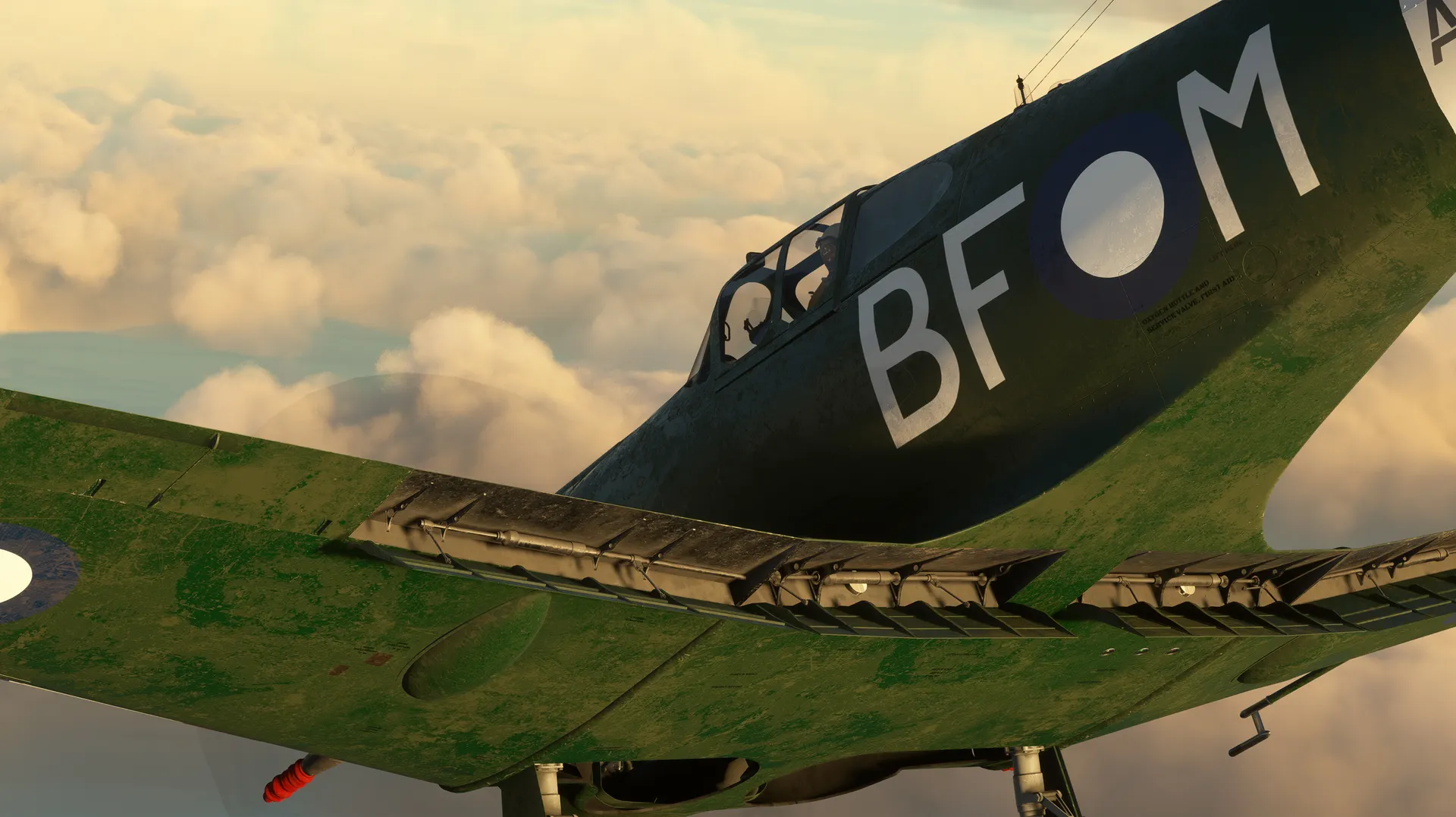
Boomerangs were issued to Nos. 4,5,83,84 and 85 squadrons of the RAAF for a "home-defense" role, flying cover for shipping and ground forces. Unfortunately, the little fighter proved no match for the superior Japanese "Zero" and was quickly withdrawn from fighter duties and re-deployed in a ground-attack role with Army Co-operation Units. Here it excelled and was deployed with great success in the islands of New Guinea.
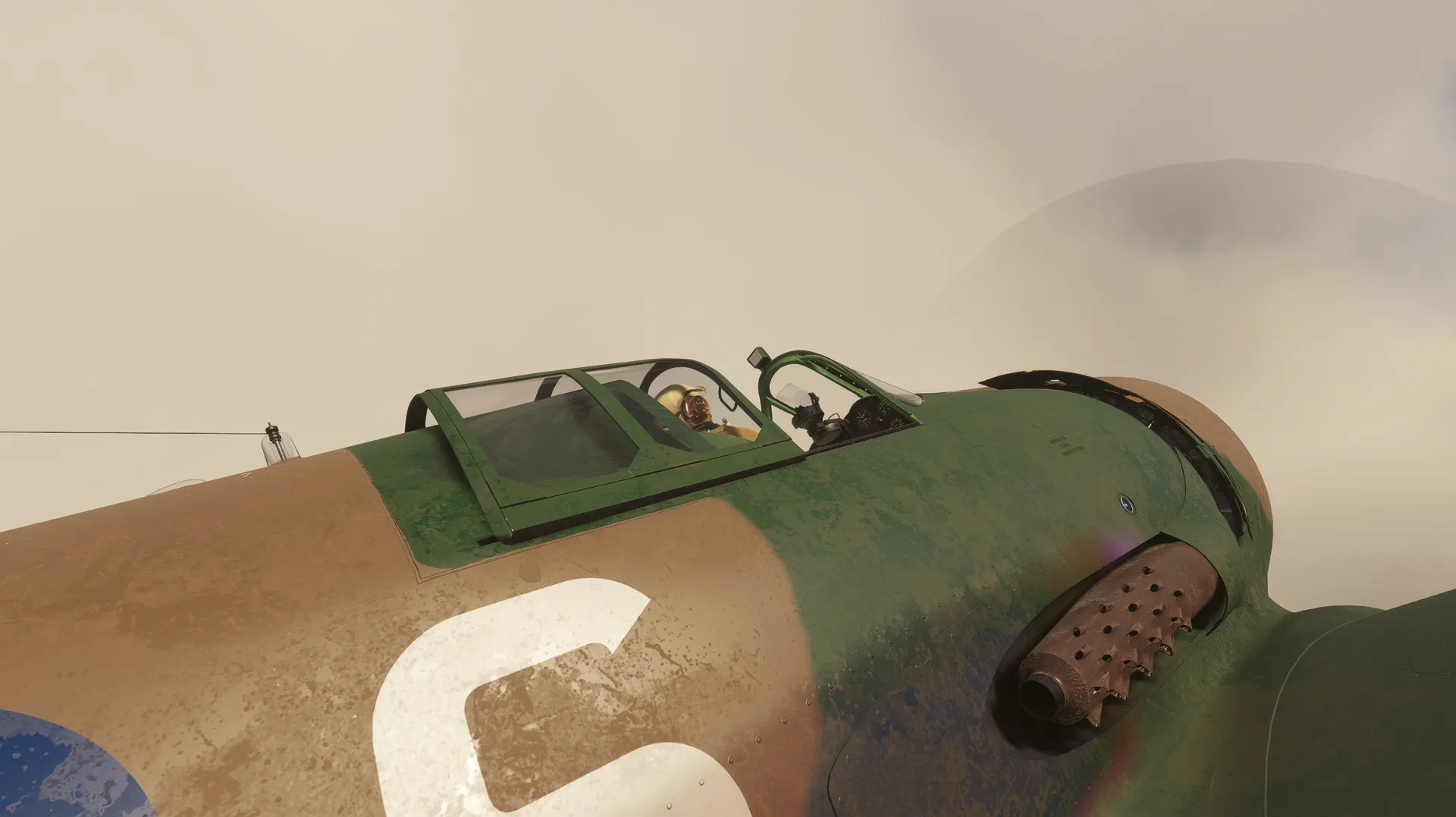
Its characteristic screaming "howl" (created by air passing over the gun ports) terrorised the enemy on the ground, wherever it flew.
Plans to develop the design further with larger engines and turbochargers were scrapped as the far superior P-47s and P51 fighters from America arrived in the Pacific to re-equip RAAF squadrons.
For several crucial years of the war, the Boomerang performed with great success directing artillery, marking targets for P-40s and Corsairs and protecting ground troops. It has earned its place in history and is more than worthy of the title "Local Legend".