- USD 9.99
- -10%
- USD 9.99
- USD 8.99
- Sale Ends: June 18 2026 10:00 PM +00:00
- View more offers at FS Addon Compare
- Added: April 13, 2026
- Updated: June 3, 2026
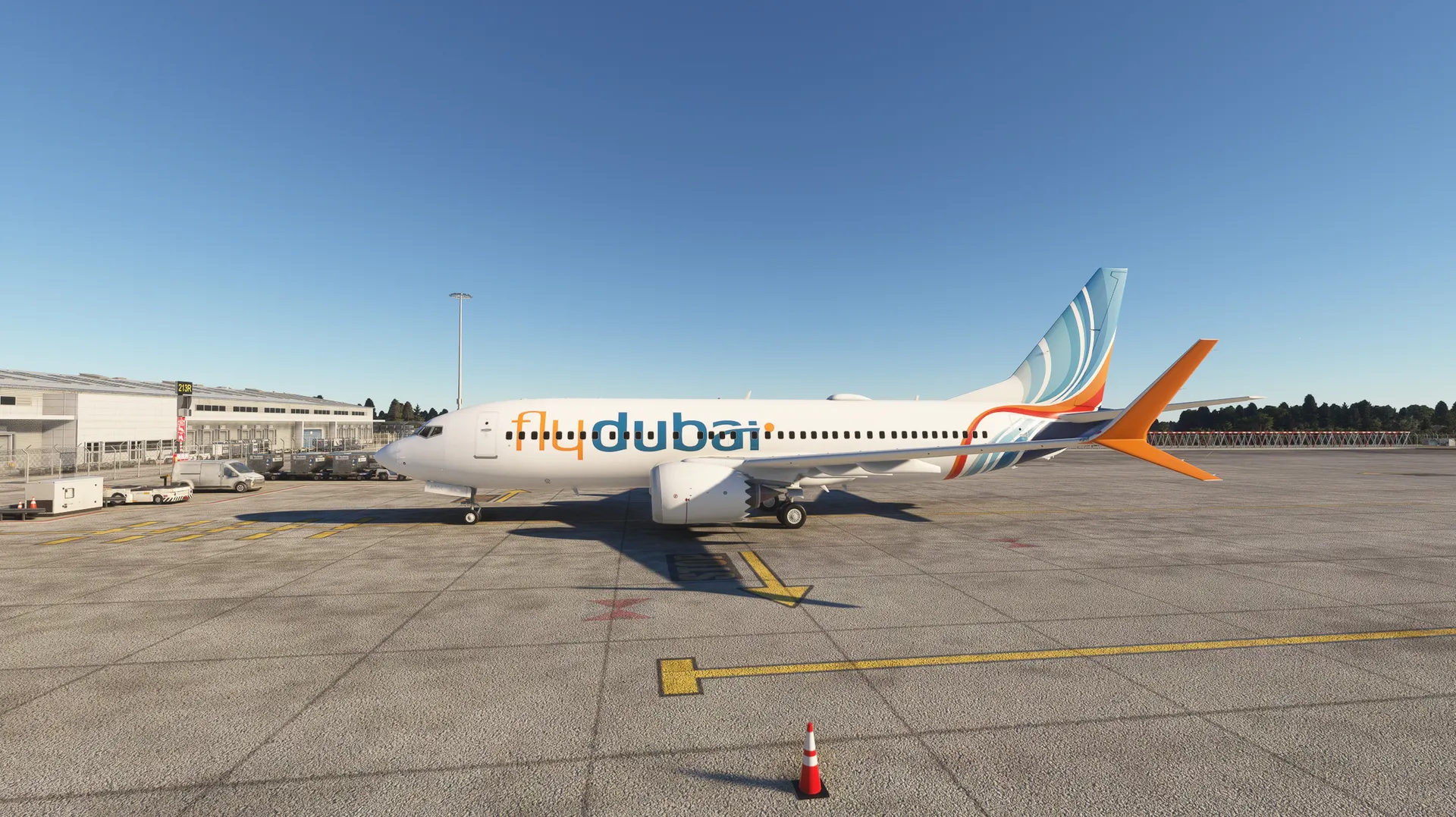
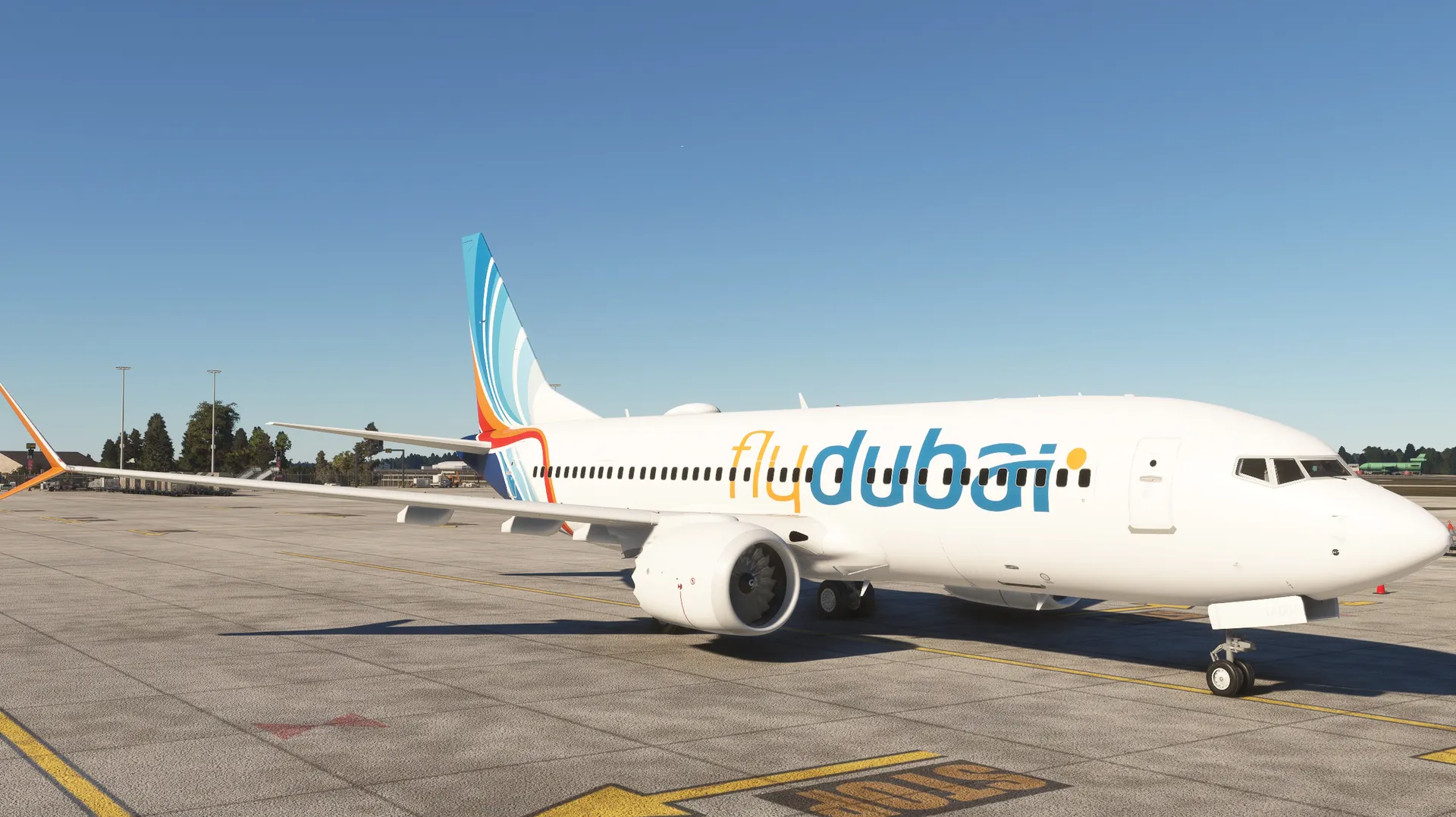
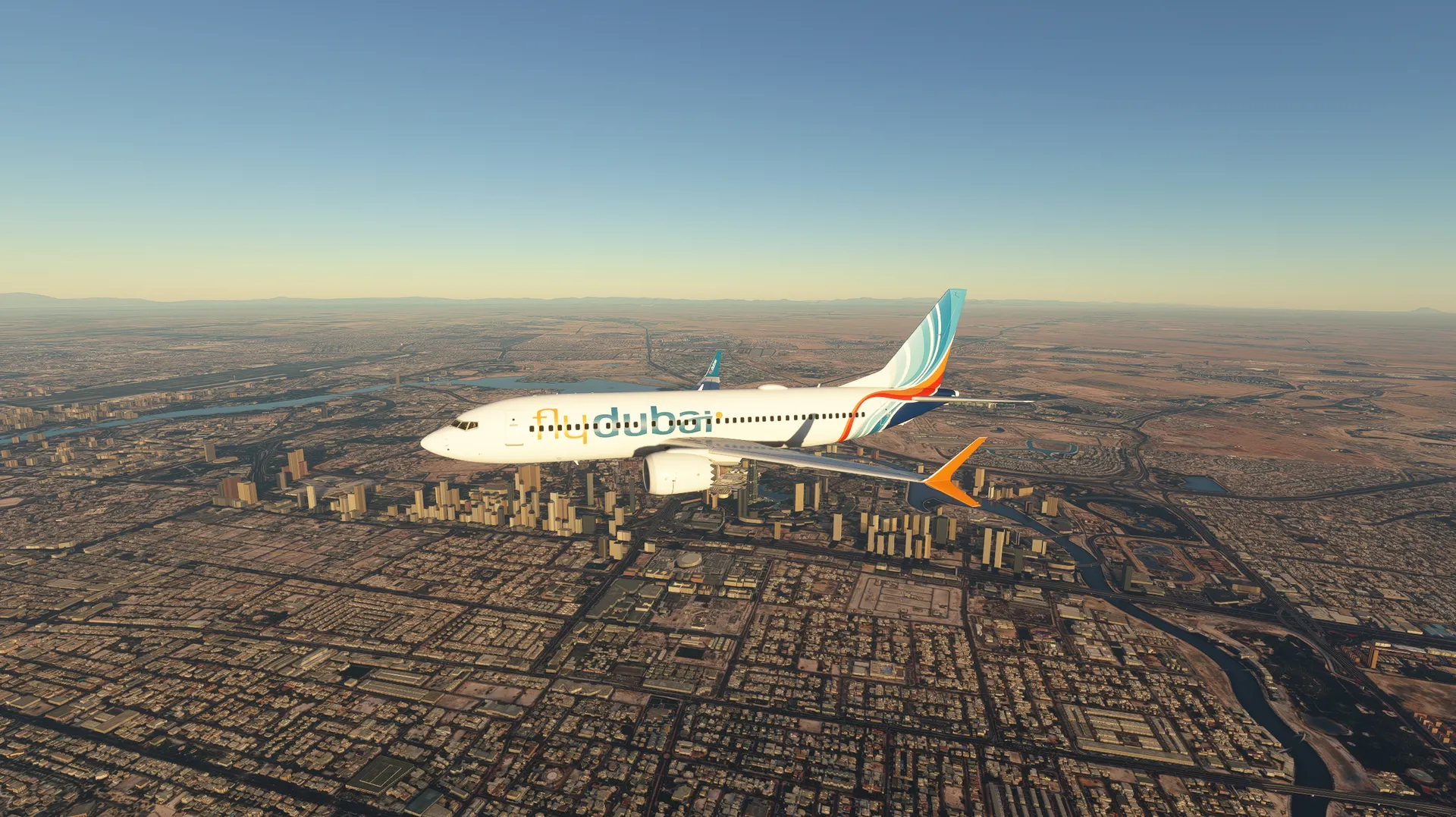
Boeing 737 MAX 7 Professional - Highly Detailed Model for Microsoft Flight Simulator
Experience the pinnacle of flight simulation with the Boeing 737 MAX 7 Professional, an ultra-realistic add-on for Microsoft Flight Simulator. This meticulously crafted model delivers unparalleled accuracy and immersion, perfect for aviation enthusiasts and virtual pilots.
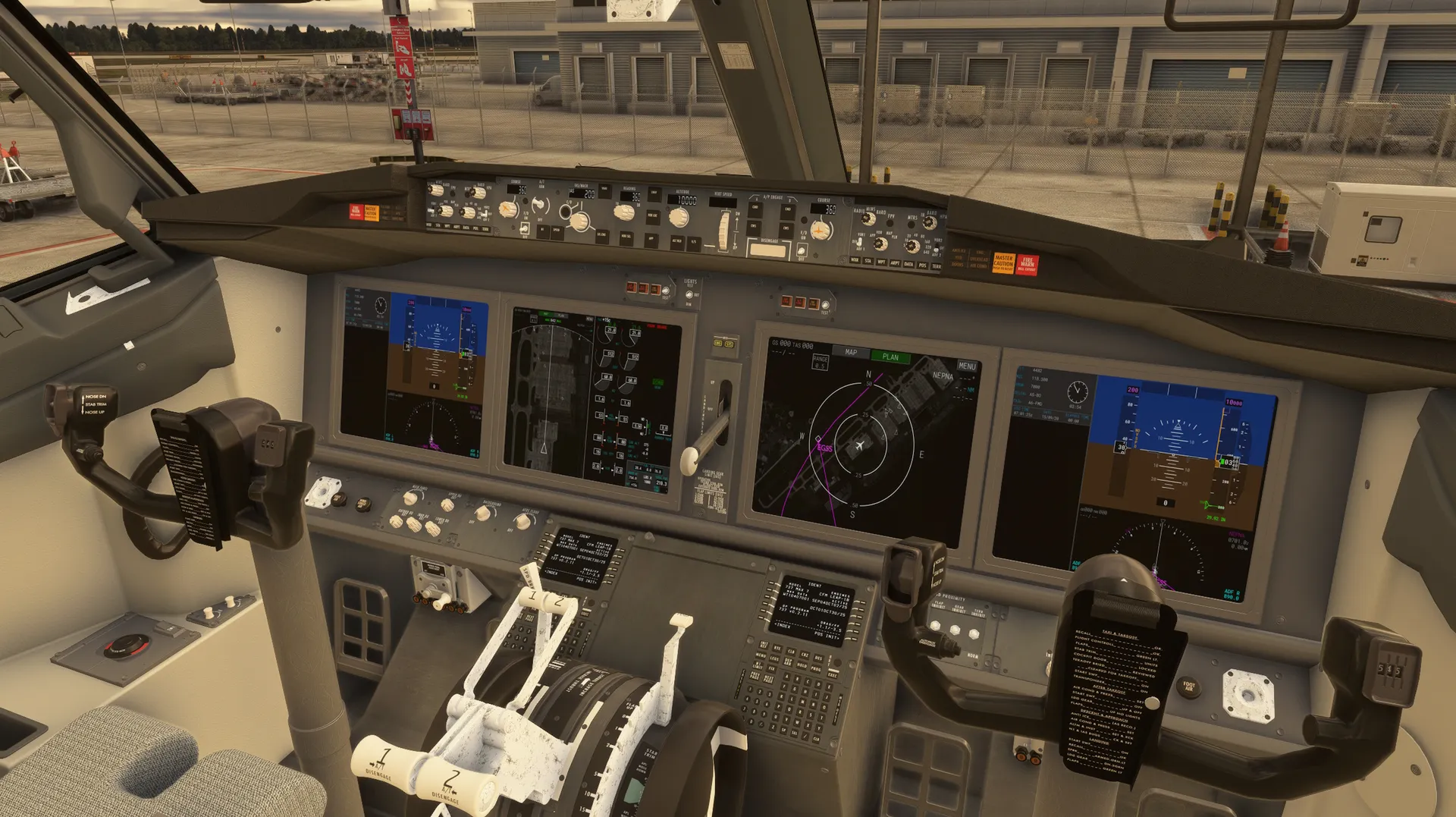
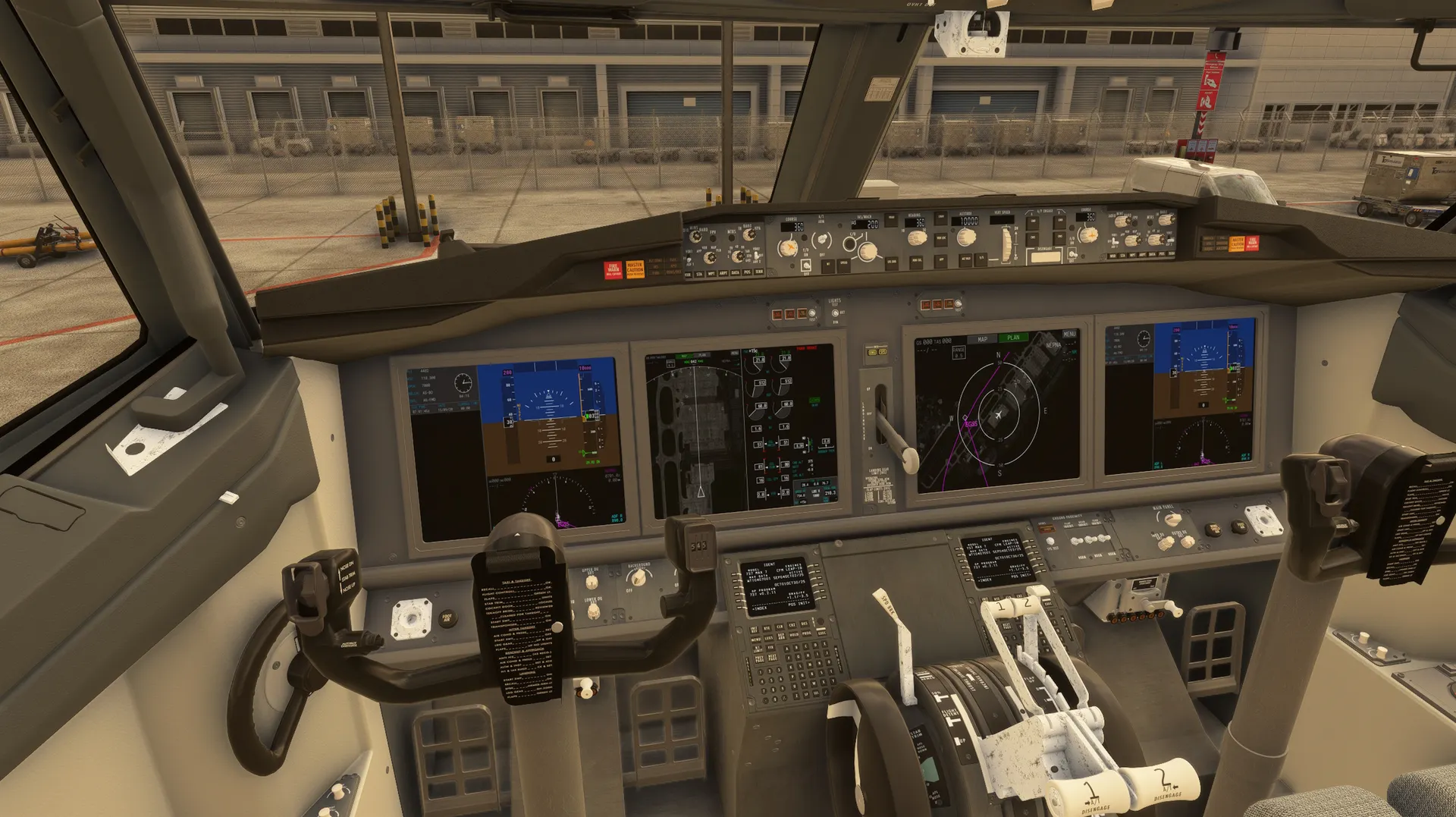
Key Features: Fully animated aircraft - Every moving part, from flight controls to cockpit switches, has been precisely modeled and animated.
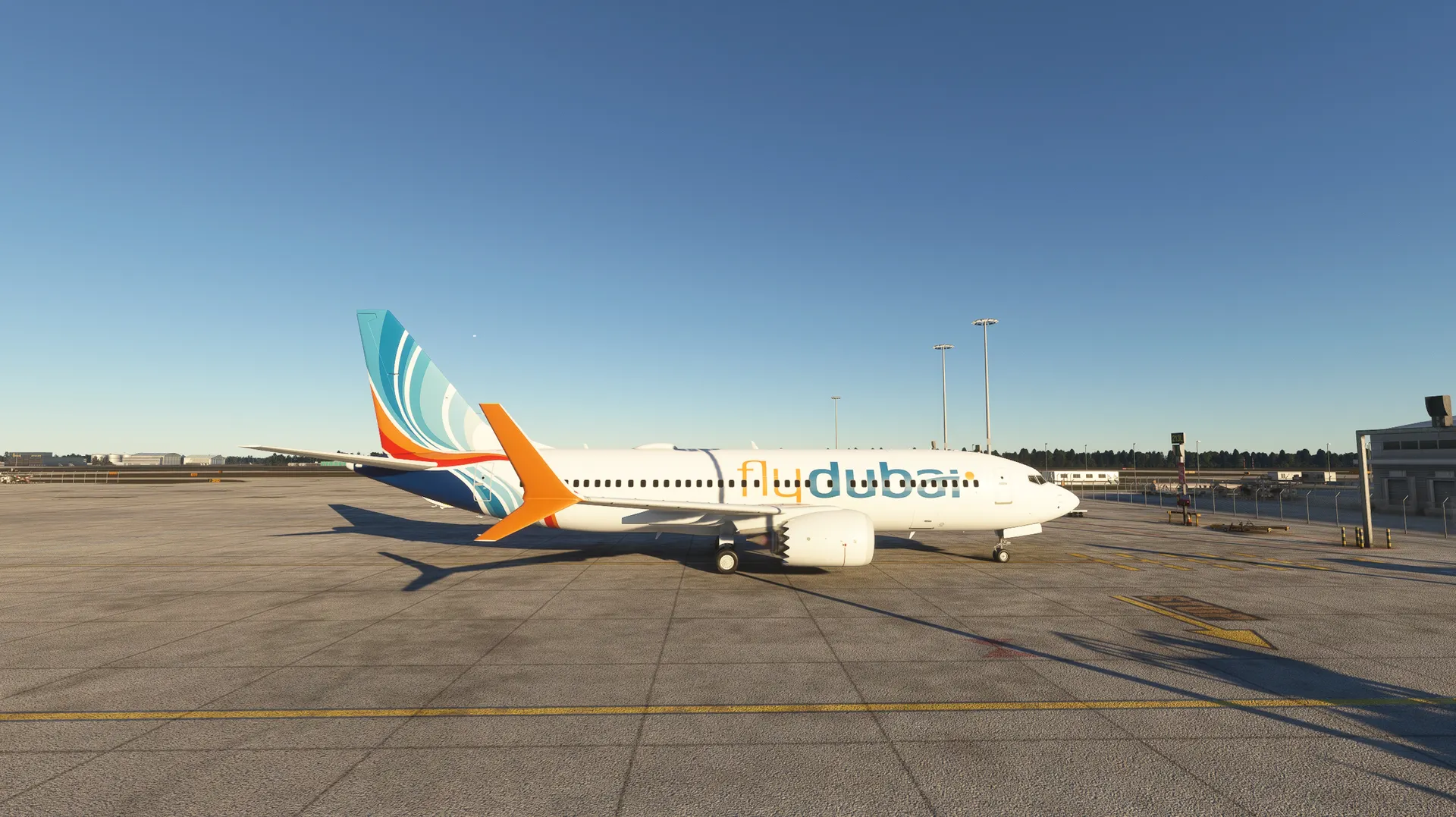
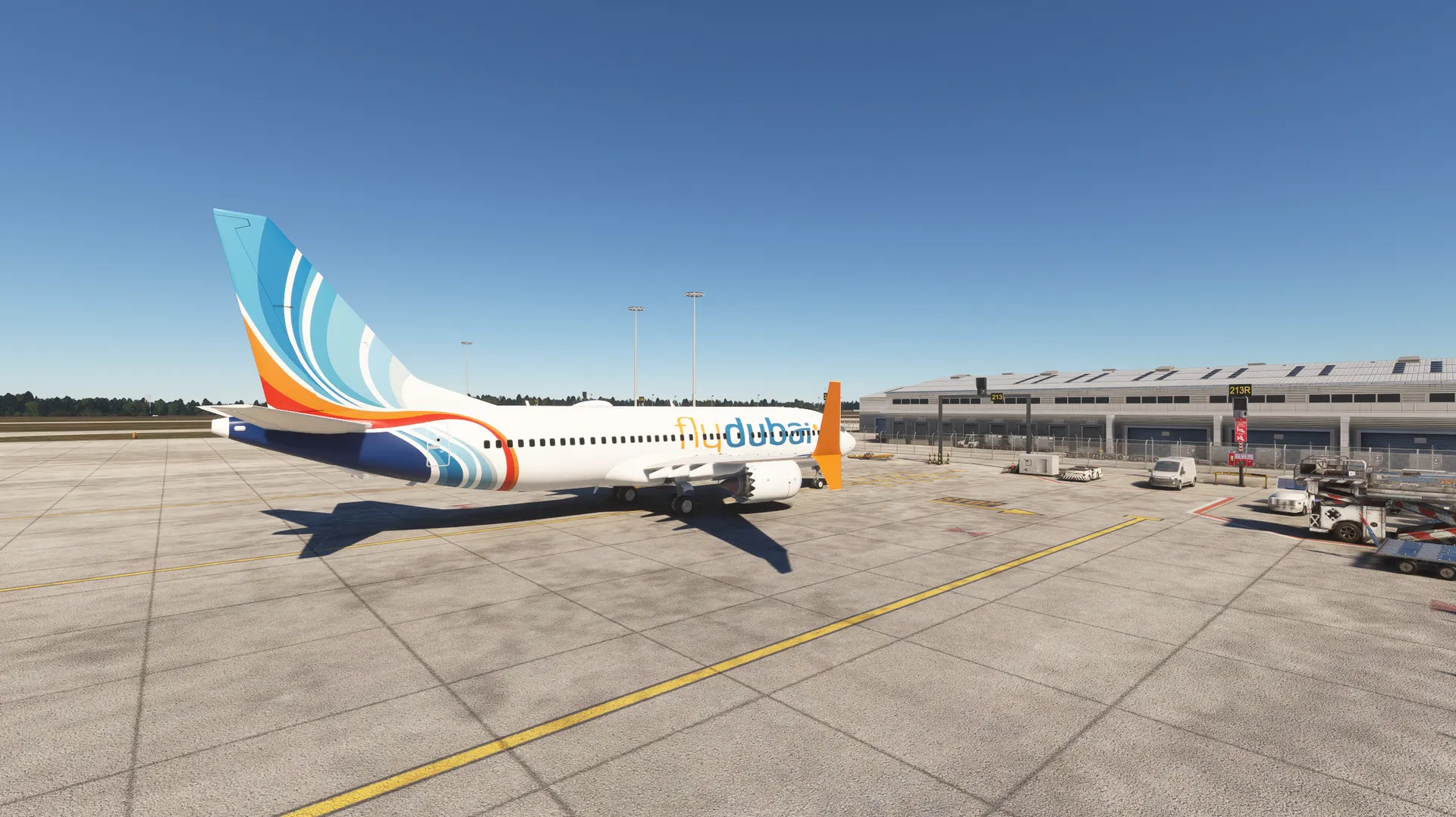
Highly detailed exterior & interior - Authentic textures, materials, and geometry down to the smallest components.
Optimized performance - Smooth operation in all flight conditions, including multiplayer sessions.
4K-8K PBR textures - Photorealistic materials with accurate reflections, wear, and weathering effects.
The Boeing 737 MAX 7 is the smallest member of the MAX family, designed to replace the 737-700 with improved efficiency, range, and performance. With its shorter fuselage, it carries fewer passengers than its siblings, but offers airlines exceptional flexibility on long, thin routes and challenging airports where larger aircraft may not be practical.
Equipped with CFM International LEAP-1B engines and the signature split-tip winglets, the MAX 7 achieves outstanding fuel economy, reduced emissions, and quieter operations. Its enhanced range makes it capable of flying routes that rival larger narrow-body aircraft, providing airlines with new market opportunities.
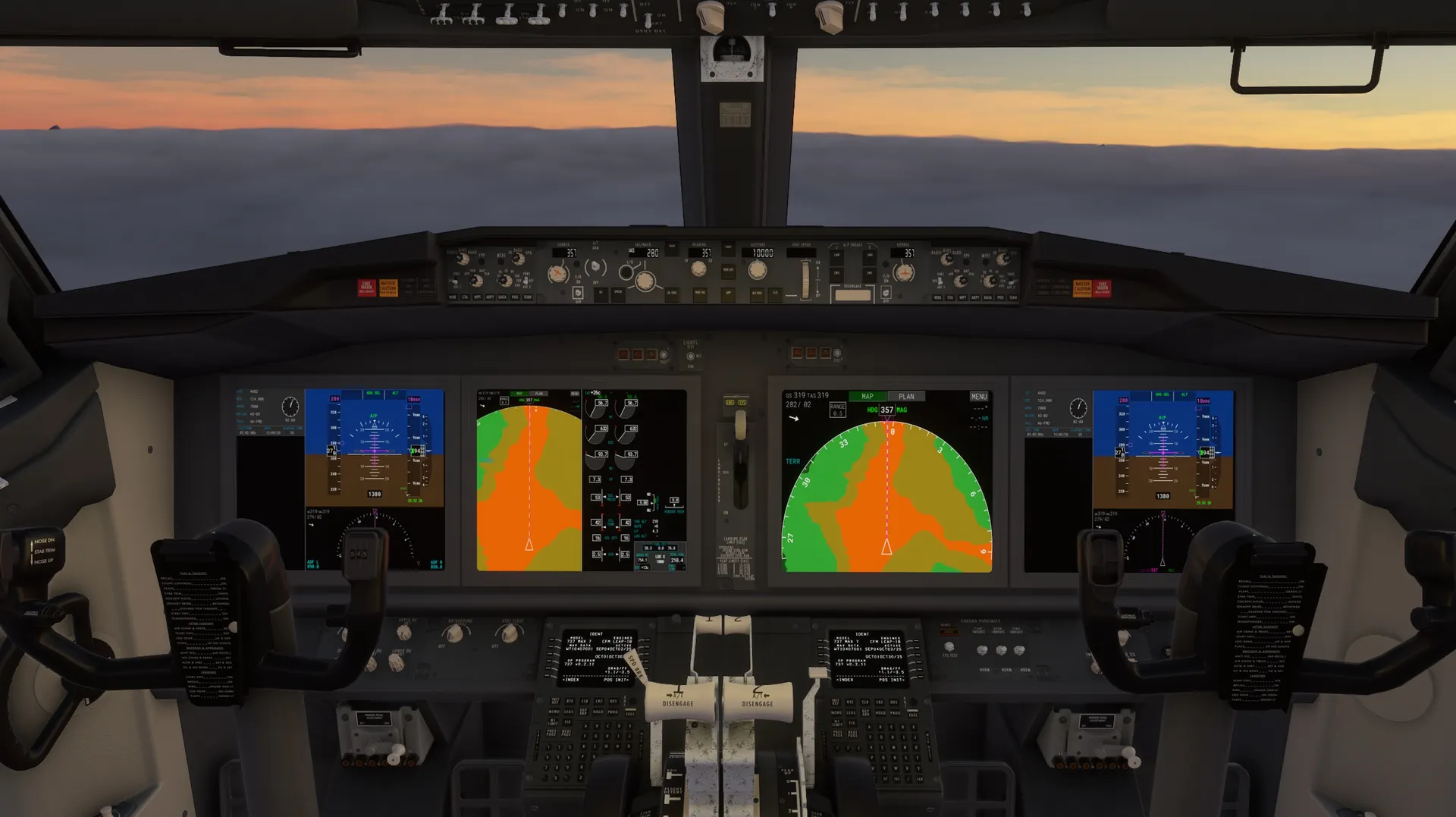
The cockpit features the latest digital avionics suite, large-format displays, advanced Flight Management System (FMS), and fully integrated autopilot functions.
Balancing capacity, range, and efficiency, the 737 MAX 7 is a versatile and reliable aircraft that extends the legacy of the 737 family into new operational frontiers.
Designed for discerning simmers, the Boeing 737 MAX 7 Professional brings this advanced airliner to life with unmatched realism and attention to detail, ensuring an immersive and authentic flight experience every time.
REQUIREMENTS
Microsoft Flight Simulator
Video Memory: 16 GB Graphics: NVIDIA GTX 1070 or AMD Radeon RX 590 Memory: 16 GB Disc space: 1 GB Recommended anti-aliasing: DLAA