- USD 14.99
- View more offers at FS Addon Compare
- Added: January 15, 2026
- Updated: June 24, 2026
Lockheed CL-1201 Professional - Highly Detailed Model for Microsoft Flight Simulator
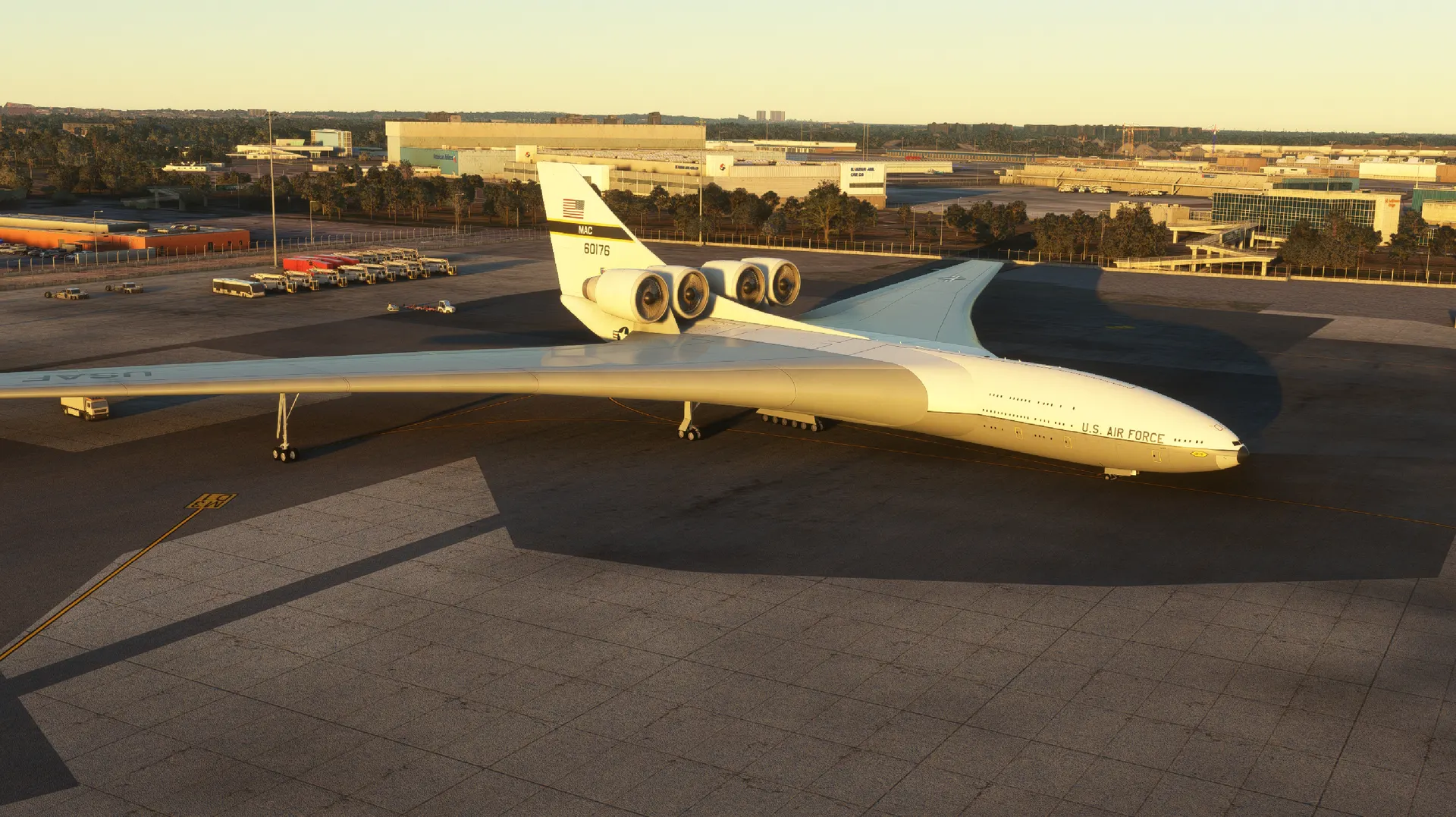
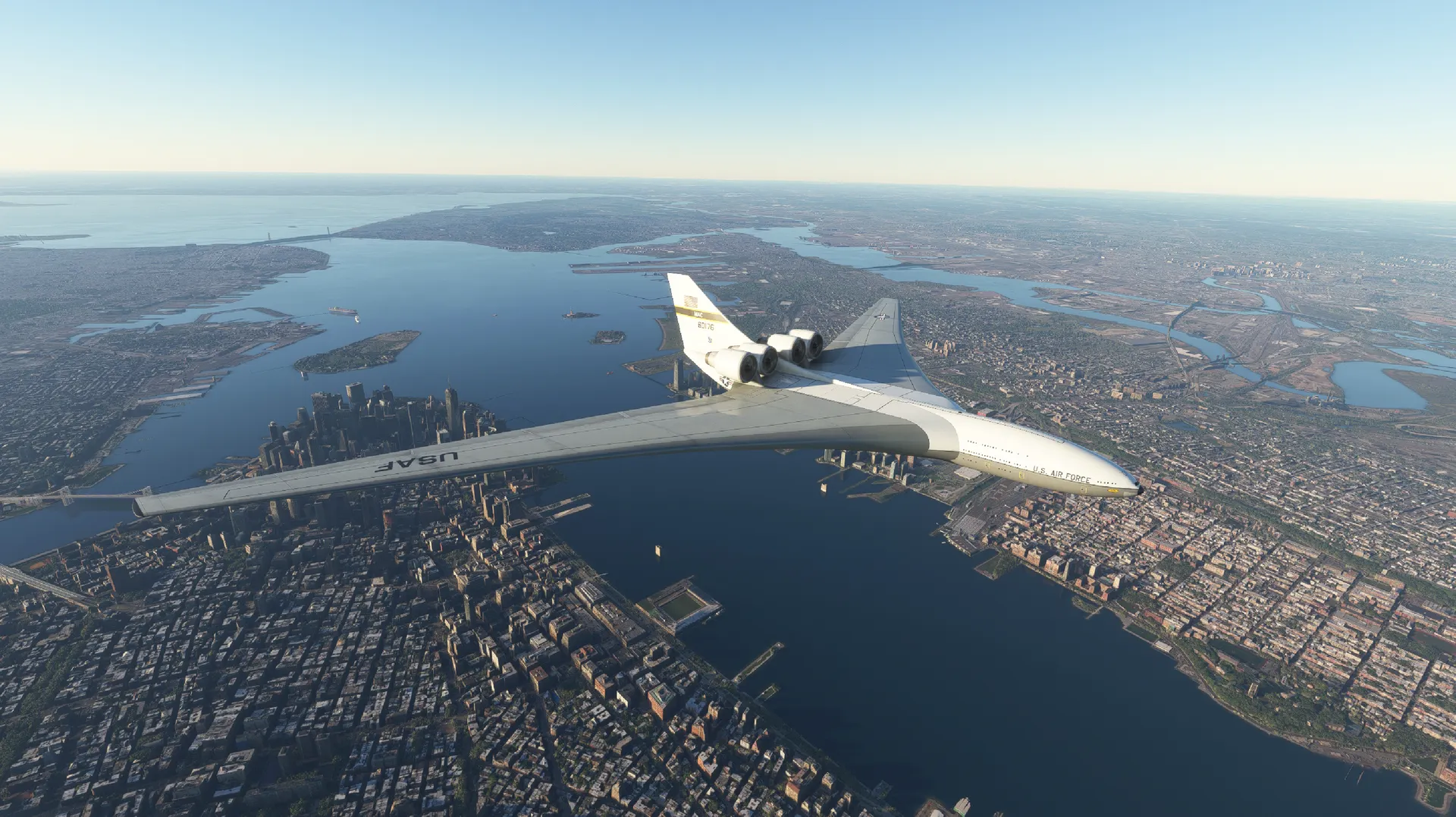
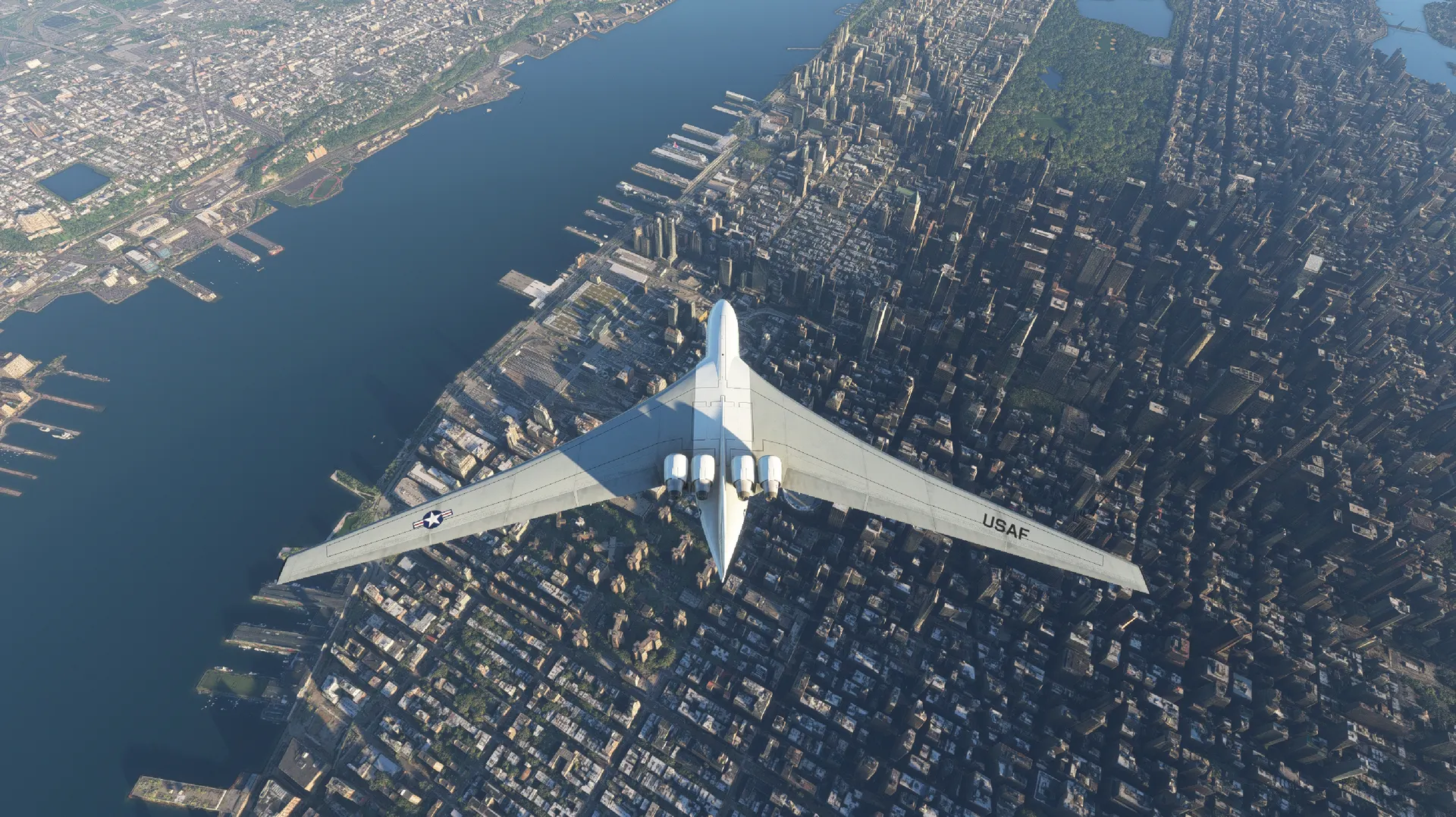
Experience the pinnacle of flight simulation with the Lockheed CL-1201 Professional, an ultra-realistic add-on for Microsoft Flight Simulator. This meticulously crafted model delivers unparalleled accuracy and immersion, perfect for aviation enthusiasts and virtual pilots.
Key Features:
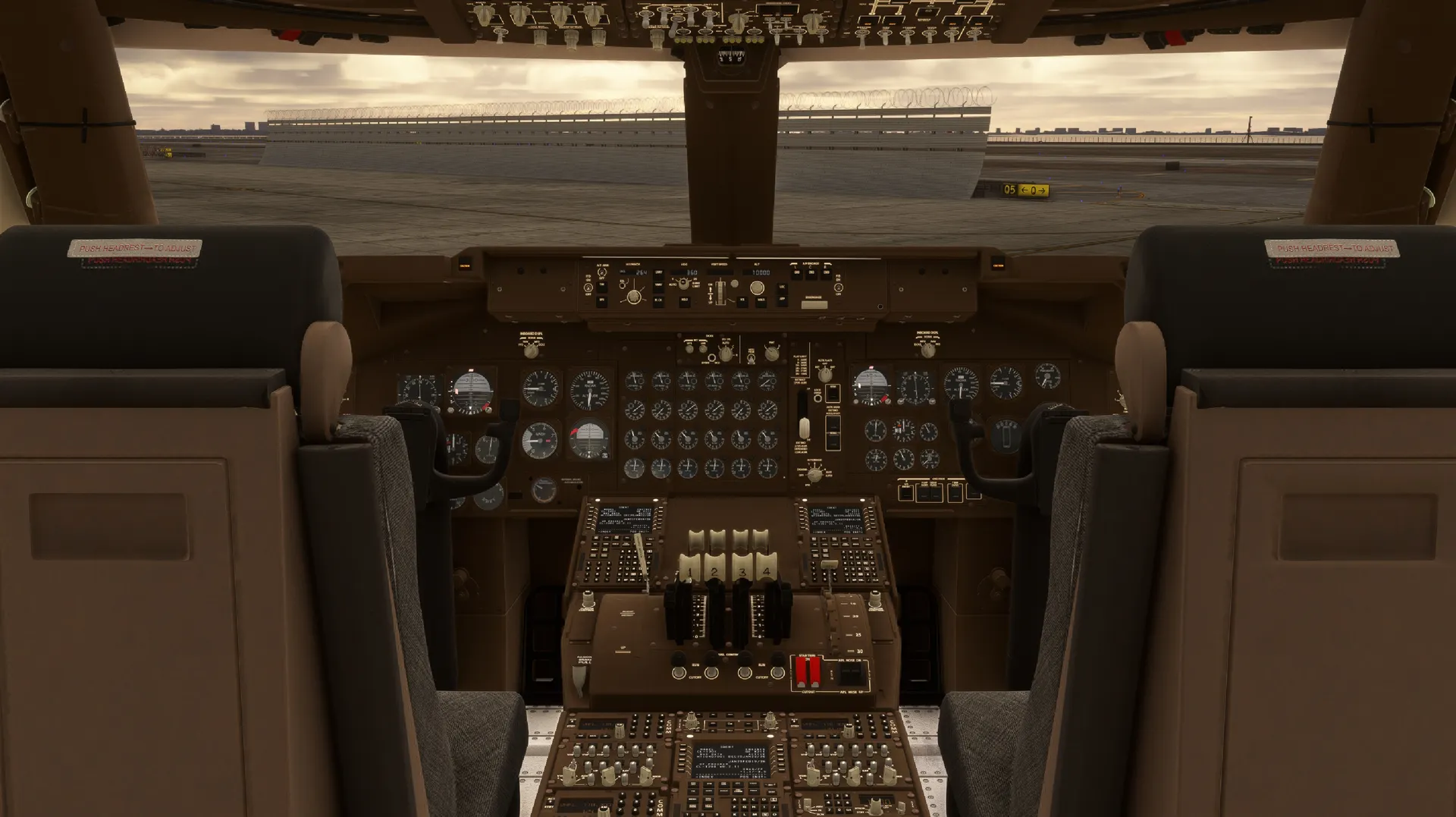
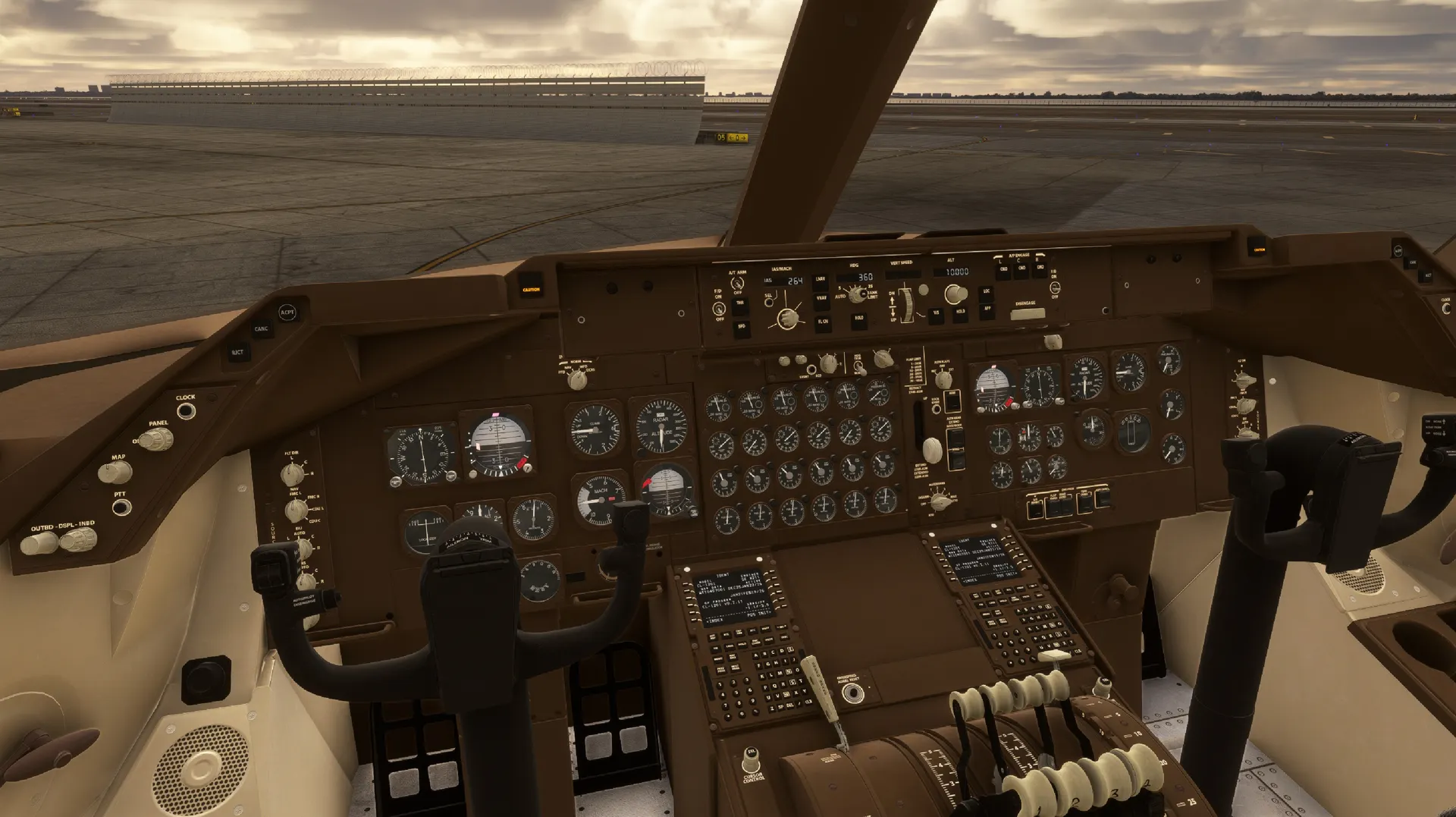
Fully animated aircraft - Every moving part, from flight controls to control surfaces, has been precisely modeled and animated.
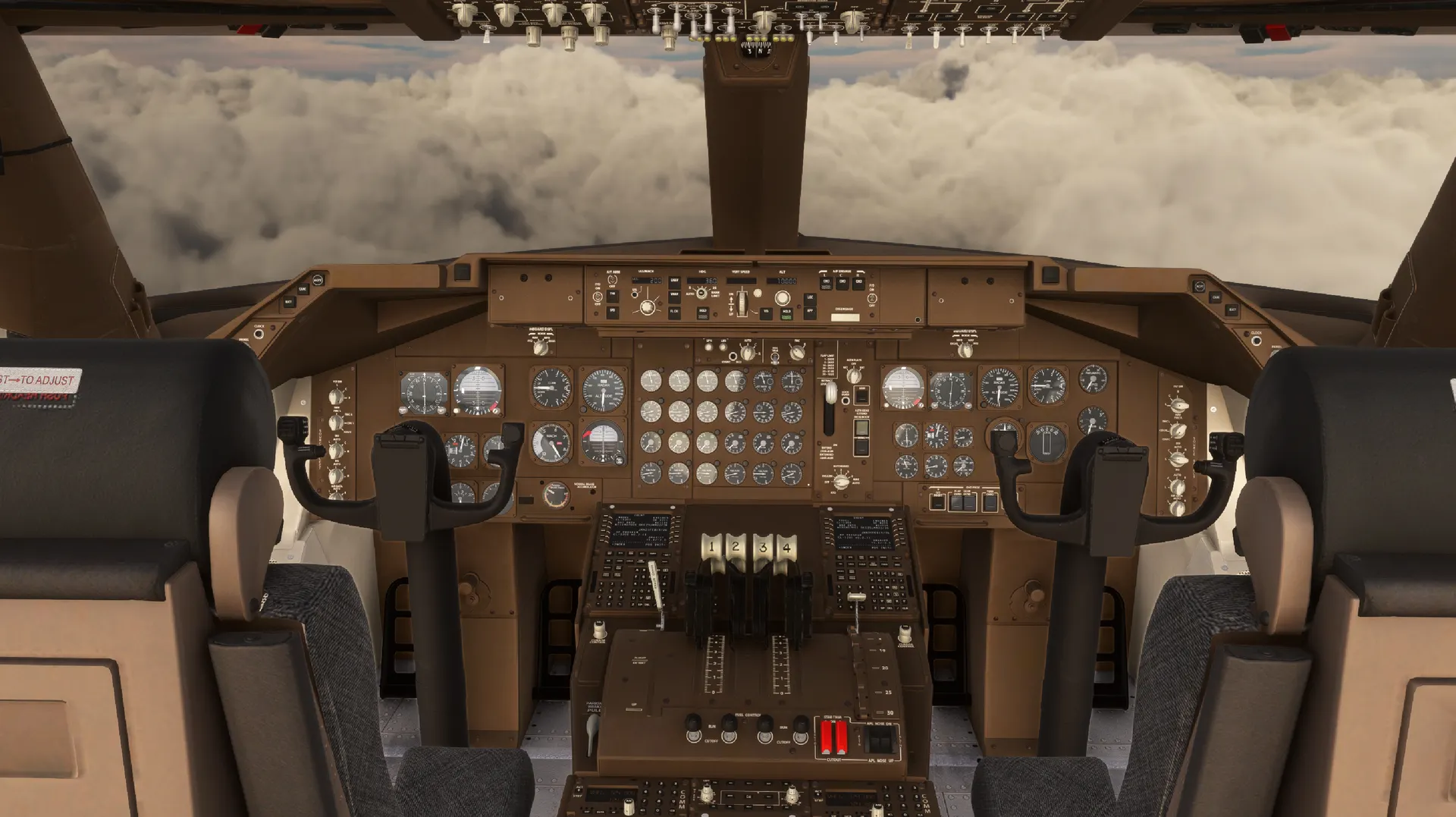
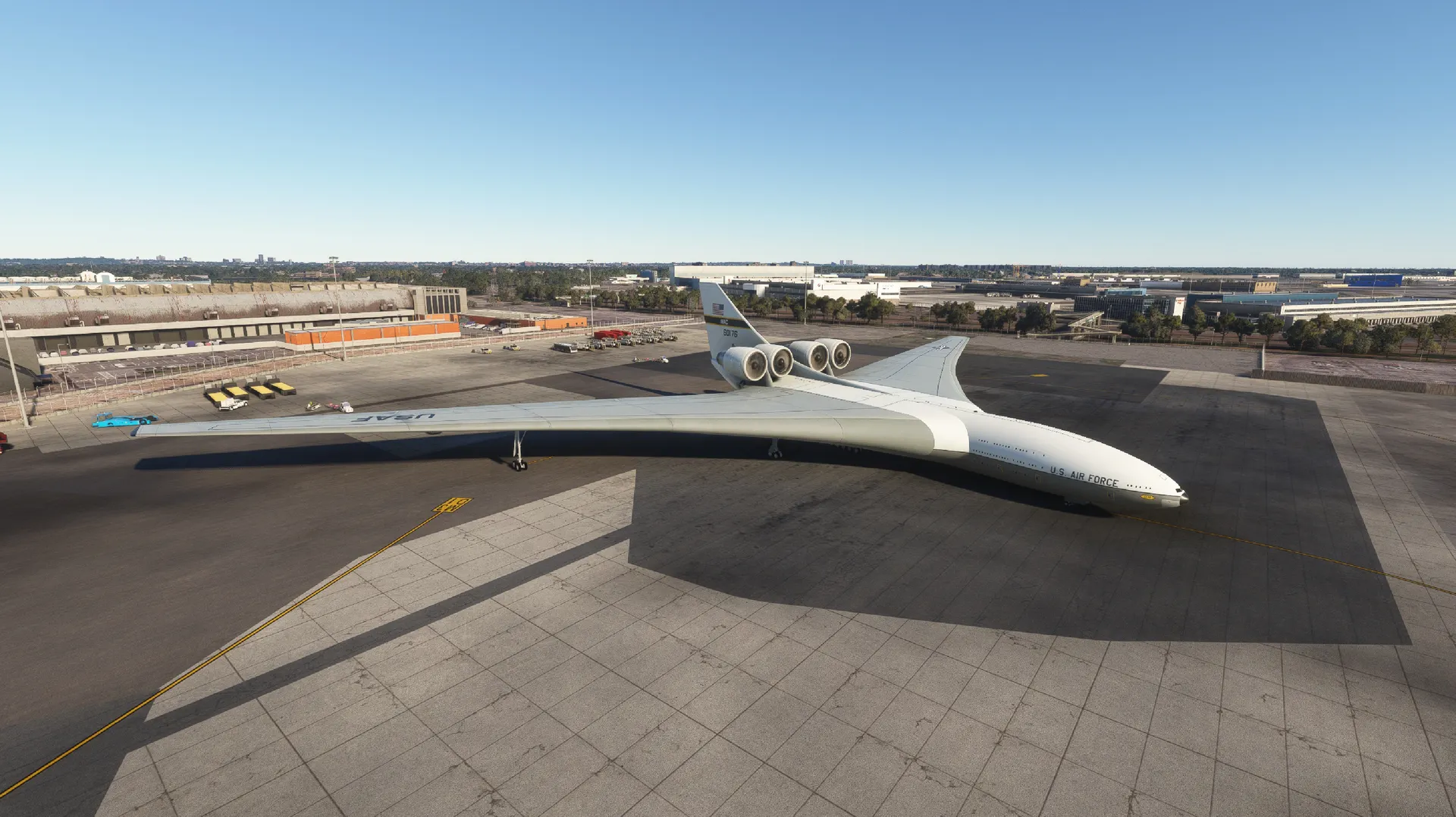
Highly detailed exterior & interior - Authentic textures, materials, and geometry down to the smallest components.
Optimized performance - Smooth operation in all flight conditions, including multiplayer sessions.
4K–8K PBR textures - Photorealistic materials with accurate reflections, wear, and weathering effects.
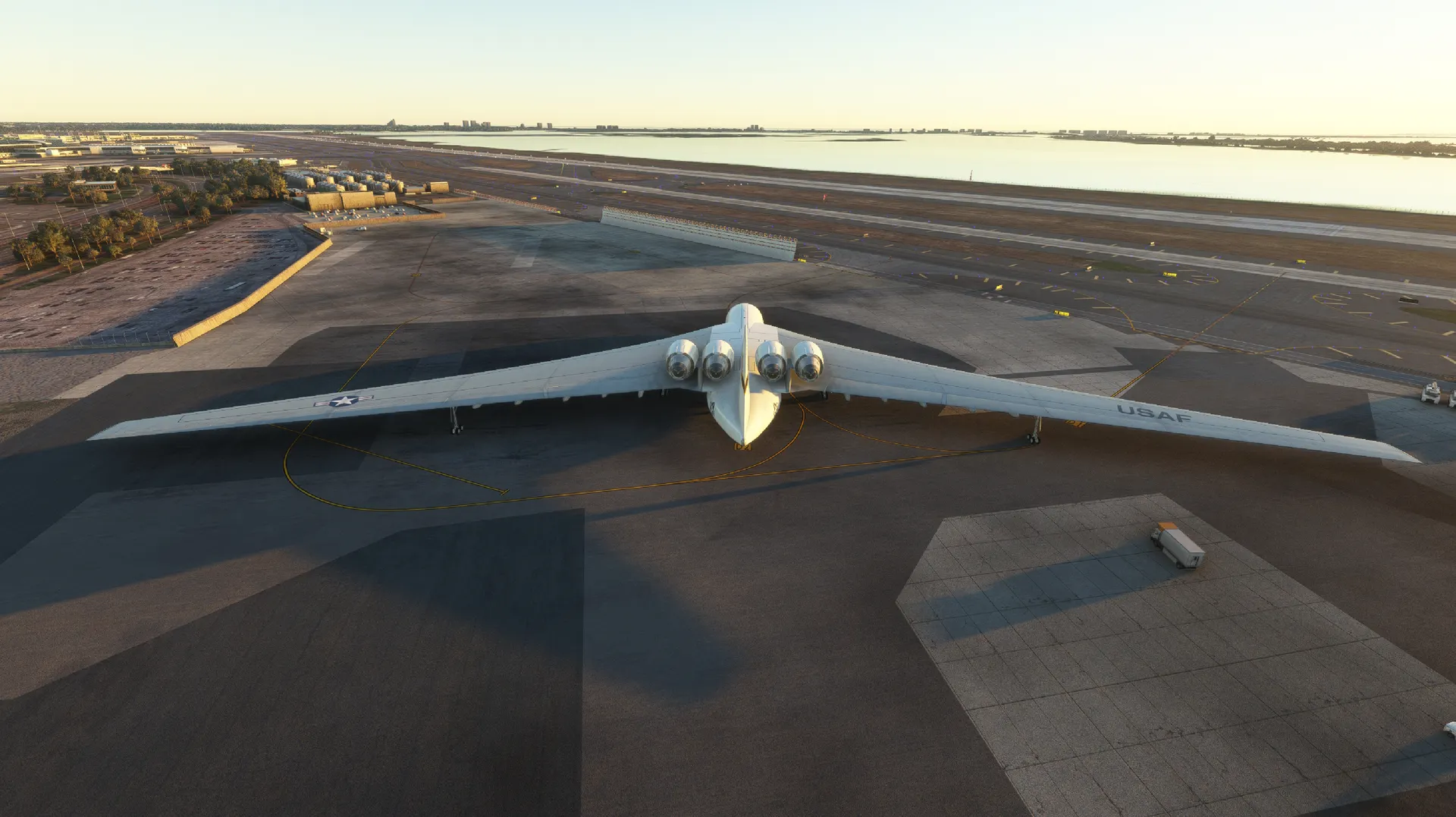
The Lockheed CL-1201 is a conceptual nuclear-powered airborne aircraft carrier, envisioned during the Cold War as an ultra-long-endurance strategic platform. Designed to remain airborne for weeks at a time, the CL-1201 represents one of the most ambitious aerospace concepts ever proposed, combining massive scale, advanced propulsion concepts, and unprecedented mission capability.
Powered by a nuclear reactor-based propulsion system, the CL-1201 was designed to support continuous global operations without refueling. Its enormous airframe was intended to carry a full complement of escort aircraft, reconnaissance platforms, and command-and-control systems, effectively functioning as a flying airbase.
The aircraft’s conceptual mission profile included strategic surveillance, airborne command and control, global deterrence, and rapid force projection. With an immense wingspan, internal hangar bays, and advanced radar and communications systems, the CL-1201 pushed the boundaries of what was technologically imaginable in aviation history.
Although never built, the Lockheed CL-1201 remains one of the most iconic and ambitious aircraft concepts ever conceived, symbolizing the peak of Cold War aerospace innovation and visionary engineering.
Designed for discerning simmers, the Lockheed CL-1201 Professional brings this legendary concept aircraft to life with unmatched realism and attention to detail, ensuring an immersive and authentic flight experience every time.
REQUIREMENTS
Microsoft Flight Simulator
Video Memory: 16 GB Graphics: NVIDIA GTX 1070 or AMD Radeon RX 590 Memory: 16 GB Disc space: 1 GB Recommended anti-aliasing: DLAA