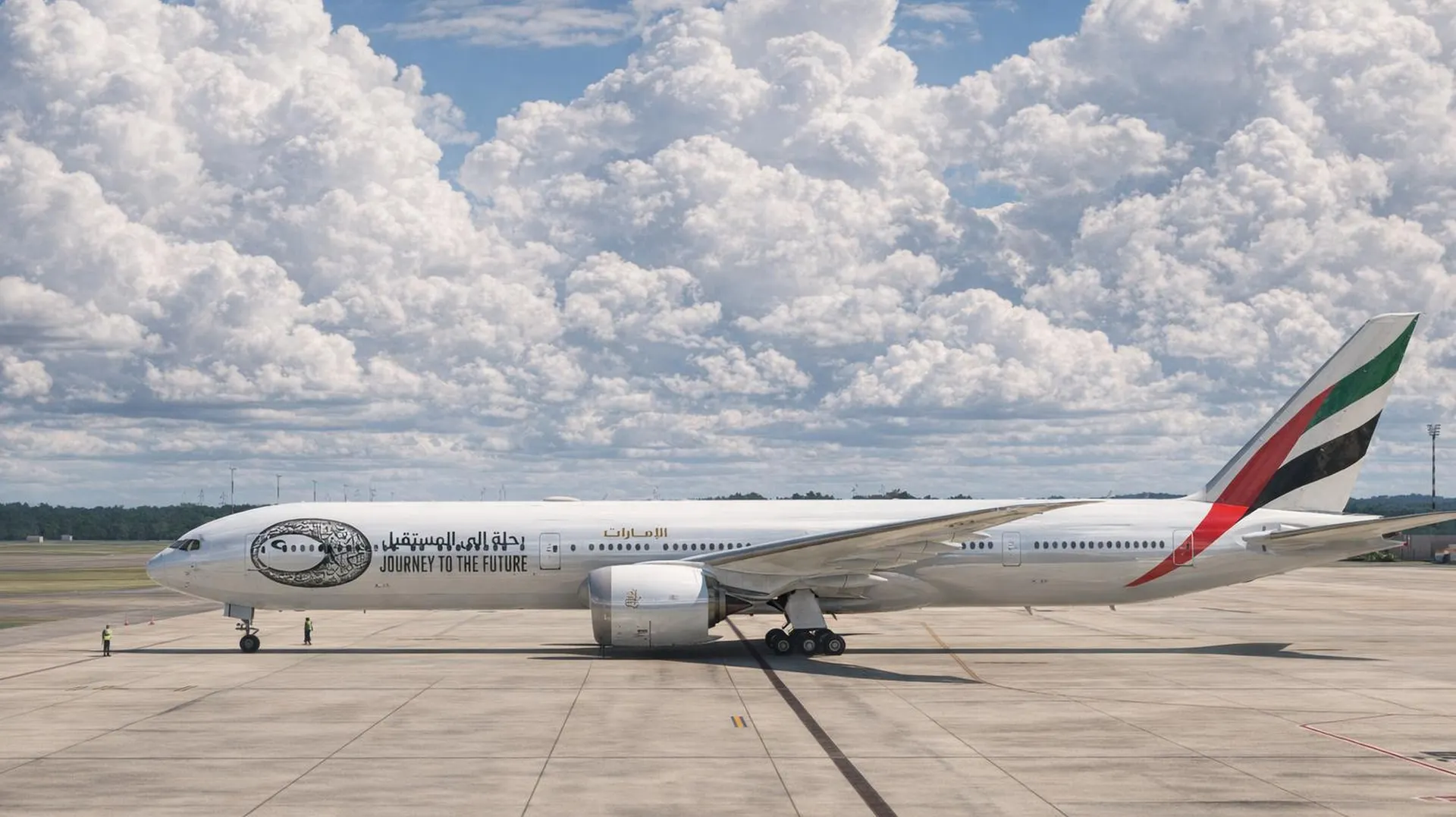
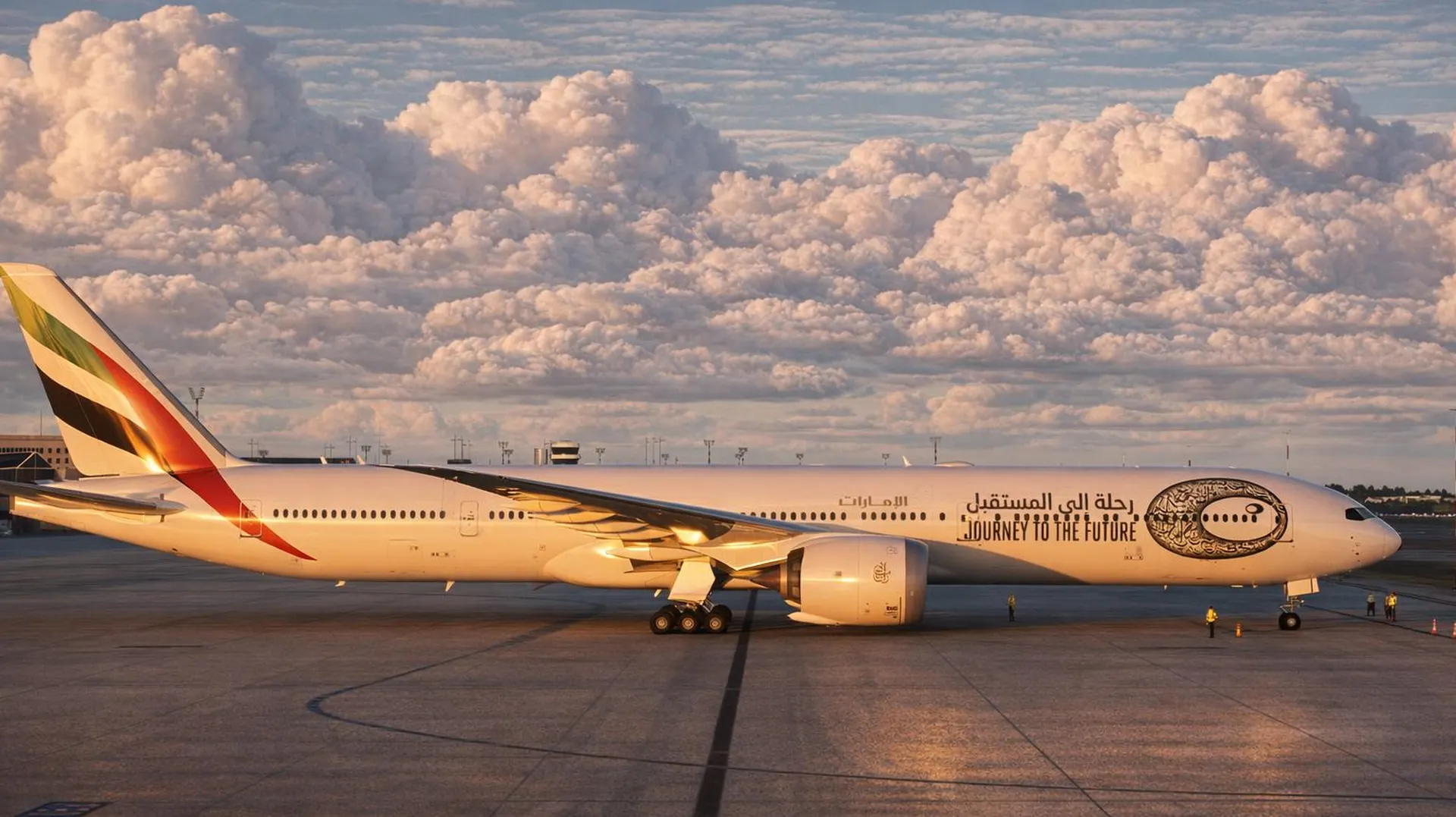
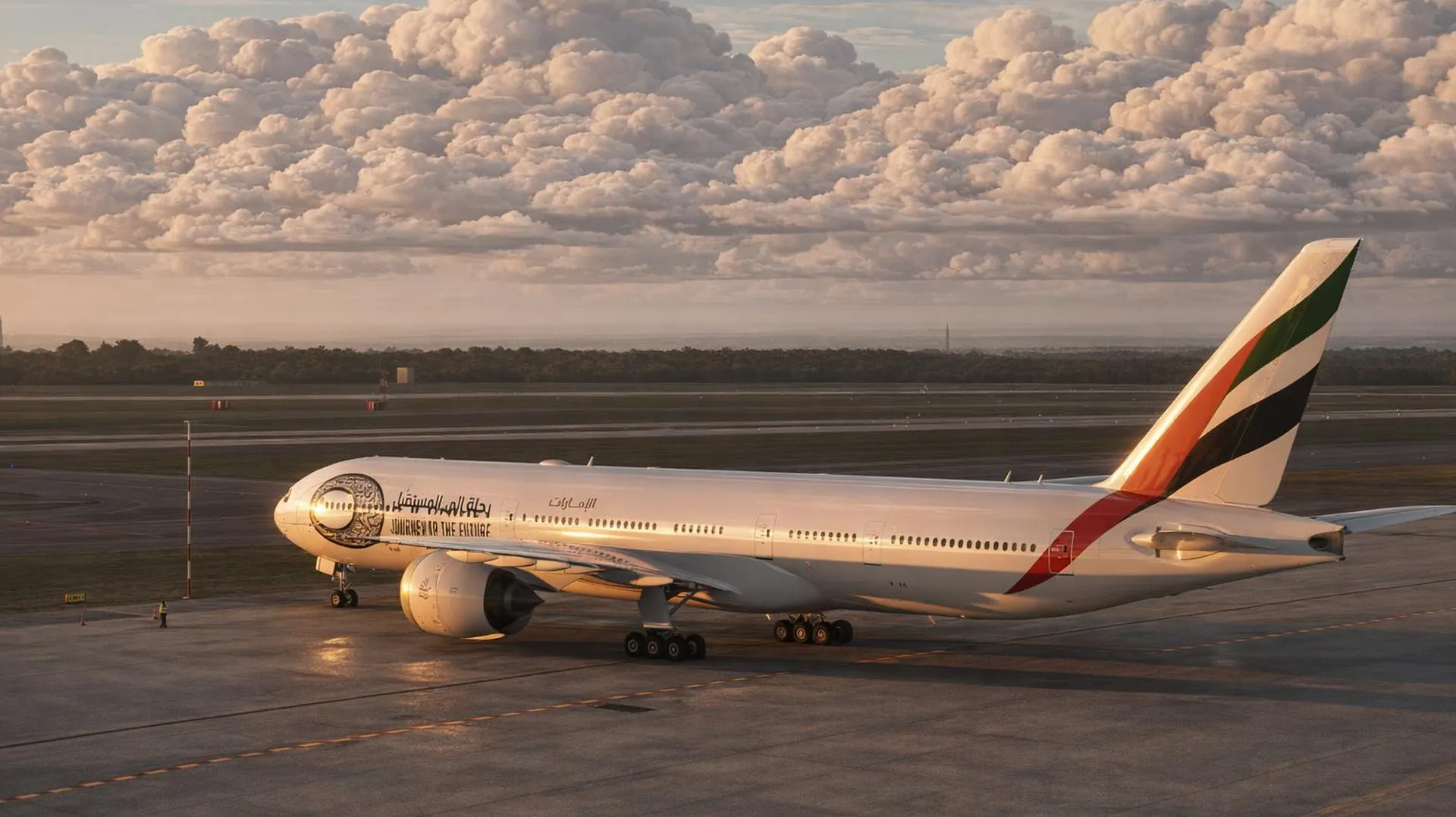
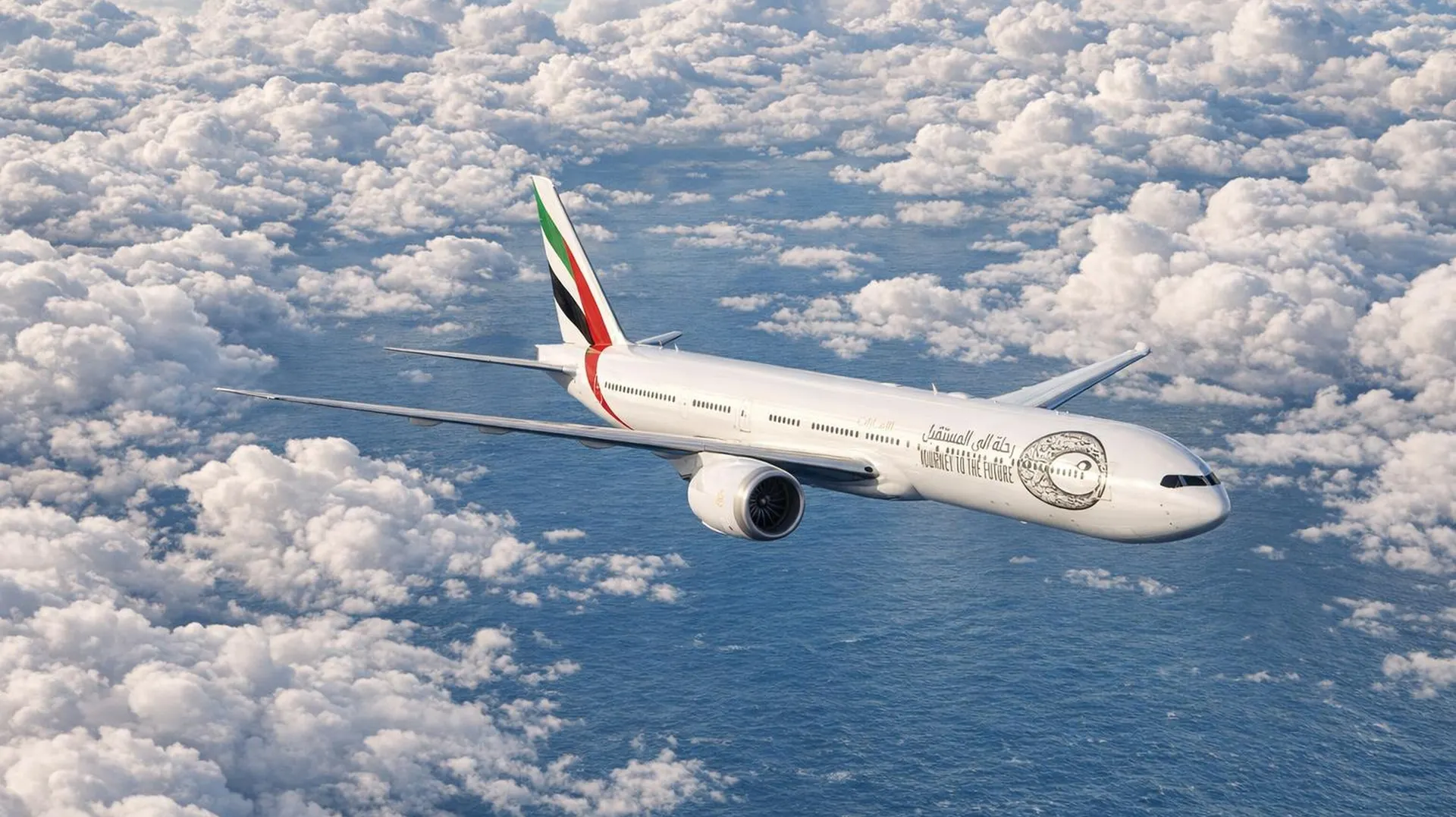
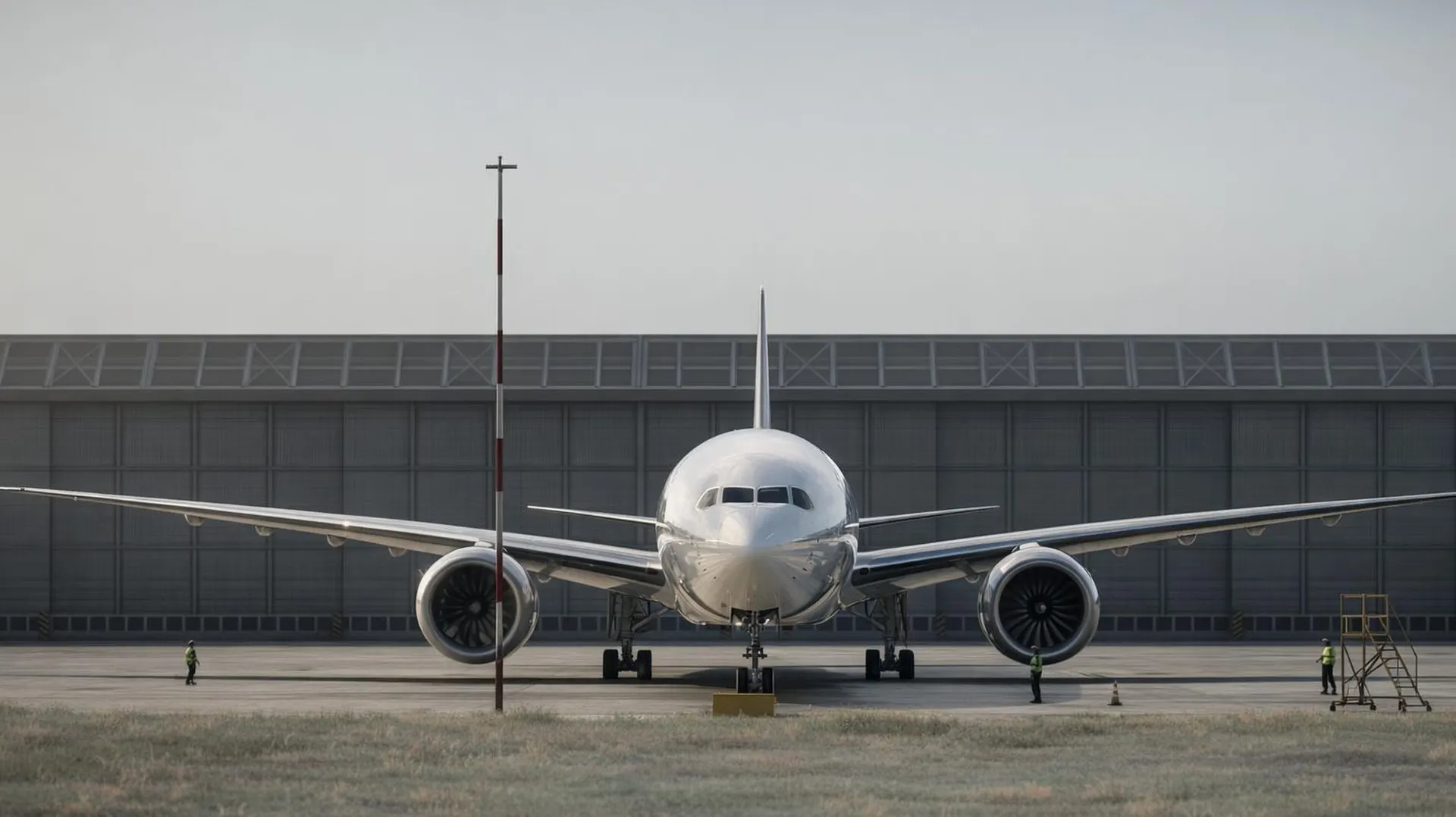
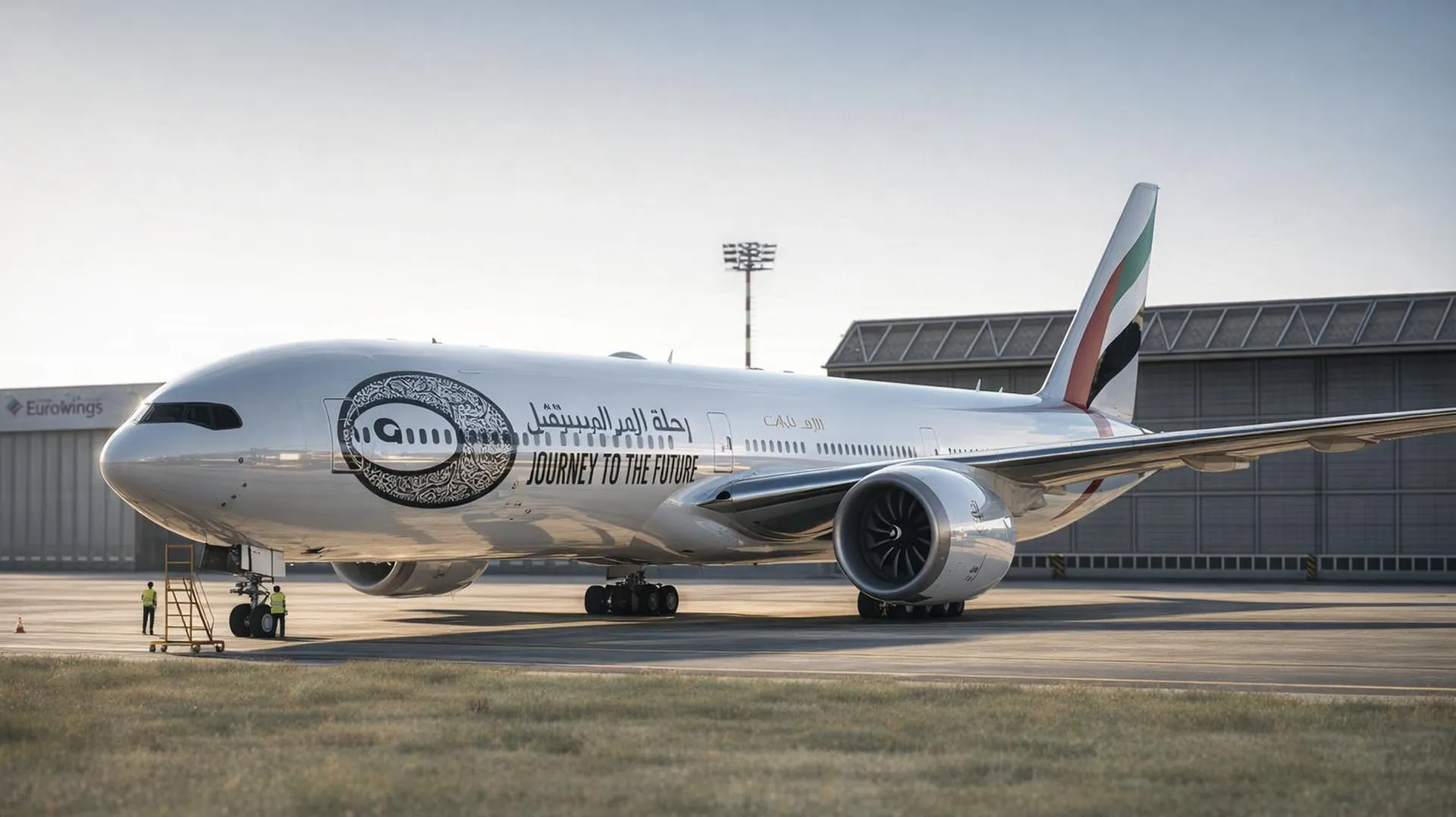
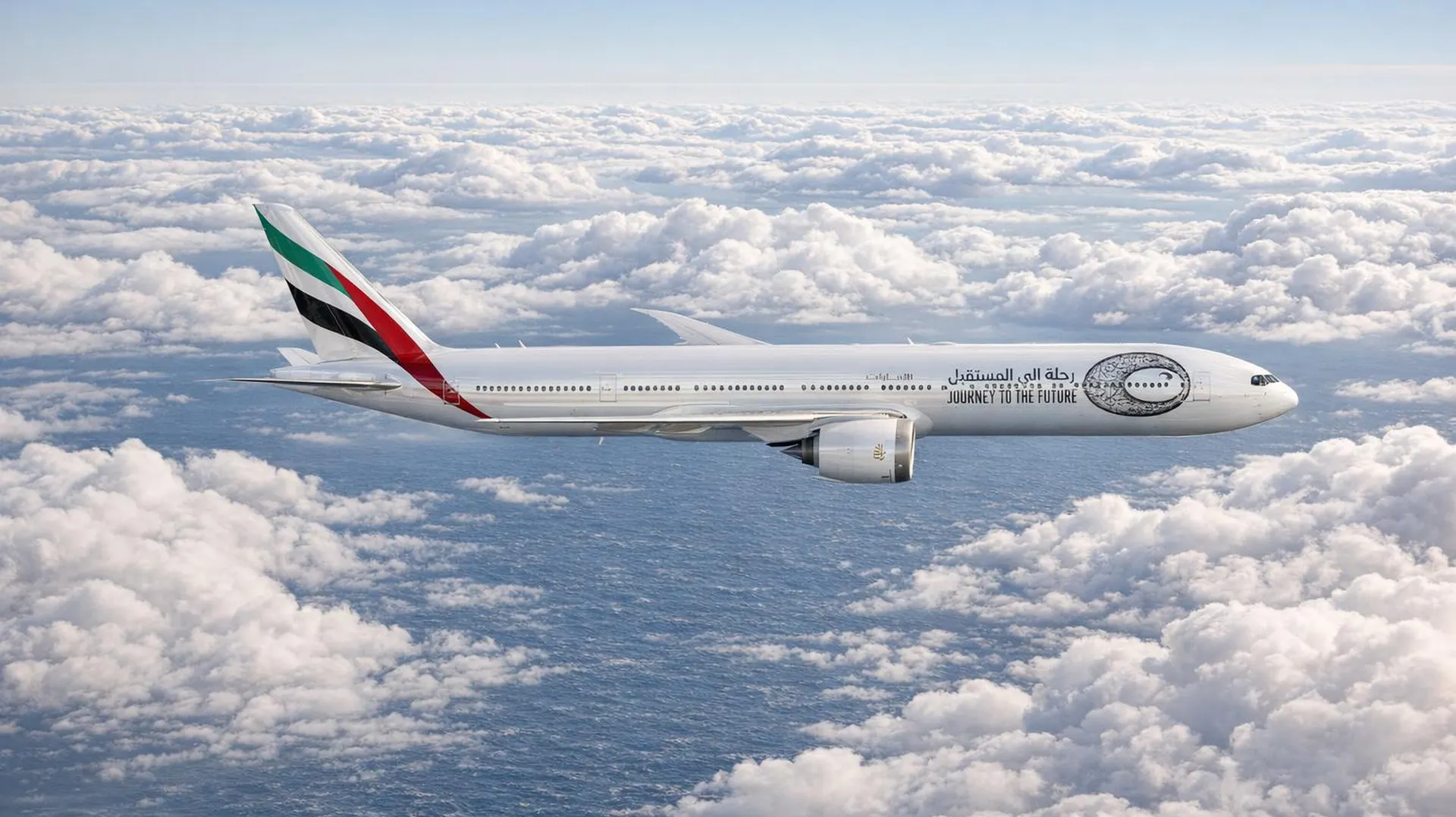
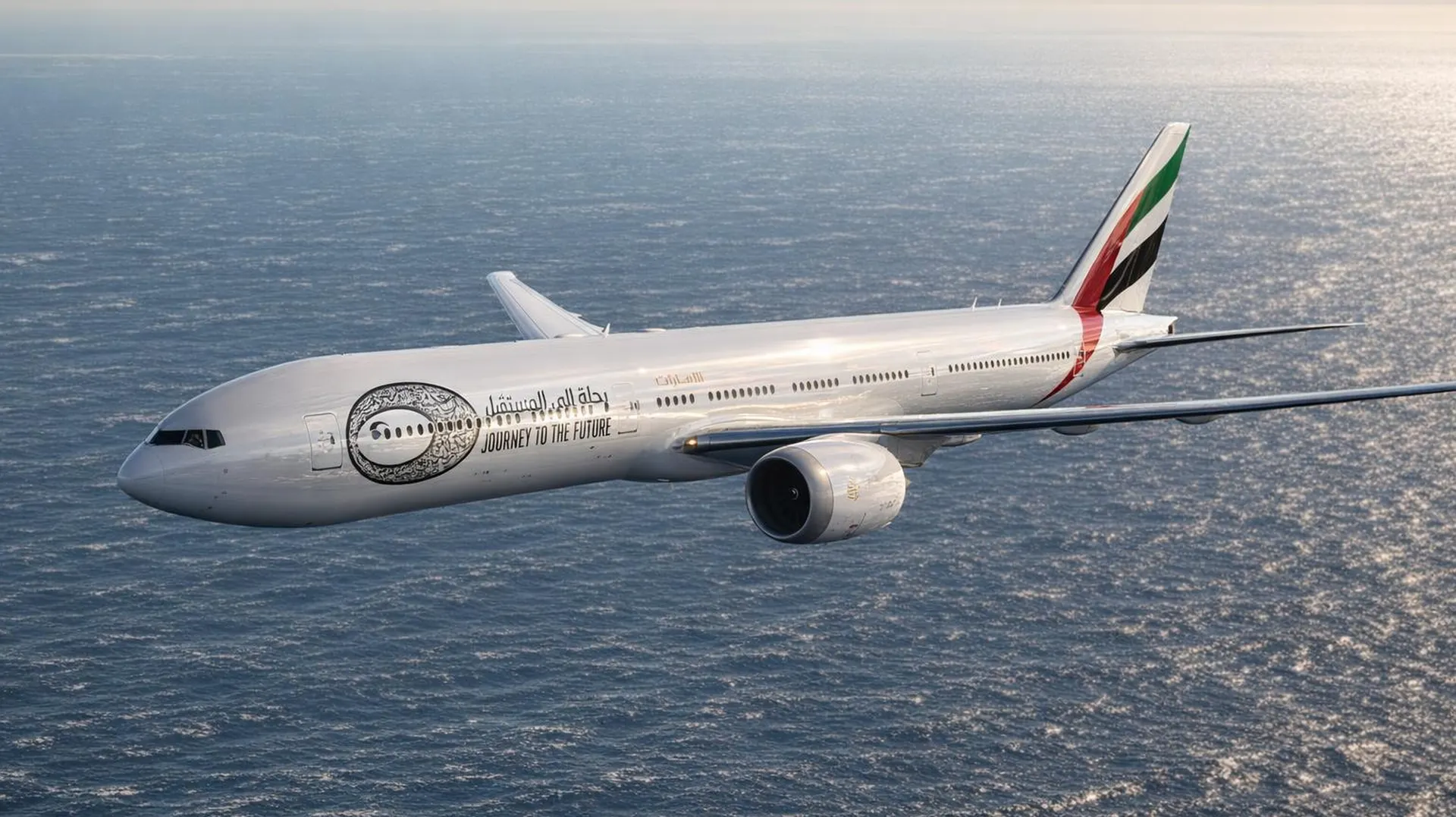
The 777-8 is a twin-engine, wide-body, long-range jet airliner developed and manufactured by American aircraft producer Boeing. The 777-8 is the second variant of the 777X, the third generation of the 777 family of commercial aircraft. The 777-8 has a shorter fuselage than the 777-9, the first variant of the 777X.
The 777-8 traces its development to the origins of the 777 family in the 1980s with Boeing’s interest in developing a next-generation commercial aircraft. The company sought a 2-engine, long-range design that would carry more passengers than their 767 and operate more efficiently than their 747. The prototype of the “Triple Seven” took its maiden flight on June 12, 1994, and the first production iteration, the 777-200, entered commercial service on June 7, 1995. The -200 was followed by the extended range 777-200ER and the 777-300, a variant of the -200 with a stretched fuselage. 777 models feature state-of-the-art digital flight managements systems, advanced digital fly-by-wire flight controls, glass cockpits, and other advanced systems.
The commercial successes of the first generation of the 777 family cemented it as one of the great lineages in commercial aviation history. The second generation of the 777, which comprises the 777-300ER and the 777-200LR (Long Range), continued the trend of innovation and optimized efficiency. In the early 2010s, Boeing began developing the third generation of the 777, the 777X, comprising two initial models, the 777-9 and the shorter 777-8. These aircraft feature more efficient engines, an improved wing design, greater range, higher passenger capacity, and improved passenger amenities. The novel wing is one of the most notable improvements of the 777X generation. The design incorporates folding wingtips, optimizing flight performance while maintaining ground compatibility at airports.
The 777-8 is powered by two General Electric GE9X high-bypass turbofan engines that were developed specifically for the 777X generation. Each engine, which is optimized for fuel efficiency and quiet operation, delivers up to 110,000 pounds of thrust.
The 777-8 measures 232 feet, 6 inches in length, stands 63 feet, 11 inches tall, and has a wingspan of 235 feet, 5 inches (212 feet, 9 inches when folded). The aircraft has a range of 10,050 miles, a service ceiling of 43,100 feet above sea level, a cruising speed of 562 miles per hour, and a maximum speed of 590 mph. Piloted by two, the aircraft can accommodate up to 395 passengers in typical configurations.