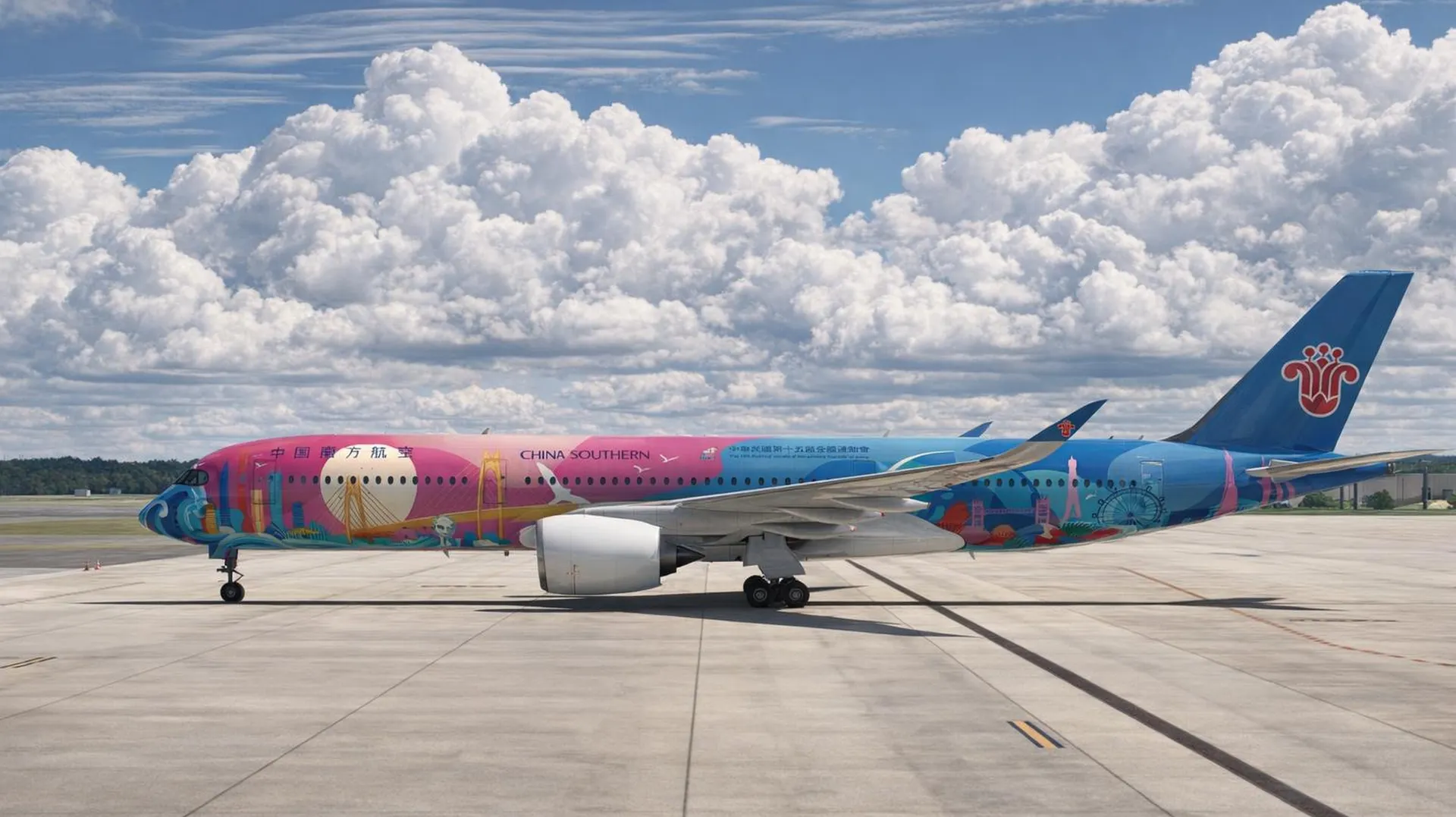
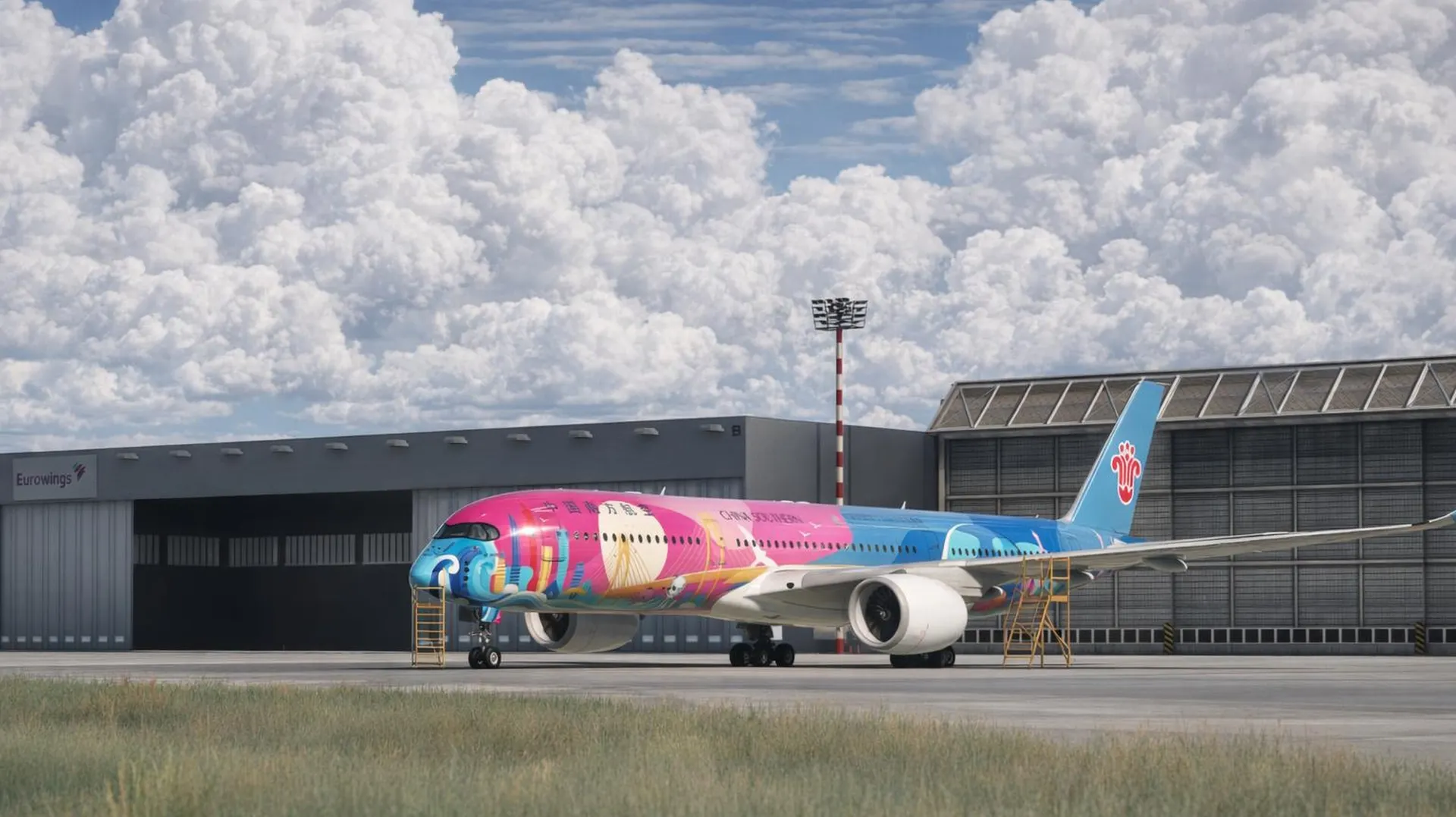
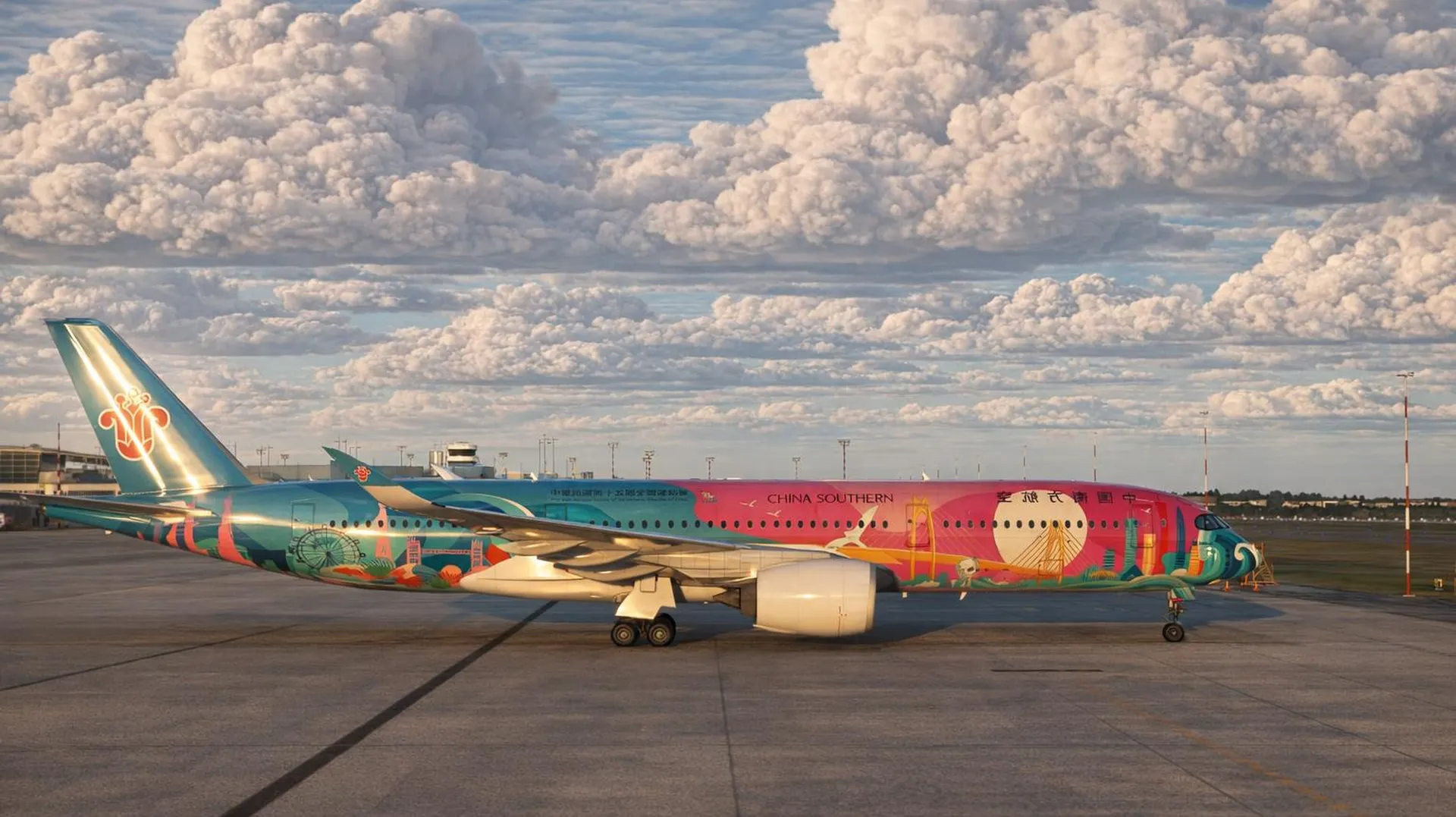
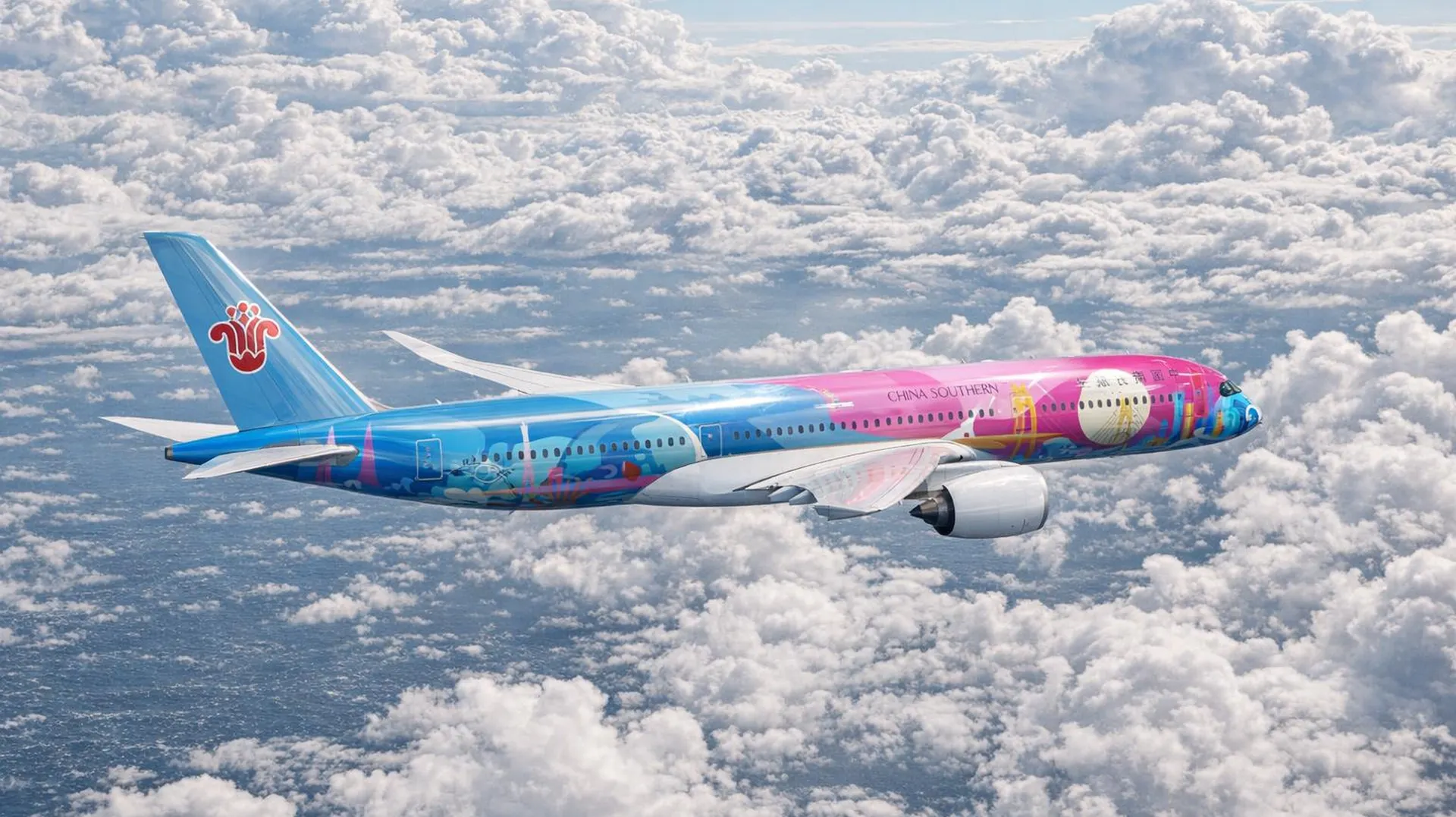
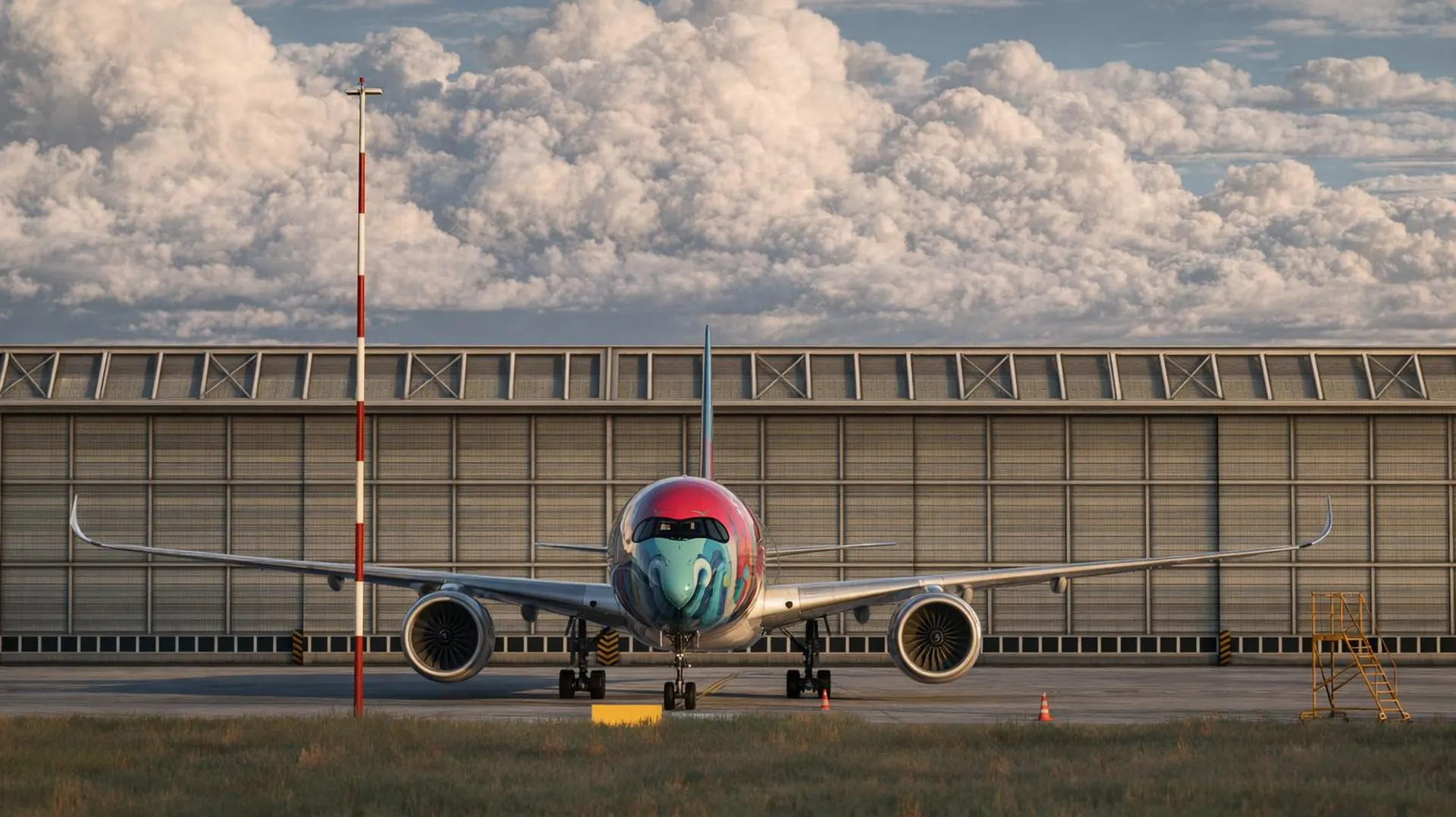
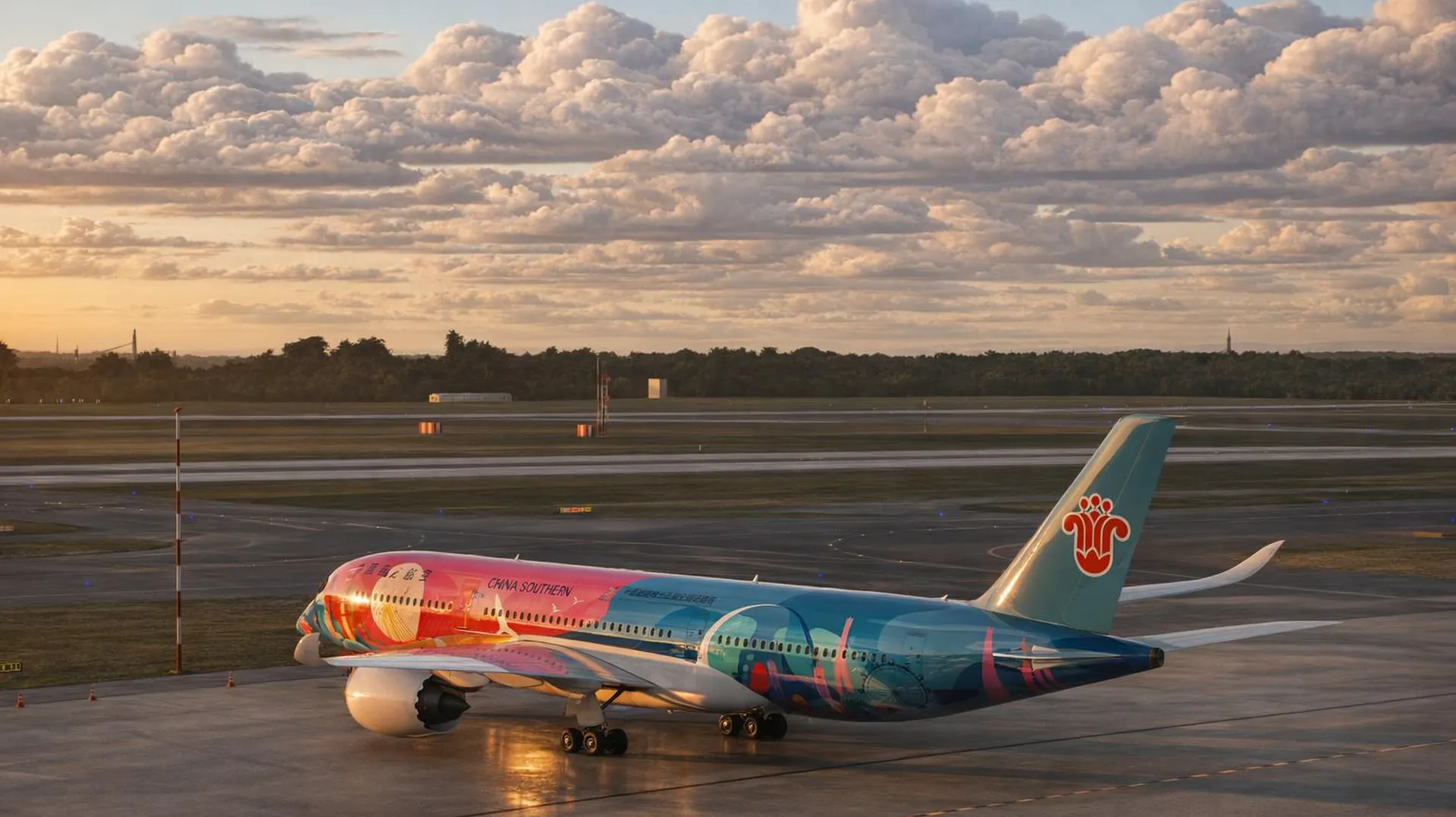
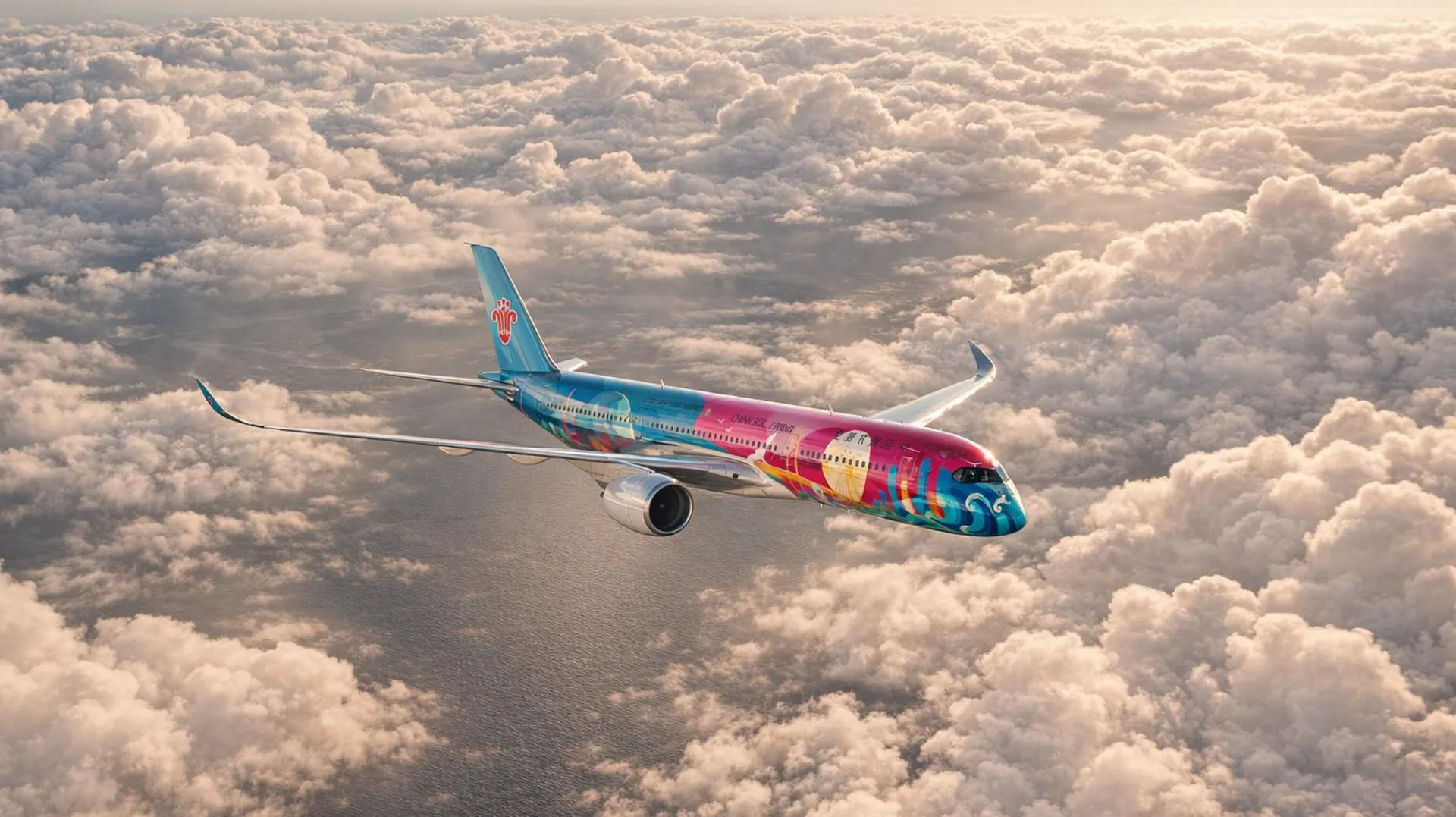
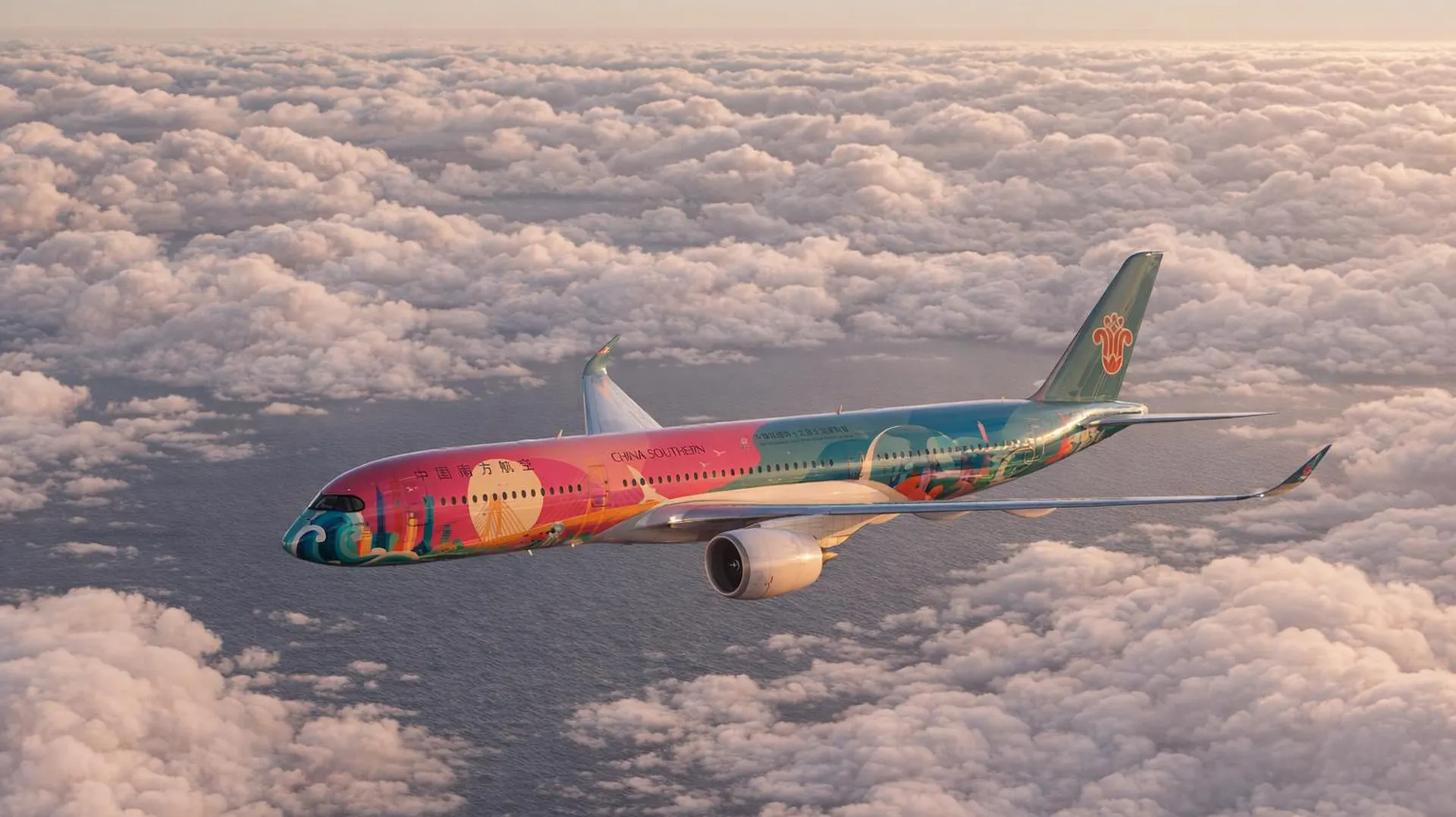
The A350-900ULR is a twin-engine, wide-body commercial airliner developed and manufactured by European aviation consortium Airbus. It is the ultra-long-range (ULR) variant of the A350 family and holds the distinction of being the longest-range commercial aircraft to have ever entered service (as of 2025). It currently flies the world’s longest scheduled nonstop route, the 9,527-mile line between Singapore Changi Airport (SIN) and New York John F. Kennedy International Airport (JFK), which typically lasts 18 hours. The A350-900ULR took its maiden flight on April 23, 2018, and entered commercial service on October 11, 2018.
Developed from a blank slate, the A350 is widely hailed as the most technologically advanced airliner ever produced. It is renowned for its endurance, efficiency, cabin comfort, low noise, and advanced operations systems. The airliner took its maiden flight in 2013, and it entered service in 2015. Airbus manufactures two primary variants of the A350, the A350-900 and the A350-1000.
In the early 2000s, Airbus sought to produce a novel long-distance offering that would fulfill the emerging needs of airlines throughout the globe. Based on industry feedback, the company decided to pursue a clean-sheet initiative rather than developing a variant of an established airframe. Formally approved on December 10, 2004, Airbus designated the new airliner the A350. The ambitious program would set new standards for commercial aircraft efficiency, comfort, and technological sophistication.
Constructed using state-of-the-art carbon fiber composites (53 percent of airframe) and advanced titanium alloys (14 percent of airframe), the A350 is light, strong, and resilient. Airbus engineers developed what they termed an XWB (eXtra Wide Body) fuselage, balancing optimized aerodynamics with maximized passenger comforts.
The A350’s wing is one of the most notable standout engineering achievements of the family. Constructed using advanced carbon fiber reinforced plastic (CFRP), it is the first adaptive wing to be used in a commercial airliner. Using advanced aerodynamic surfaces, including leading-edge droop flaps and Airbus’s patented “advanced dropped hinge flap” (ADHF), the wing continuously “morphs,” adjusting its effective camber. This optimizes flight efficiency during cruise and safety during slow speeds and high angles of attack. Complementing the main wing’s aerodynamics, the A350’s winglets boost operational efficiency by mitigating drag-inducing wingtip vortex generation.
The airliner’s cockpit, avionics, and digital flight controls are some of the most advanced in the world of commercial aviation. Airbus engineers deftly integrated sensor fusion capabilities with real-time data analysis processes to allow the airliner’s two pilots to operate the A350 at the highest levels of reliability, efficiency, and passenger safety. The cockpit comprises six high-definition LCD displays, three of which are touchscreens. The system provides pilots with maximum operational situational awareness, including communications, environmental conditions, air traffic, and aircraft systems diagnostics.
Rolls-Royce developed an engine from its Trent line specifically for the A350, the Trent XWB high-bypass turbofan. The most powerful member of the renowned Trent line, Trent XWB is the most efficient large aircraft engine in the world, based on fuel burn and emissions.
The Airbus A350-900ULR measures 219 feet, 1 inch in length, stands 55 feet, 11 inches tall, and has a wingspan of 212 feet, 5 inches. It is powered by two Rolls-Royce Trent XWB-84 high-bypass turbofan engines, each of which generates up to 84,190 pounds of thrust. It has a maximum endurance of 20 hours, a range of 11,163 miles, a service ceiling of 42,980 feet above sea level, and a cruising speed of 541 miles per hour.