MSFS 2024 Status:
Investigating Marketplace
Support the site - donate!

A380-800: Enhanced Edition

mscenery

AIRCRAFTA380

0/5 (0)


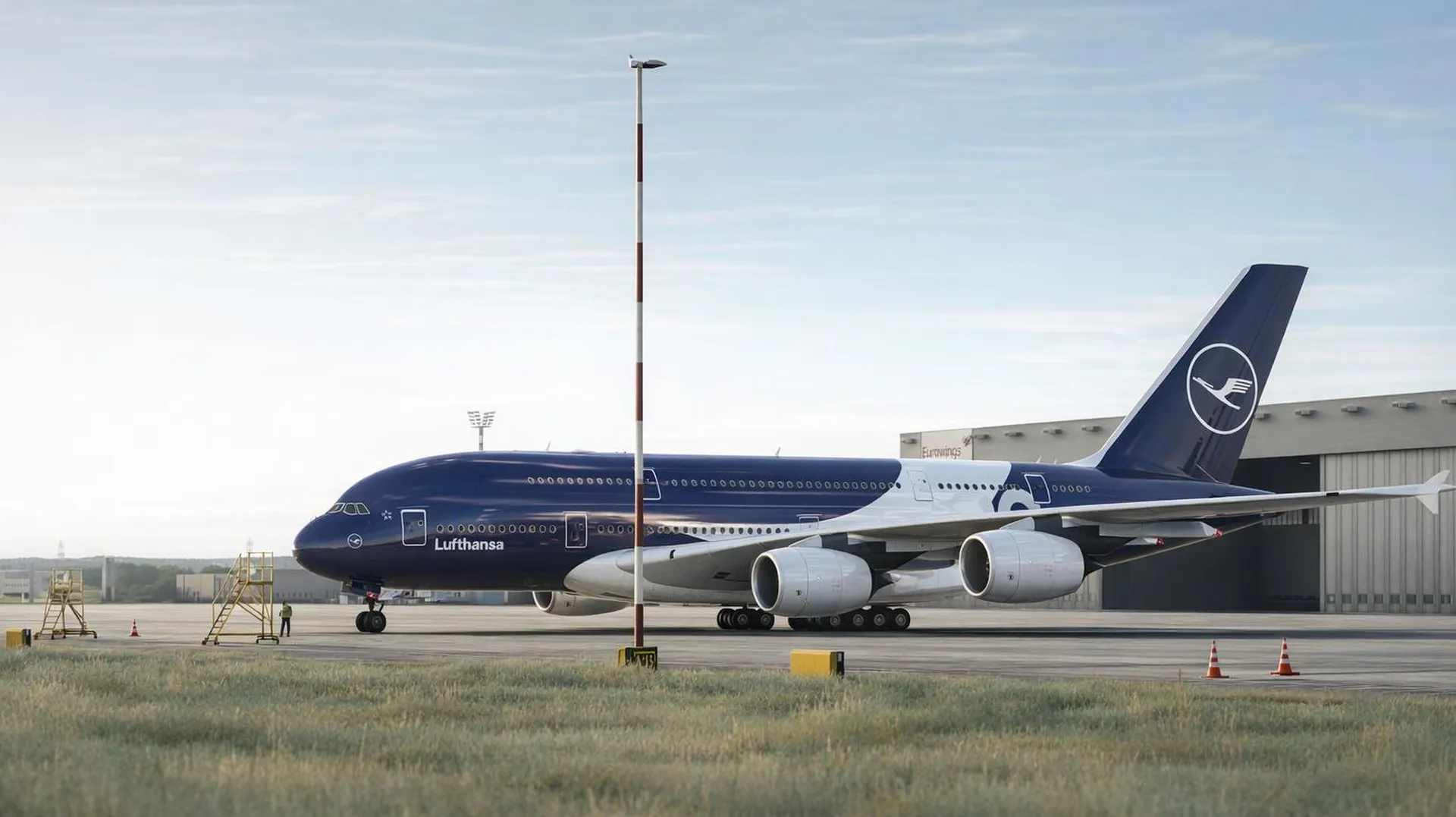
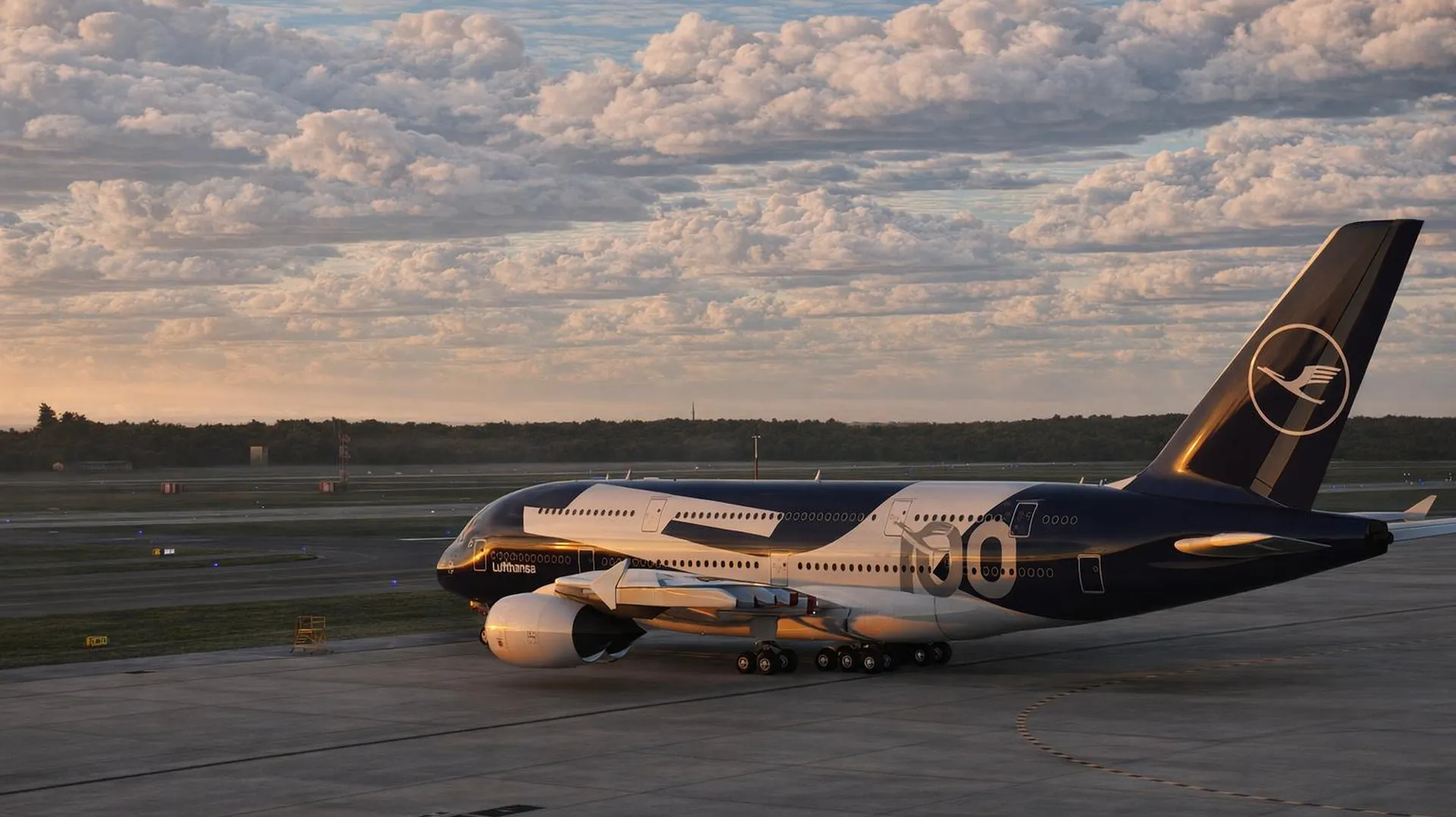
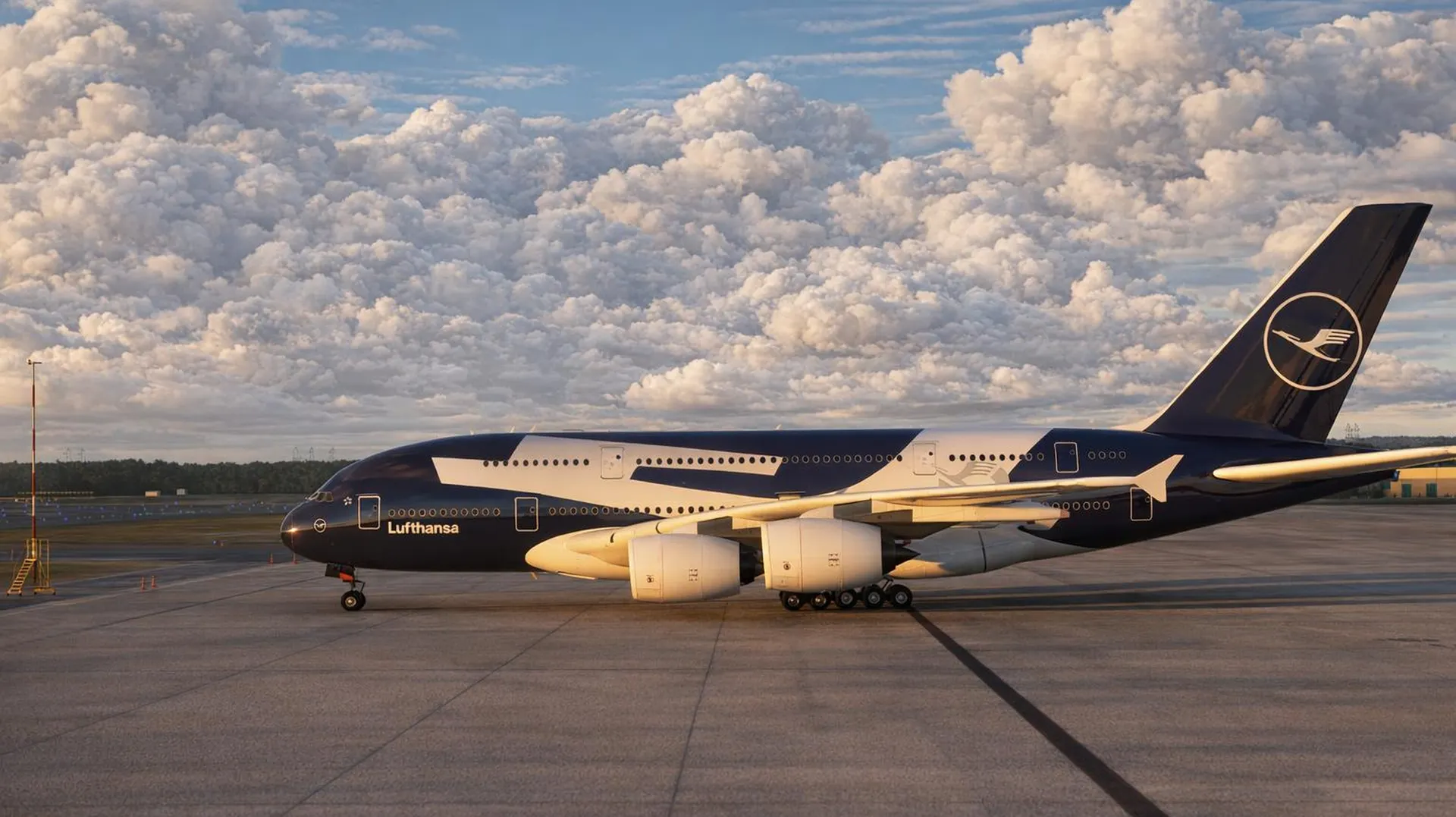
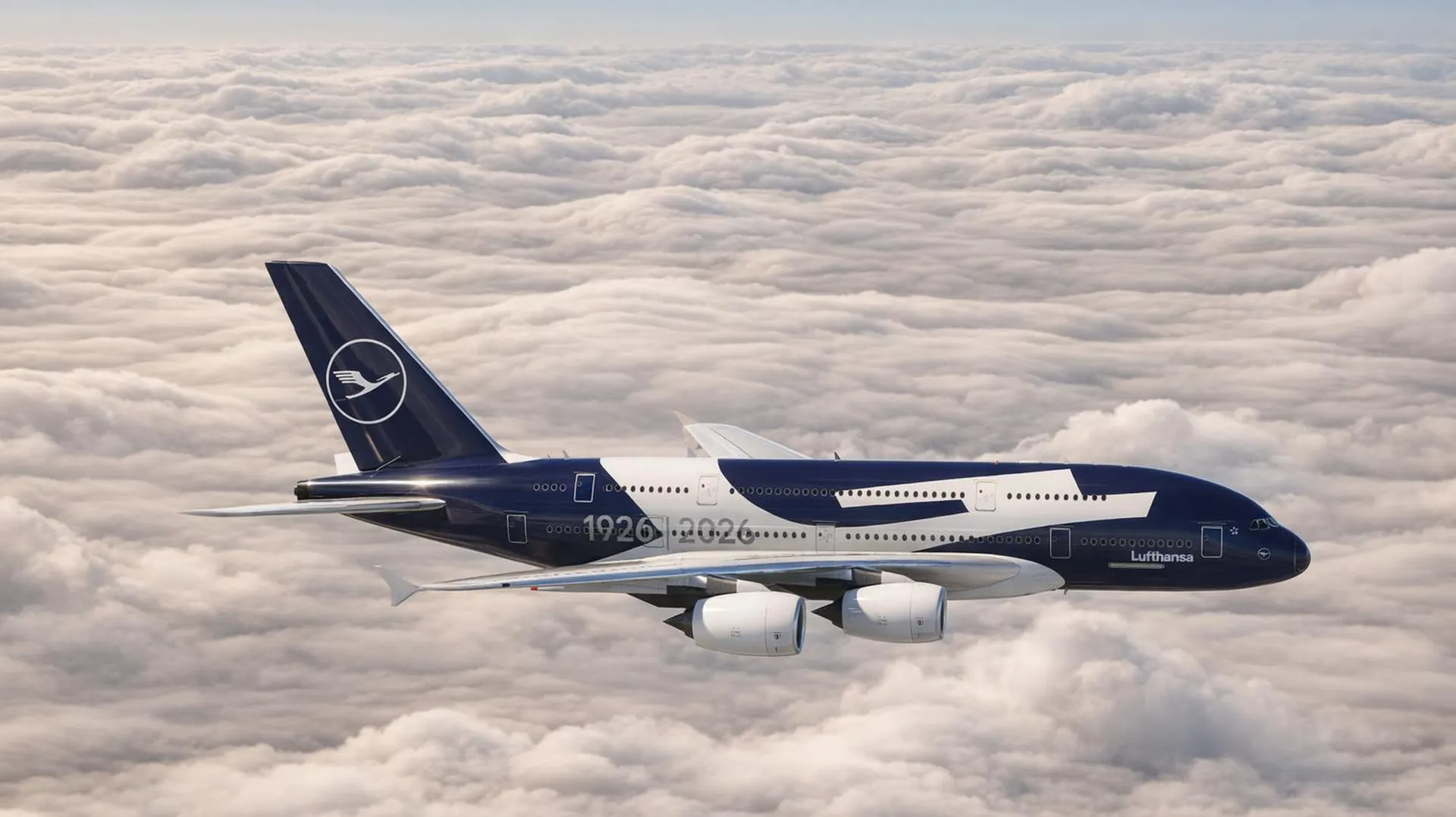
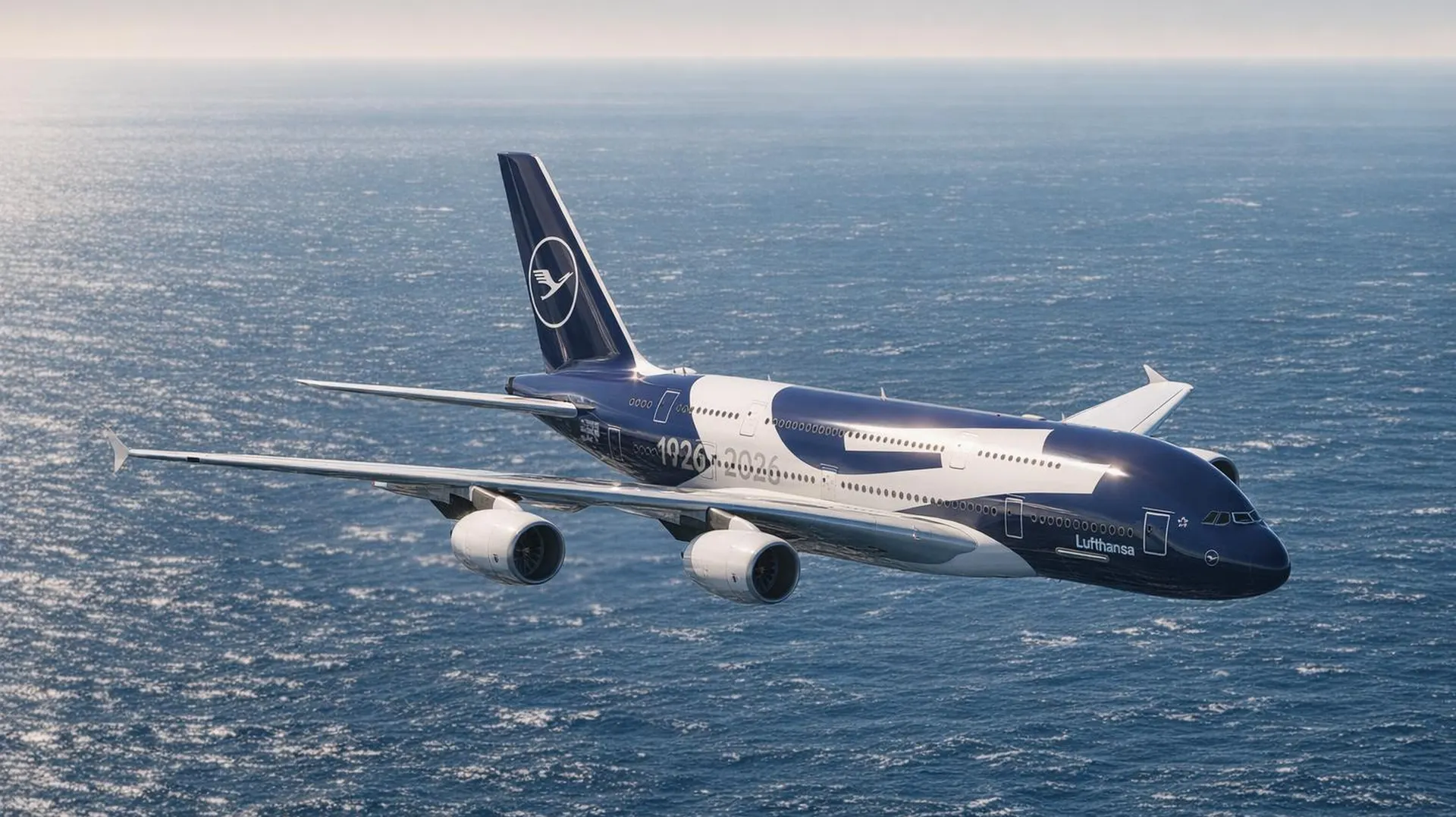
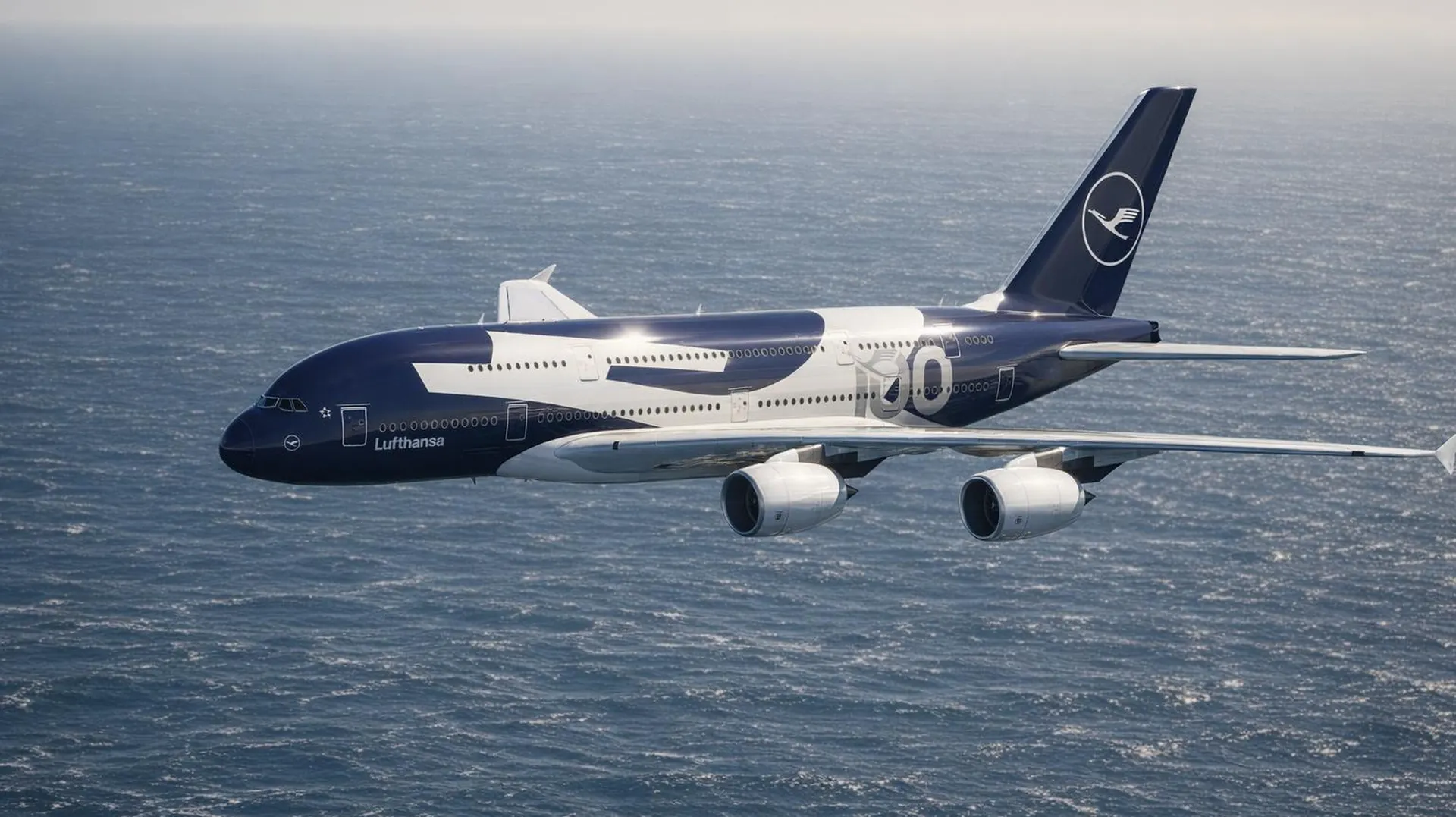
The Airbus A380-800: Enhanced Edition delivers a completely reworked experience for Microsoft Flight Simulator.

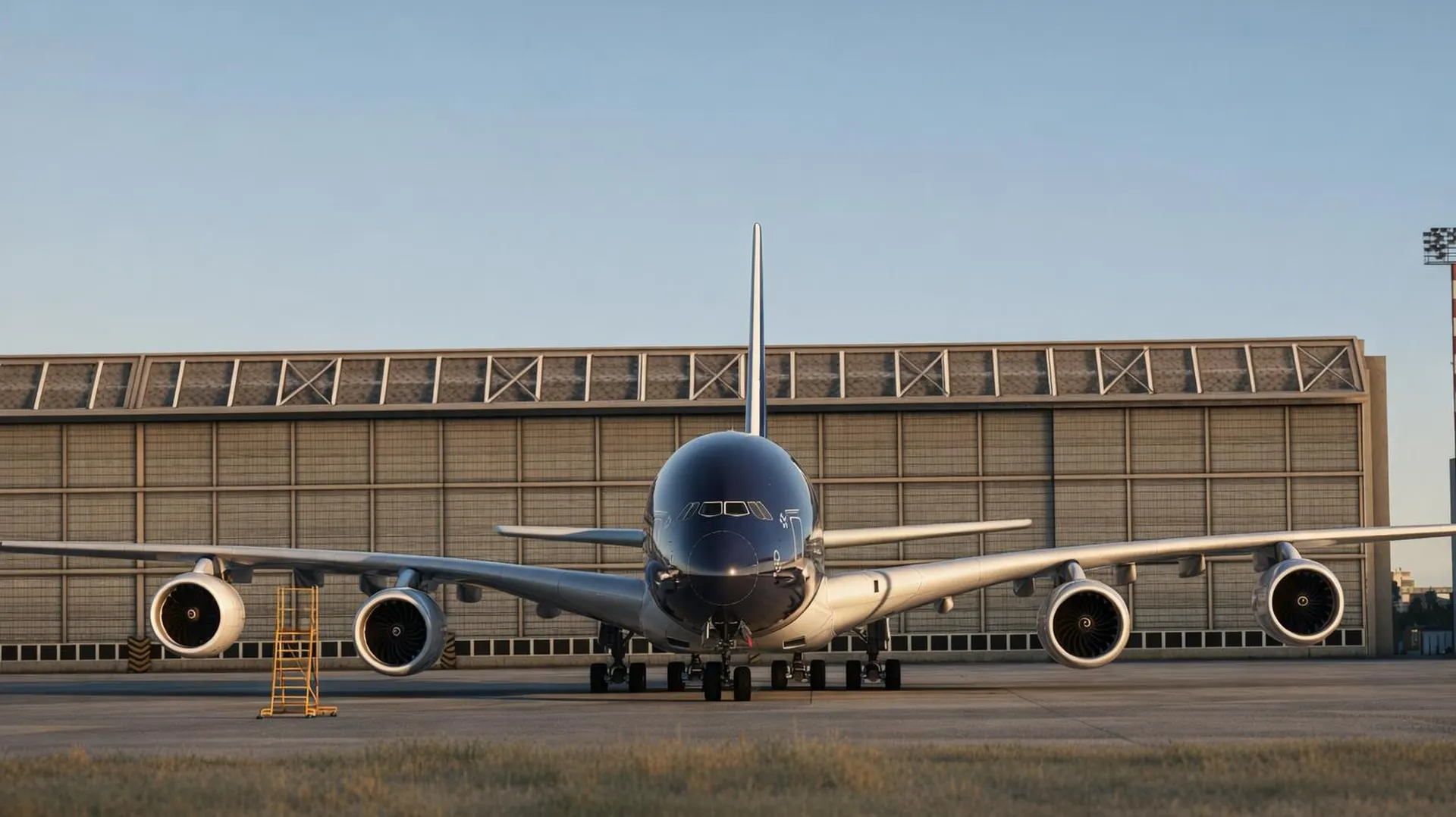
This enhanced version features a reworked aircraft model with refined exterior geometry, upgraded cockpit, high-resolution 8K textures, advanced PBR materials, improved lighting systems, and optimized performance.

Designed to provide a more immersive long-haul flying experience, the A380-800: Enhanced Edition combines enhanced visual fidelity with smooth simulator integration for both casual and experienced virtual pilots.

Features Reworked aircraft exterior model High-resolution 8K textures Advanced PBR material system Enhanced cockpit Improved exterior and interior lighting Refined aircraft details throughout Optimized performance Realistic animations

Created by MSCENERY
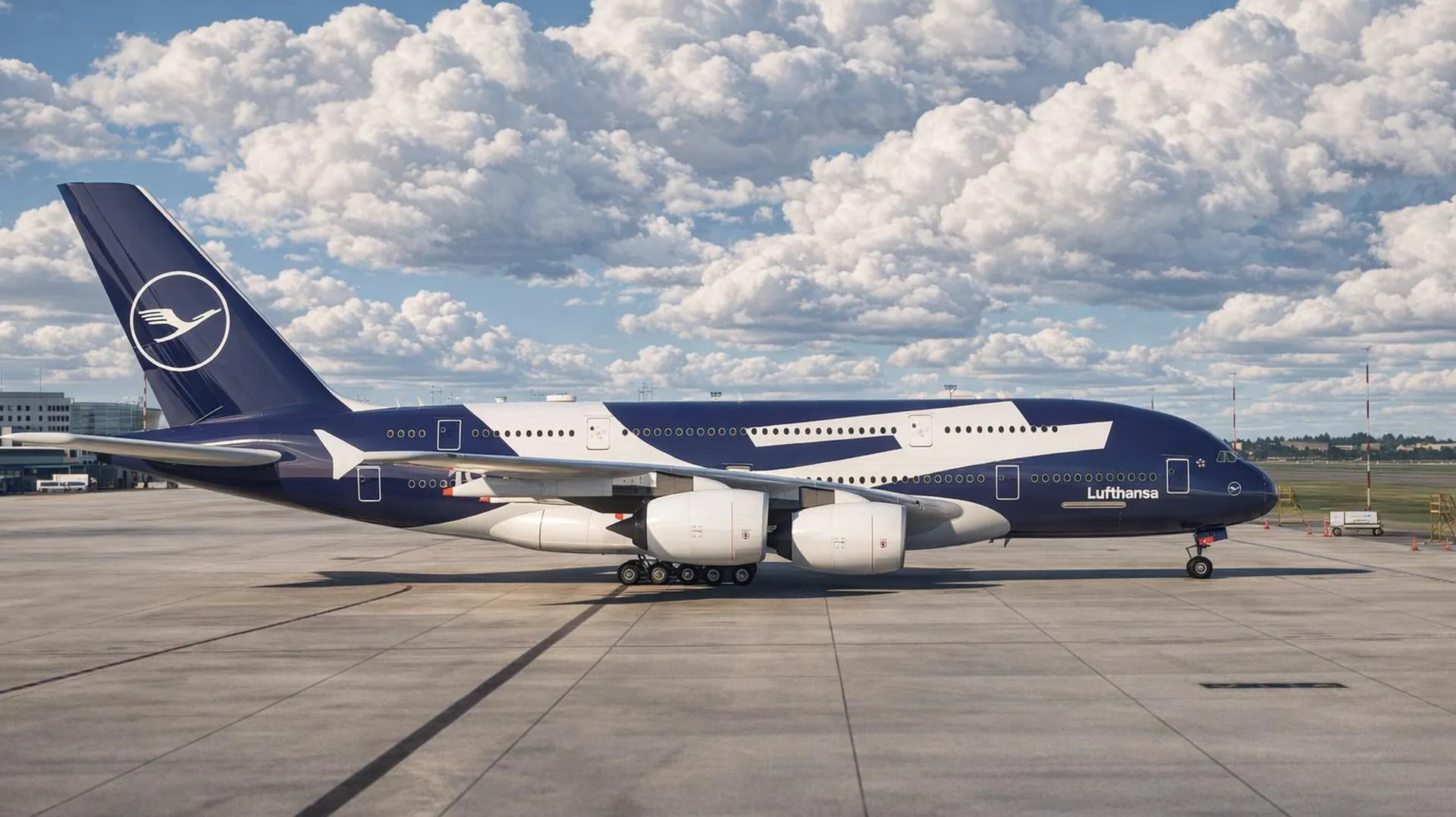
The A380-800 is a 4-engine, wide-body, long-haul airliner produced by European aviation conglomerate Airbus. The jet is the largest passenger aircraft and the heaviest production airplane in history. It is certified to carry up to 853 passengers, although it is typically configured with 525 seats. The A380 program, the seeds for which date to 1990, cost an estimated 25 billion dollars. Much of this was due to the development of manufacturing techniques, materials, and flight control and aircraft management systems that Airbus needed to innovate specifically for the massive jet.

The A380-800 took its maiden flight on April 27, 2005 and entered service on October 25, 2007. Airbus has manufactured a total of 254 airframes.

The A380-800 measures 238 feet, 7 inches in length, has a wingspan of 261 feet, 8 inches, and is 79 feet high. It is powered by four high-bypass turbofan engines, either the Rolls-Royce Trent 900 or the Engine Alliance GP7000. Carrying up to 85,000 gallons of fuel, the A380-800 has a range of 9,200 miles. It has a cruising speed of Mach 0.85, or 561 miles per hour, a climb rate of up to 2,500 feet per minute, and a service ceiling of 43,000 feet above sea level.