MSFS 2024 Status:
Investigating Marketplace
Support the site - donate!

LZ129

REDWING

LZ129ZEPPELINHINDENBURGDEKKA

4.2/5 (84)


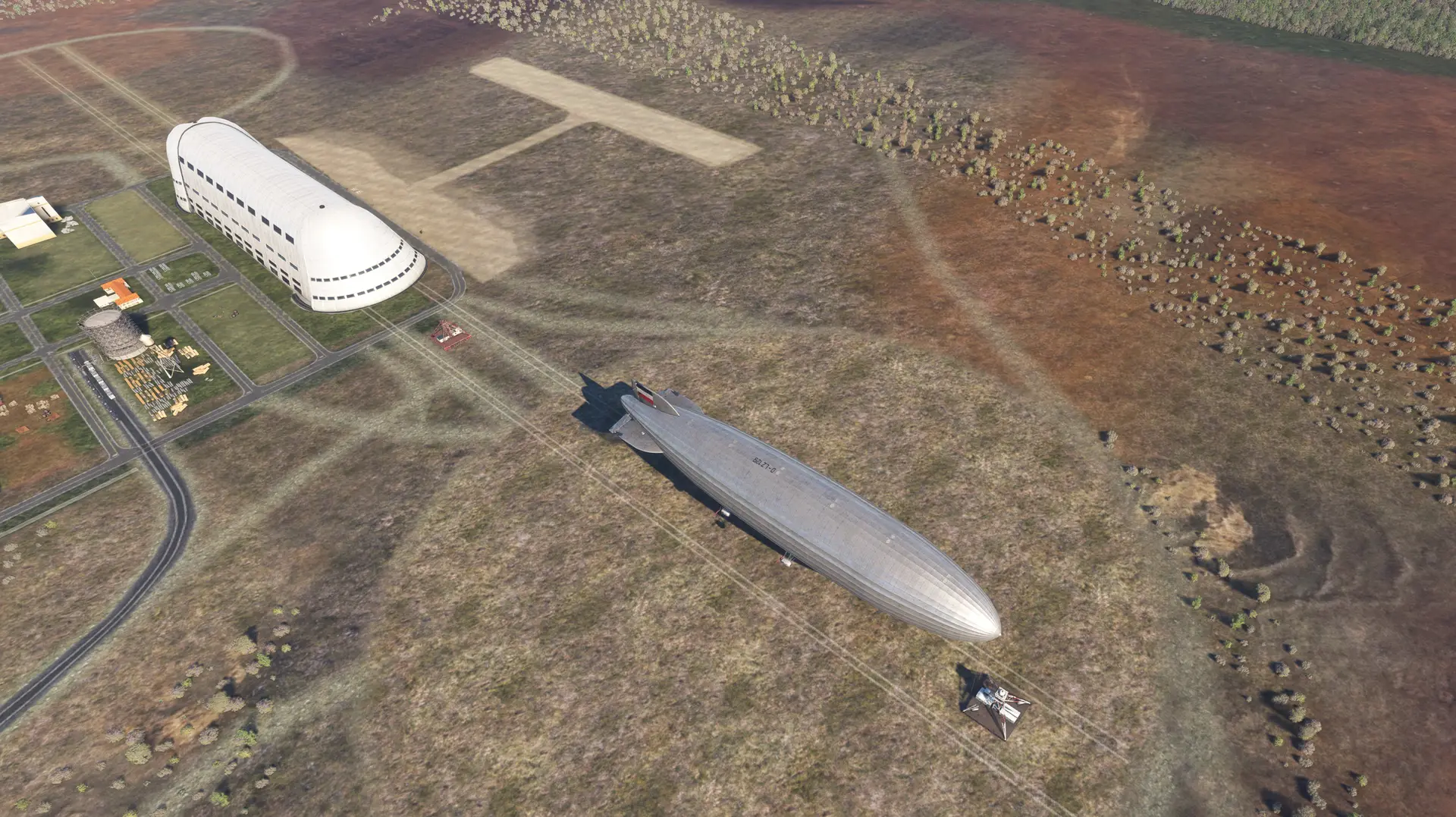
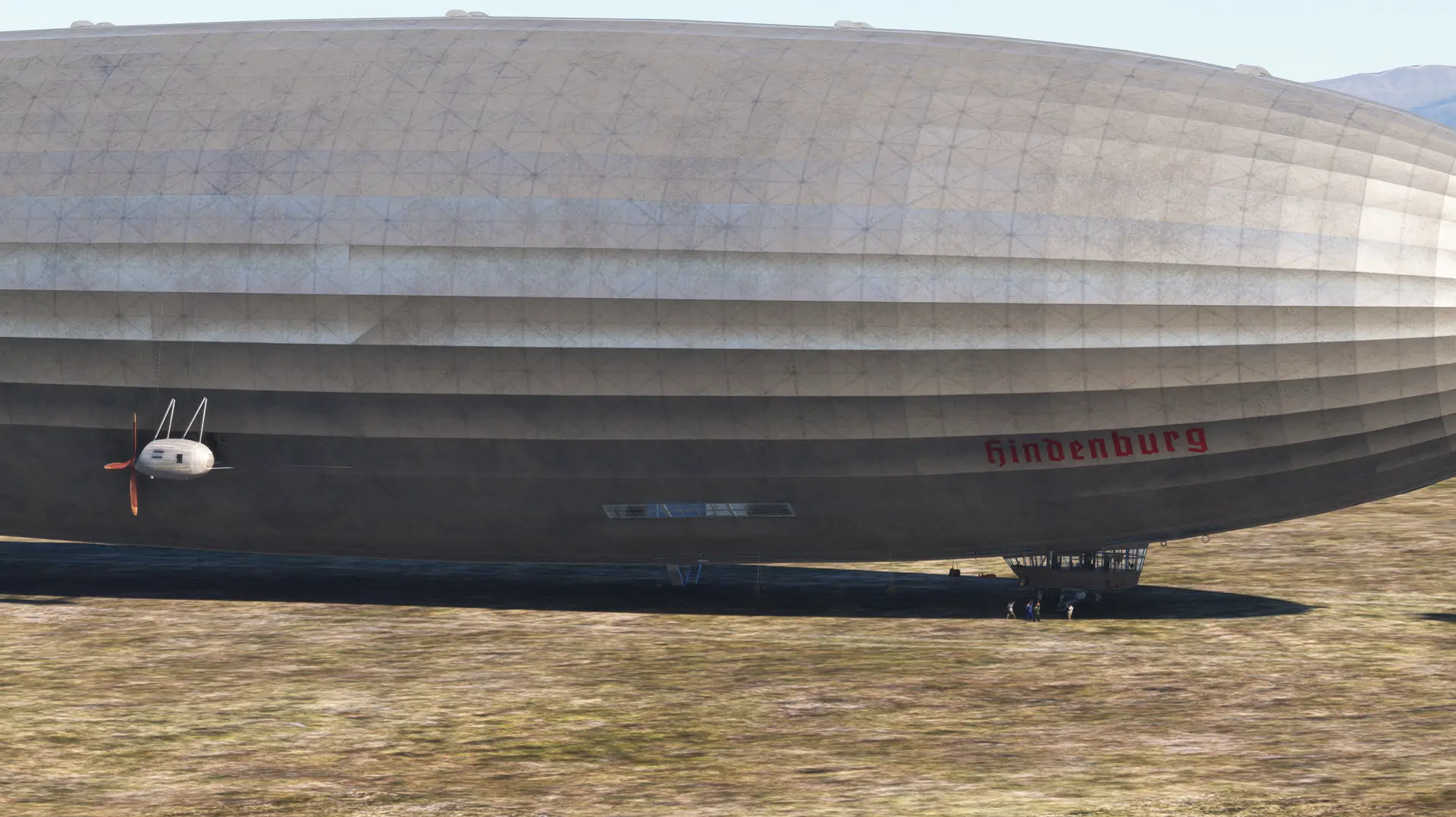
Built by the German firm Zeppelin, the LZ129 HINDENBURG is the largest commercial airship ever built. The inaugural flight took place on March 4, 1936 at Friedrichshafen, Germany. The Hindenburg airship covered some 337,000 km on 63 voyages, including 10 crossings between Germany and the United States and 7 to Brazil.

Its much-publicized crash in 1937 put an end to the adventure of transatlantic airship transport.

Details:

  • PBR 4K textures (4&2K for Xbox)
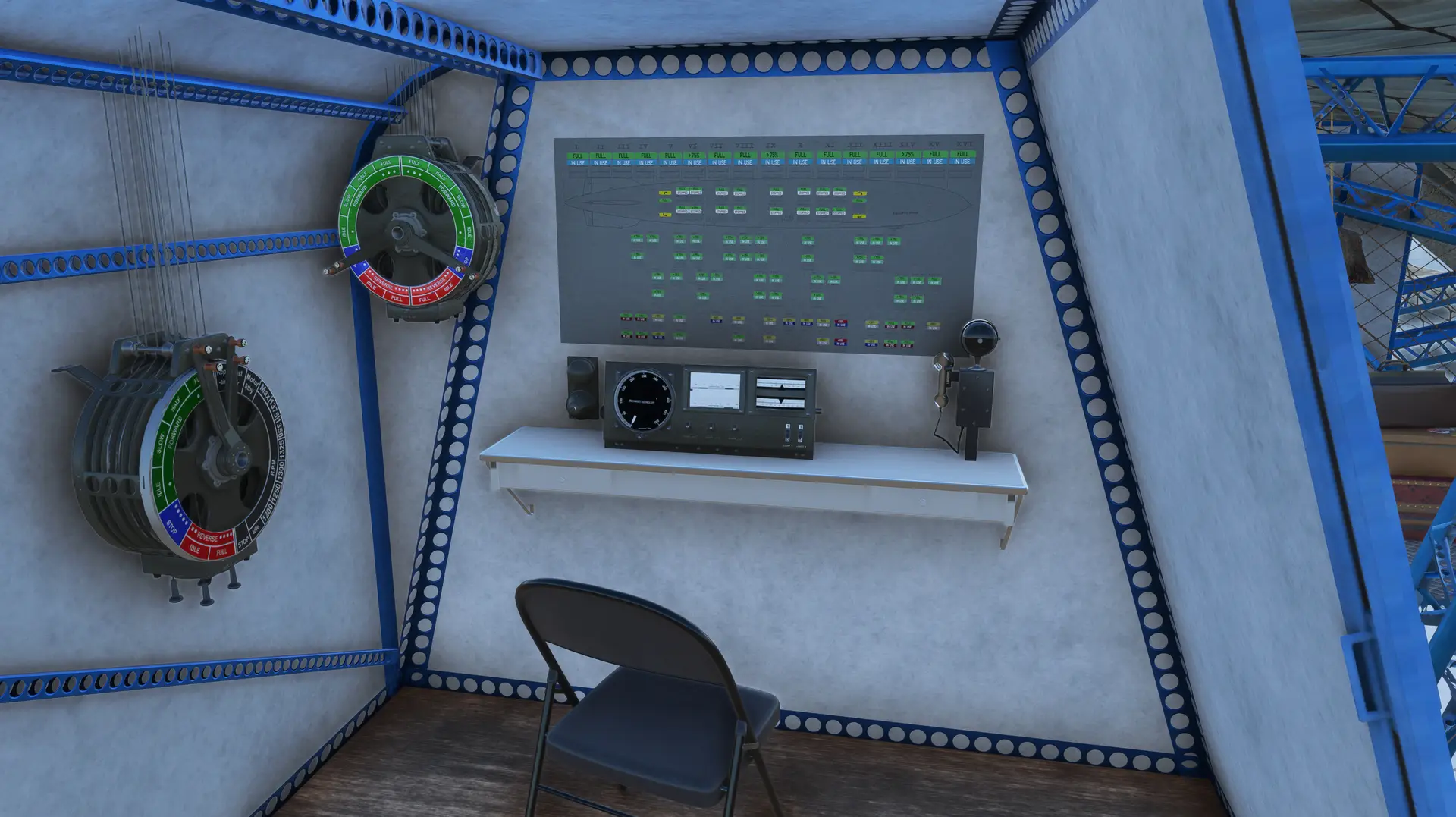
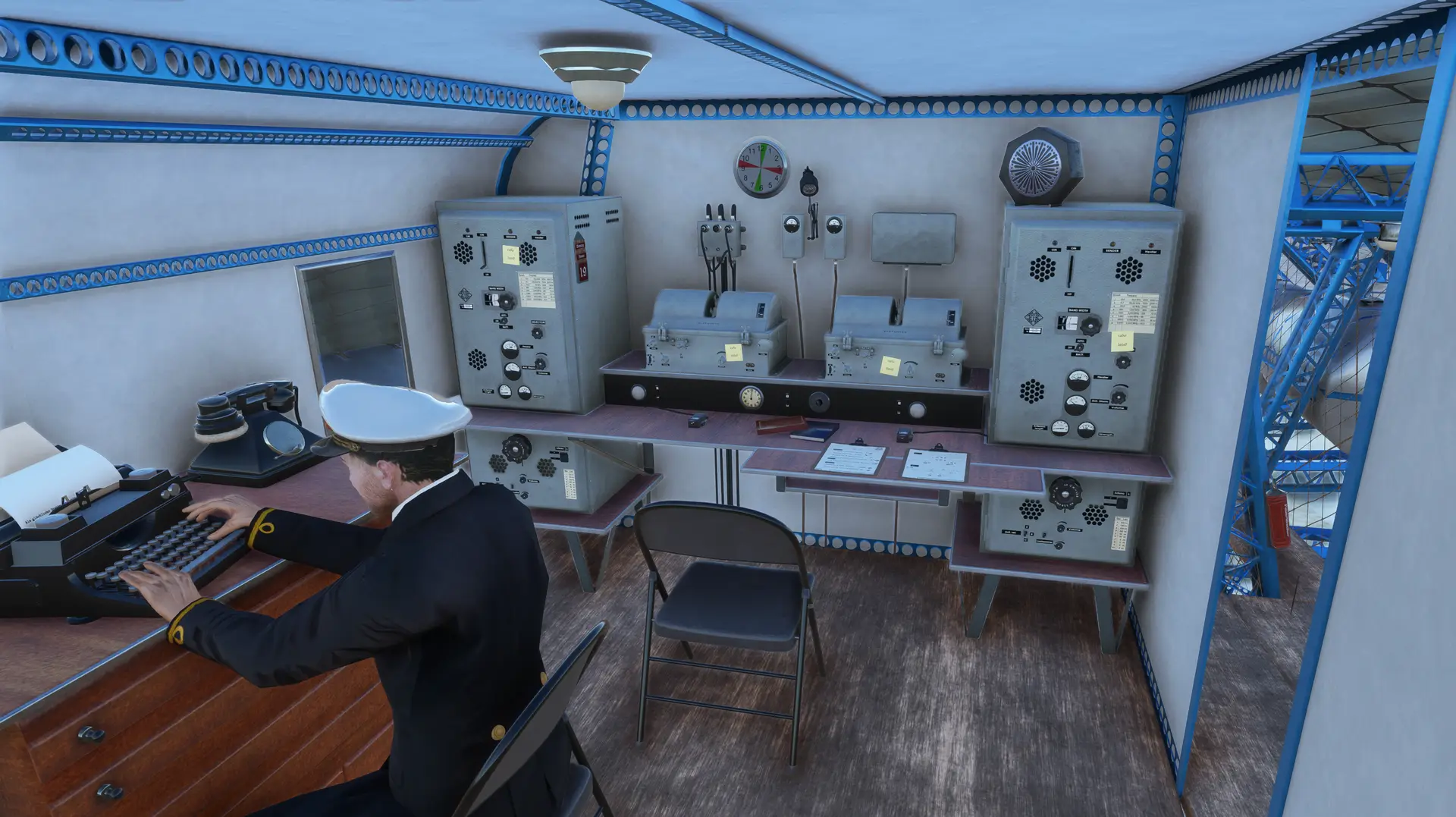
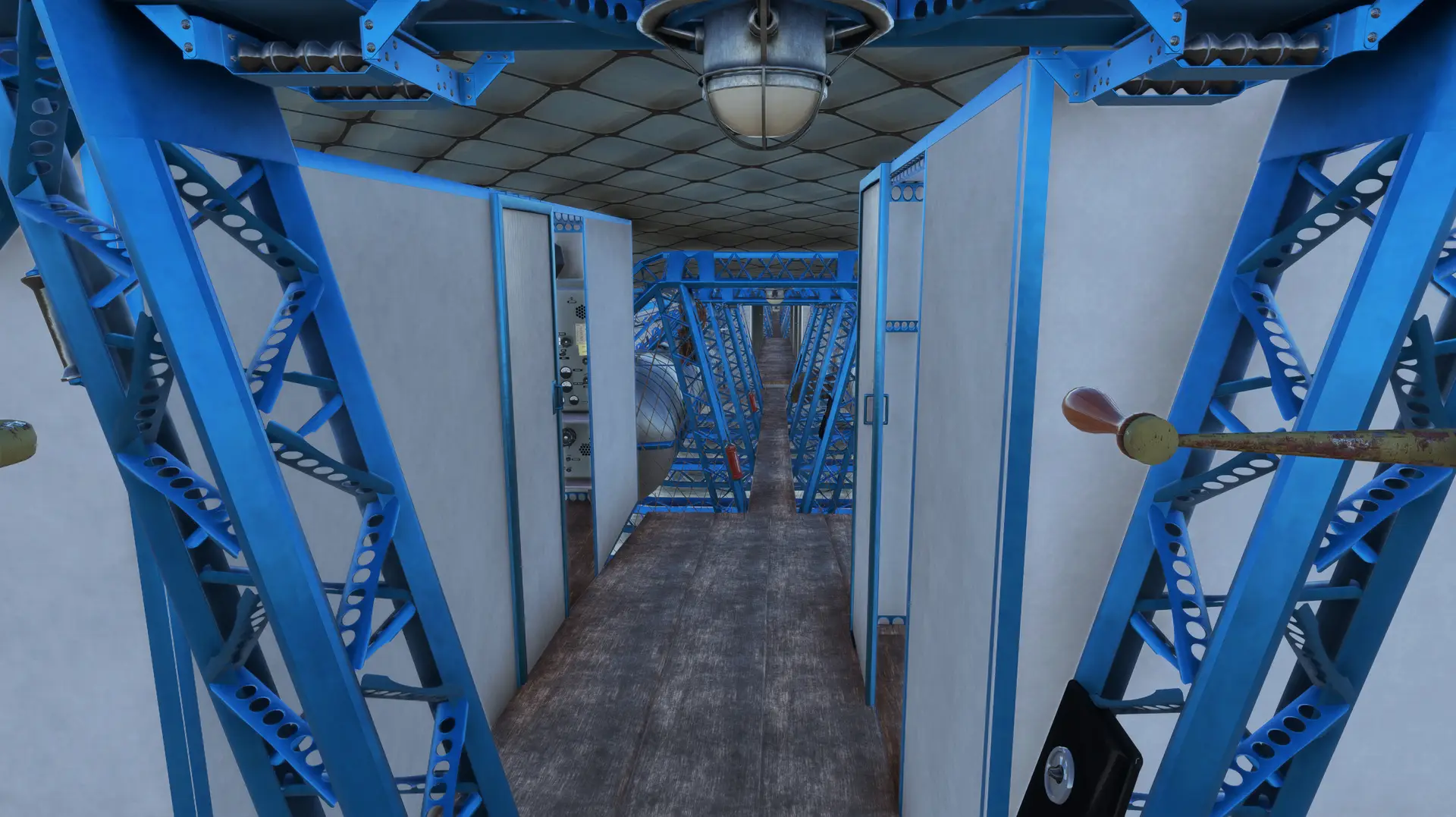
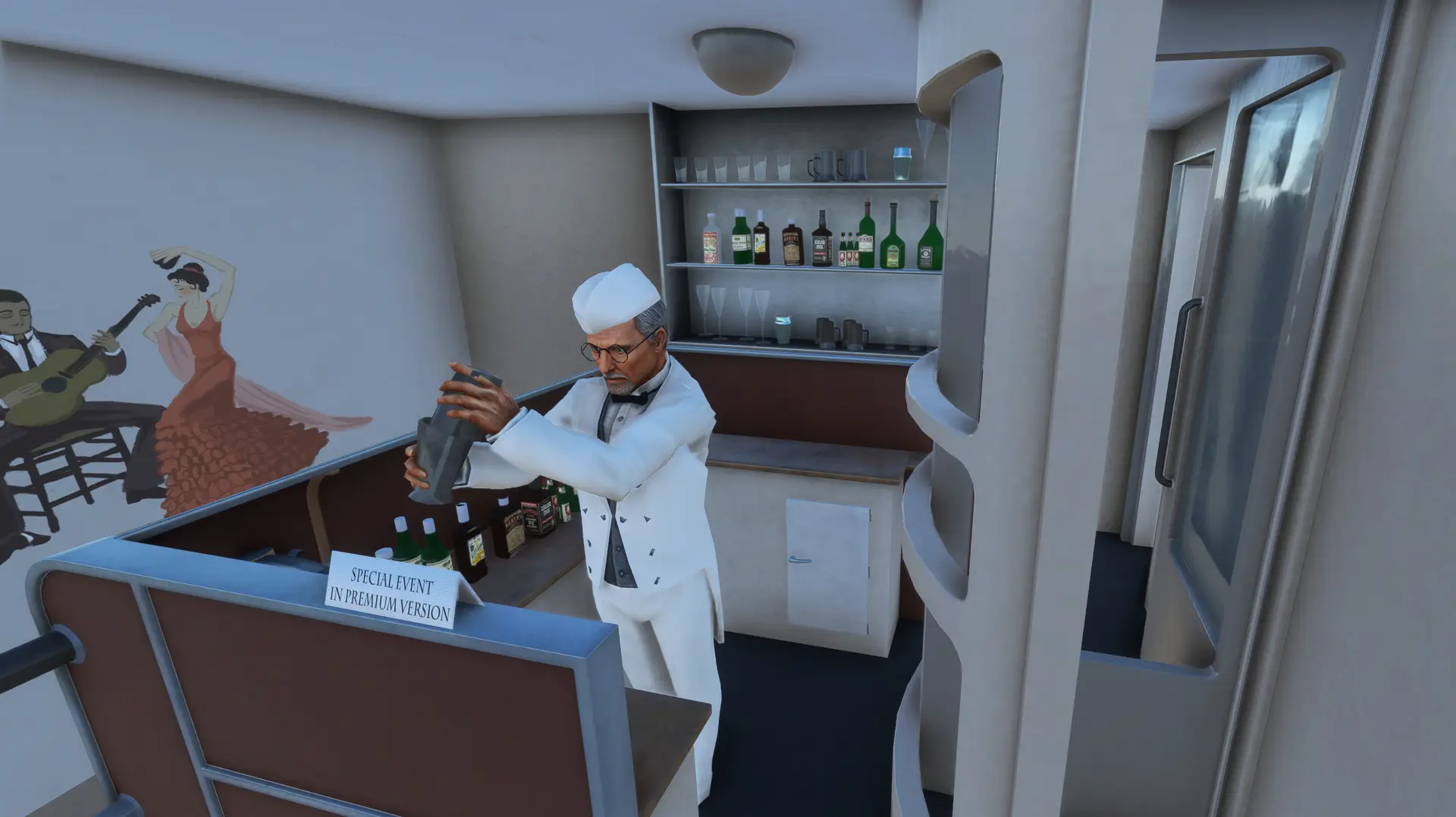
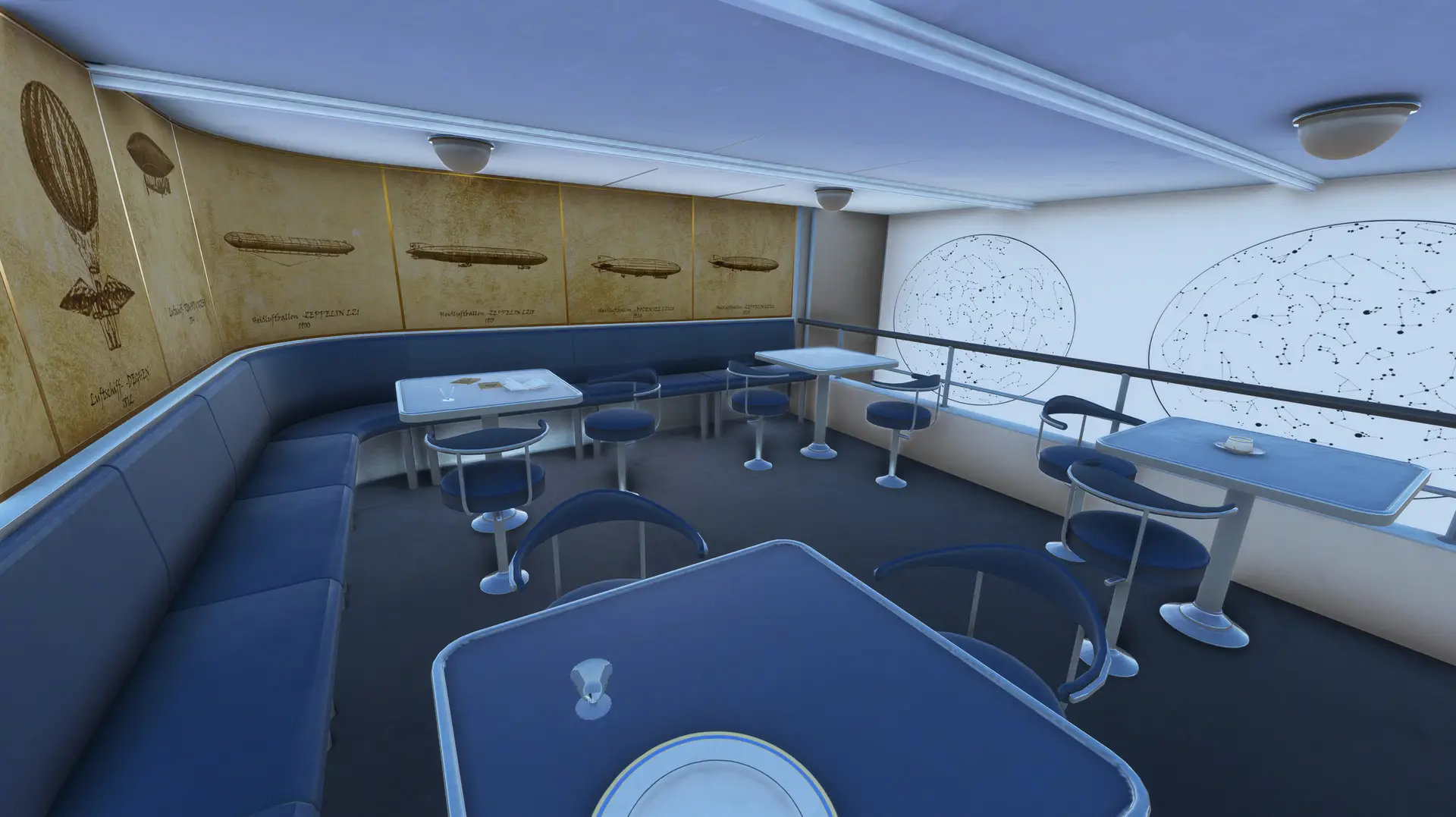
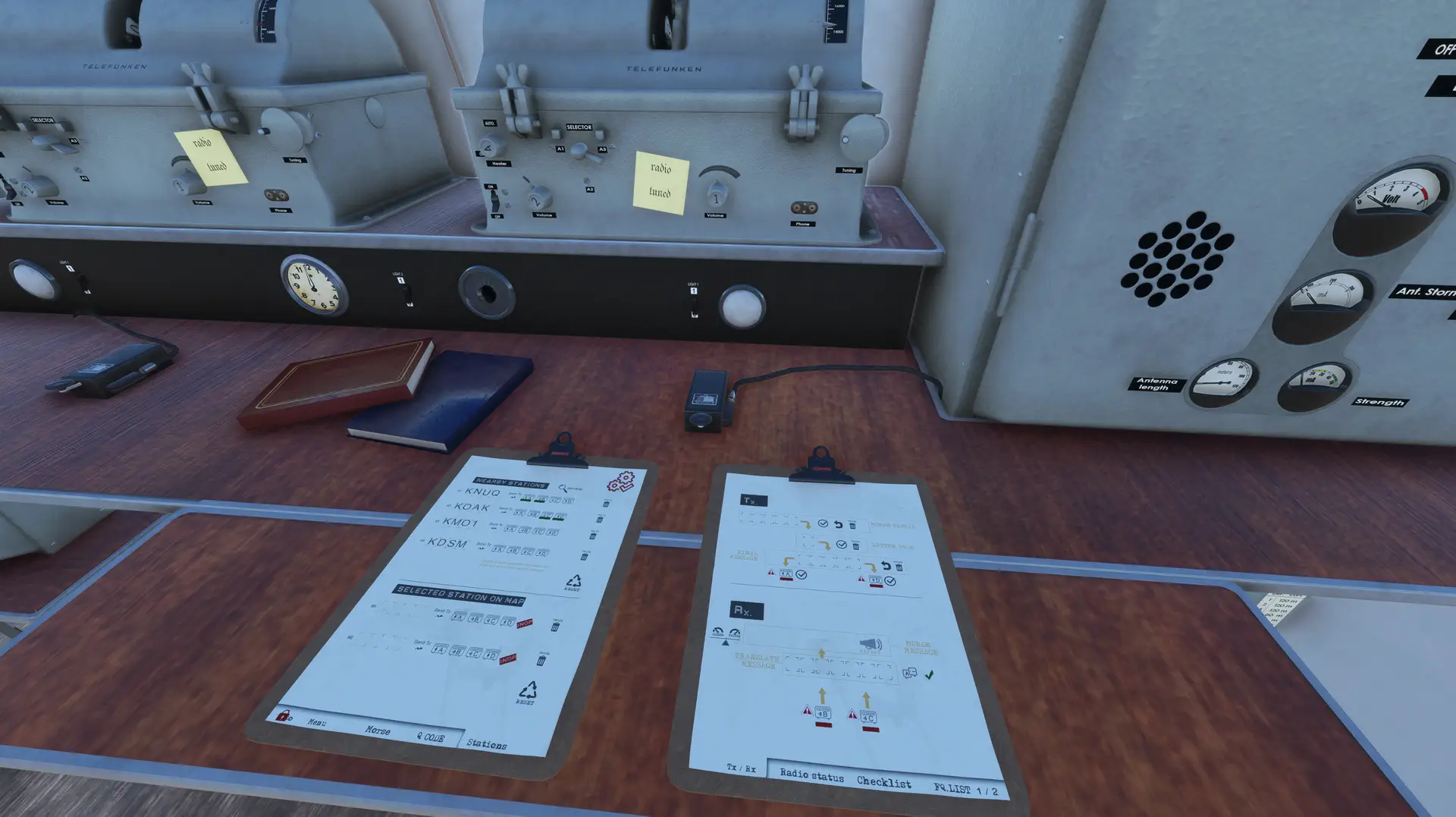
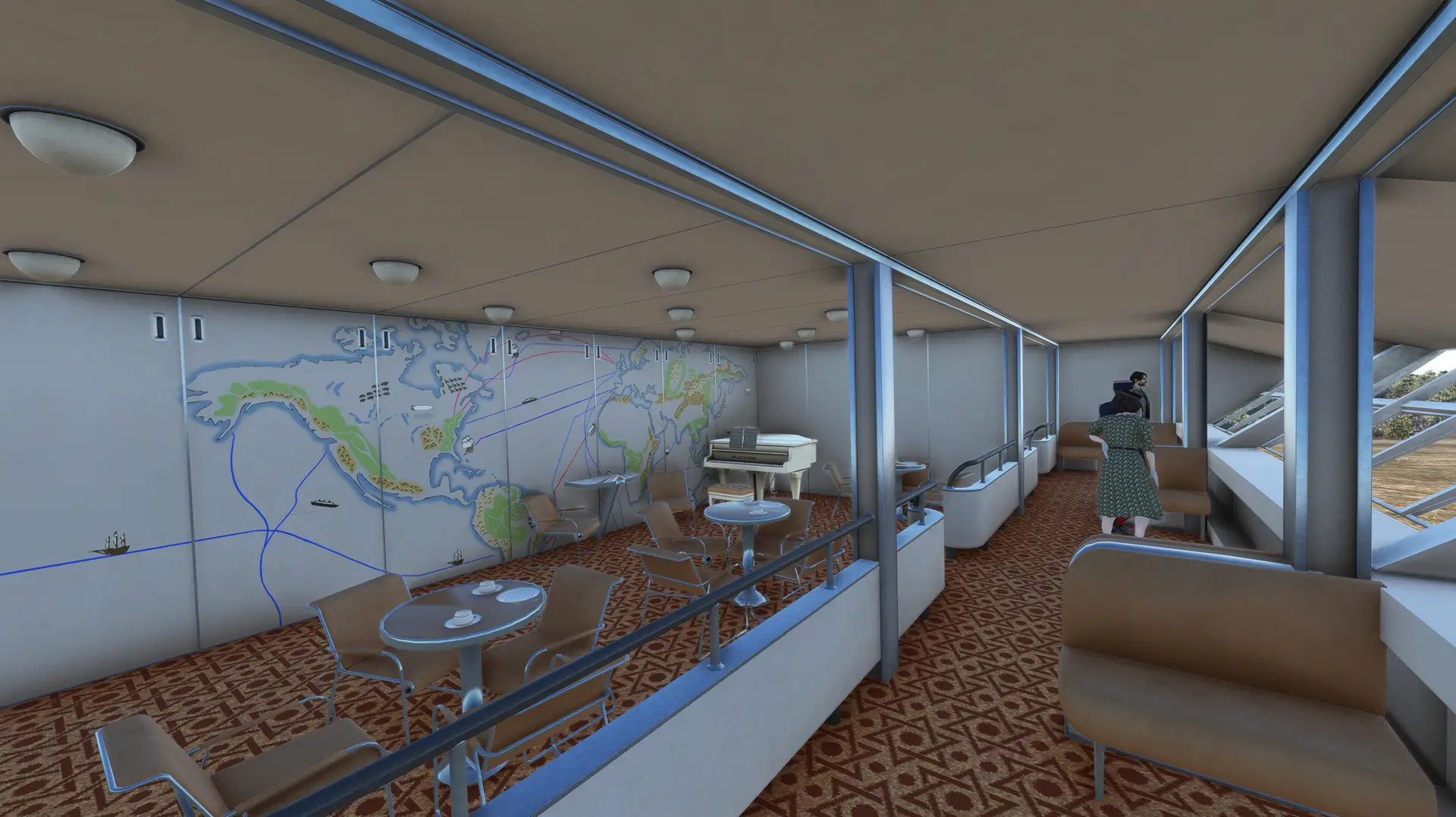
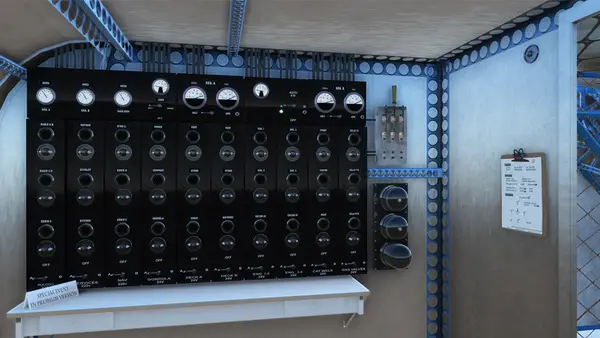
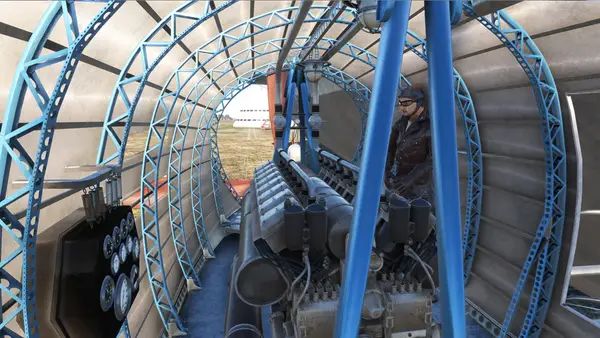
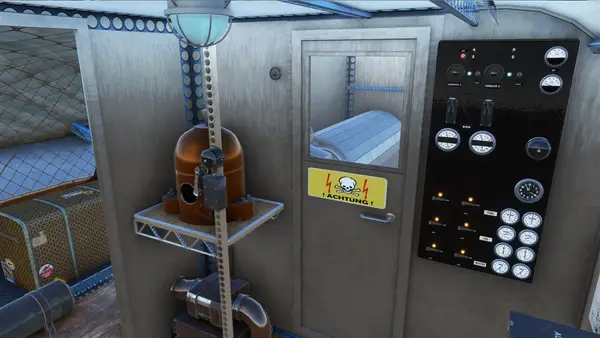
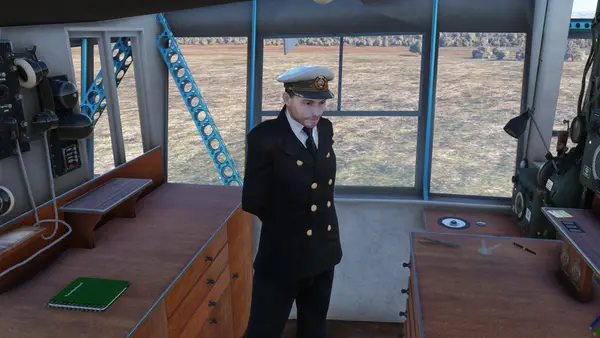
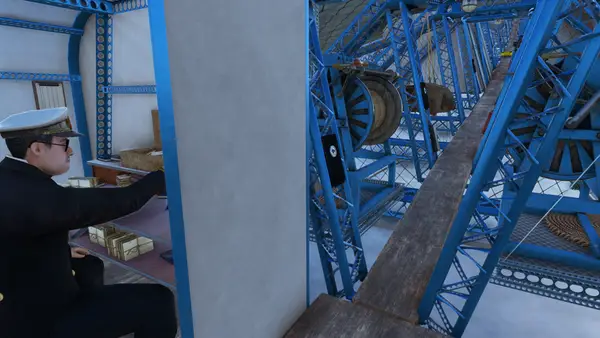
  • Fully functional 3D Cockpit, nav room, engineer room, electric room, 4 engine cars and radio room.
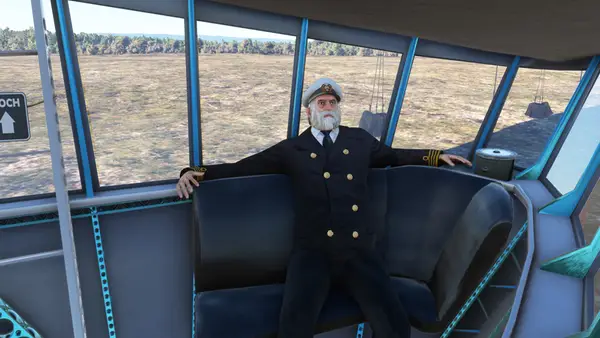
  • 20 AI crew memebers, including EN voices.
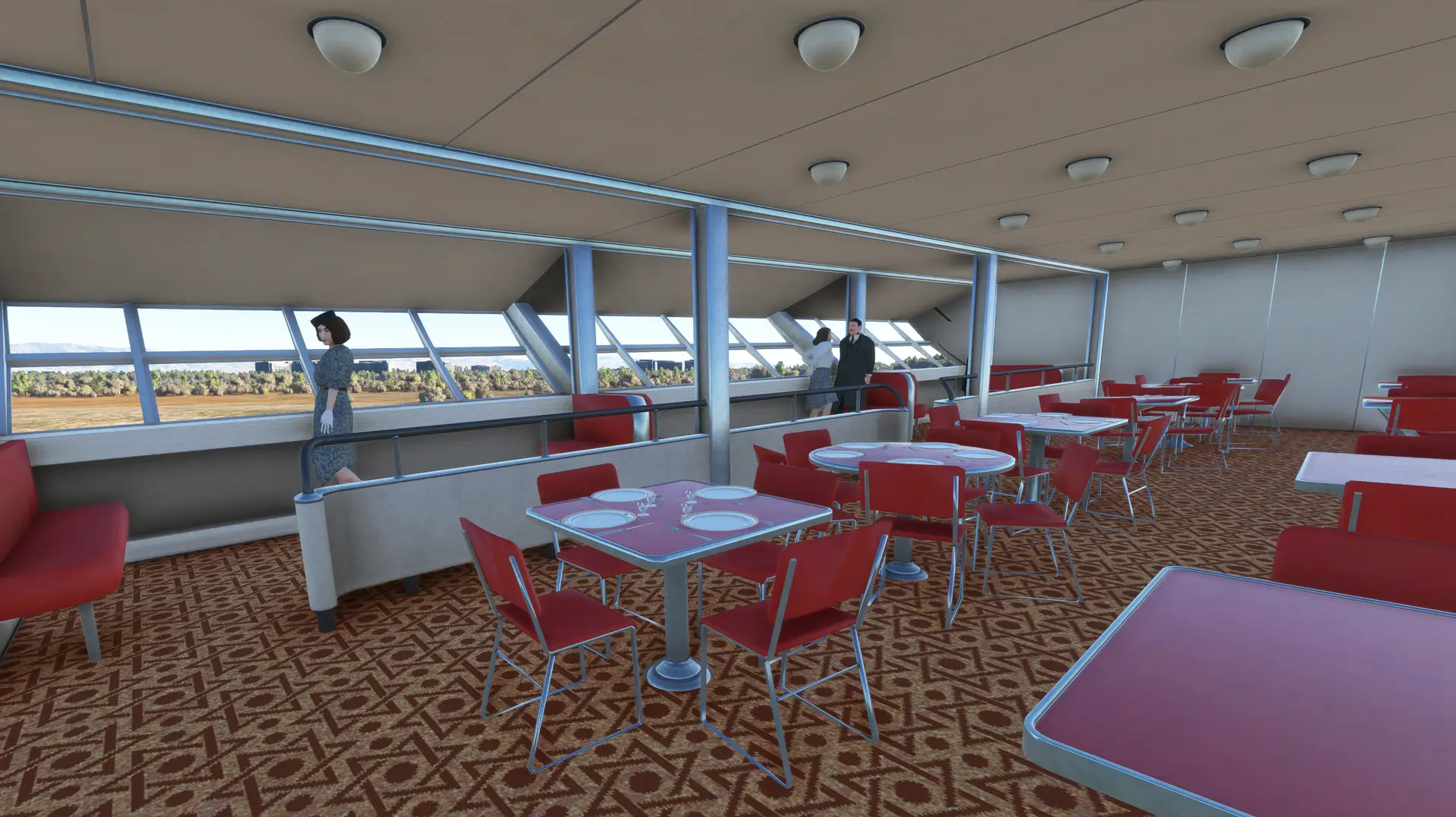
  • 3D animated passengers.
  • Detailed ground services, and mooring systems.
  • Ambiant sounds on 6 areas.
  • VFX smoke engine at start, fuel or water dumping, oil leak and failures.
  • Easy mode adds some useful help, bugs cilpboards and warning lights.
  • 7 liveries to fake other airship.
  • 6 Clipboard "ipad" to manage options.

IT IS ONLY COMPATIBLE WITH MODERN FLIGHT MODEL.

!! MINIMUM RECOMMENDED CONFIGURATION !!

CPU: Intel Core i7 11700K at 3.6GHz or faster GeForce RTX 3070 or better or similar from AMD
The LZ-129 Hindenburg was a hydrogen-filled rigid commercial airship produced by German aviation manufacturer Luftschiffbau Zeppelin GmbH. At 803 feet, 10 inches in length by 135 feet, 1 inch in diameter, the Hindenburg is tied with its sister ship, the LZ-130 Graf Zeppelin II, as the largest object, by volume, ever to fly. LZ-129, which carried both passengers and cargo, was the first aircraft to provide scheduled service between Europe and North America, and was the fastest of all forms of intercontinental service during its operation. It first flew on March 4, 1936 and made a number of successful transatlantic flights until its demise in a horrific fire on May 6, 1937.

The Hindenburg was built of an aluminum alloy internal frame with cotton outer skin and gelatine-cotton gas cells for its hydrogen. The craft had a number of compartments within its lower body to carry and sustain passengers and crew, and to stow cargo. The airship was powered by four Daimler-Benz DB 602 (LOF-6) V-16 diesel engines that each delivered 1,200 horsepower to a four-blade, fixed-pitch propeller. Each engine, two per side, was housed in an engine “car” that was suspended away from the base of the Hindenburg. Its tail section was composed of a cruciform assemblage of fins with control surfaces, two vertical for heading, and two horizontal for pitch.

The Hindenburg was operated from the “Control Car,” a gondola affixed to the underside of the airship’s bow. While commanded by a single captain, the actual operation of LZ-129 required at least 39 personnel. Basic inputs included heading, controlled by rudders, pitch, adjusted by elevators, and altitude, controlled by releasing hydrogen.

The Hindenburg generally flew at an altitude of 650 feet, but could drop down to 330 feet to stay below clouds if necessary, and had a normal cruising speed of 76 miles per hour for its passages through the skies that lasted days.

Specifications


ENGINE4x DB602 DAIMLER BENZ LOF-6
LENGTH245 m (803ft)
DIAMETER41.2 m (135 ft)
CRUISE SPEED280 kts / 518 km/h
EMPTY WEIGHT260145 lbs (118 t)
MAX WEIGHT546746 lbs (248 t)
POWER4x 1100 hp / 735 kW
MAX SPEED67.5 kts / 125 km/h
LIFT GAS200,000 m3 (7,062,000 cu ft)

VERSION 0.1.1 RELEASED MAY 1, 2024

VERSION 0.1.0 RELEASED FEBRUARY 14, 2024

First release