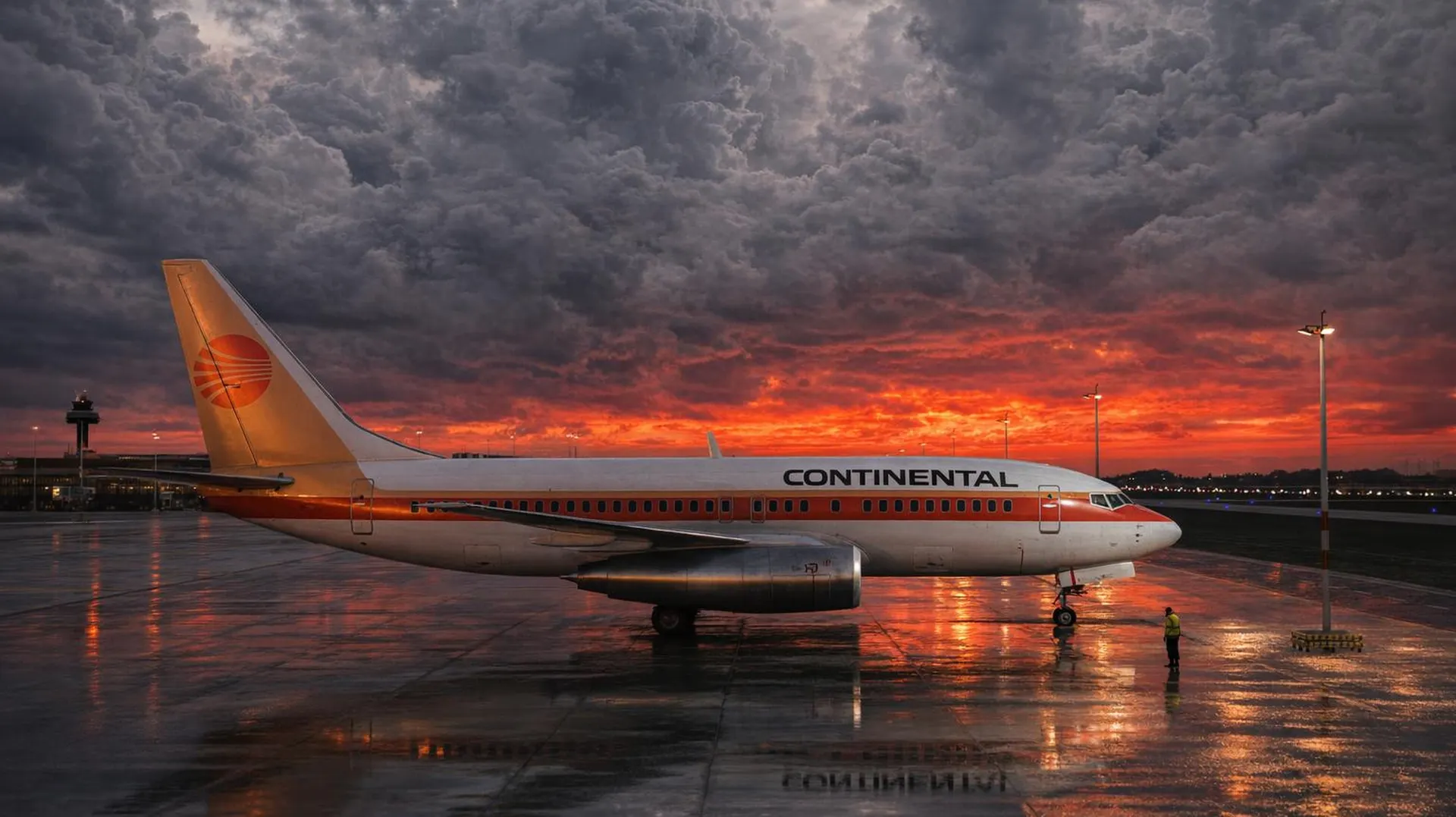
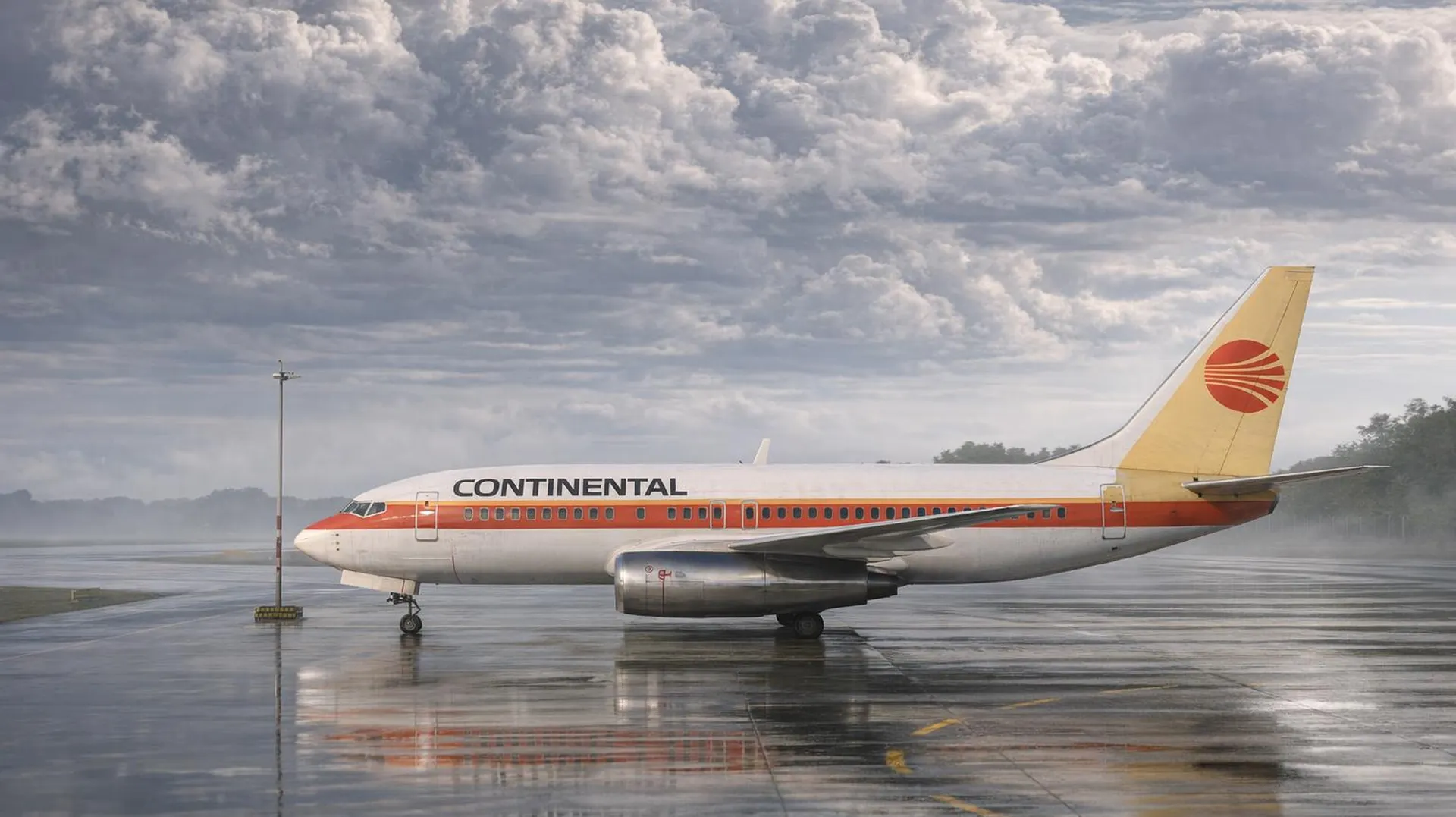
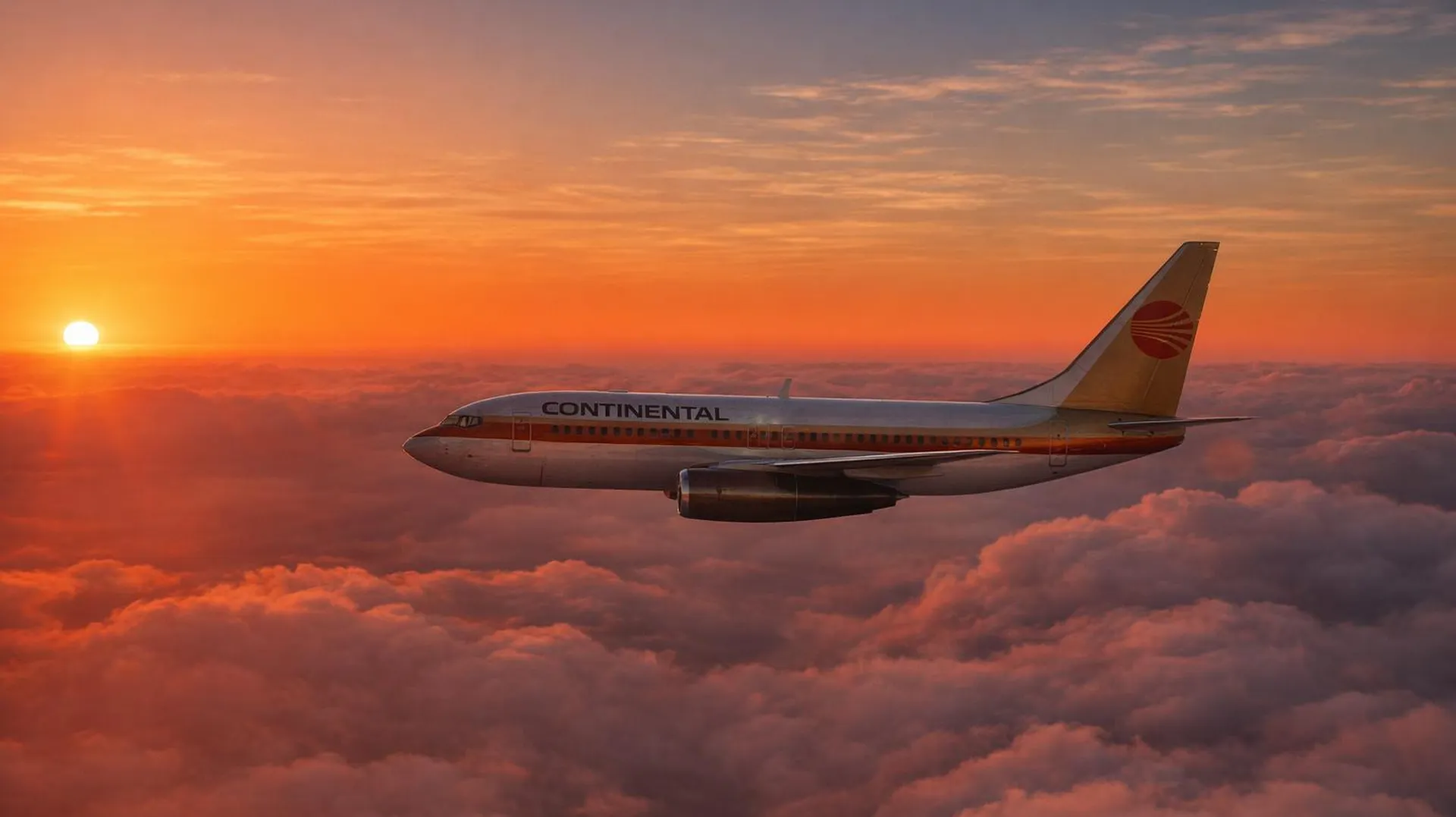
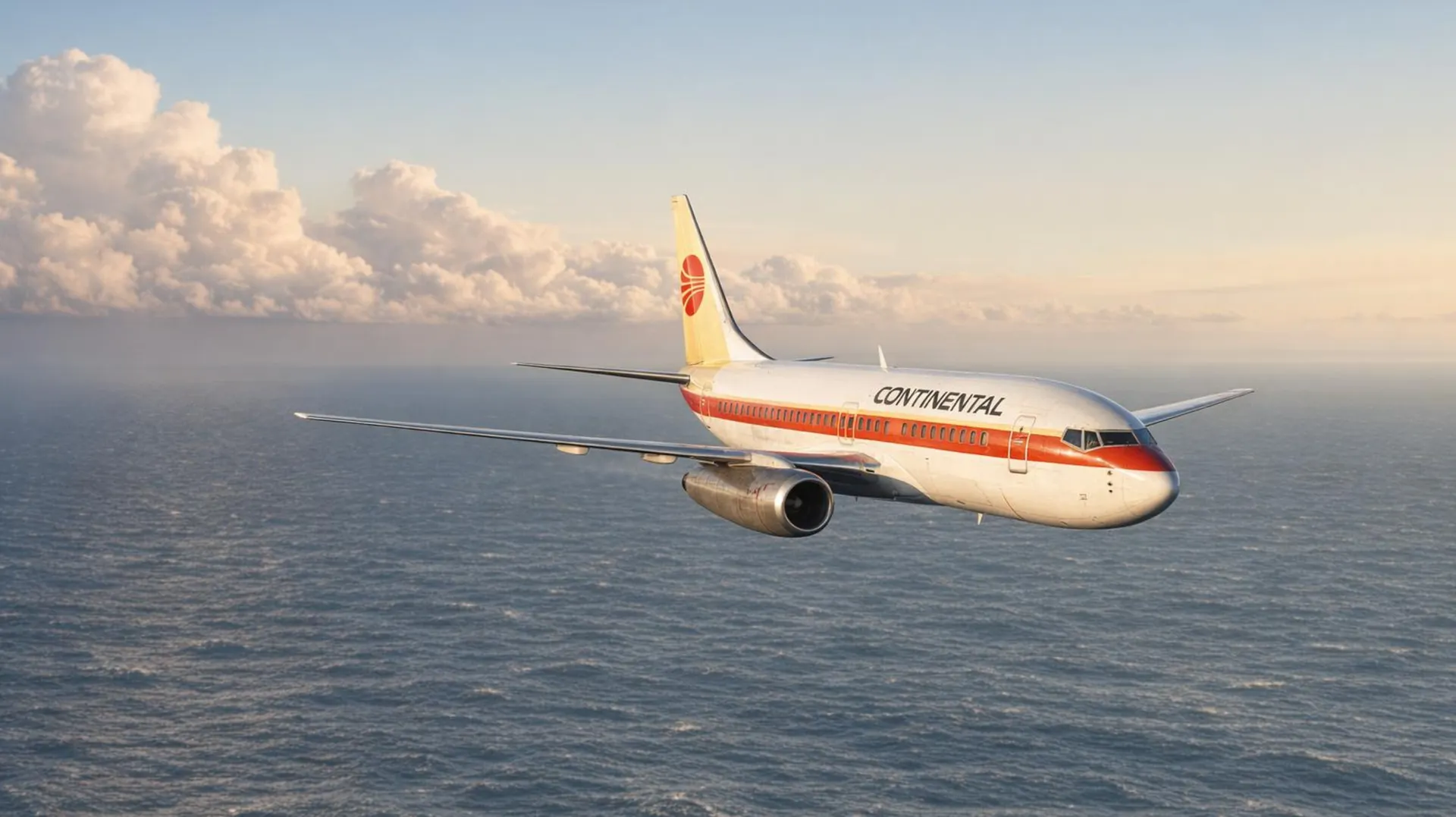
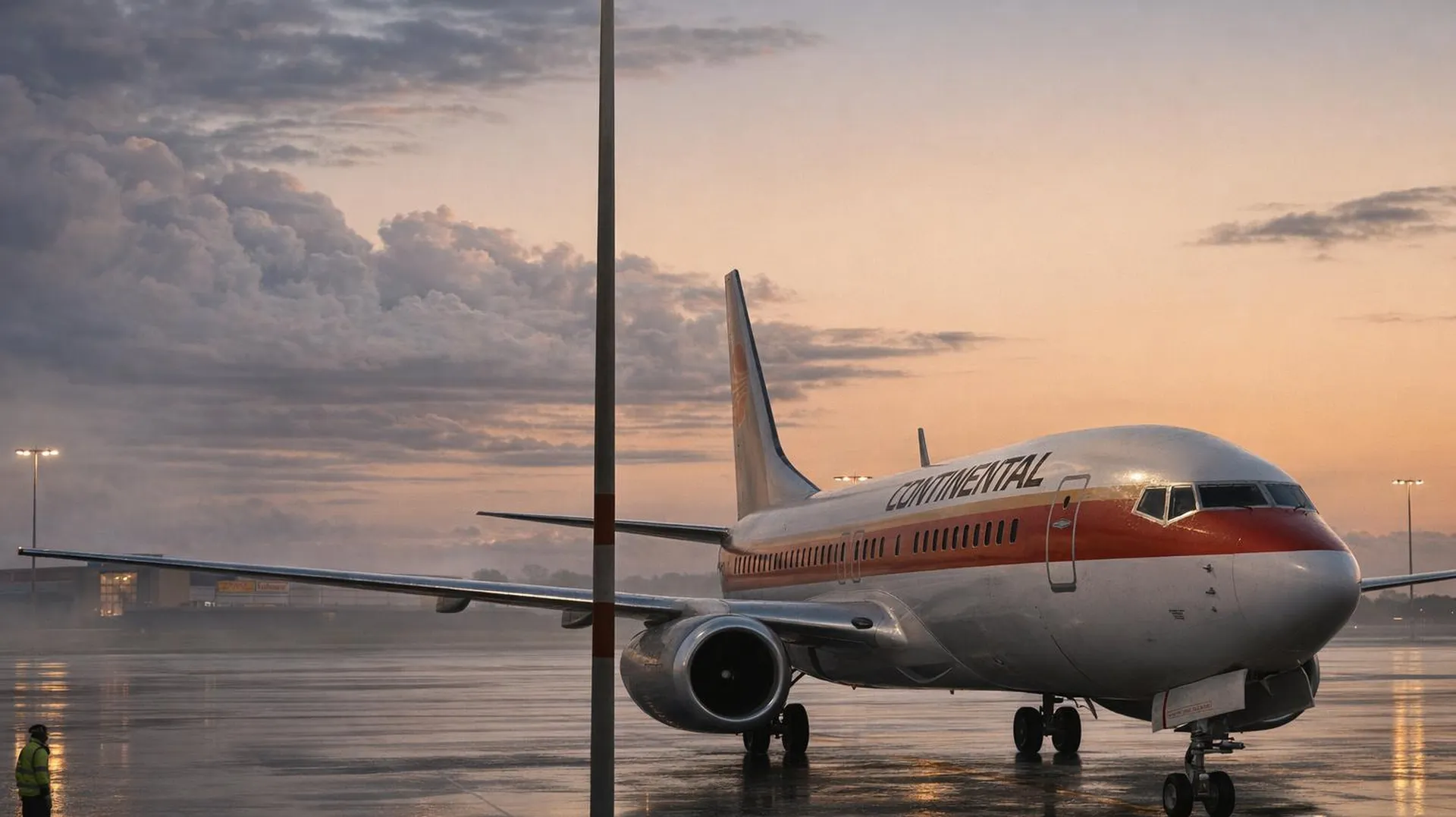
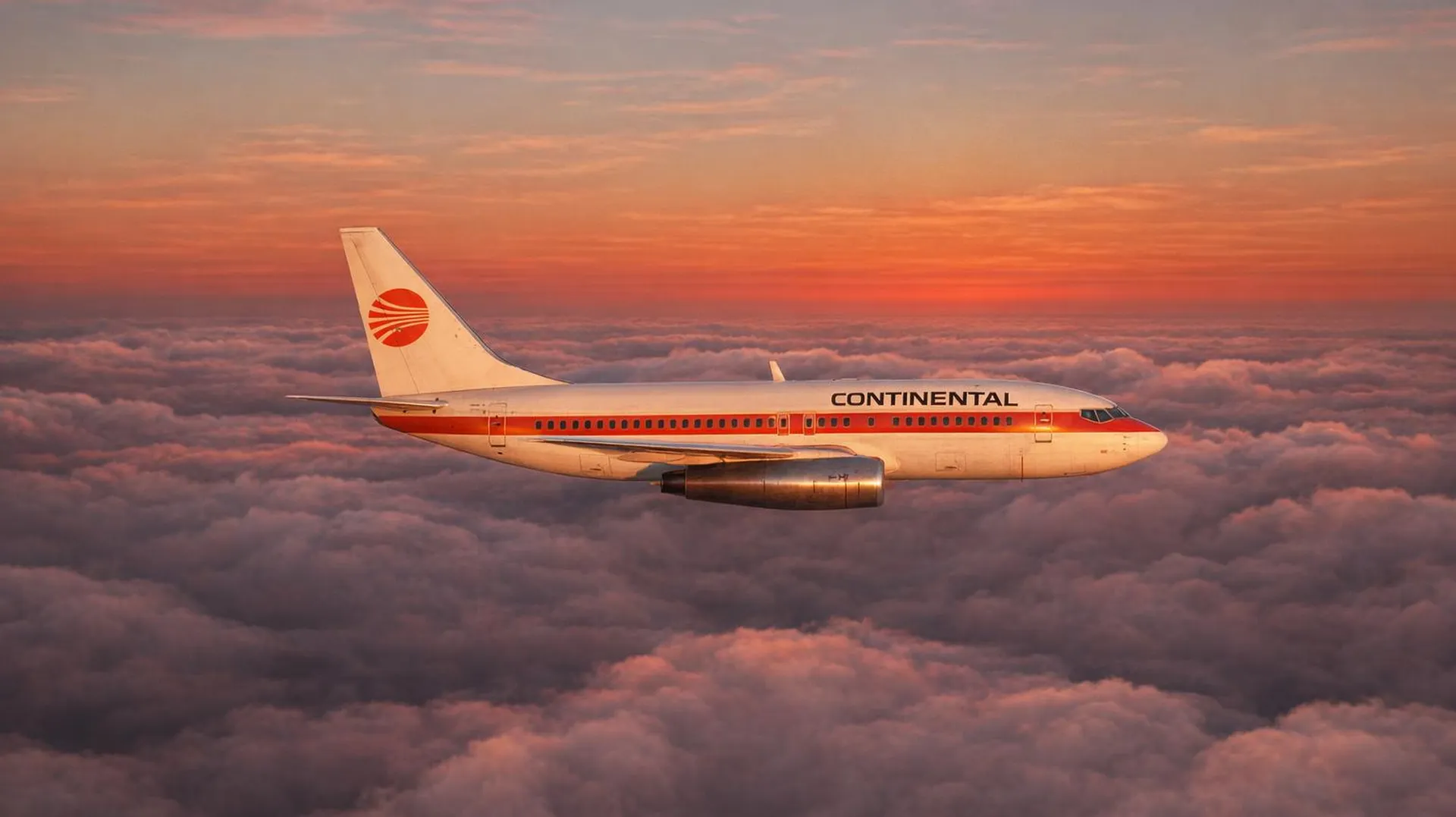
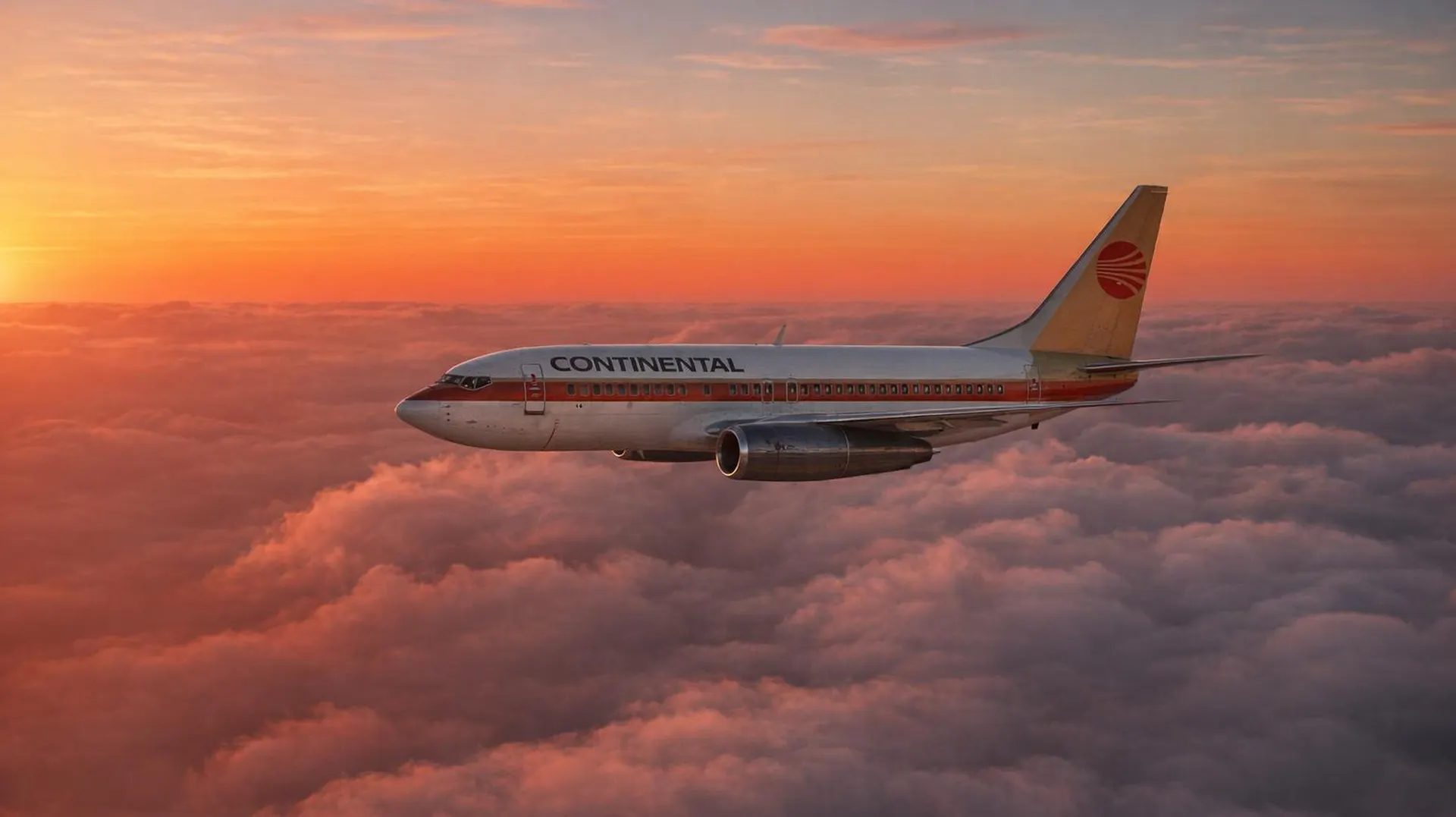
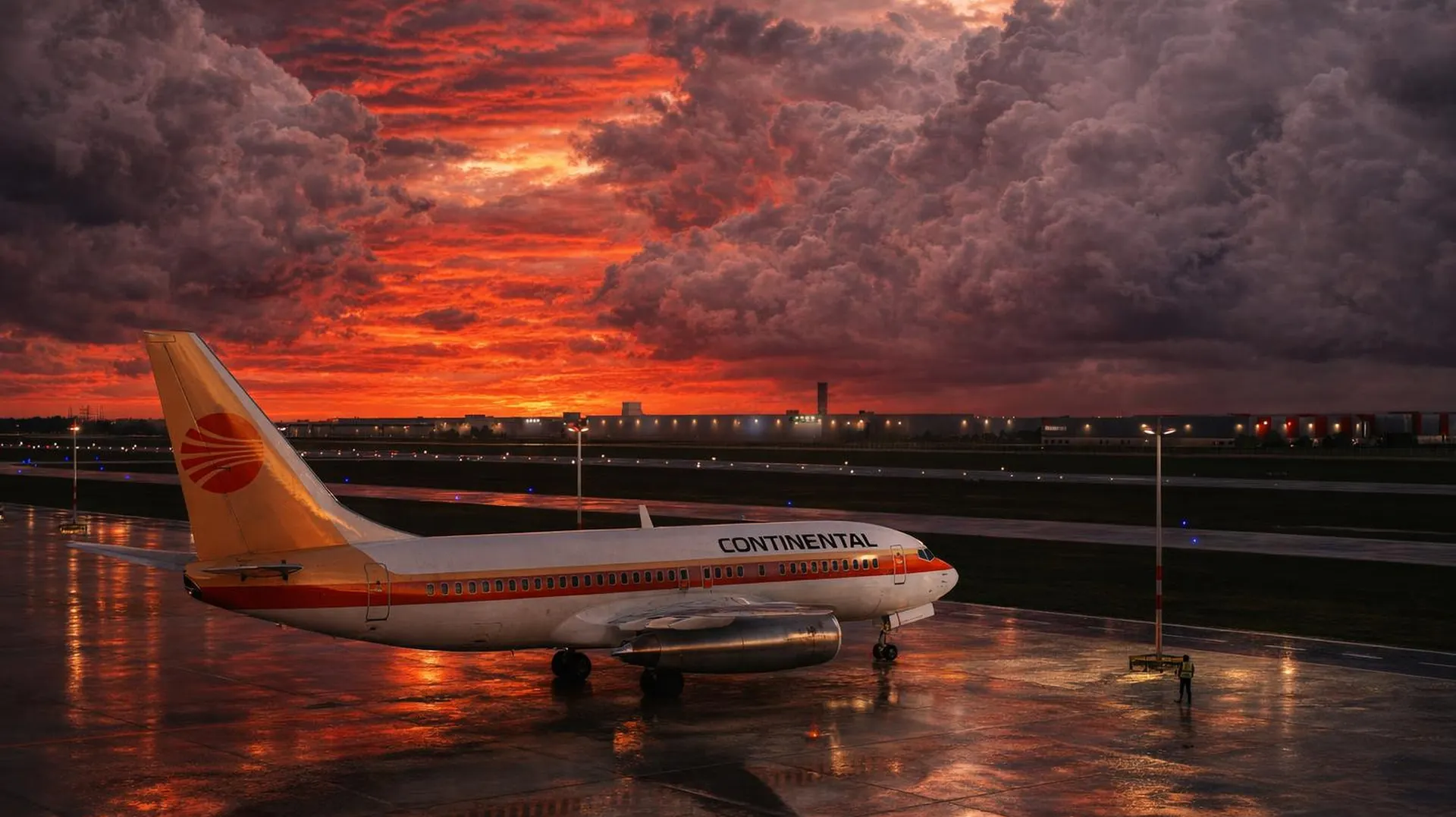
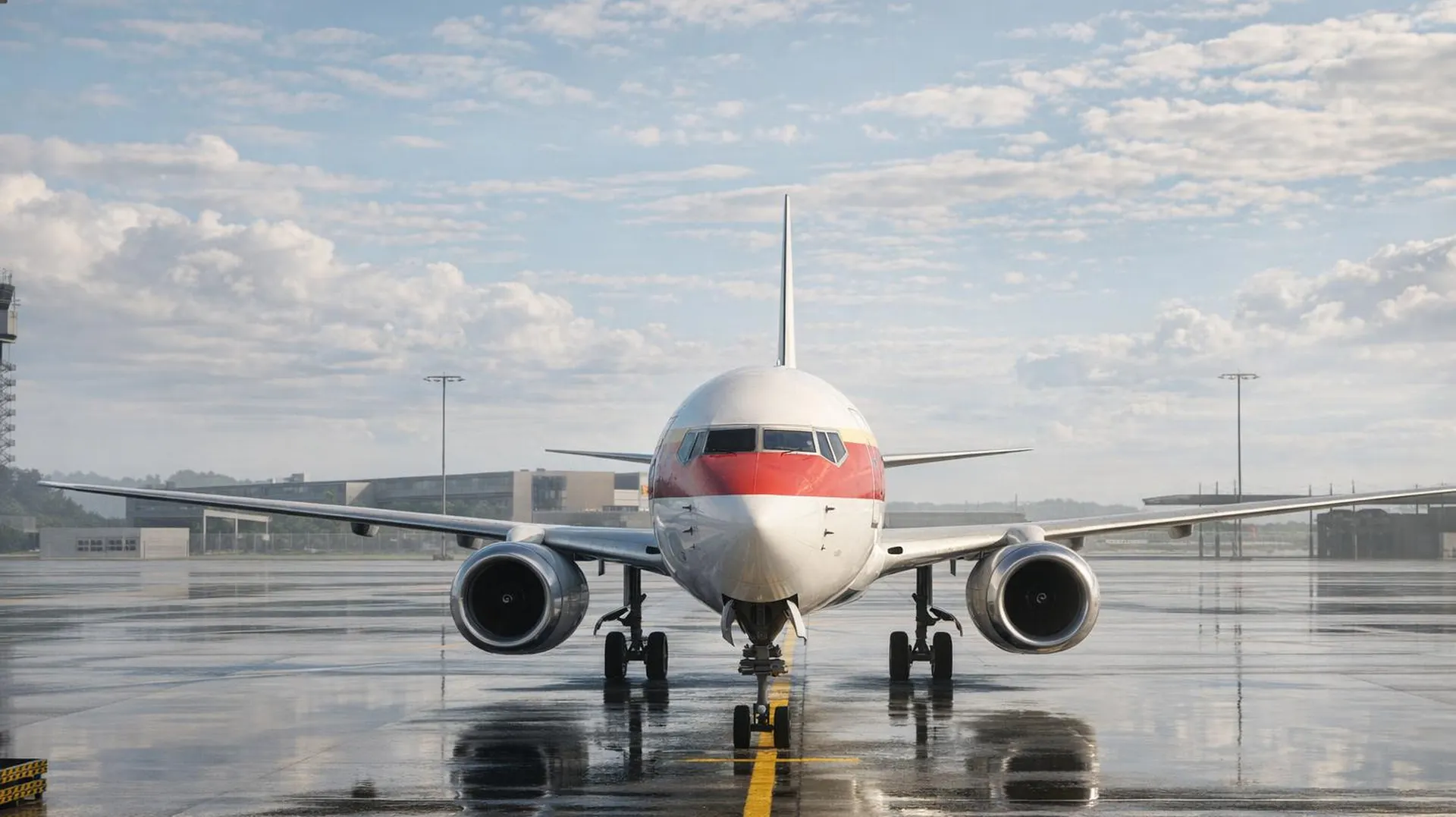
The 737-100 is a twin-engine, narrow-body airliner developed and manufactured by American aviation company Boeing. The -100 is the original prototype and the original production variant of the renowned 737 family. It took its maiden flight on April 9, 1967 and entered service on February 10, 1968. The smallest of the 737 family, Boeing manufactured a total of 30 of the variant. The last airworthy 737-100 retired in the early 2000s and the only remaining specimen is the original prototype, which is housed in a museum in Seattle, Washington. The 737-100 was the basis for the widely produced 737-200, a stretched variant of the -100.
Boeing developed the 737-100 for short regional routes connecting small airports, including those with austere runways. It has a distinctive “stubby” appearance and features a low-mounted swept main wing and a standard empennage. It has a unique “low-slung” retractable tricycle undercarriage allowing easy access for cargo handloading and engine maintenance with small ladders. Early models had integrated foldable stairs that allowed passenger boarding and deplaning at airports without airstairs. For austere airfields, it could be fitted with a “gravel kit” to keep foreign objects from being ingested by the aircraft’s engines. Piloted by two, the 737-100 could accommodate up to 124 passengers, but typically accommodated between 103 to 118, depending on seating arrangement.
The 737-100 measures 94 feet in length, stands 36 feet, 10 inches in height, and has a wingspan of 93 feet. When operational, it was powered by two wing-mounted Pratt & Whitney JT8D-7 low-bypass turbofan engines, each of which could generate up to 14,000 pounds of thrust. It had a maximum range of 1,770 miles, a service ceiling of 37,000 feet above sea level, and a maximum cruising speed of 544 miles per hour. Although not a STOL (short take-off and landing) aircraft, it did have excellent short-field performance due to its engine thrust, flap system, and thrust reversers, with the ability to take-off and land within 6,000 feet.