- USD 15.99
- View more offers at FS Addon Compare
- Added: March 12, 2026
- Updated: May 12, 2026
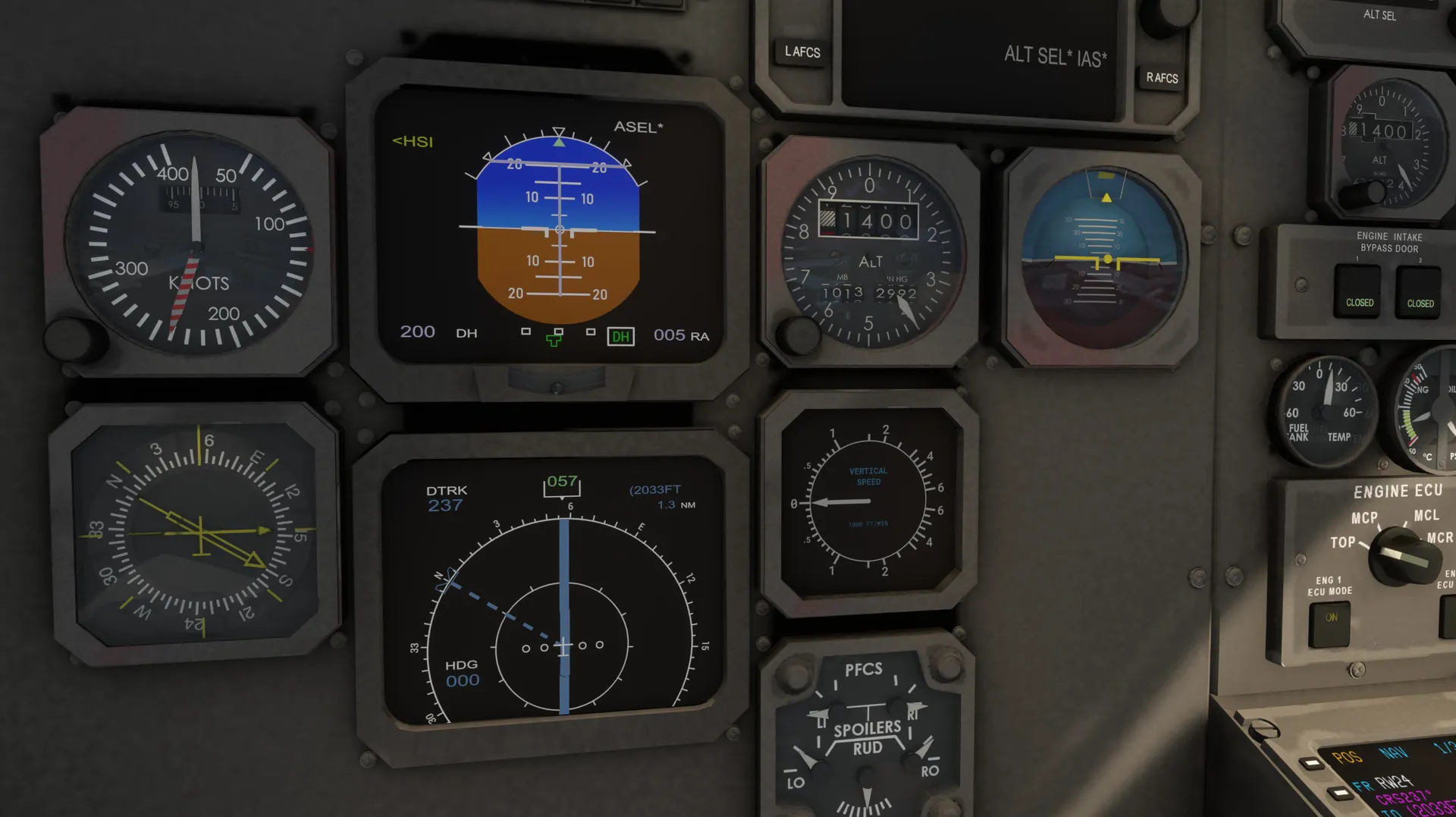
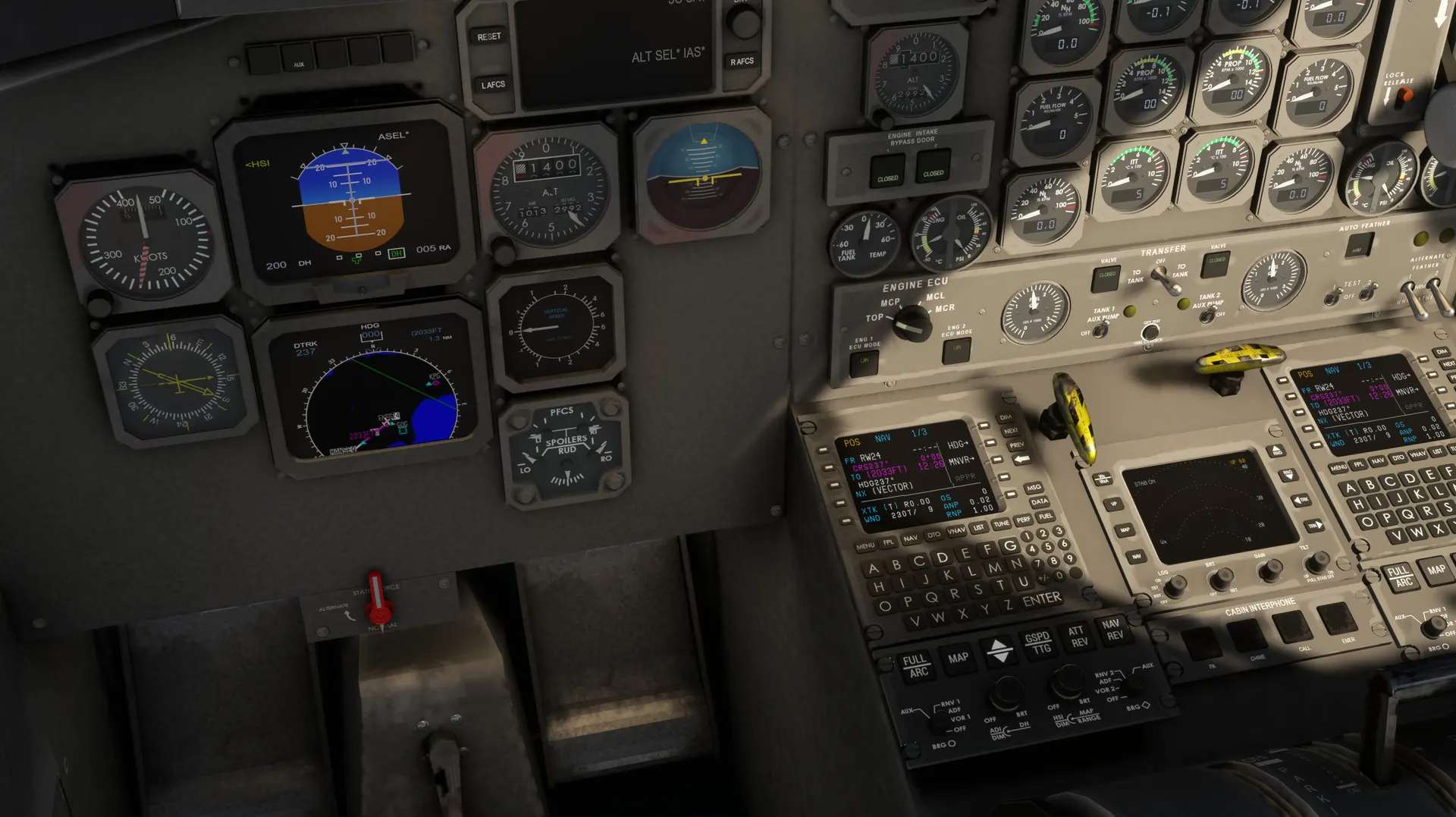
With the success of the Dash 8-100 series, a stretched version with greater capacity was a logical development. De Havilland Canada (now part of Bombardier) launched full scale development of a 50 seat stretched version of its Dash 8 regional airliner during 1986, approximately two years after the standard fuselage length aircraft had entered service. The first series 300 aircraft was in fact the prototype Dash 8 converted to the new length, and it flew for the first time in its new configuration on May 15 1987. Flight testing culminated in the awarding of Canadian certification in February 1989, with the first delivery to Time Air following late that same month. US certification was awarded in June 1989. The stretch comprises fuselage plugs forward and aft of the wing, increasing length by 3.43m (11ft 3in). In addition, the wings are greater in span. The fuselage stretch increases typical seating capacity to 50 (at 81cm/32in pitch), or for up to 56 (at 74cm/29in pitch). Other changes compared with the Dash 8-100 were minor, but included a larger, repositioned galley, larger toilet, additional wardrobe, dual air conditioning packs, a new galley service door and optional APU. The Dash 8-300 has been offered in a number of variants. The standard 300 was followed in 1990 by the 300A which introduced optional higher gross weights, interior improvements (as on the Dash 8-100A), and standard PW123A engines (with PW123Bs optional). The 300B was introduced in 1992 and has 1865kW (2500shp) PW123Bs as standard, as is the optional high gross weight of the 300A. The 300E has 1775kW (2380shp) PW123Es rated to 40 degrees, thus improving hot and high performance. Like the Dash 8Q-200, all Dash 8-300s built since the second quarter of 1996 have been fitted with a computer controlled noise and vibration suppression system (or NVS) and so from then all models were designated Dash 8Q-300s. In 1998 the aircraft was again renamed, this time to Dash 8-Q300 when a new interior was also introduced. Virtualcol takes pride in presenting the third version of a package of three models of this series, the DASH 8-300. This model has analogue instruments with PFD and HSI digital and FMS (UNS) used in all subsequent versions. This model includes:
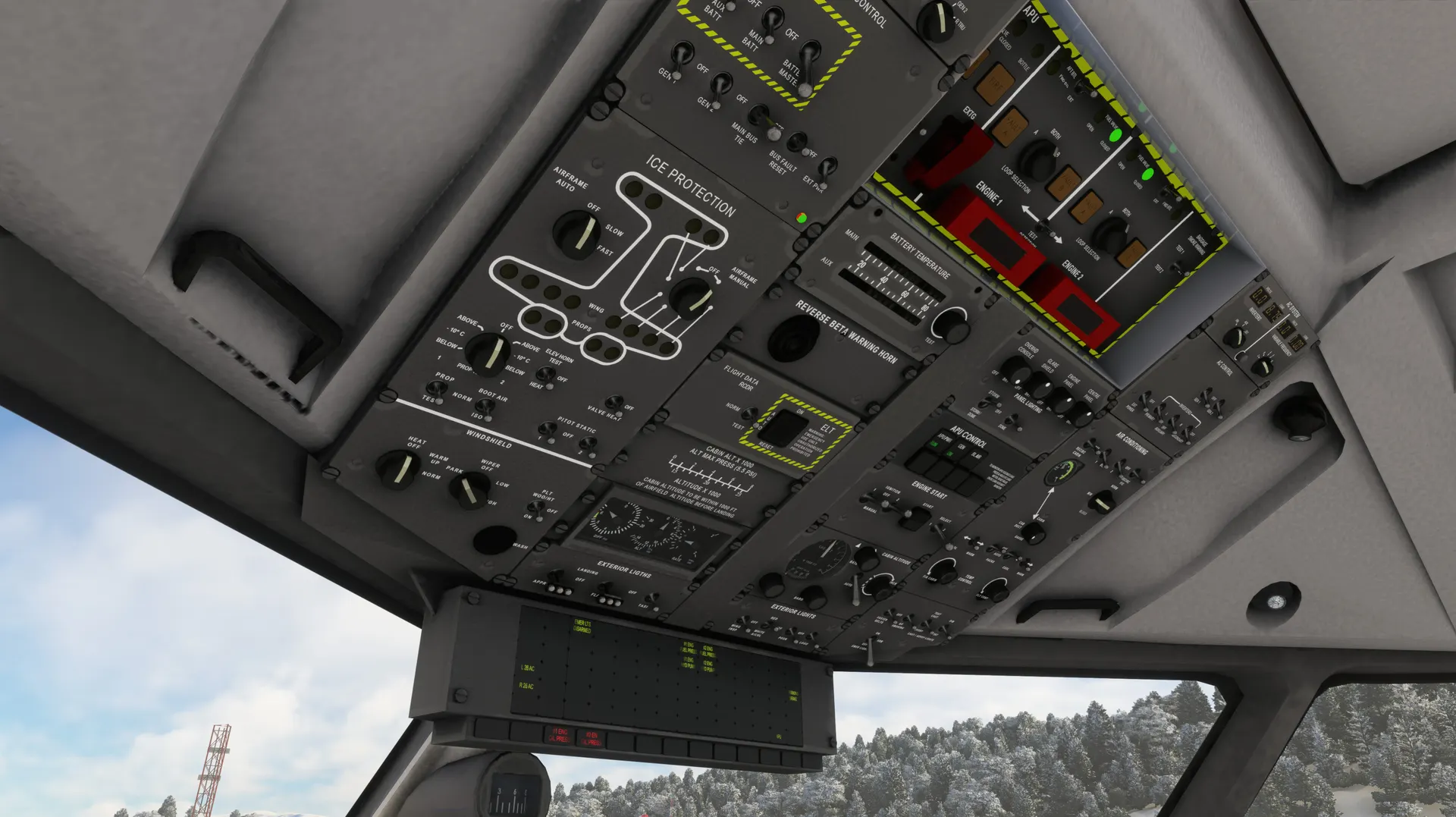
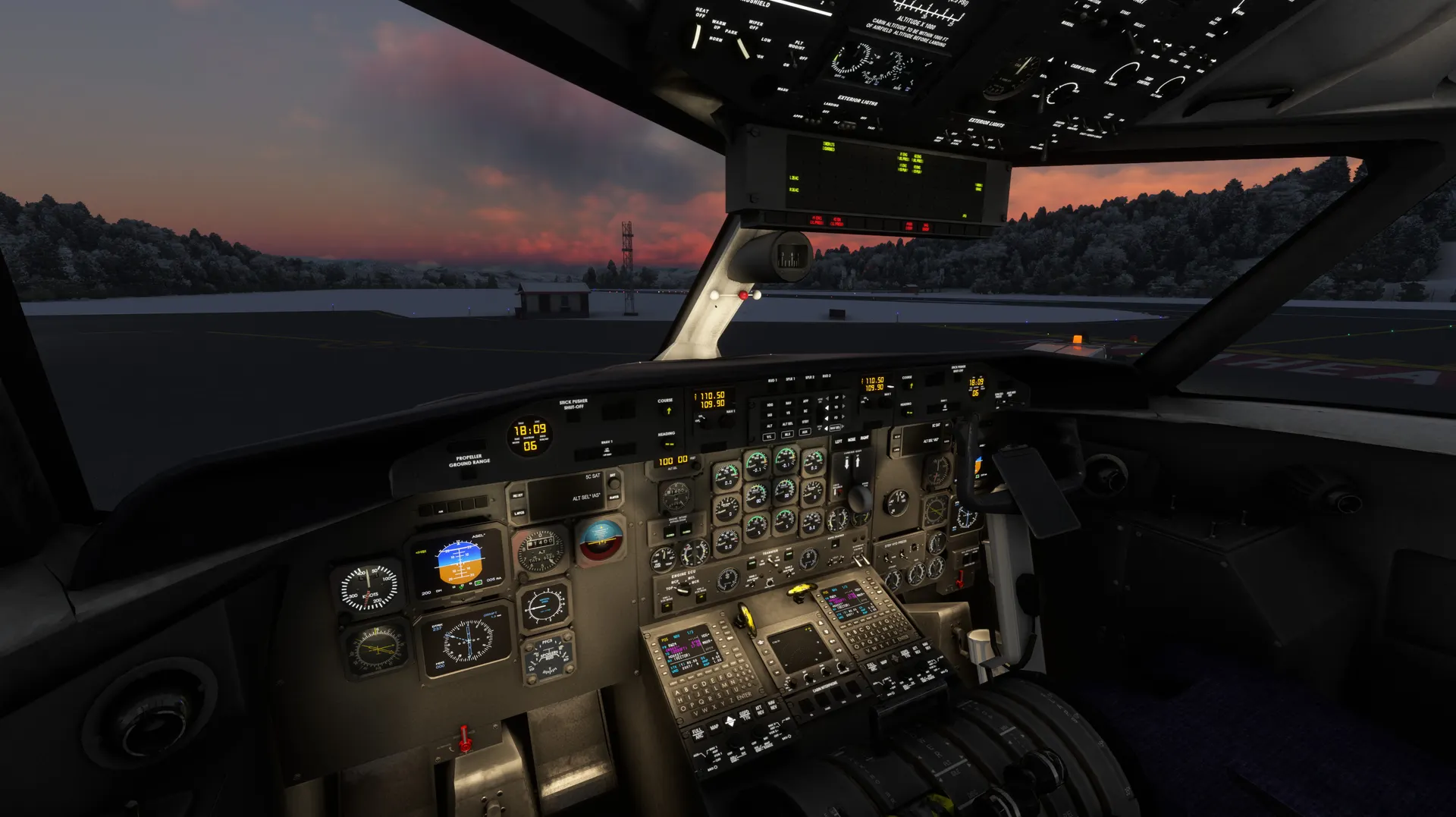
- Full details of the cockpit
- Analogue indicators as accurate as possible as the original model
- Sound worked based on propeller movements
- FMS developed by Working Title Studio
- MAP data in EHSI taken from GNS530 development by Working Title Studio
- Flight dynamics as possible with the real model
- Tablet with help to open doors, Flight attendant voices, and start engines assisted. This model is not a study-level model, but we worked as accurately as possible to replicate the real model.
- Still doesn't have Navigraph and Simbrief service, but we are working on that for future updates.
- 38 liveries:
- AIR CANADA EXPRESS
- AIR CANADA JAZZ
- AIR CREEBEC
- AIR DOLOMITI
- AIR INUIT
- AIR NEW ZEALAND
- AIR SOUTHWEST
- AIRES COLOMBIA
- ALL NIPPON AIRWAYS
- ALM ANTILLEAN AIRLINE
- AMERICAN EAGLE
- AURORA AIRLINES
- AUSTRIAN ARROWS
- BRITISH AIRWAYS
- BRYMON AIRWAYS
- CANADIAN REGIONAL
- CEMAIR
- IBERIA REGIONAL (AIR NOSTRUM)
- JERSEY EUROPEAN
- JETSTAR
- LIAT
- LUFTHANSA REGIONAL
- MALDIVIAN
- MAROOMBA
- PAL AIRLINES
- POLICIA NACIONAL COLOMBIA
- PROFLIGHT ZAMBIA
- QANTAS LINK
- SAT AIRLINES
- SKIPPERS AVIATION
- SOUTH AFRICAN EXPRESS
- TYROLEAN
- UNI AIR
- UNITED EXPRESS
- US AIRWAYS EXPRESS
- WIDEROE
- YAKUTIA AIRLINES
- WHITE BASE (VIRTUALCOL)
WARNING: This model isn't a study-level model, but for the price, we are sure to offer a product that is as real as possible. NOT REFUND GIVENS!