- USD 18.49
- View more offers at FS Addon Compare
- Added: October 6, 2026
- Updated: October 9, 2026
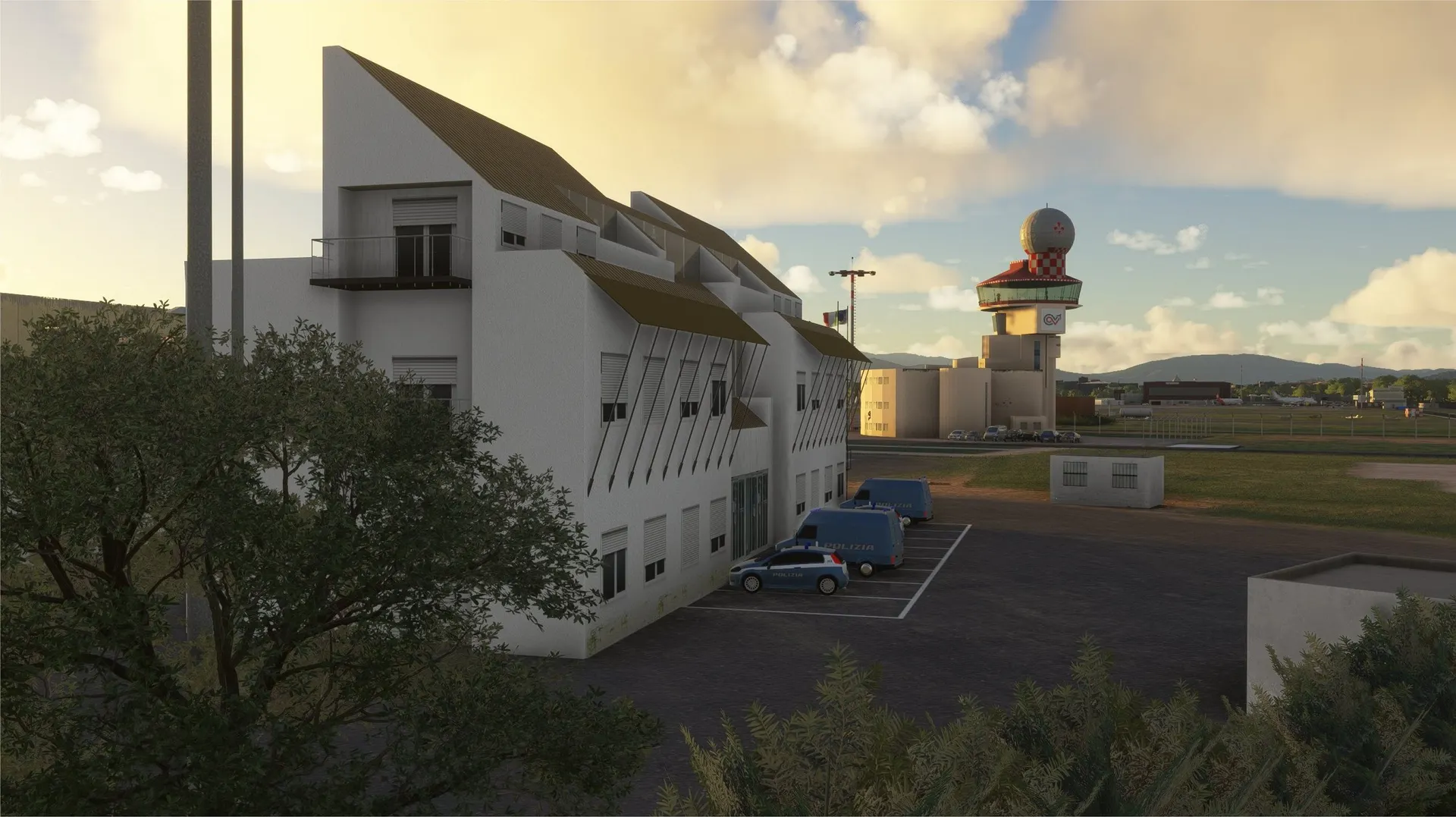
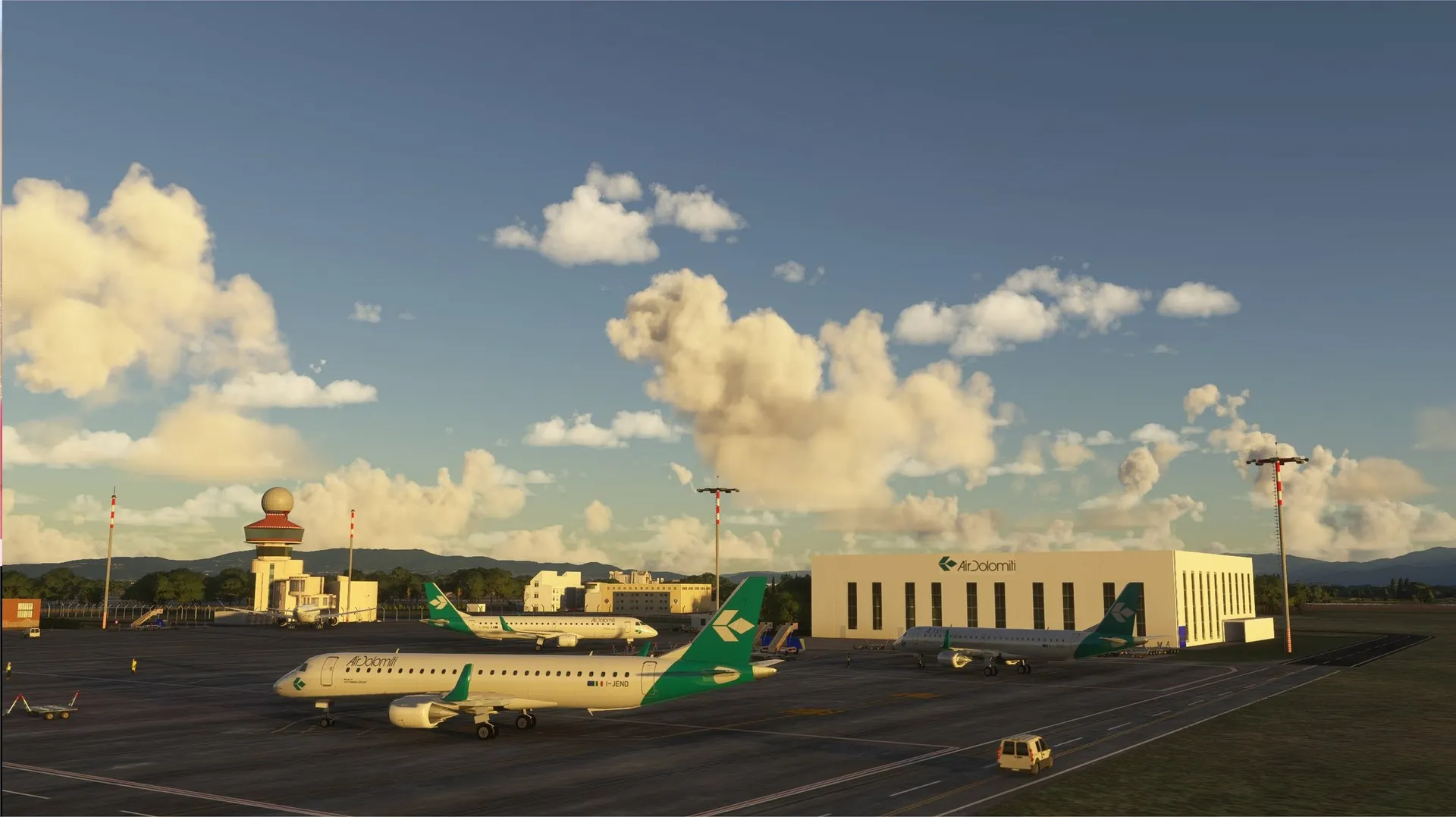
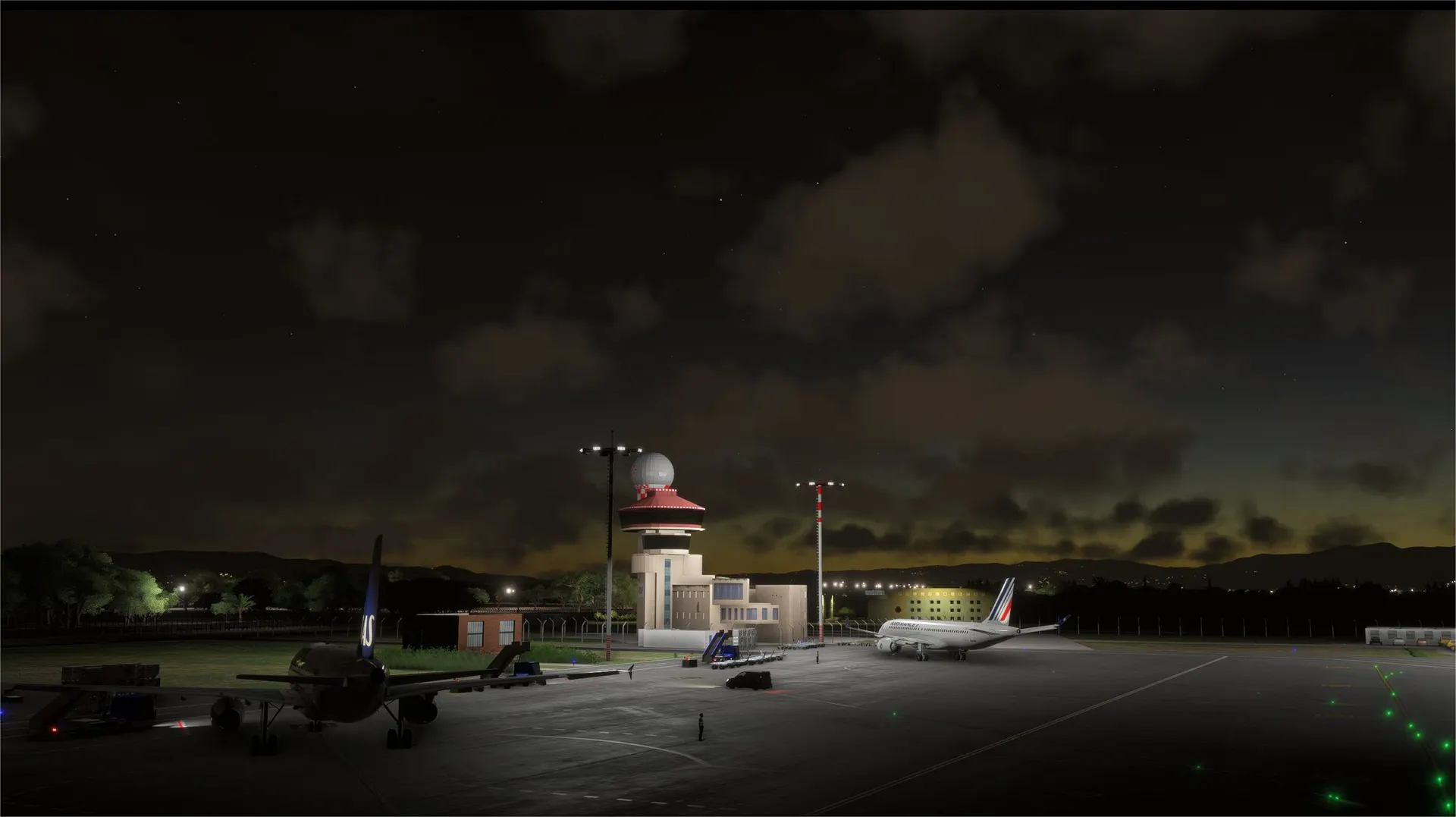
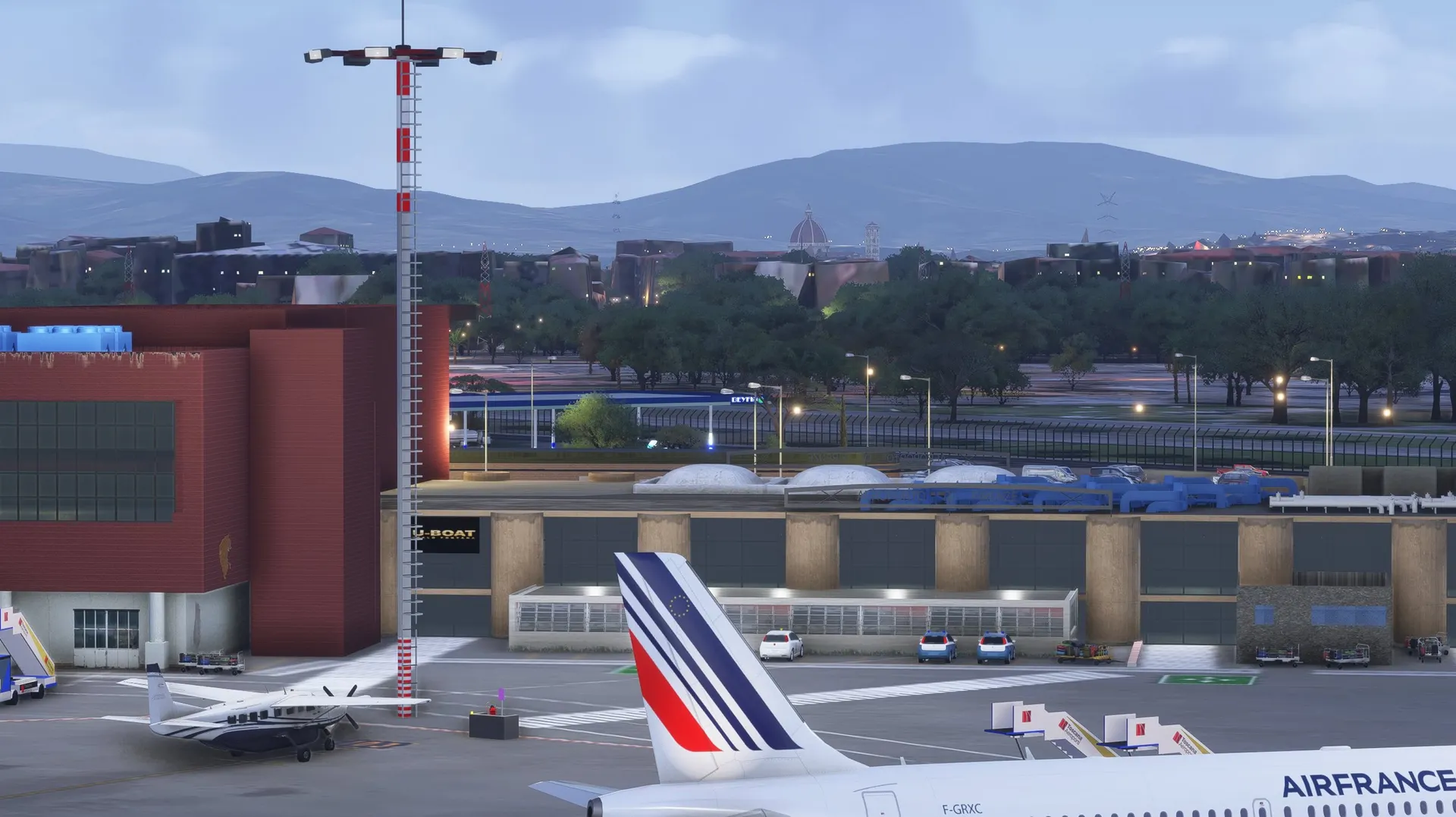
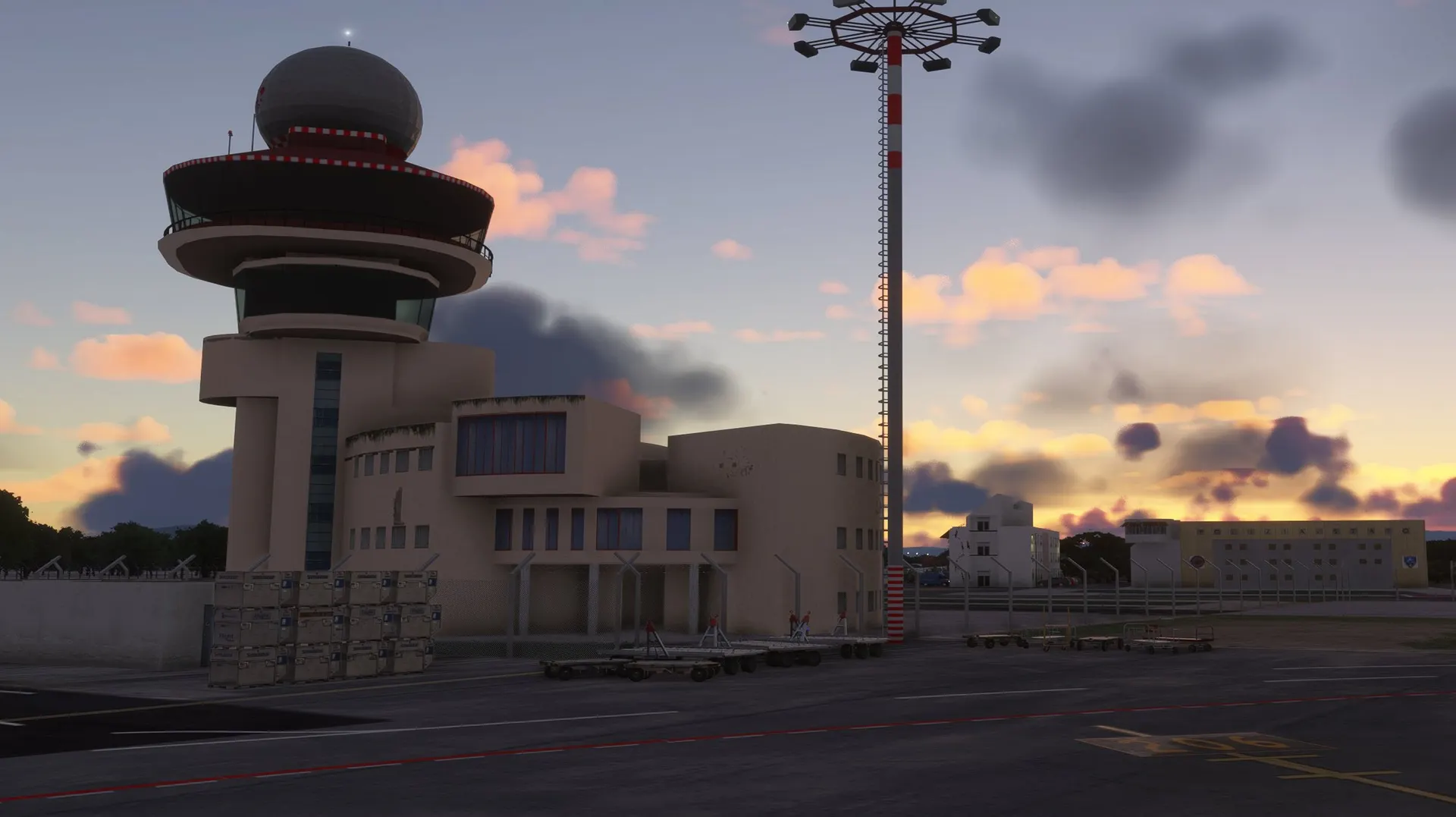
SOUTH OAK CO, in Partnership with Barelli MSFS Addons, presents LIRQ Airport.
Florence "Amerigo Vespucci" Airport - Peretola
ICAO: LIRQ IATA: FLR Official name: Florence Airport "Amerigo Vespucci" Location: Peretola, north-west of Florence city centre Operator: Toscana Aeroporti Runway: 05/23, asphalt, approximately 1,560 m × 45 m Traffic type: domestic and international scheduled flights, business aviation, general aviation City connection: tramway line T2, taxis and urban road network
Overview
Florence "Amerigo Vespucci" Airport, commonly known as Florence Peretola, is the airport serving the city of Florence and one of the two main airports in Tuscany, together with Pisa.
Located in the Florentine plain, only a short distance from the historic city centre, the airport serves one of Italy’s most important cultural and tourist destinations, connecting Florence with many Italian and European cities.
Florence is a compact and very distinctive airport from an operational point of view. Its relatively short runway, its position within the plain, and the surrounding terrain make it a particularly interesting and sometimes demanding airport, especially in certain wind and visibility conditions. For this reason, Florence is mainly served by regional aircraft, business jets and narrow-body airliners suitable for short-runway operations.
History
The origins of aviation in Florence date back to the early decades of the twentieth century. Before the current airport at Peretola, the city’s first airfield was located in the Campo di Marte area.
As air transport developed and the need for a more suitable location became clear, the area of the Florentine plain between Castello and Sesto Fiorentino was selected. Peretola Airport was officially inaugurated on 4 June 1931. In its early years, it was little more than a grass airfield, used for both civil and military aviation.
Between 1938 and 1939, a more structured runway was built, giving the airport a more permanent layout. After the Second World War, the first passenger services began, although for many years Florence remained limited by its runway length and by the presence of Pisa Airport, which offered greater operational flexibility.
Over the following decades, Peretola was gradually modernised and developed into an important city airport, serving business traffic, tourism and point-to-point European connections. The airport is named after Amerigo Vespucci, the famous Florentine explorer, who was born in the Peretola area.
Operational characteristics
Florence is a small urban airport with a very recognisable layout. Its single runway, 05/23, is approximately 1,560 metres long, which is one of the airport’s most defining features.
This runway length limits the use of larger aircraft and makes operations particularly sensitive to weather conditions, wind direction, temperature and aircraft weight. The airport is therefore mainly used by regional jets, business aircraft and selected narrow-body airliners able to operate within these constraints.
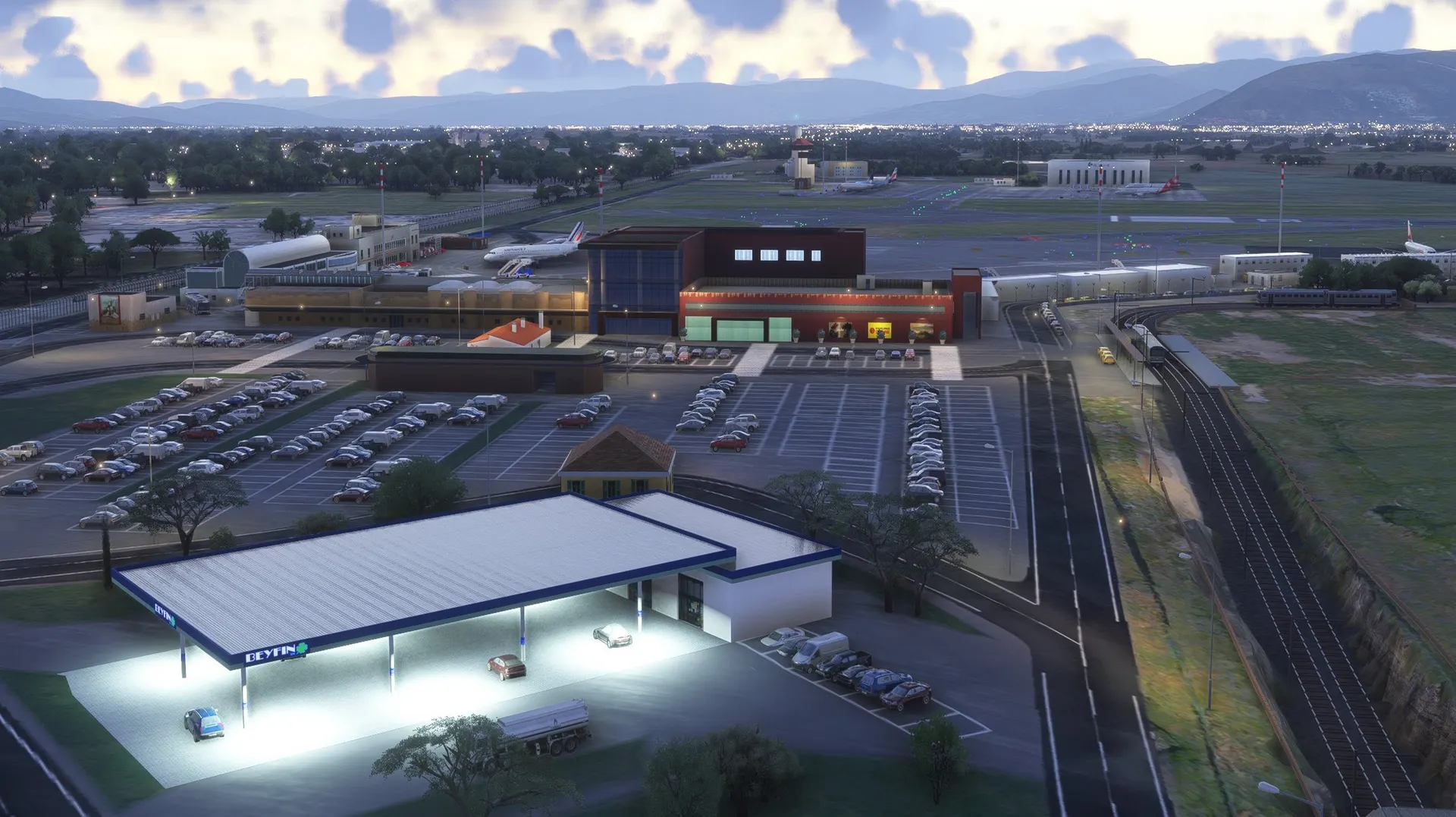
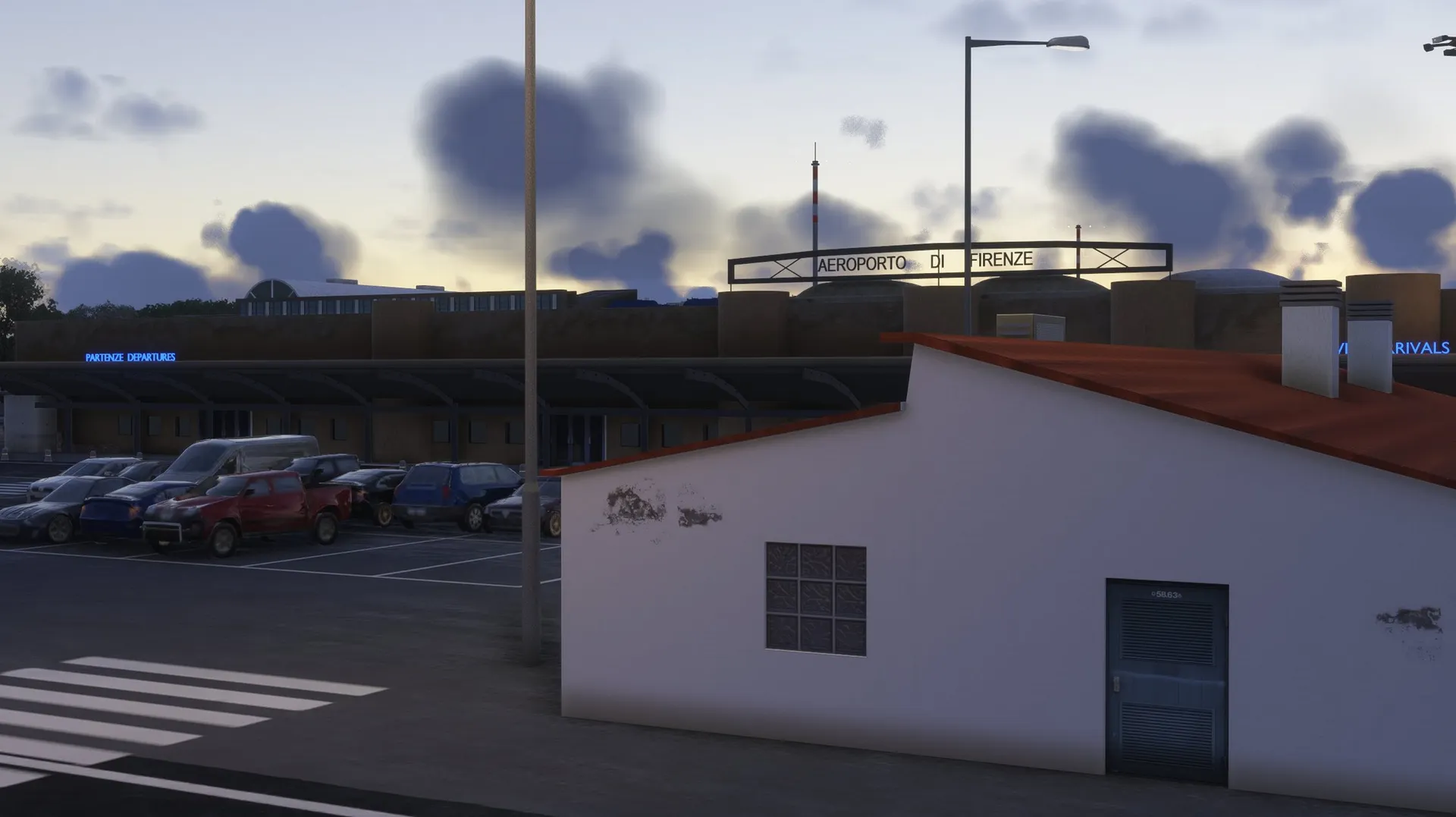
The passenger terminal is compact, and apron space is limited. Boarding is generally carried out by bus or on foot, as the airport does not use jet bridges. However, its proximity to the city and direct tram connection make it extremely convenient for passengers travelling to and from Florence.